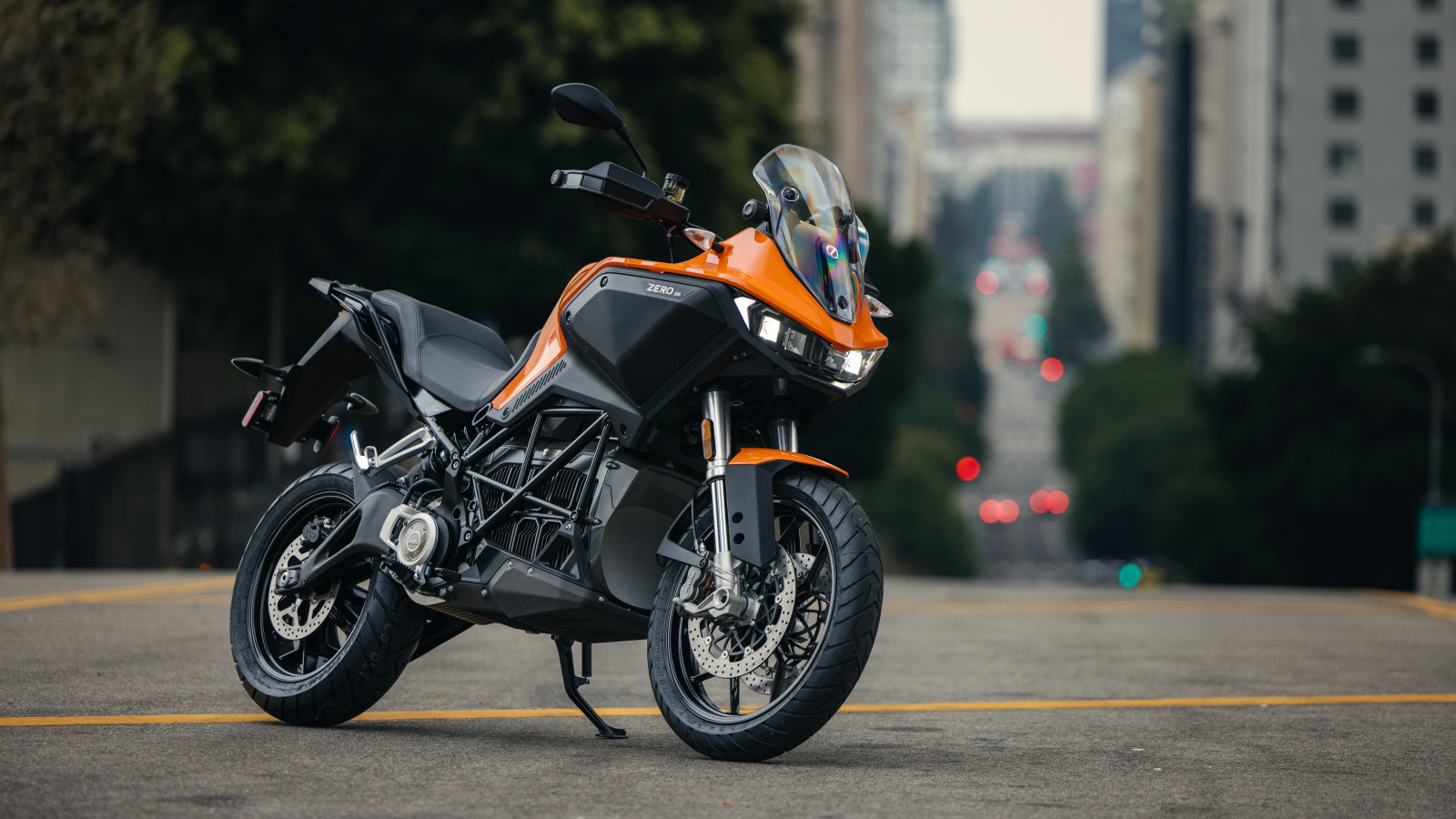
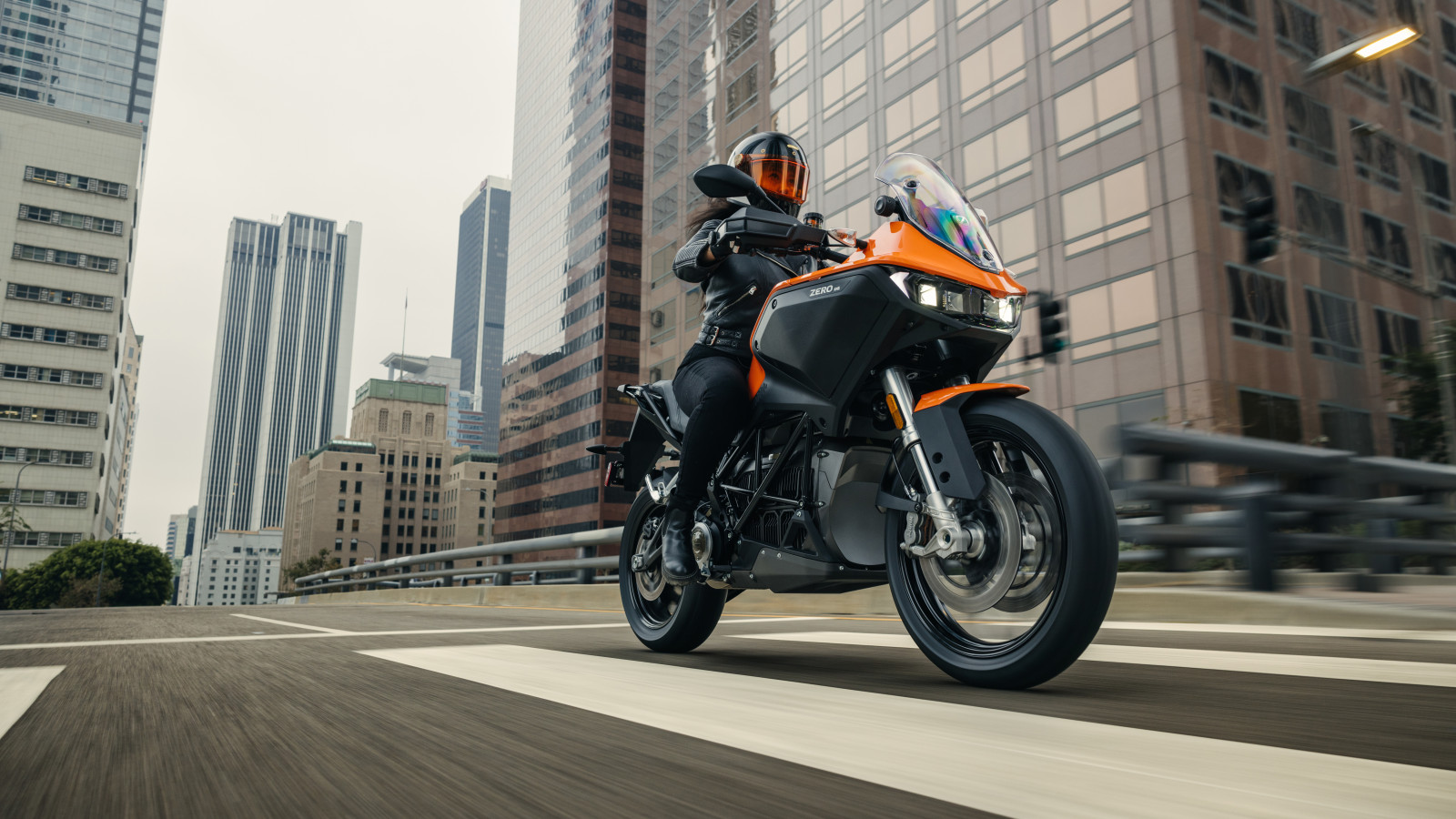
Zero DS review: a pricey electric bike up for an adventure and the commute
This electric adventure bike makes a clean commuter – for those who can afford it.
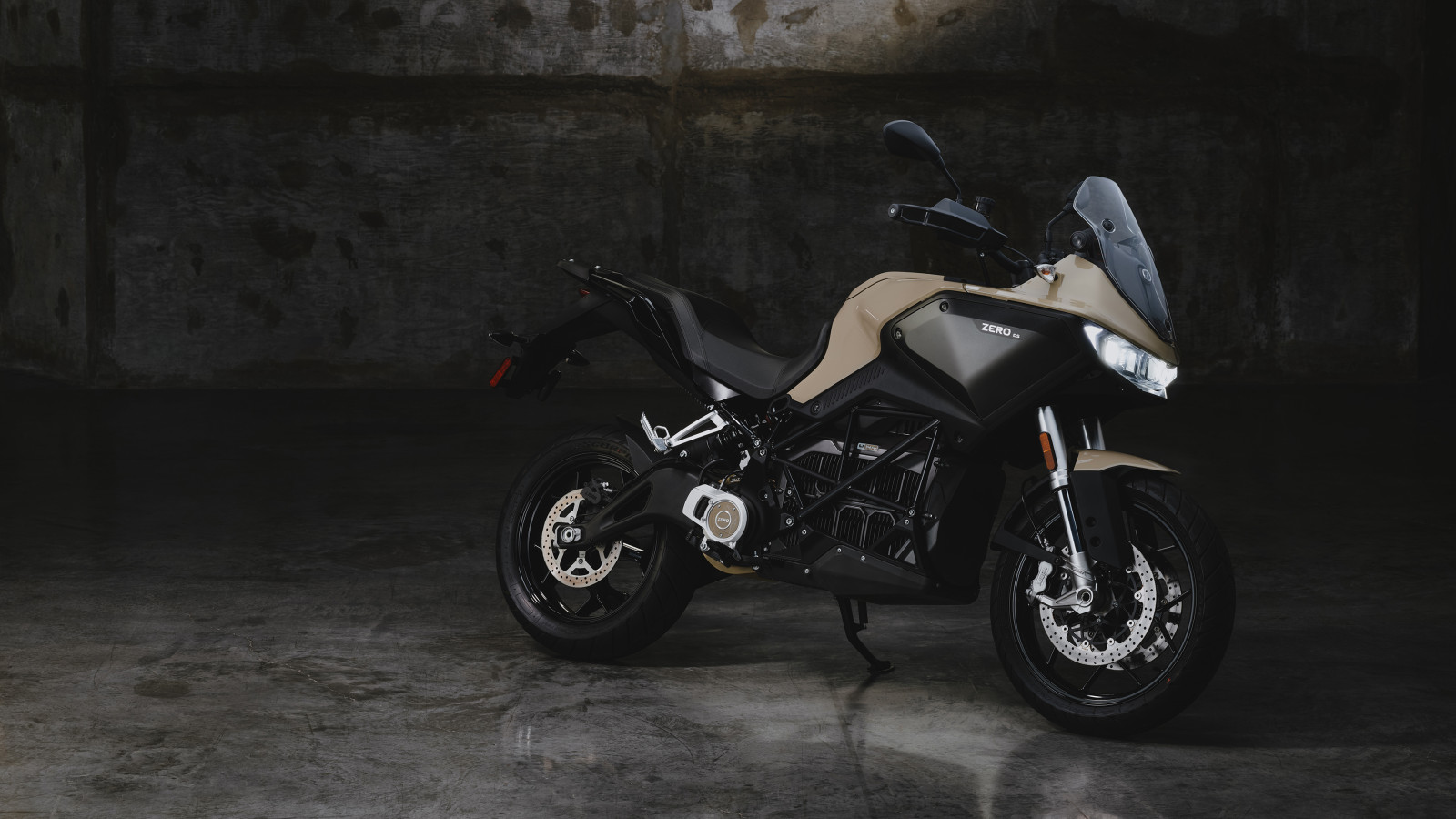
The learner-friendly DS offers big bike thrills but comes with a hefty price tag. Can a 125cc-equivalent bike really be worth 23,000 euros (£16,200)?
It’s much more capable than most wheezy 125cc bikes, but then it’s also a whole lot more expensive, too.
Because electric bikes are classified based on continuous power rather than peak power, the DS counts as a 125cc-equivalent bike, despite having a peak output of 45kW (60hp).
All that power provides effortless overtaking punch – it’s a whole different world if you’re used to a listless petrol 125cc.
It may be a lot quicker than most learner bikes, but the Zero is very easy to ride. There’s one forward gear, so you just twist and go.
Don’t think that because it can be ridden by learners, this is a bike you will trade in as soon as you pass. Experienced riders won’t feel short-changed.
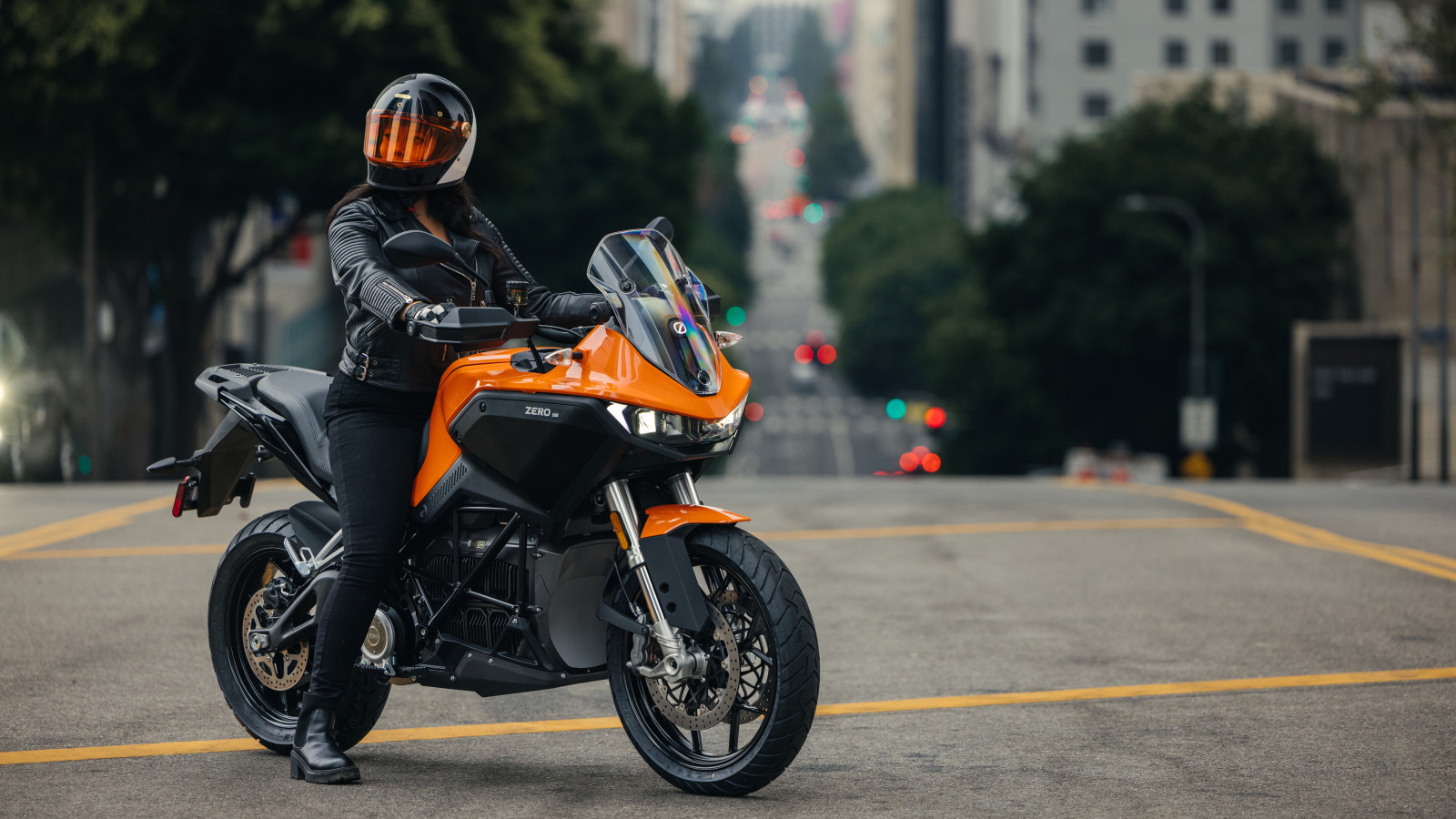
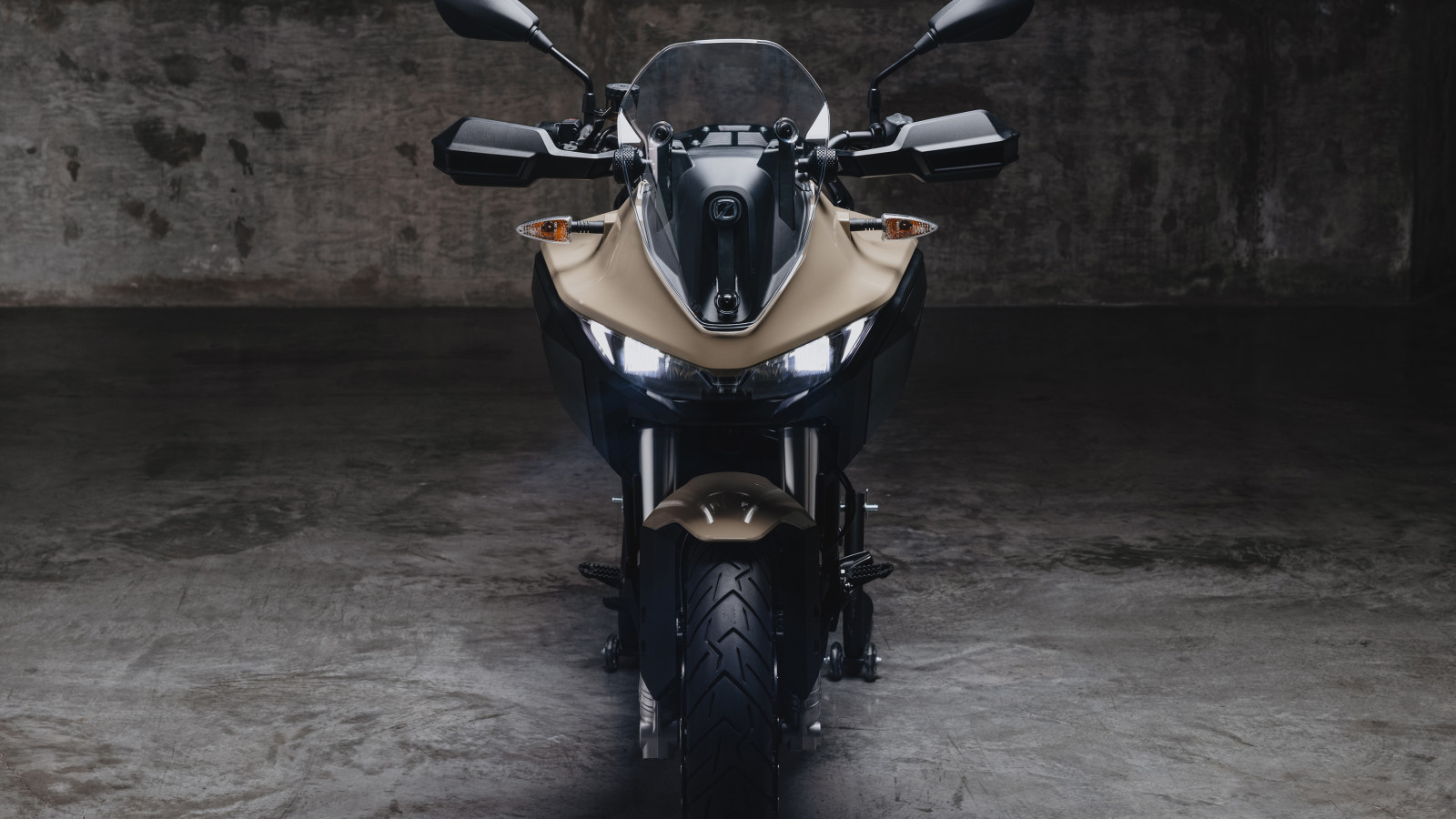
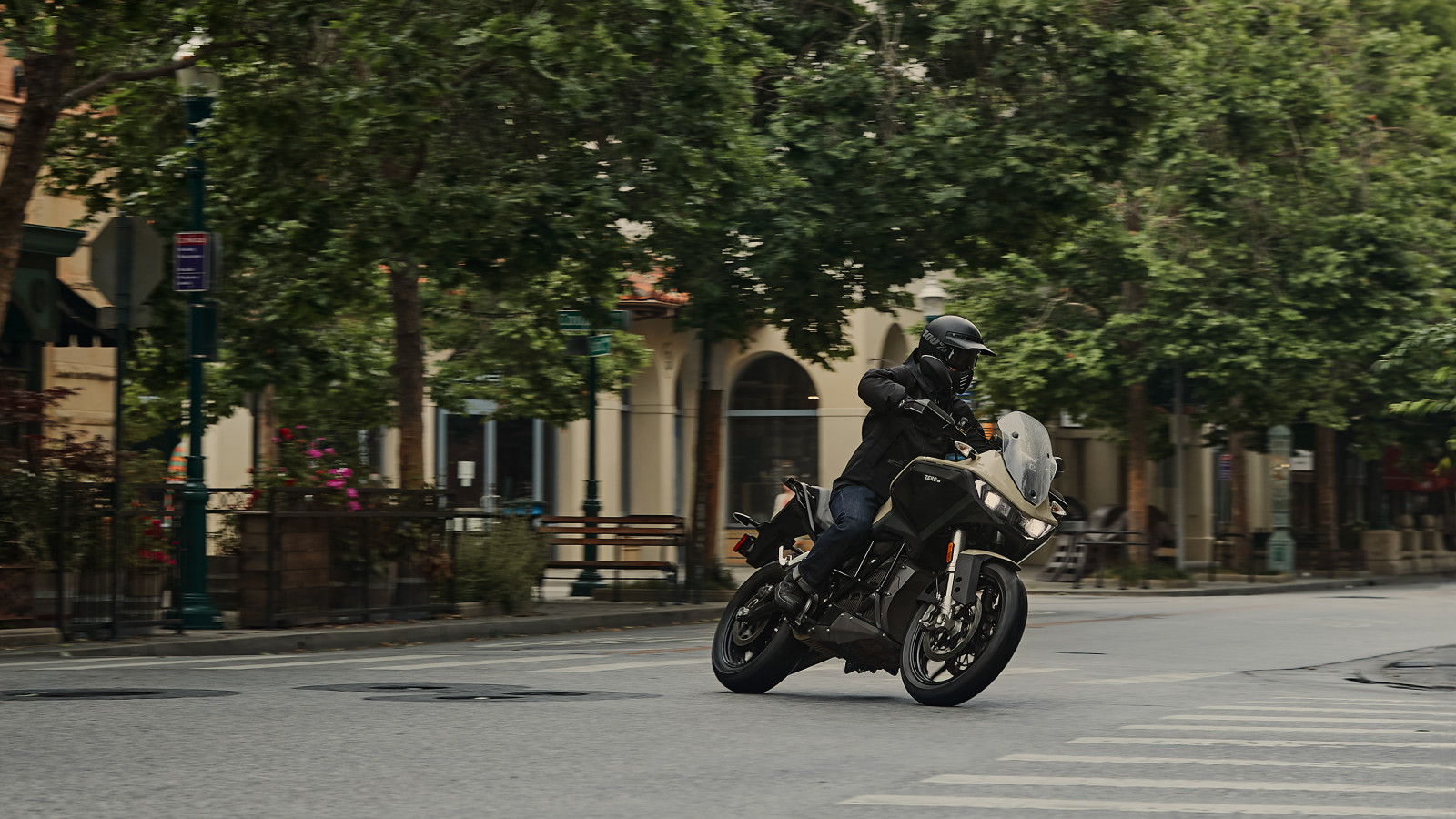
The high bars and comfy seat make the DS agreeable on rides of two hours or more, and the adjustable screen reduces wind buffeting at speed.
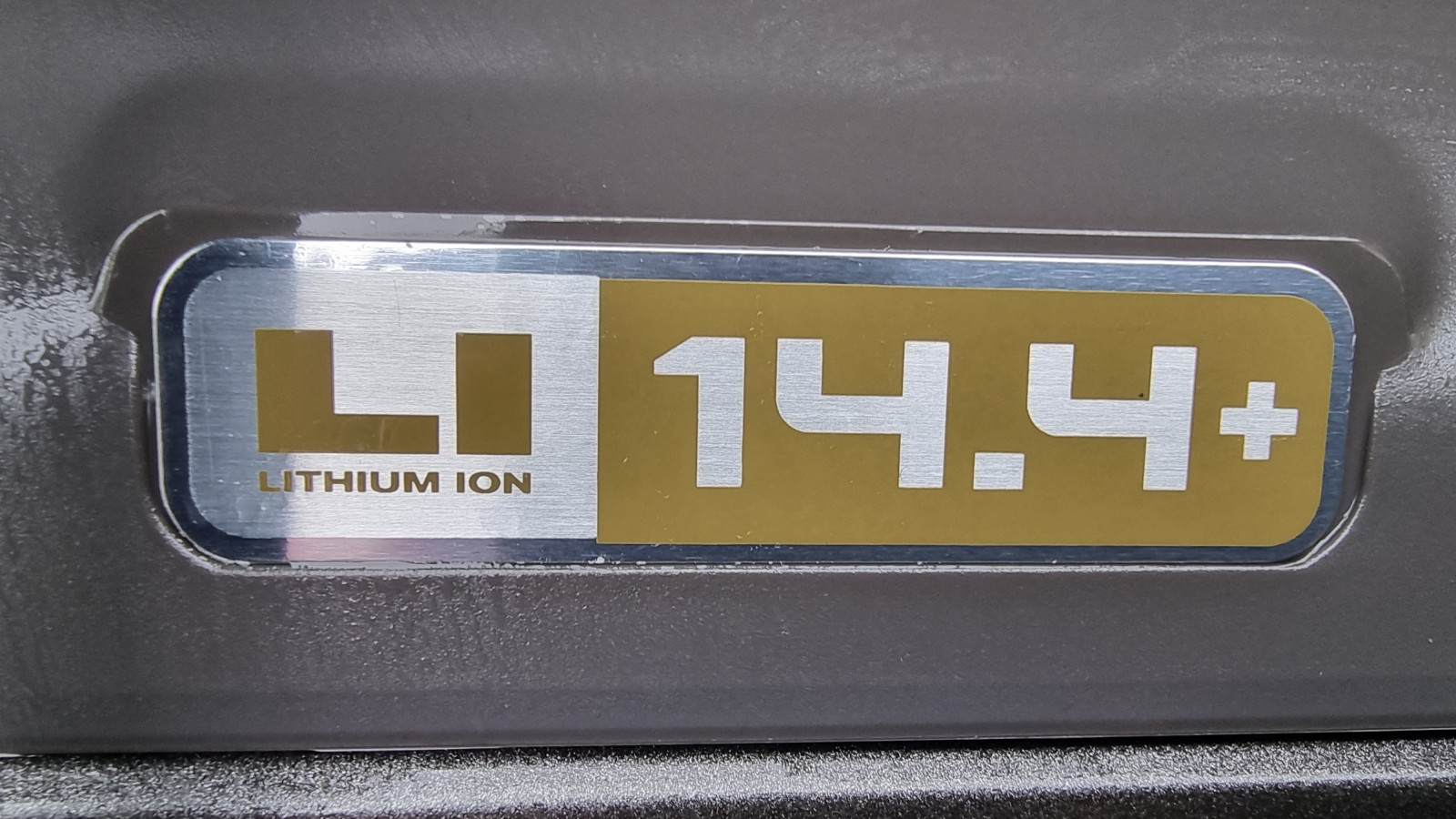
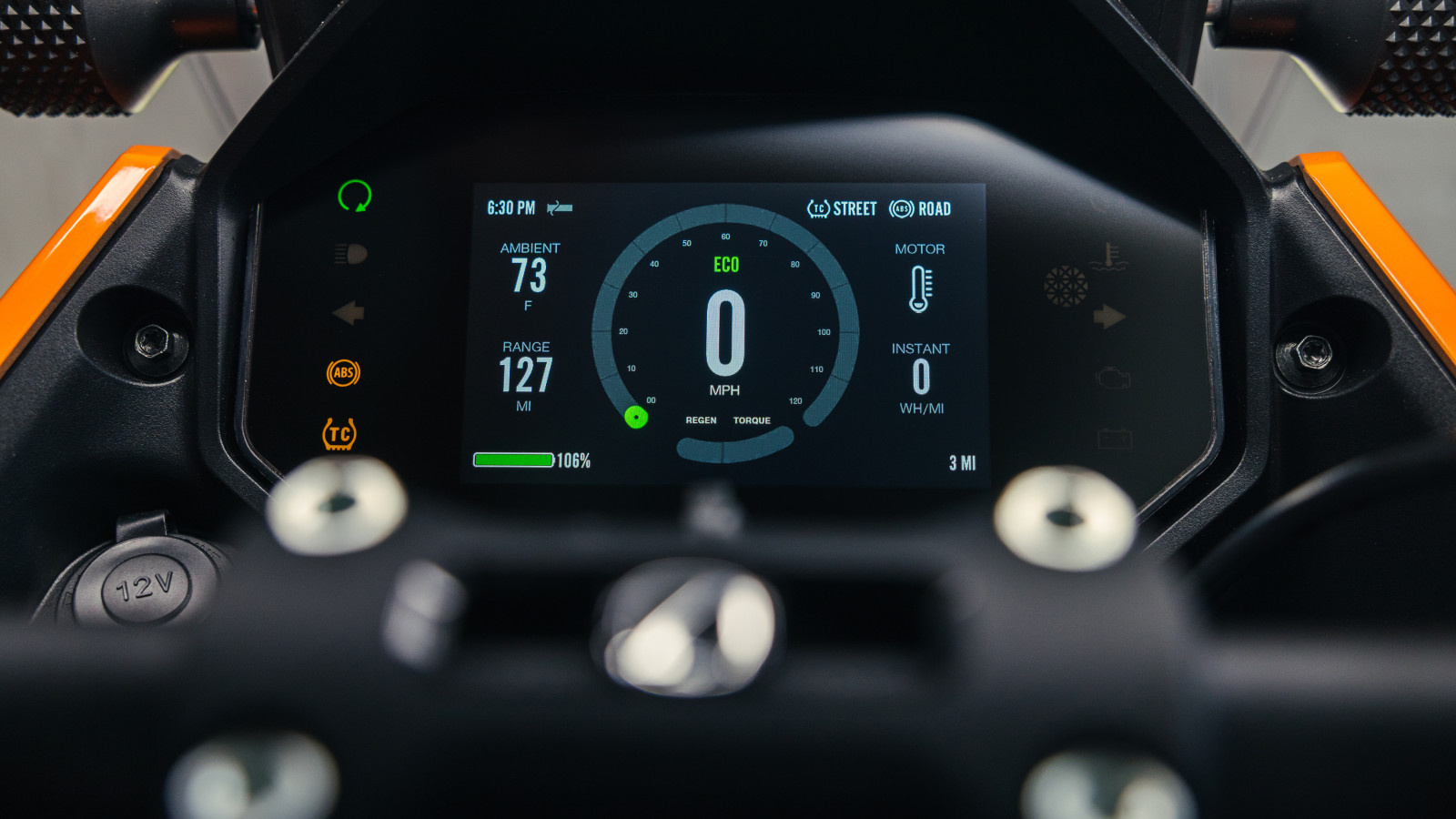
The DS has a 14.4kWh battery, giving an official range of up to 232km (144 miles) in city riding. On a mixed route in cool weather, we saw a range of 171km (106 miles).
Take your pick of Rain, Eco, Standard, Sport, and Canyon ride modes. Eco maximises the range, with strong regenerative braking – you hardly need to touch the brakes.
For full performance, switch to Sport or Canyon mode. Rapid acceleration makes the DS great fun to ride, but the range drops quickly if you enjoy yourself too much.
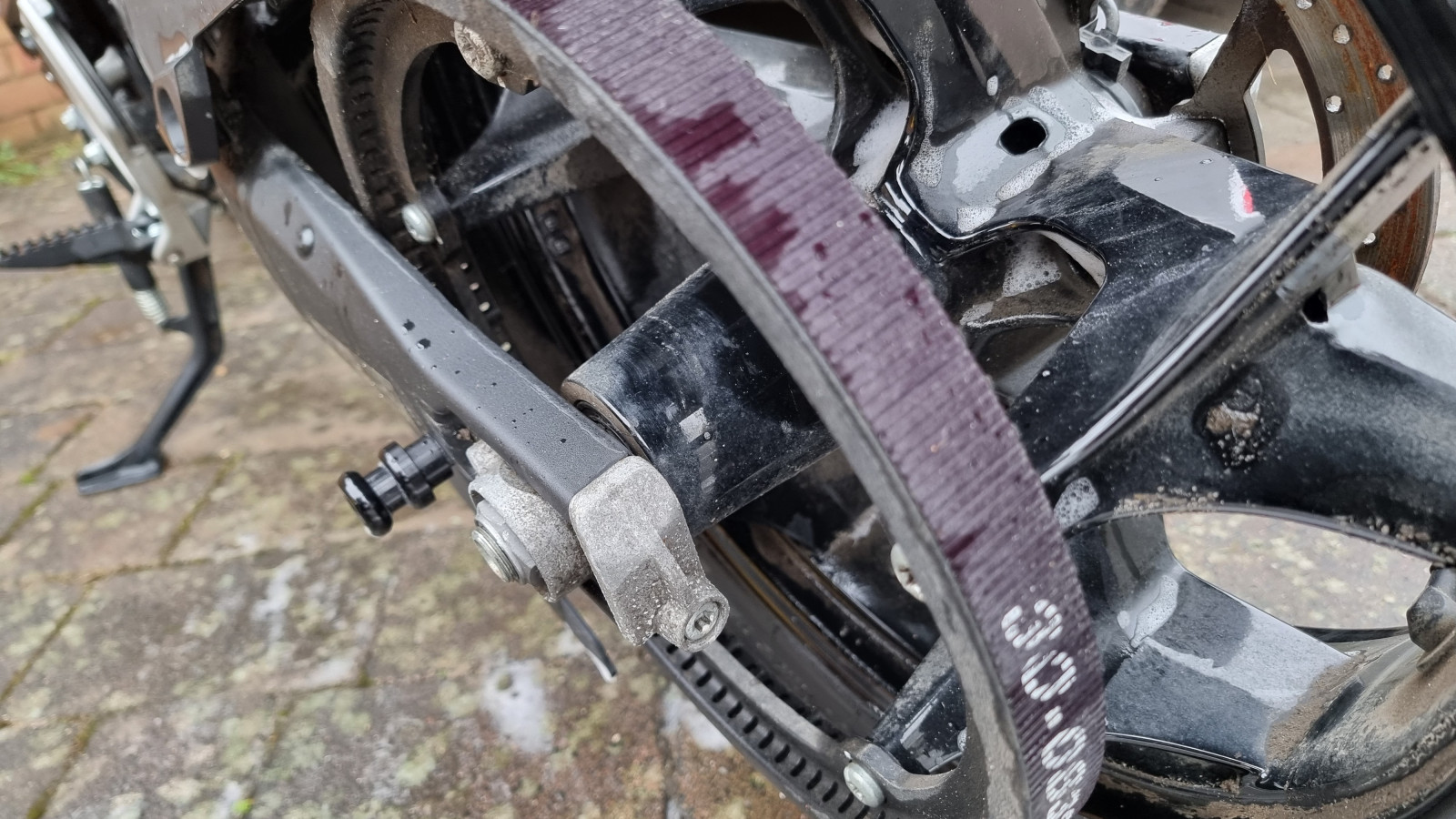
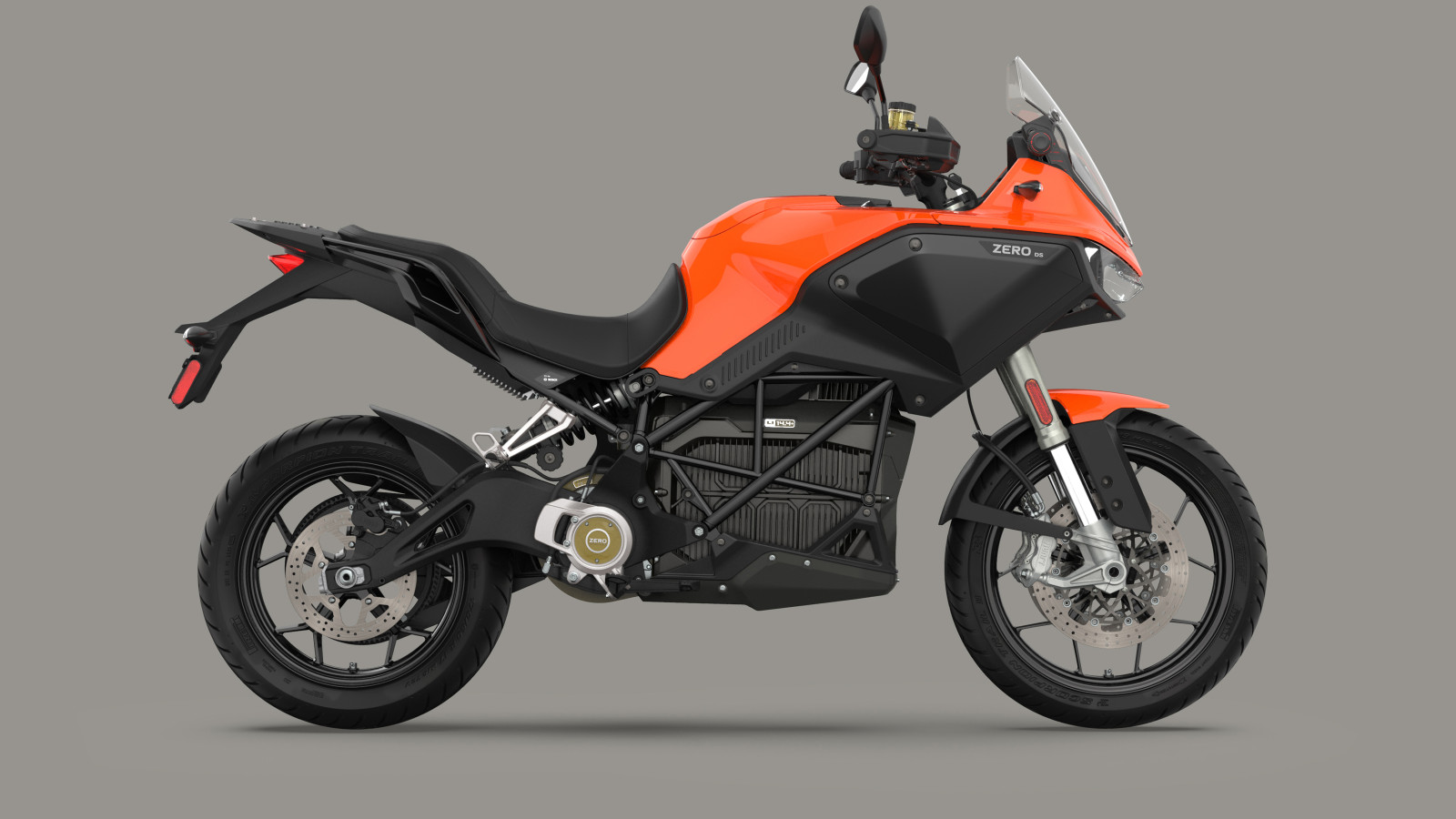
The DS is fitted with a carbon belt drive rather than a chain. This should reduce the need for maintenance, especially for anyone who rides all-year round.
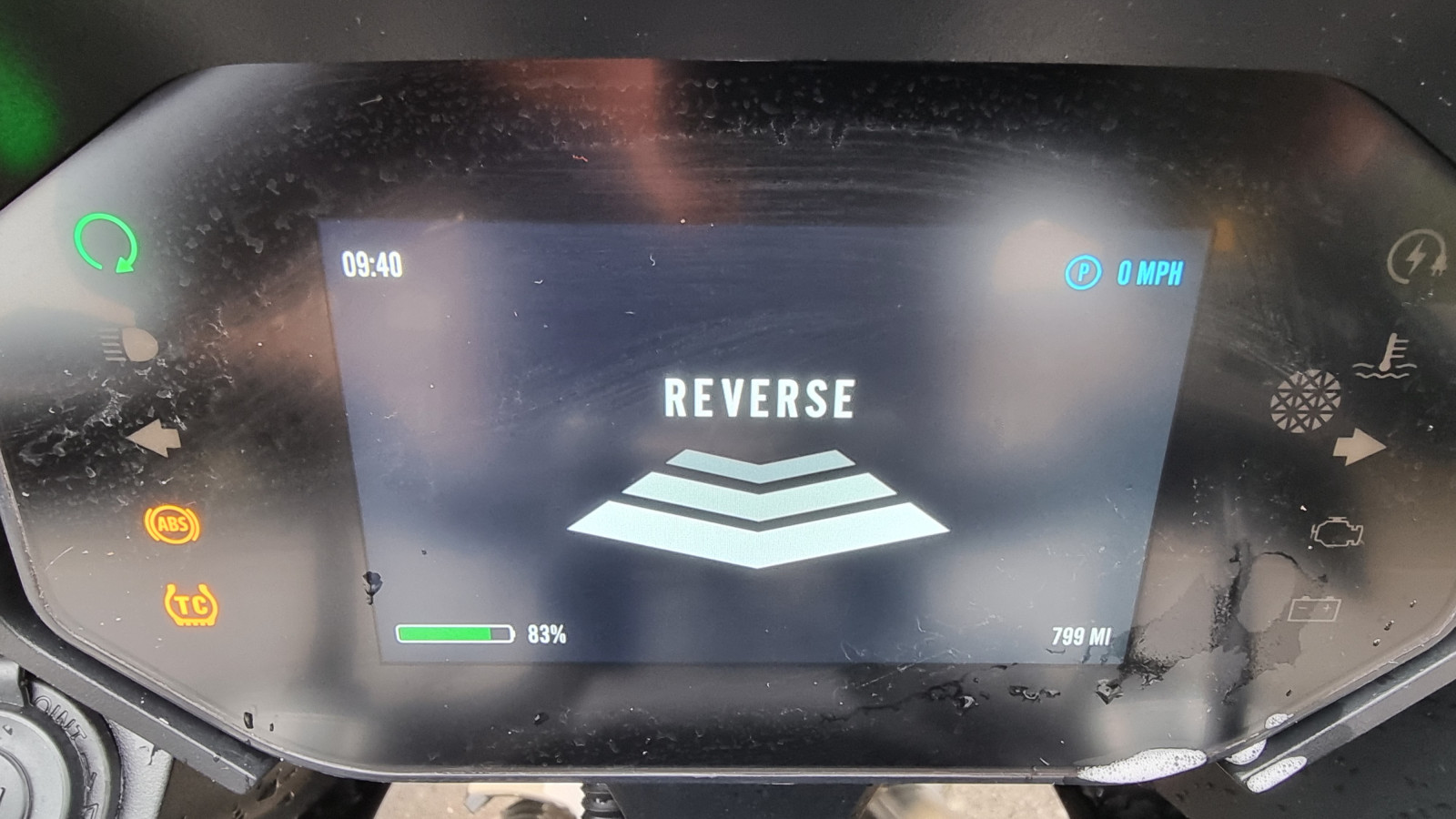
Weighing in at 239kg (527lbs), the DS is as hefty as many big petrol bikes. It helps that there’s a reverse mode to help with low-speed manoeuvres.
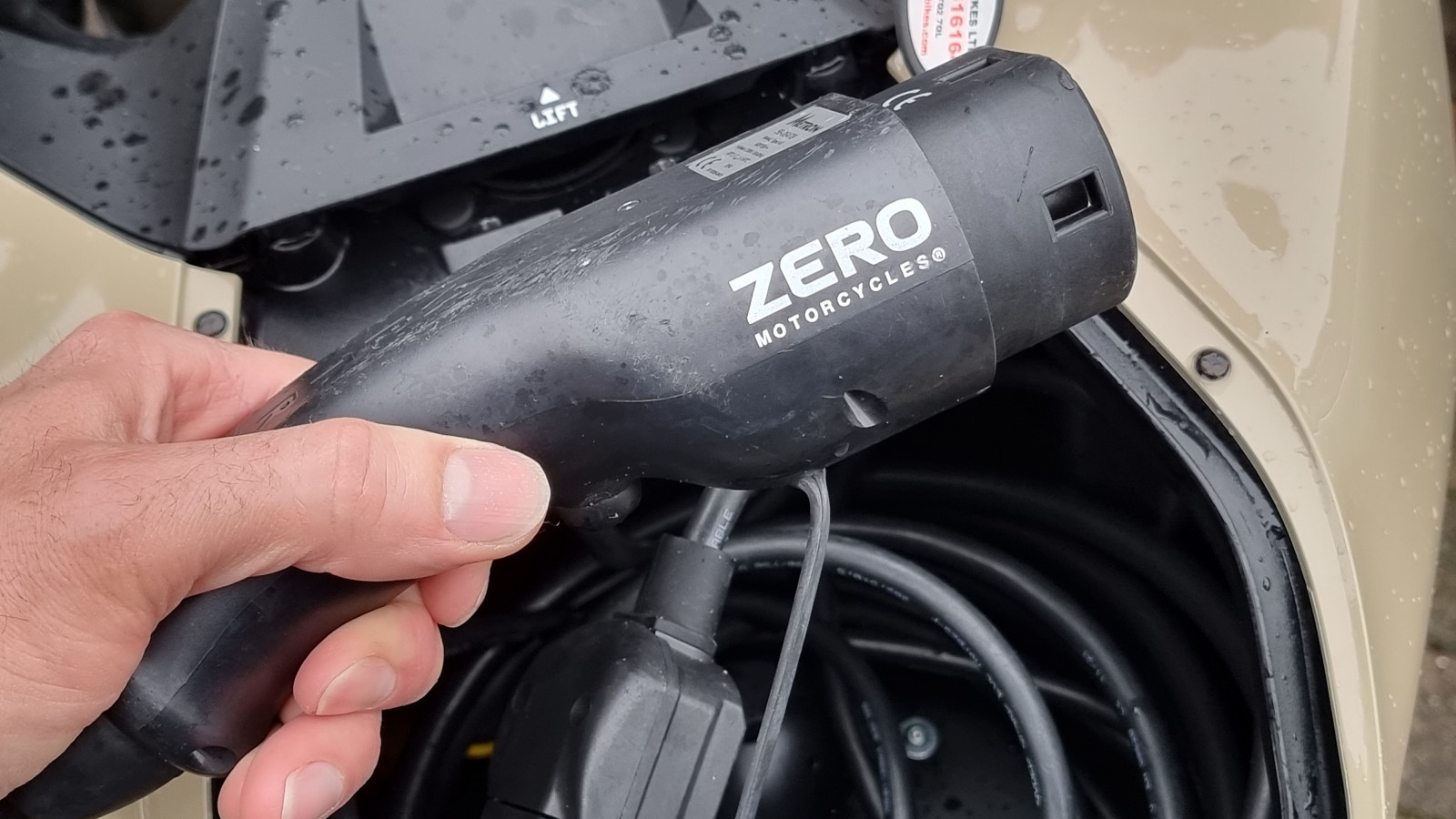
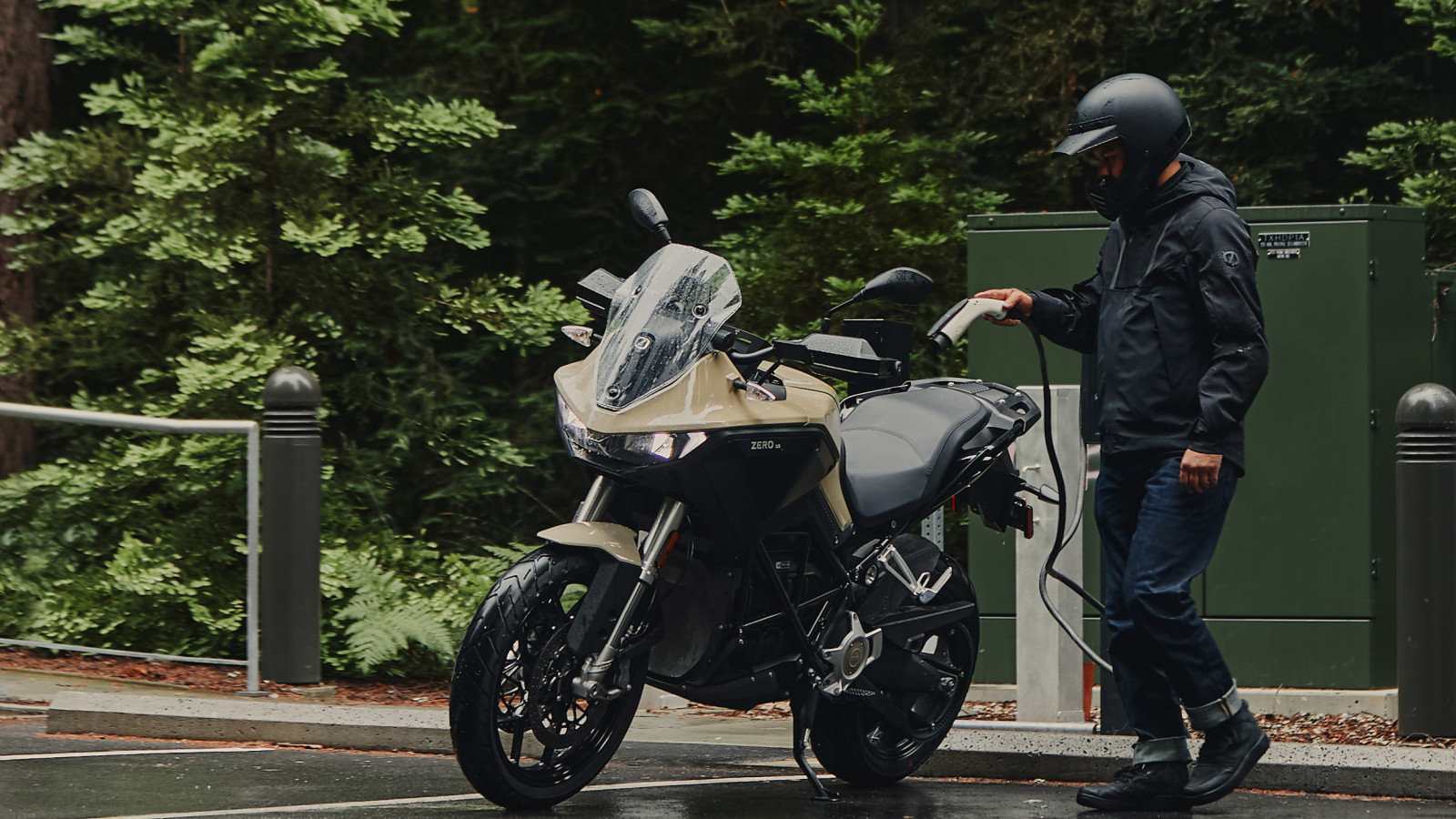
Like almost all electric motorbikes, the DS is not compatible with rapid DC charging. As standard, the bike charges at up to 3.0kW from an AC source.
If the standard charge time of around four hours is too slow, the bike can be fitted with a rapid charger for 3000 euros (£2579), although this only improves the speed to 6kW.
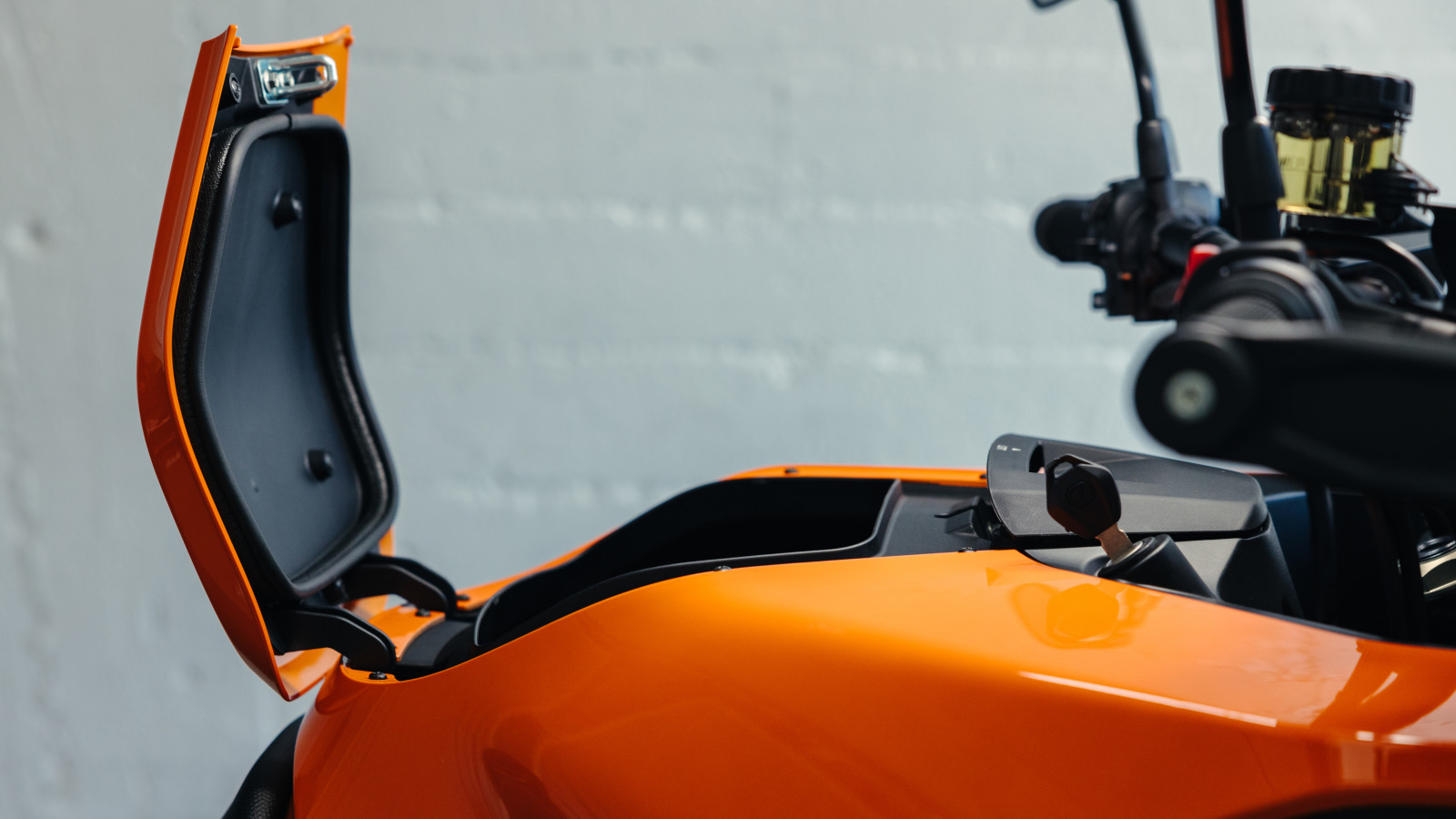
There’s storage for the charging cables where the fuel tank would be on a petrol bike, although this is lost if the rapid charger is fitted.
Four-piston J. Juan front brakes provide plenty of stopping power. There’s a combined system to spread braking effort across the front and rear wheels.
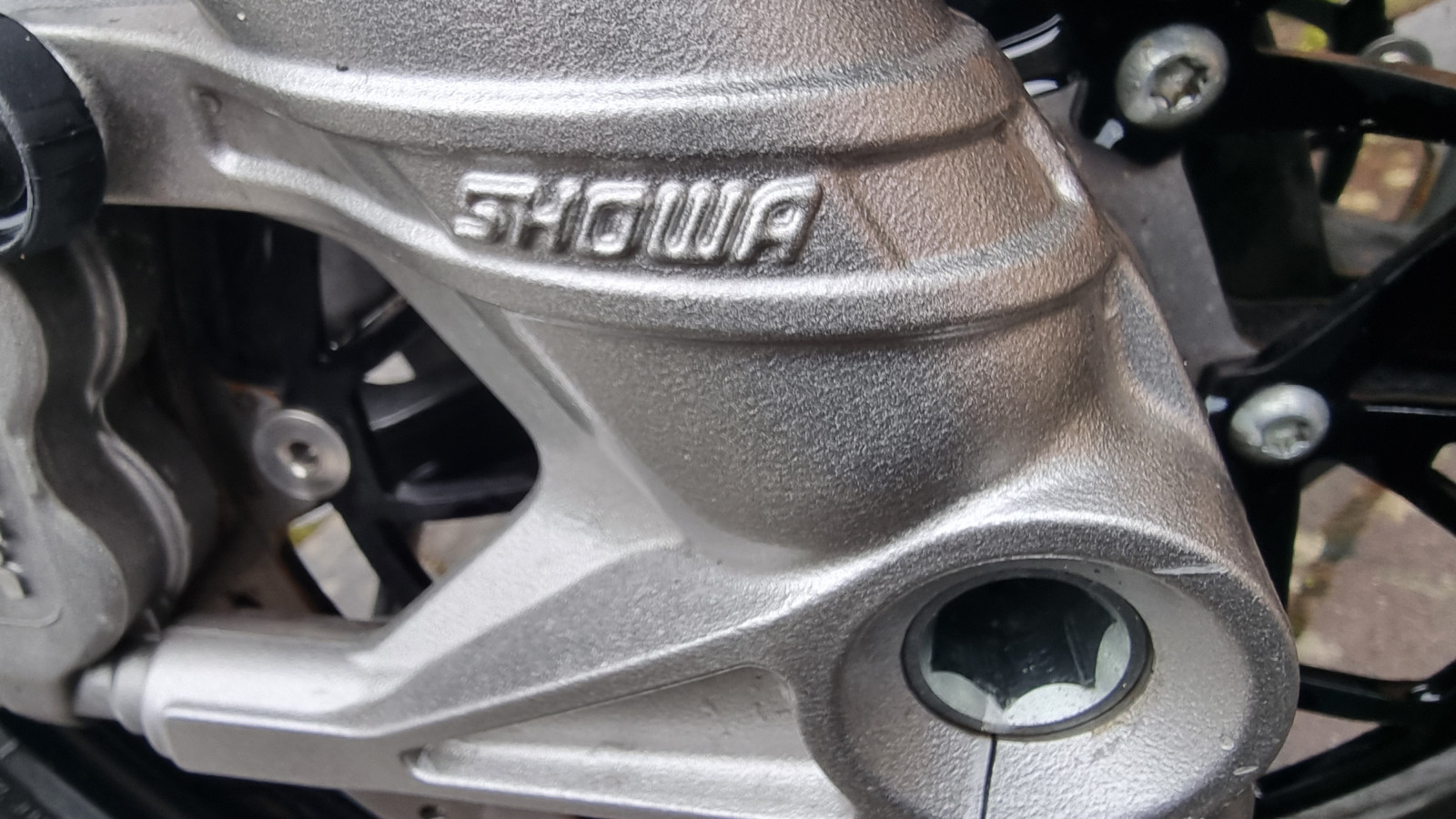
The high-quality Showa suspension delivers a comfortable ride, with adjustable damping (compression and rebound) and preload at both ends.
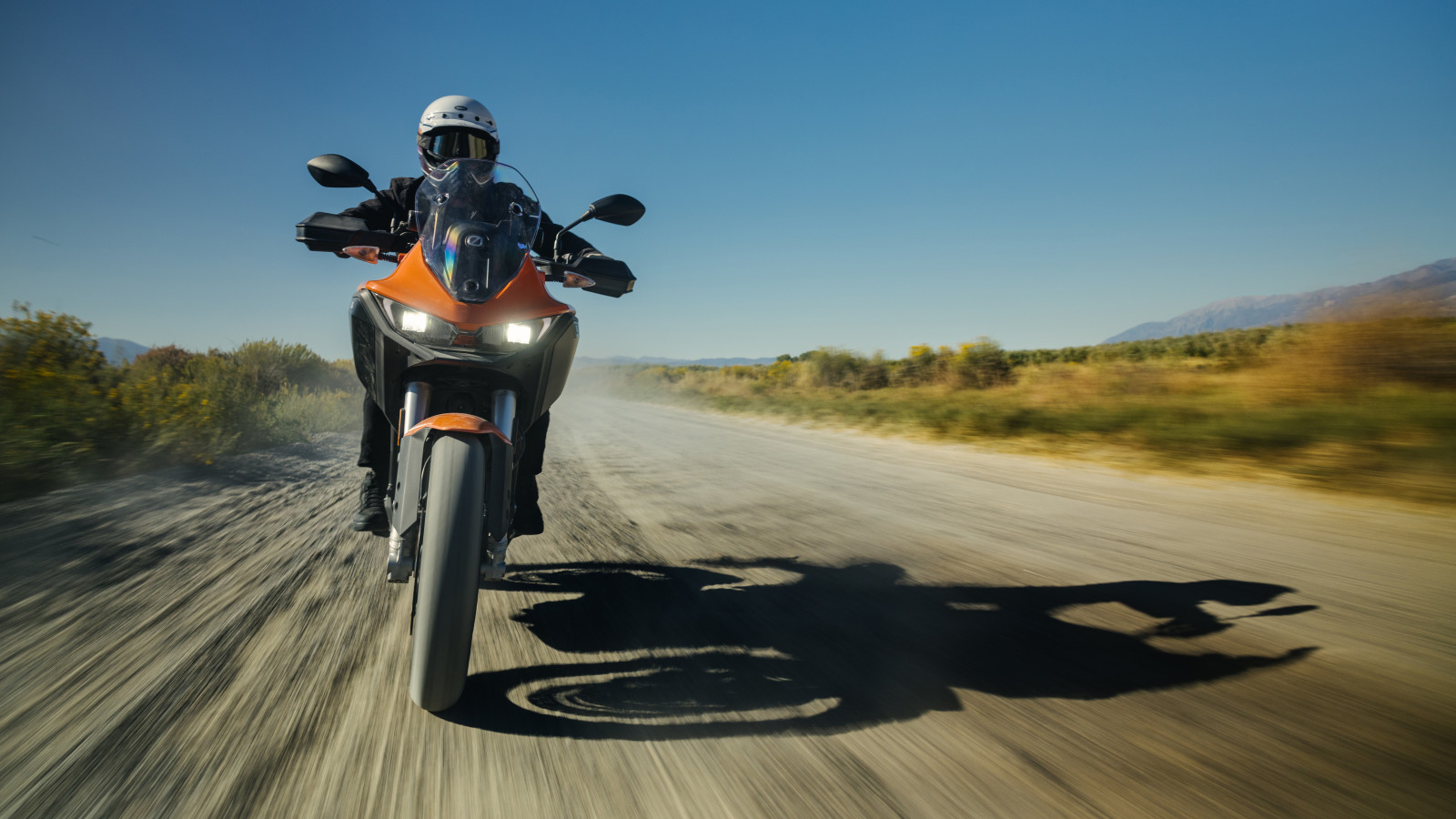
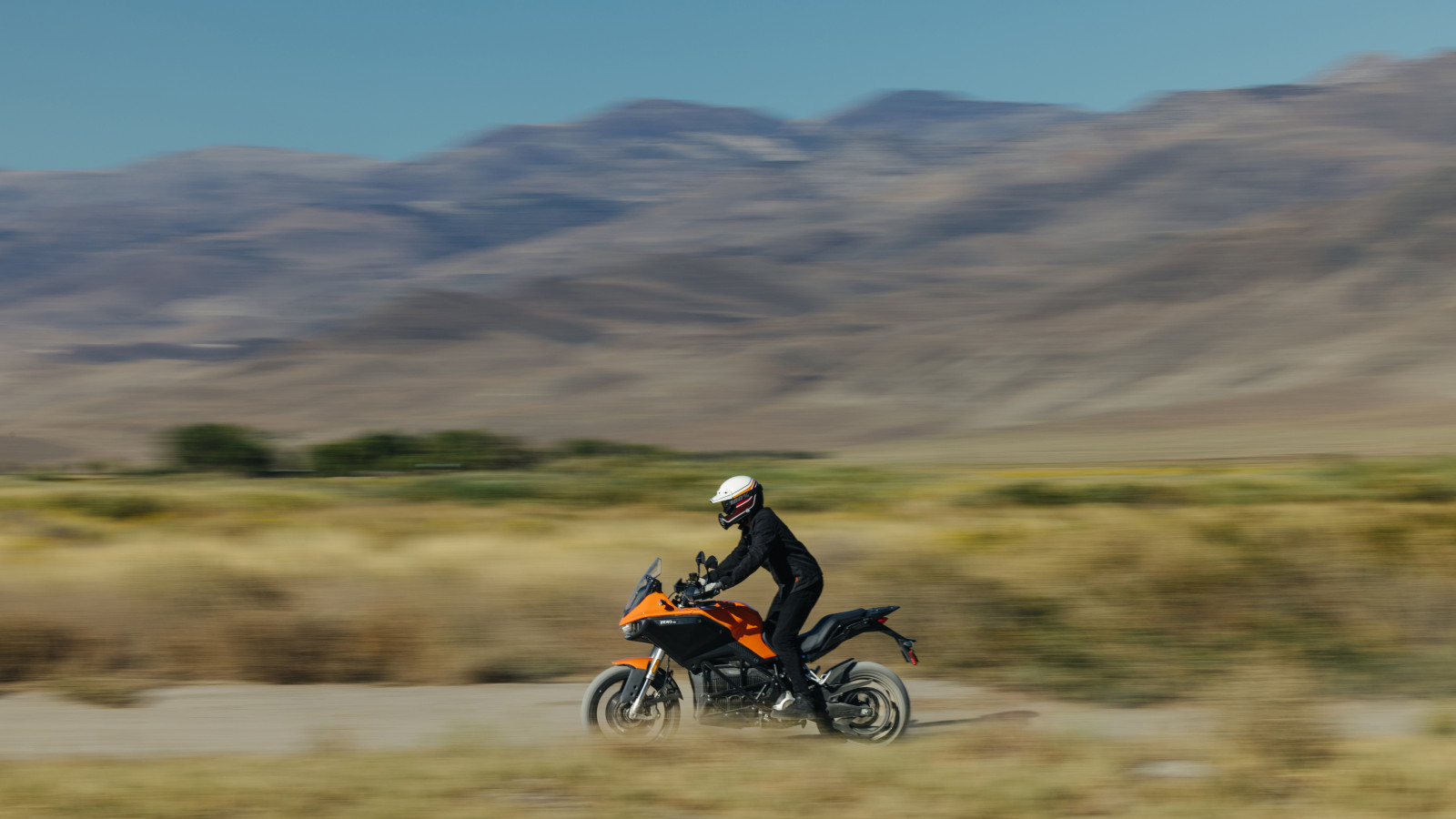
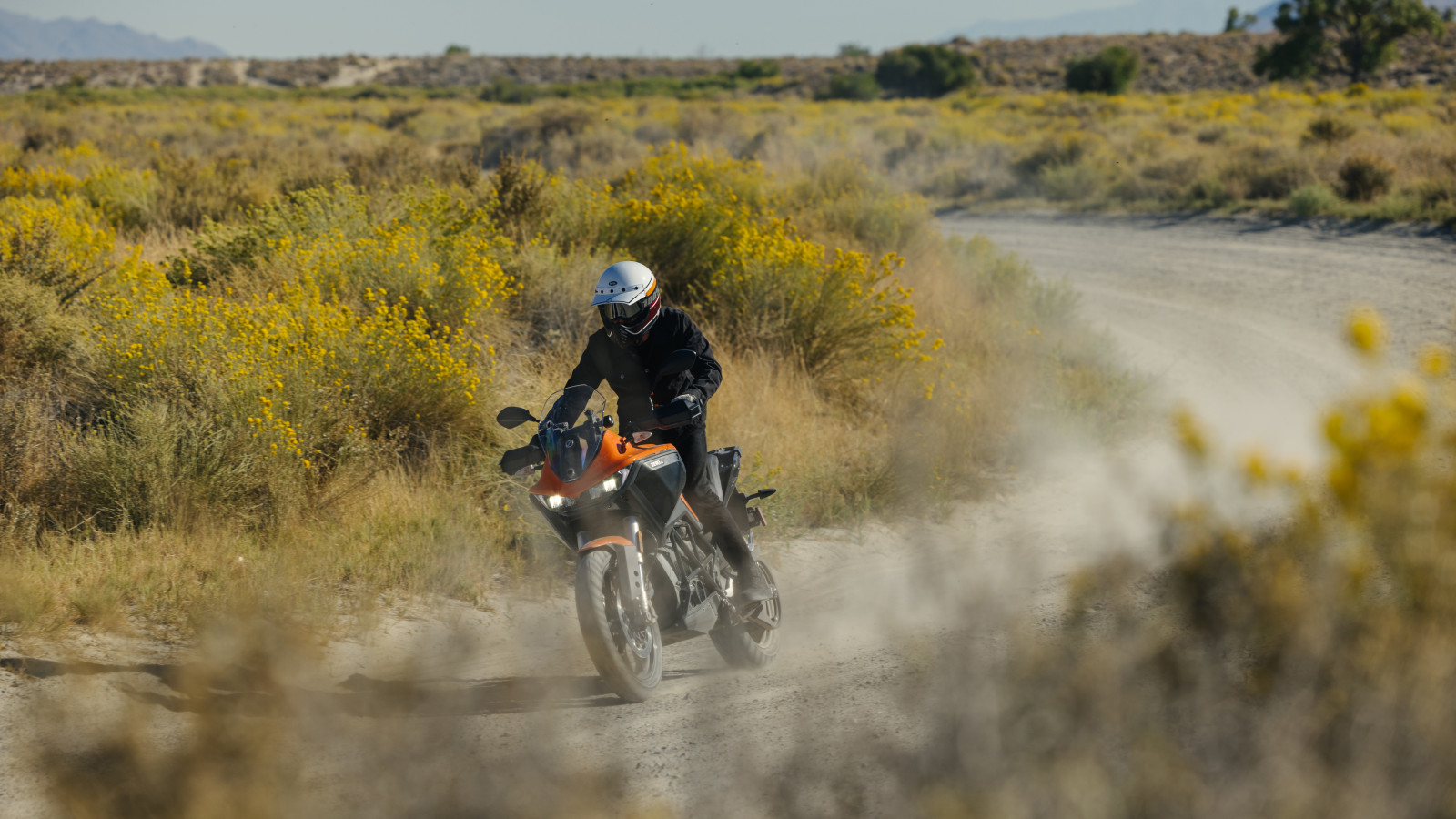
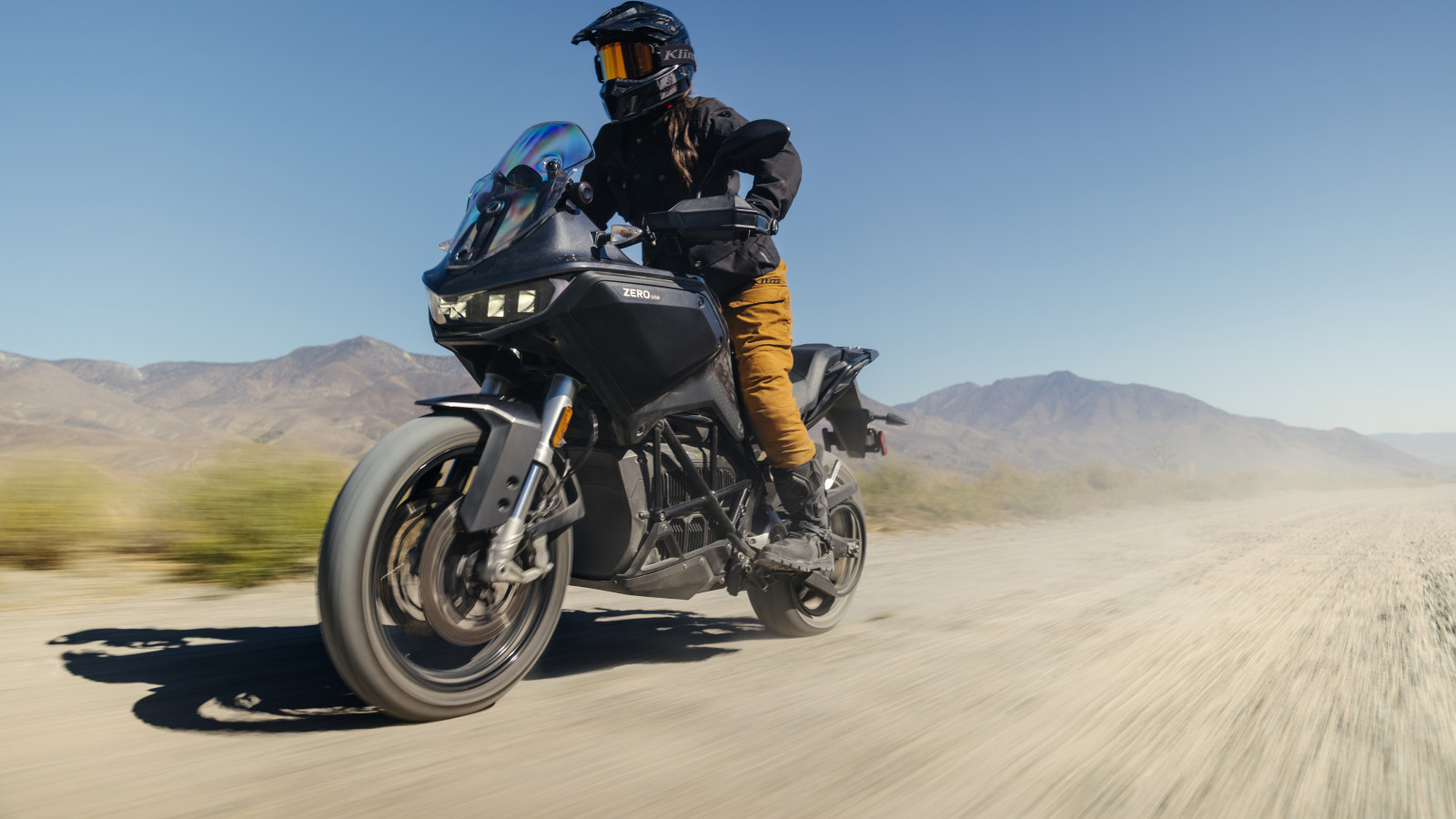
With 190mm (7.5 inches) of suspension travel front and rear and Pirelli Scorpion Trail II tyres, the DS can cope with trails as well as Tarmac.
With a price tag of 23,000 euros (£16,200), the DS is much more expensive than a similar petrol bike. However, charging costs will be lower than fuel bills, so long as you have a charger at home.
For just 1000 euros (£800 more), the Zero DSR offers near-identical looks but more power, torque, and a longer range. Unless you are desperate to buy a bike before you have your full licence, it’s a better buy.
Slow charging makes for awkward long journeys, but the ride quality and performance make the Zero DS ideal for commuting or a couple of hours of weekend fun. Be patient and wait to pass your test, and the DSR is a better bike for just a little more money.