German automotive giant Volkswagen has been involved in the electric vehicle market for over a decade, from the early e-Golf to today’s expansive ID range.
While its current line-up consists of eight numbered electric models — including the ID.3, ID.4 and ID.7 — Volkswagen is now breathing new life into some of its most iconic nameplates.
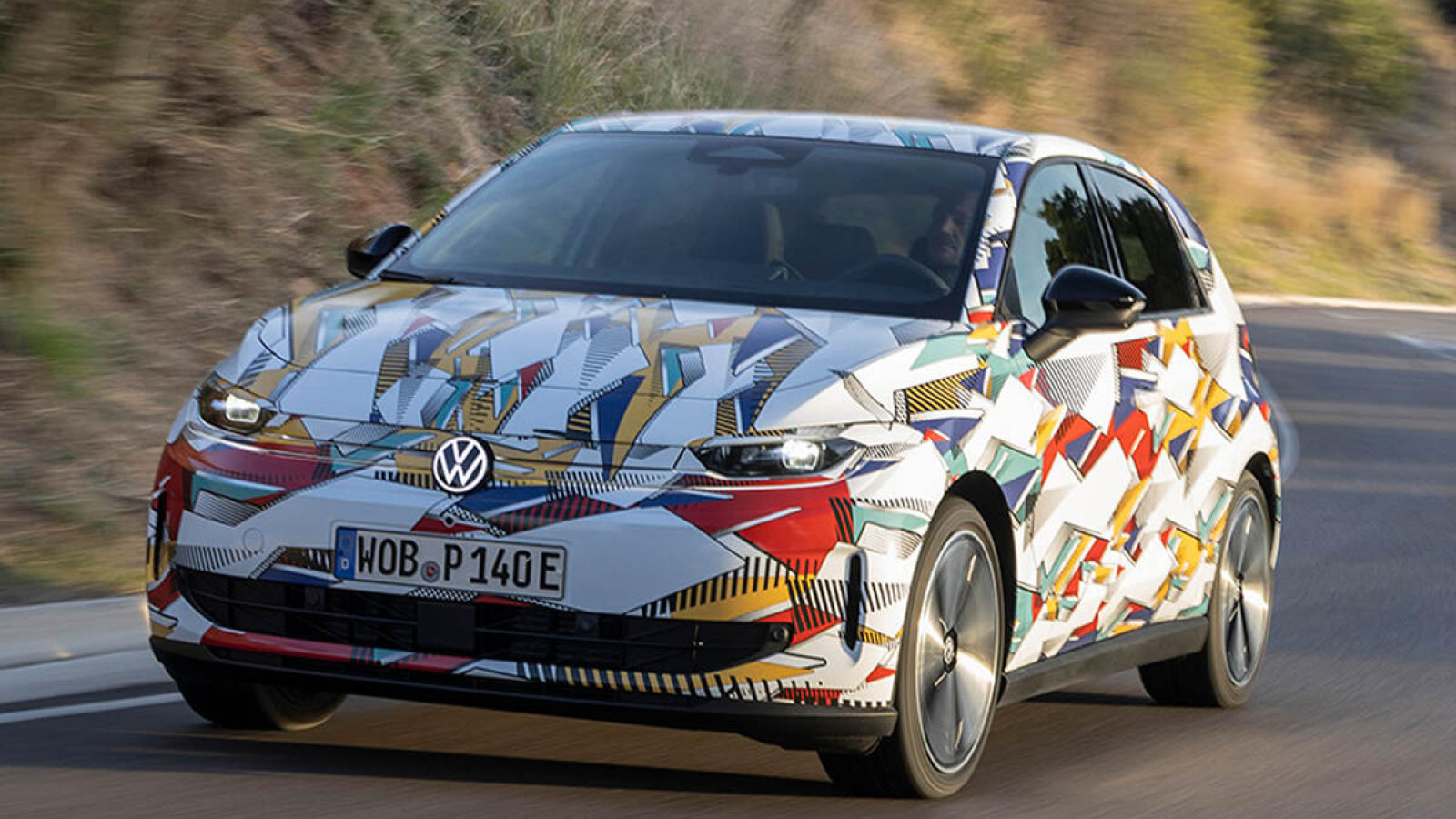
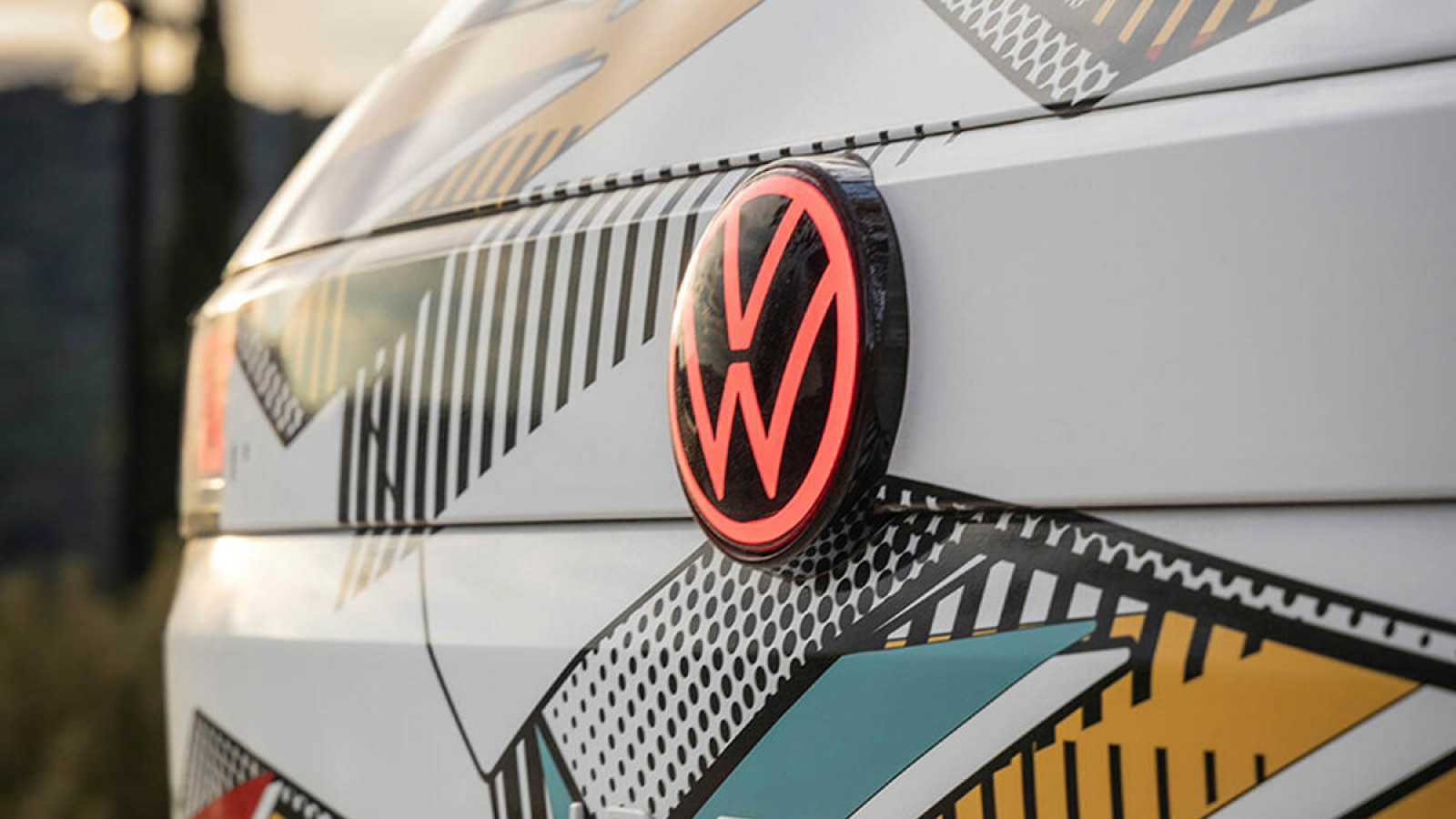
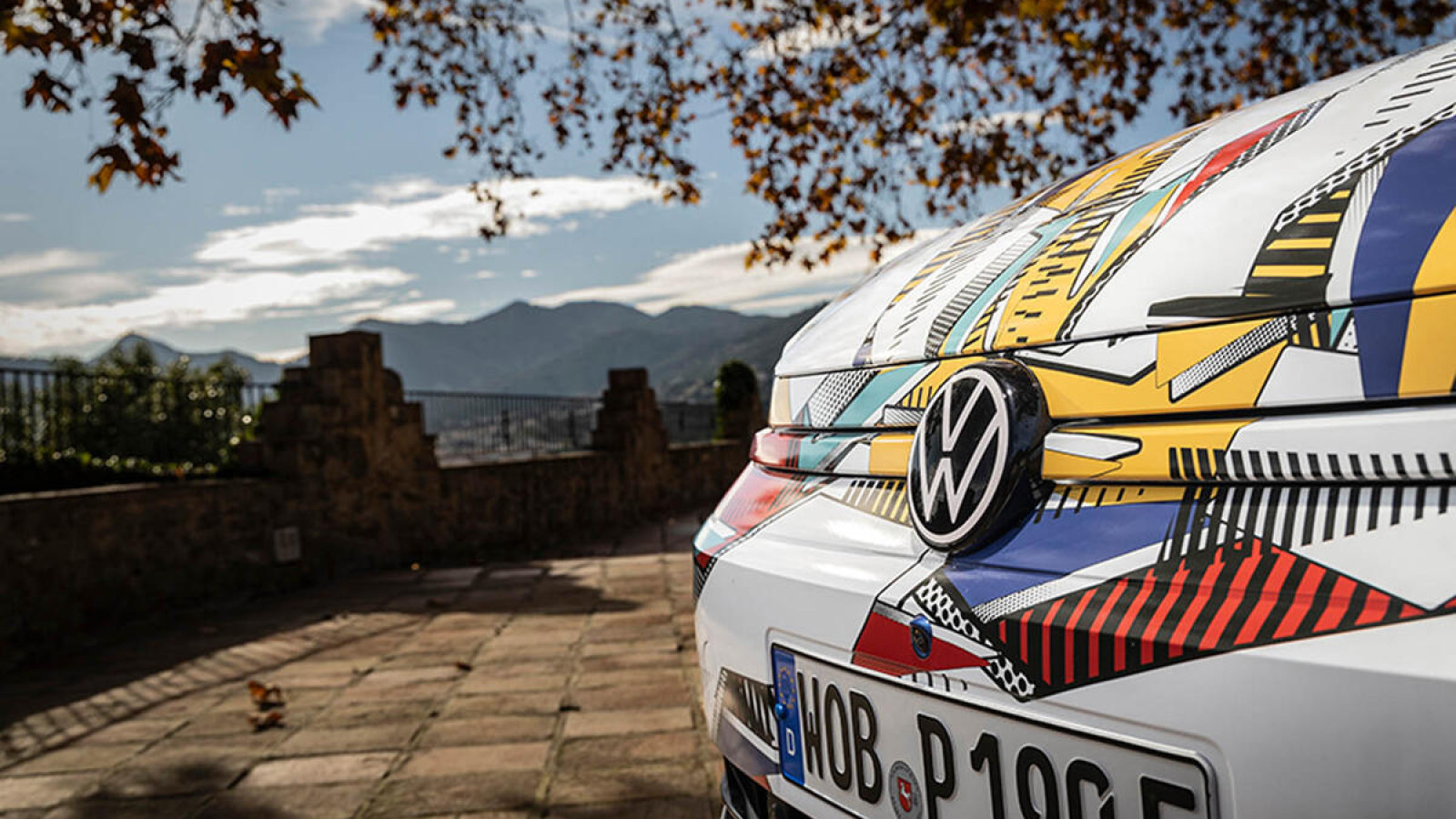
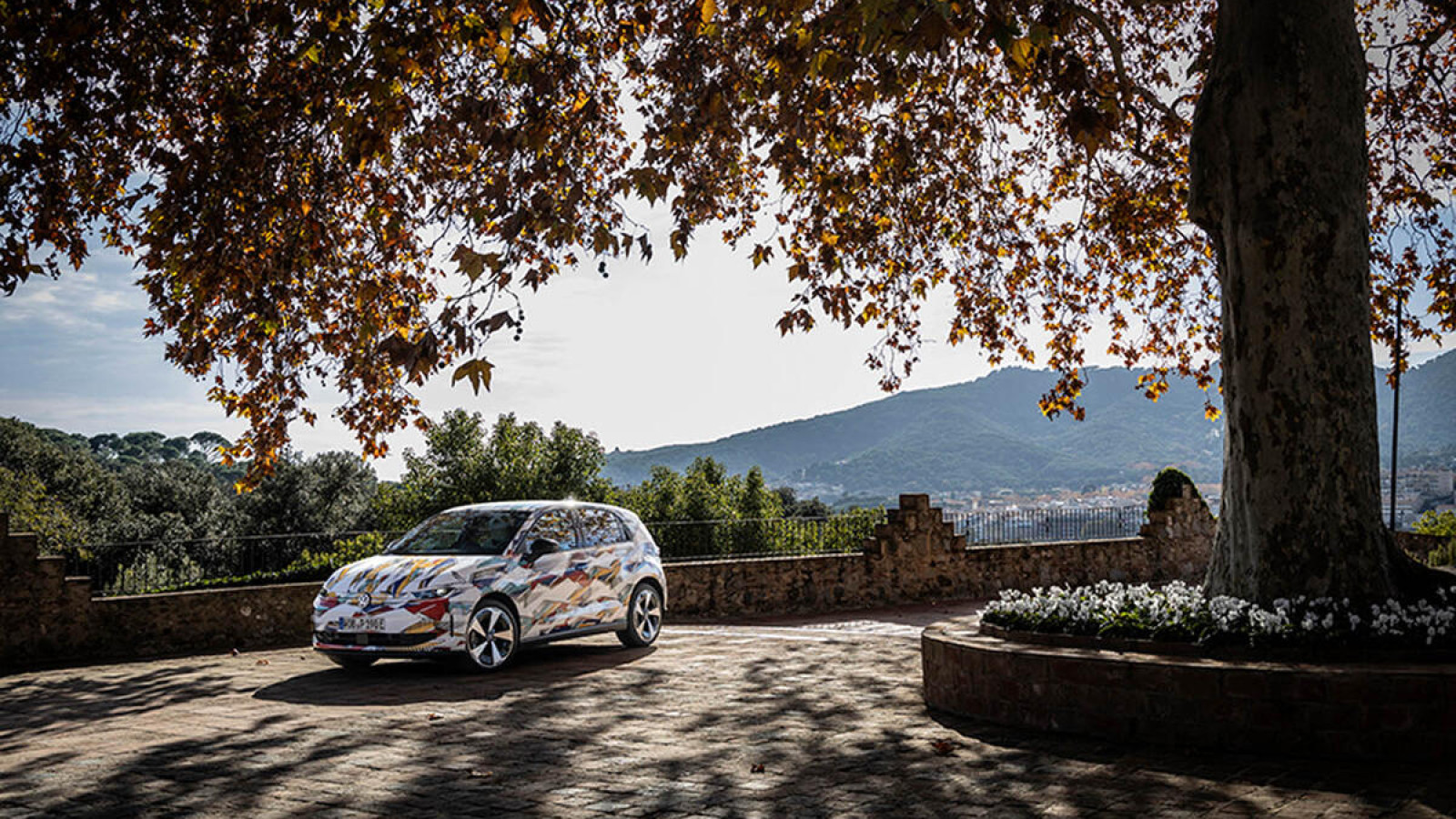
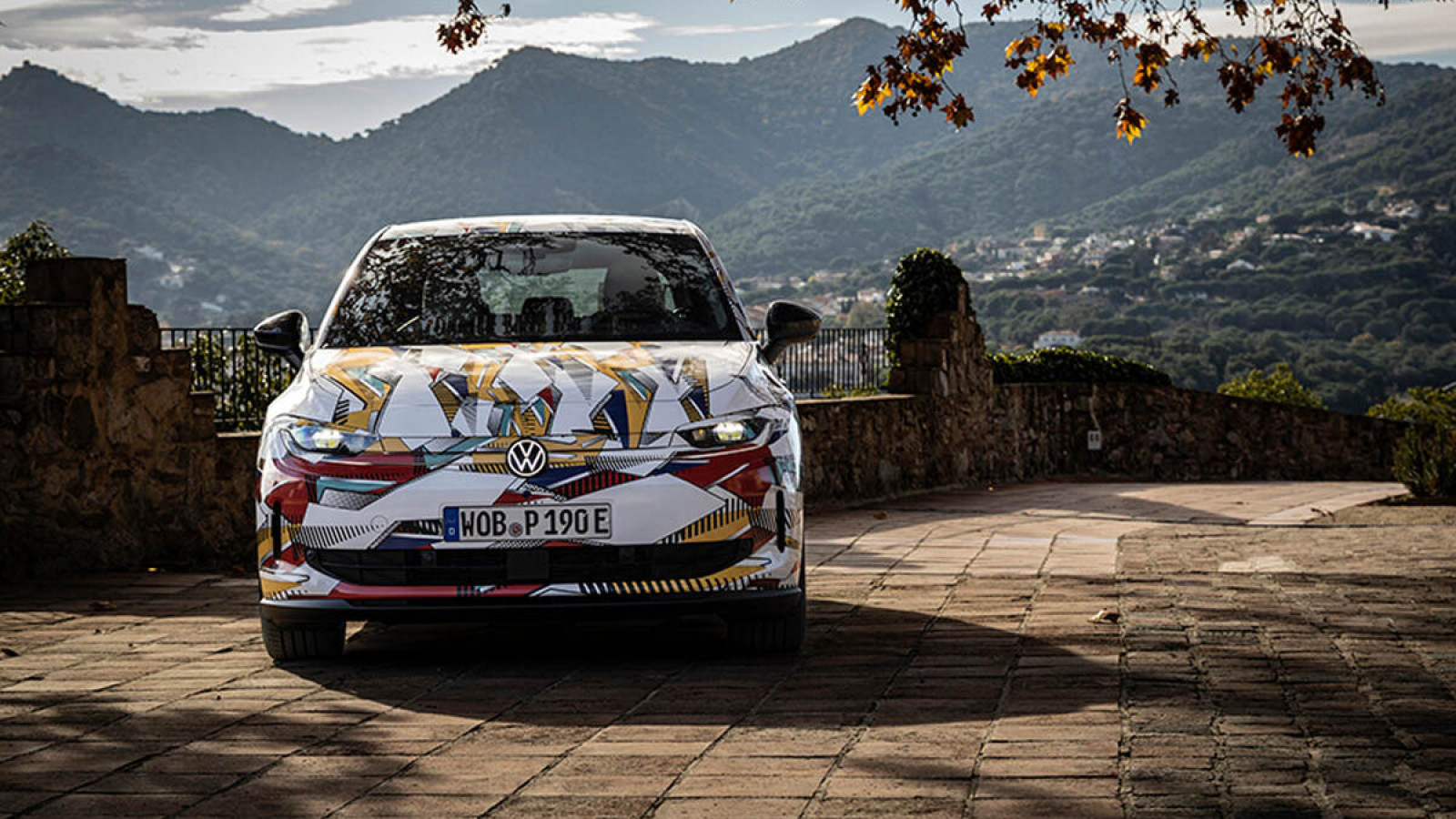
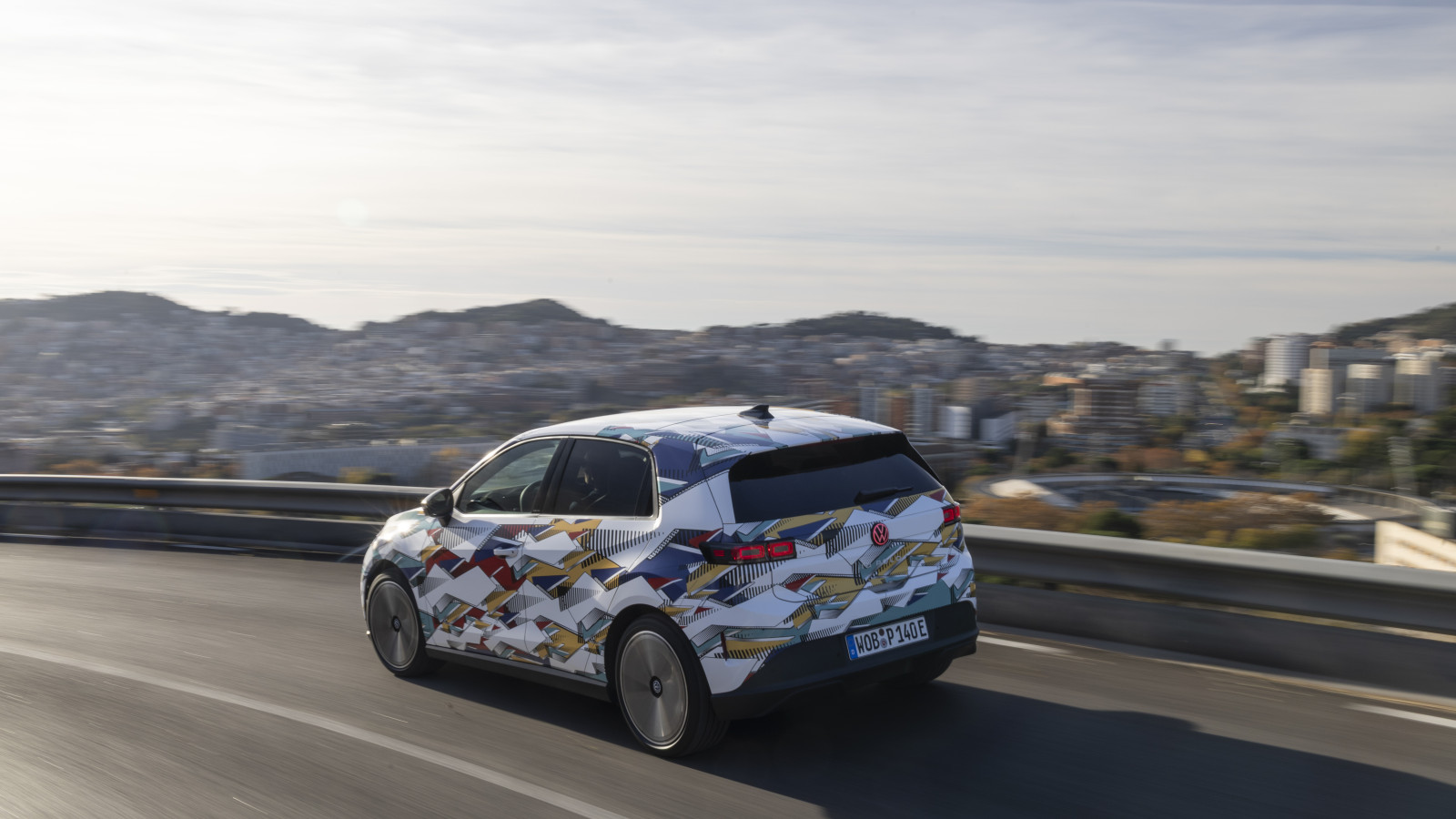
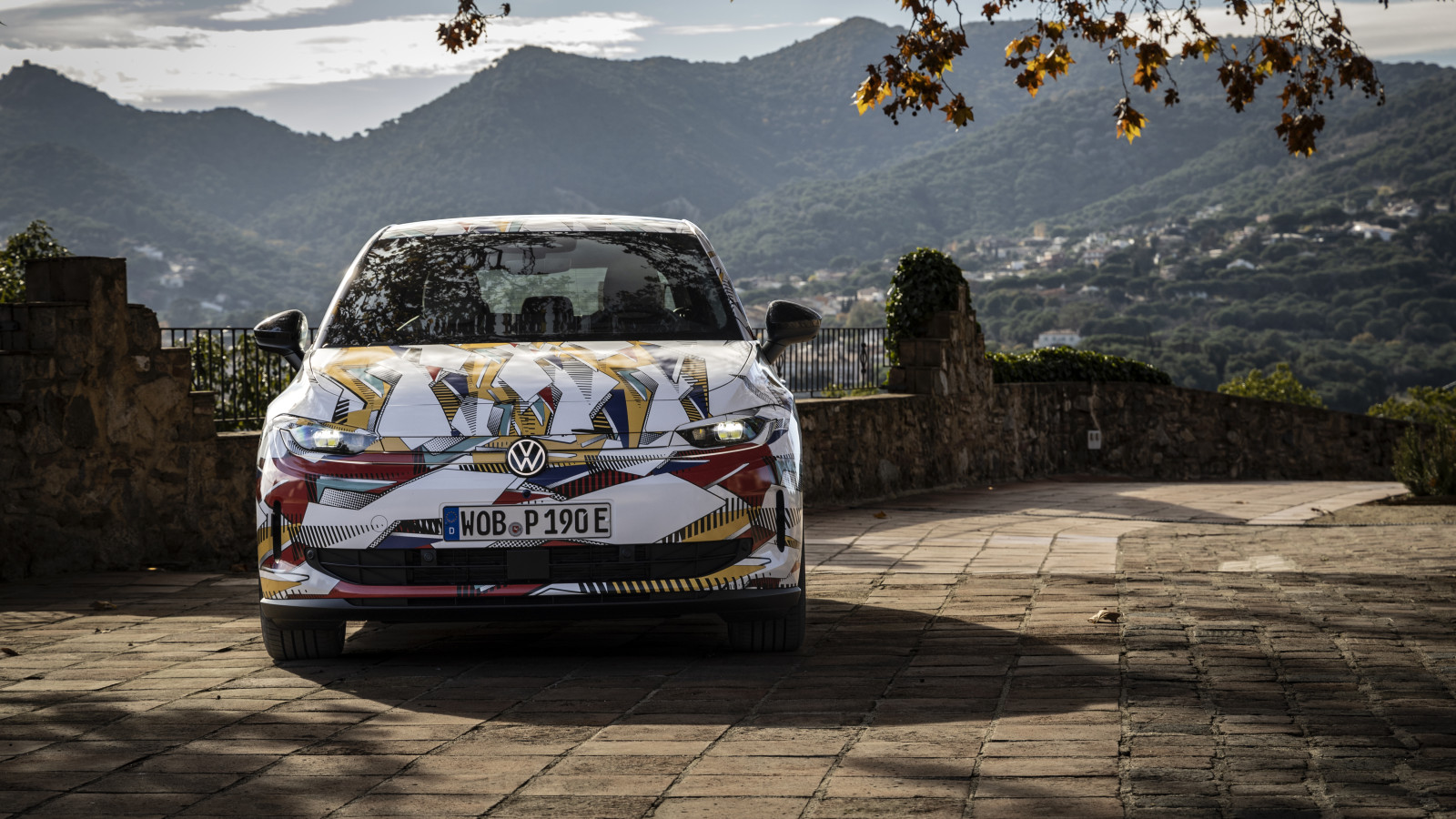
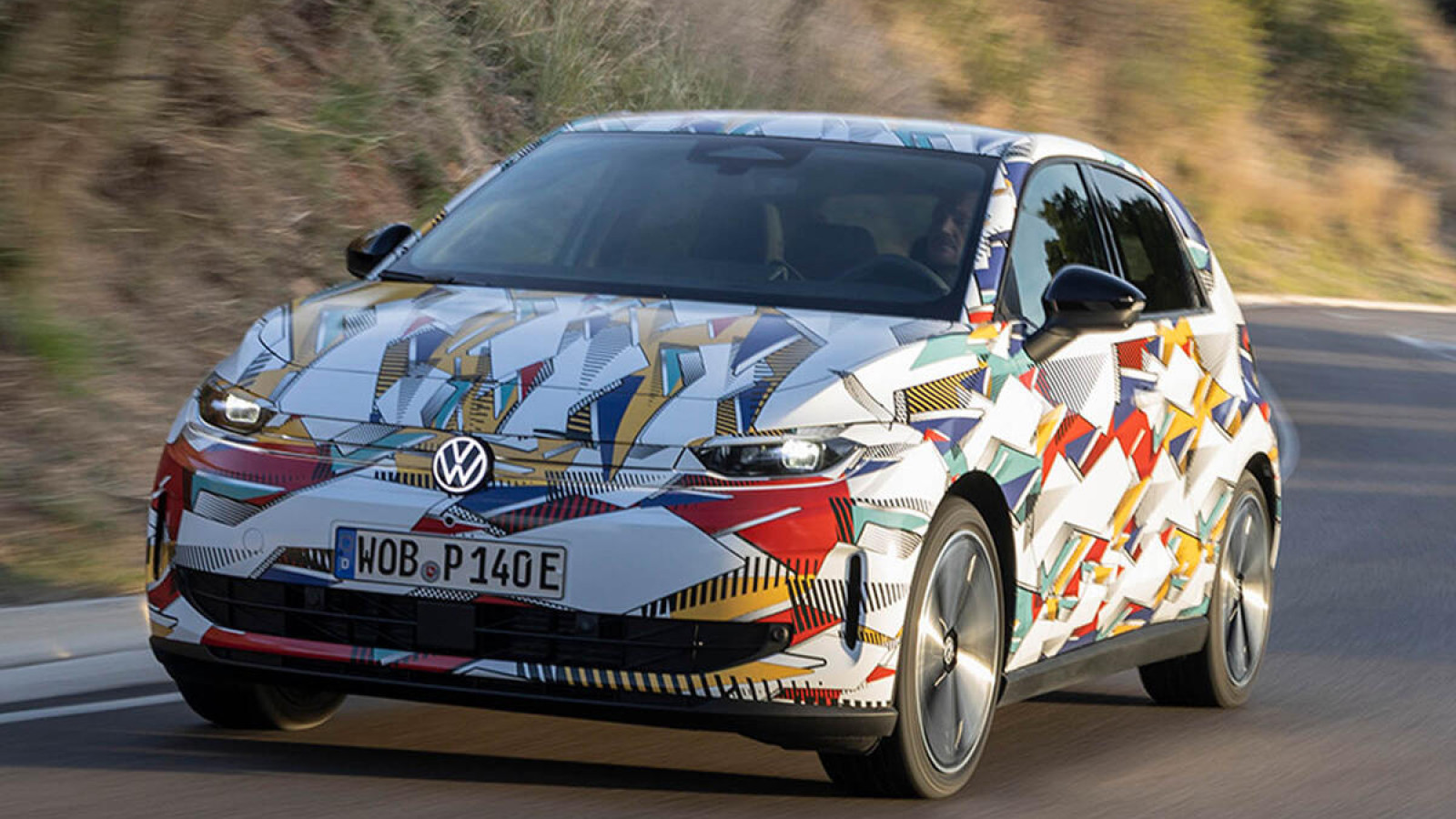
The newly revived ID Polo marks our first look at Volkswagen’s next generation of electric cars. Seen here in prototype form, it is set to enter production in 2026 as the entry point to the brand’s electric model range.
Crucially, this move ensures the Polo name lives on beyond its half-century of production. We spent a full hour behind the wheel of a camouflaged prototype.
But do our early impressions of this modernised small car suggest the Polo is ready for the electric era? Read on to find out…
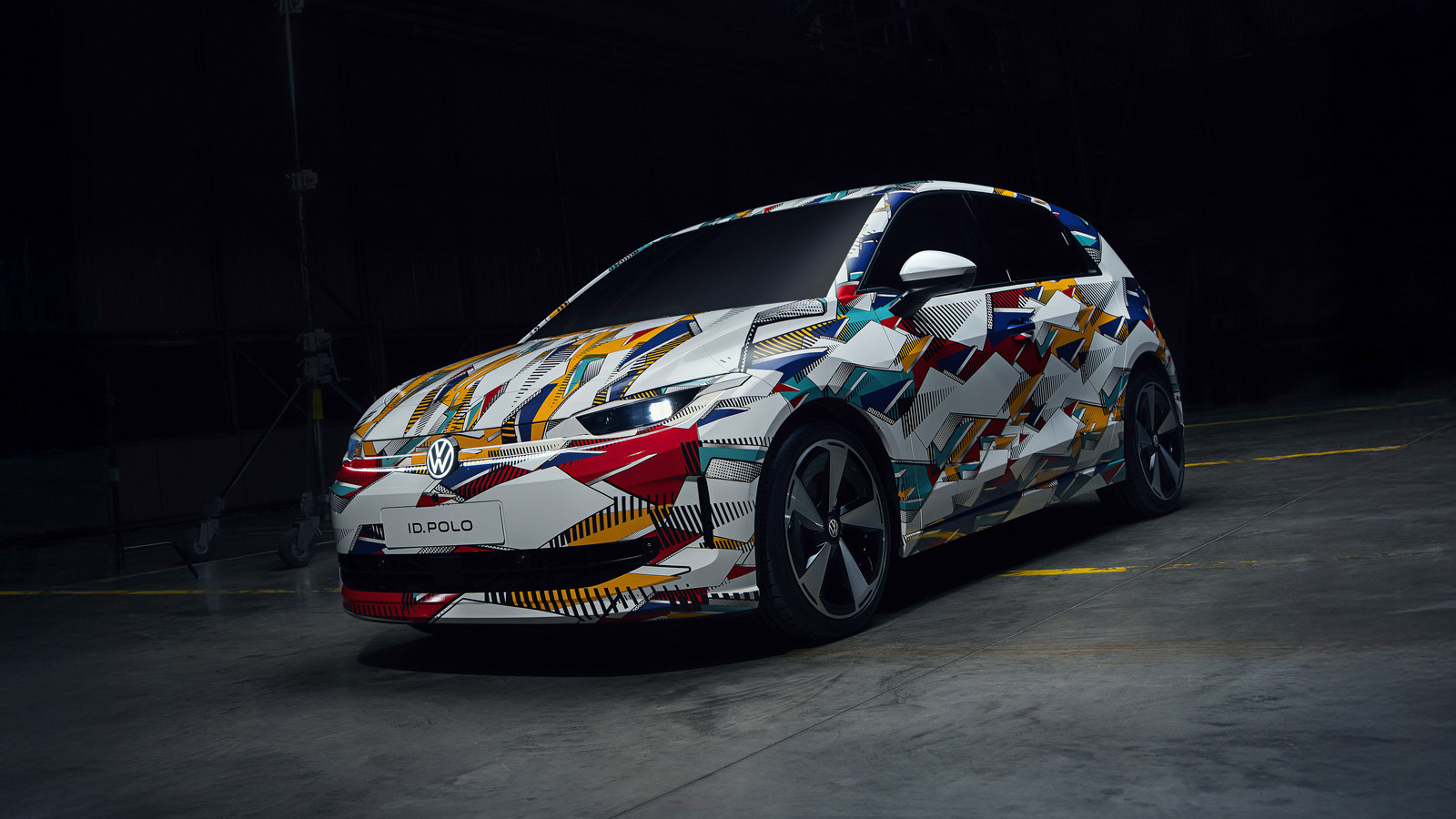
Well, it certainly looks like a Volkswagen.
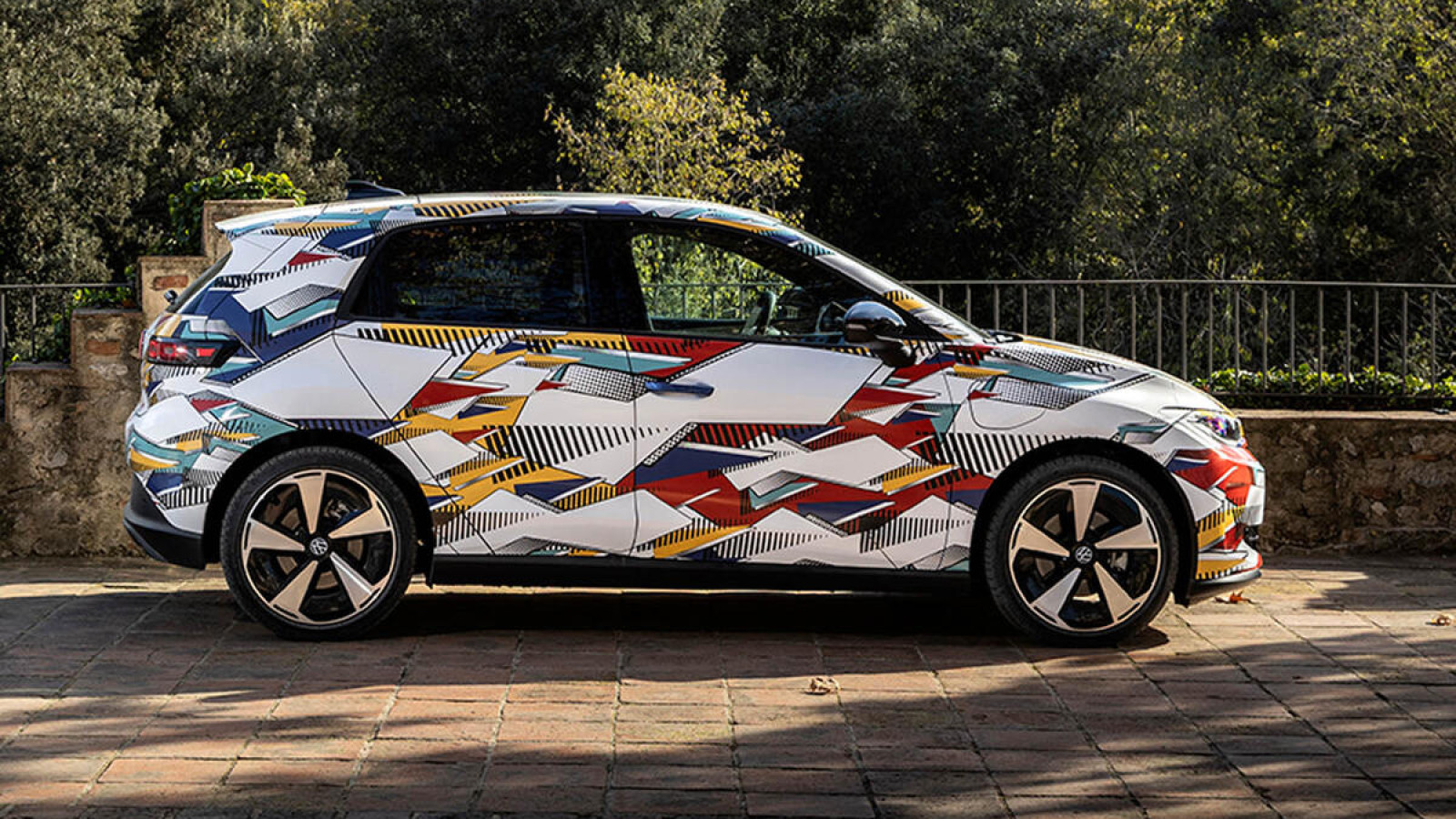
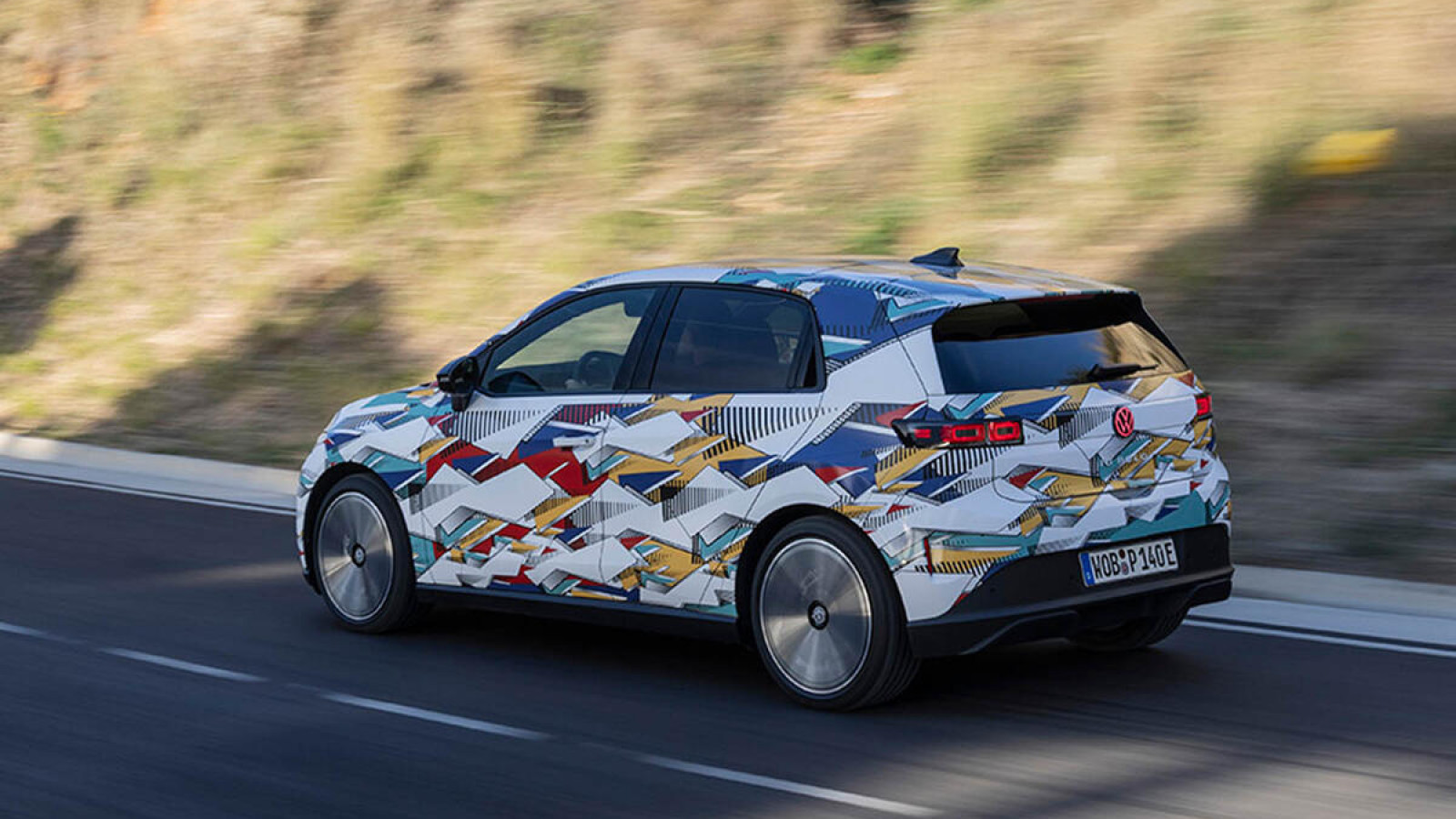
The ID Polo takes the well-established shape of its petrol-powered counterpart, with sleeker bodywork and a flat front grille. Best of all, the ID Polo hasn’t been transformed into a small SUV.
The ID Polo is actually a sister car to the Cupra Raval. It utilises the Volkswagen Group’s new MEB+ platform, which will serve as the foundation for many of the company’s upcoming small electric cars.
As a result, it shares batteries and motor technology with Cupra’s car. This platform is an enormously important undertaking, providing Volkswagen Group's core brands with entry into a crucial and rapidly expanding area of the EV market.
The segment is becoming increasingly crowded, though. The class is currently led by the Renault 5, while others, including the Kia EV3, Mini Cooper and Ford Puma Gen-E, are close behind.
The ID Polo’s platform and chassis have largely been developed by Cupra, but Volkswagen strongly claims the car isn’t just a badge-engineered Raval. The German car maker said it set out key parameters for the car’s handling and suspension tuning to make it feel like a proper Volkswagen.
Despite the camouflage, the ID Polo prototype's design is clearly very similar to the ID 2all concept. That concept was the blueprint for the brand's revitalisation under CEO Thomas Schäfer and design chief Andreas Mindt.
Distinctive Volkswagen design elements, like the substantial C-pillar and pronounced wheel arches, are present, giving the car an immediate sense of familiarity.
The ID Polo comes with a single, front-mounted electric motor.
There are three power outputs available: 114bhp, 133bhp and 208bhp. A sportier GTI variant will arrive later with 223bhp. Two battery sizes are available: one measures 37kWh and produces 299km (186 miles), and the other 52kWh with 450km (280 miles).
The smaller battery can charge at speeds of up to 90kW, while the 52kWh battery can charge at 130kW. All ID Polo models will weigh approximately 1500kg, as both battery options have a similar weight. This is remarkably light for an electric vehicle.
Despite the name ID Polo being adopted late in the development cycle, the car's dimensions closely mirror those of its petrol equivalent.
It measures 4053mm in length, making it 21mm shorter than the Polo, but its wheelbase is 48mm longer at 2600mm. This longer wheelbase is credited with achieving a claimed interior space comparable to the Golf.
The ID Polo is 1816mm wide, 1530mm high, and has a drag coefficient of 0.26.
The prototype's interior was largely concealed by dark material (and a watchful Volkswagen expert prevented any illicit glimpses).
However, visible elements included a large digital instrument display and a central touchscreen. While the latter manages numerous features, physical buttons are integrated into the distinctively shaped steering wheel, and we have been assured that key controls, such as those for heating and volume, will remain physical.
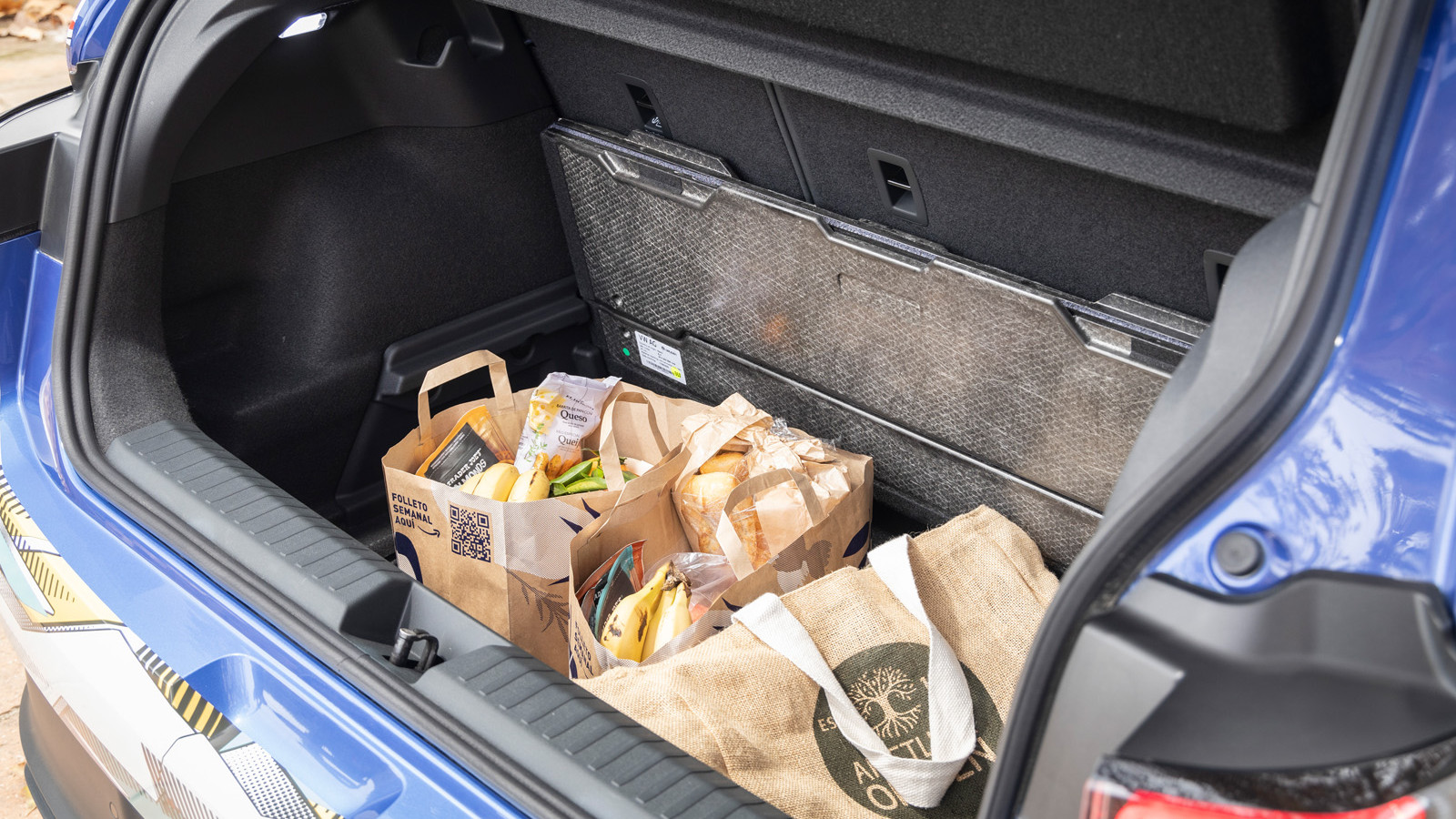
Interior space, especially in the rear, is a notable feature; adults will find the ID Polo significantly more accommodating than a Renault 5. The deep boot also offers superior capacity, measuring 435 litres.
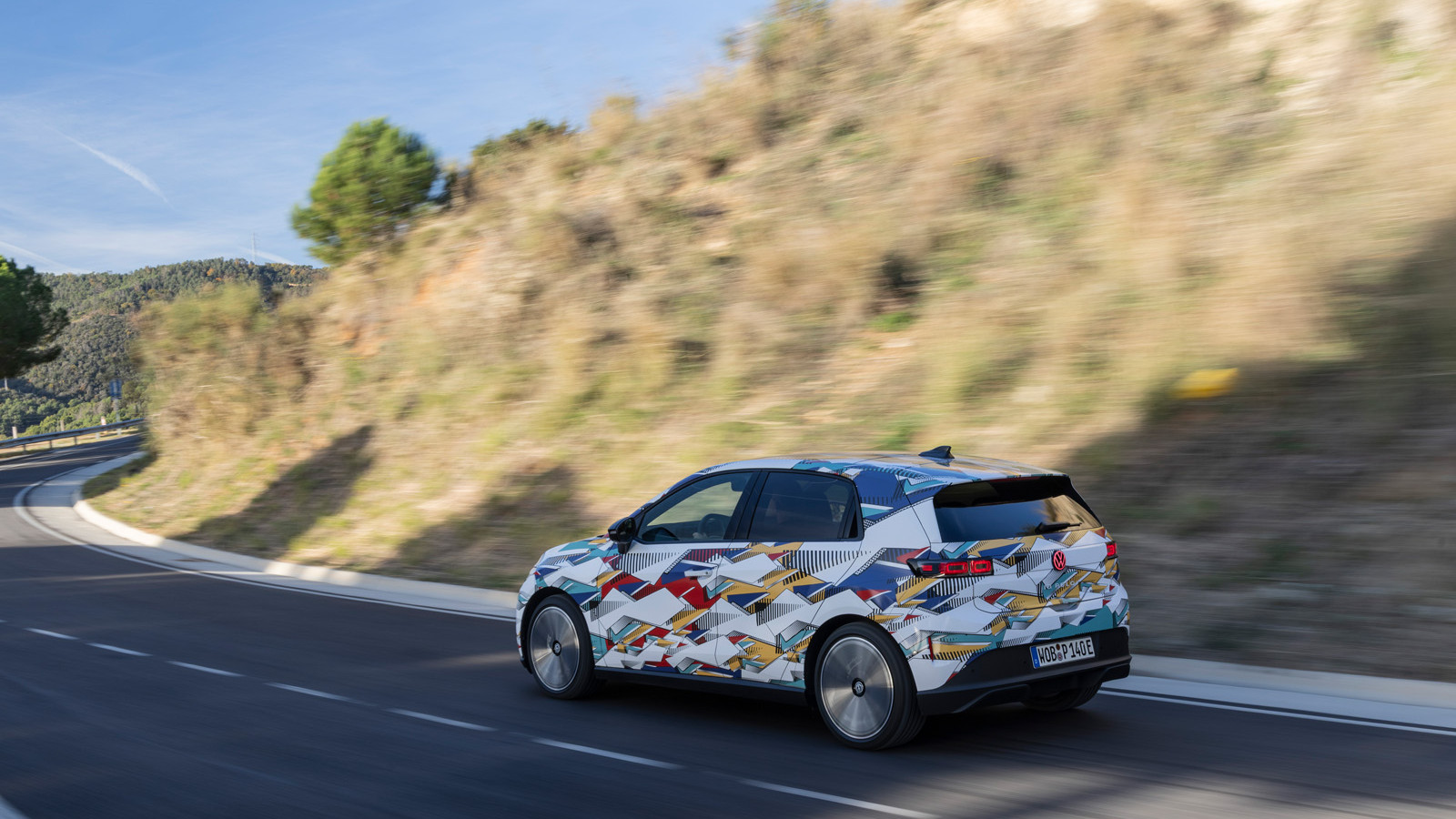
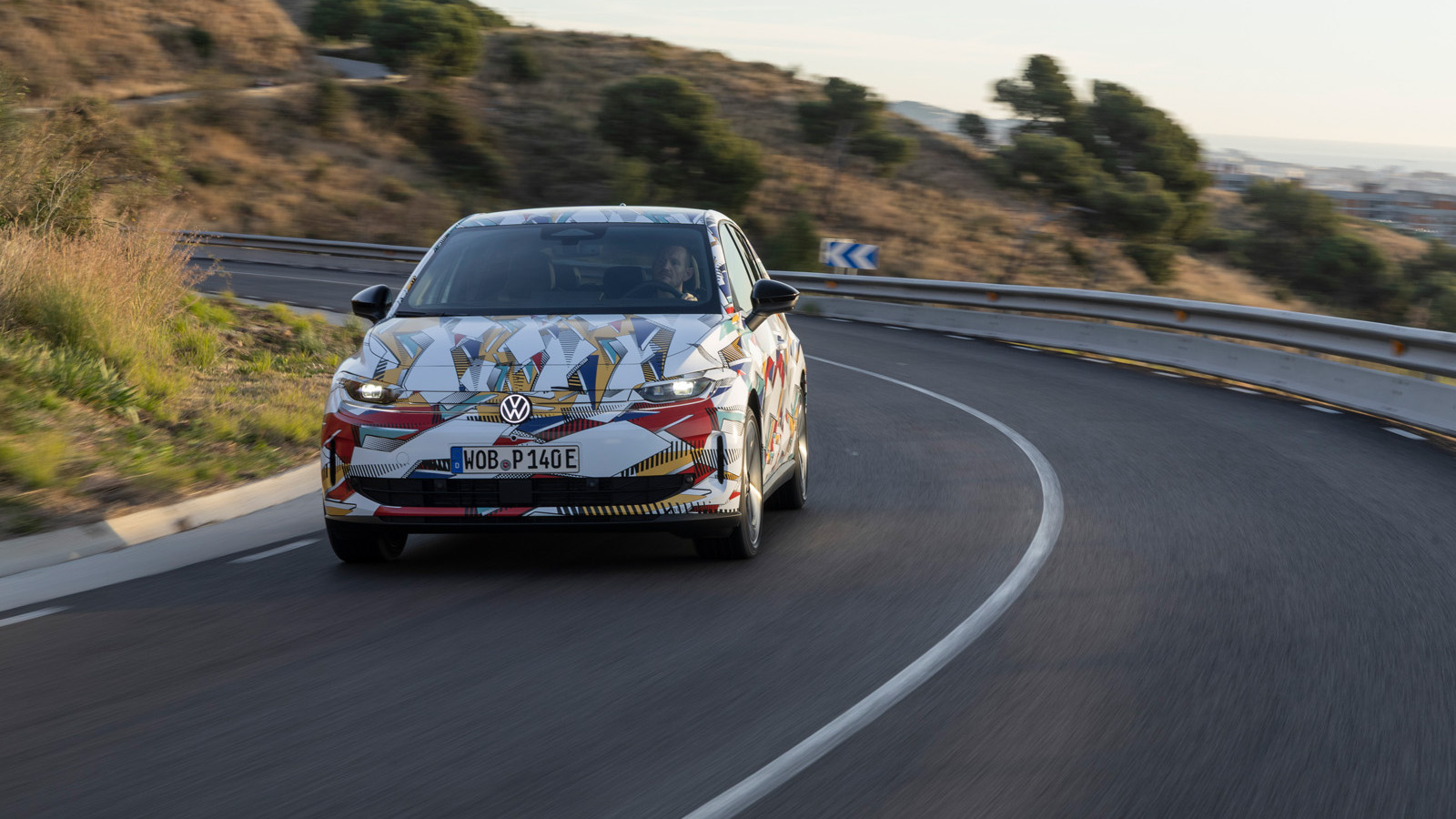
Out on the road, the ID Polo has impressive isolation and a comfortable ride. It rides with such composure that many rivals can’t quite match.
The steering is direct and responsive, too, while we were left satisfied by the electric motor’s smooth power delivery.
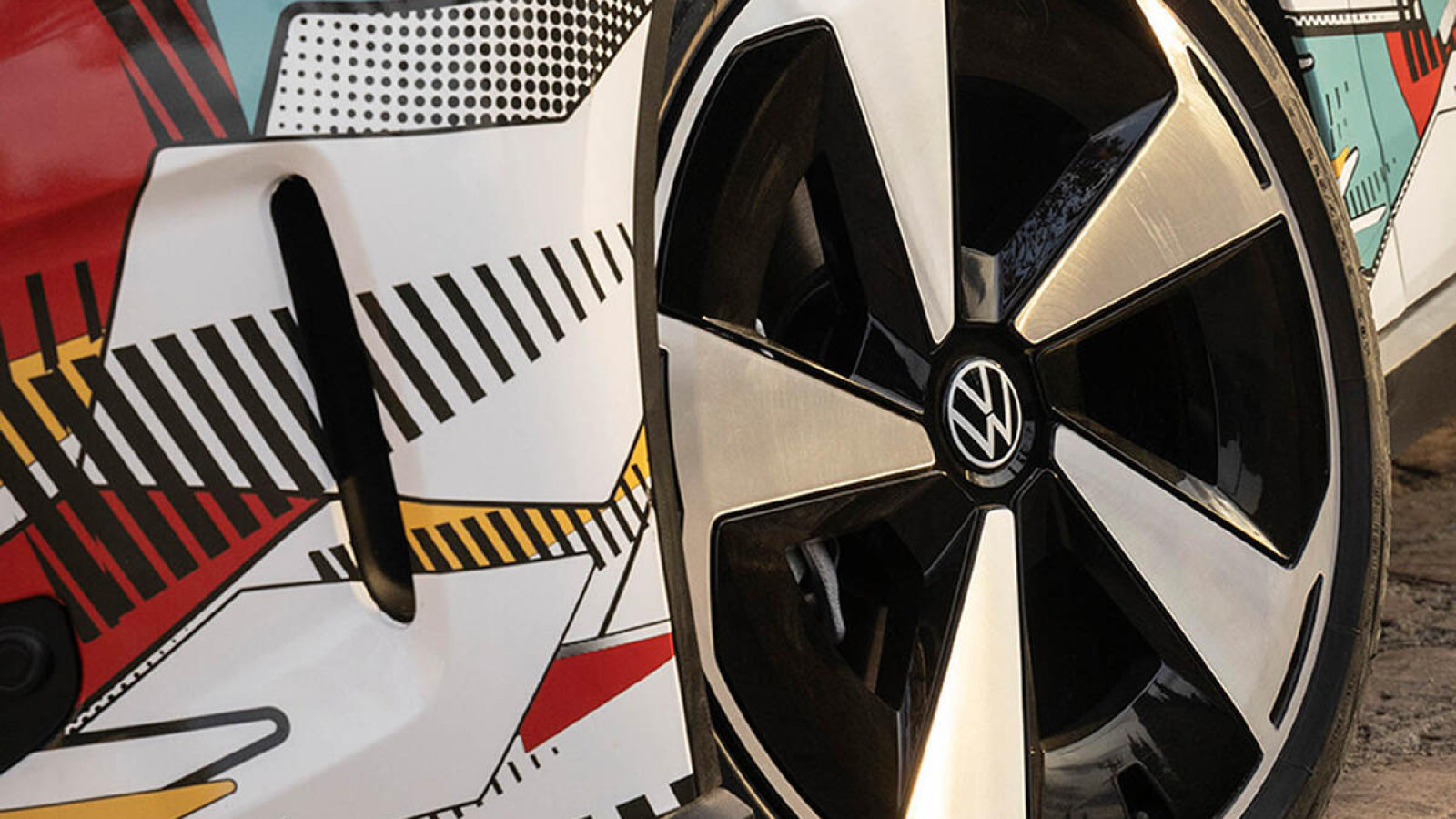
Pushing hard on a winding mountain road reveals a familiar hint of front-drive understeer for fans of small petrol cars. Volkswagen attributes some of this characteristic to the EV tyres, which are designed to boost the car's range.
The car is enjoyably competent, though not exhilarating - fitting for a Polo, where 'pleasantly fun' will satisfy most buyers.
A GTI model is planned, which will boost power to 223bhp and feature sharpened suspension and performance tyres. Even the standard version, however, poses a threat to competitors.
Although Volkswagen has not yet released the complete pricing structure for the ID Polo, they have indicated that the starting price for entry-level models will be around £22,000 (€25,600 / $27,600).
It also suggested that the pricing will be competitive with its primary competitor, which is understood to be the 5. Based on this, the test car is estimated to be priced at approximately £30,000 (€35,000 / $37,600), with the GTI version likely reaching up to £35,000 (€40,800 / $43,900). Furthermore, the ID Polo is expected to qualify for the UK’s Electric Car Grant.
Our short test loop in a prototype car on winding roads near Barcelona wasn’t enough to hint at a real-world range, although somewhere around 230-250 miles should have been possible for our larger-battery test car.
The ID Polo prototype, despite being a disguised test car, has big potential as a strong contender in the burgeoning small EV segment.
Even a brief, one-hour drive reveals a classically Volkswagen character, marked by poise, maturity, and a reassuringly solid feel. Its blend of a mature driving experience with decent practicality makes it a well-rounded proposition. While it may lack the outright dynamic thrill or retro allure of rivals like the Renault 5, the ID Polo is expected to offer superior practicality and a more complete package.
Remarkably, the ID Polo—which was developed and built in Spain and did not originate as a Polo—closely mirrors the current petrol Polo.
Switching between the two reveals minimal difference, save for the absence of engine noise in the EV. This quality—a Volkswagen that feels authentically Volkswagen—is a significant asset and positions the car for success.