Prodrive reveals low-cost electric van concept for 2028
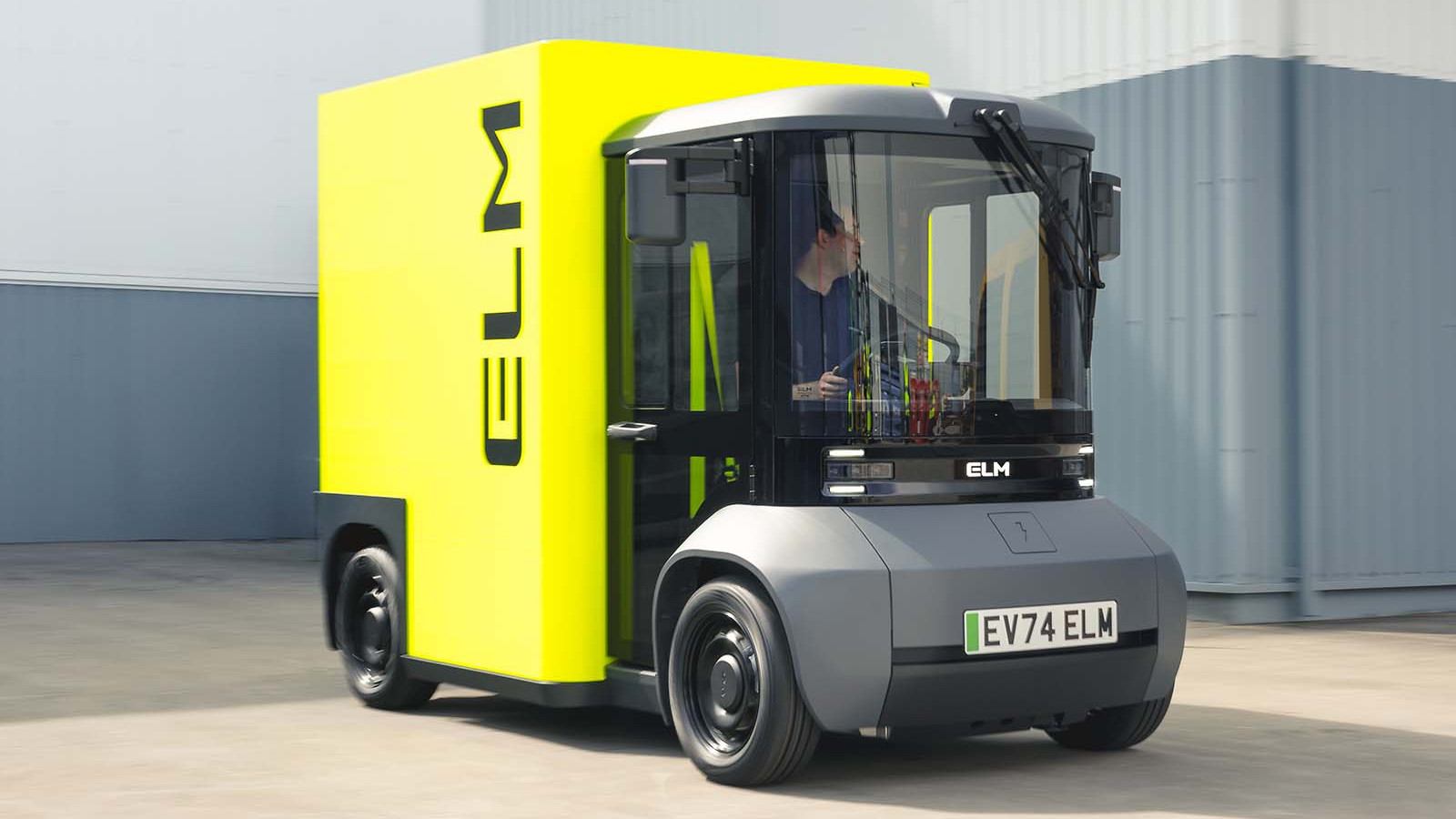
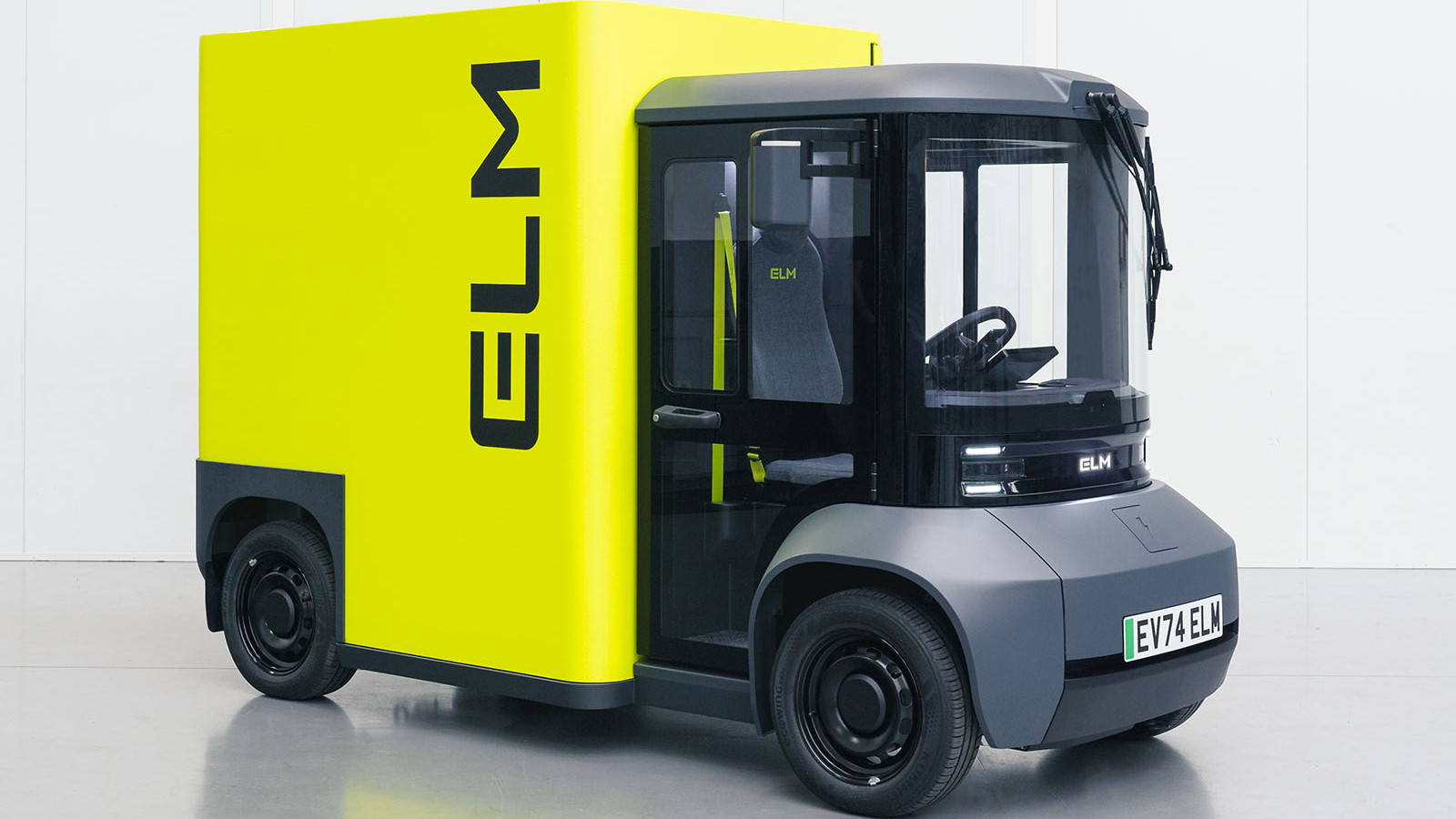
Prodrive has partnered with UK-based design agency Astheimer to create the Evolv, a small electric van concept that will form the basis of a £25,000 (€27,000) production version in 2028.
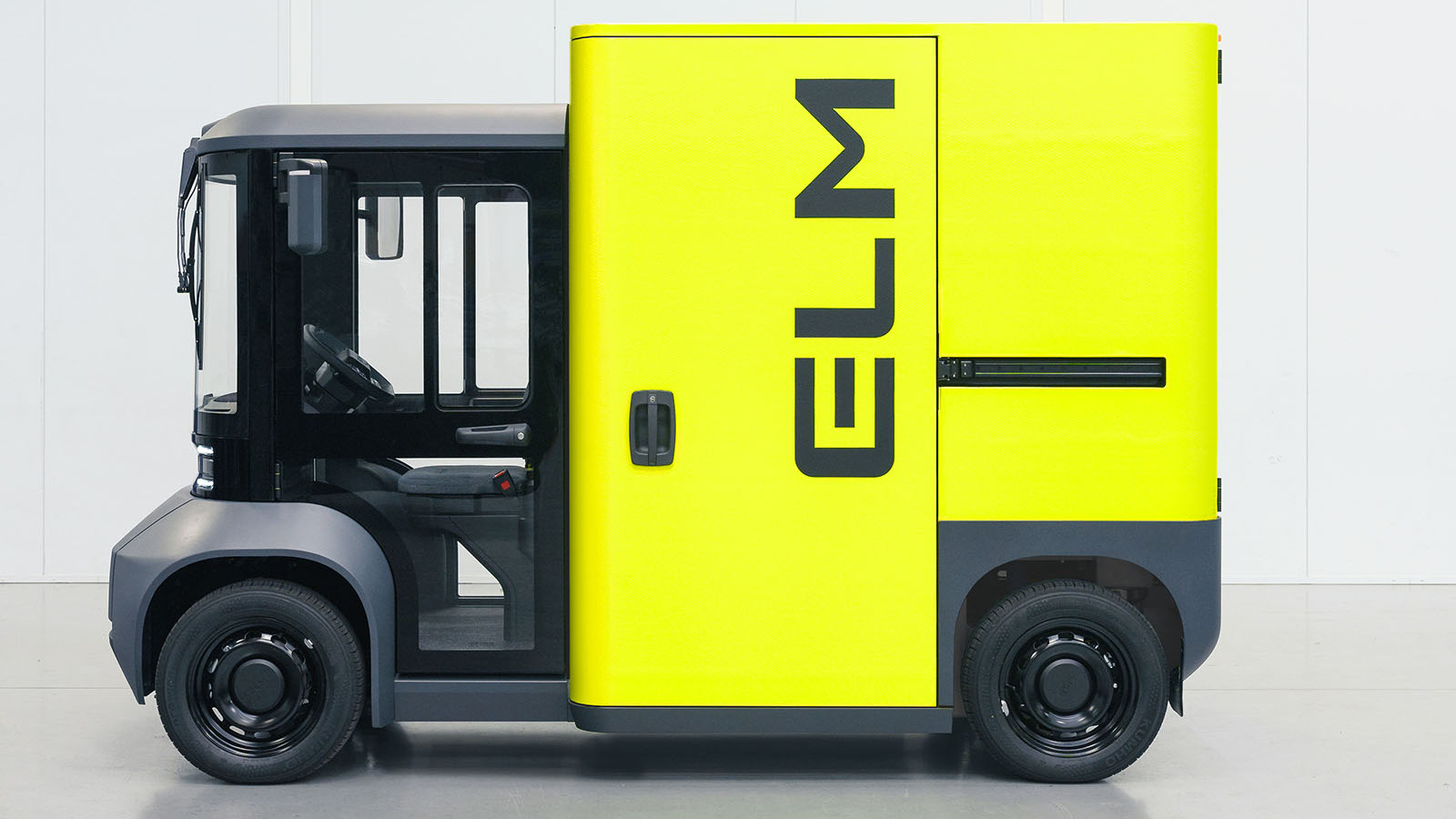
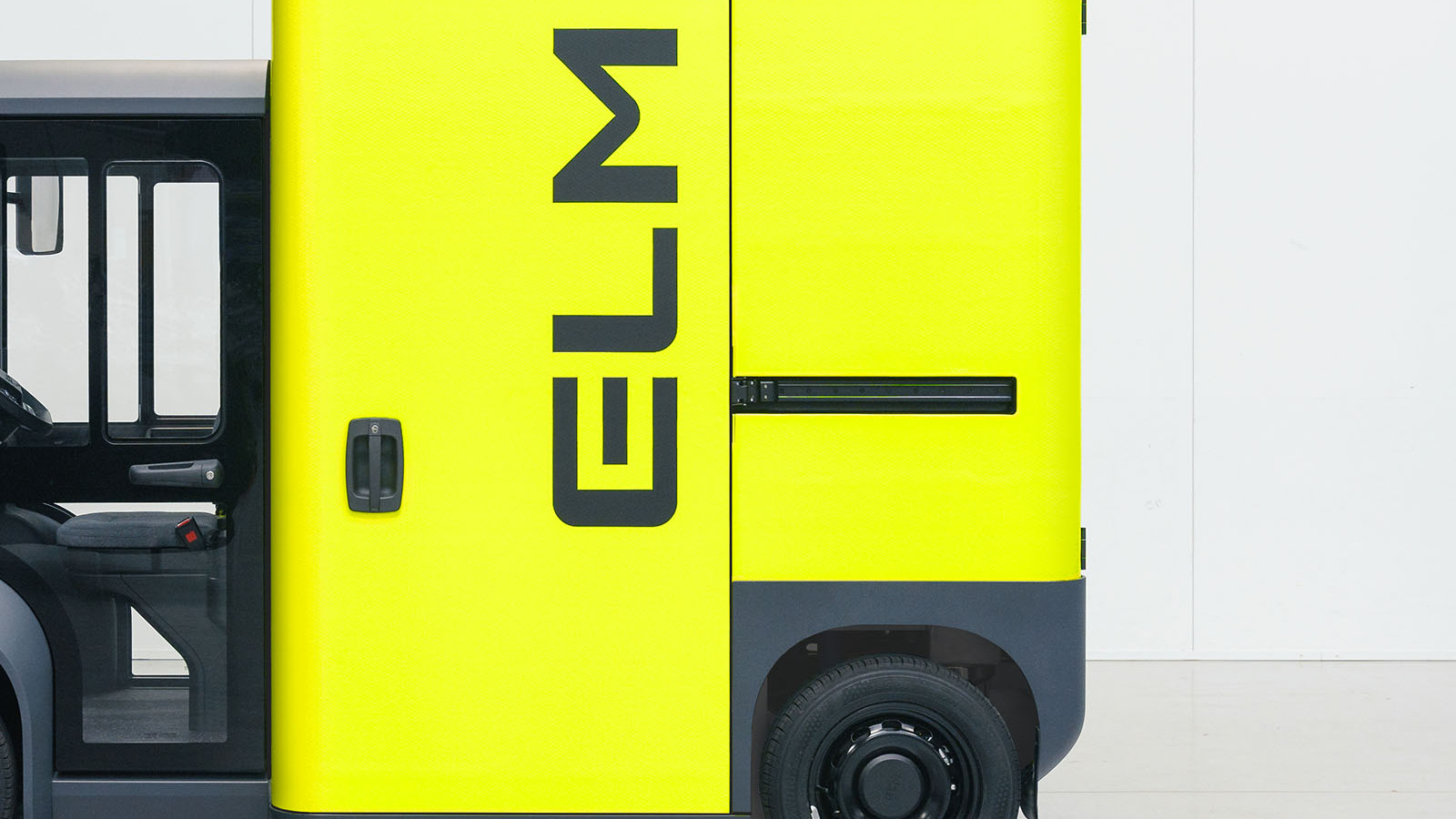
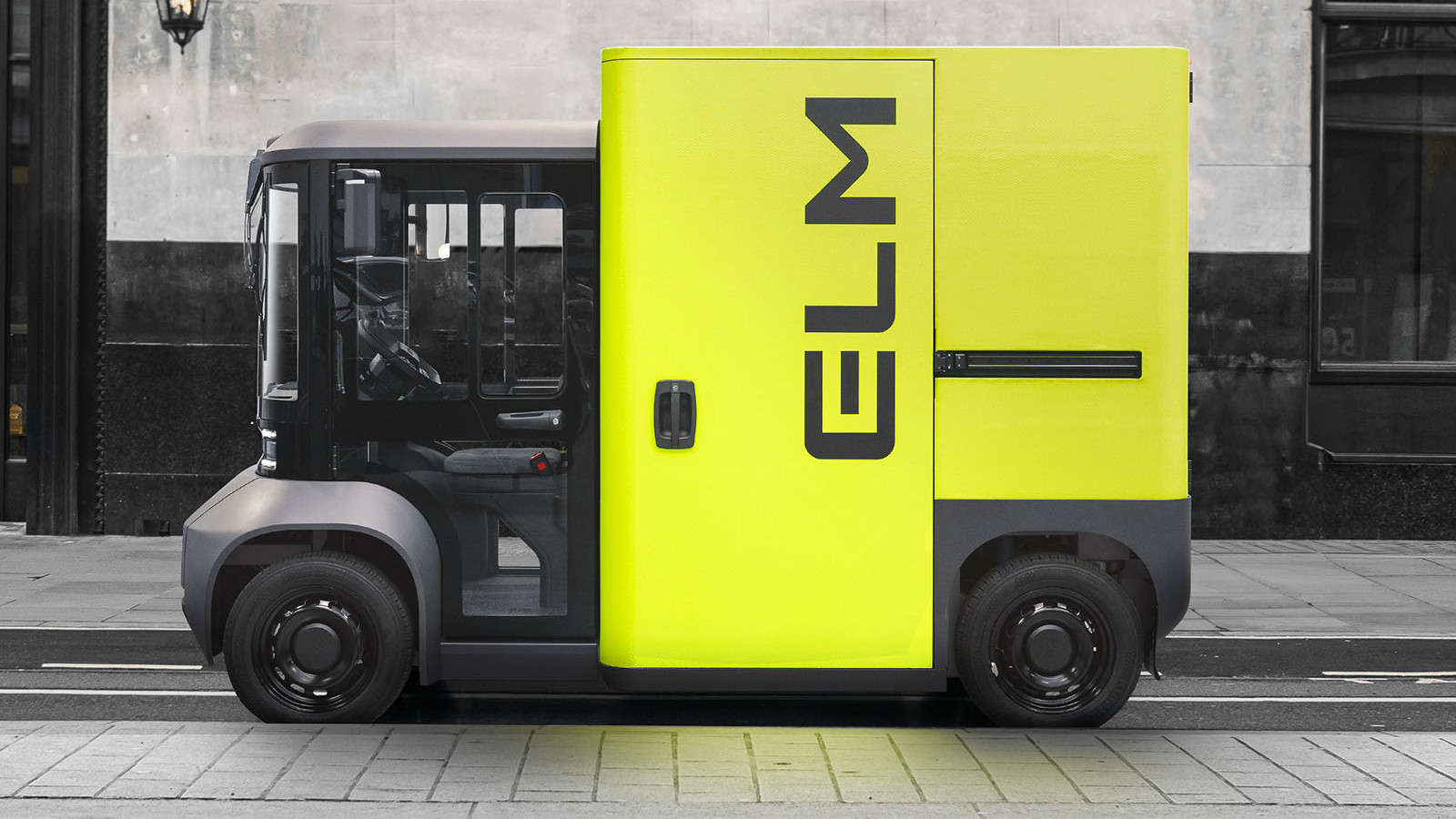
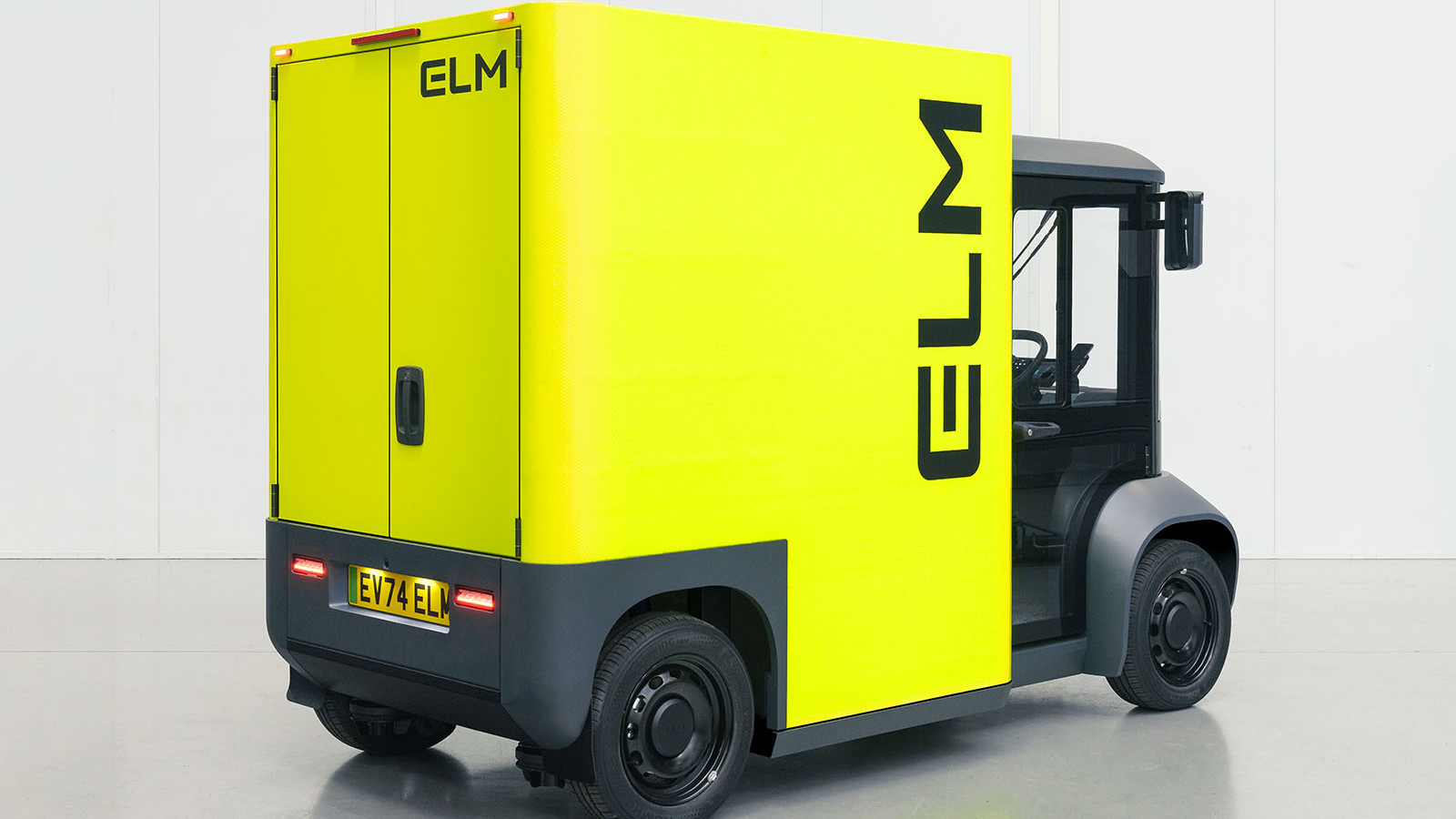
Designed for ‘last-mile’ delivery services in cities, the Evolv is a 3240mm-long, 1450mm-wide cargo-mover that’s claimed to have significantly more load space than similarly sized L7e-category (sub-800kg) quadricycles while weighing half as much as a comparatively capacious conventional van.
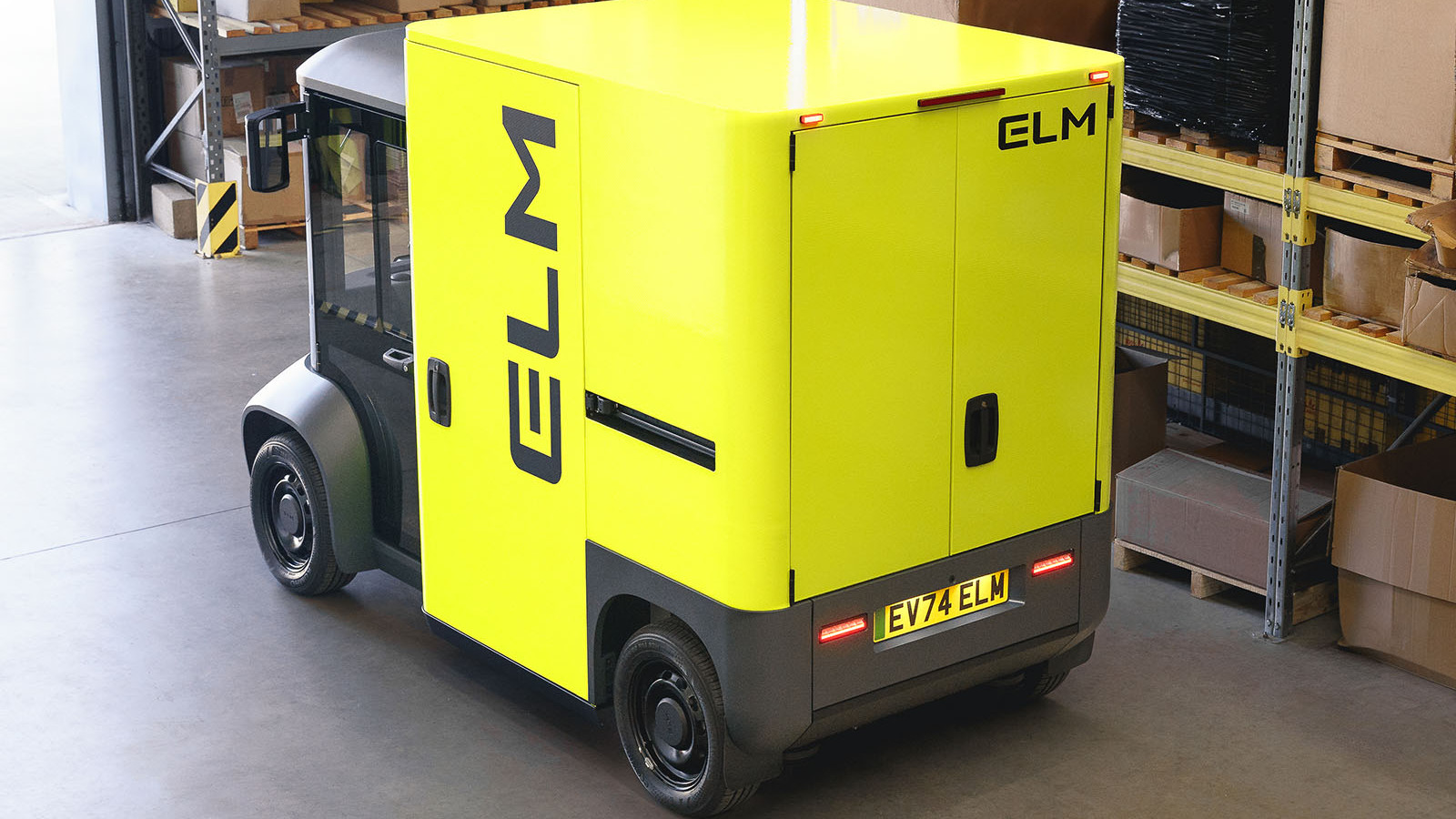
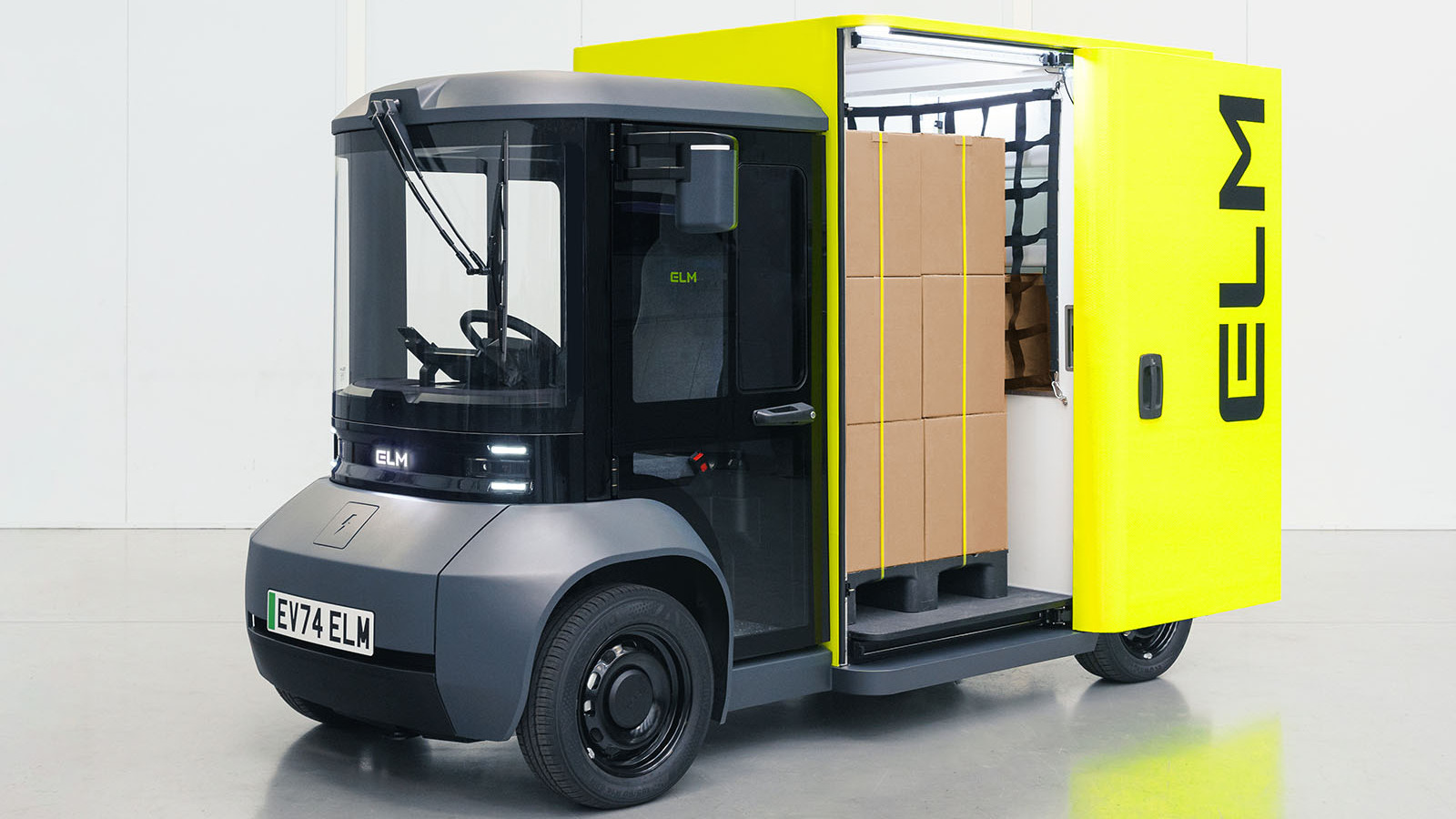
The Evolv weighs just 850kg with batteries fitted, but its makers say it can accommodate a 1.6m pallet with a 300kg payload in its main load area, with a smaller secondary storage bay providing space for another 1.2m pallet and 200kg load.
Engineered by Prodrive and designed by Astheimer (responsible for 2022’s striking Aura sports car concept and the Volta Zero electric truck), the Evolv has been conceived to cater to a growing demand from logistics firms and retailers for “versatile, zero-emission vehicles”.
The two companies have formed a new company, called Elm Mobility, which will develop the concept over the coming years with a view to selling it from 2028.
Funding so far comes from the Niche Vehicle Network, the Advanced Propulsion Centre (APC) and an unnamed private investor. To give it a competitive edge, Prodrive has engineered the Evolv so that it conforms to the same passive safety standards as conventional vans from the N1 category.
Astheimer has ensured that “everything about the design is fit for purpose”, with an emphasis on reducing weight and making the Evolv as simple as possible.
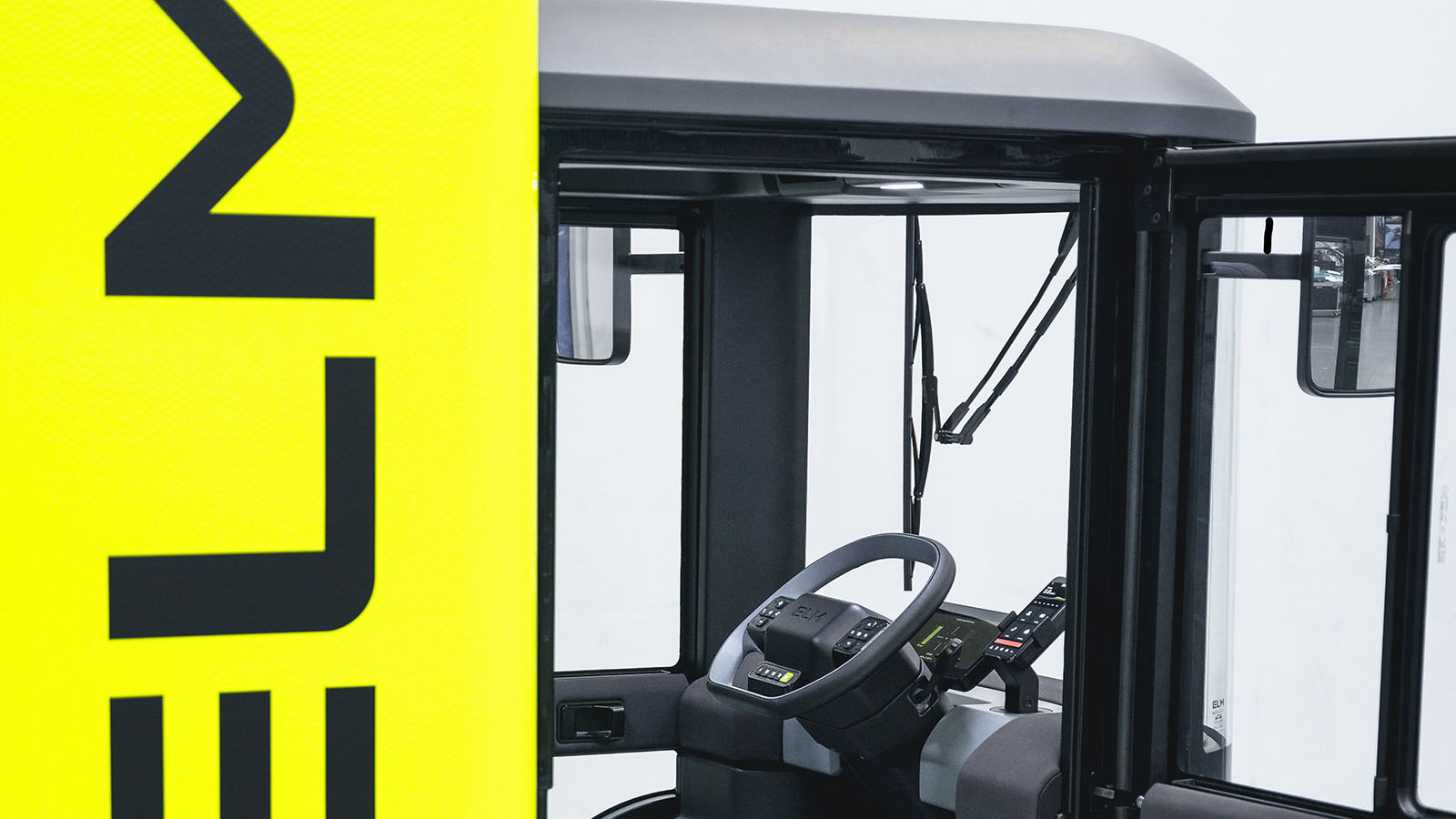
A defining characteristic is that the single-seat cabin has been ‘minimised’ so the load space accounts for a class-leading 60% of the vehicle’s volume.
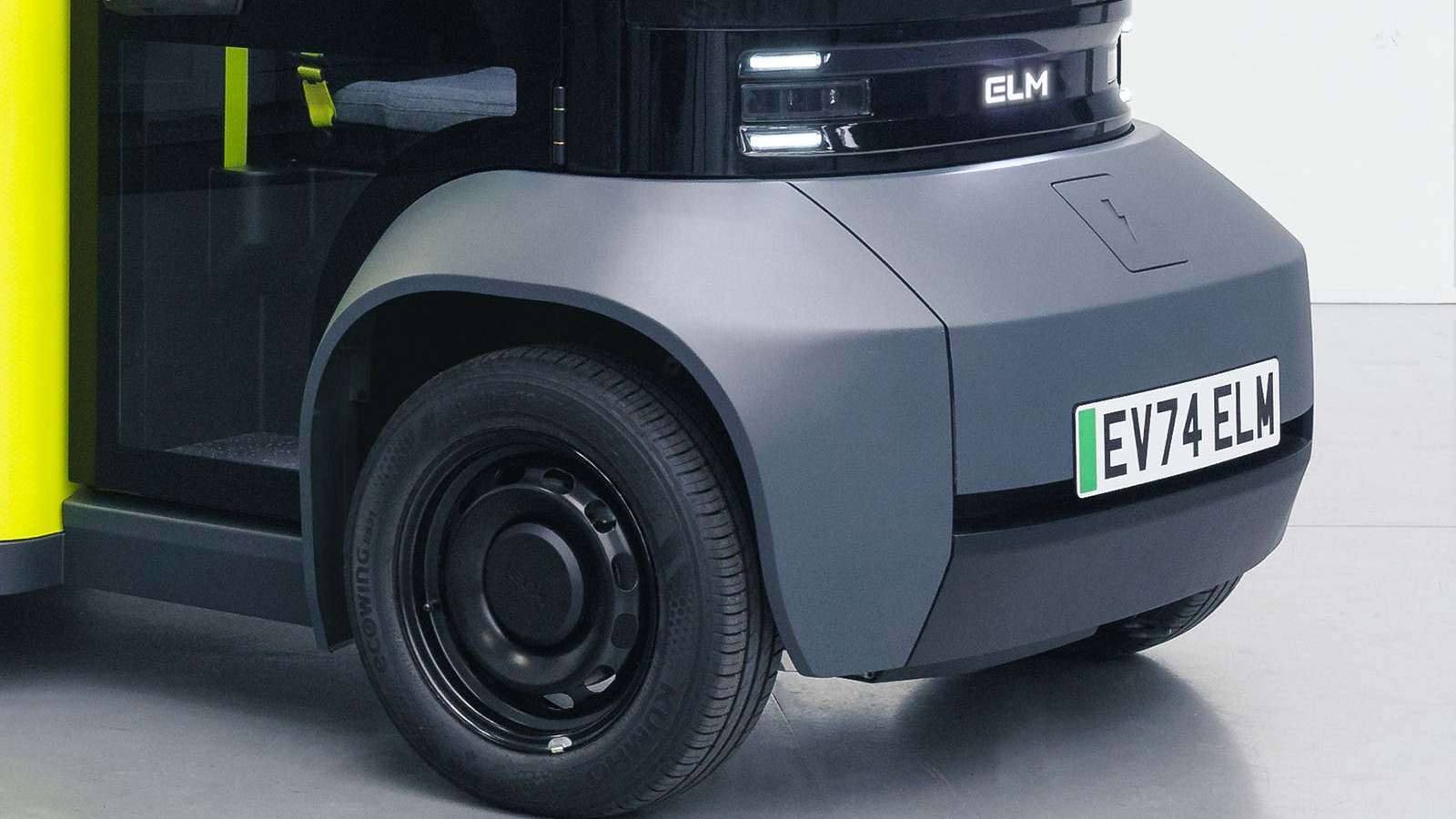
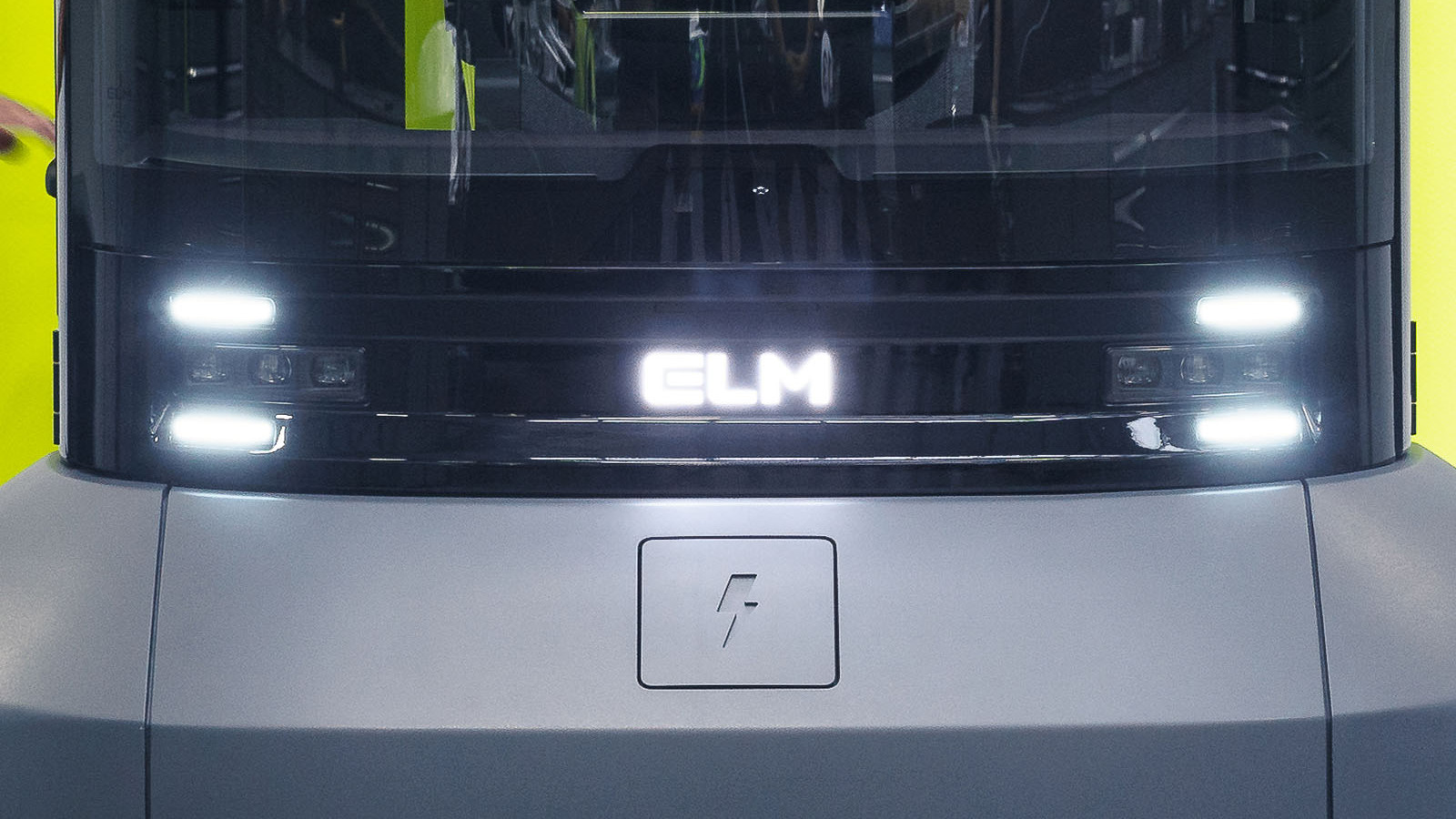
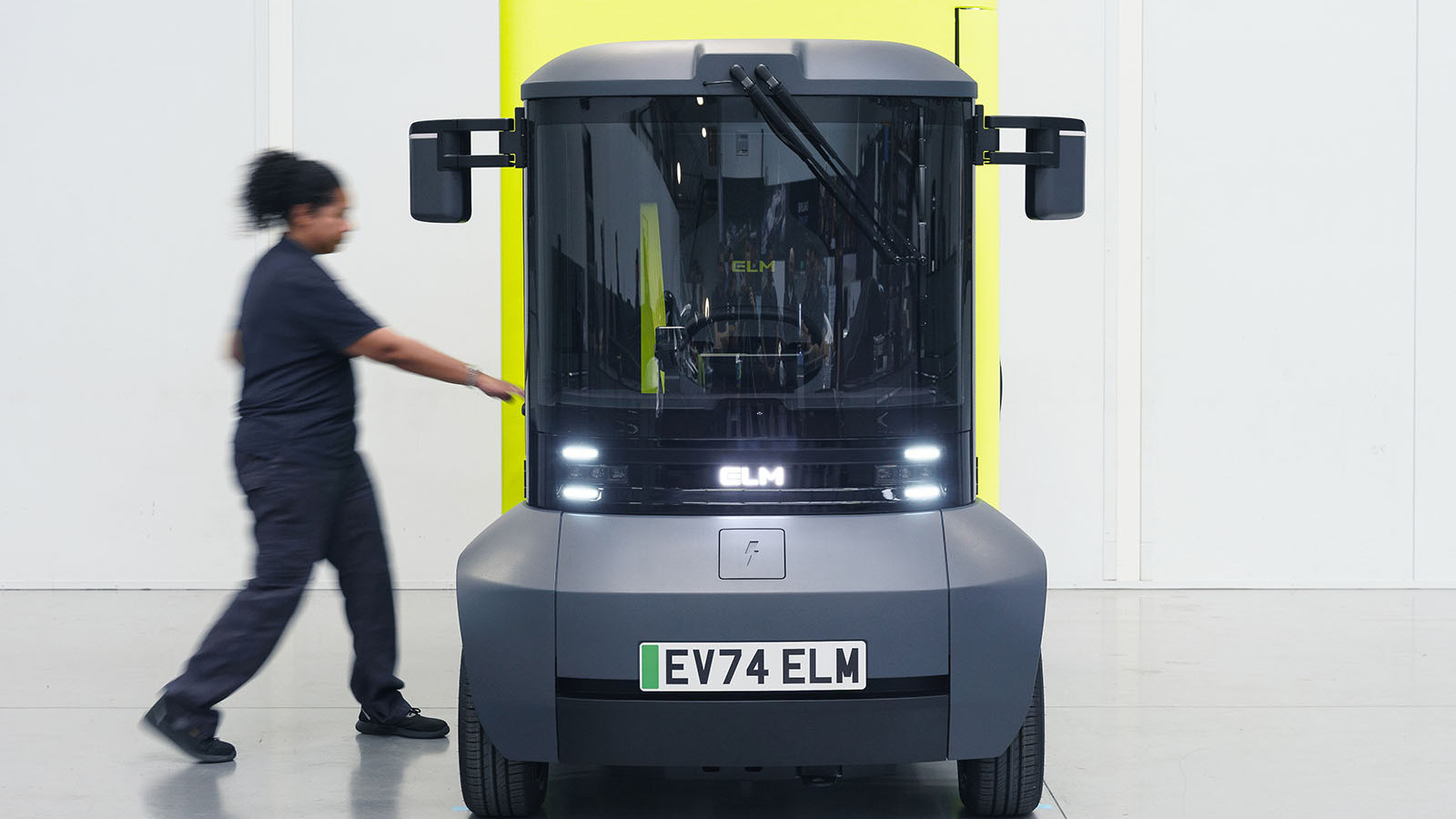
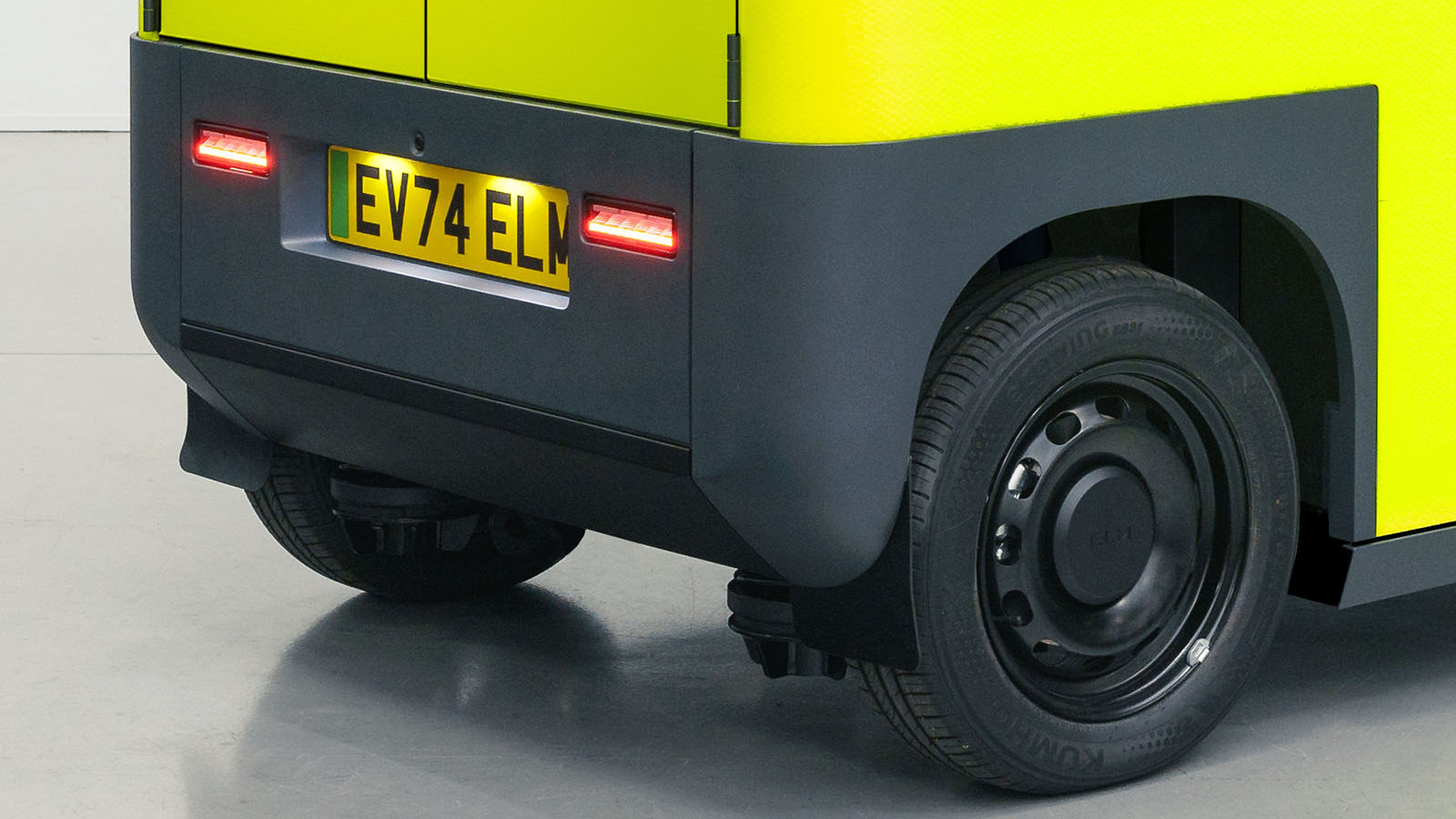
The Evolv also has a wraparound windscreen for maximum visibility of cyclists and pedestrians, headlights that reduce the risk of accident damage and “highly robust” modular body panels that can be replaced quickly and cheaply.
Notably, the Evolv is claimed to have a turning circle of just 7.8 metres – only 20cm more than the 7.6-metre turning circle of a London taxi. With a 20kWh battery, it is claimed to be capable of 100 miles between charges and have a targeted 20-80% charge time of two hours.
Other batteries are under consideration for future production variants, but the Evolv’s urban billing means it’s unlikely to ever target a range much in excess of that.
A crucial part of the platform is that the architecture behind the cabin – including the wheelbase – is adaptable, meaning various different body types can be fitted for use in different sectors.
For example, pizza delivery services only need a small heated cargo box but logistics firms need to move 1.6-metre Euro pallets and supermarkets need a midsized refrigerator unit.
There are no immediate plans for a dedicated passenger derivative, but talks are under way with a potential US-based investor looking for a fleet of compact shuttles to move people around large properties, and Elm bosses suggest there’s also a potential market for a Twizy-like twoseater with a tandem layout for use at resorts and hotels.