
I know what you’re thinking: great, another Chinese car maker.
Aion is one of the latest manufacturers to enter the UK and Europe. Rather than simply being an importer, Aion UK is a partnership between car-making giant GAC, which builds cars in China for Toyota and Honda, and Jameel Motors, an international distributor.
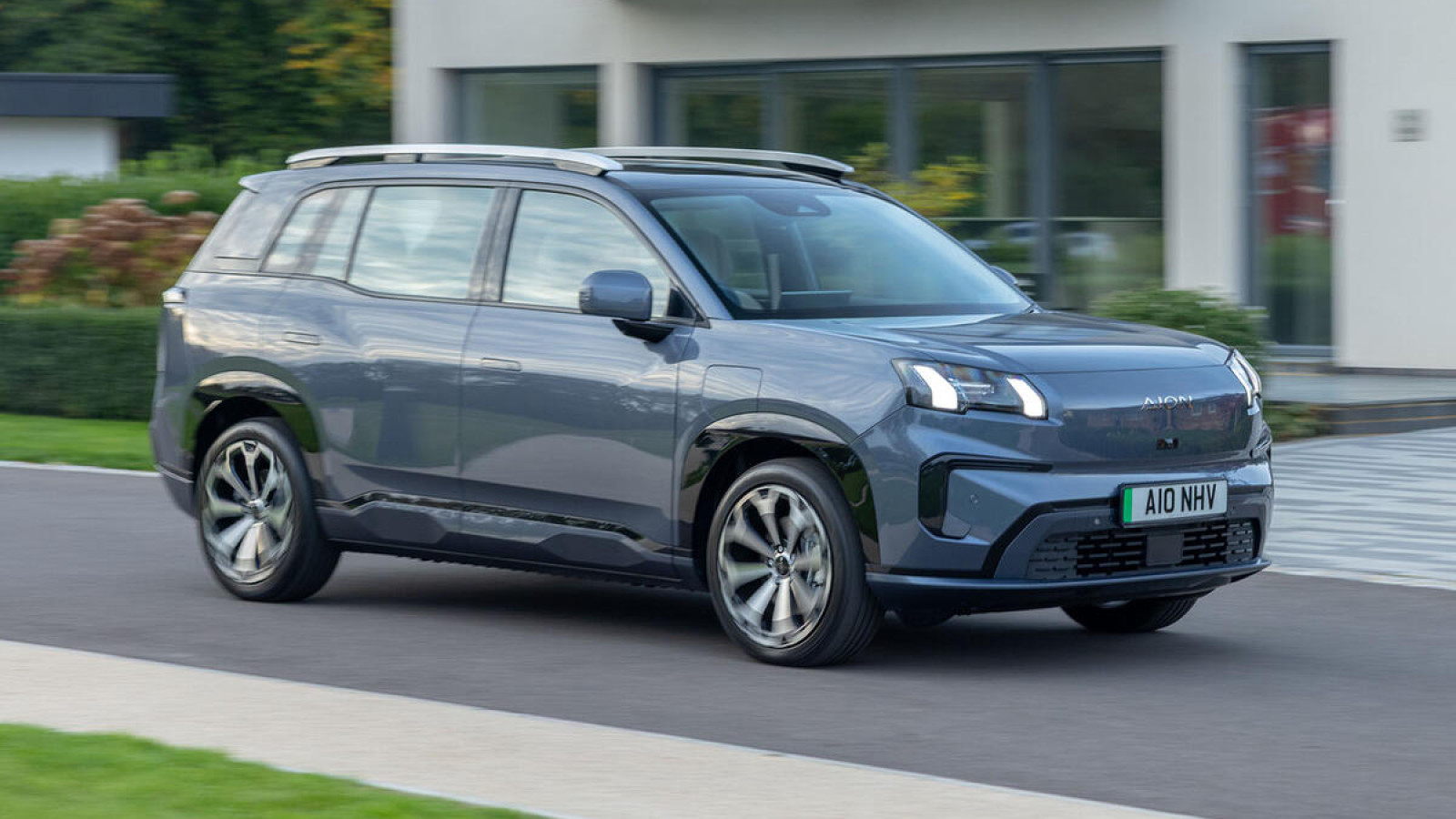
This car, the Aion V, is the brand’s first car here. It’s a family-sized electric crossover to rival the Volkswagen ID 4 and BYD Atto 3. It will soon be joined by the UT, an electric hatchback pitched as a rival to the Volkswagen ID 3.
The Aion V is an electric family SUV priced from £36,450 (€42,100 / $45,200), positioning it as a value alternative to cars like the Skoda Enyaq.
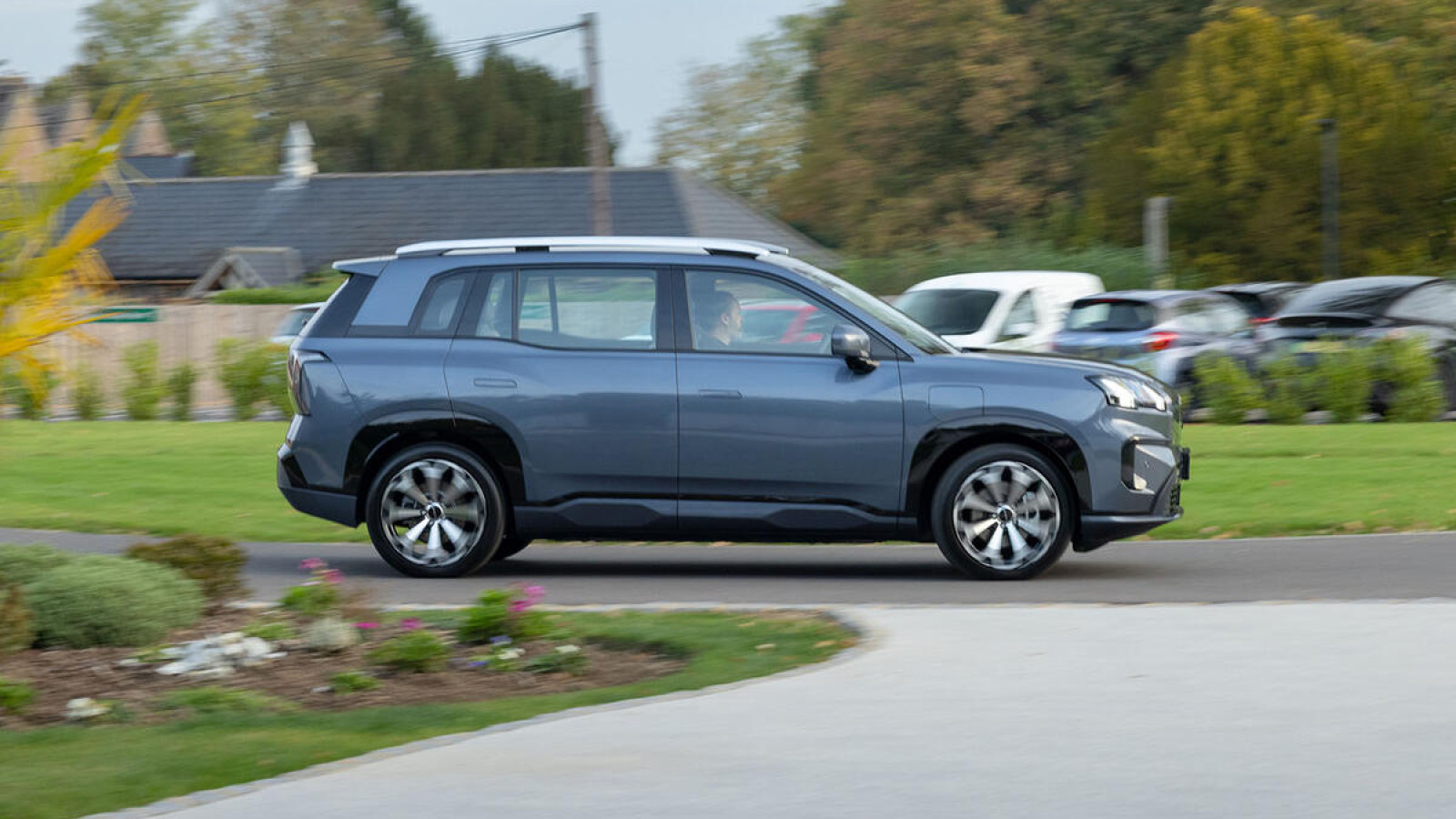
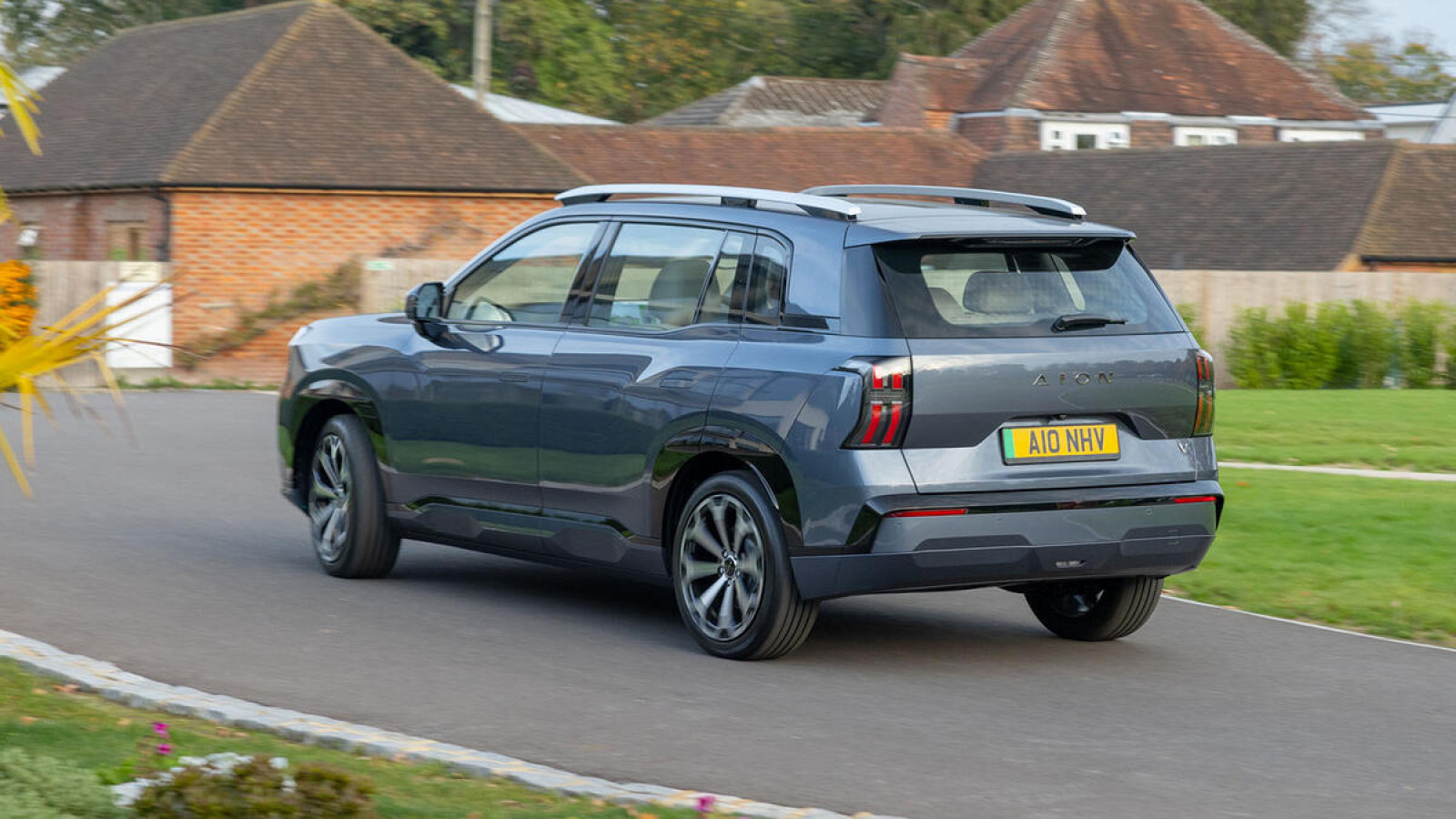
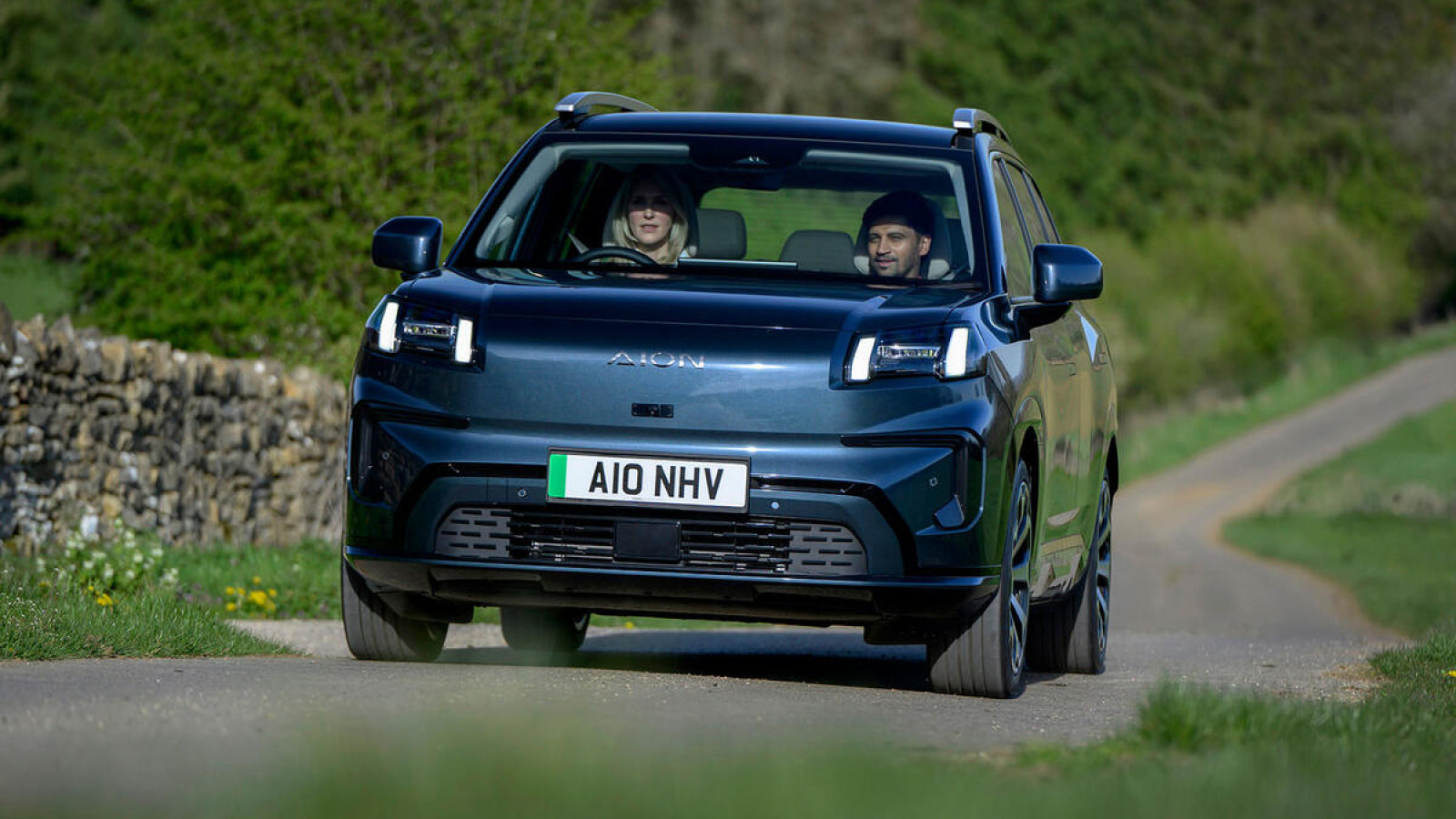
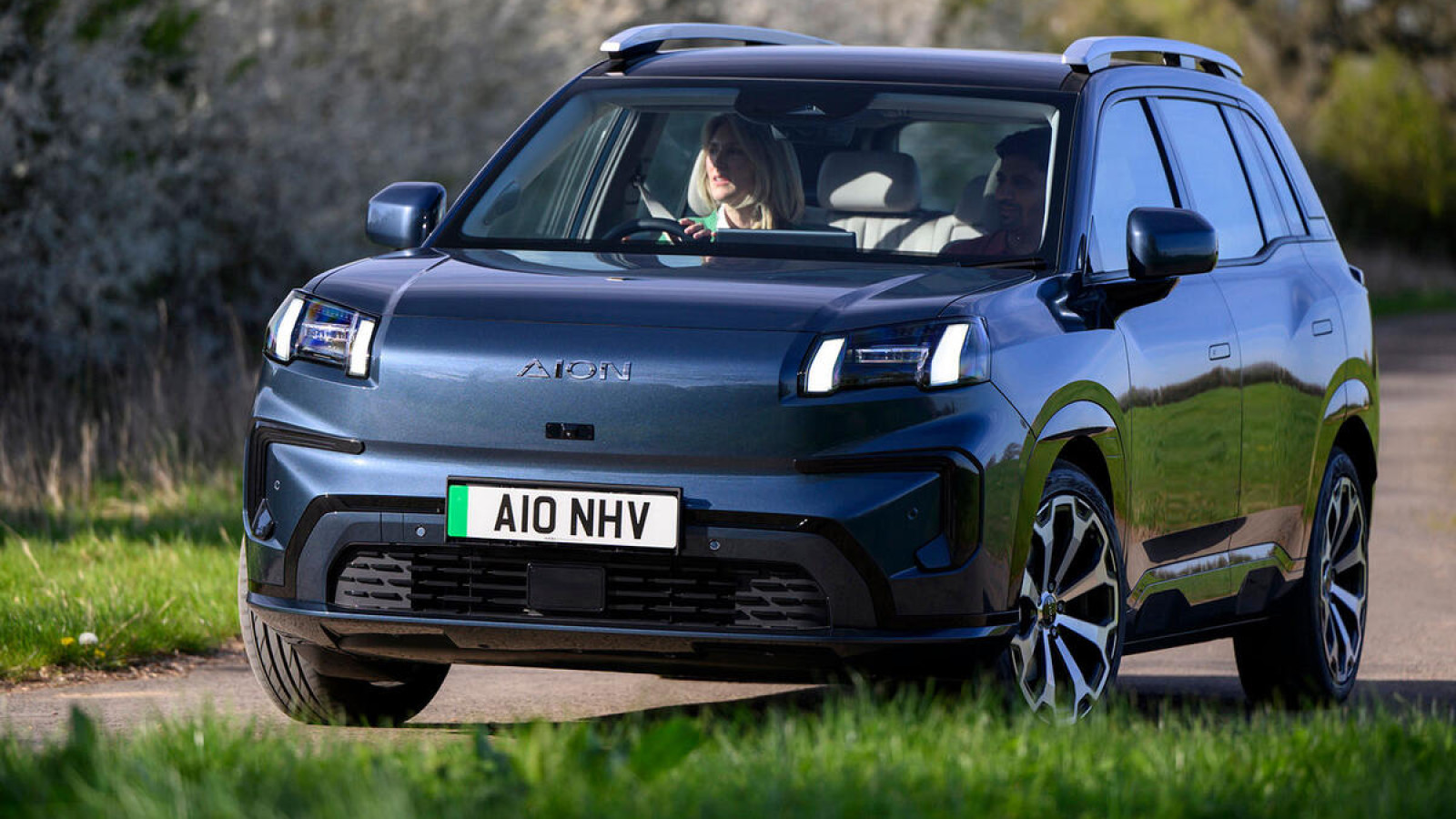
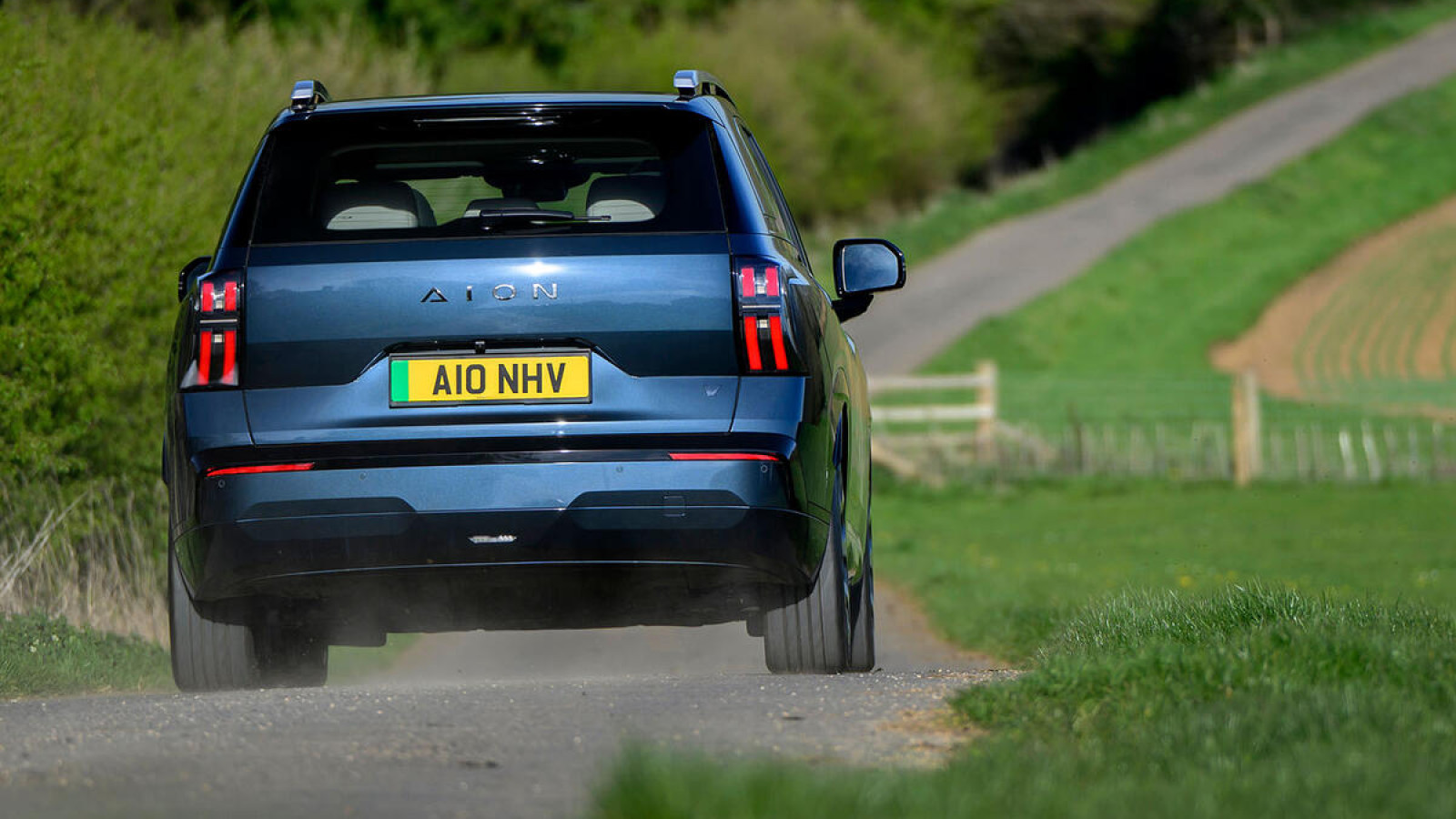
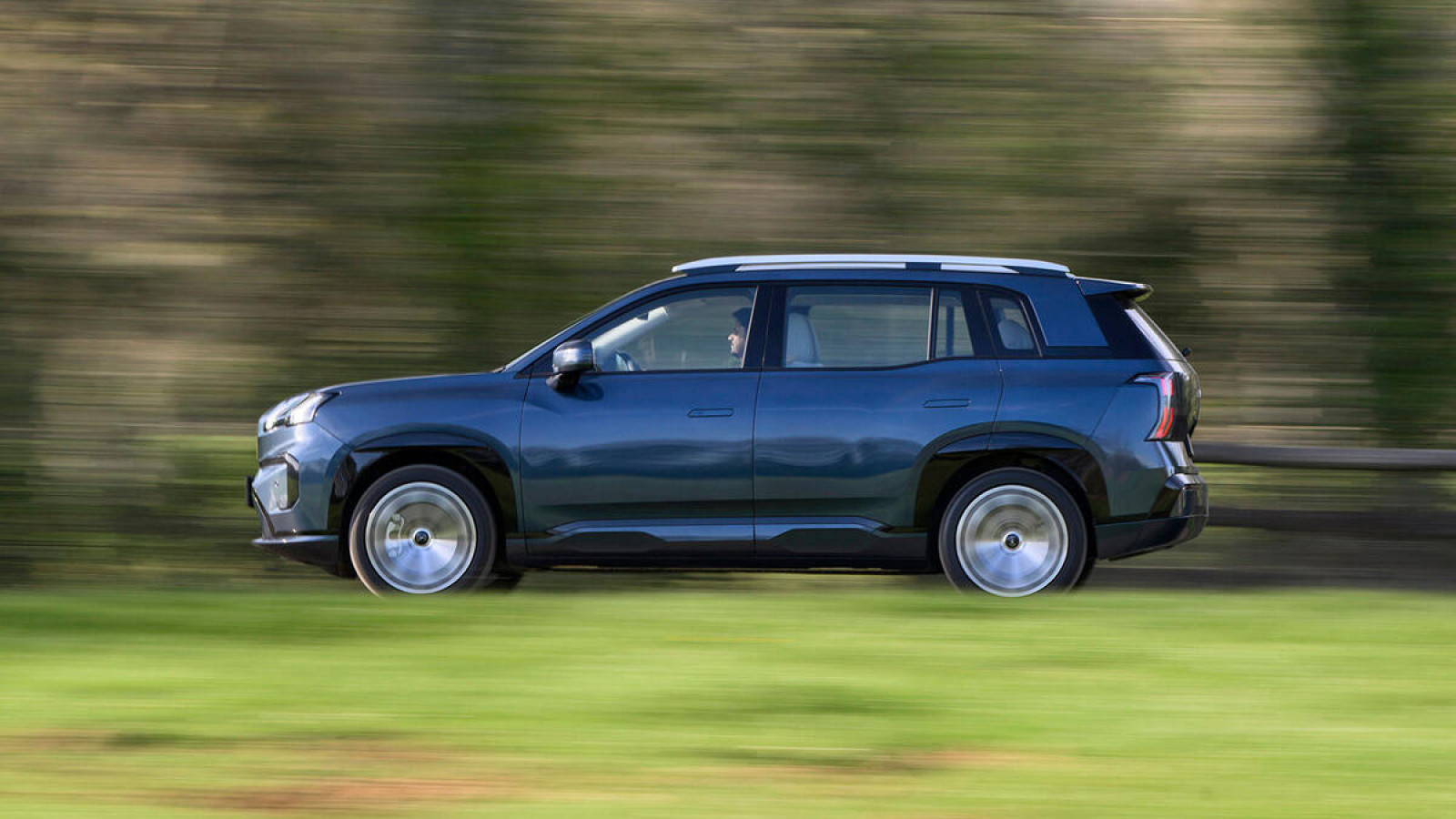
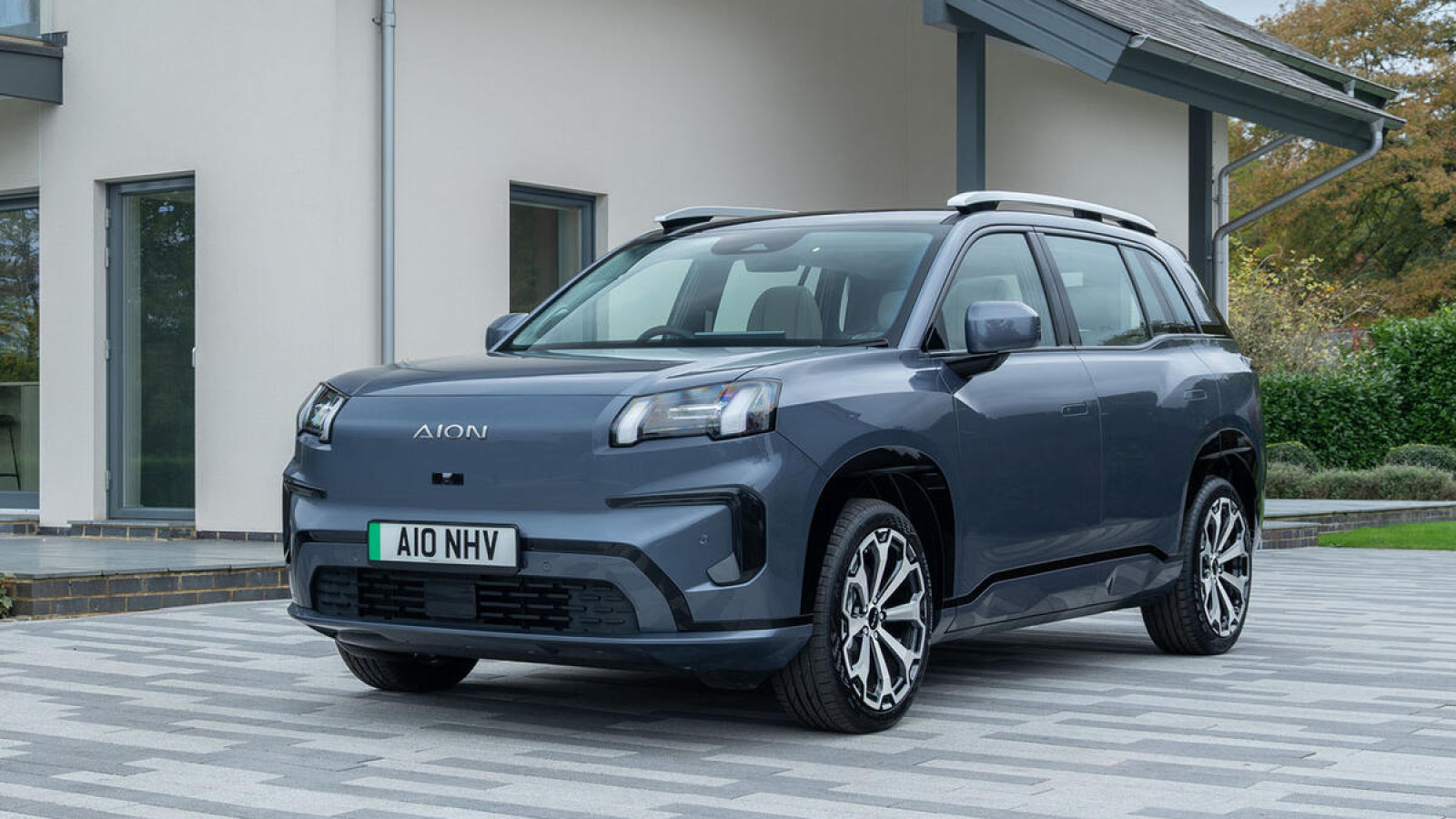
Aion hopes its design – purposefully chunky, rather than looking like another raised hatchback – will help it to stand out from the crowd. Has it been successful? We’ve driven it, so read on to find out more.
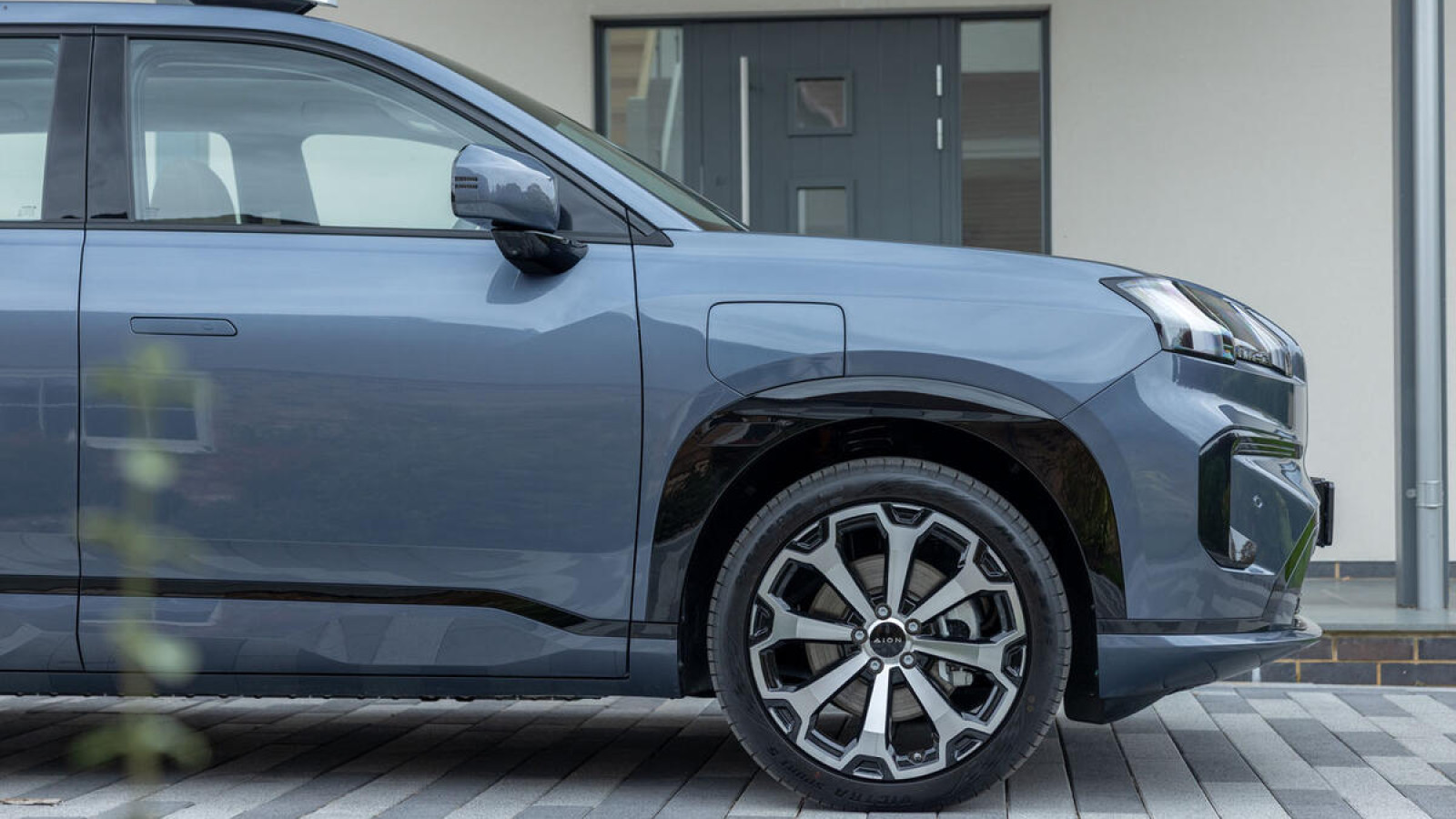
Design is a matter of taste, but I find it to be largely successful in this respect. The Aion V is fairly generic-looking, and the front end looks a little bit clumsy, but it’s certainly more interesting than the blob-like BYD Atto 3 Evo, Opel Grandland Electric or Volkswagen ID 4.
A single front-mounted motor produces 201bhp and 177lb ft of torque, and a 75.3kWh battery officially lets it cover 510km (317 miles) between charges. Once you've run it close to empty, rapid-charging from 30-80% takes 18 minutes, with rates peaking at 180kW.
Colour aside, there's only one option on offer: a £1450 (€1680 / $1800) Premium Package that adds niceties including a cool/hot box (whose temperature can range from -15 °C to 50 °C) and flip-out tables for the rear passengers, supposedly benchmarked against those in Bentleys.
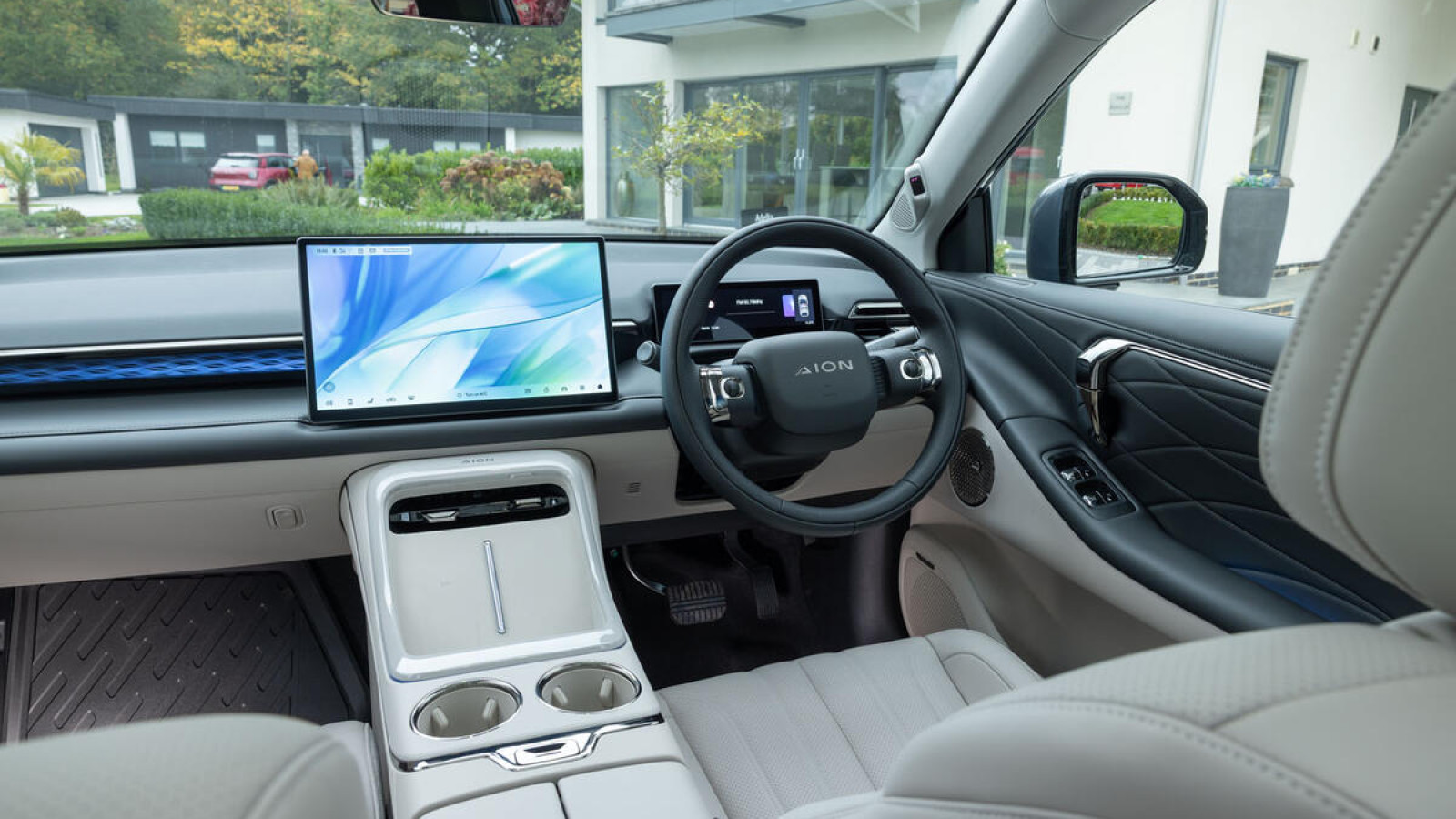
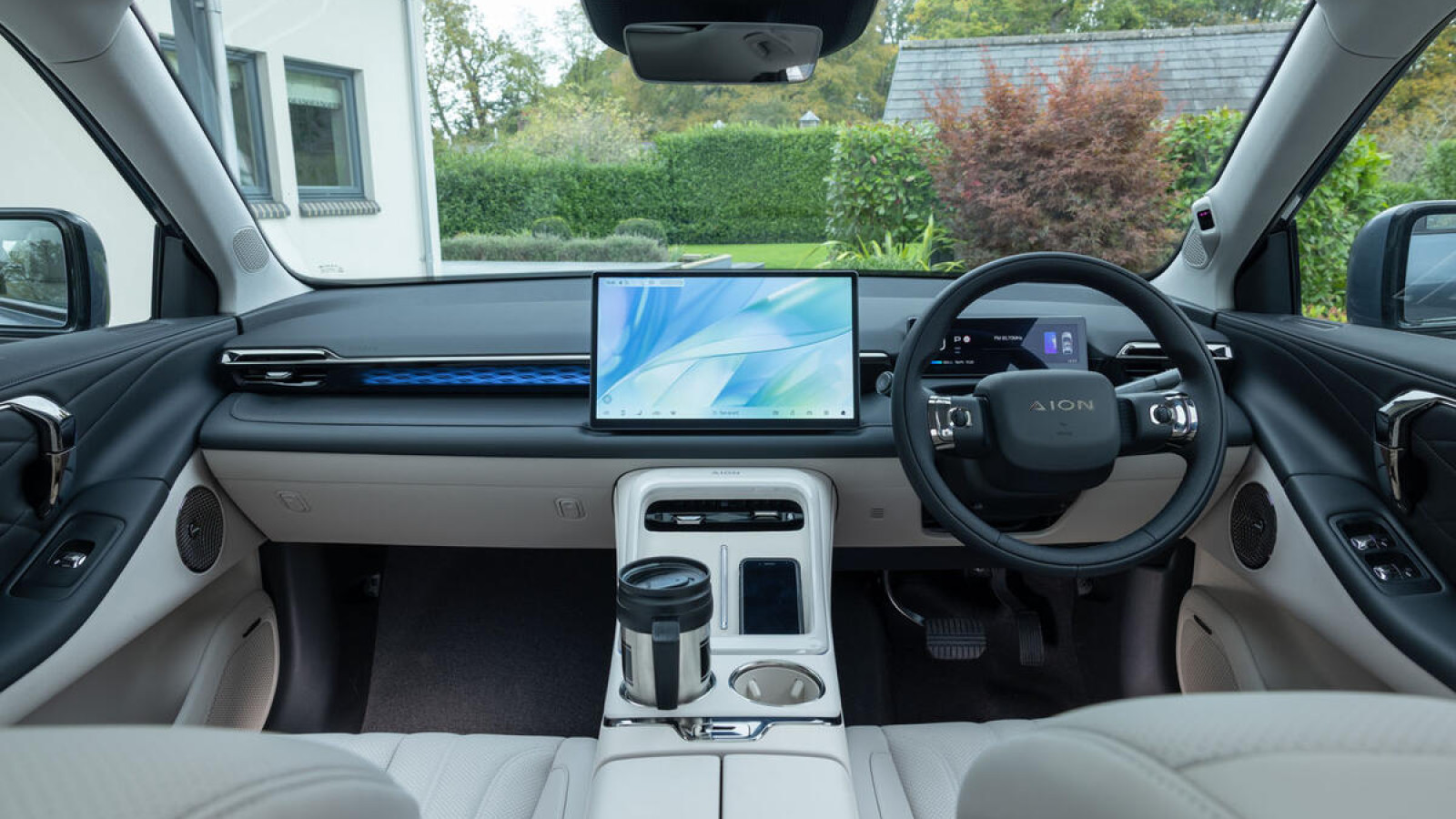
As sales pitches go, comparing a cheap family SUV with a six-figure limousine is on the ambitious side. Yet the Aion does stand out against its European competitors for its sense of quality. Almost everything inside is lined with pleather that feels like a fairly good imitation of the real thing, and you won't find scratchy plastics anywhere that you might touch in regular use.
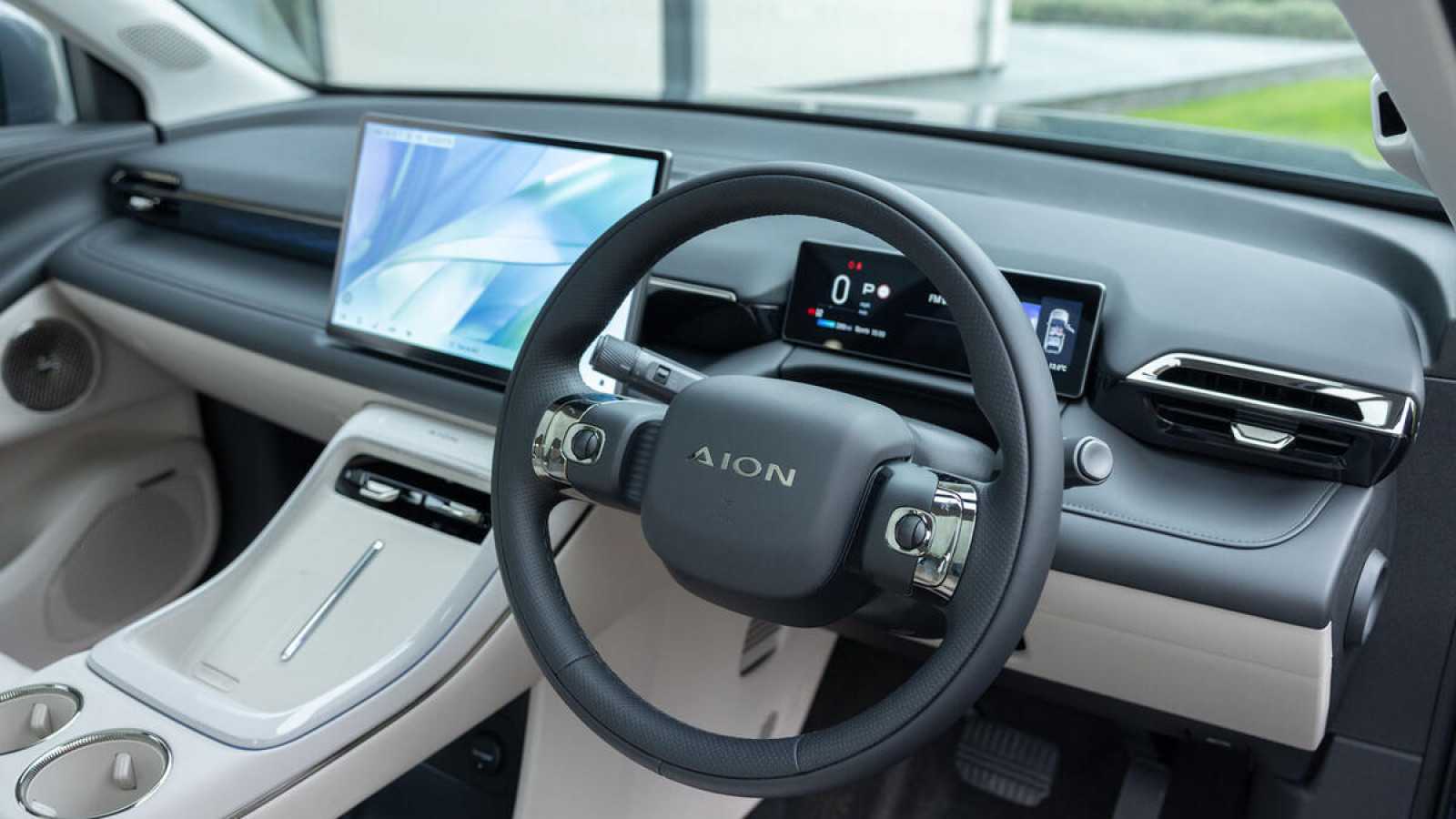
The windowsills' lining is a particular highlight: in rivals, this is usually a harsh, hard-wearing plastic, but here it's more of that very nicely padded fake leather. It's great if you like to rest your arm along it when cruising. The coating on the vents – which are adjustable by hand, rather than through a screen – is a decent imitation of actual metal, and the few stalks and buttons around the steering wheel have a pleasantly tactile clickiness to them.
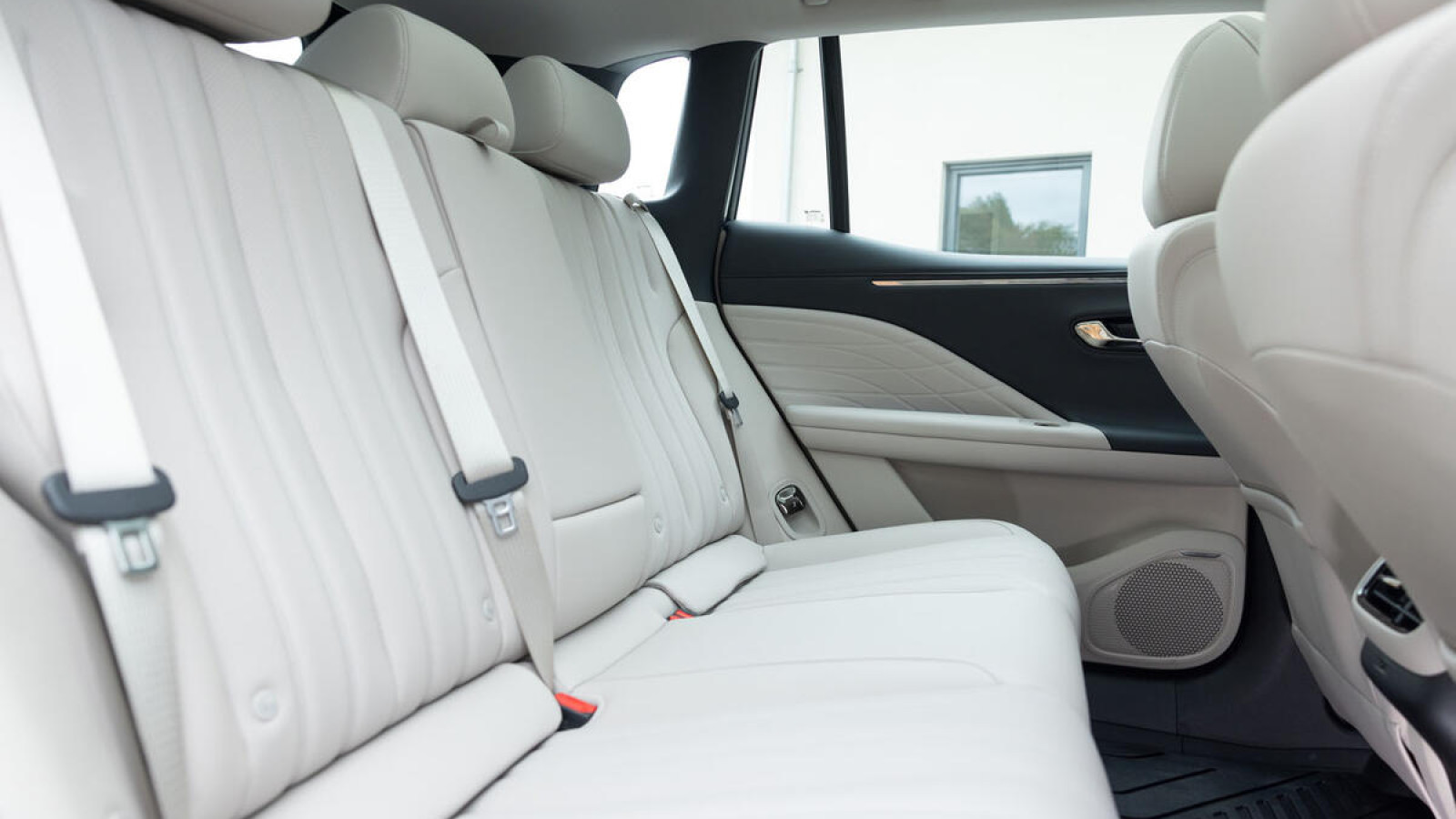
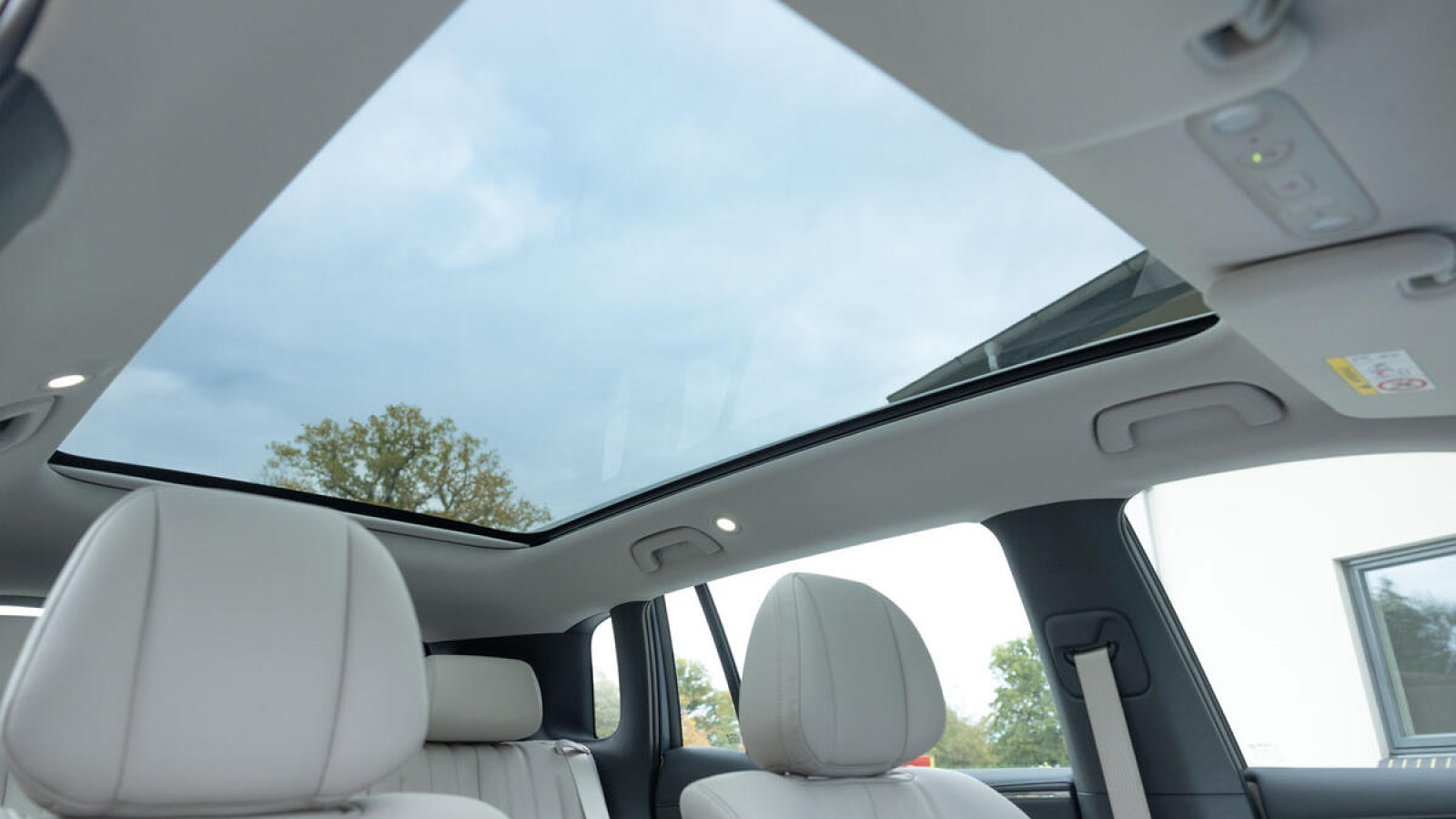
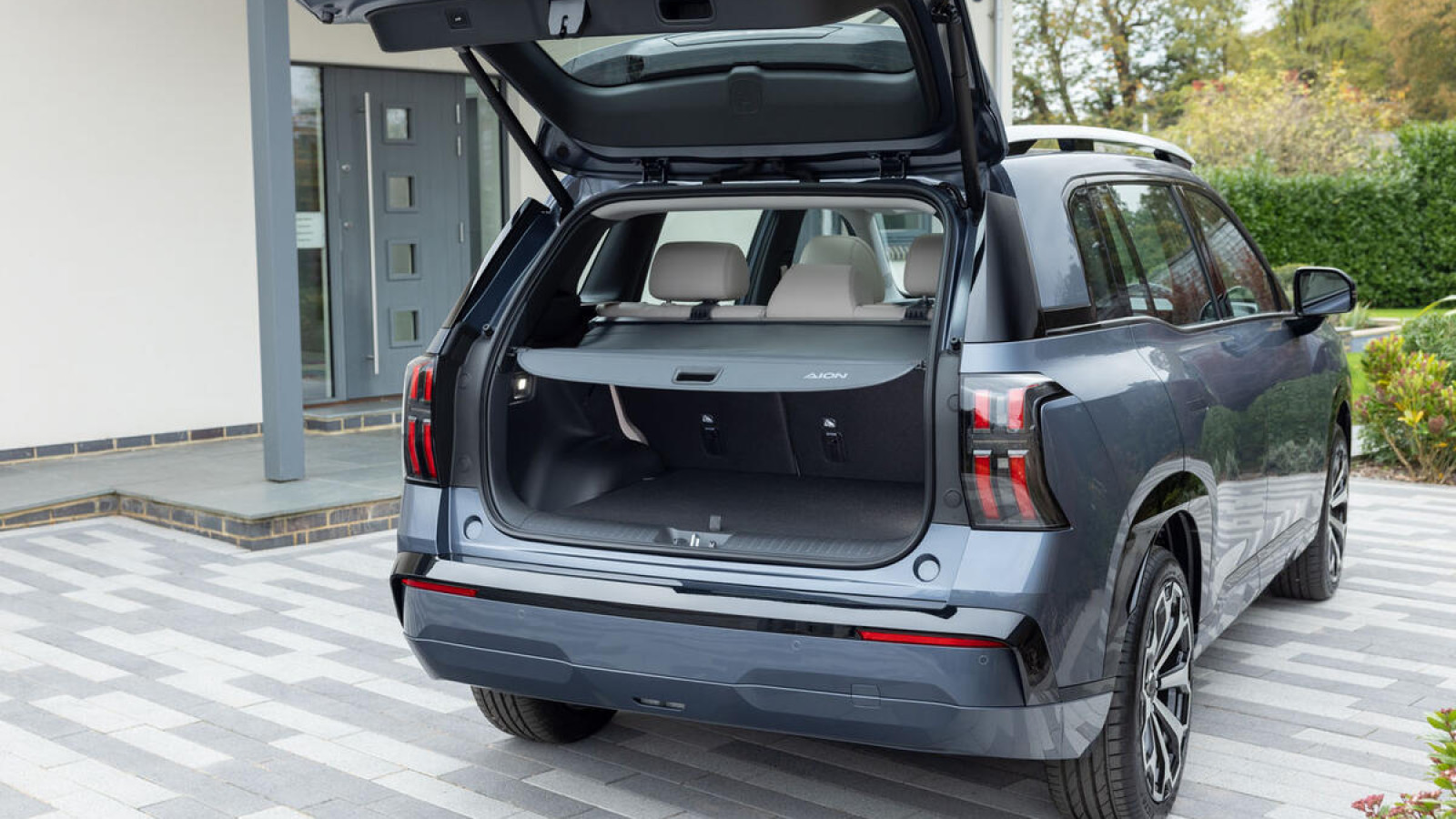
The front seats are rather comfortable, with good back support, plenty of adjustability and a nice squishiness in the bottom squab. Opting for the Premium Package adds an eight-way massaging function, too. Space in the back is palatial. The second row can recline at angles up to 137 degrees, so you could quite comfortably use it as a bed if you so desired. Or you could simply let your rear passengers relax. It would make a tremendous taxi.
Set off, however, and things can get a bit confusing. There are no physical mirror controls, forcing you instead to delve several levels deep into the many menus of the 14.6in infotainment touchscreen, before using the physical dials on the face of the steering wheel to adjust the mirrors' angles.
If, like me, you tend to make finer adjustments once you've left your parking space and found a couple of reference points, this might take somewhat longer than you deem agreeable.
So much of this car's configuration is buried in menus, and although the screen is responsive, it can become a big distraction if you want to make tweaks on the move. You can even choose how loud to make the indicators. Is that something I really need control of? If I do, should it be nestled in a menu alongside other functions that are much more useful? It feels needlessly complicated.
The lack of physical climate controls is also a shame, but they are at least permanently displayed on a toolbar at the bottom of the screen. This remains in place even when you're using Apple CarPlay or Android Auto smartphone mirroring.
The 201bhp and 177lb ft produced by the V's lone motor may not sound much compared with some rivals, but it proves to be plenty in the real world. The throttle is tuned to provide a more relaxed step-off than you get in the 308bhp Atto 3 Evo, and the brakes exhibit a similar smoothness. A stronger regen setting for the latter would be welcome around town, though.
The V feels well-balanced on the whole, offering enough punch to make quick overtakes without overwhelming the front tyres or the chassis. Noise from the motor is well contained, too, only a faint whine under particularly harsh demands being audible. Refinement is comparable to the rest of the class. Tyre roar is agreeable at motorway speeds, although the wind whistles its way past the side mirrors north of about 100pkh (60mph).
The main letdown in the V is the ride. Although Aion has modified the suspension to suit British roads, fitting stiffer springs and dampers, it feels like there's more work to be done here. It isolates milder bumps well, but you can notice the wheels deflecting over harsher potholes. There's a constant fidgeting over particularly battle-scarred road surfaces and there's a floatiness about its body that made me feel carsick riding in the passenger seat.
Those sensations undo the sense of calm provided by the trusty steering and plush upholstery. Moreover, the ADAS constantly chirp away at you.
The driver attention monitor was the biggest culprit, moaning at me for checking my mirrors, a blind spot, or even when staring straight at the road. It was seemingly confused by my polarised sunglasses, as removing them reduced the rate of errant activations – but they were still plentiful enough to become enraging.
In fairness, rivals such as the Kia EV5 are equally annoying in this regard. But, owing to the cluttered interface of the V's touchscreen, it's more difficult to turn the systems off here.
The killer stat for the V is its price: at £36,450, it's more than £3000 (€3450 / $3750) cheaper than the entry-level Skoda Enyaq, while offering a plusher interior, a greater amount of standard kit and a better range.
As for day-to-day running costs, the V is officially capable of yielding an efficiency figure of 3.6mpkWh. In the real world, I would expect a figure of around 320–355 km (200–220 miles) of range at A-road and motorway speeds or nearer 435–450 km (270–280 miles) around town.
The V is the most polished of the Chinese newcomers I've yet sampled. It responds to inputs exactly as you would hope, which isn't always a given, and impresses with an overall sense of solidity.
In short, it feels like a good left-field challenger to the European establishment on value terms. It's not all the way there – the flawed ride, lack of proper buttons and overcomplicated touchscreen preclude it from that – but it is an impressive first showing from Aion.