
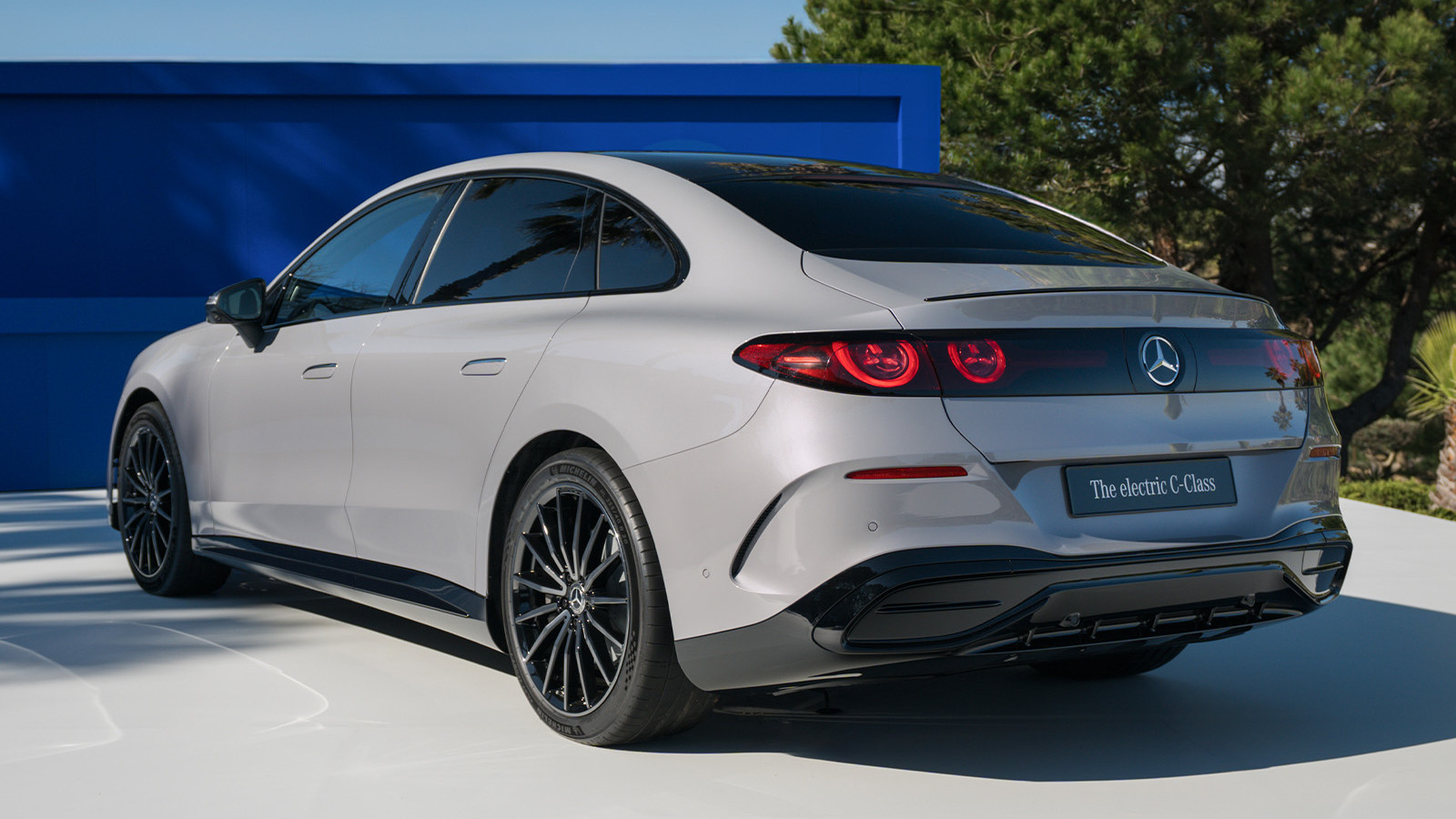
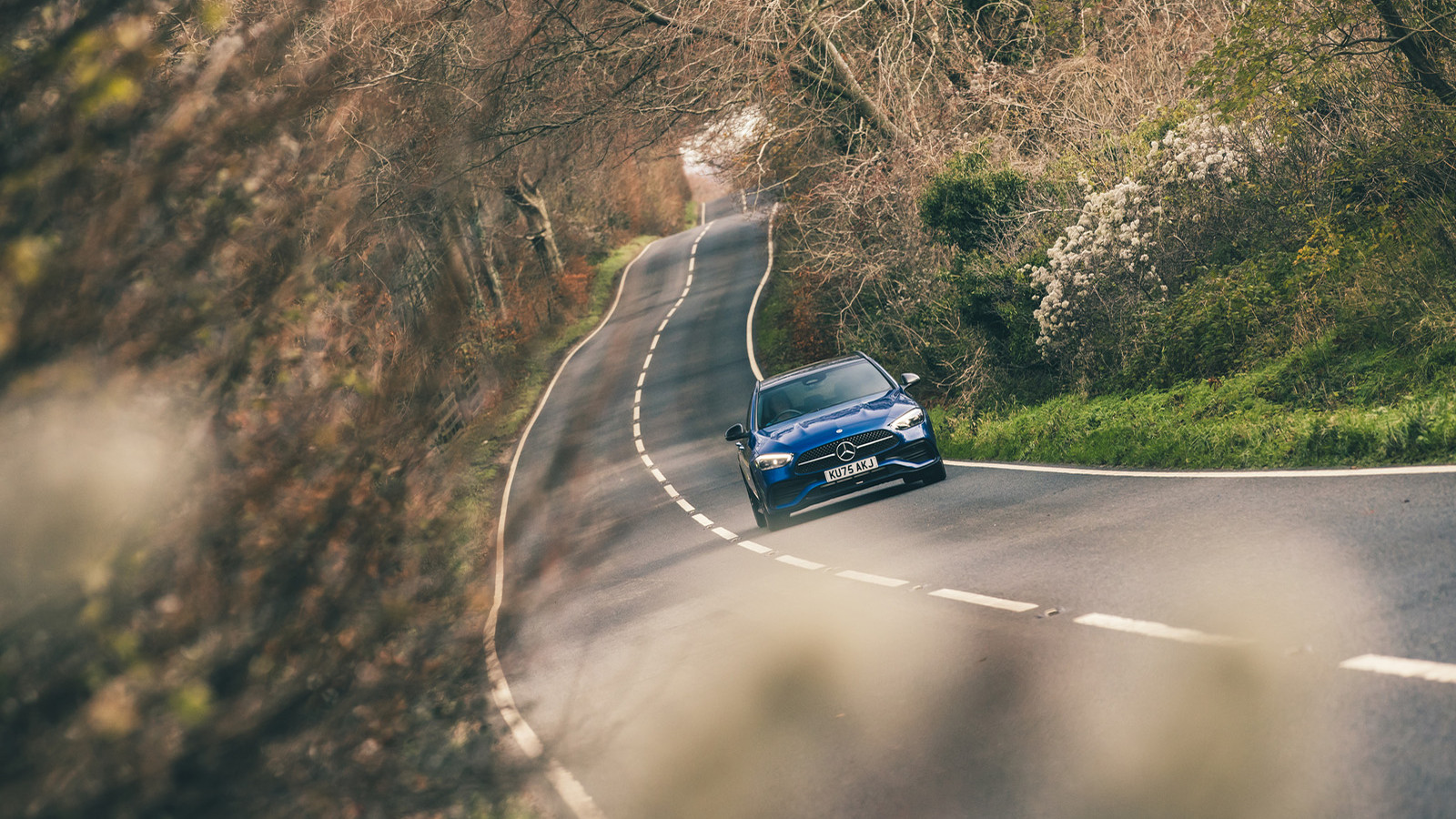
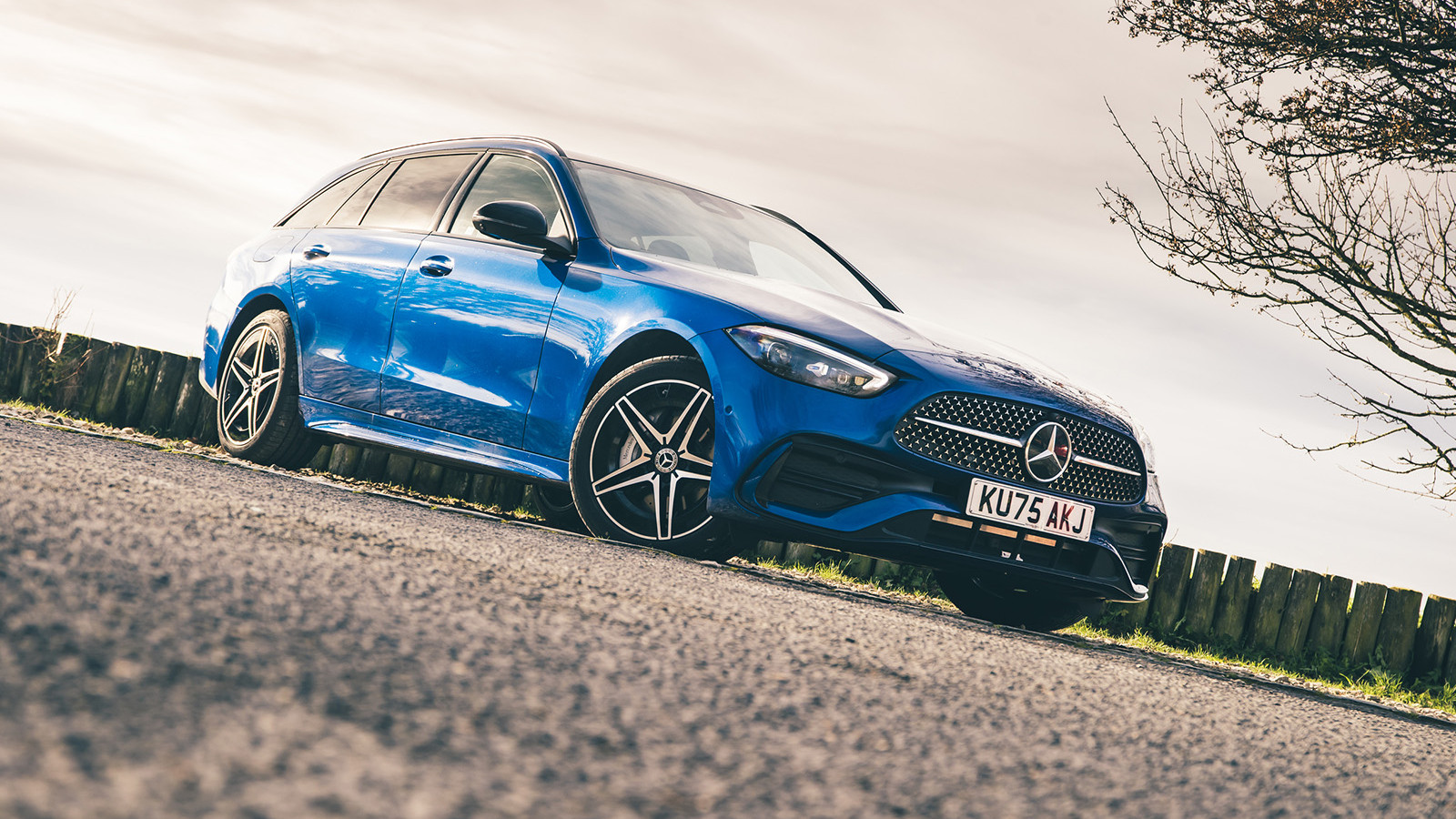
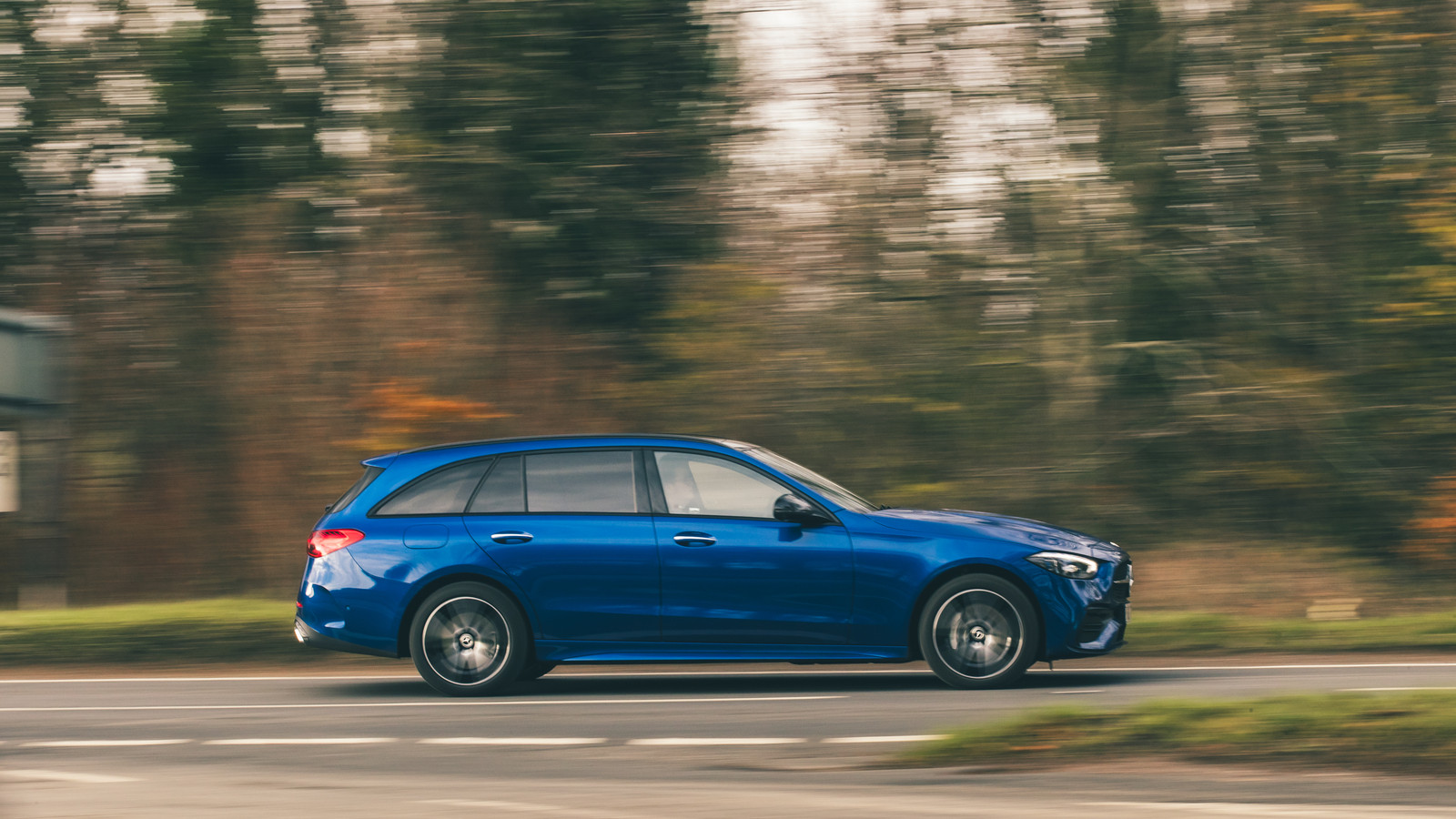
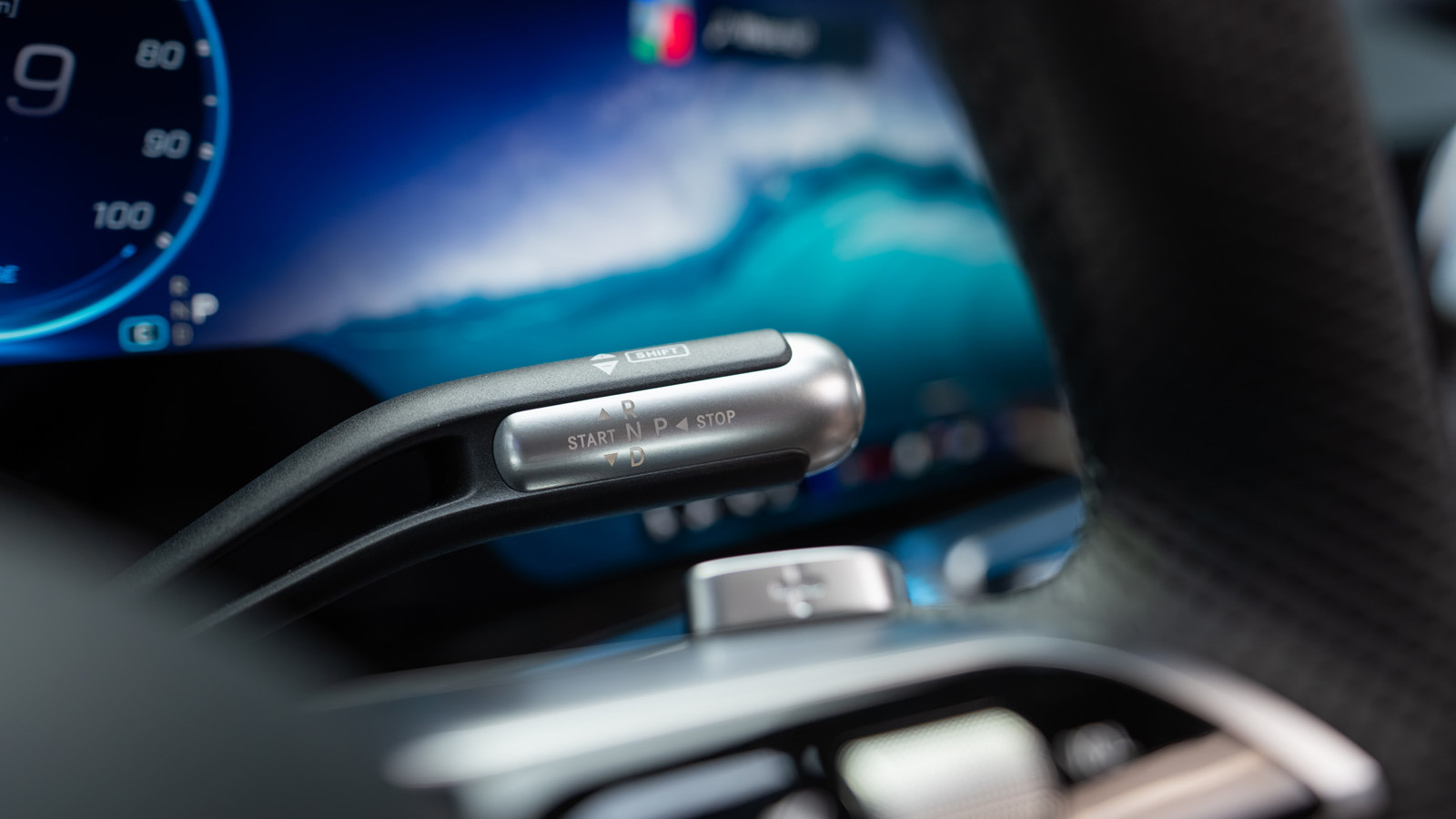
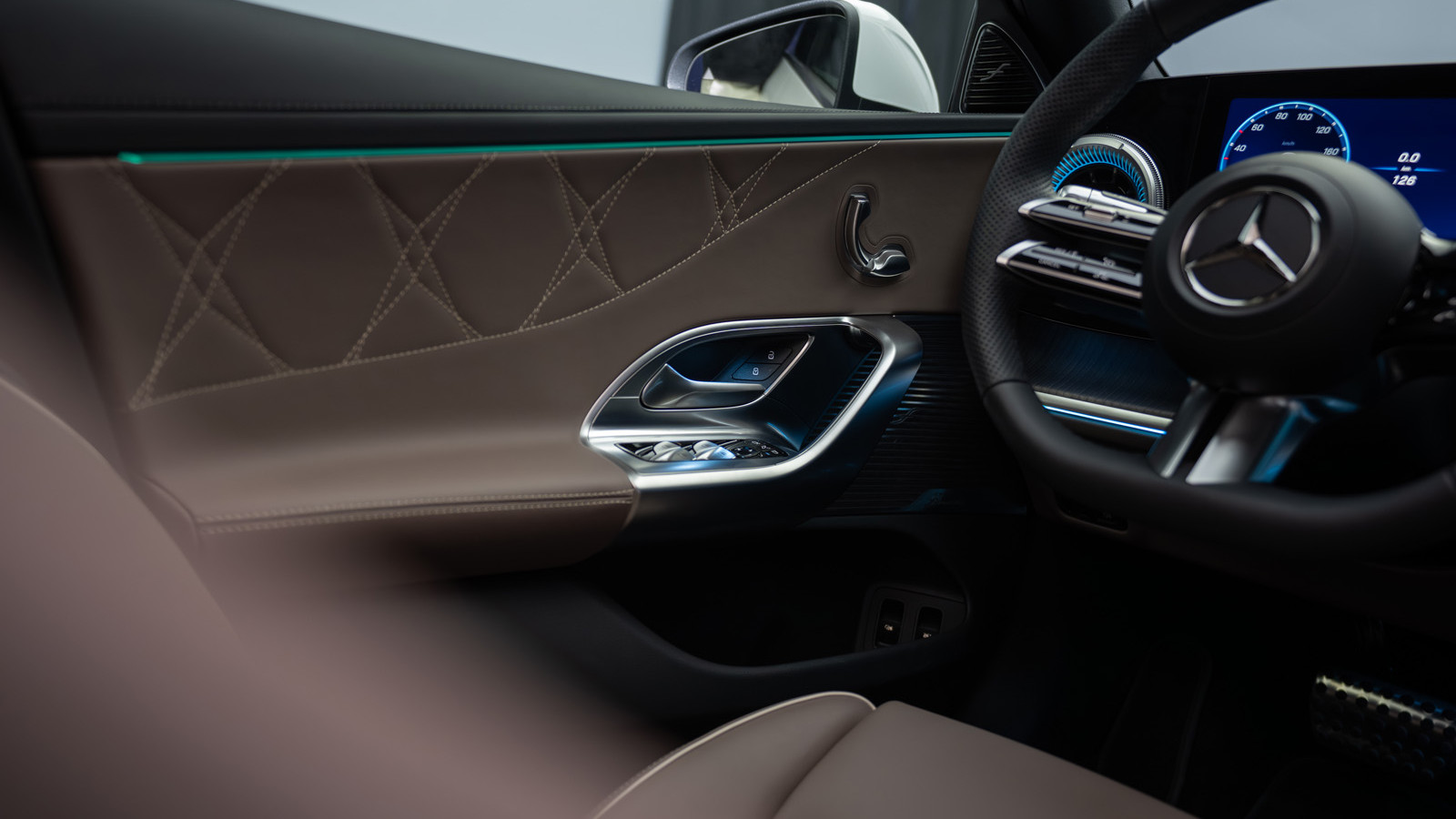
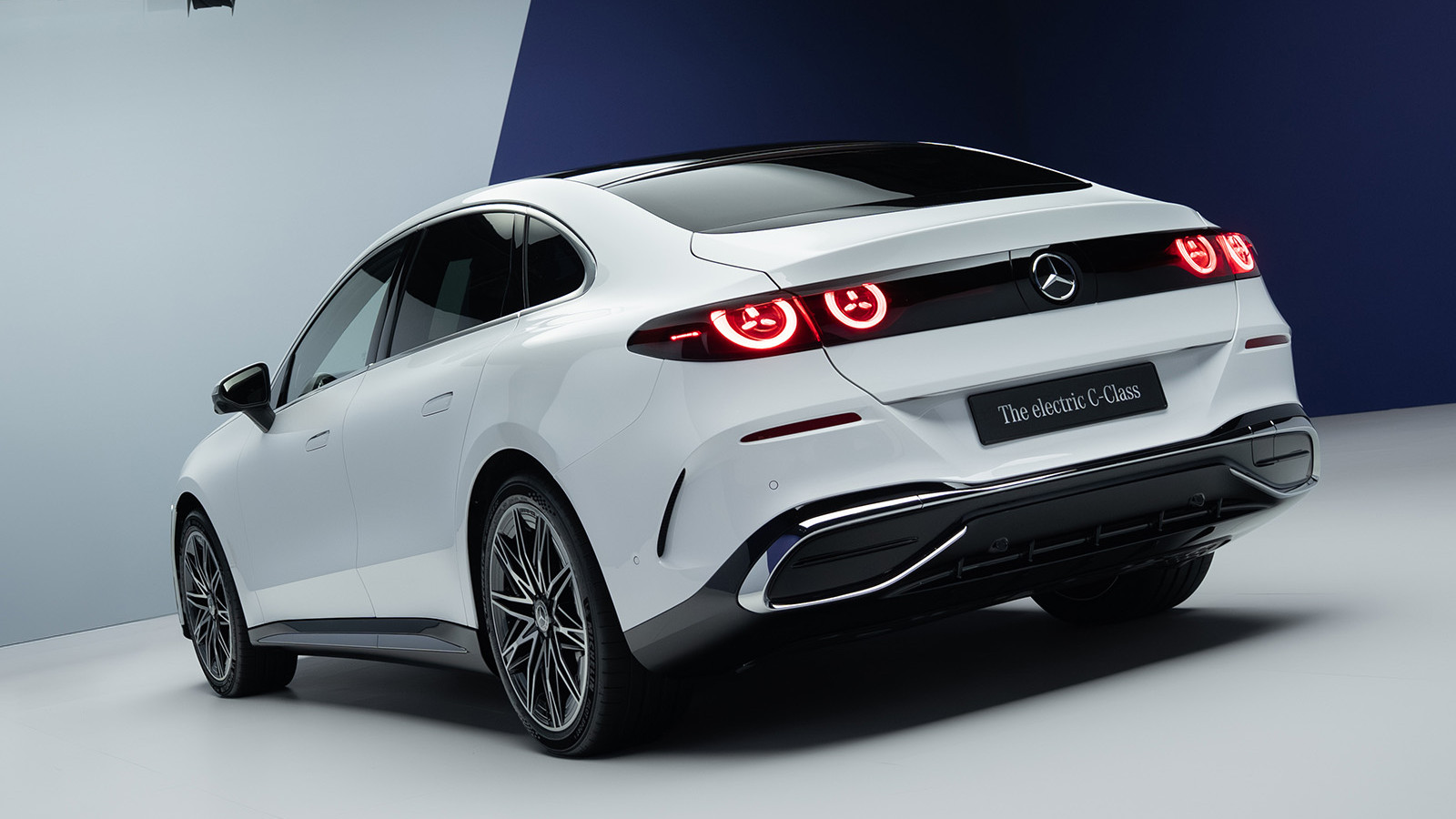
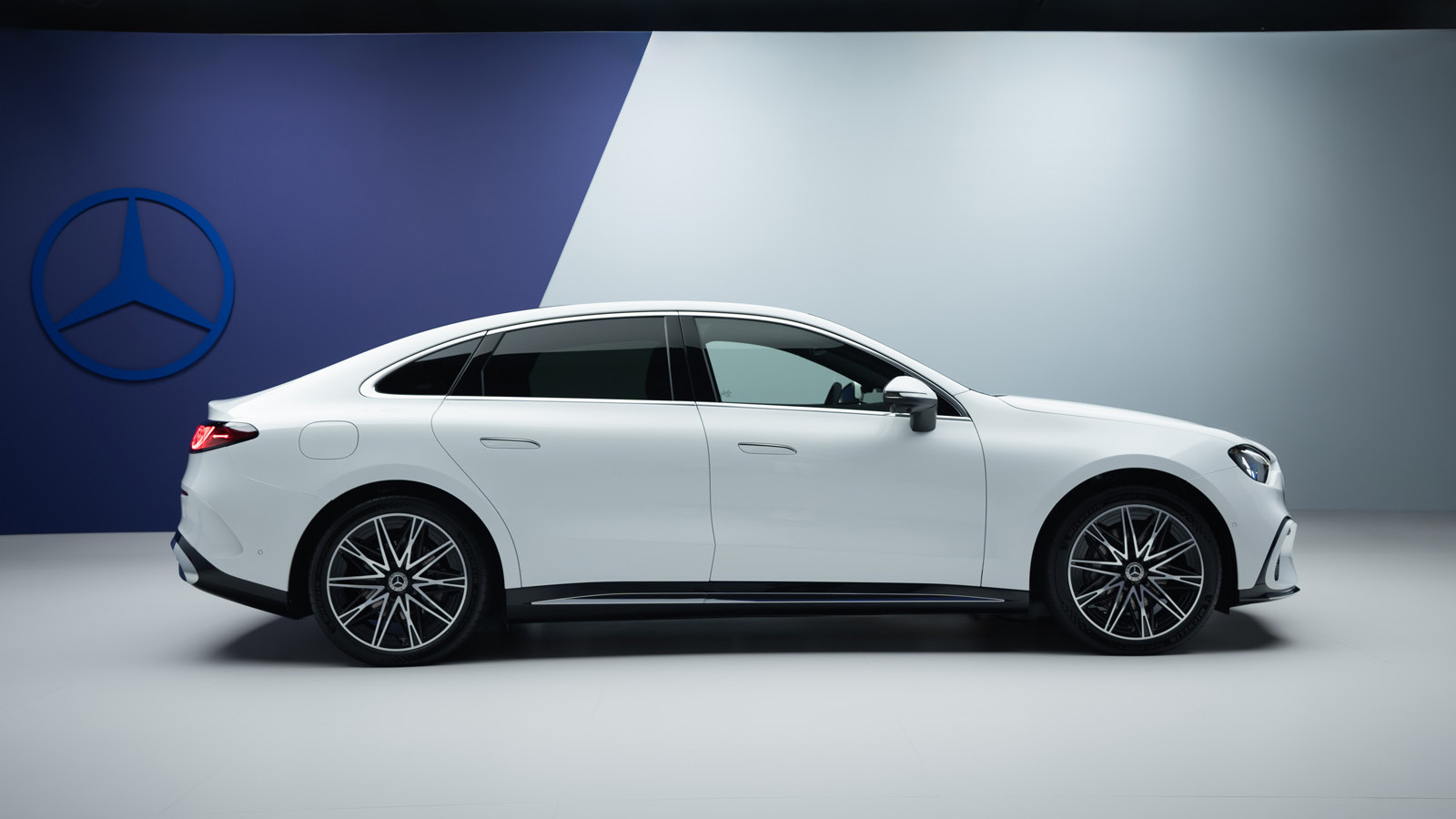
The first car to go on sale will feature a dual-motor setup with all-wheel drive. Power stands at 483bhp and 590lb ft, and it can travel from 0-100kph (0-62mph) in just 4.1 seconds. That’s as fast as the old V8-powered C63.
Ultimately, Lesnik said, it’s a case of: “Never say no.” But there are no current plans to introduce a C-Class estate EV, with the technically identical GLC SUV providing a more spacious option for families in this segment.
“It’s interesting – if I sit down with guys like you or other designers, they say: ‘Well, I like station wagons!’ – but in the end, nobody is buying them. “We have three regions: Nobody is buying them in America – we tried the shooting brake of the CLS and nobody bought it; the Chinese don’t understand them and don’t buy them; then Europe is left, and if you look at a Mercedes E-Class, it’s pretty expensive. So who can actually buy a car like that in Europe?”
While every previous generation of C-Class has been offered with the choice of a saloon or an estate variant, we’re unlikely to see this with the new car. That’s because, according to designer Robert Lesnik, “nobody is buying them”.
The C-Class will be available with optional Airmatic adaptive suspension, which uses cloud data to prime the chassis for upcoming potholes and speed bumps. Other features include a new two-speed gearbox for rear-motor models, which optimise refinement at a cruise.
The new all-electric C-Class will go on sale later this year with a price of around £60,000 (€70,000 / $75,000).
Mercedes has high hopes for the C-Class’s comfort levels. The firm has suggested the refinement and dynamic credentials of the new underpinnings will offer levels of comfort previously reserved for the S-Class, while being capable of “attacking every curve with unrivalled agility and precision”.
As reported by Move Electric’s sister publication Autocar, the C-Class’s GLC sibling is in line to be released in hardcore tri-motor AMG performance guise, and the four-door would likely follow suit, in effect giving an electric successor to the C63 – and a rival to BMW’s upcoming quadmotor ‘iM3’ super-saloon.
In the near future, the C-Class will be offered with a lower-powered rear-wheel-drive powertrain with a range of around 804km (500 miles), while further battery and power output options will be added down the line.
Power is supplied by a 94.5kWh battery, which provides a range of 759km (472 miles). The C-Class is equipped with 800V hardware for charging at up to 330kW, meaning it can gain 320km (199 miles) of range in just 10 minutes, said Mercedes.
Since it arrived in the early 1990s, the Mercedes C-Class has been one of the German car maker’s most recognisable cars.
Over 30 years later, the car continues to ferry around executives and commuters alike, with an element of prestige that few rivals can match.
Today, the future of the C-Class has been confirmed - and it’s going electric, to form a crucial component in its strategy to increase global electric car sales, and ultimately rival the impressive new BMW i3.
The new electric C-Class is an impressive entrant into the executive EV market. We’ve got all of the information you need, including range, performance and that all-important price.
Let’s get into the figures. As the electric C-Class is paired with the GLC, it gains a similar powertrain line-up and is technically identical underneath. This mirrors the mechanical relationship between BMW’s new iX3 SUV and the i3 saloon.
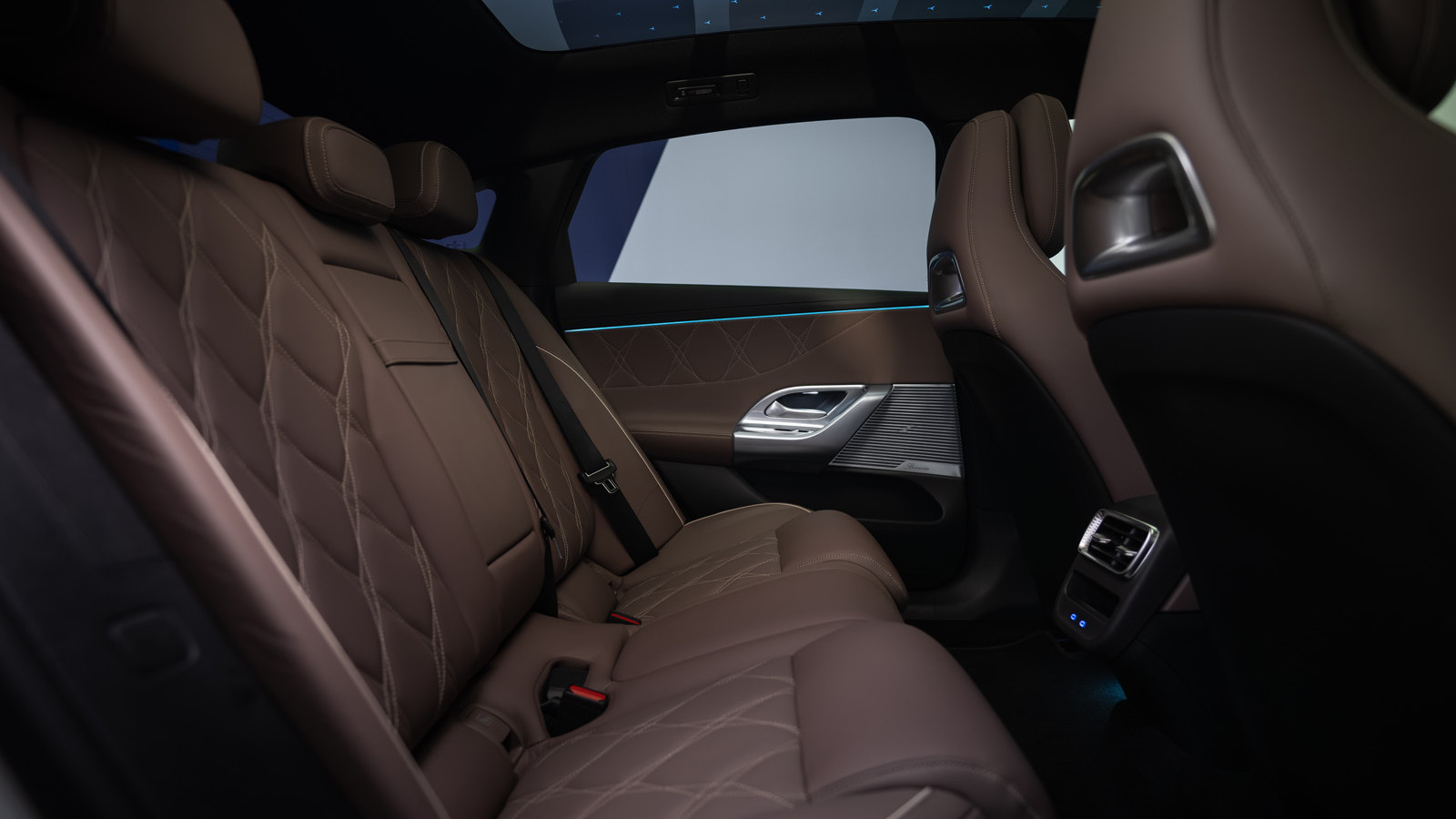
Thanks to its flexible platform, the electric C-Class is slightly larger than its internal-combustion counterpart. A higher roofline means more headroom in both rows – 22mm extra in the front and 11mm in the rear – despite the underfloor battery.
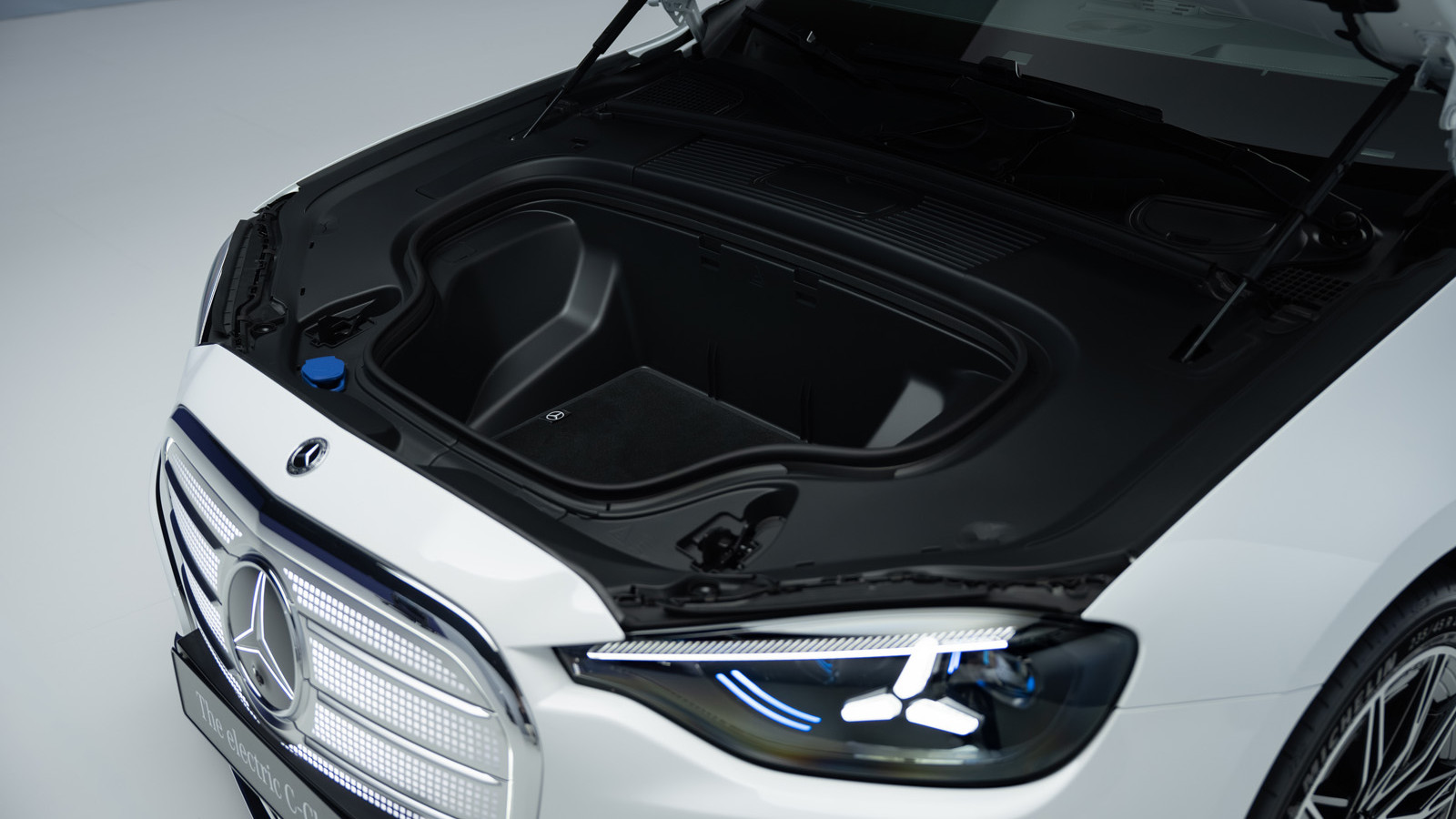
Boot space is pegged at 470 litres, which is slightly up on the fuel-burning car, and there’s a 101-litre storage space beneath the bonnet, for charging cables and muddy boots.
Both systems run the latest version of Mercedes’ MBUX infotainment platform, which uses AI technology from ChatGPT, Google Gemini and Microsoft in a “unique multi-agent approach” that, Mercedes said, “revolutionises the relationship between the vehicle and the driver”.
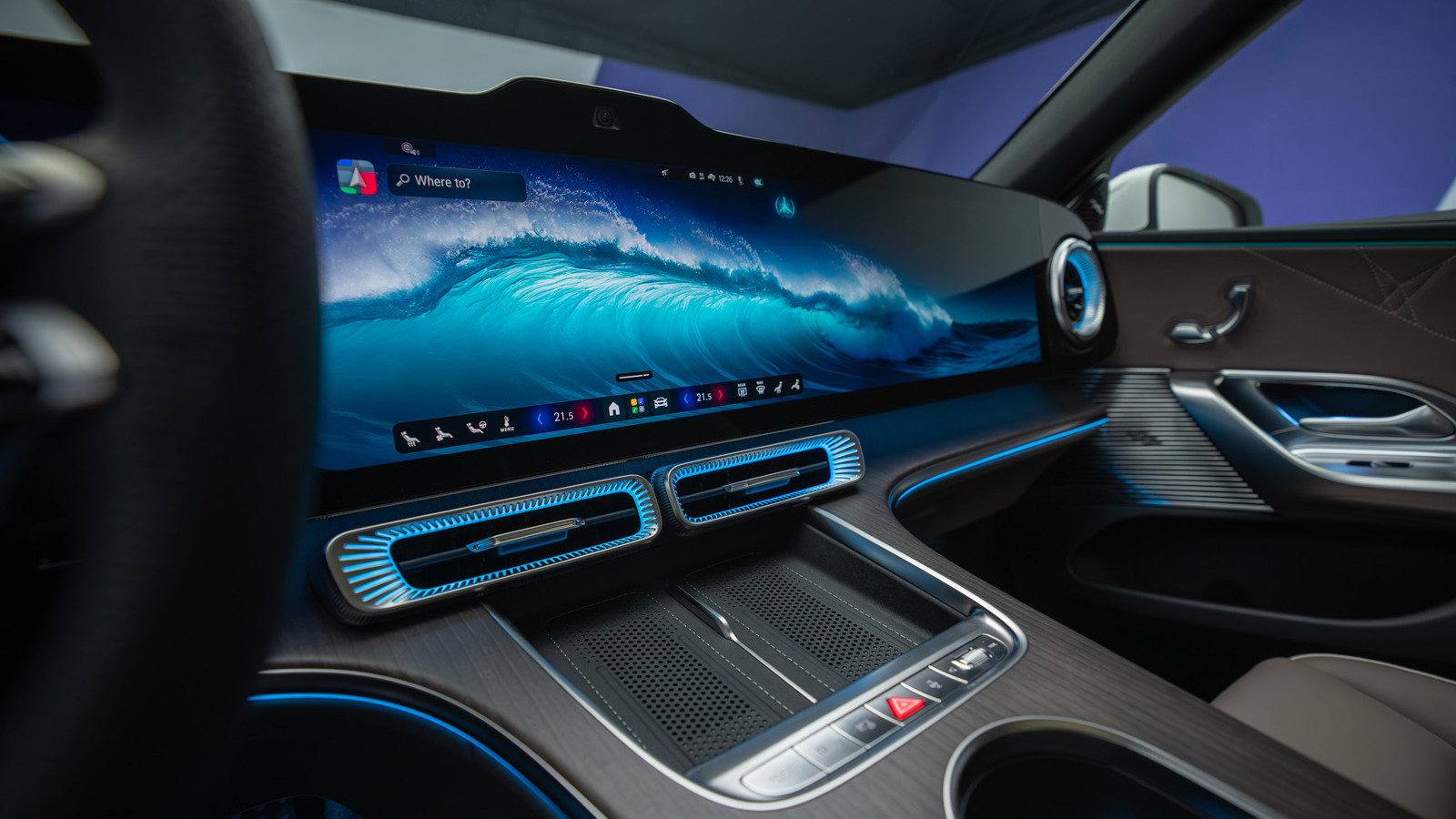
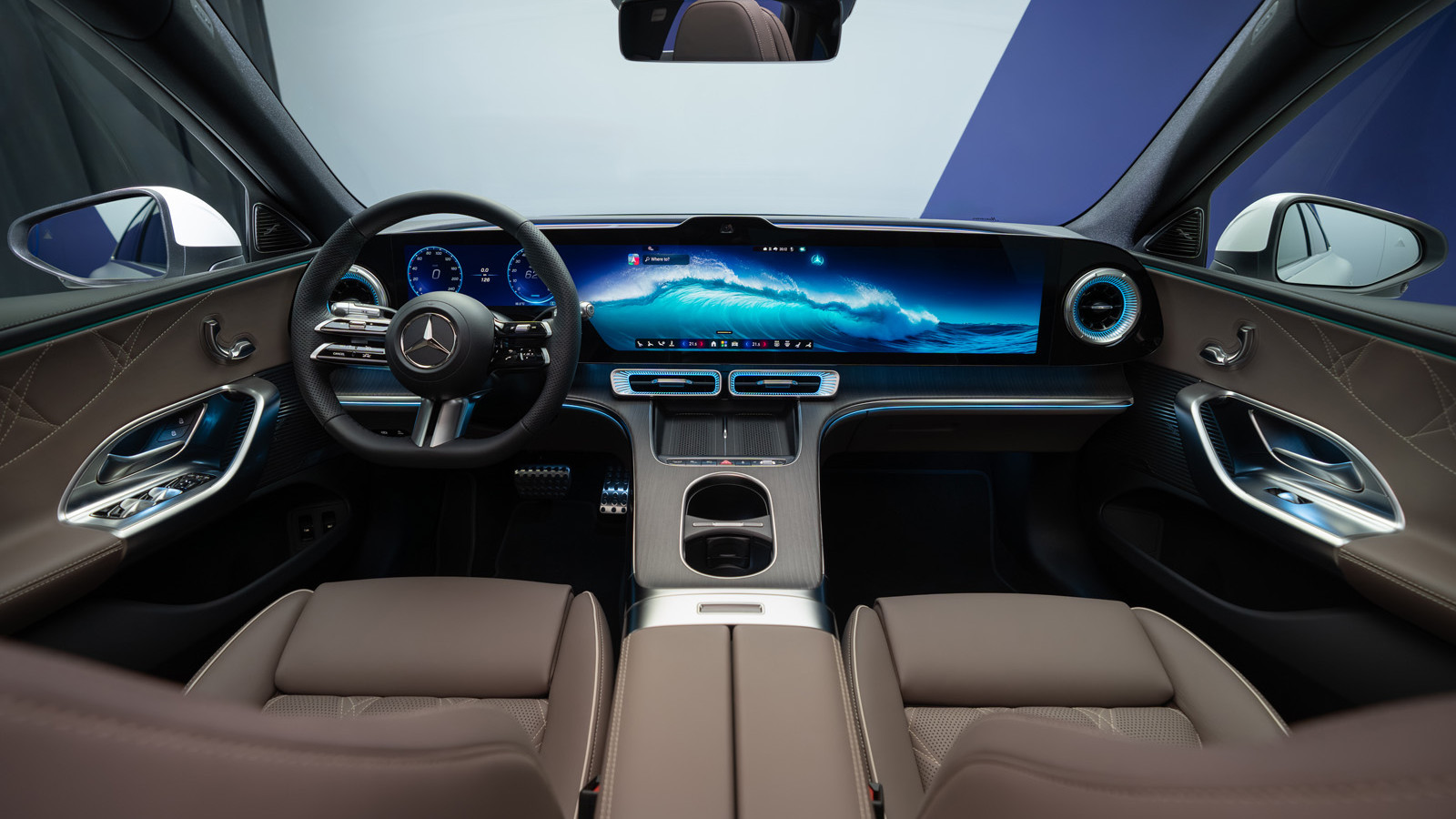
Inside, the C-Class’s cabin is dominated by a huge, 993mm Hyperscreen display. It spans the entire width of the car and is available as an option. If the driver doesn’t select it, the interior features a scaled-down version of the system with three separate screens.
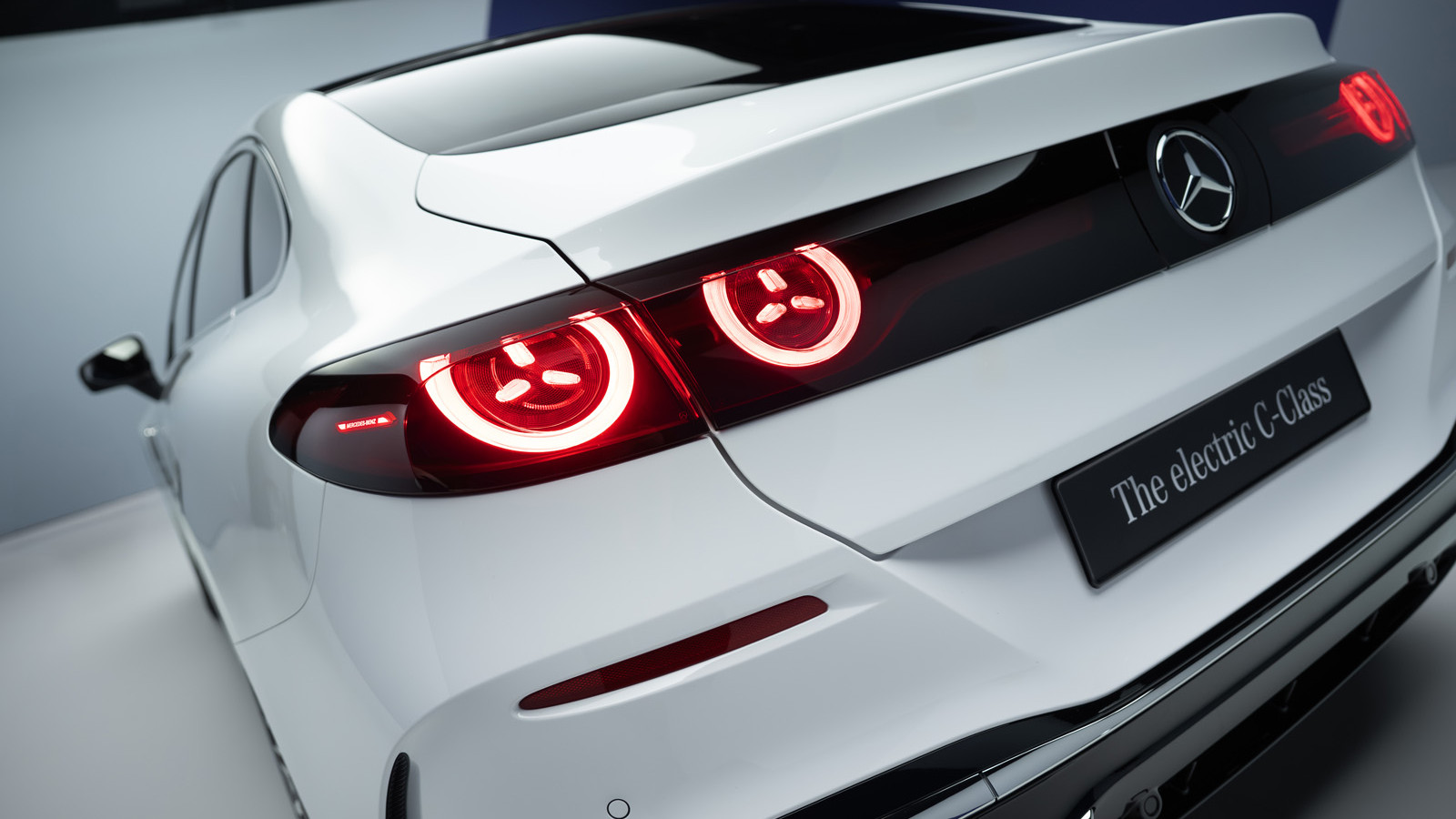
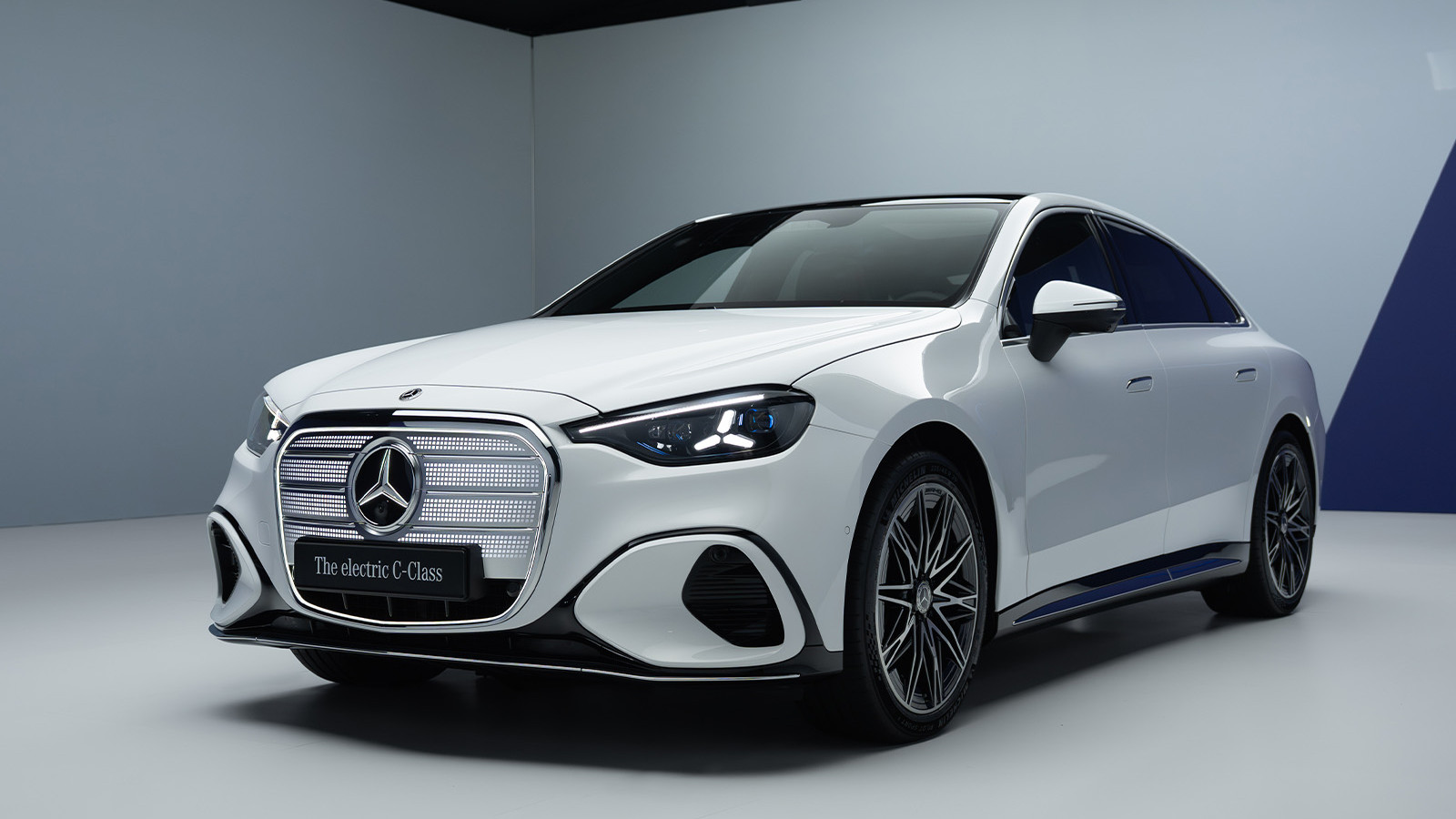
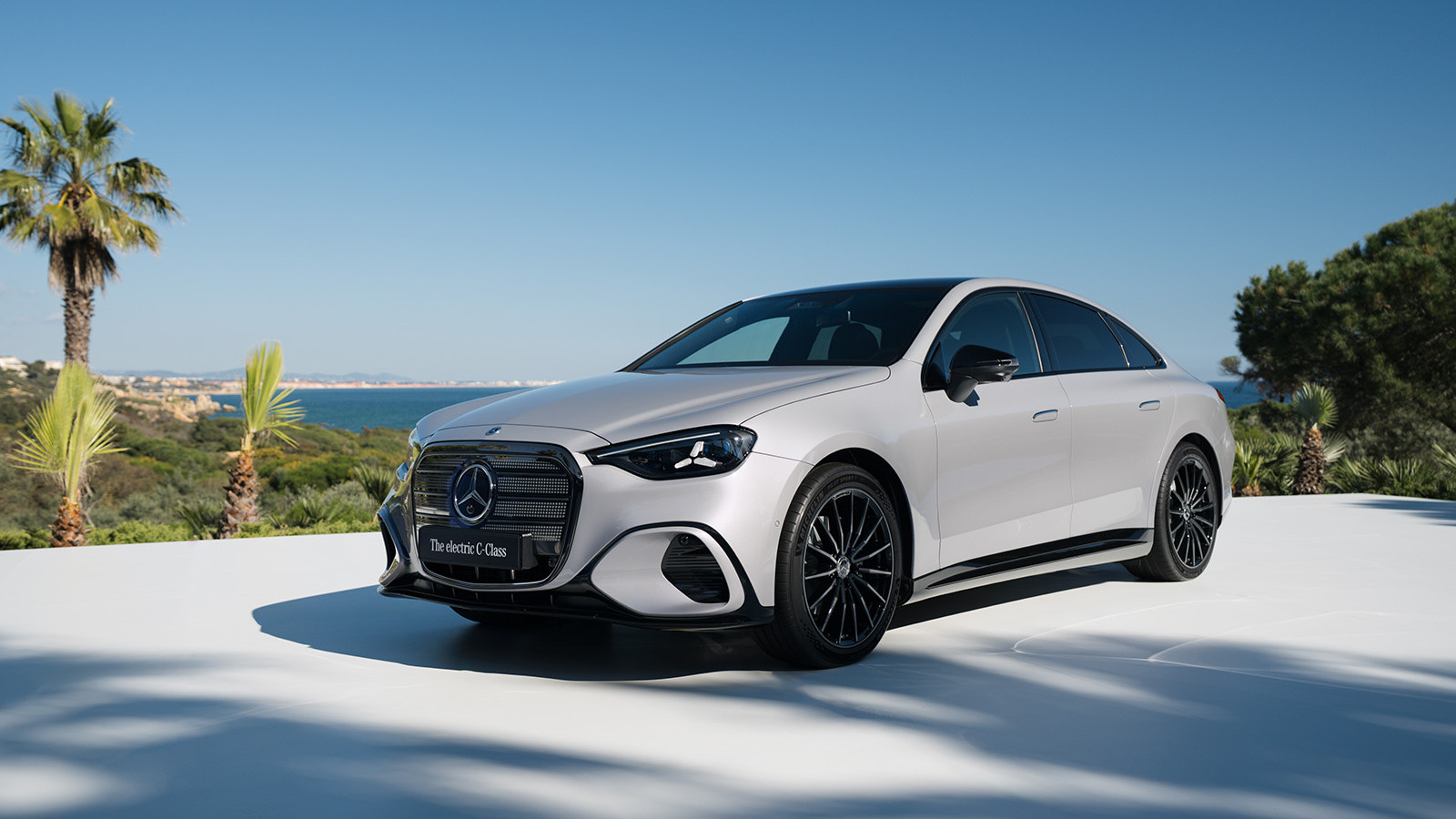
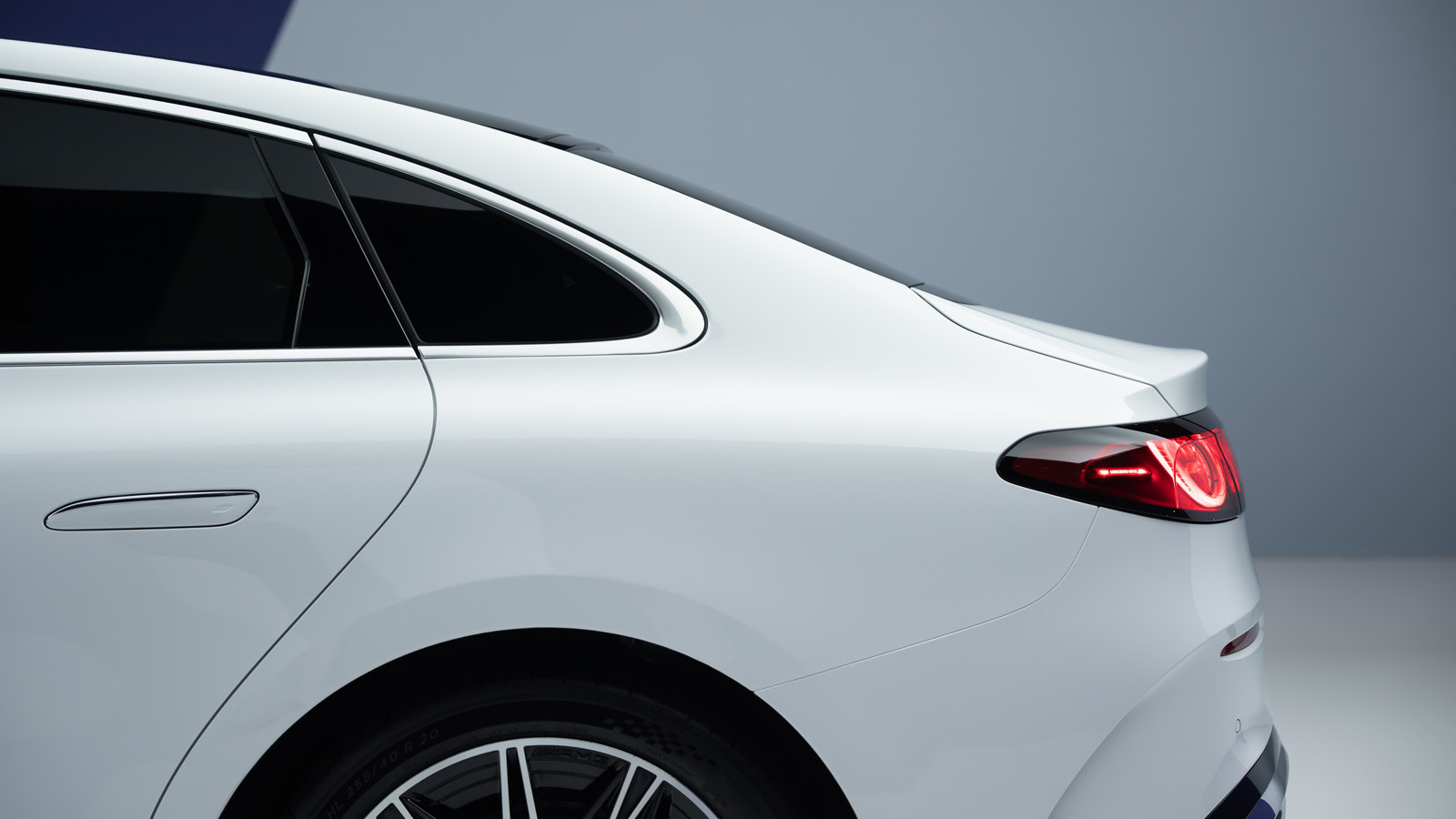
The C-Class benefits from a contrasting trim panel to break up the car’s side profile. It gets larger wheels and an extended glasshouse, all of which flow into a sleek, coupe-style rear end. Mercedes says the C-Class will benefit from a low drag coefficient to boost aerodynamics, refinement and cabin isolation.
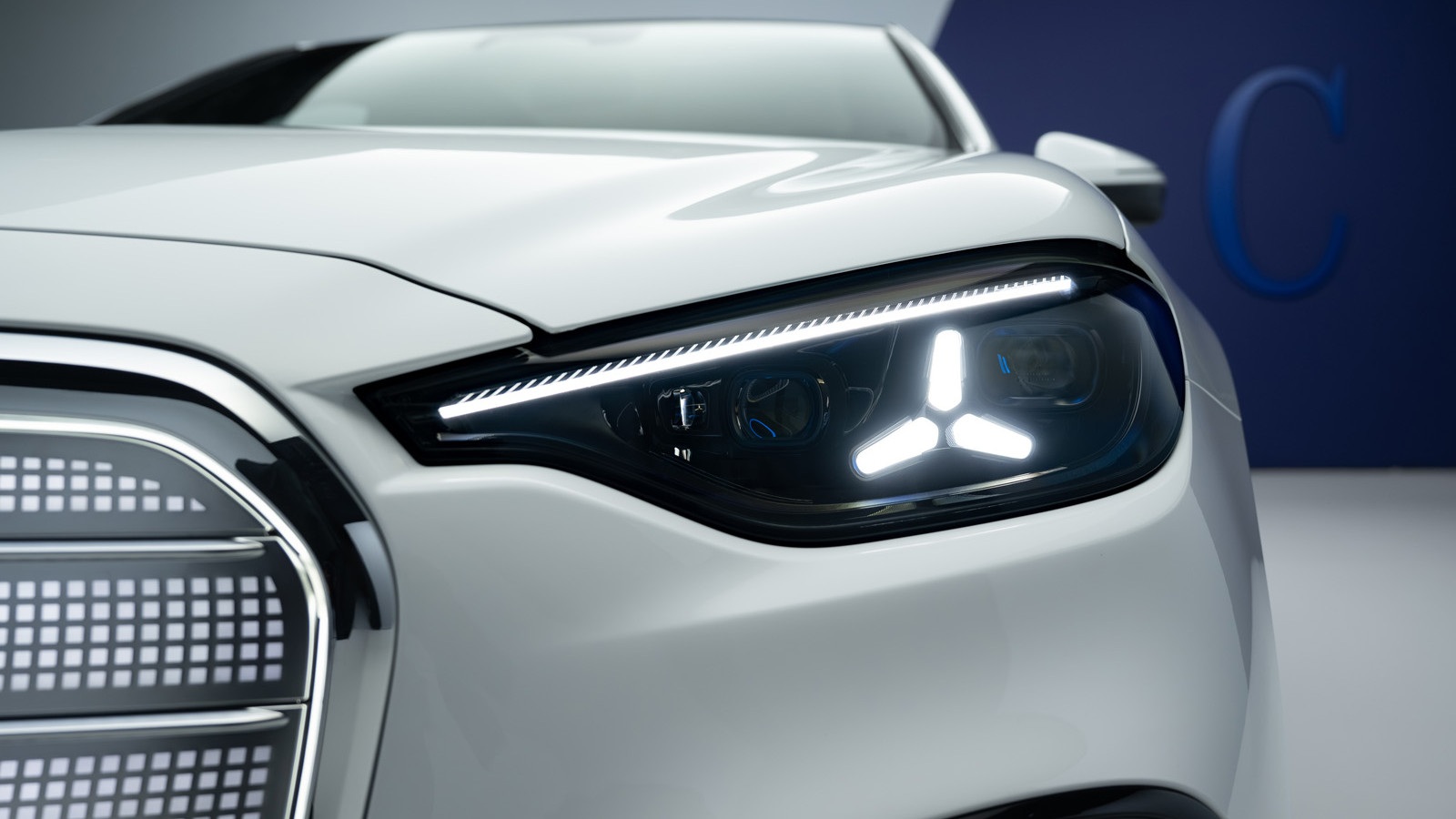
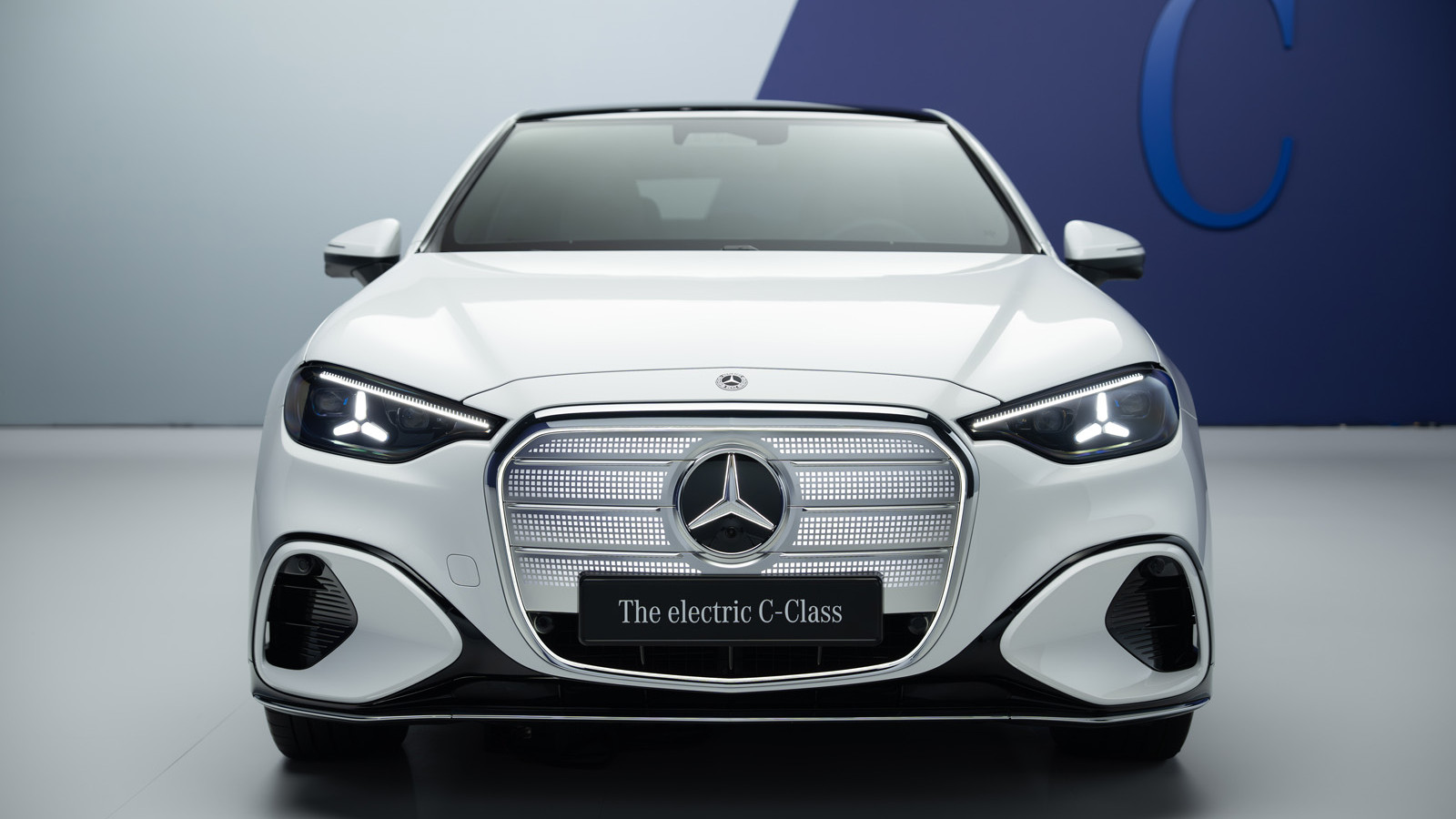
At the front, the new C-Class gets an illuminated front grille, which matches the GLC. Lesnik added that the new grille helps Mercedes models stand out in a competitive market.
As a result, the electric C-Class’s design resembles its combustion-engined namesake very closely. Robert Lesnik, Mercedes’ head of exterior design, said the new saloon – and its GLC sibling – represent a turning point in Mercedes styling, and from this point onwards the brand’s cars will not be overly shaped according to their powertrains.
The electric C-Class arrives as the saloon sibling to the new, electric GLC. It’s the second model to use Mercedes-Benz’s MB.EA platform, and has been designed according to the company’s new strategy of making its new EVs look more like its internal combustion engine models.