
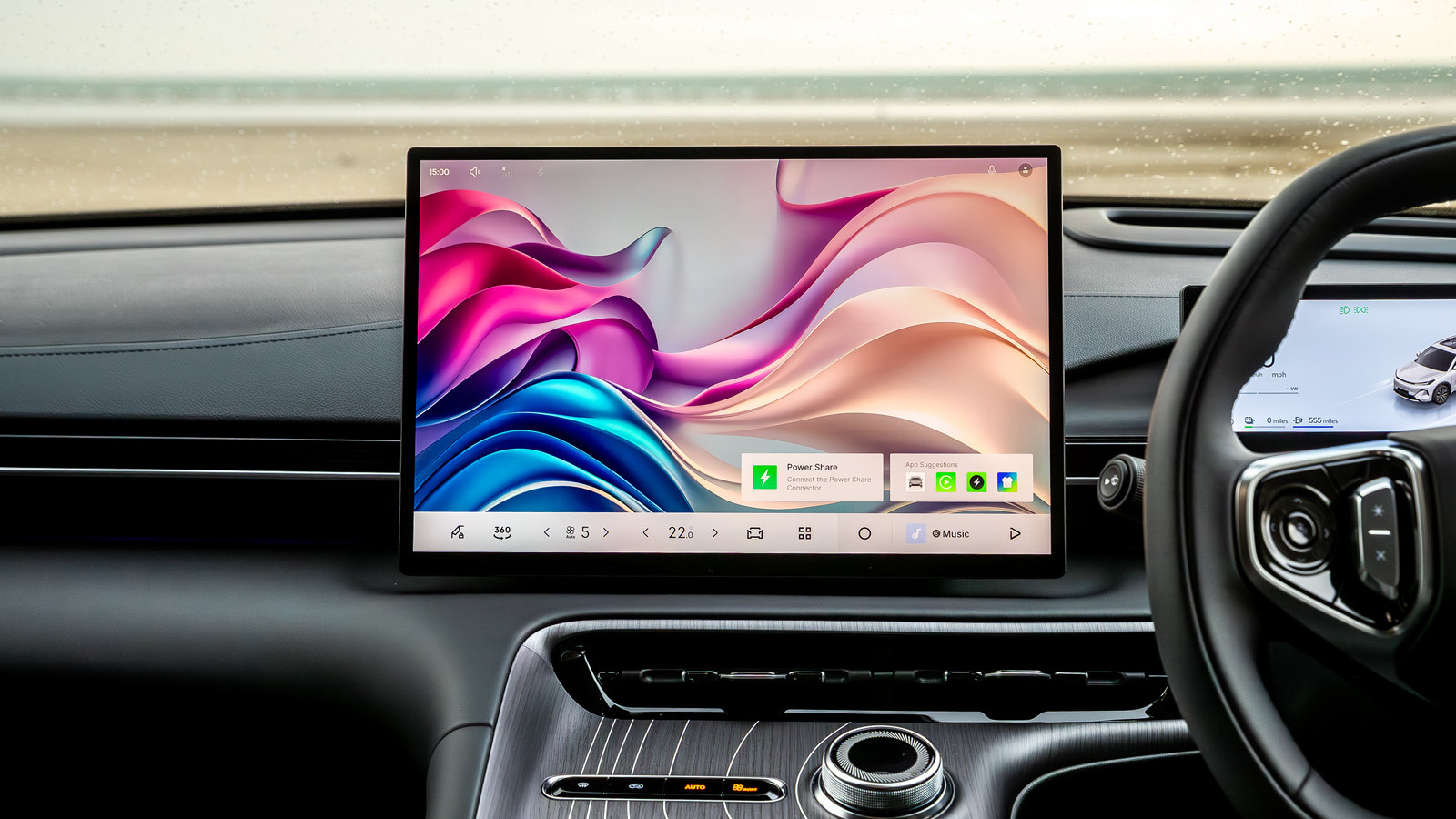
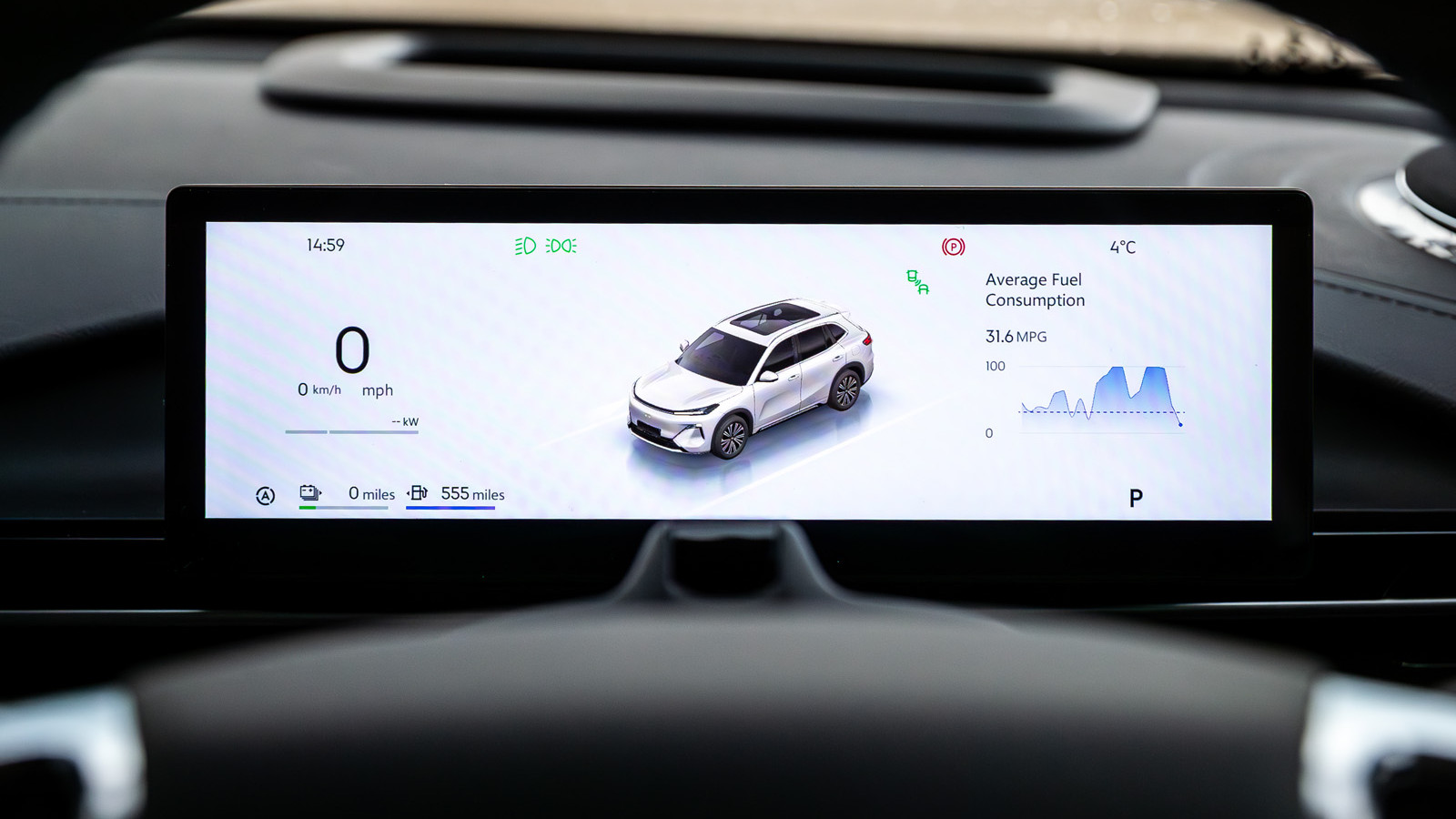
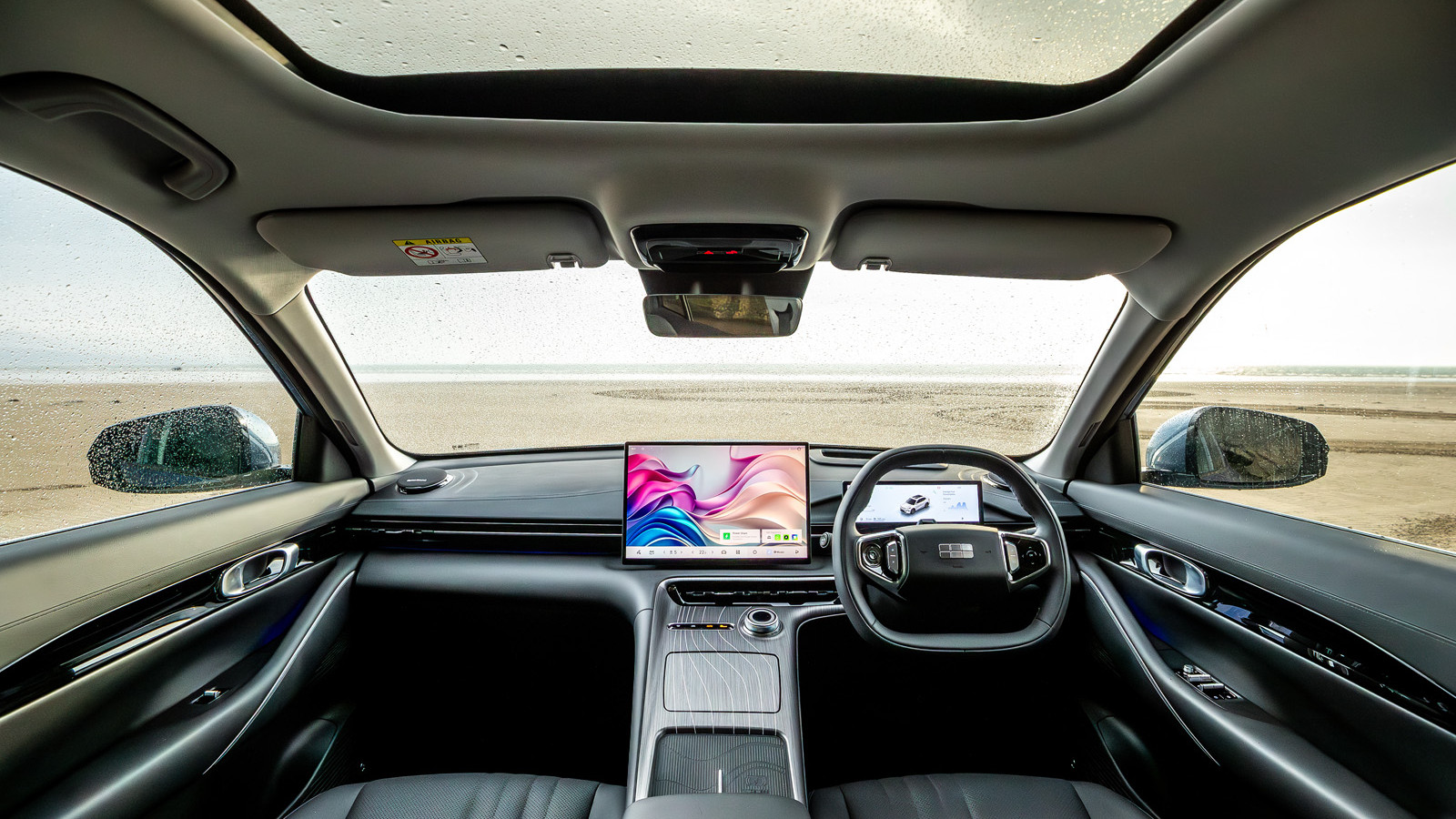
Moreover, when indicating and slowing down – such as on approach to a junction – the touchscreen exits whatever menu or app you were using to display a bird's-eye view of the car.
This isn't very helpful and proves incredibly frustrating if you're following complex, quick-fire directions on a navigation app through Apple CarPlay.
It doesn't automatically revert back to the app you were in, either, meaning you have to fumble your way through the confusing interface while moving off.
Perhaps loftier than Geely’s ambition to become one of the UK’s 10 best-selling car brands in the UK is to become one of its most loved.
The Starray isn’t the car to do it: it lacks a unique selling point, having a bland design and excelling in no key areas. Yet bar the terrible ADAS, it makes no major foul-ups either. At around £30,000 (€35,000, $38,000), it's a decent value proposition.
That alone could prove enough to make it a success, but you can get more talented cars for little more money. Elsewhere in the world, the Starray is known as the Starship. That’s a more fitting name, because it feels destined to spend life on the Enterprise hire fleet.
The EV range figure displayed on the instrument panel is highly variable and therefore hard to rely on. A 30-minute run through stop-start traffic recovered an indicated 10 miles' worth of charge, but while this brought a tangible improvement in refinement and responsiveness, it almost certainly wouldn't have stretched as far as 10 miles.
You can expect a real-world economy figure north of 41mpg in mixed use, although this will vary significantly depending on how often you keep the battery topped up. The larger battery of the Ultra should provide a better result for electric-only miles and therefore reduce fuel consumption. If you can charge from home on a cheap energy tariff, it could prove the more affordable option in the long term.
The smaller battery in the Pro and Max trims runs empty after around 48km (30 miles) of electric-only running – much sooner than you would expect from something that will officially do 82km (51 miles) as an EV, that figure being par for the course among rivals.
Indeed, the Starray’s biggest weakness by far is its advanced driver assistance tech.
It’s outright terrible: it prevented merging onto a motorway on several occasions, reading the dotted line adjacent to the main carriageway as a lane in its own right, despite the indicator having been on for several seconds and no hazards being in my blindspot. It’s all too keen to kick in, driving you to distraction as an ‘emergency’ takes place every few hundred yards.
The steering communicates zero useful feedback about what’s happening underfoot. Instead, the paranoid lane-keeping assistance system vibrates and shakes the helm like a PlayStation controller, while the instrument panel cries wolf about an apparent ‘emergency’ intervention taking place.
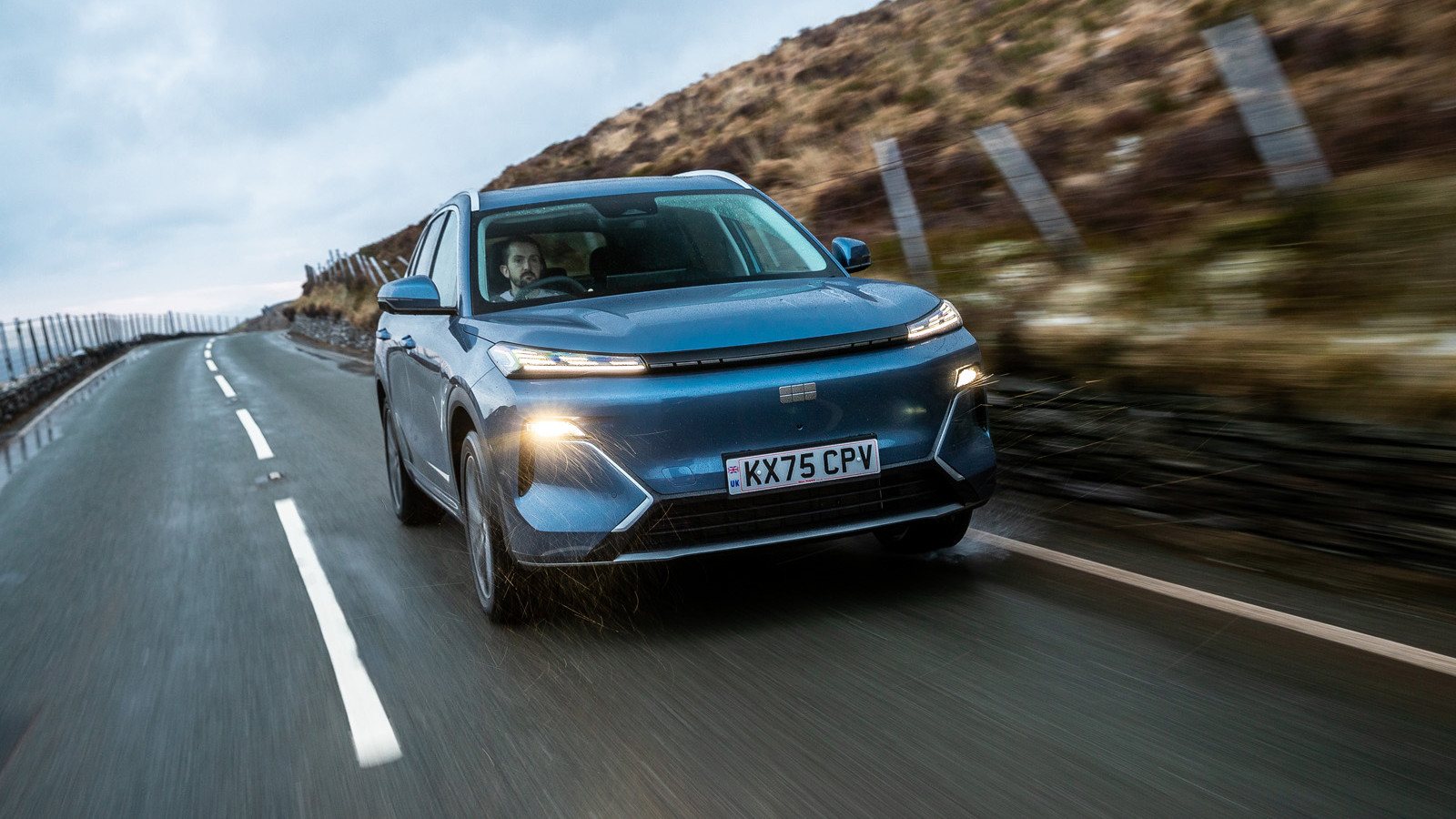
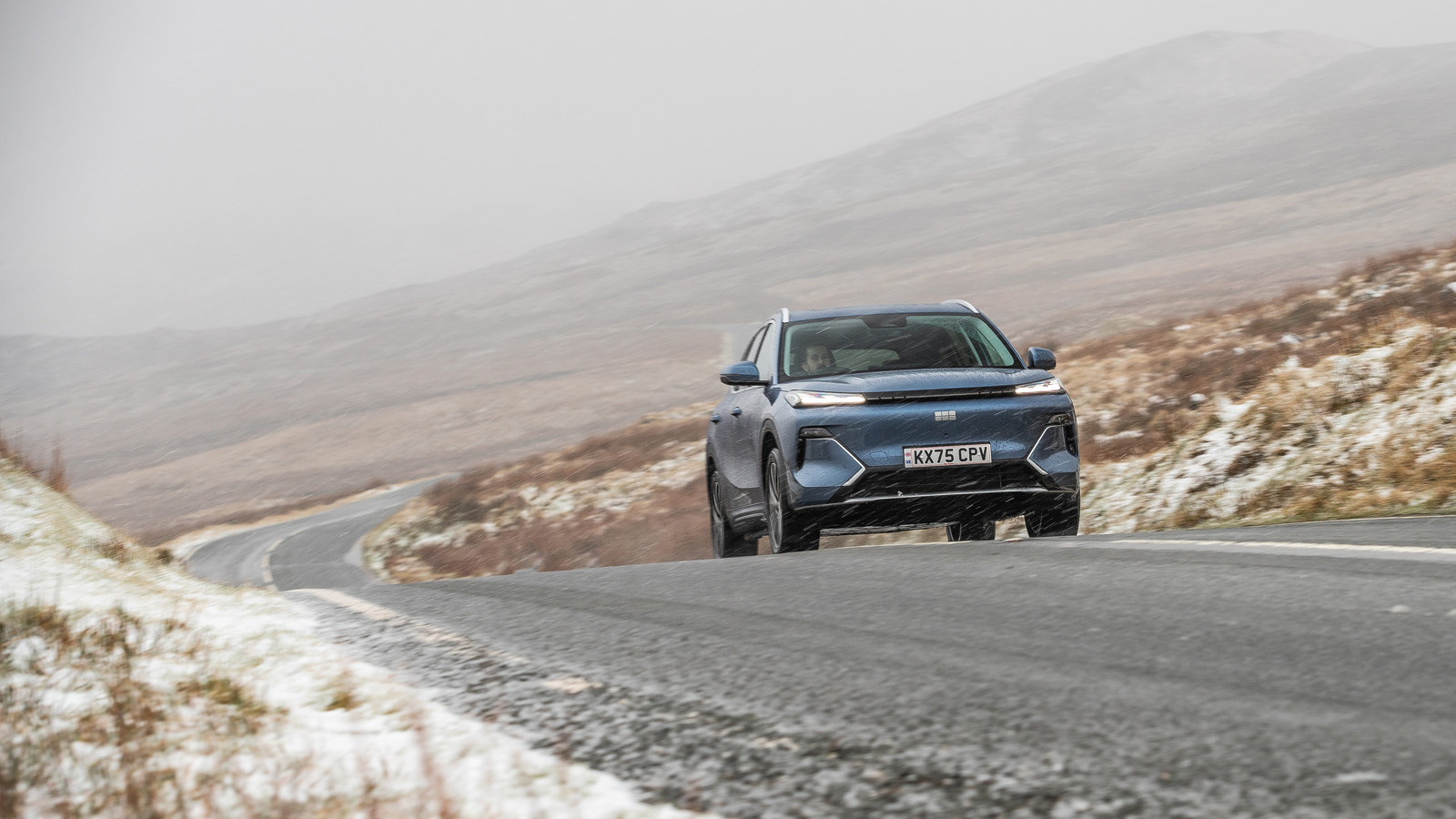
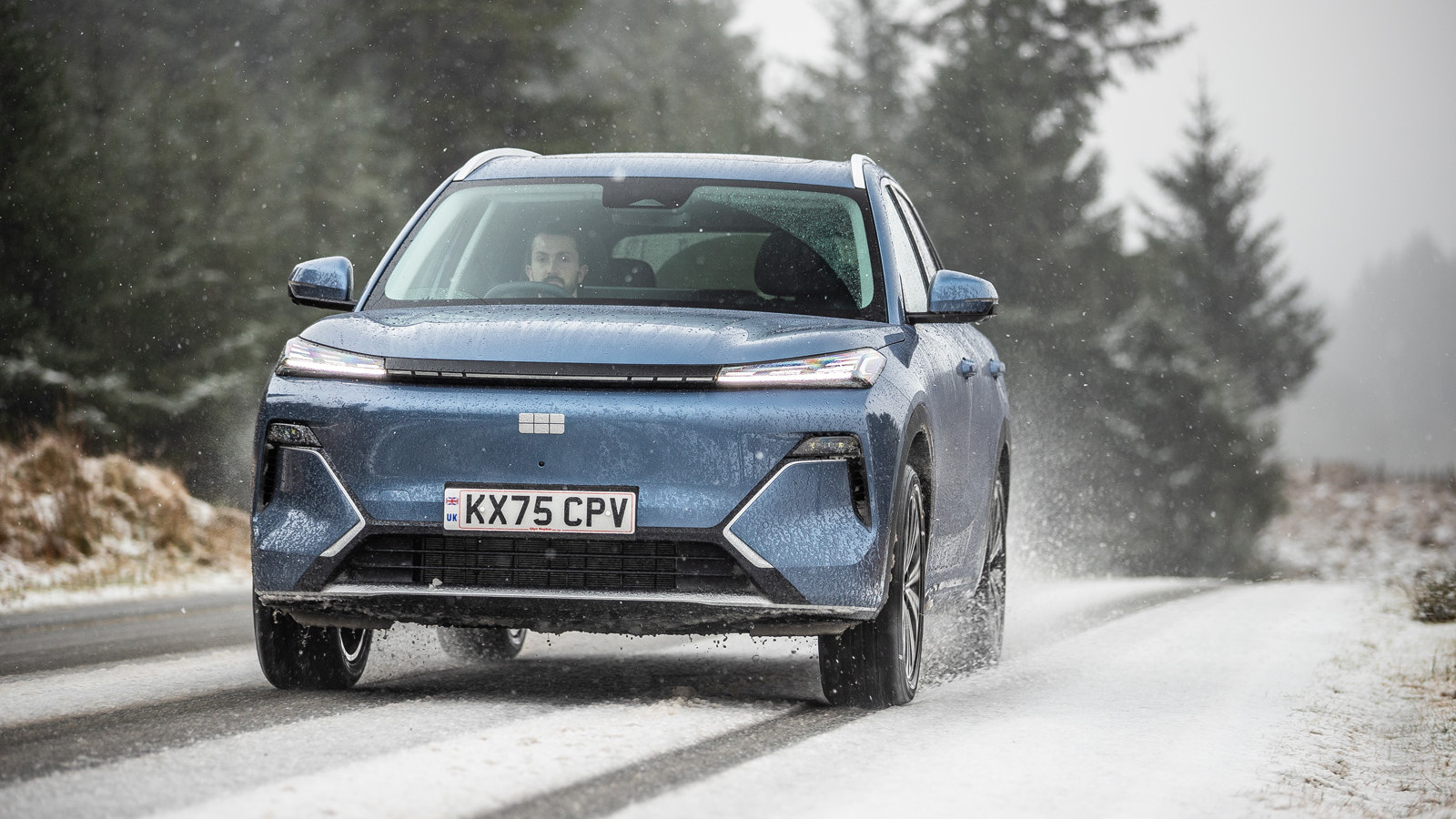
The ride is decent, soaking up potholes especially well, but it never settles over high-frequency abrasions such as rougher road surfaces. At higher speeds there’s a constant, slow up-down oscillation, a bit like you get from several Citroëns.
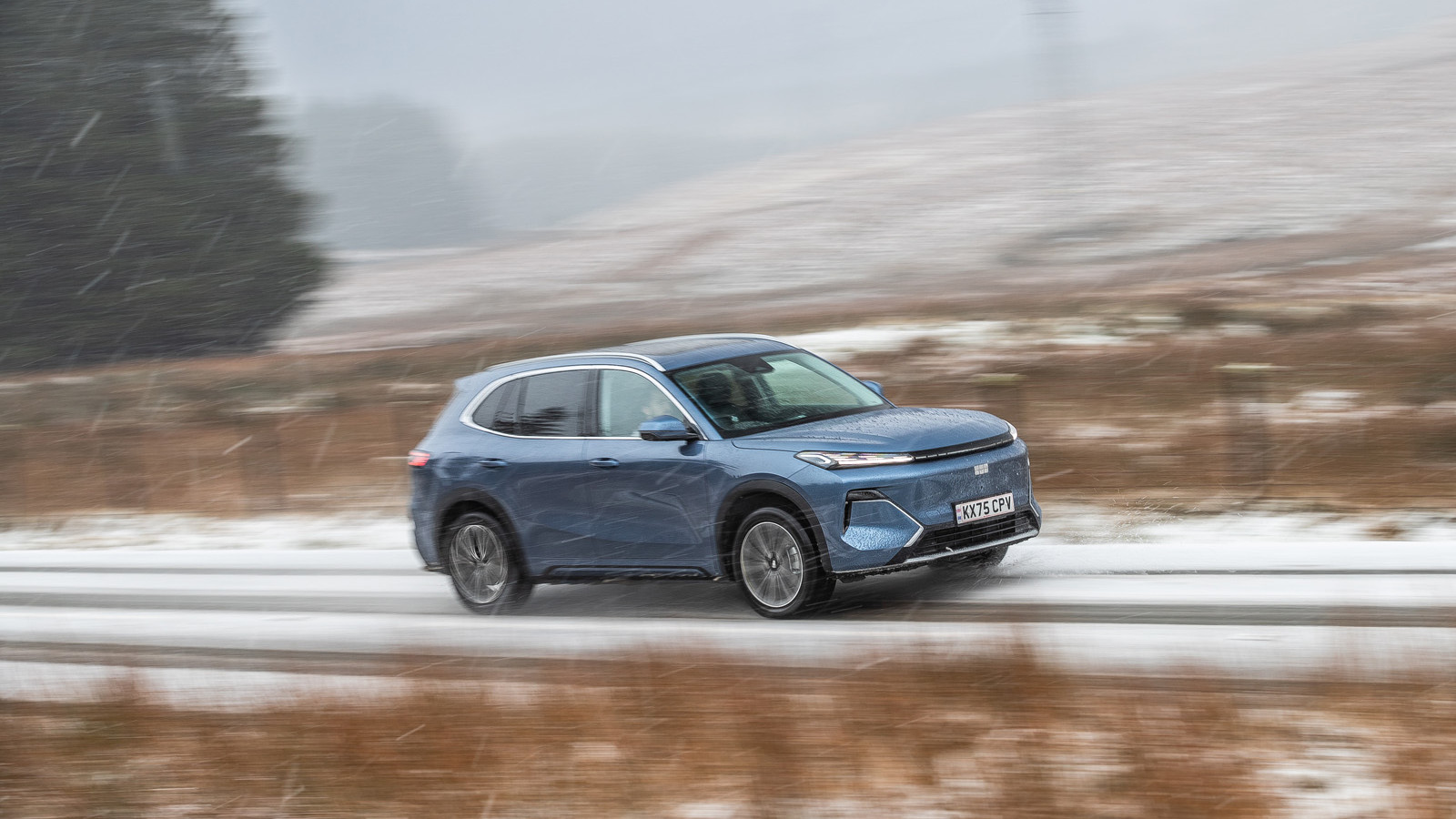
Some may enjoy the Starray's laid-back gait, but it may induce carsickness in those weak of stomach. Despite the softer ride, the body mostly remains level through faster sweeping bends. It isn’t at all enjoyable for either the driver or the car to hustle, but it can comfortably track traffic on country lanes.
Even with the batteries topped up, you don’t get the shot-up-the-spine acceleration that you might expect from a plug-in hybrid.
Engaging the Power drive mode does help somewhat, but it also expends the battery much more quickly. The engine alone produces only 98bhp, so this becomes a remarkably lackadaisical car once you’re out of electrons. And because it has to work so hard, it becomes incredibly loud and thrashy.
Geely claims the Starray takes 8.0 seconds to hit 0-100kph (0-62mph) from a standstill, but in practice it feels much more sluggish.
Moving slowly, on no more than a quarter throttle, it whispers along on electric power quite happily. Demand any more grunt and nothing of note happens for several seconds, until the engine sighs into life with the recalcitrance of a teenager who has been told to do the dishes.
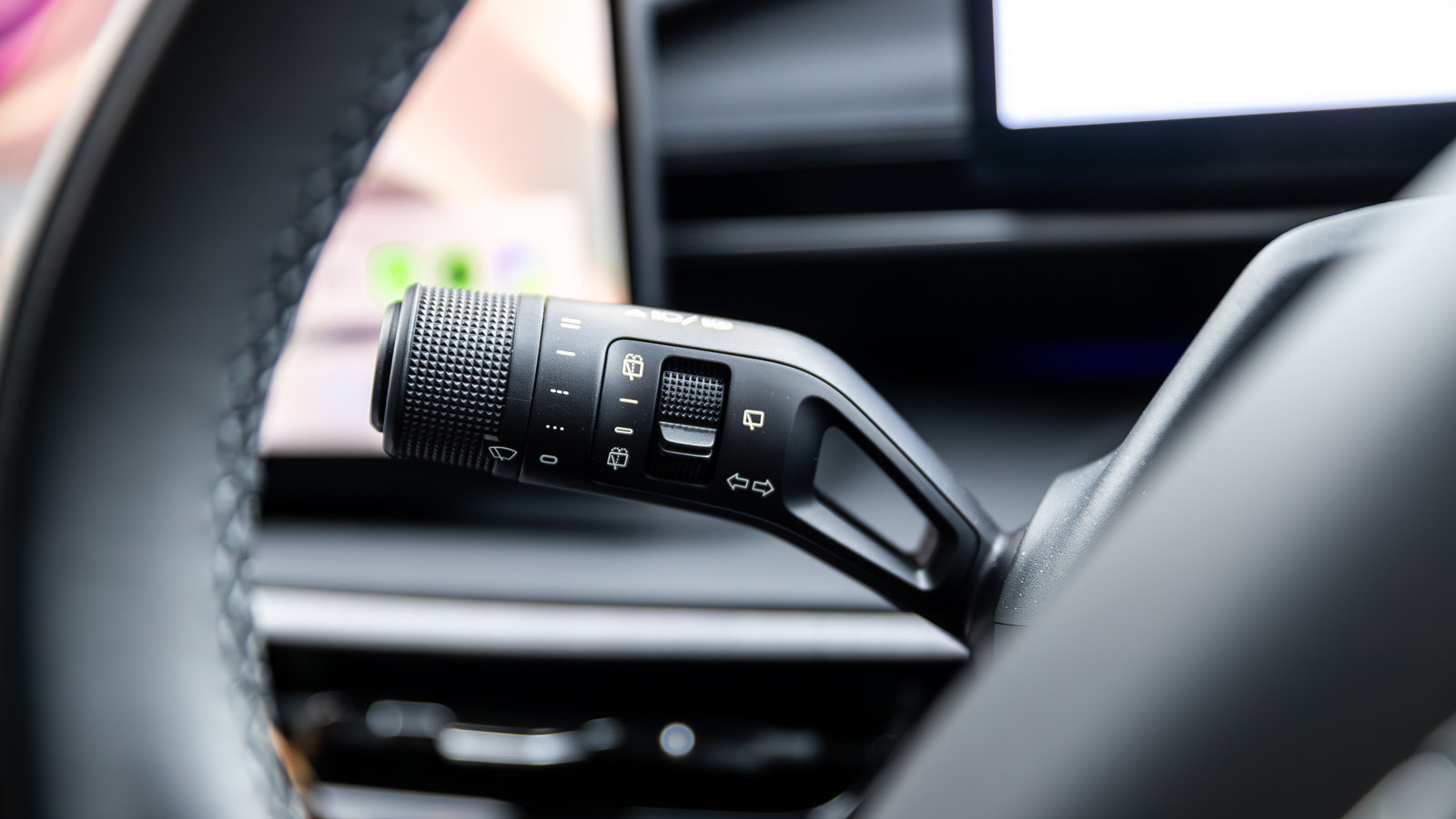
The gear selector is mounted on the steering column and engages with a reassuring thunk. The same can’t be said for the indicators, which work in similar fashion to those mounted on BMWs about 20 years ago – more like a button than a traditional stalk.
After being activated, the stalk immediately returns to the neutral position, rather than holding itself in place while you complete a manoeuvre. Cancelling the indicator requires you to activate it in the same position once more, which isn’t intuitive.
Chinese cars are entering the international electric vehicle market thick and fast, and the Geely Starray is next in line to steal sales from traditional European stalwarts.
The Geely Starray EM-i is a big, high-tech car at a bargain price. It's the second model that Geely – sibling to Volvo, Lotus, Polestar and a few other notable names – has brought to the UK.
And as a plug-in hybrid, it’s bang on trend for a mid-sized Chinese SUV. The BYD Seal U and Jaecoo 7 have already been big hits in the UK, with the latter usurping some of the nation’s historic best-sellers.
Read on for our full review…
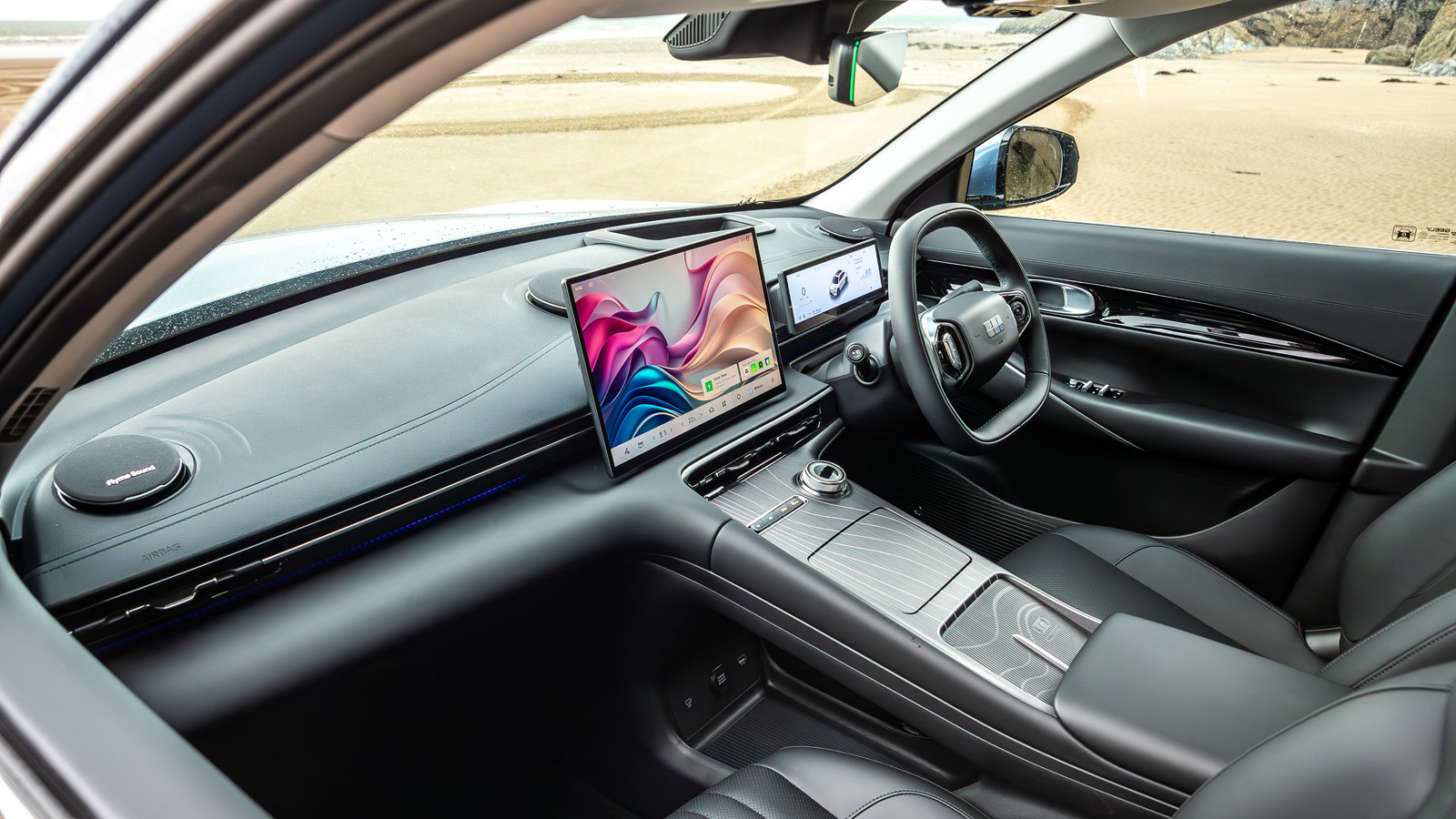
You get a conventional combination of a digital instrument display and a large (15.4in) central touchscreen – and although there's a paucity of proper buttons, you do get shortcuts to activate and tweak the climate control system.
The touchscreen’s graphics are clear and provide a bit of visual lustre, but it doesn’t have the most functional layout. The main display wastes a lot of space, with most of its real estate used for pretty photographs. Important functions such as Apple CarPlay are relegated to a small box in the bottom-right-hand corner, while the shortcut bar for the drive settings menu and app list is a tad too thin to easily press while you're on the move.
The lounge-like interior is visually impressive: the faux-wood centre console envelops the driver and every surface looks like it's lined in imitation leather.
Unfortunately, it doesn’t feel as good as it seems. Life inside the Starray is plastic, and that isn’t fantastic, considering key rivals offer more tactile appeal. The vinyl seats also have a strong chemical smell.
The Starray scores highly on practicality, offering palatial space, especially in the second row, where six-footers can easily get comfortable. The sheer roominess suggests it was conceived with minicab duties in mind.
Boot space is competitive at 528 litres—better than the BYD Sealion 5 DM-i—though it significantly trails the 705 litres available in the Volkswagen Tayron e-Hybrid.
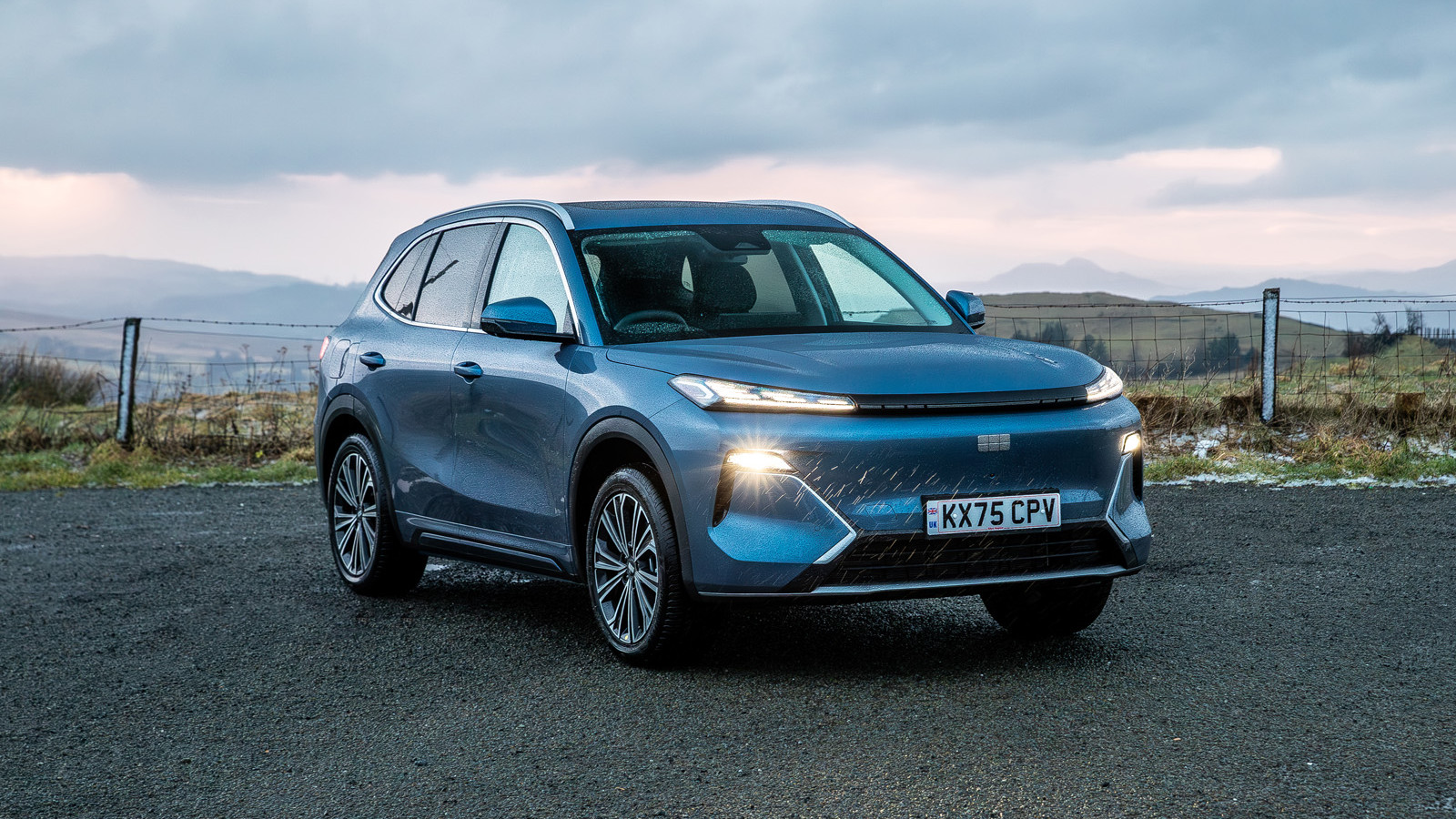
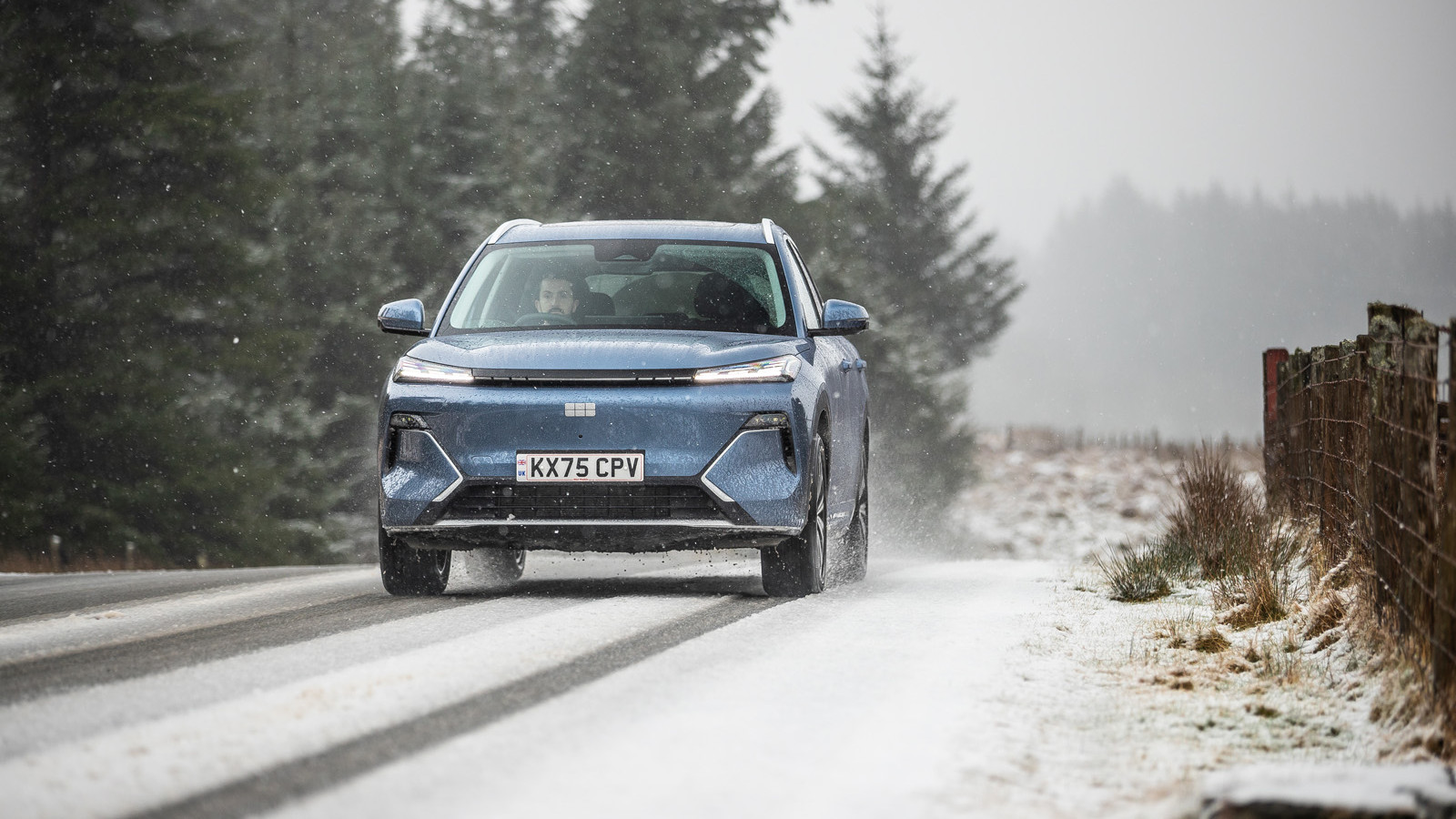
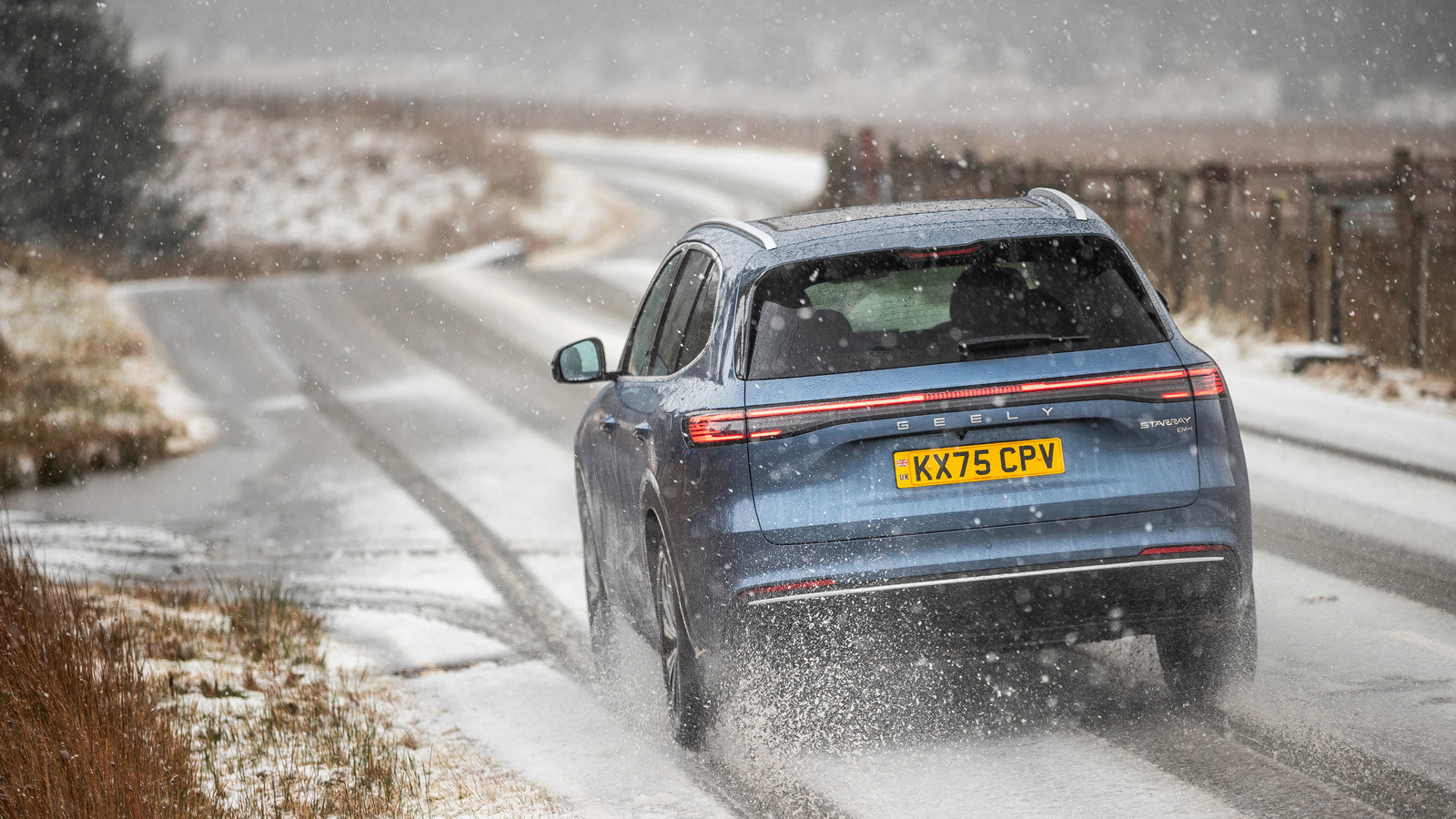
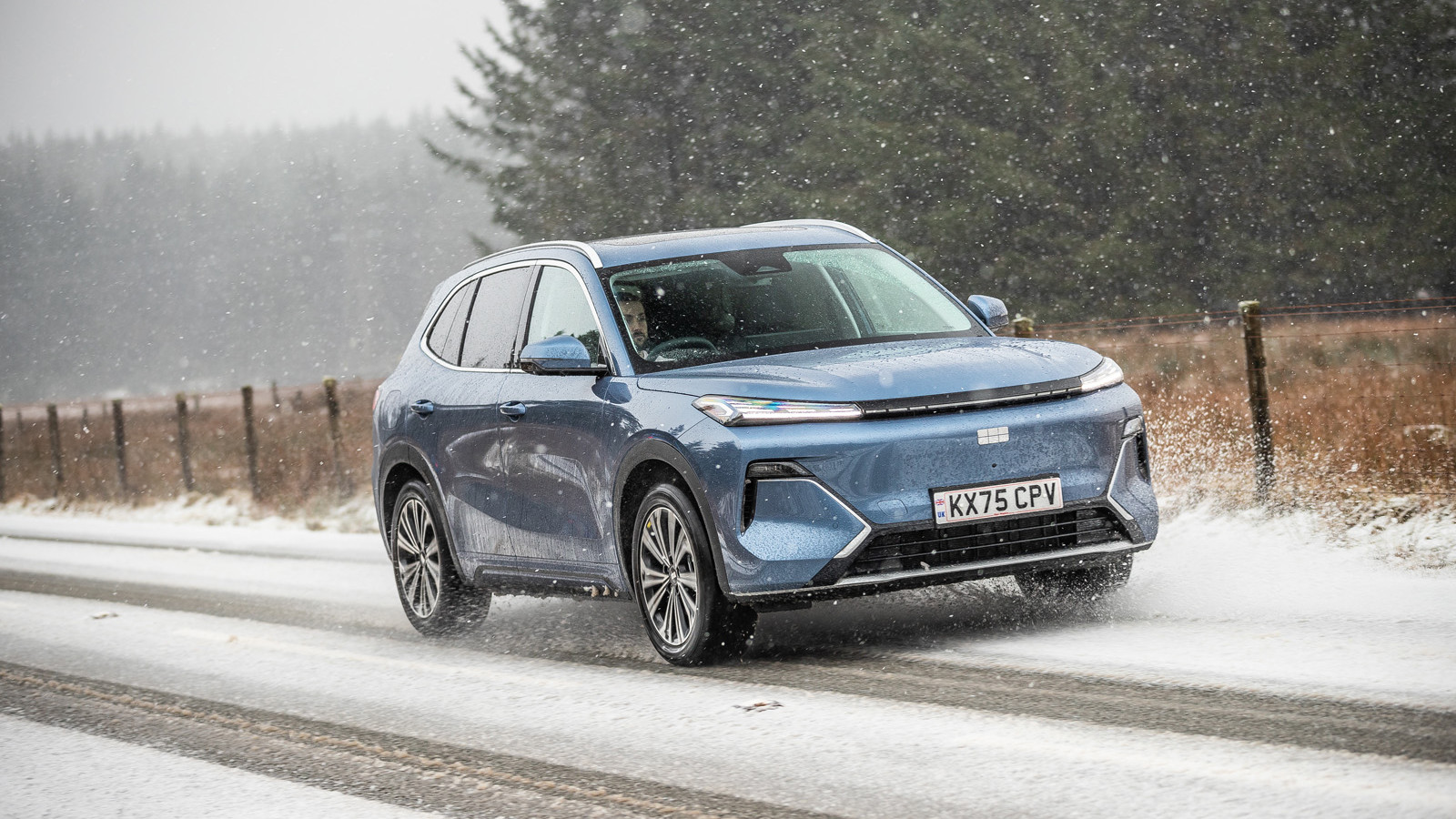
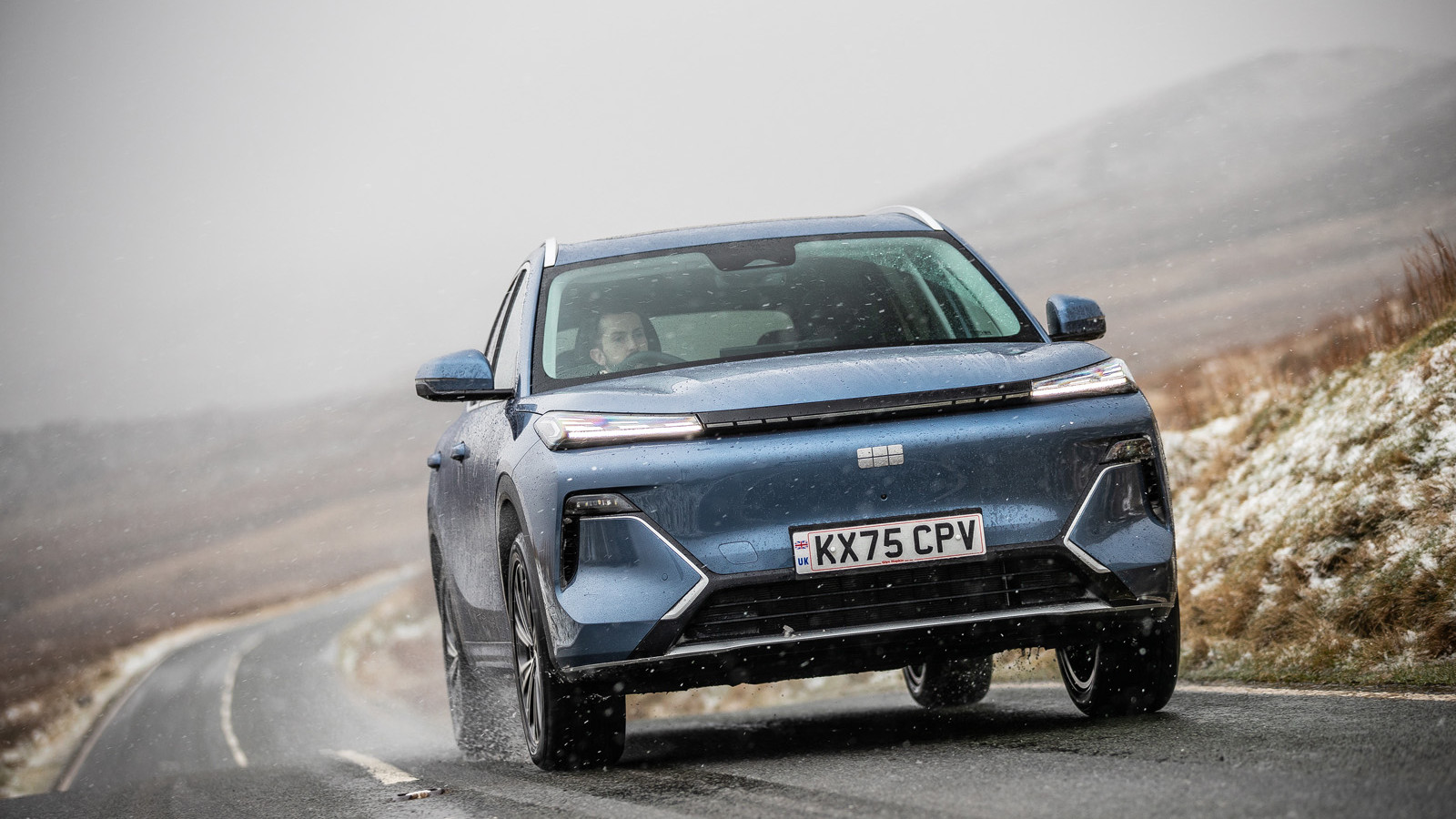
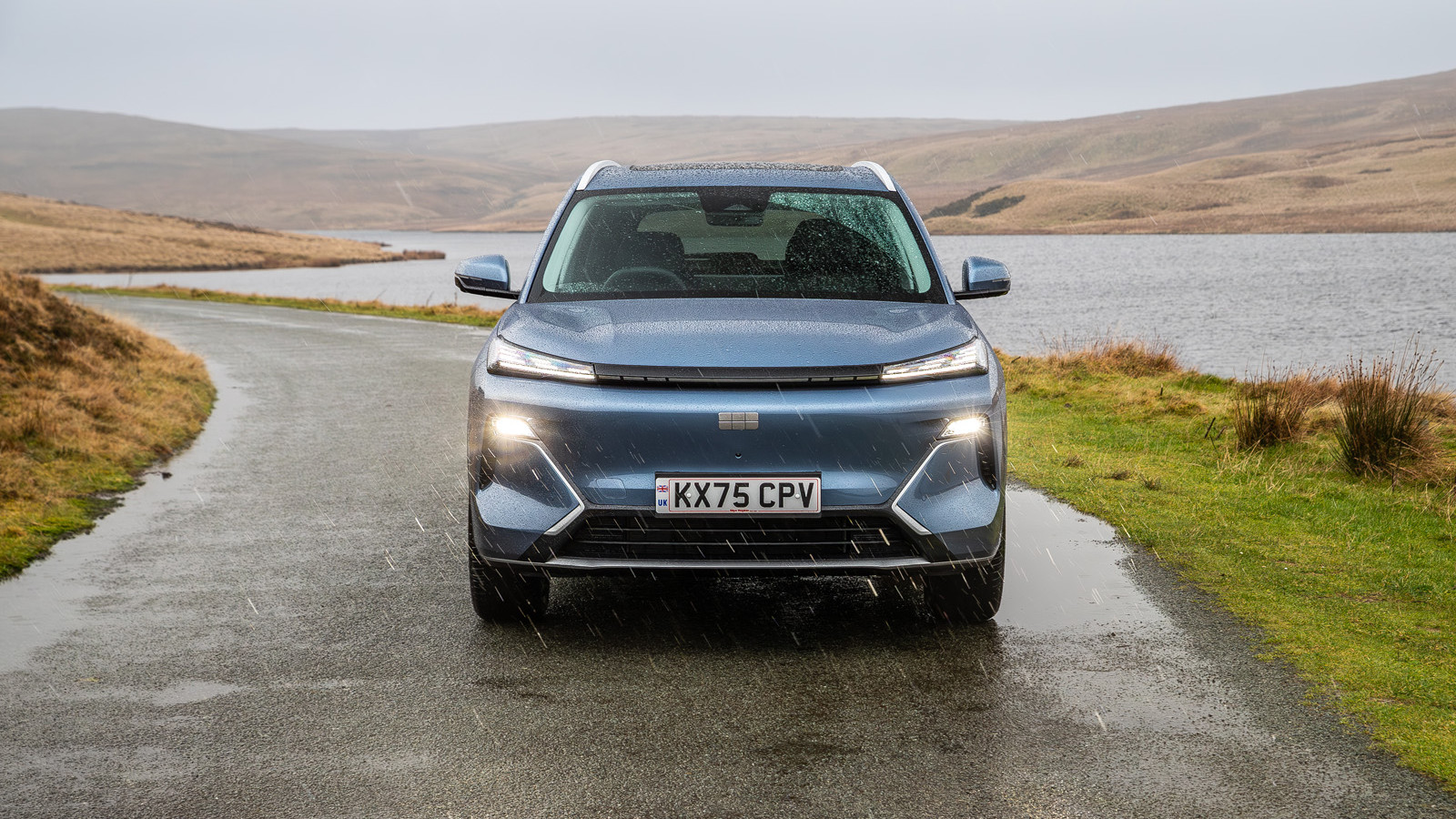
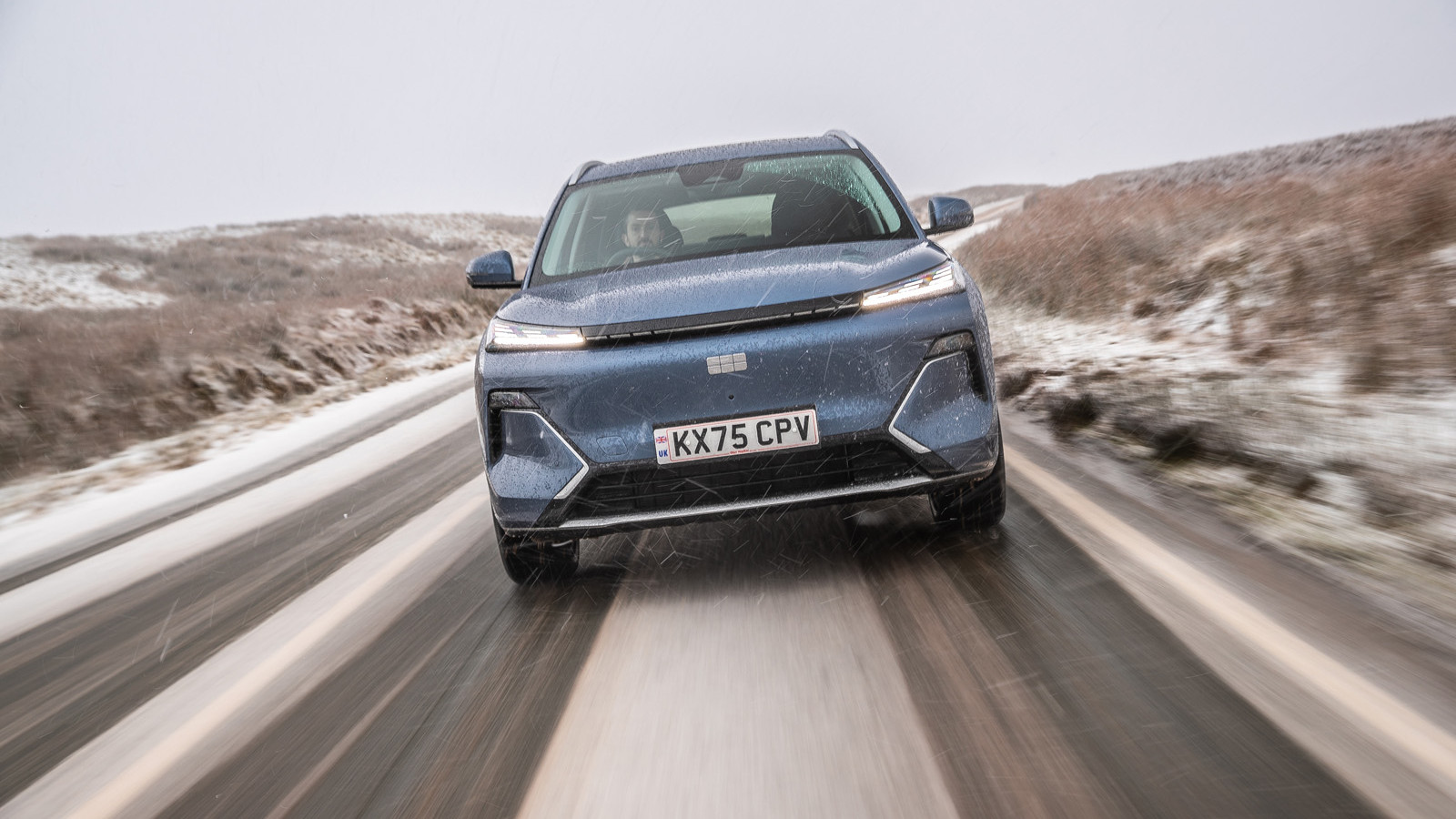
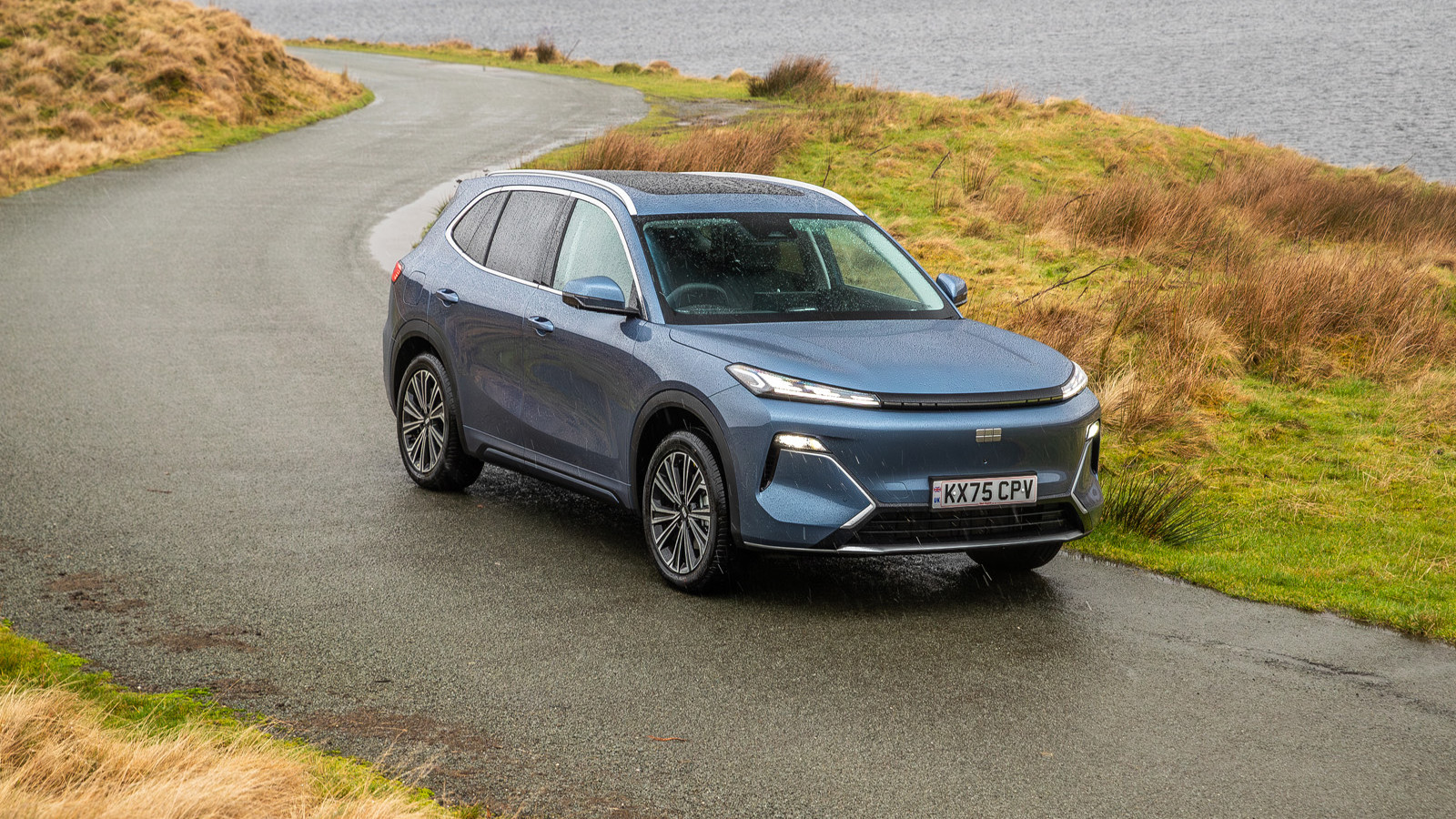
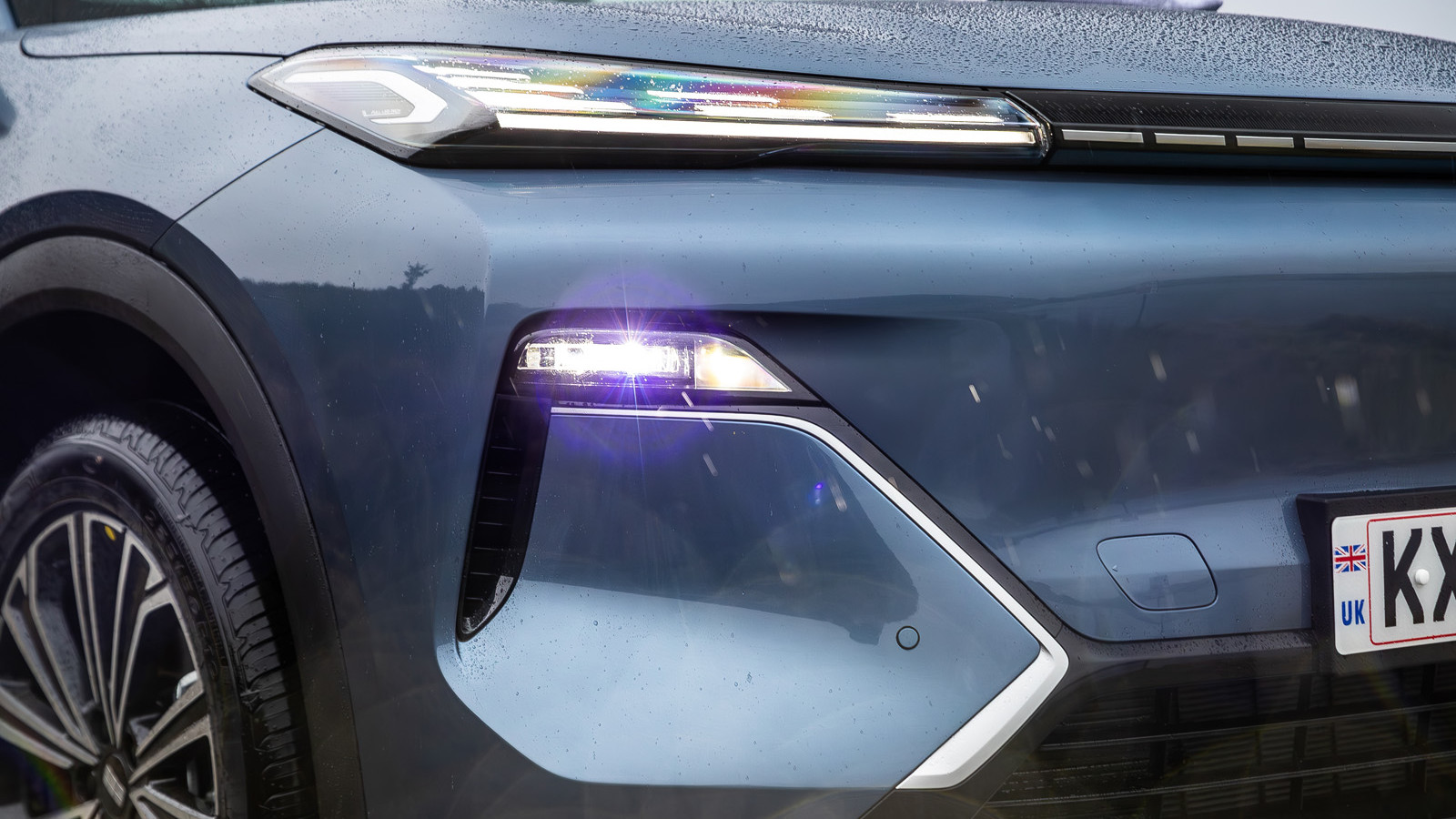
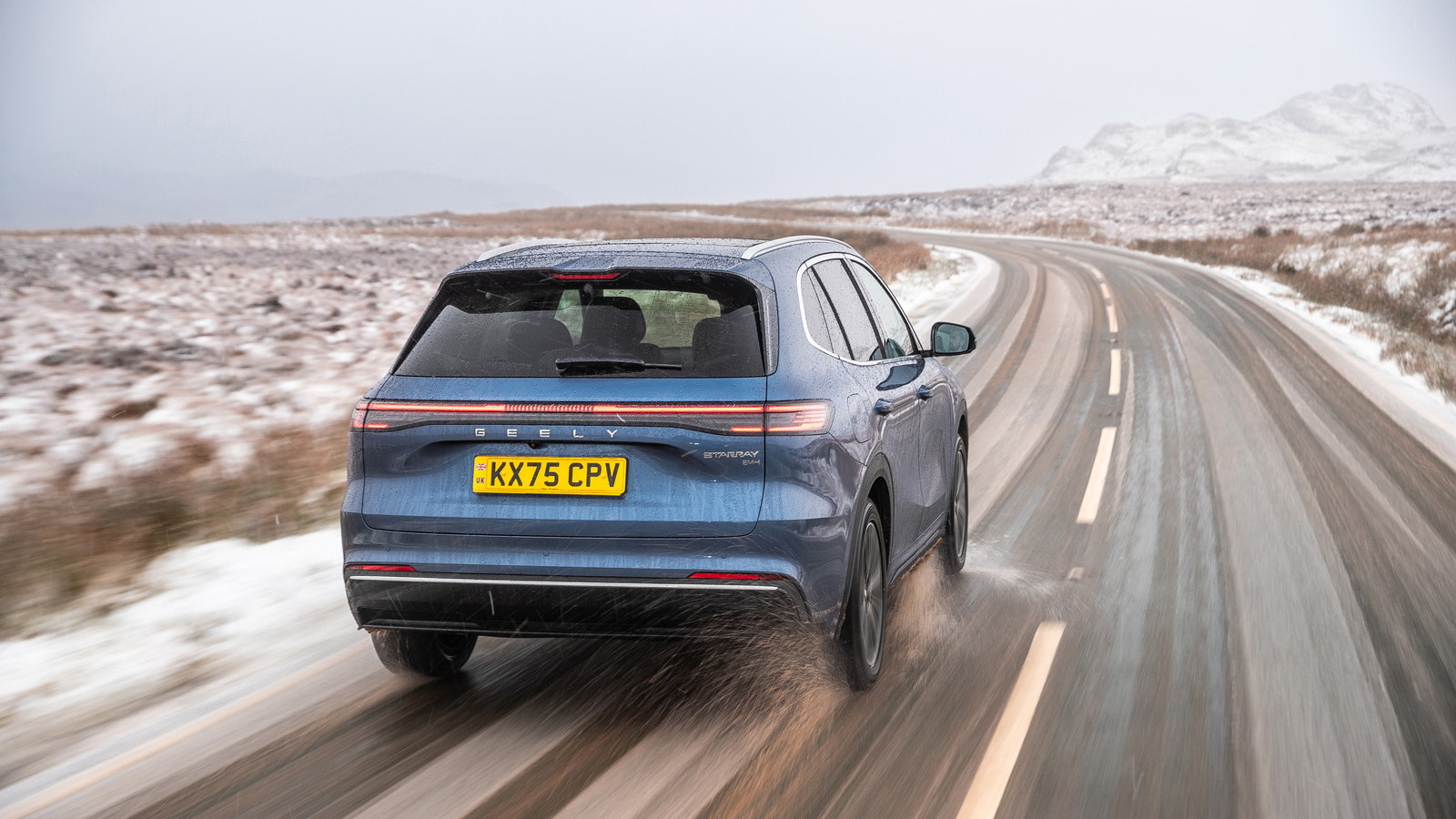
Visually, its front fascia is the main differentiator from the EX5. Its daytime running lights form 'eyebrows' above the lower-set LED headlights. At the rear, aside from slightly different brake lights and more prominent Geely badging, it is practically indistinguishable from its electric sibling.
Whether its styling appeals is a matter of personal taste, but it fails to stand out in what is an incredibly crowded class. It's all quite anonymous – something of a theme for the Starray.
The Starray is a plug-in hybrid vehicle closely related to the all-electric Geely EX5. Unlike the EX5's 214bhp electric motor, the Starray combines a naturally aspirated 1.5-litre four-cylinder petrol engine with a smaller electric motor, although the motor remains the primary source of power.
Stepping up to Ultra trim increases the battery capacity to 29.8kWh, boosting EV range to 130km (81 miles). It can be charged at up to 60kW, too, giving a 30-80% time of 16 minutes. Otherwise, it's the same offering as the Max.
The base model comes well-equipped with standard features such as 19-inch alloy wheels, LED headlights, and heated, electrically adjustable front seats. Stepping up to the Max trim retains the same powertrain but adds features such as a 16-speaker sound system, a heated steering wheel, and a powered boot.
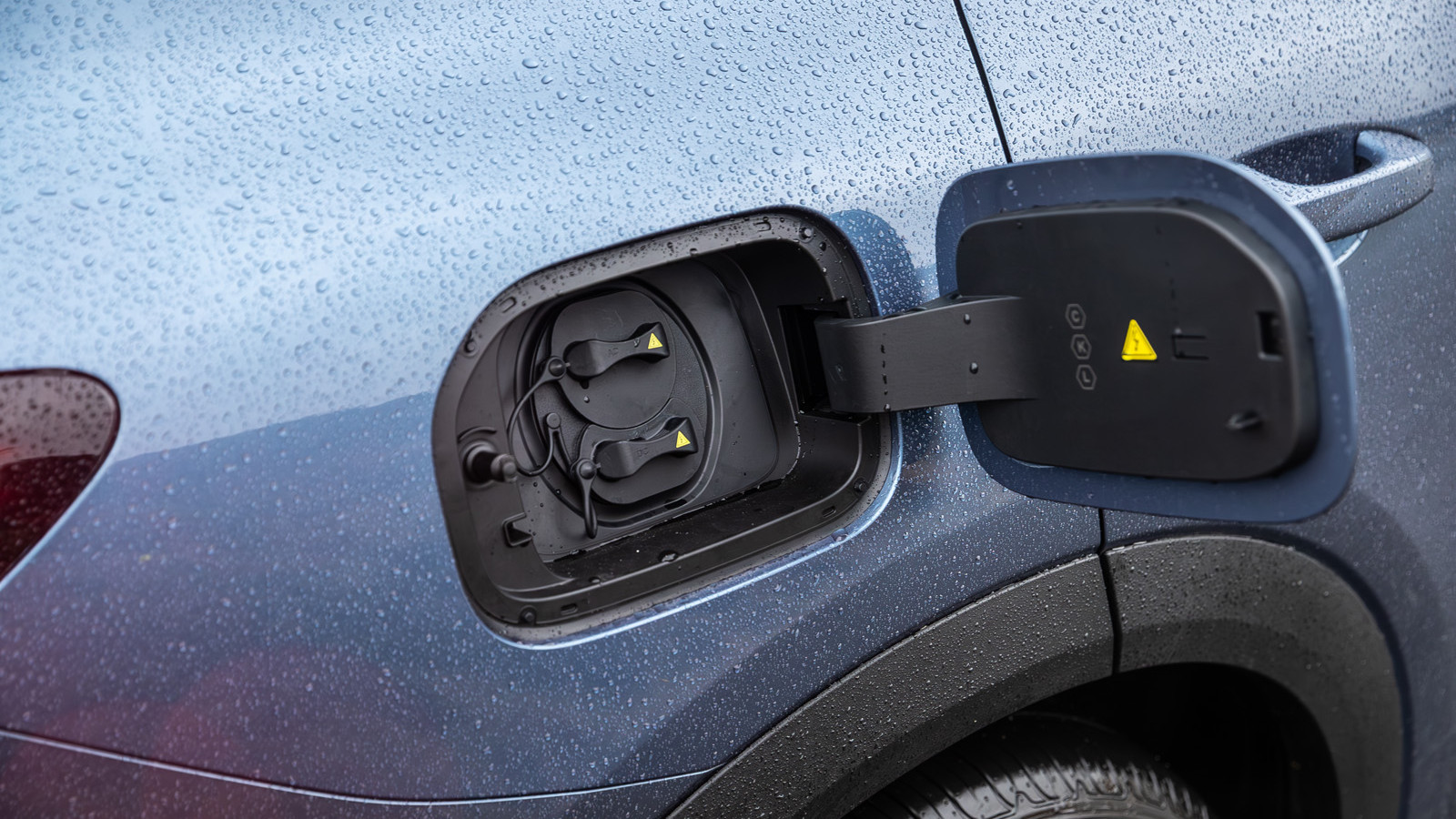
Sandwiched between the axles is an 18.4kWh lithium-iron-phosphate battery pack, yielding an official electric-only range of 82km (51 miles). It can be charged at up to 30kW by a suitably powerful DC charger, taking it from 30% to 80% in as little as 20 minutes.
The Starray offers a choice of three trim levels and two powertrain configurations. The entry-level Pro variant features a petrol engine combined with a single electric motor. This setup delivers a maximum of 258bhp and 193lb ft of torque, which is directed to the front wheels.