
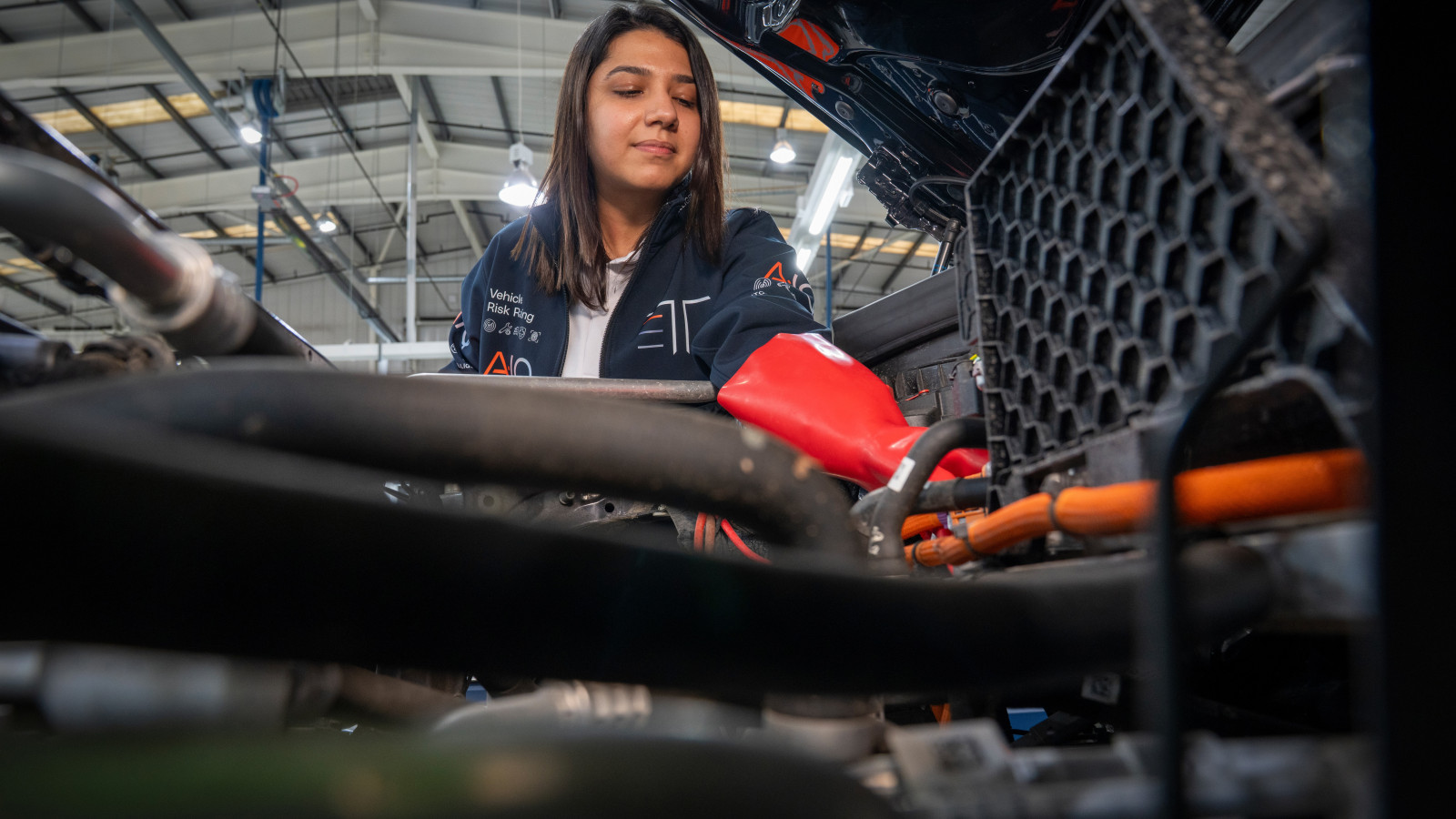
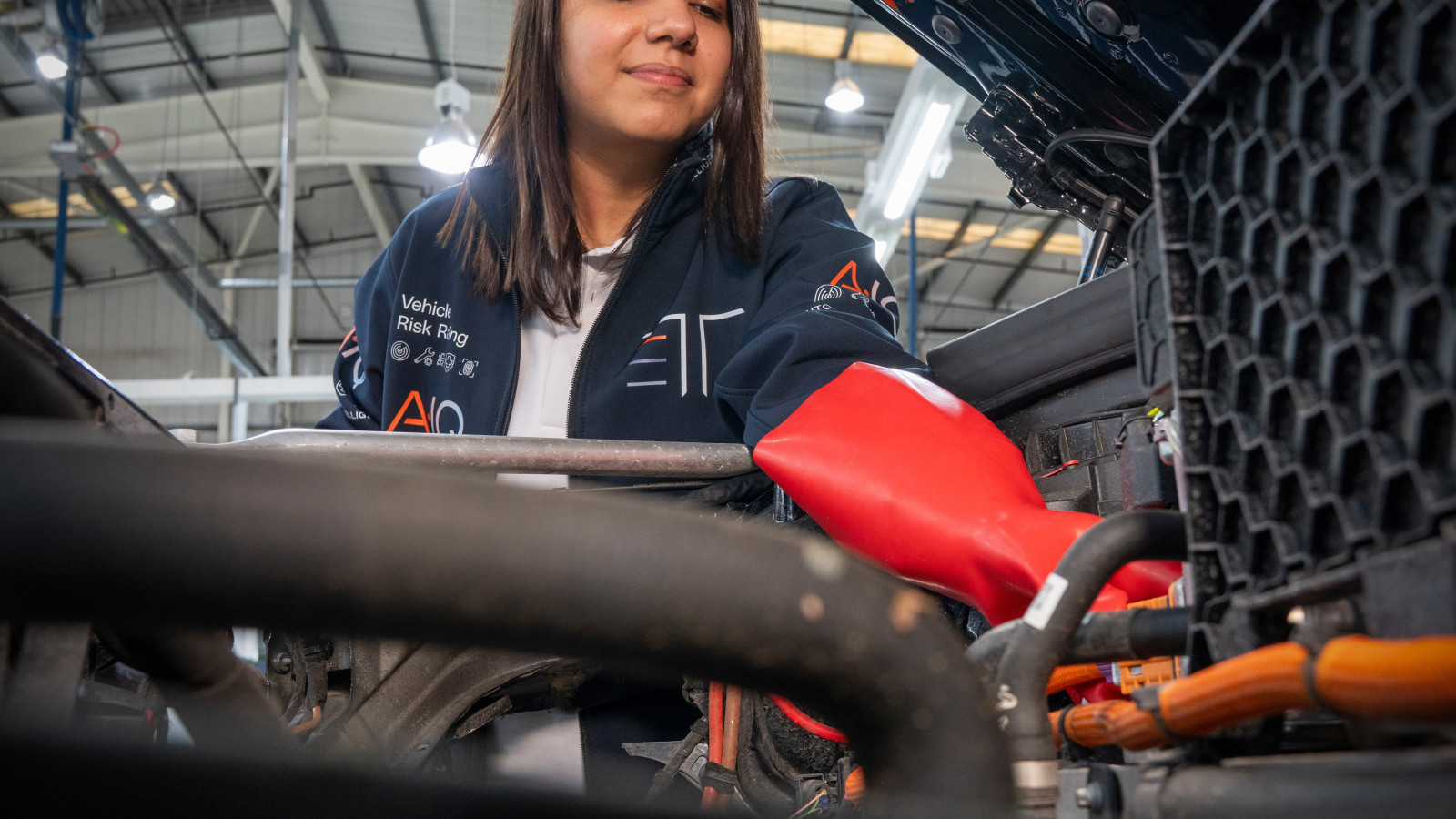
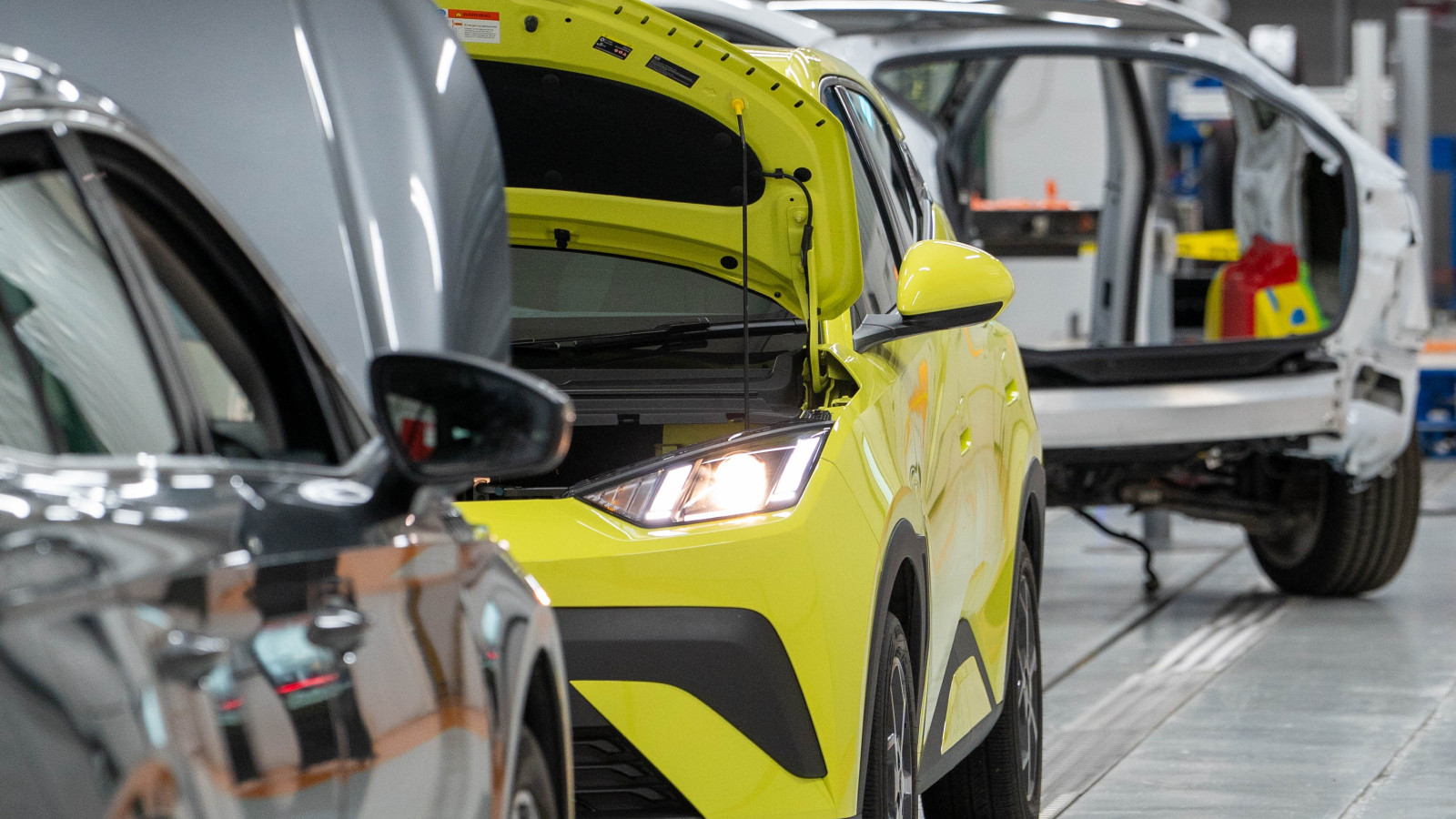
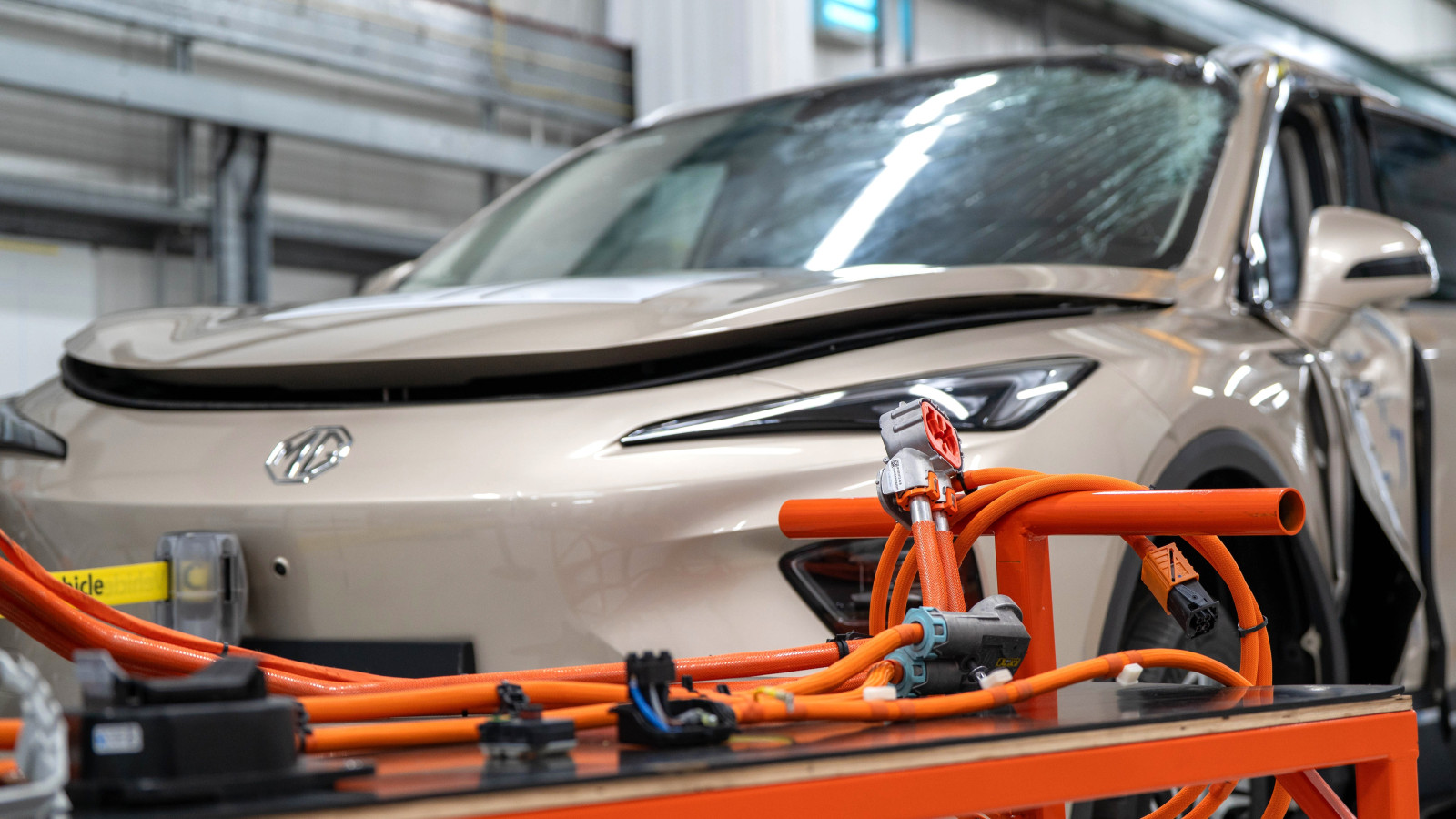
Electric car ownership has been steadily increasing over the past few years, but not every part of the industry has been so quick to adapt.
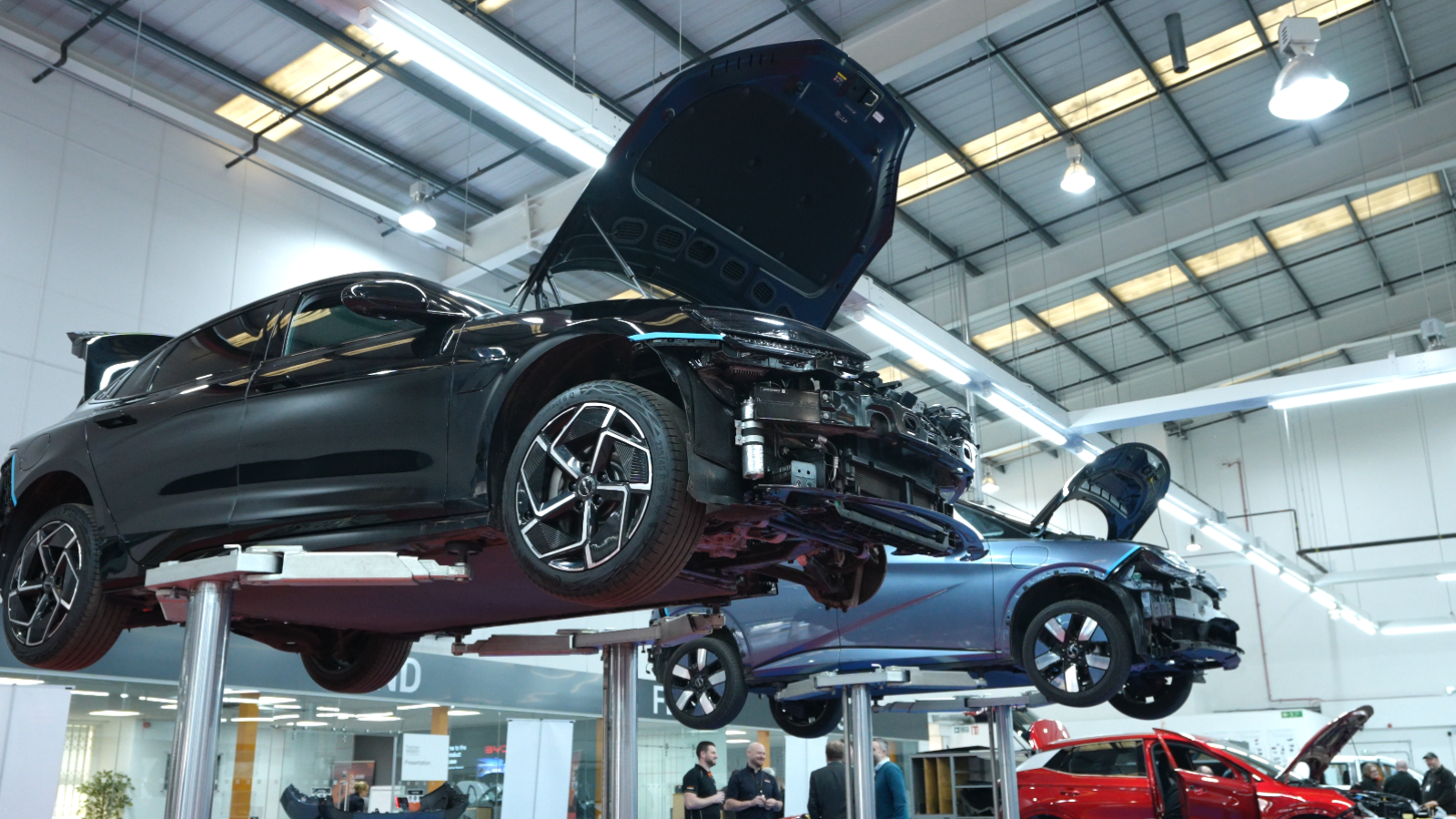
Insurance and repairs are two areas lagging slightly behind, with some damaged electric cars being written off unnecessarily.
This can be due to high repair costs for parts, including electric car batteries, lower resale values, and a lack of labour specialisation. In fact, according to new research, EV repair costs are around 25% higher and repair times 14% longer than those of internal combustion vehicles
However, it appears that things could be about to progress, thanks to a new blueprint set out by automotive risk intelligence organisation Thatcham Research.
Based in the UK, Thatcham Research has launched a new framework to reduce write-offs and fight rising repair and insurance costs for electric cars. The company’s new electric vehicle blueprint will comprise eight new requirements to make EVs more repairable and sustainable, in turn improving affordability.
A study conducted alongside the Centre for Economics and Business Research (CEBR) found that battery-related issues were the primary concern for 44.6% of insurers and 41.7% of repair professionals. As batteries account for up to 40% of an EV’s total value, even minor damage can completely write off a car.
Thatcham’s plans for its new EV blueprint consist of eight requirements, underpinned by three key principles: safety, sustainability and affordability.
Safety: Ensuring protection for everyone who interacts with EVs throughout the vehicle's entire lifecycle, from collision through recovery, assessment and repair
Sustainability: Enabling a comprehensive circular economy for HV batteries through repair, refurbishment and remanufacture
Affordability: Ensuring HV components are accessible and reasonably priced, with total loss avoidance strategies that include new parts, warranted refurbished units and remanufactured options
Here are the eight requirements, as stated by Thatcham Research.
1. Resettable Emergency Safety Loop
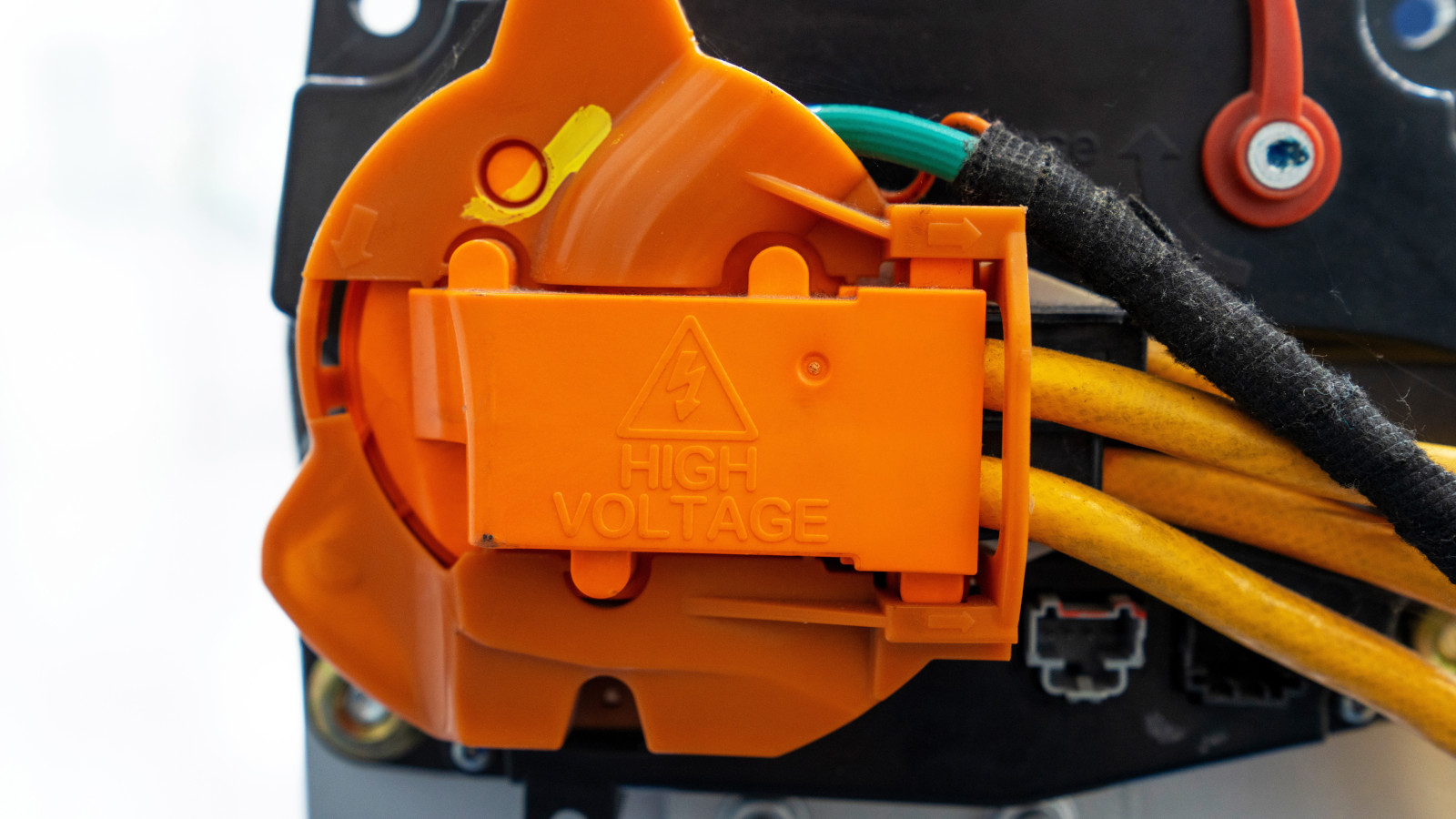
Emergency safety systems must be designed to be resettable without permanent damage or extensive component replacement, similar to fuel cut-off switches in conventional vehicles.
2. Safe and Simplified Battery Handling
Battery removal and reinstatement processes must be straightforward, avoiding complex procedures or specialised subscription-based tools that create barriers to efficient repairs.
3. Vehicle Damage Assessment Guidelines
Clear, accessible methodologies for assessing battery damage after accidents must be available to all stakeholders, including independent repairers and insurers, to prevent unnecessary total loss determinations.
4. Accessible Diagnostics
High-voltage system diagnostics should be standardised and accessible through widely available equipment, comparable to current On-Board Diagnostics systems for conventional vehicles, rather than requiring expensive proprietary tools.
5. Battery Damage Protection Against Impacts
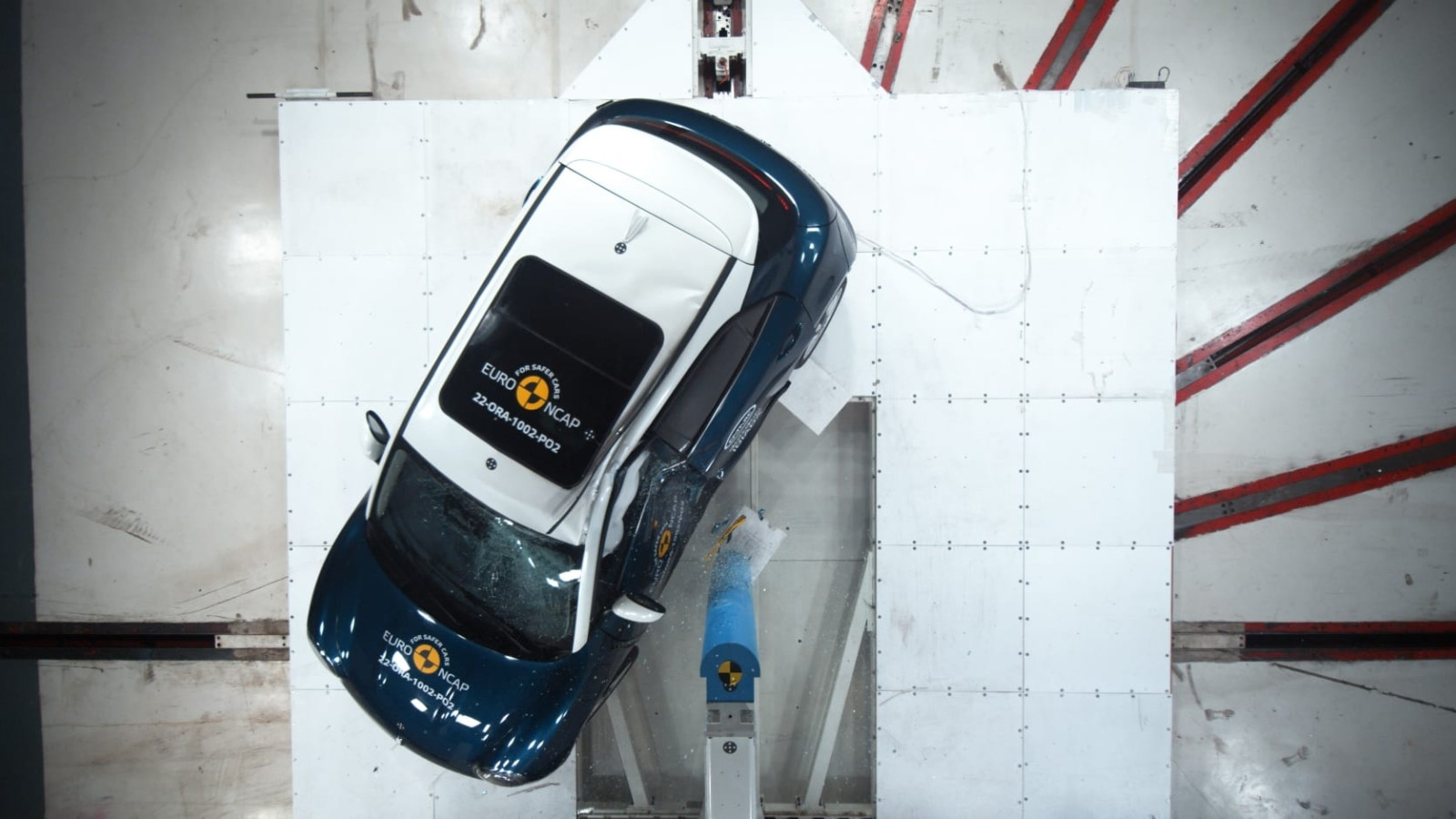
Robust under-shields and protective designs are essential to safeguard batteries from underbody impacts and side collisions, with replaceable protective components available at reasonable costs.
6. HV Battery Repair Strategies
Established repair methods for battery casings and mounting brackets must allow completion without removing or disassembling entire battery packs, with pyrotechnic fuses designed for easy reset or replacement.
7. Serviceability of HV Batteries
Batteries must be designed for safe disassembly, using modular construction with removable fasteners rather than permanent adhesives, enabling refurbishment and remanufacturing within the UK.
8. HV System Component Design
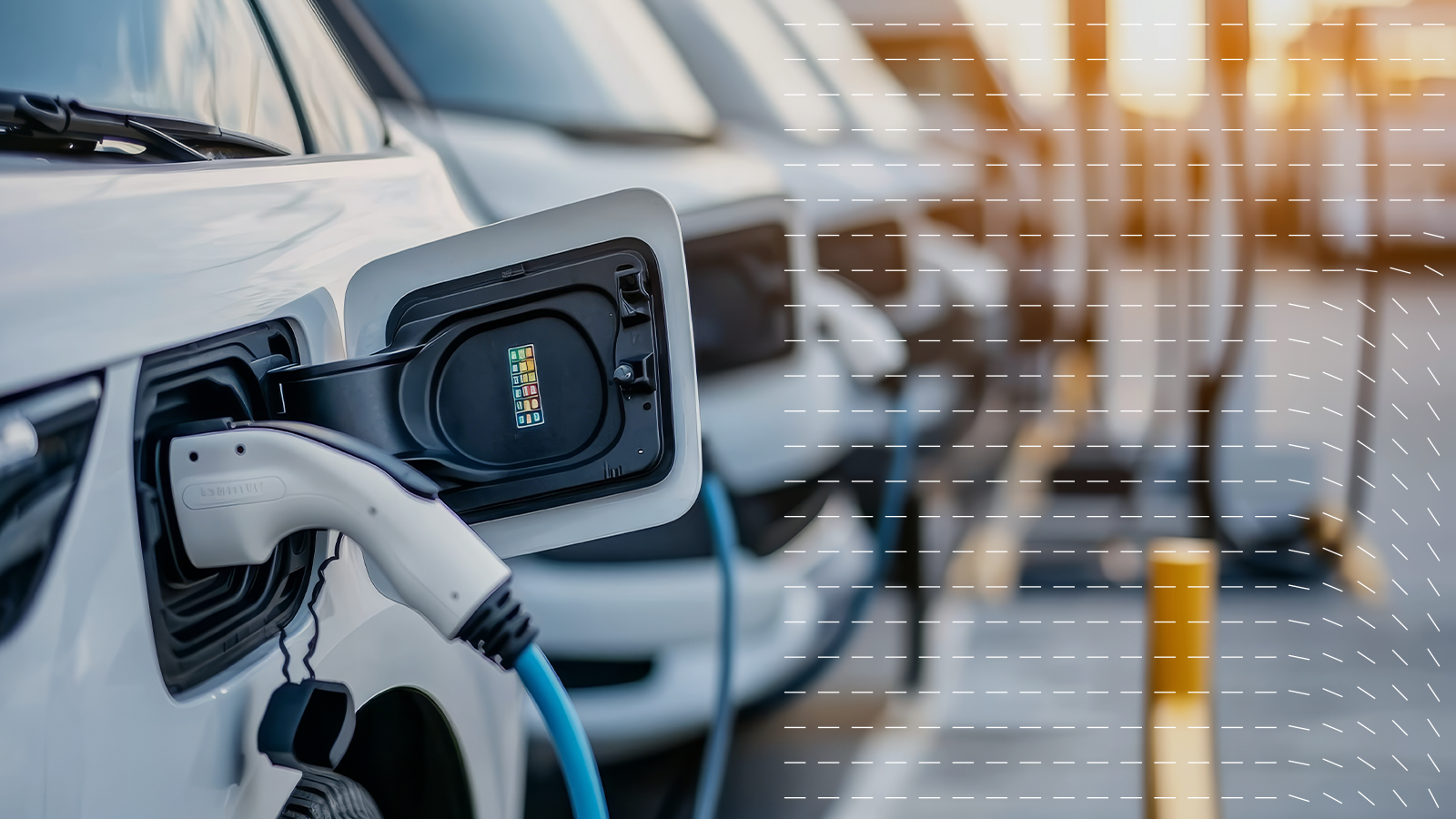
Critical components like charge ports should be positioned in less vulnerable locations and designed as standalone units to minimise repair complexity and costs.
One example presented by Thatcham was extending the life of electric car batteries.
Research from Generational, a company specialising in battery electric vehicle diagnostics, tested 8000 EVs and found that cars aged 8-9 years old retained a median of 85% of their battery capacity compared to when they were new, while cars aged 4-5 years held 93.53%.
More sustainable repair practices would mean batteries with minor damage could continue to be used well into the future.
Thatcham’s new plans could have big implications for the repair and insurance of electric cars. The company has also called on carmakers, battery manufacturers, repairers and insurers to adopt its recommendations so the transition to EVs remains economically viable and sustainable for both companies and consumers.
Jonathan Hewett, CEO of Thatcham Research, said: "The transition to electric vehicles represents one of the most significant transformations our industry has ever undertaken, but it cannot succeed if EVs become economically unviable to insure and repair. We're seeing too many repairable vehicles written off simply because current designs don't accommodate efficient assessment and repair processes.
"Our Electric Vehicle Blueprint is the result of carrying out real-world EV impact assessments and repair procedures, in-house for more than a decade. These are practical, evidence-based recommendations to overcome three-year-old EVs being written off unnecessarily because of minor battery casing damage. This impacts consumer confidence and, fundamentally, undermines the sustainability credentials that make electrification so important in the first place," he added.
"The eight recommendations we've outlined are entirely achievable. We already see these principles working in conventional vehicles – resettable safety systems, accessible diagnostics, serviceable components. There's no technical reason why EVs can't meet the same standards. What we need now is industry-wide commitment to designing vehicles that can be safely assessed, efficiently repaired, and economically maintained throughout their entire lifecycle.
"We want to work with vehicle and battery manufacturers to create a genuinely sustainable electric vehicle ecosystem. Not just sustainable in terms of emissions, but sustainable economically and practically for the millions of consumers who will depend on these vehicles in the years ahead."