Citroën is no stranger to crazy electric car concepts.
In 2020, the tiny Citroën Ami became a reality, as one of the smallest electric cars built yet.
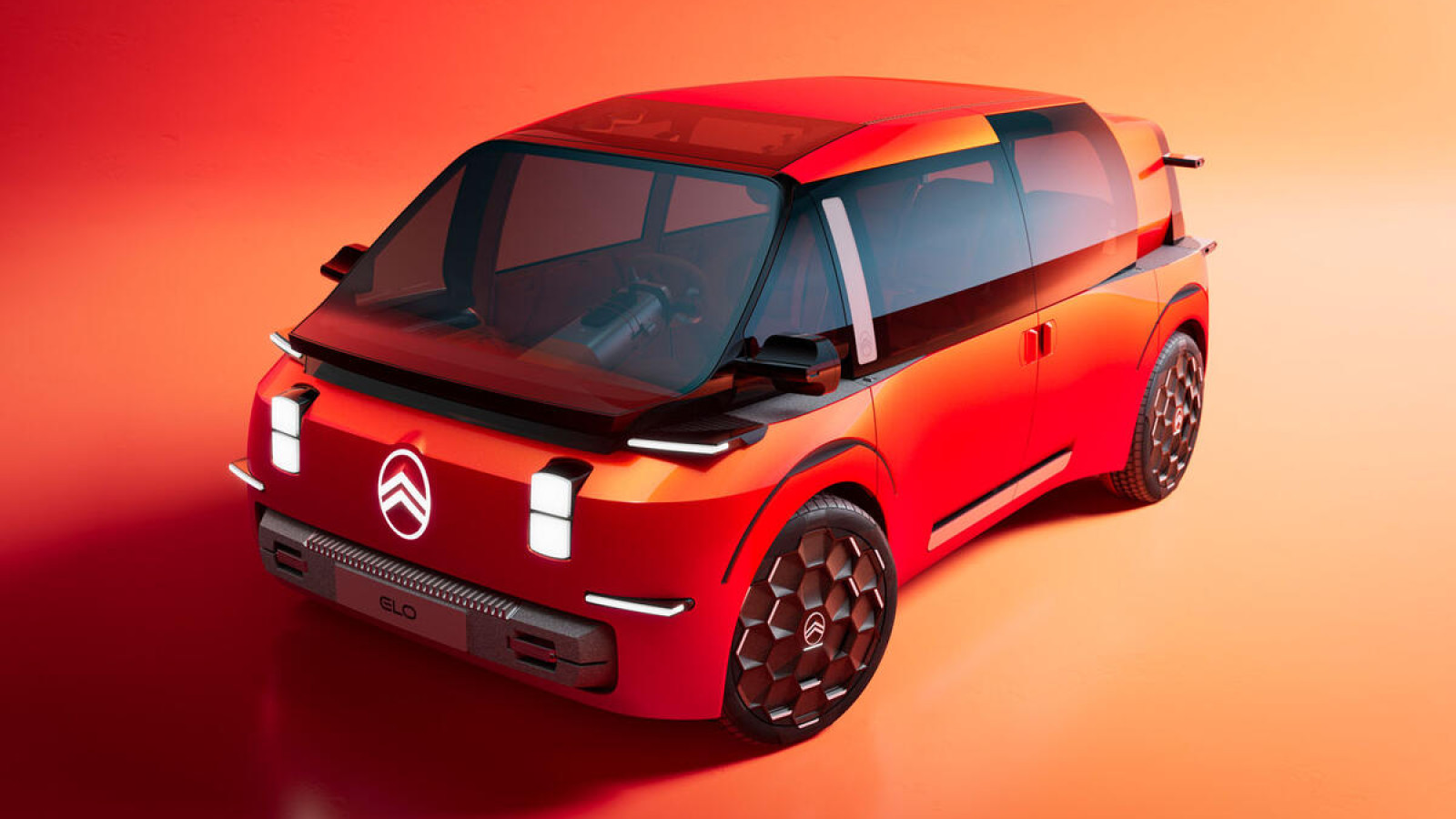
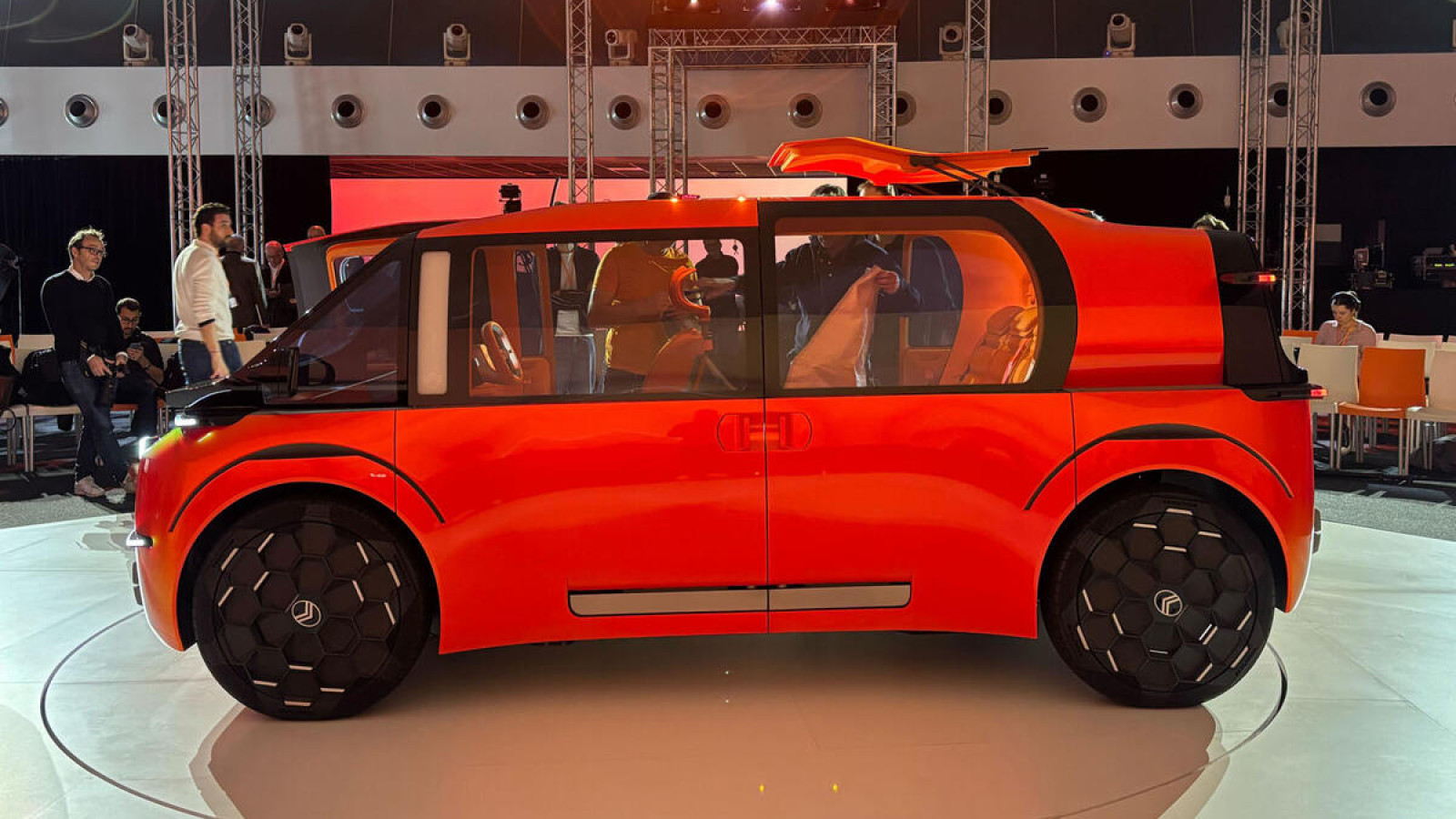
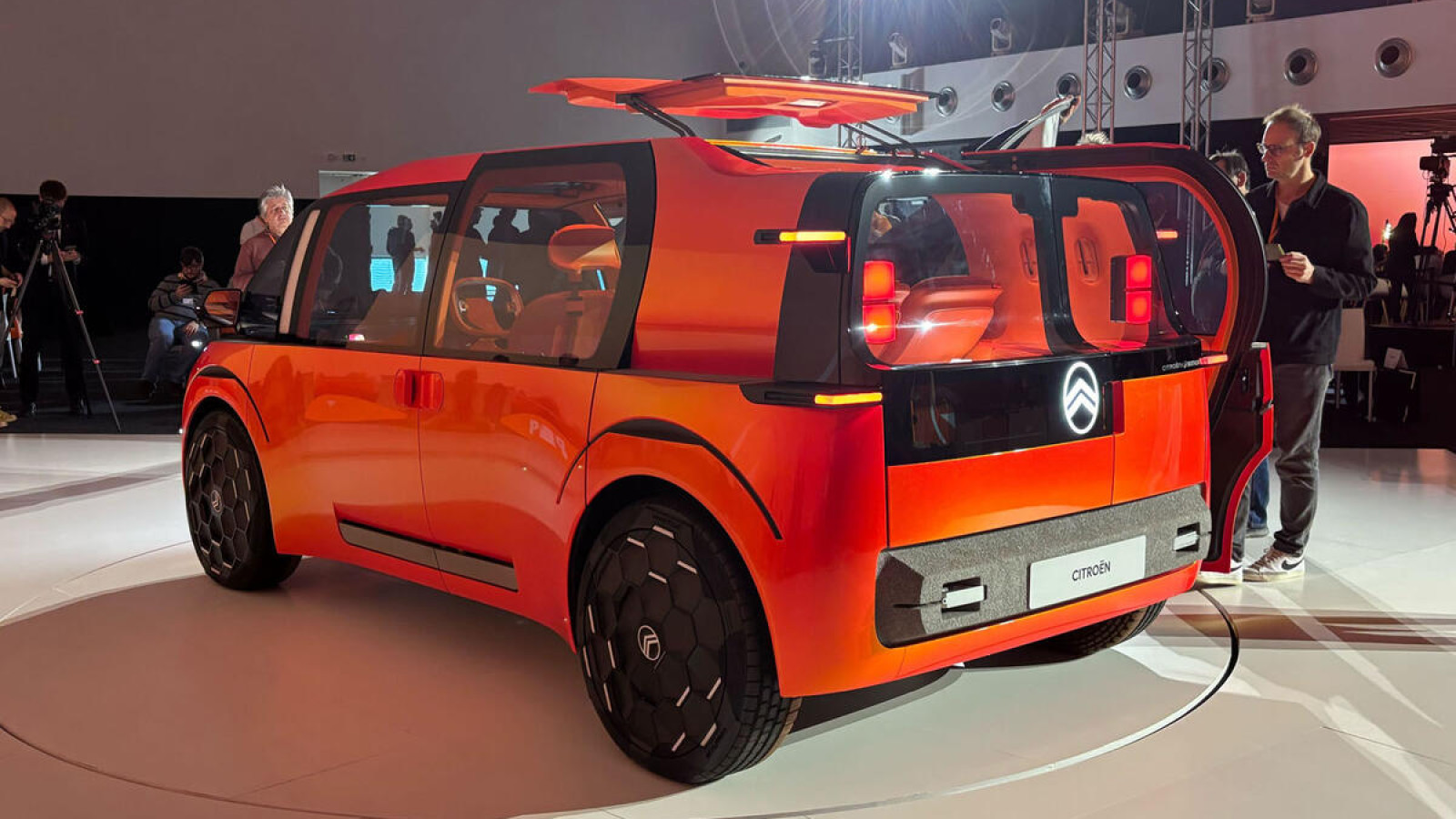
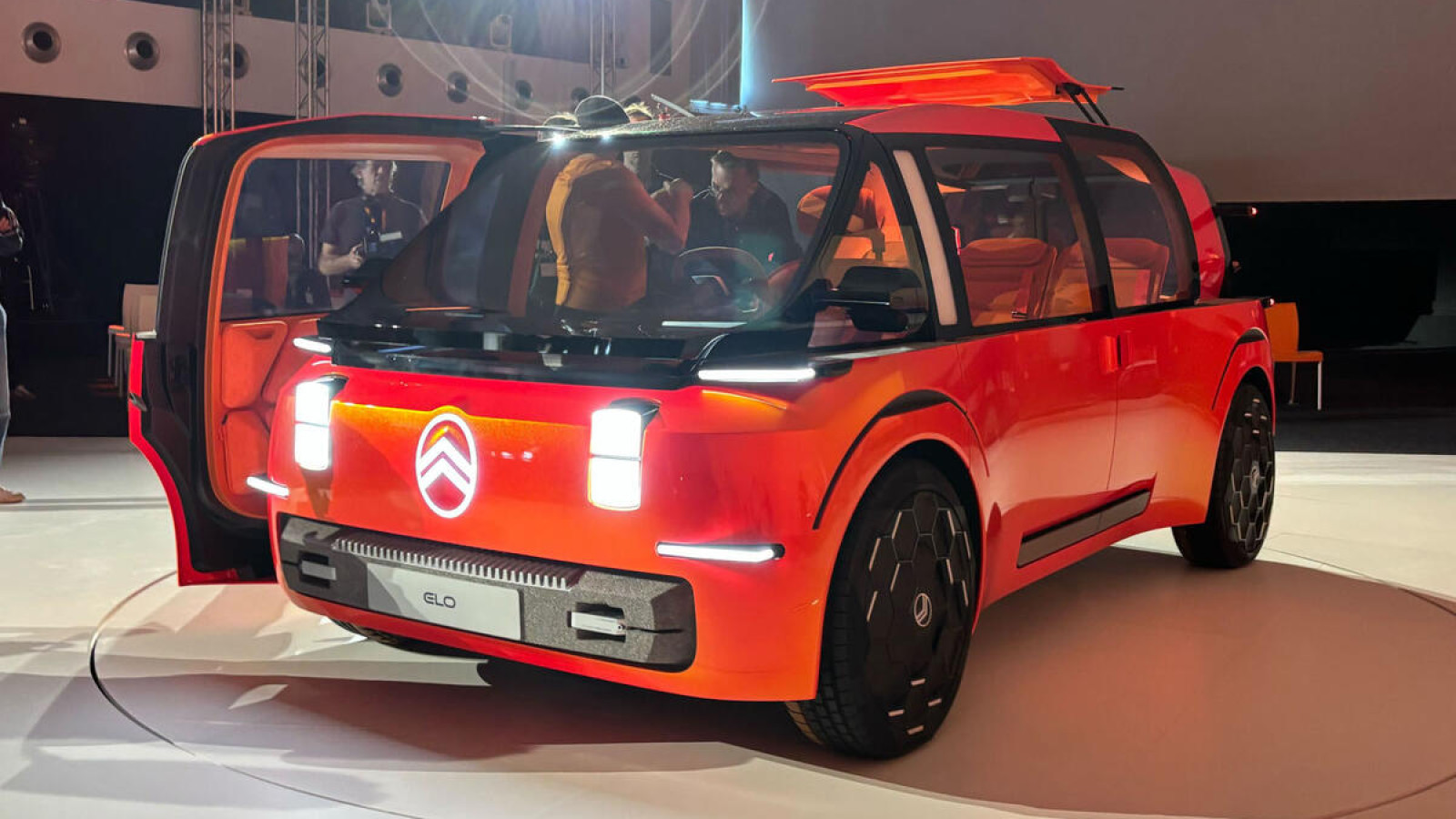
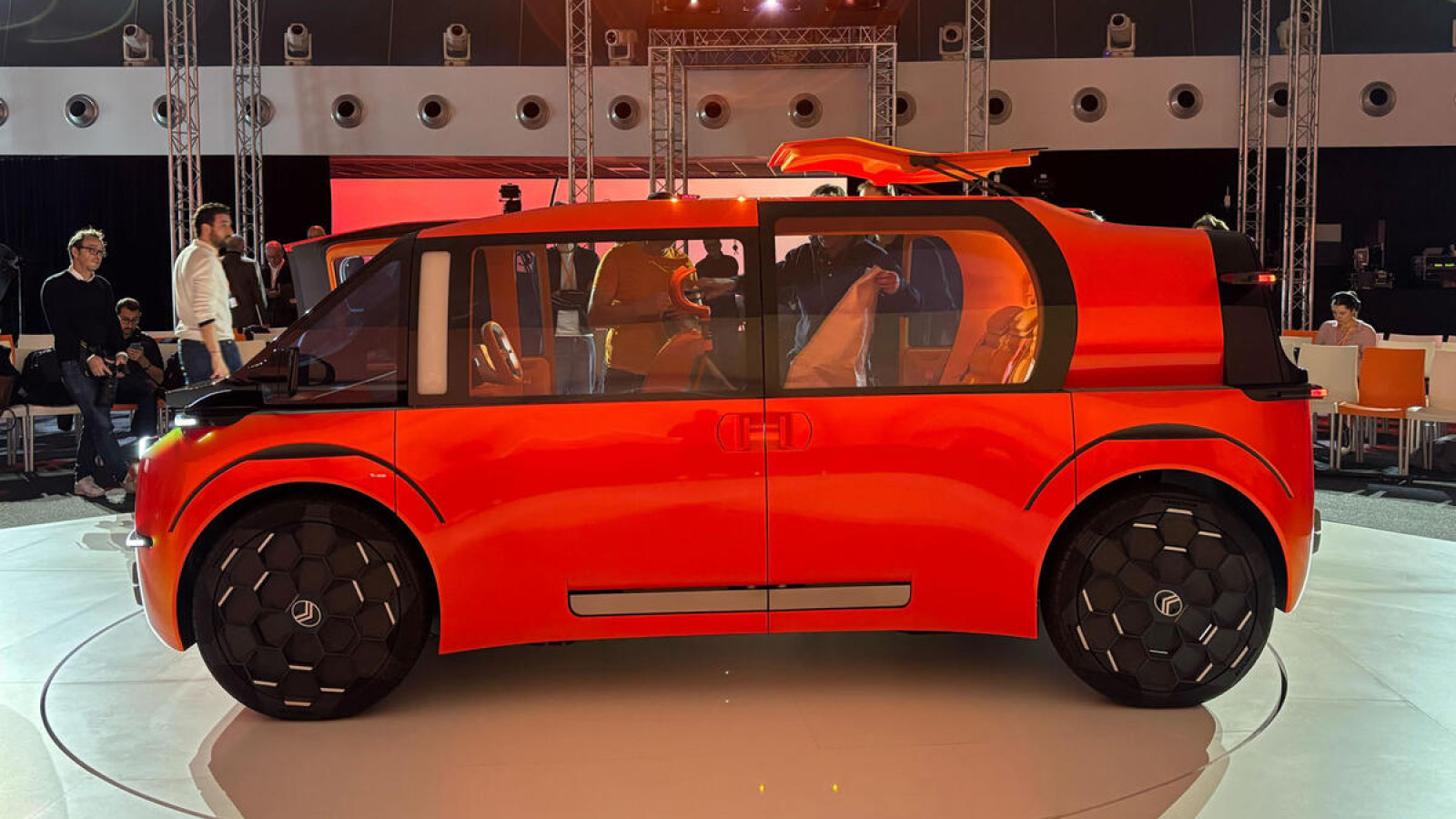
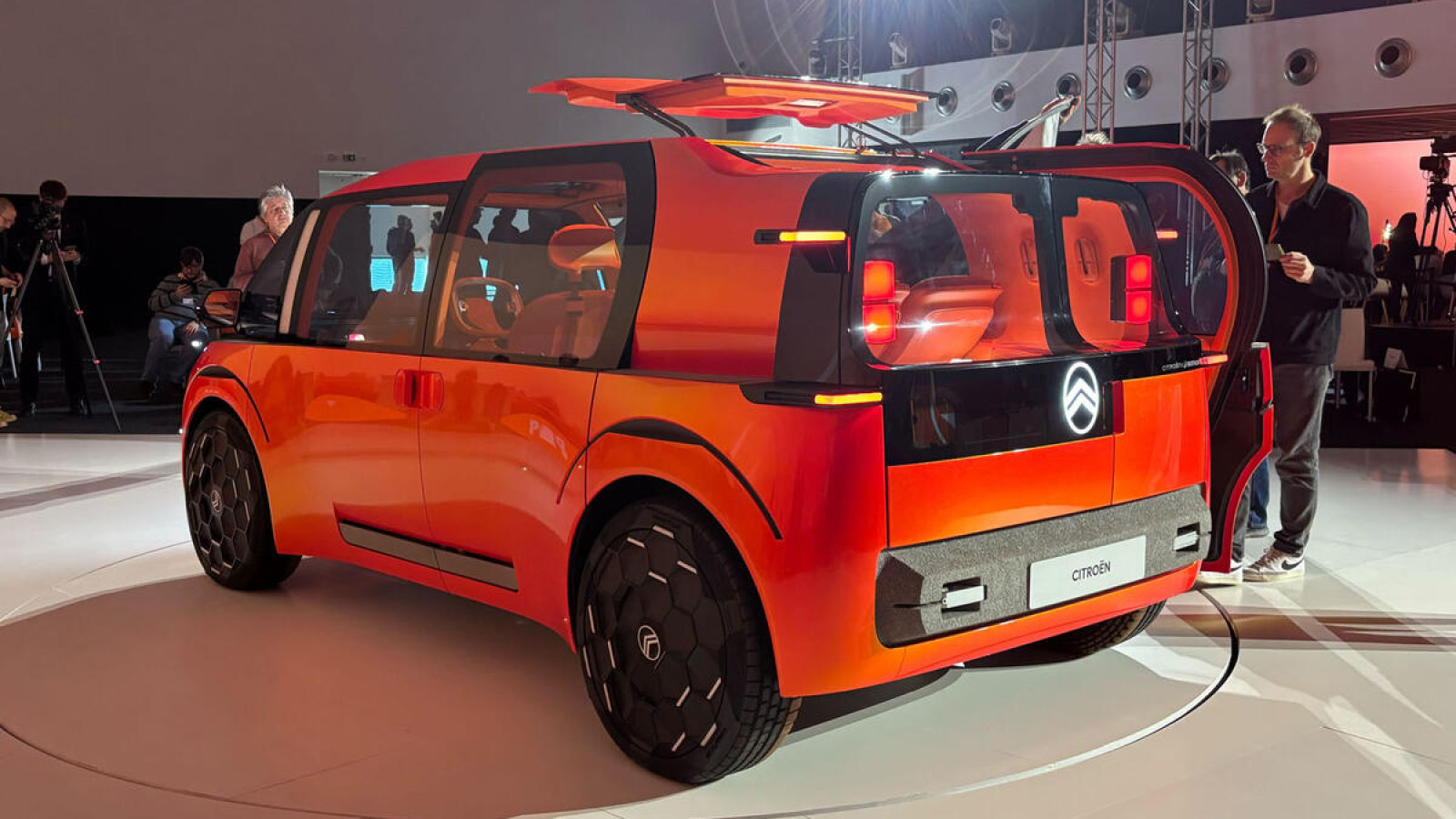
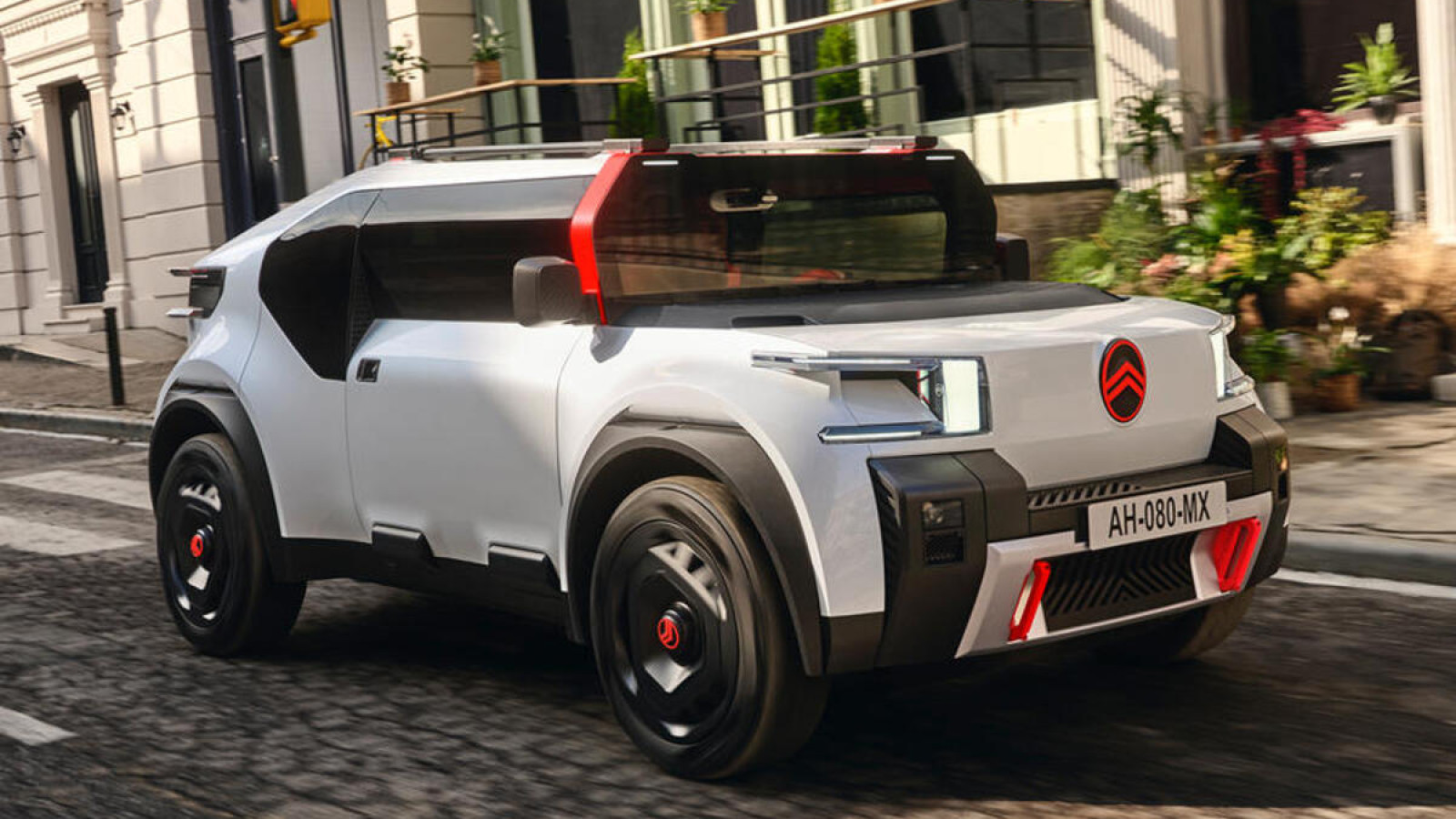
The French car maker has now revealed the ELO concept: an innovative, tiny family car which aims to show “the return of the MPV is absolutely not boring”.
Named after the second letters of the phrase ‘rest, play work’, the ELO concept features six seats and displays a new take on car interiors.
Citroën says it majors on space and interior versatility, while retaining a compact footprint.
Measuring 4.1 metres long, the ELO is shorter than the existing Citroën C3.
Despite that, it has room for one additional passenger than the supermini, with a back seat as wide as the one in the Citroën C5 Aircross flagship SUV.
The car was revealed at Citroën Paris headquarters by company boss Xavier Chardon, who hailed it as a statement of intent for the car maker’s design ethos in the coming years.
"Everybody thought that the MPV would be dead because they have SUVs," he said, adding that such cars are generally perceived to be "cooler, fresher, younger..."
He added that Citroën is "shaping habits and coming with new entrants."
These new models, such as the ELO, are intended as alternatives to SUVs and crossovers, offering similarly practical and roomy cabins but with a smaller overall footprint.
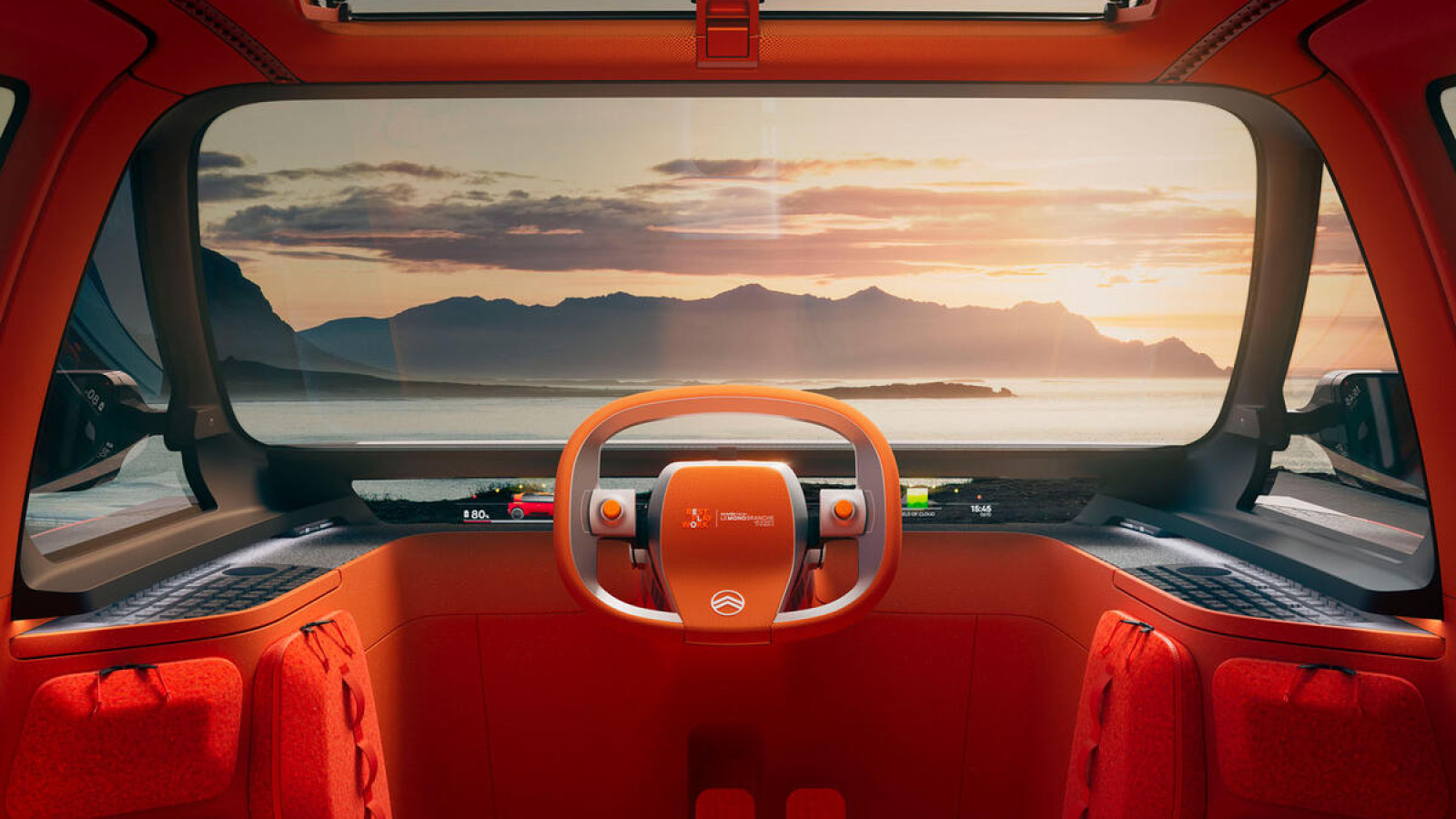
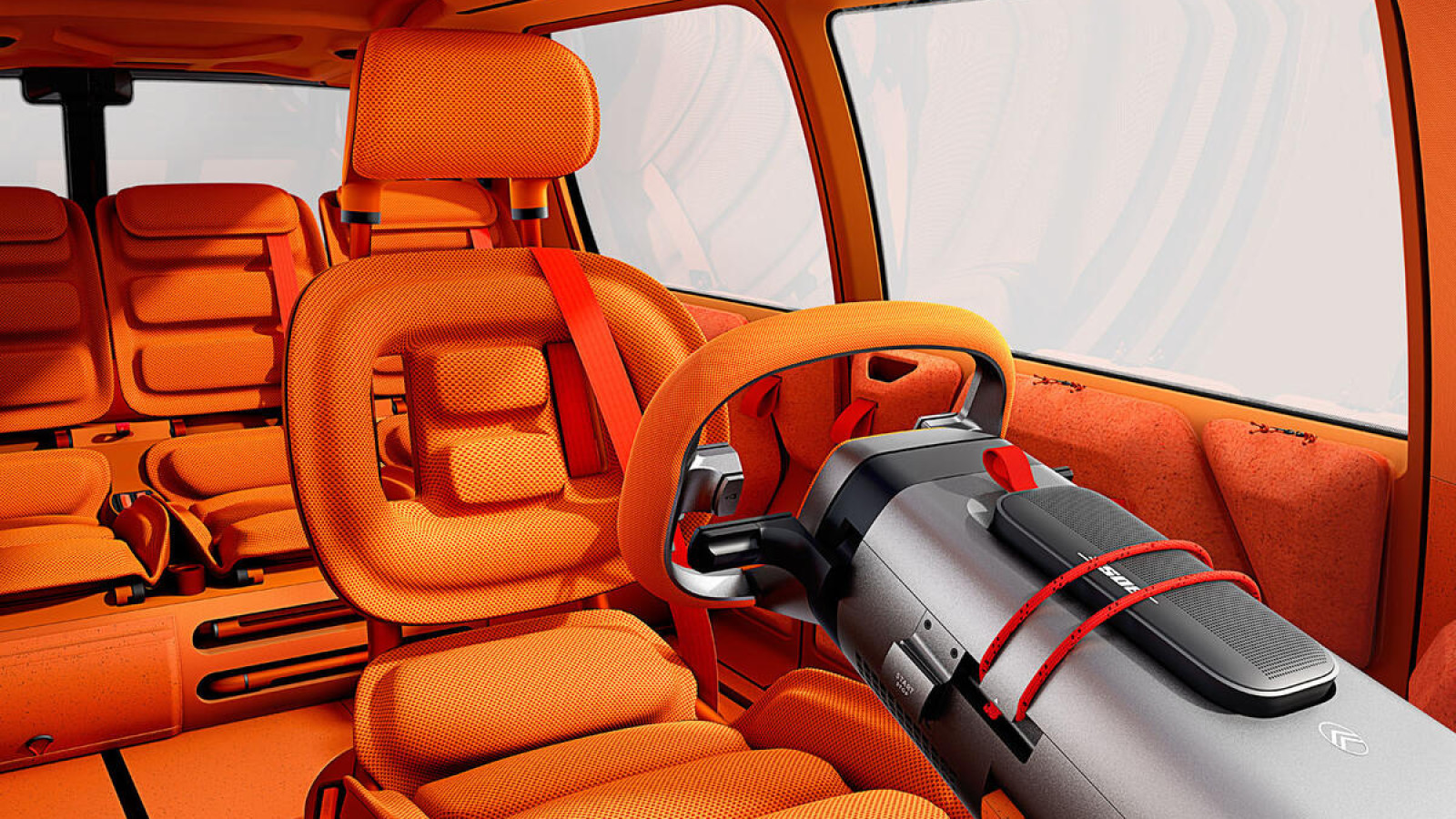
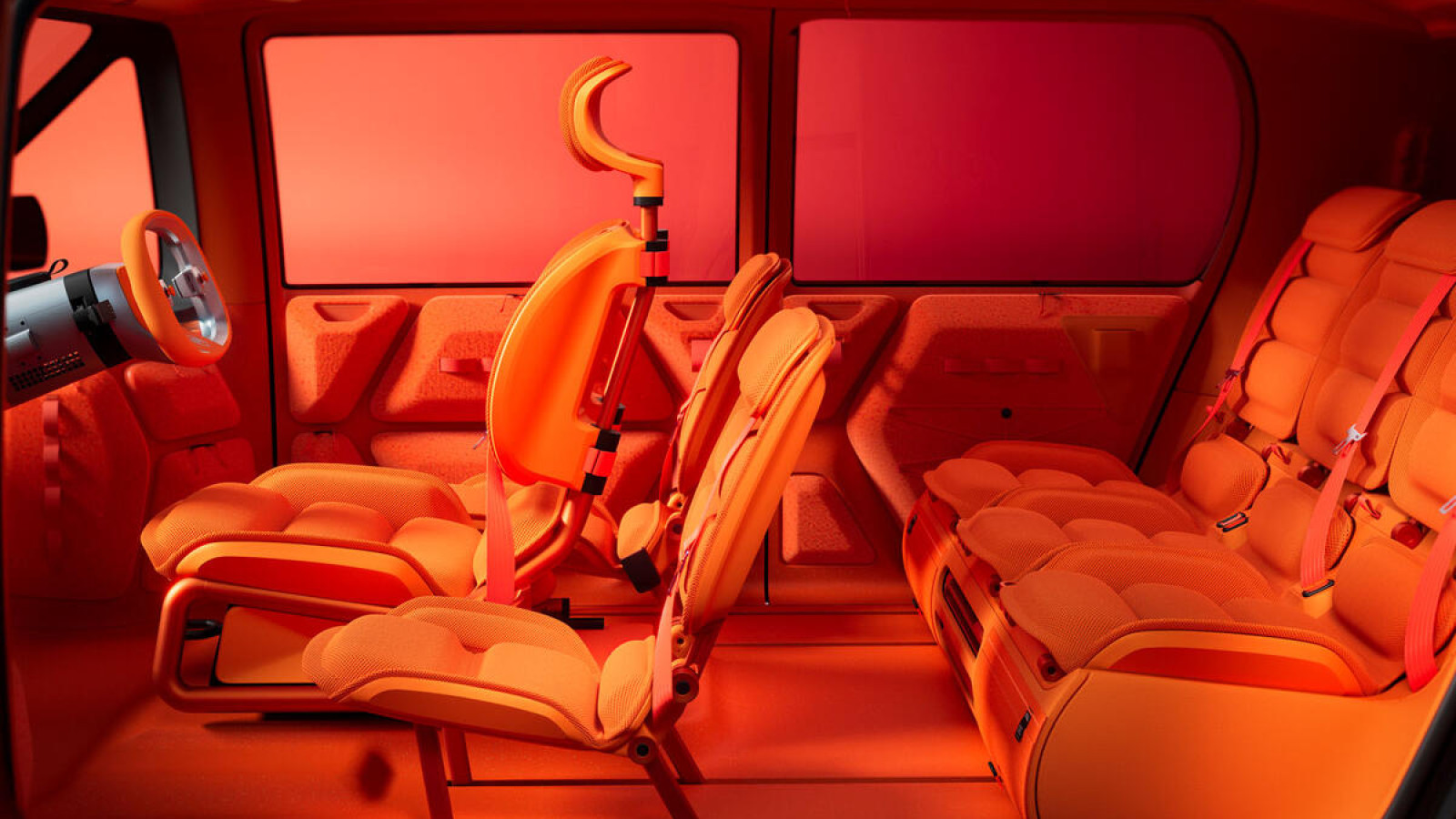
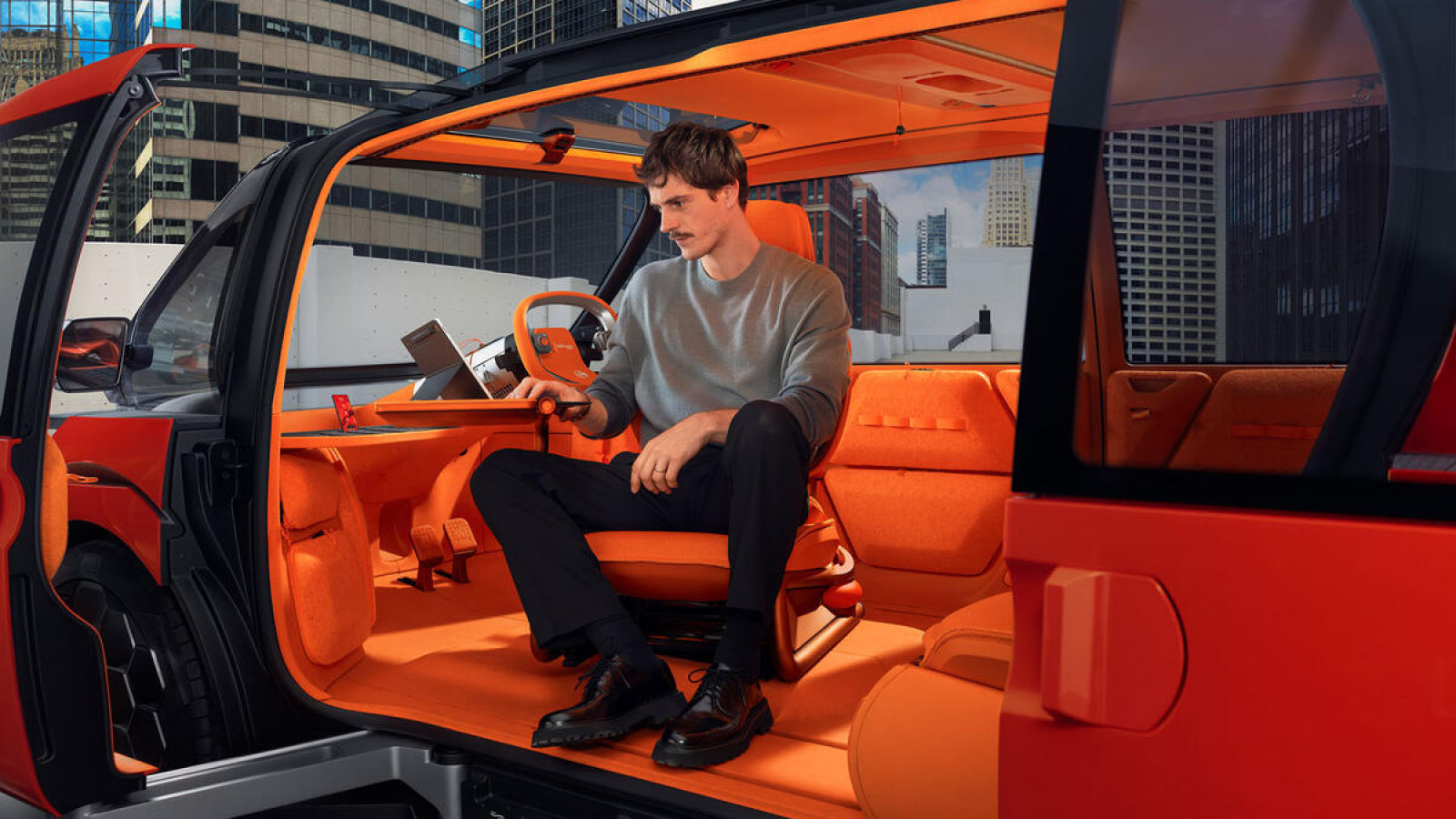
A radical new cabin concept is a headline feature, incorporating a novel three-by-three interior configuration and a central driving position inspired by the McLaren F1.
Leclerq said this is a logical format for urban motoring, stating: "if you're in the centre, you're going to have good visibility towards the outside" He also said it would be ideal for parents. "The kids want to drive next to mama or papa when they go on vacation."
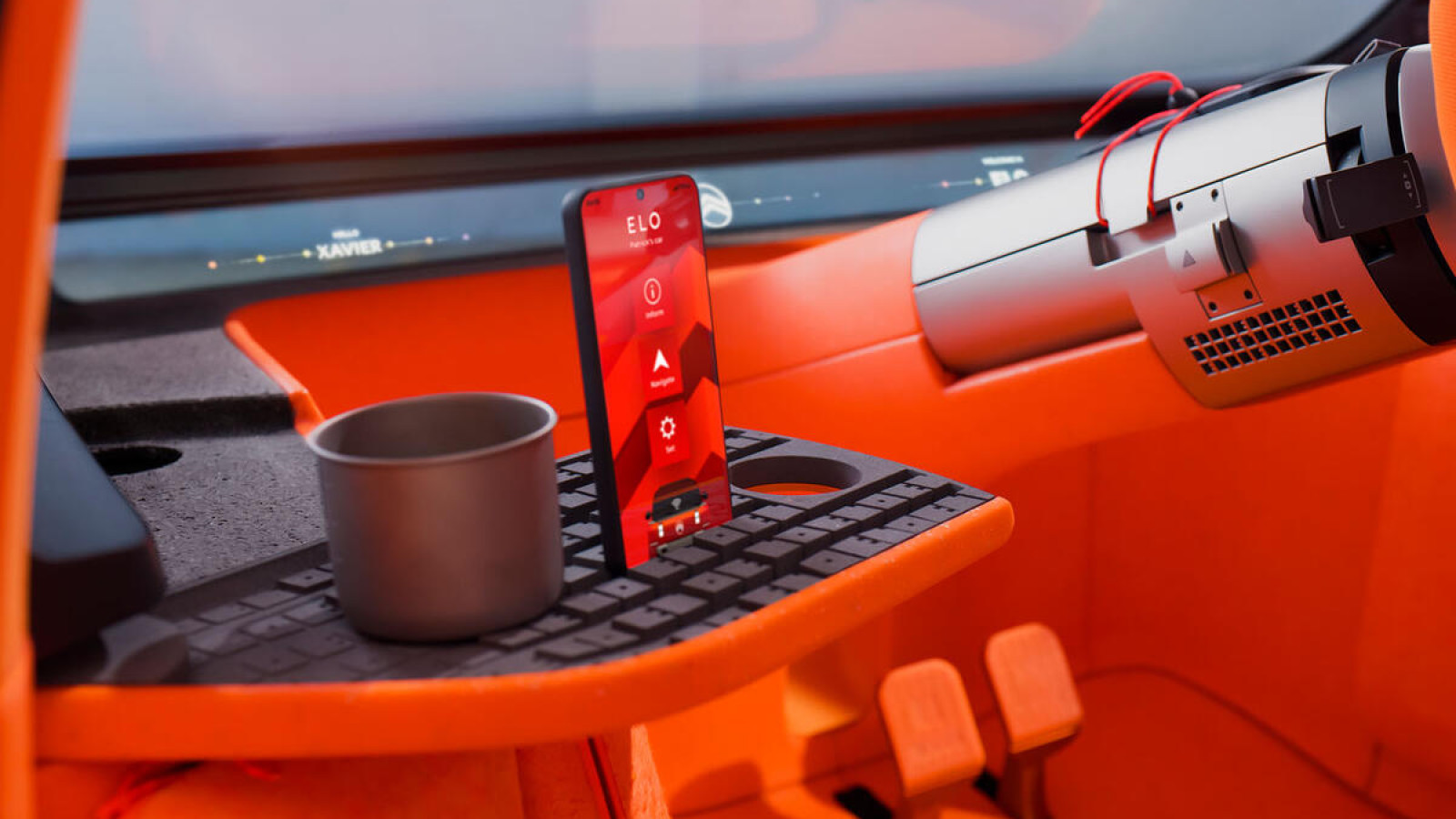
The driver's seat is equipped with an integrated desk attachment for on-the-road work and features its own suspension system, achieved through foam blocks within its frame. In contrast, the front passenger seats offer flexibility as they can be removed and stored in the rear row when not in use.
Citroën collaborated with French sporting goods retailer Decathlon to design the ELO, with the rear seats drawing inspiration from Decathlon's pop-out camping furniture. A key feature is that while the seat row is fixed, the bases can be taken out and have fold-out legs, allowing them to be used outside the vehicle.
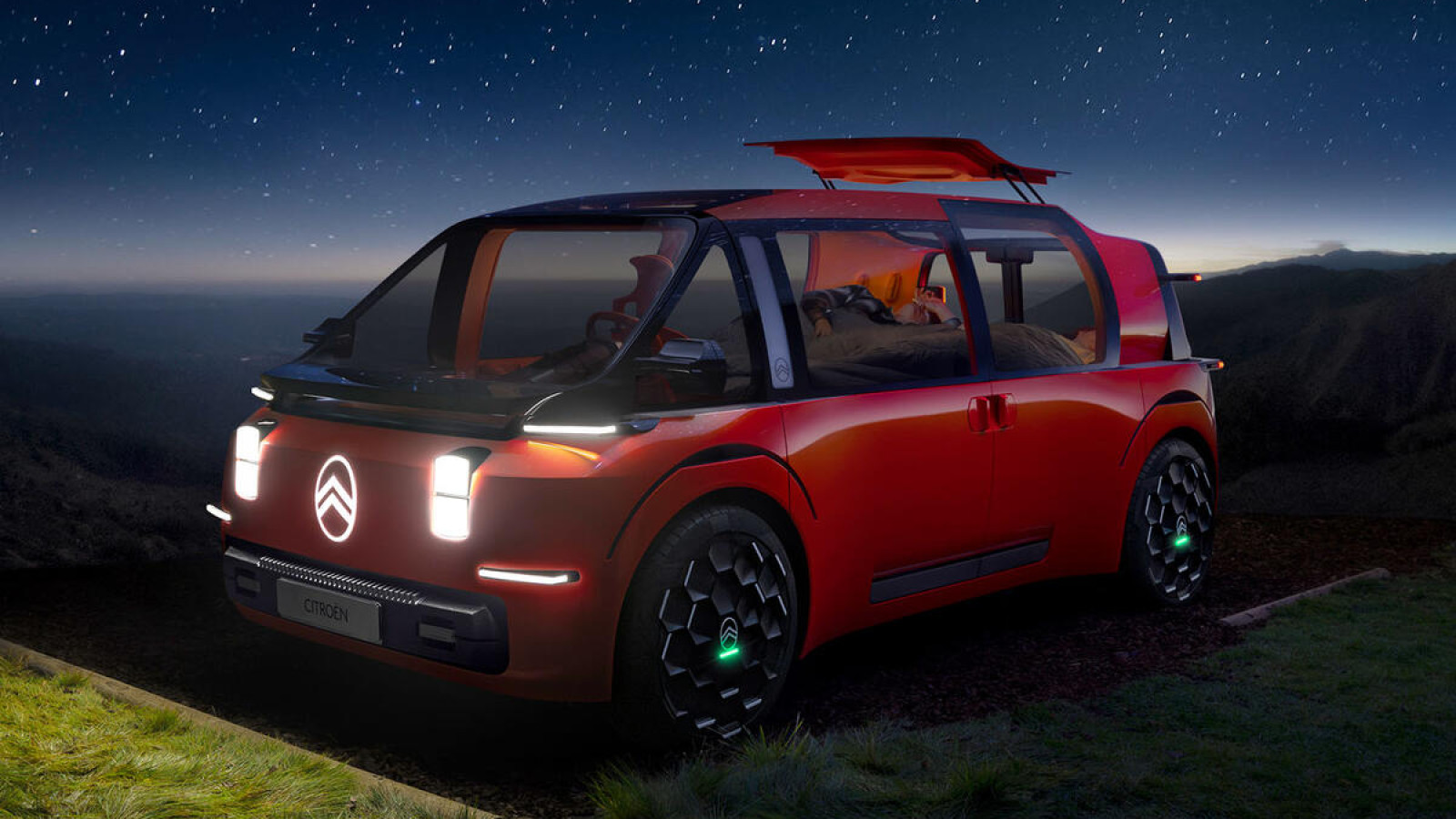
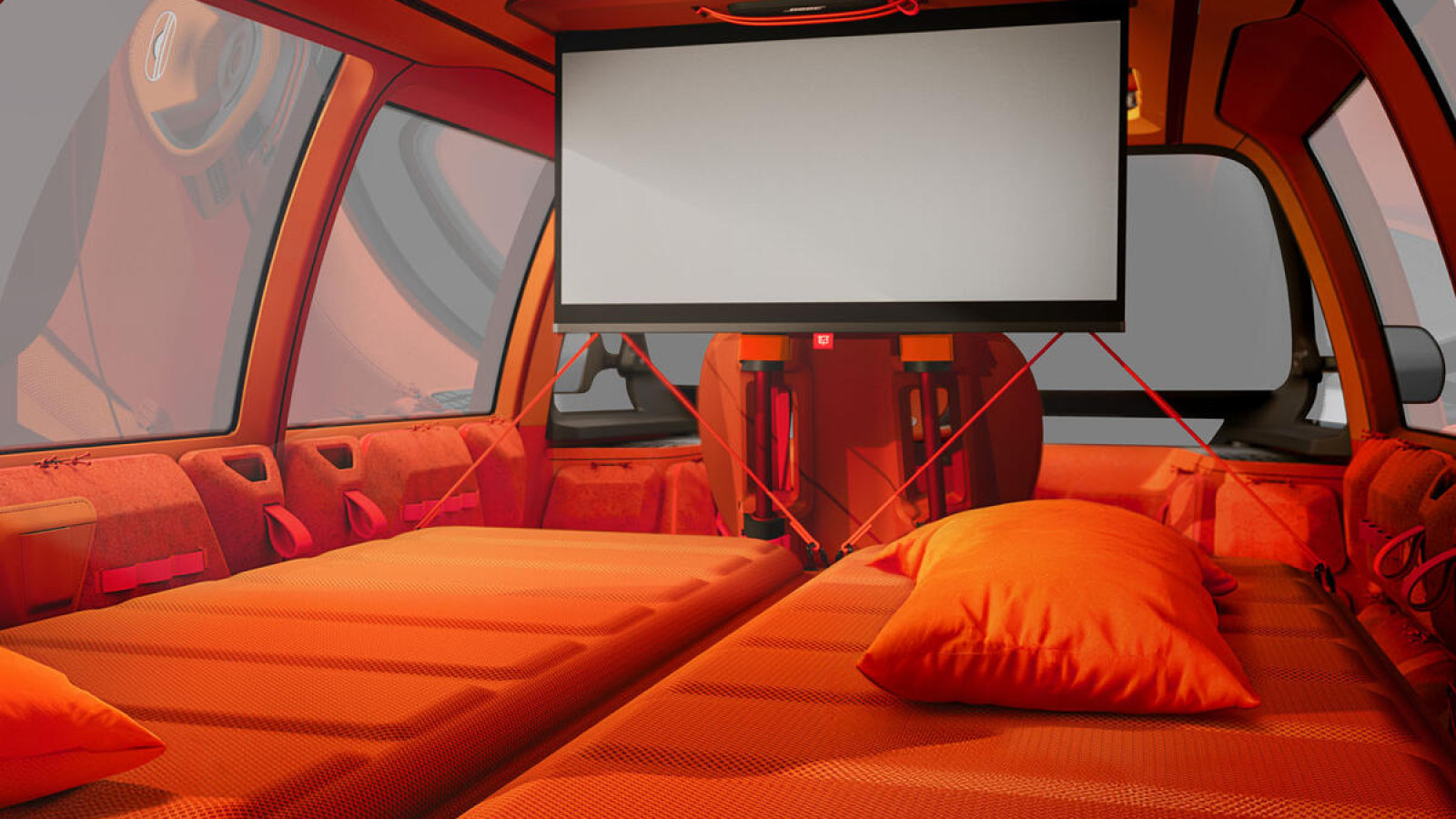
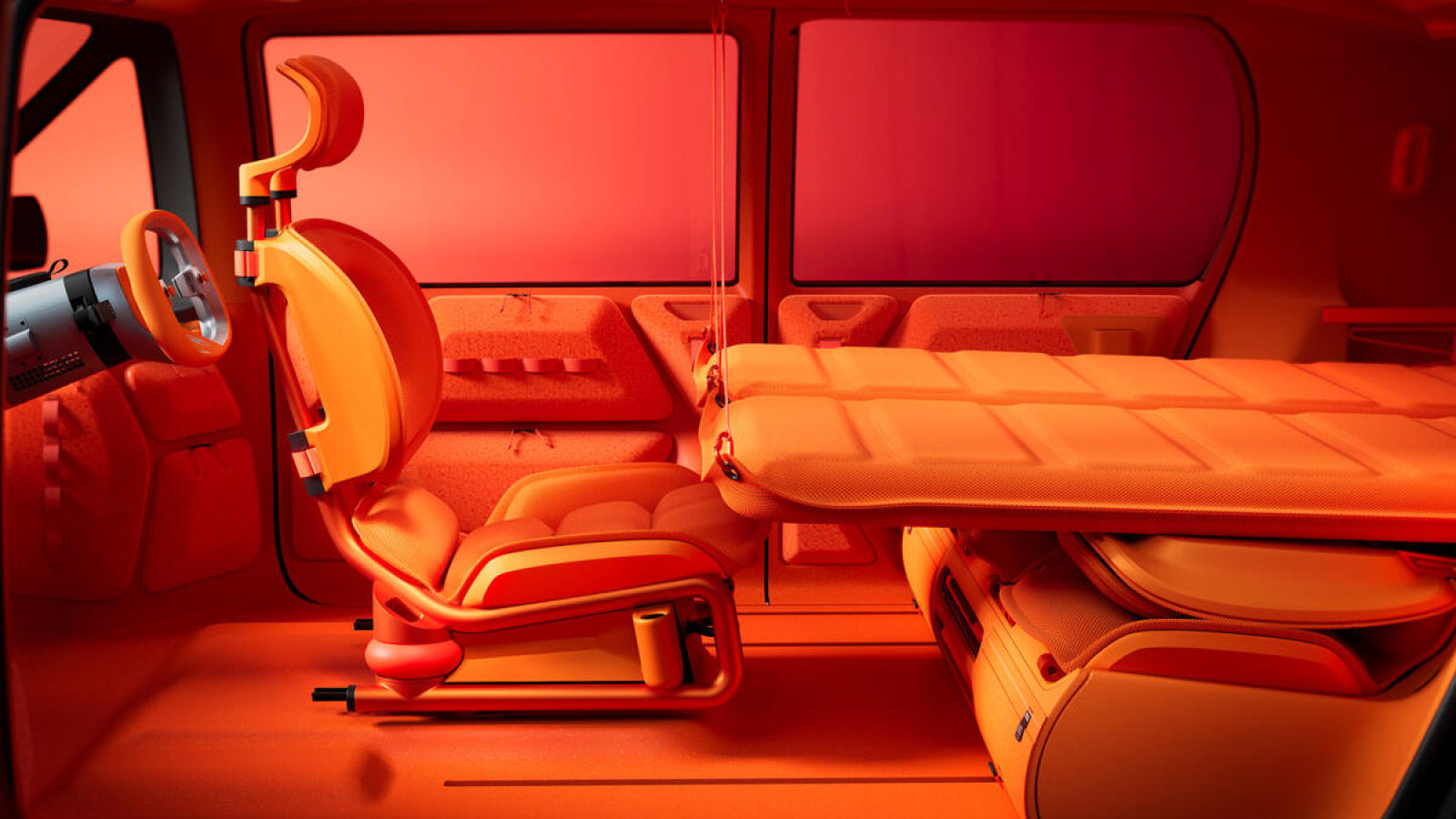
The ELO's design allows the seatbacks to fold flat, creating a floor space. This can accommodate a pair of single mattresses, which are suspended from the ceiling by hooks. These same hooks can also be utilised to mount a projector screen, offering the option of watching films within the car.
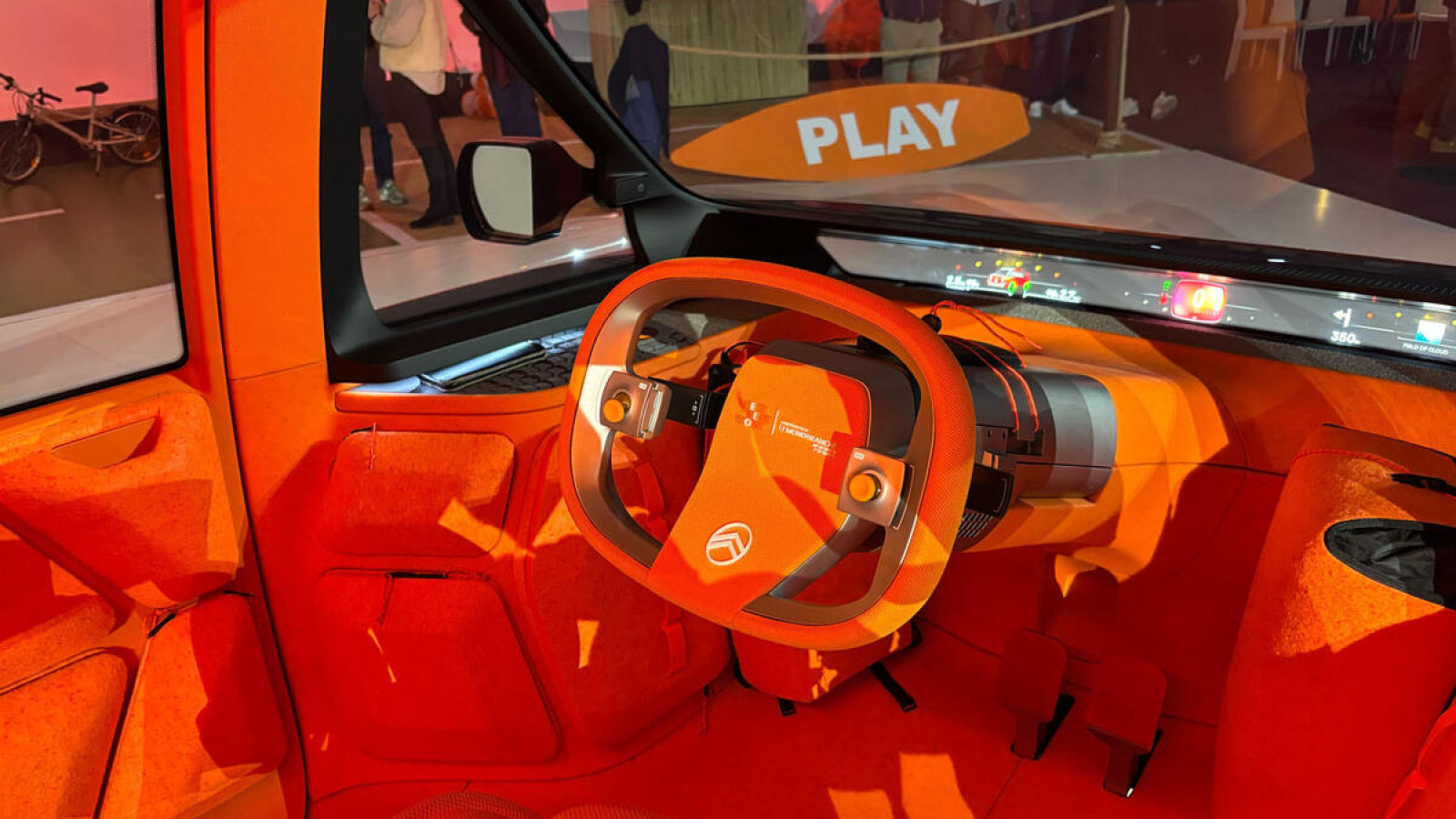
Citroën asserts that the interior eschews a conventional 'dashboard.' Instead, the fascia creates a driver's compartment, with the front passengers positioned slightly behind this panel.
Physical controls have been minimised. Key functions, such as the electric motor starter and hazard lights, are situated on the steering column. Secondary controls are managed via a pair of video game-style joysticks mounted on the steering wheel.
The ELO concept's production feasibility remains unconfirmed by Citroën, as parent company Stellantis has not yet decided if its electric vehicle platforms can accommodate the six-seat configuration.
However, the design is a continuation of the innovative direction seen with the 2022 Oli concept. It could have a notable impact on Citroën's sister brands. For instance, the six-seat layout echoes the 1998 Fiat Multipla's three-by-three seating, potentially paving the way for a retro comeback of that much-loved family car.
The ELO concept is positioned by Chardon as conveying "our vision of what Citroën should be," addressing the brand's recent "identity crisis."
According to Chardon, the concept "ticks all the boxes" of Citroën's century-plus DNA, encompassing the qualities he intends to foster: "creative, bold, accessible, responsible, ingenious and dedicated to wellbeing."