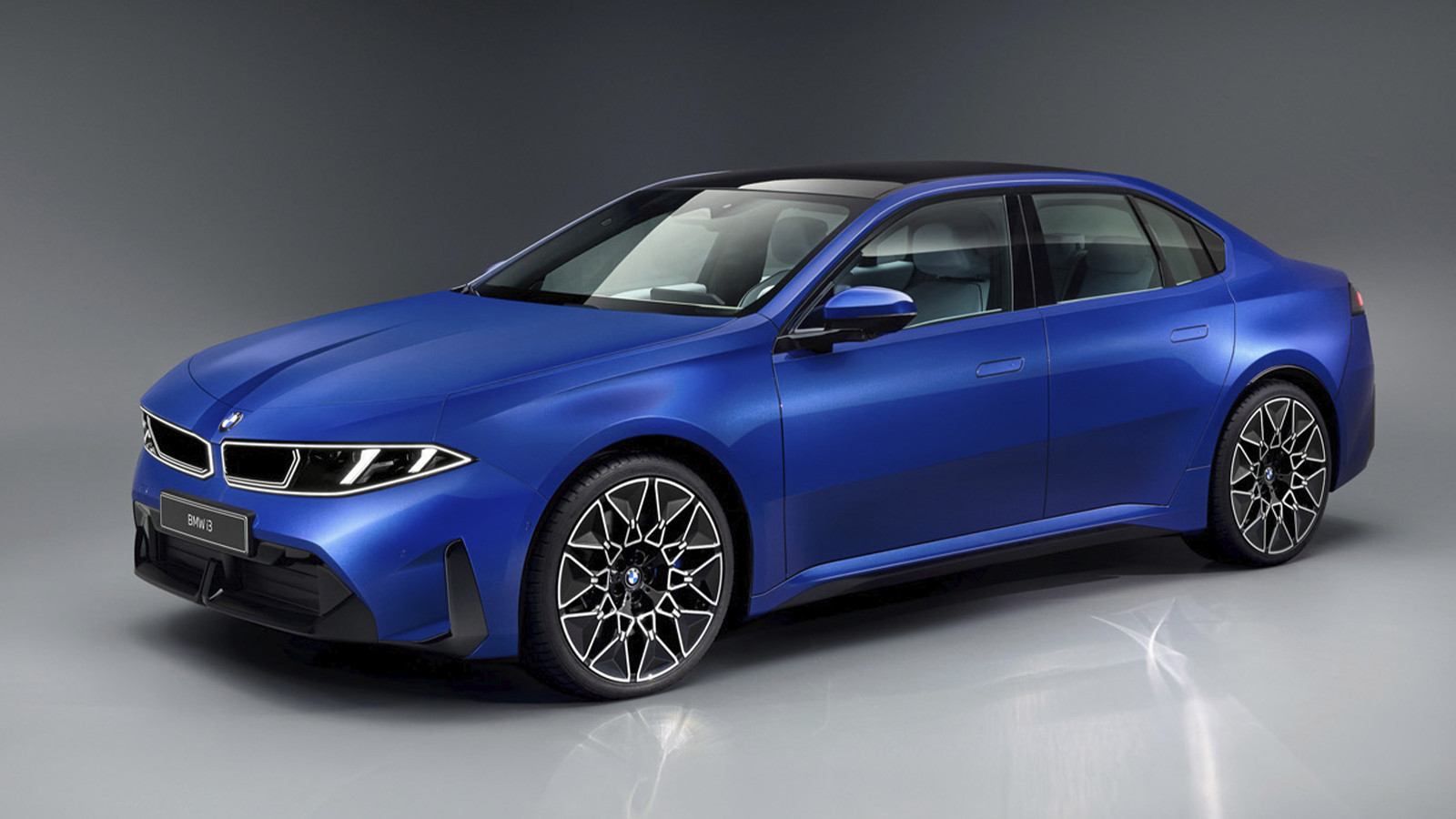
New BMW i3 revealed with staggering 559-mile range
The launch of the futuristic iX3 SUV earlier this year marked the start of BMW's new generation of electric vehicles.
This was only the initial step in the German car giant's electric transformation. BMW has now unveiled one of its most eagerly awaited models in years: the electric 3 Series, which it has named the i3.
The second model in BMW’s Neue Klasse range, the i3, features an all-new design, highly competitive technology and a class-leading driving range.
If its impressive figures are anything to go by, the new i3 is likely to be completely unrivalled in certain areas of a rapidly growing and increasingly competitive market - for now, at least.
Let’s get into all the details of this hugely exciting electric saloon car…
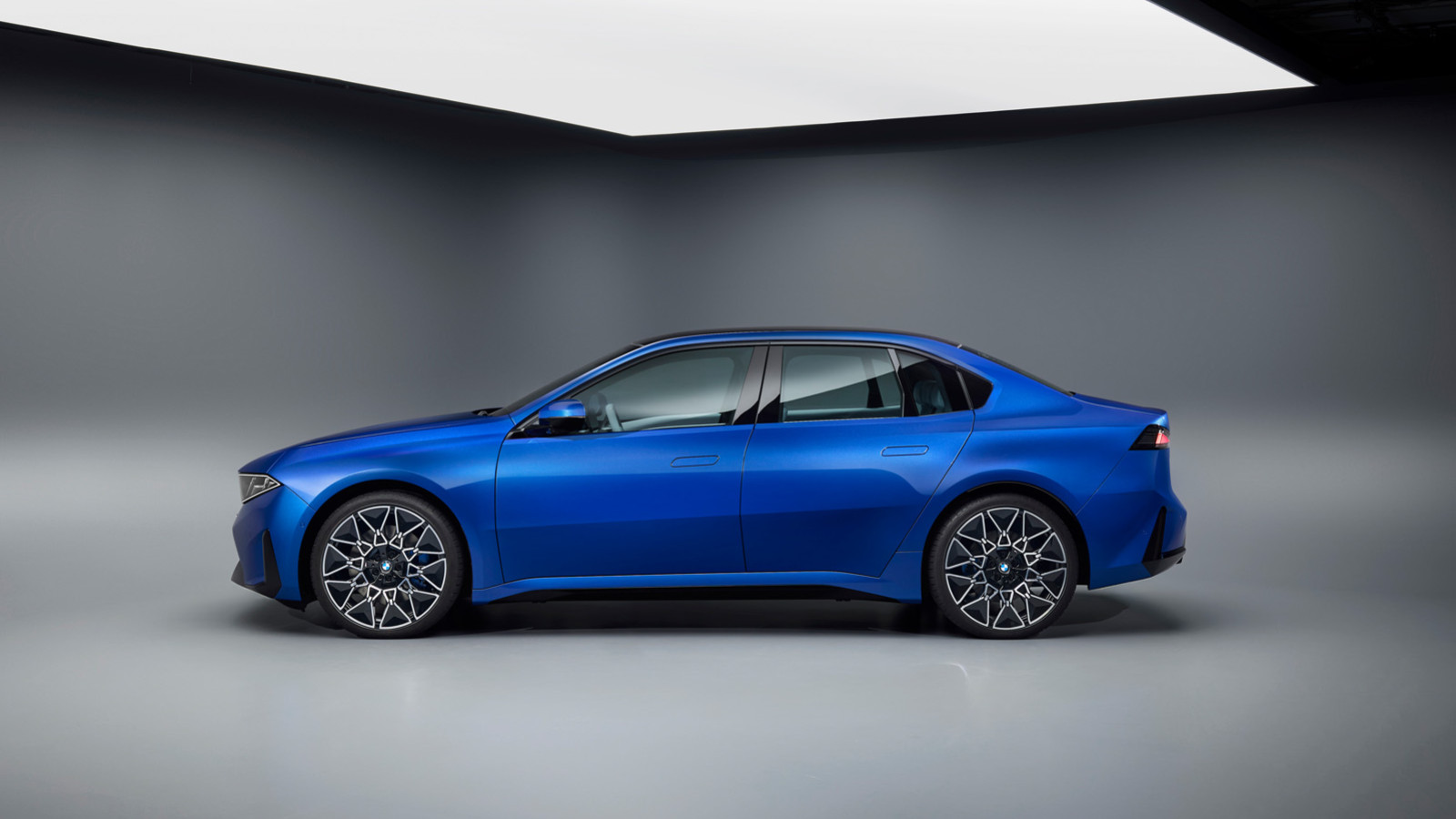
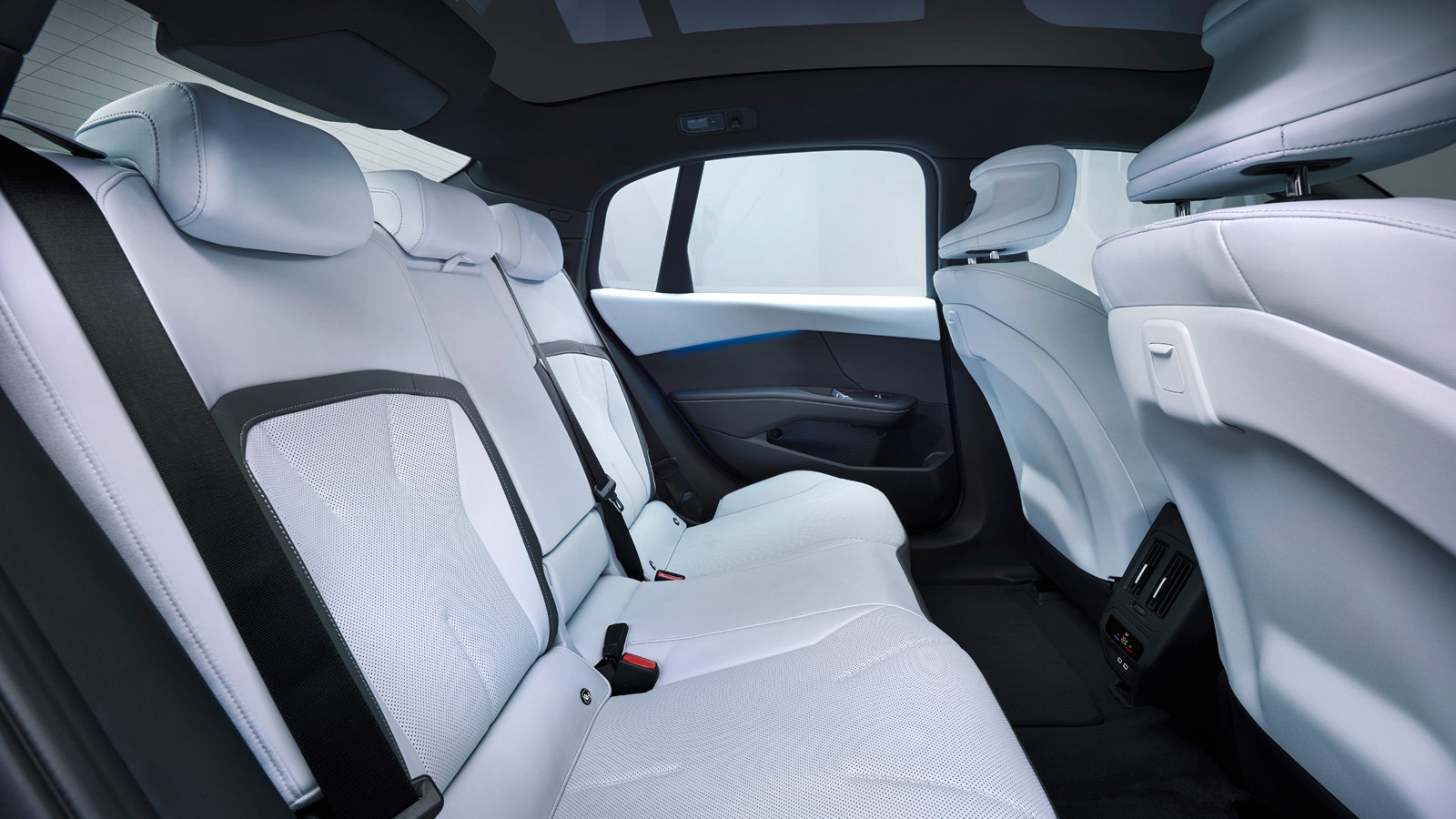
Measuring 4760mm long, 1865mm wide and 1480mm high, the new BMW i3 is slightly larger than the existing 3 Series, which first went on sale in 2019.
It inherits its name from the i3 hatchback, which was retired in 2022 after nine years on sale. While it will initially arrive as a saloon car, an estate-bodied Touring model will be offered later down the line.
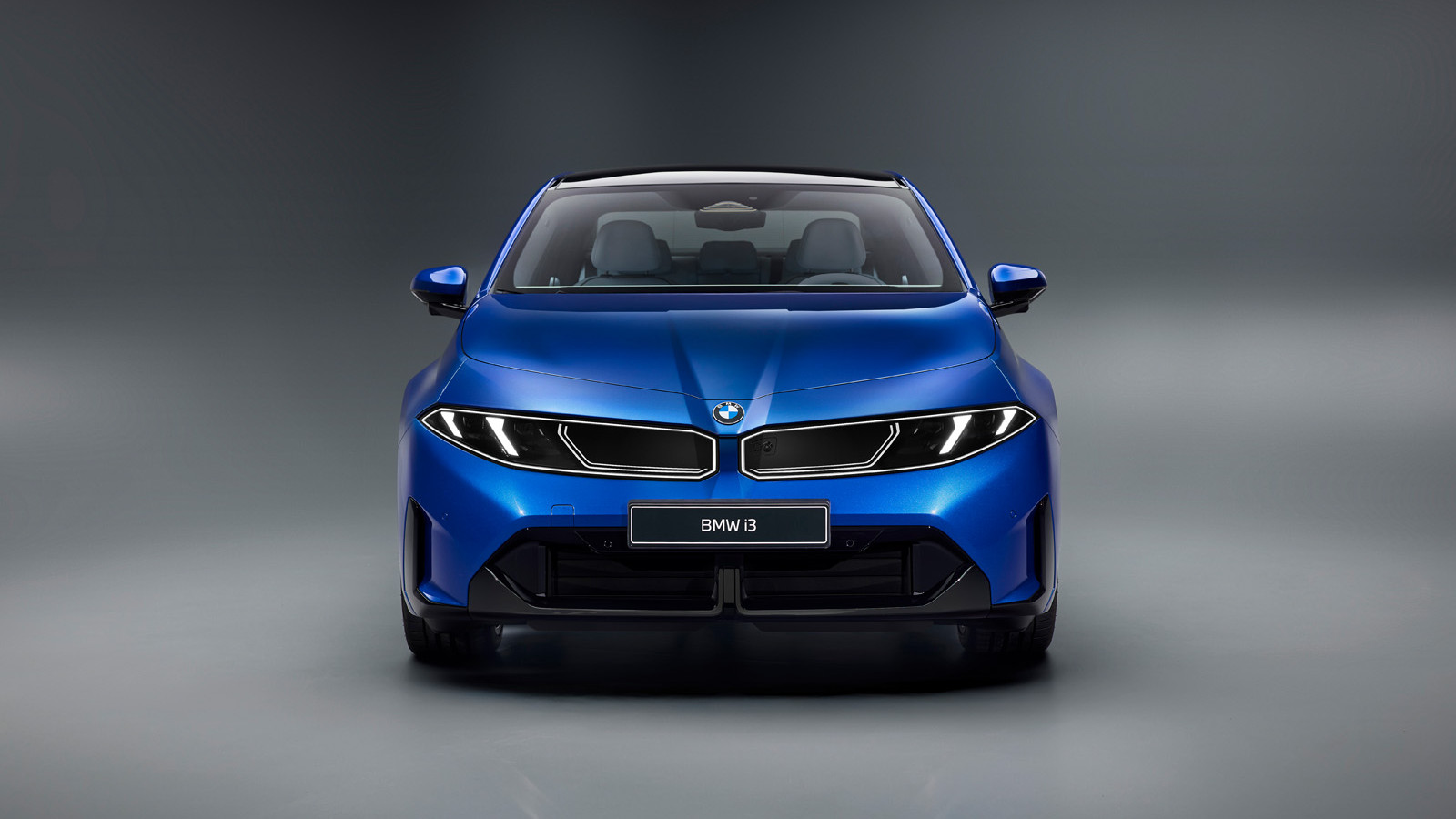
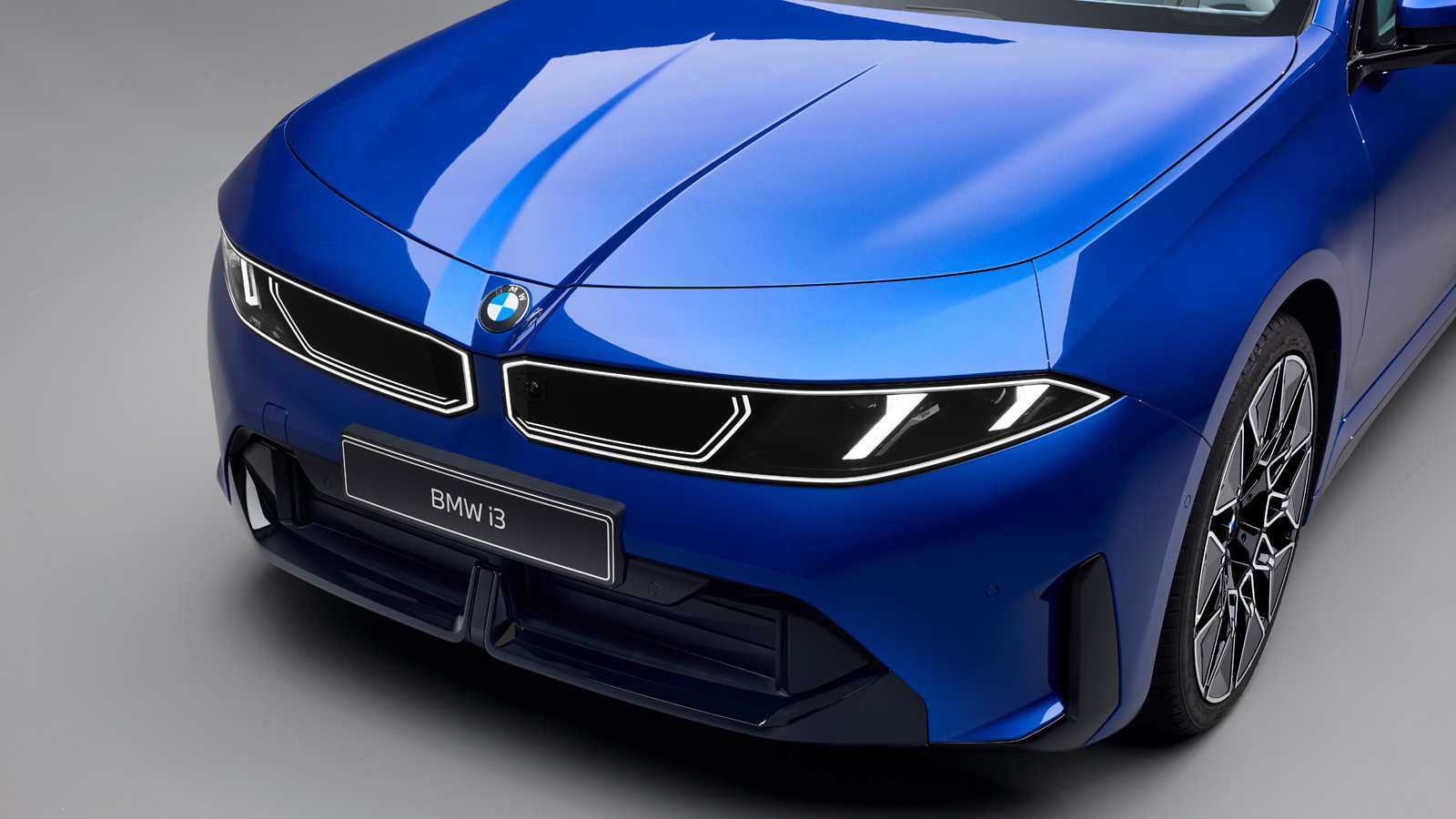
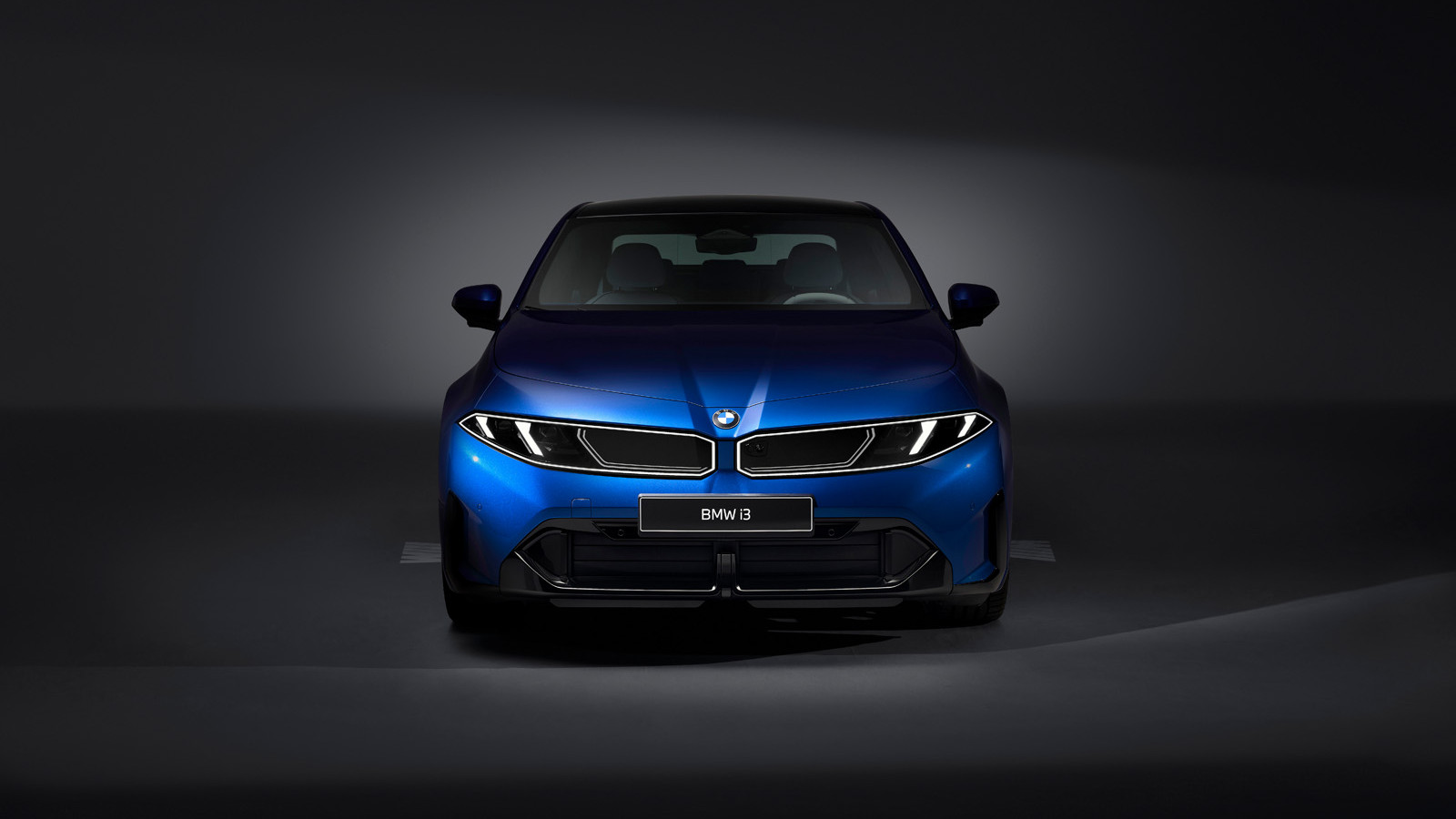
The new i3 shares much of its technical underpinnings with the iX3 SUV. Beneath the metal sits BMW’s new 800V EV-first Gen6 platform. Its aerodynamically optimised design features sporty proportions and an imposing front grille to match its larger counterpart.
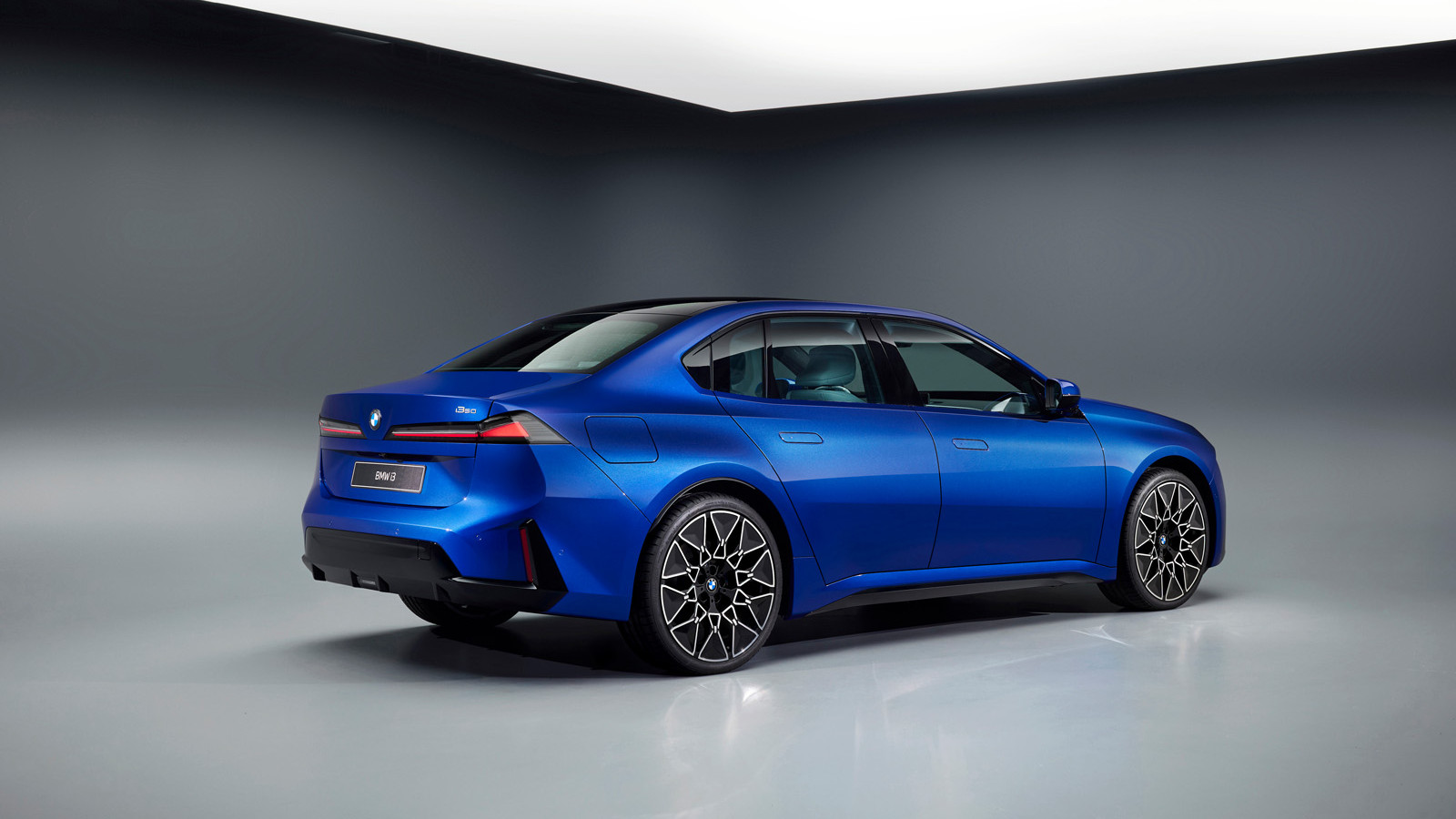
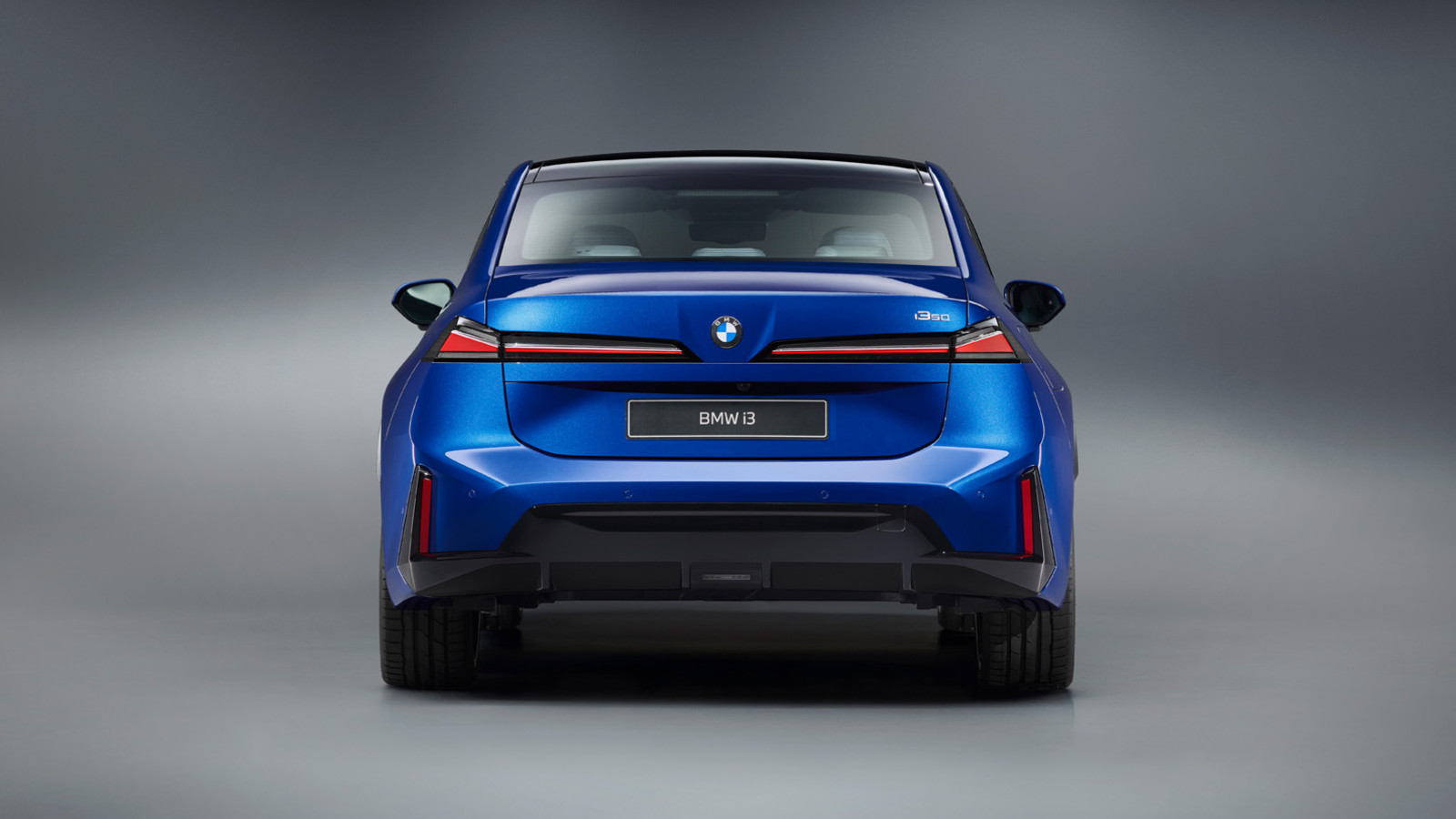
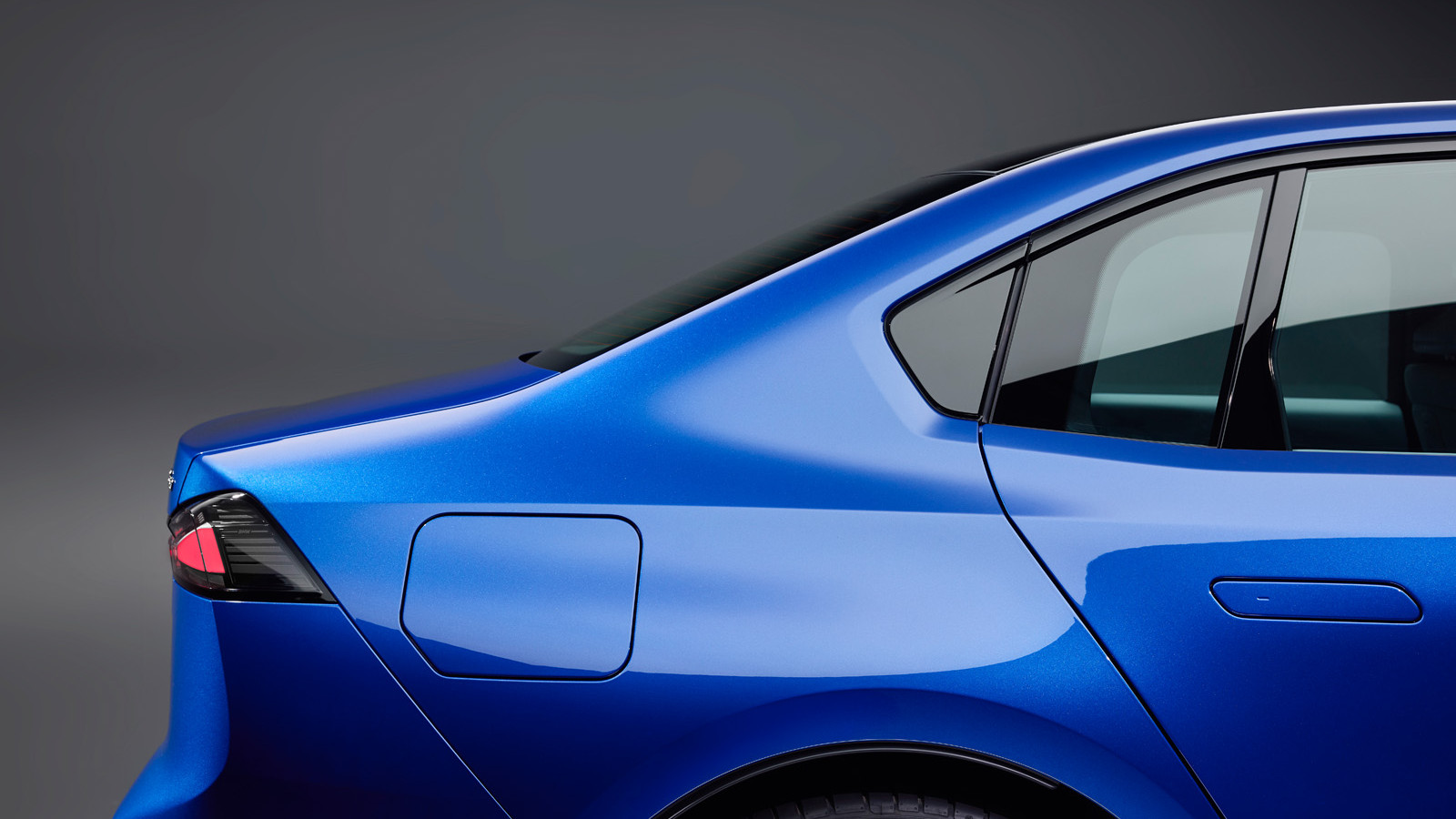
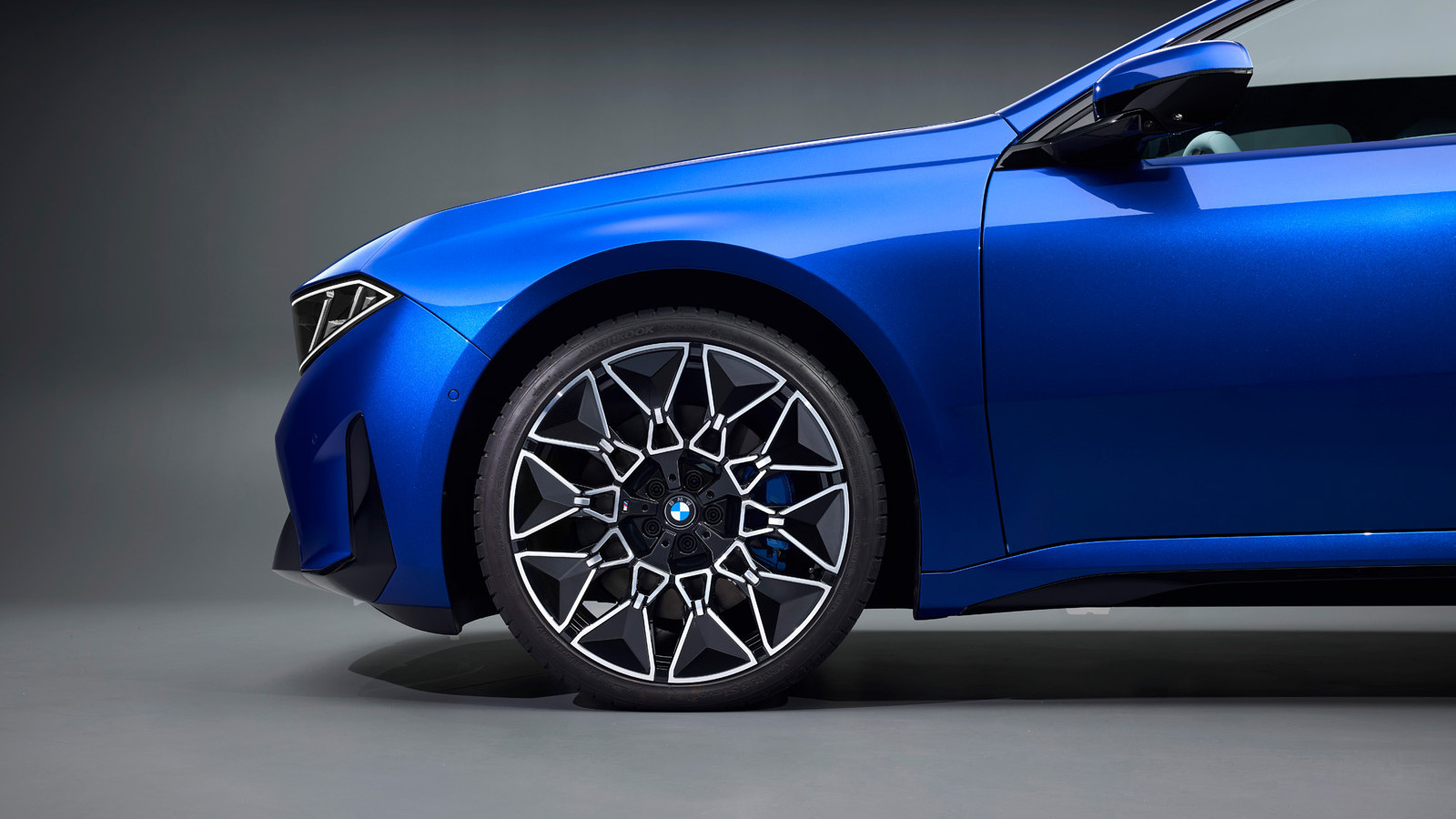
At the rear, the new i3 gets new lights and a horizontal light bar and flared wheel arches. BMW says this, partnered with a rear diffuser, emphasises the car’s sportiness. Indeed, the car is offered with advanced sports suspension, while adaptive dampers are available as an option.
Due for sale in August this year, the i3 will launch in 50 xDrive form, with other variants planned to arrive later. It's powered by a 108kWh battery with a staggering range of 900km (559 miles).
That means the i3 will have the longest range of any electric car on sale in Europe, surpassing the Volvo EX60’s 809km (503 miles) and the Mercedes-Benz EQS's 822km (511 miles). It’s also 59 miles more than the iX3, despite sharing the same battery.
Even when its battery is depleted, the i3 can charge at a maximum speed of 400kW, which recovers around 400km (249 miles) in just 10 minutes. AC charging is rated at 22kW.
Thanks to a pair of electric motors, the i3 50 xDrive delivers all-wheel drive, generating a combined 469bhp and 475lb ft of torque. A high-performance M3, previewed by the M HP BEV test mule, will arrive in 2028, promising to “set new standards” for electric performance.
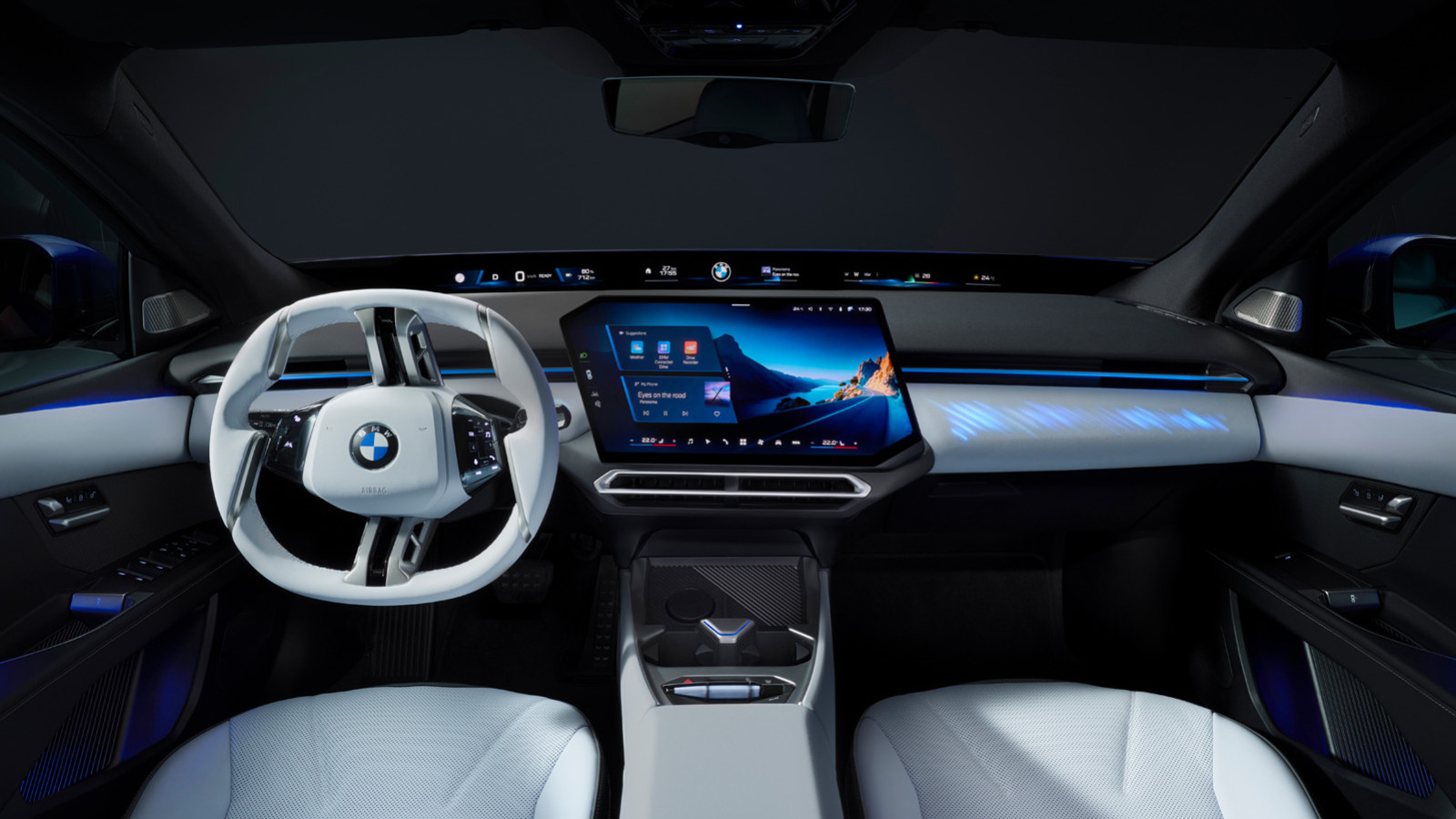
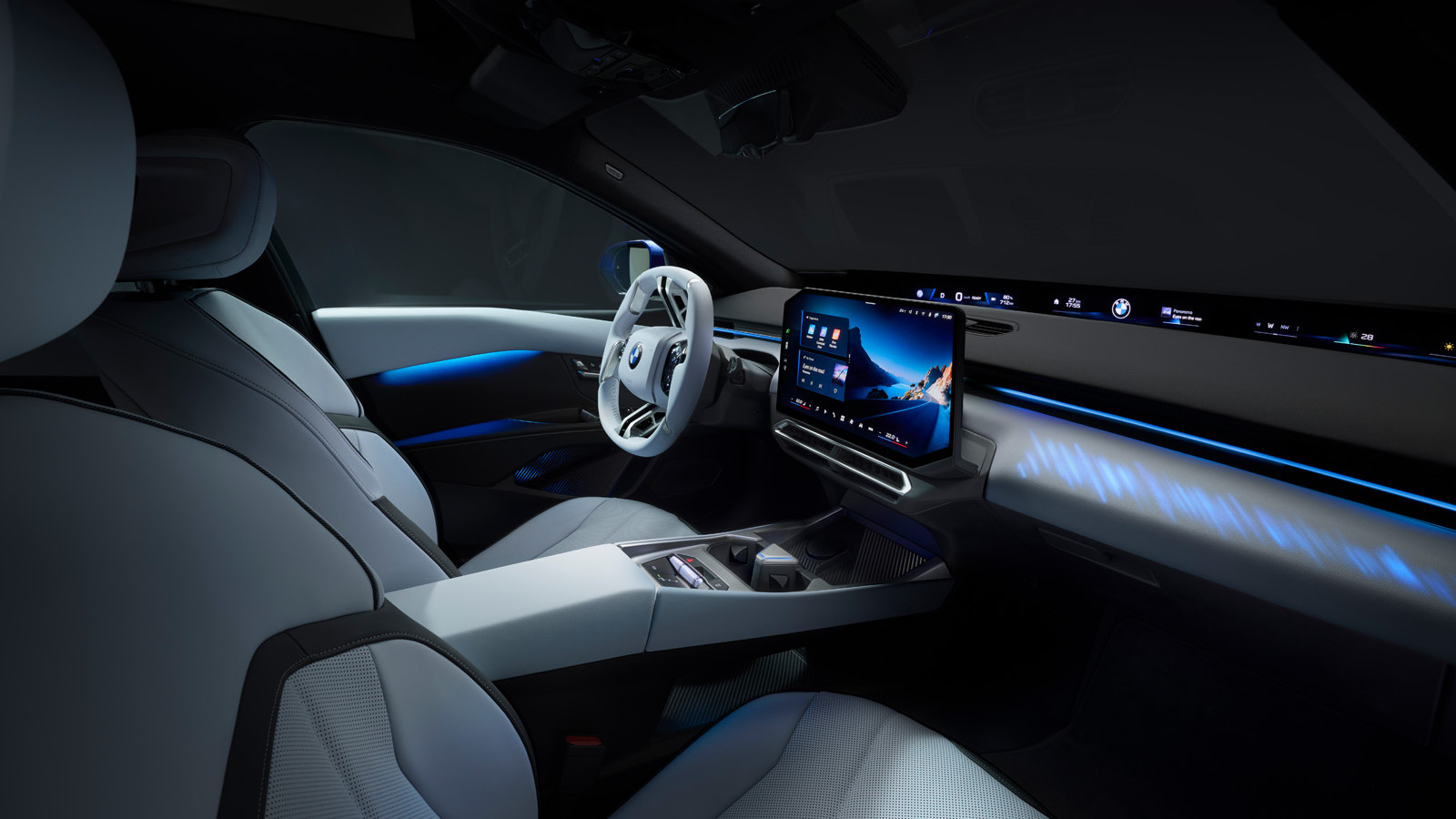
The i3 features one of the brand’s most technologically advanced cabins to date, with numerous digital screens, safety systems and driver-centric systems.
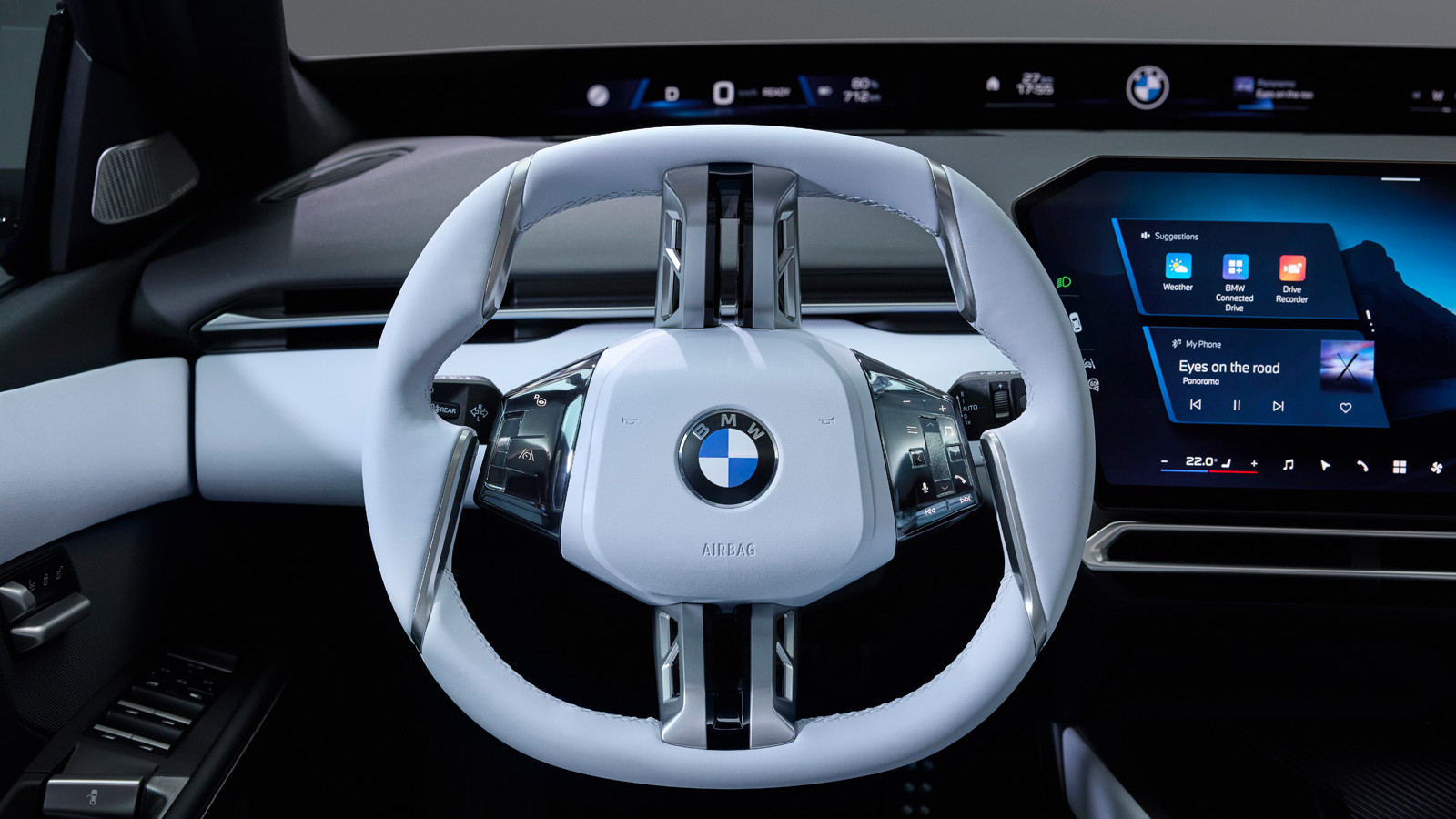
The company’s new Panoramic Vision system takes centre stage, measuring a huge 43.3 inches long. There’s also a large 17.9-inch central touchscreen display, combined with a multi-function steering wheel and BMW’s 3D head-up display.
BMW’s panoramic iDrive system is claimed to focus on “interactions between human and vehicle”. Corporate jargon aside, that means it combines bright digital displays with customisable widgets and BMW’s personal assistant. Many functions can be controlled by voice, aided by Amazon Alexa AI technology.
BMW has also installed its Heart of Joy system, which is ten times faster than its previous in-car operating systems. It can control the drive, brakes, steering, charging and brake recuperation, with minor control from the driver.
The new i3 will be built at BMW’s Munich factory.
The company hasn’t officially revealed how much it will cost just yet, but the company told Move Electric’s sister publication Autocar it would be similarly priced to the existing hybrid 3 Series, which is currently on sale for £47,185 (€54,624, $64,300).