
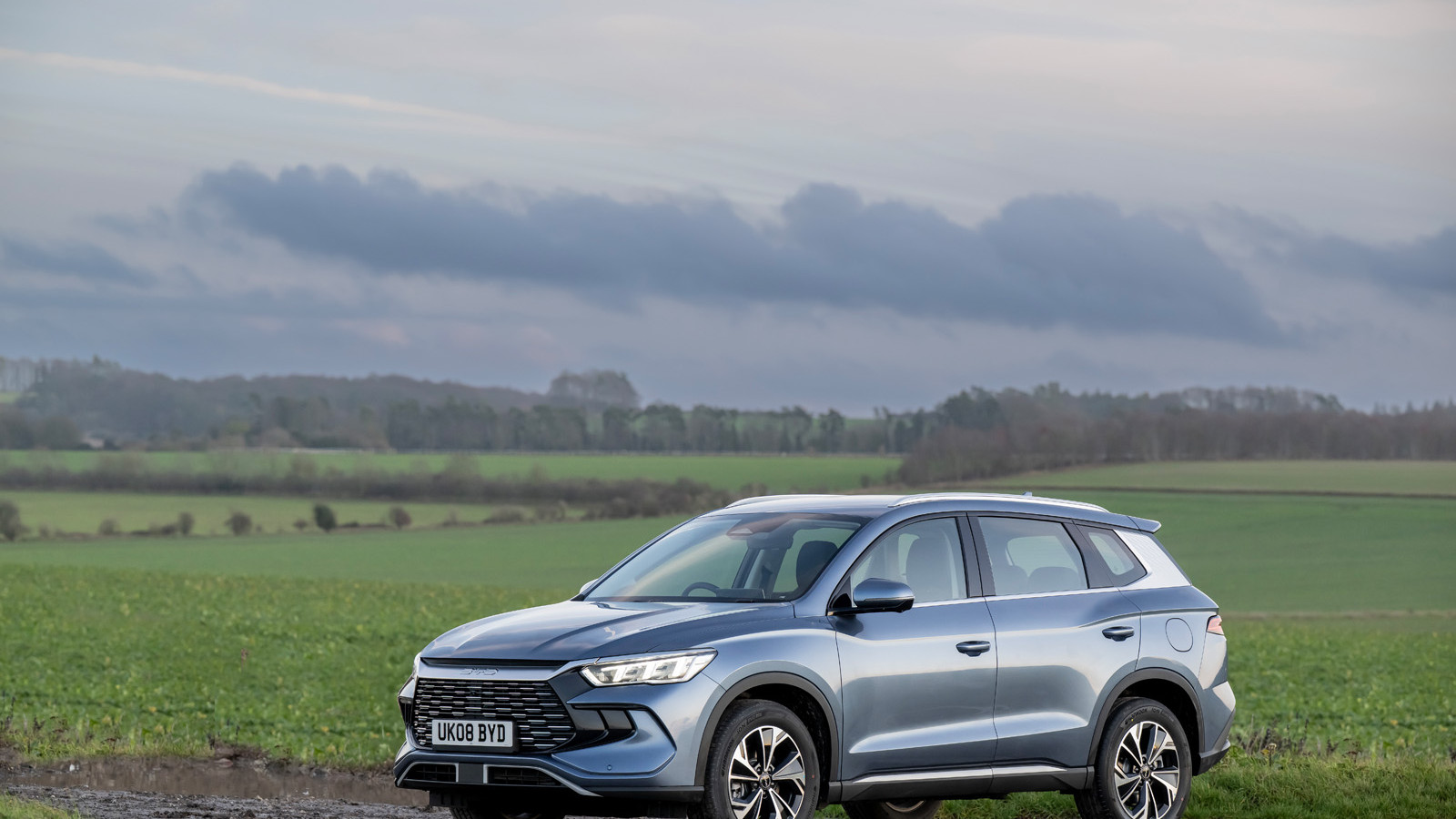
At Move Electric, we’re primarily interested in fully electric vehicles, but the consumer demand for plug-in hybrid models means they cannot be ignored.
BYD’s latest plug-in hybrid car is an incredibly important one, as it looks to seize a firmer grip on markets outside of its native China.
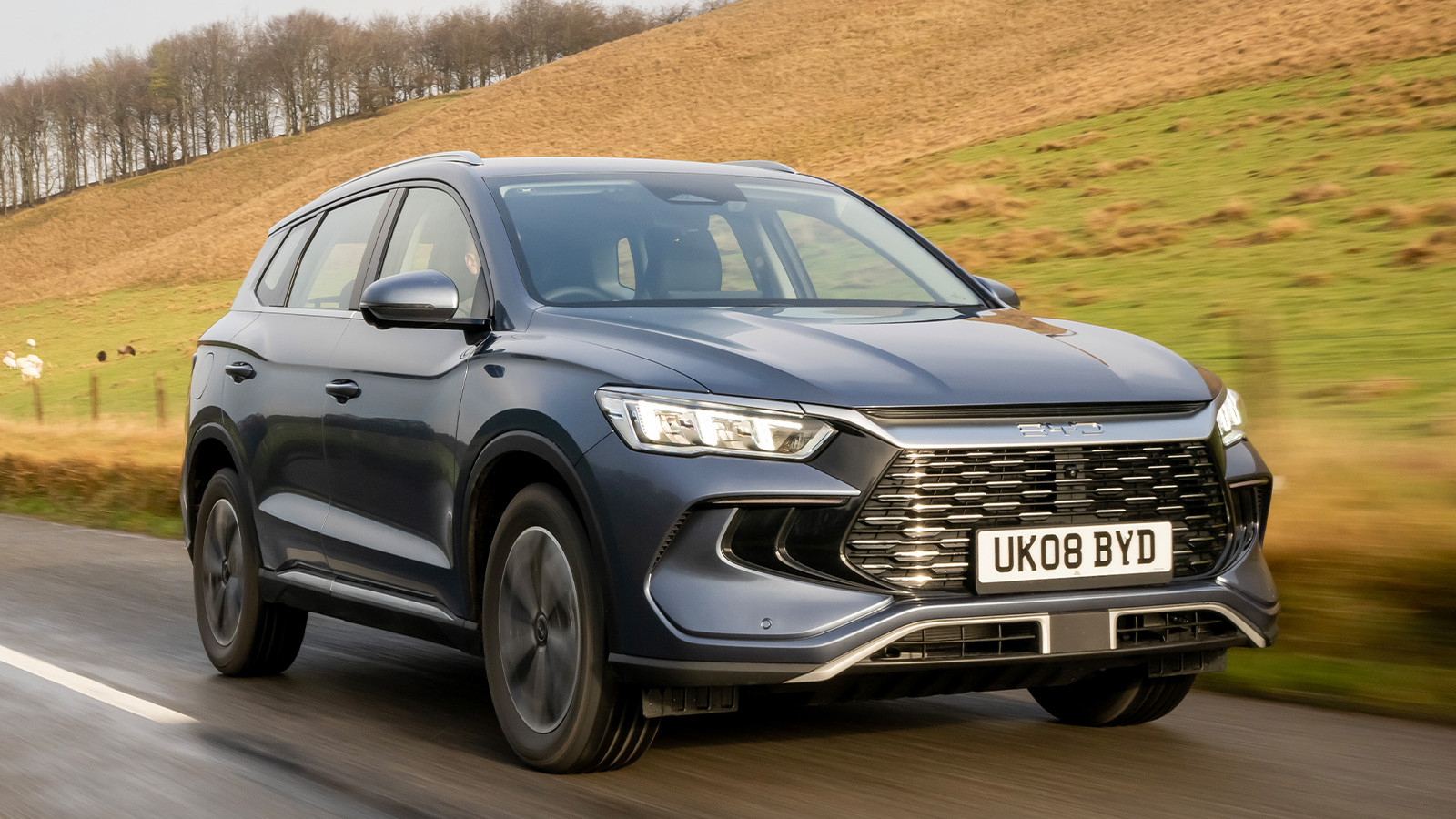
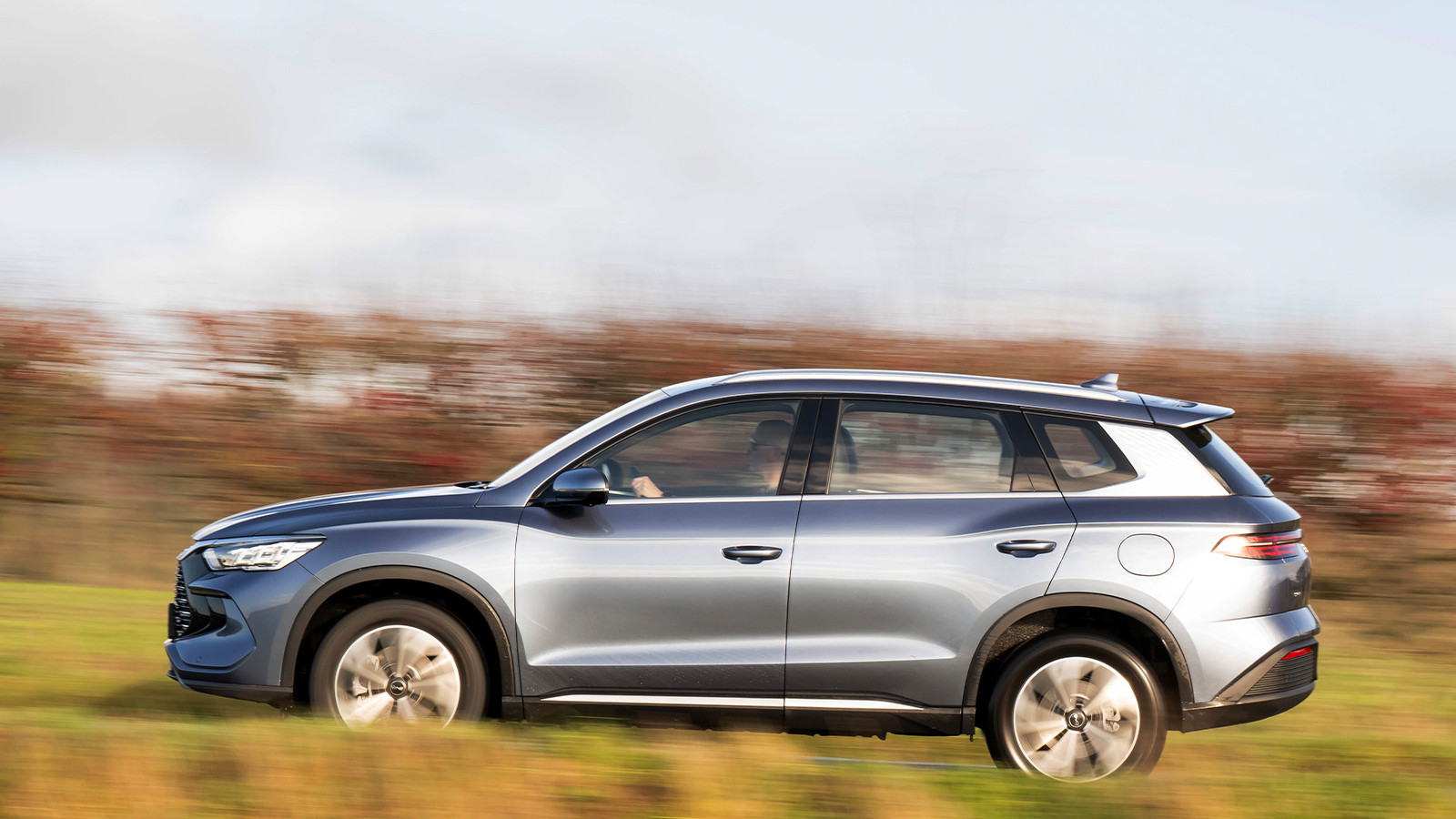
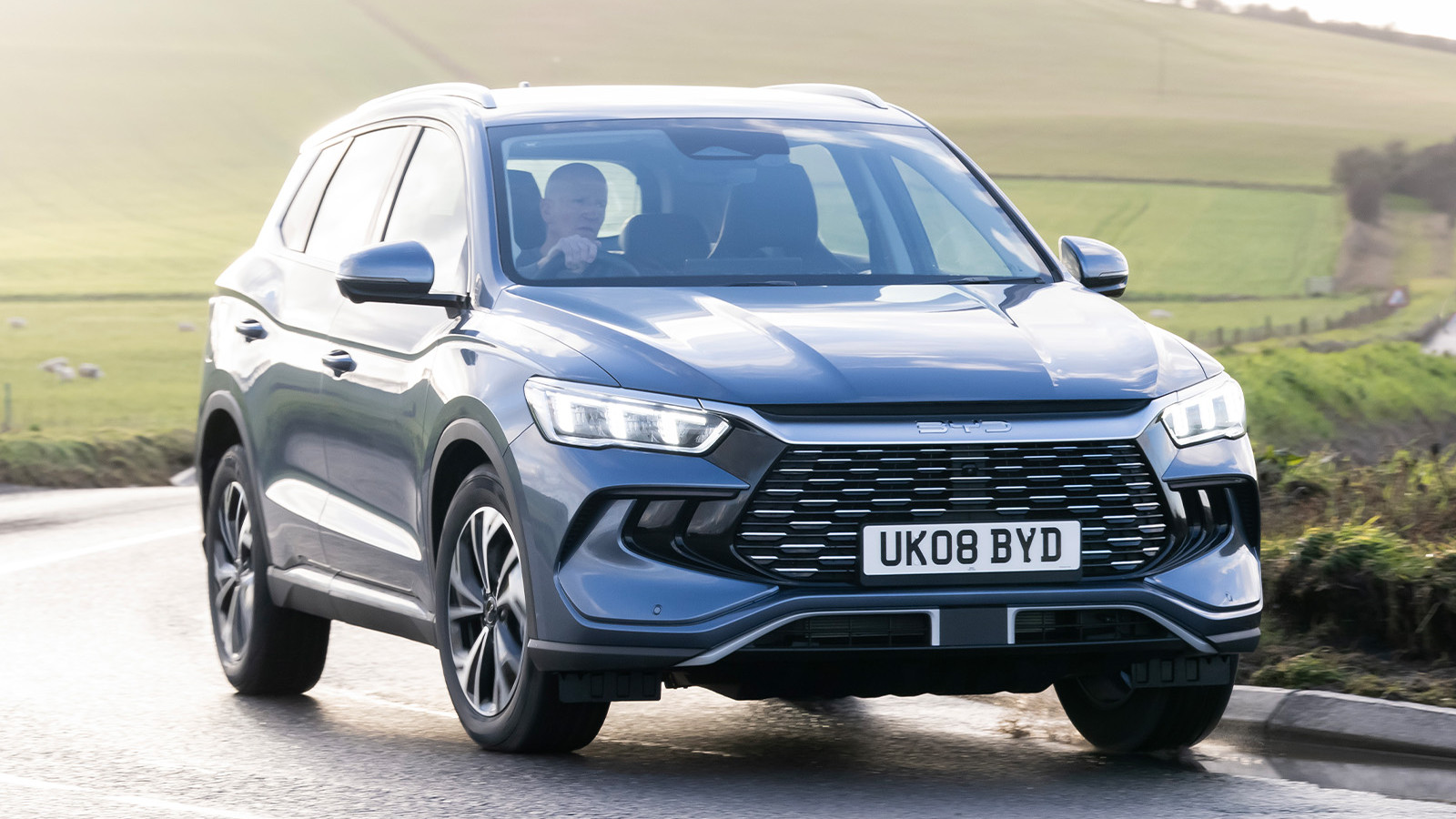
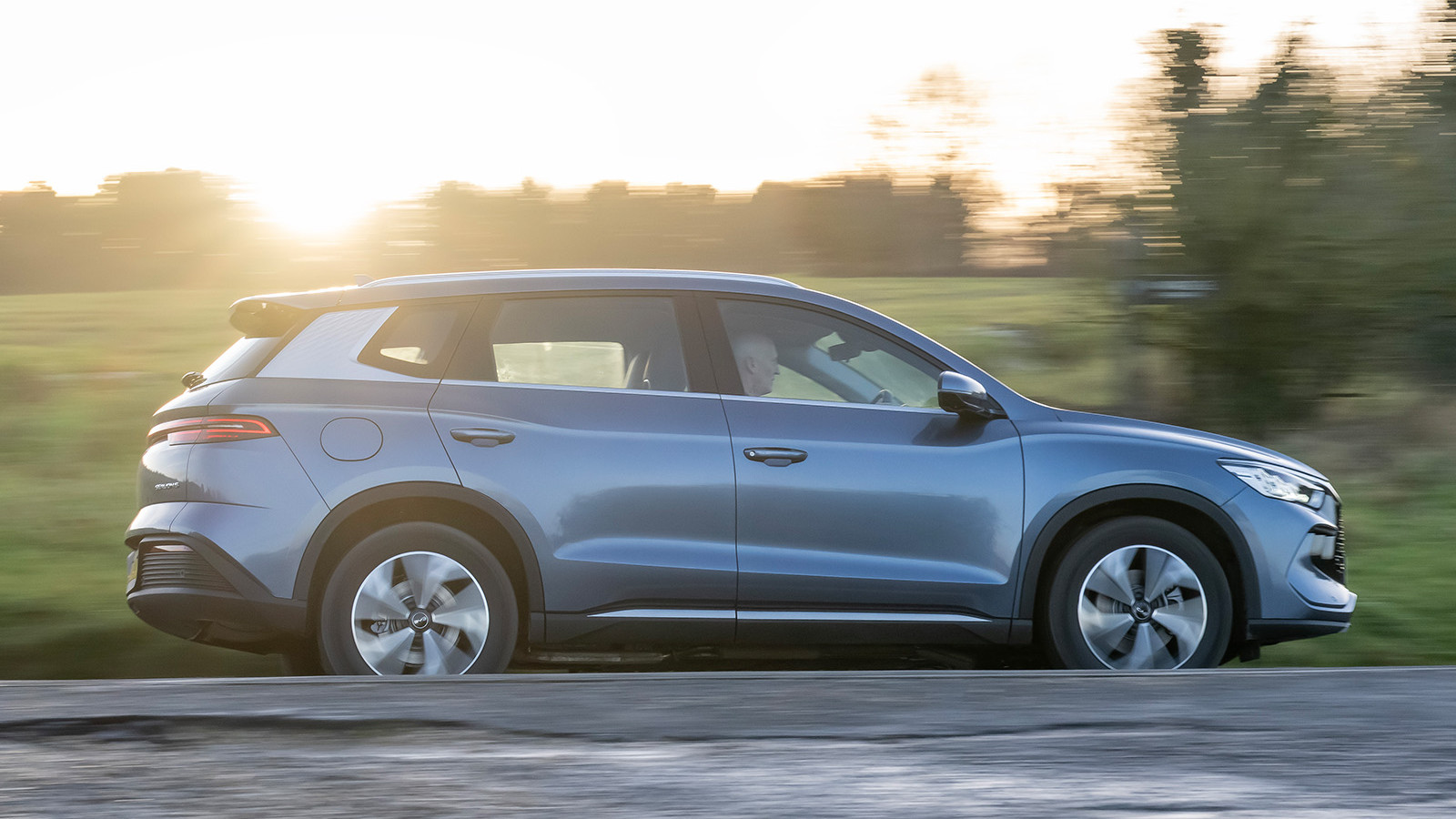
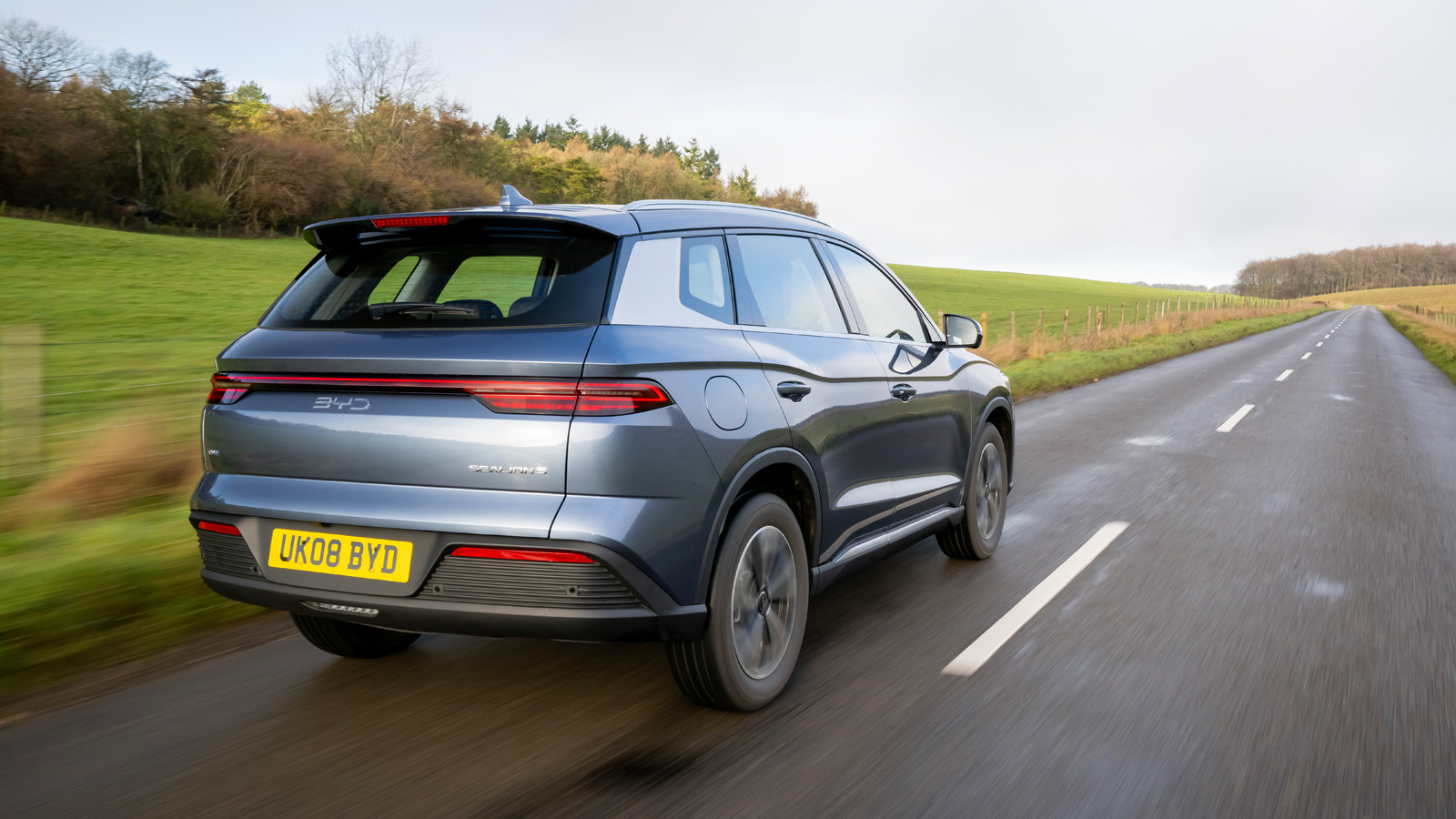
Named the BYD Sealion 5, you’d be forgiven for thinking this new car was just another high-riding, four-metre-long SUV. However, several key differences set this car apart from the Atto 3, the Seal U, and the Sealion 7.
The Sealion 5 is primed to become one of BYD’s best-selling cars by the end of 2026. Despite offering plug-in hybrid power and an affordable price, it still faces significant competition from the Kia Sportage, Nissan Qashqai, and Volkswagen Tiguan.
Should you choose a Sealion 5 over one of Europe’s elite car brands? Read on to find out.
The Sealion 5 comes with two engines, both with plug-in hybrid power. The entry-level Comfort model offers a total range of 991km (615 miles), with a 13kWh battery and 64km (40 miles) of electric-only driving.
The more expensive Design model gets an 18kWh battery with around 80km (50 miles) of electric range, for a total driving range of 1015km (630 miles).
Both versions of the Sealion 5 have a power output of 209bhp, with most of that from a 194bhp electric motor. The rest of the power comes from a 1.5-litre petrol engine with 95bhp.
The Sealion 5 is front-wheel drive, and the Comfort model will travel from 0-100kph (0-62mph) in 7.7 seconds, while the Design is slightly slower at 8.1 seconds.
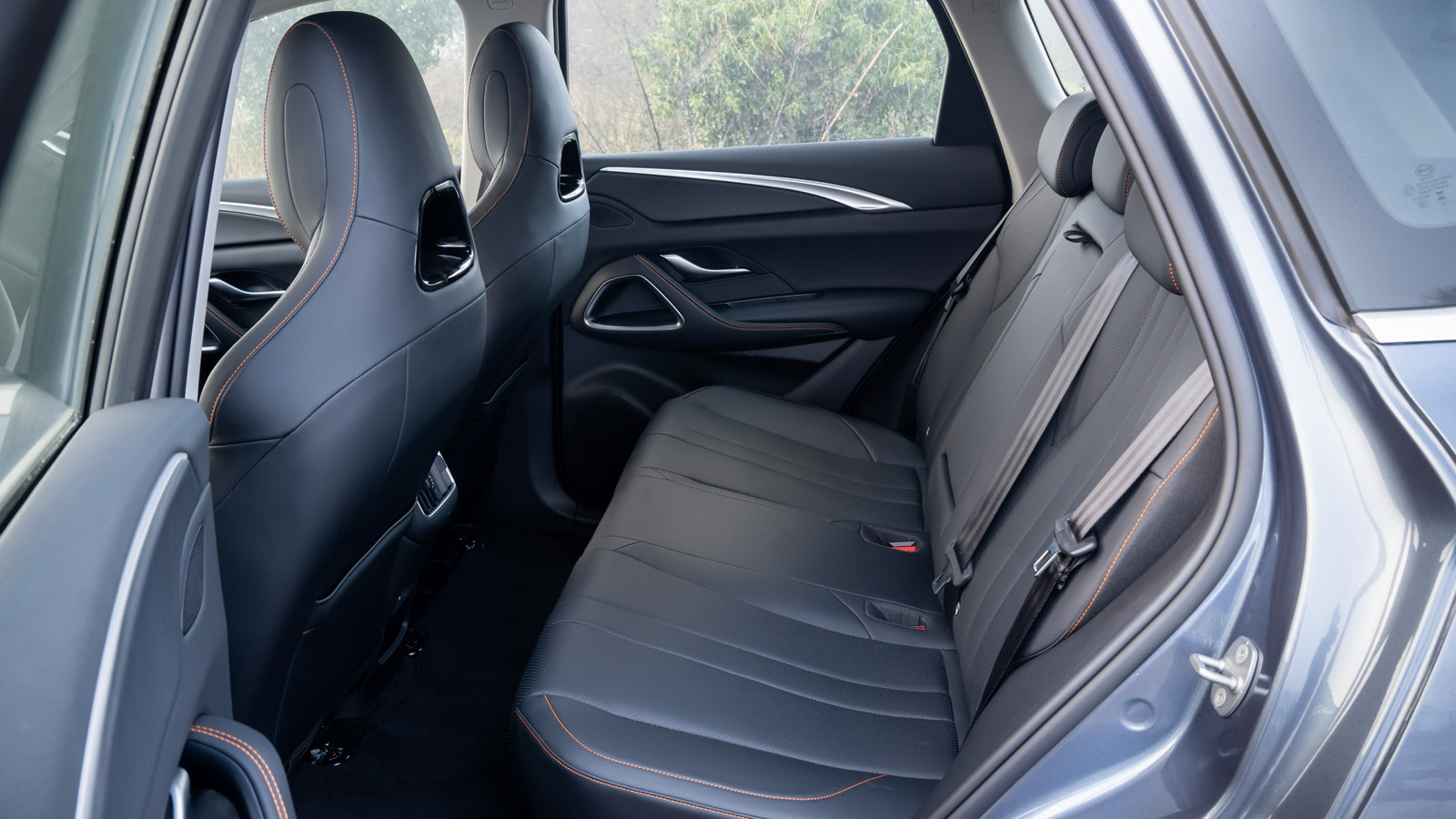
On paper, its efficiency is impressive. So is its practicality, which will surely stand out as a key selling point for many buyers, particularly those with families. The Sealion 5 is a big car for its class, with lots of space for passengers in the second row. People up to 6 feet 3 inches will be perfectly comfortable.
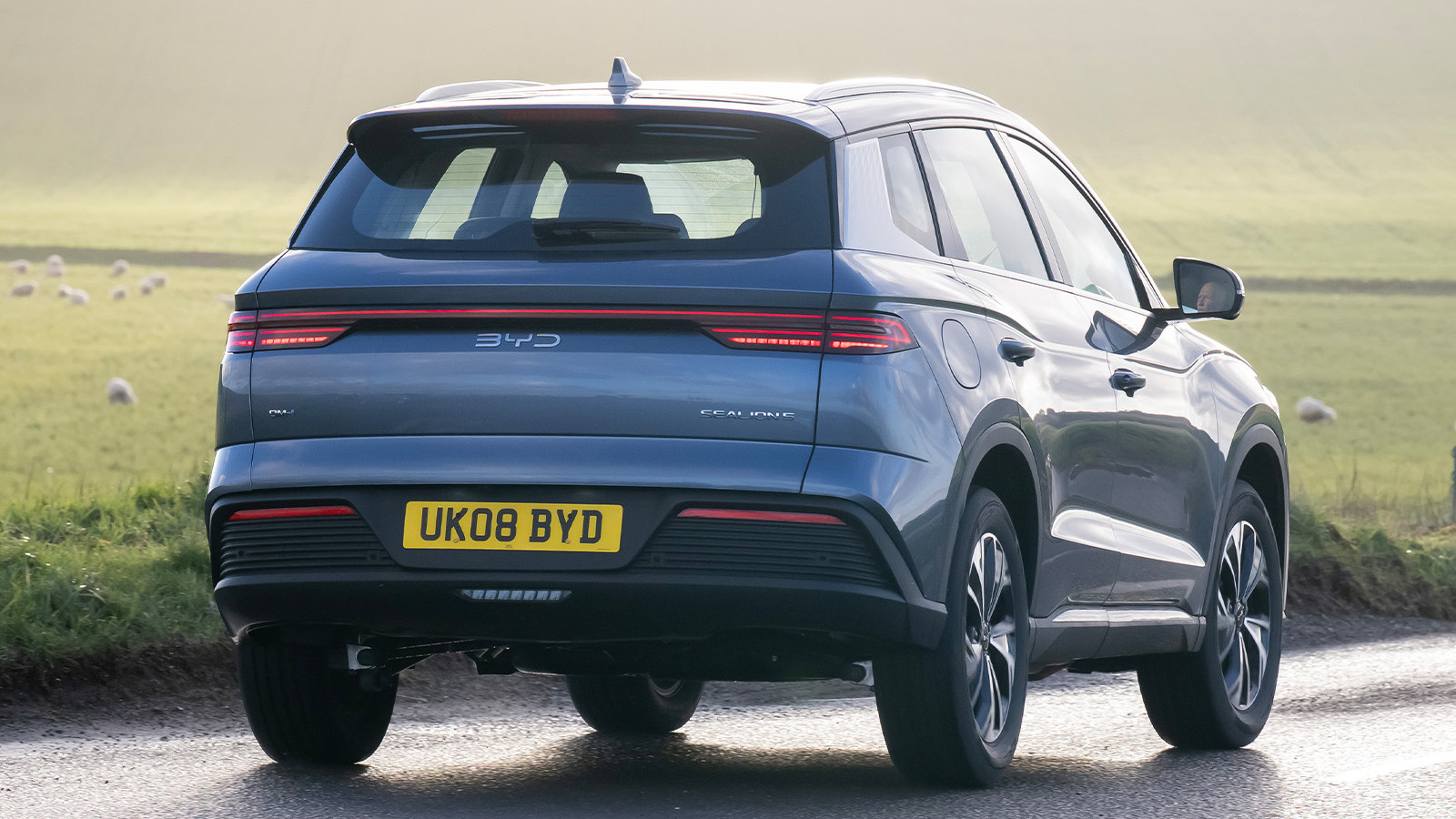
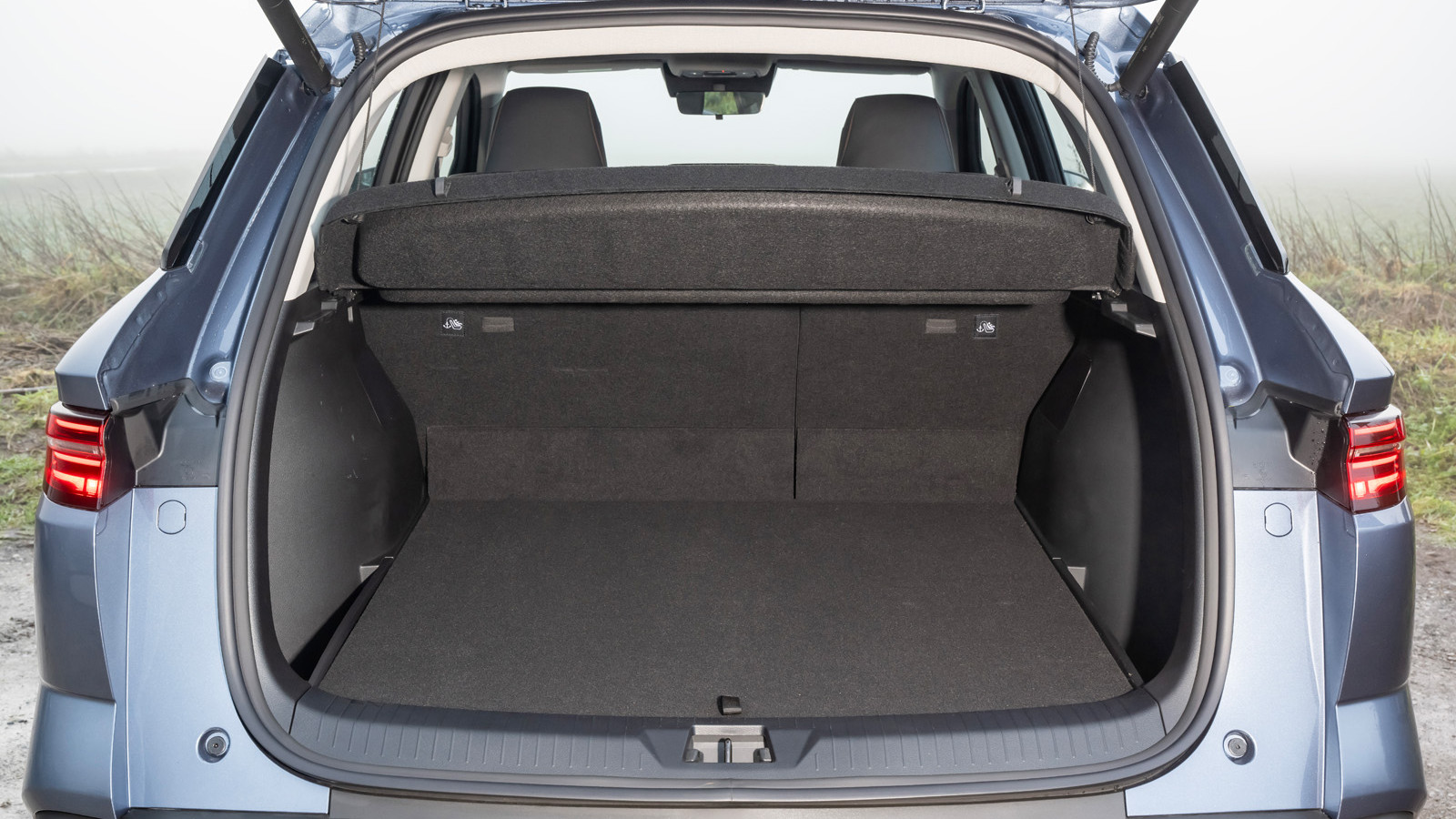
The boot isn’t quite as big as some rivals, measuring 463 litres. The Volkswagen Tiguan beats it with 520 litres, but it does offer more than the 448 litres in the MG HS. There’s no hiding the fact that some rivals have as much as 600 litres of space back there, though.
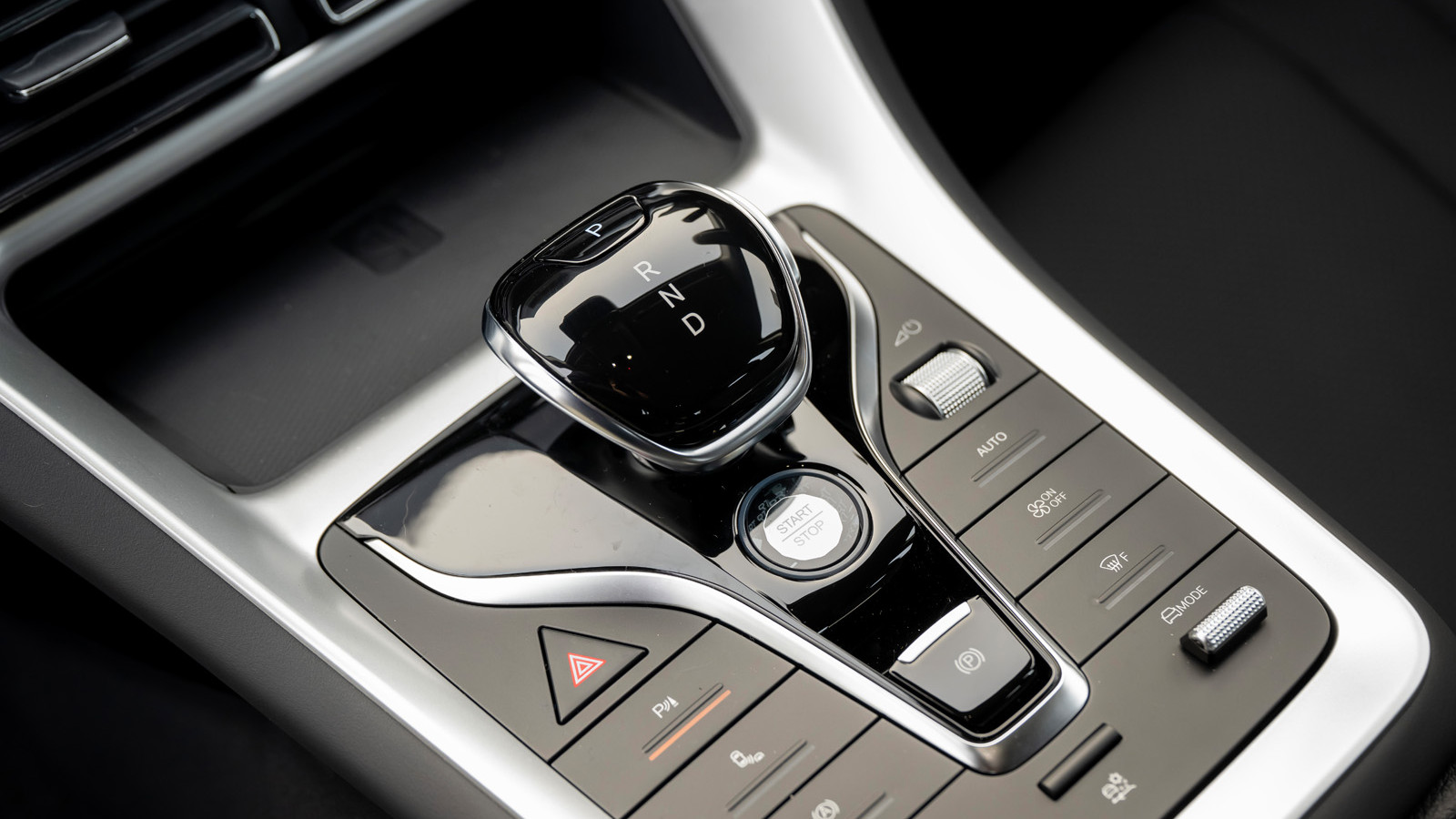
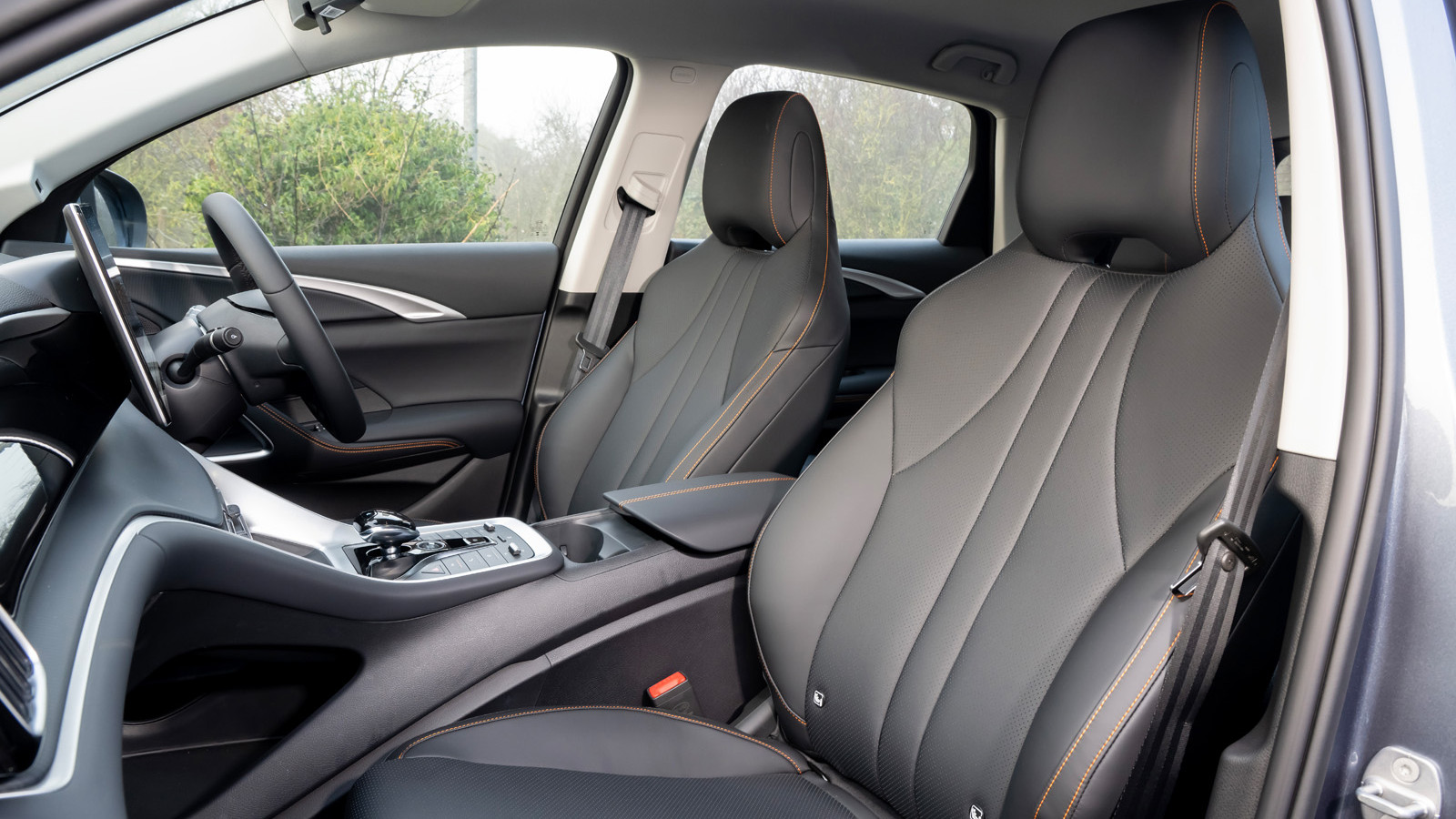
While space and economy appear to be competitive, the Sealion 5 can’t compete with many competitors for interior quality. There’s a lack of premium materials, with some cheap-feeling fittings, including the air vents and column stalks. The seats also lack adjustability, and the vegan leather upholstery feels a bit too much like plastic for our tastes.
That said, the Sealion 5 has a lot of buttons to use, which many of its rivals have felt necessary to lose. It makes for a much simpler driving experience. The 12.8-inch touchscreen is clear and packed with features, but there are a few too many menus to navigate through.
But what’s the Sealion 5 like on the road? It’s a car heavily defined by its hybrid system, and its petrol engine is very quiet when in use. The electric motor is on hand to deliver most of the power, meaning the Sealion 5 is smooth to accelerate and reasonably fast in most scenarios.
On winding roads, the Sealion 5 handles well, but is not exciting. It rides reasonably well, too, especially at lower speeds. As you progress through faster country roads, things become a bit more unsettled and bouncy, but there’s no such qualm when on the motorway. In short, it will be more than suitable for most drivers in most situations.
In its cheapest form, the Sealion 5 undercuts the MG HS and Jaecoo 7. It also matches the Chery Tiggo 7. More impressively, the car is around 20% cheaper in its more expensive Design form than equivalent rivals from more premium and better-established car makers. Few cars will beat the Sealion 5 for value.
We also tested efficiency. In hybrid running with the engine on, we easily recorded between 4.7 l/100km and 3.92 l/100km (50mpg to 60mpg). In electric mode, we achieved 72km (45 miles) on a charge. That’s not too bad for a car of the Sealion 5’s weight and size.
While the BYD Sealion 5 is less eyecatching than some of its key rivals, it fulfils its role really rather well. Yes, it’s lacking the premium interior finish of some key rivals, but it’s very practical, economical and spacious - all of which make it a very well accomplished family SUV. Add in some capable handling and reasonable ride quality, and you have a very decent car.