
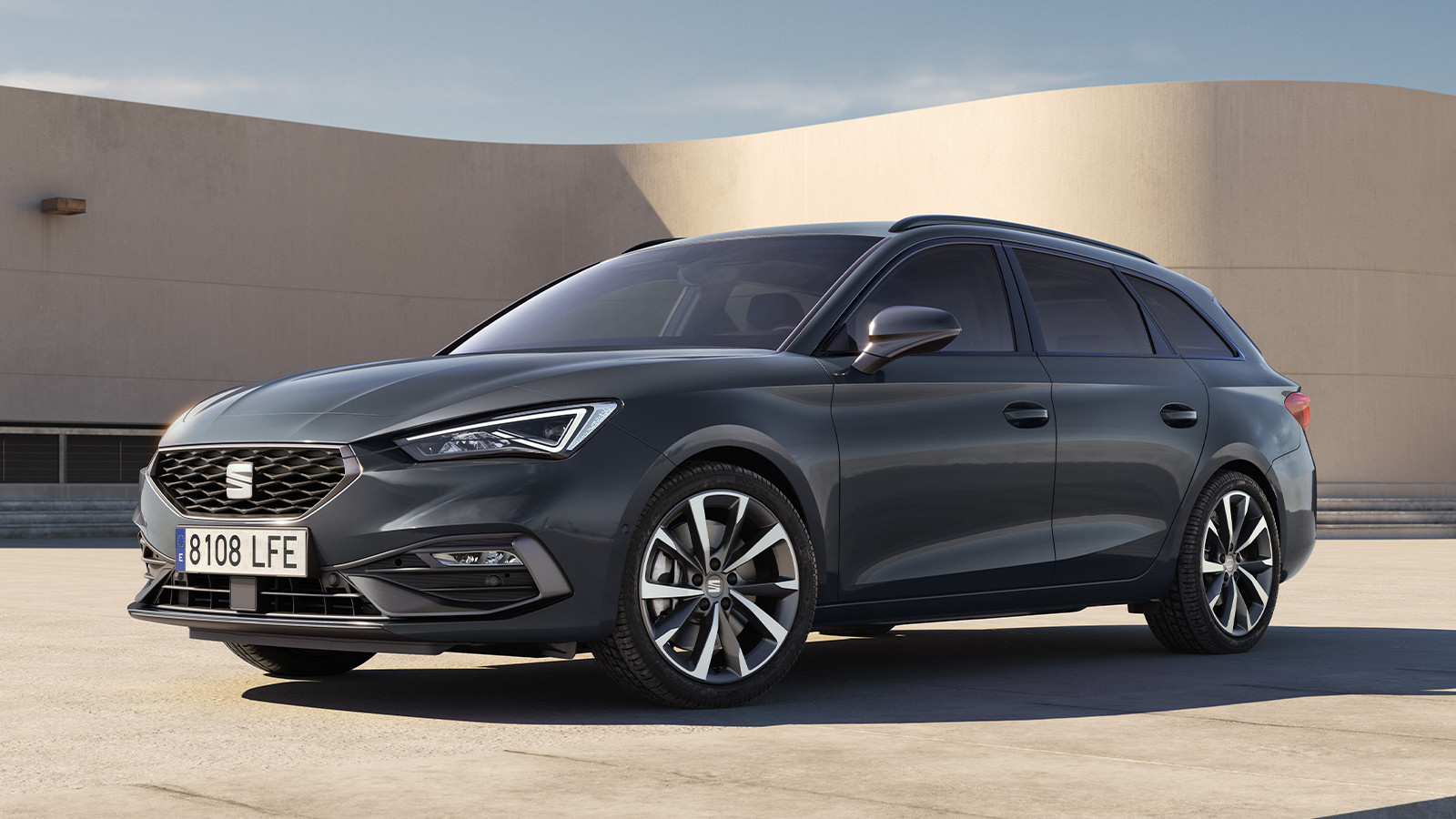
Seat Leon - 131km (82 miles)
Likewise, the Seat Leon e-Hybrid features the same battery as the Skoda Superb Estate and Volkswagen Passat.
Range is rated at 131km (82 miles), which puts Seat’s car into the ranks of the highest performing plug-in hybrids.
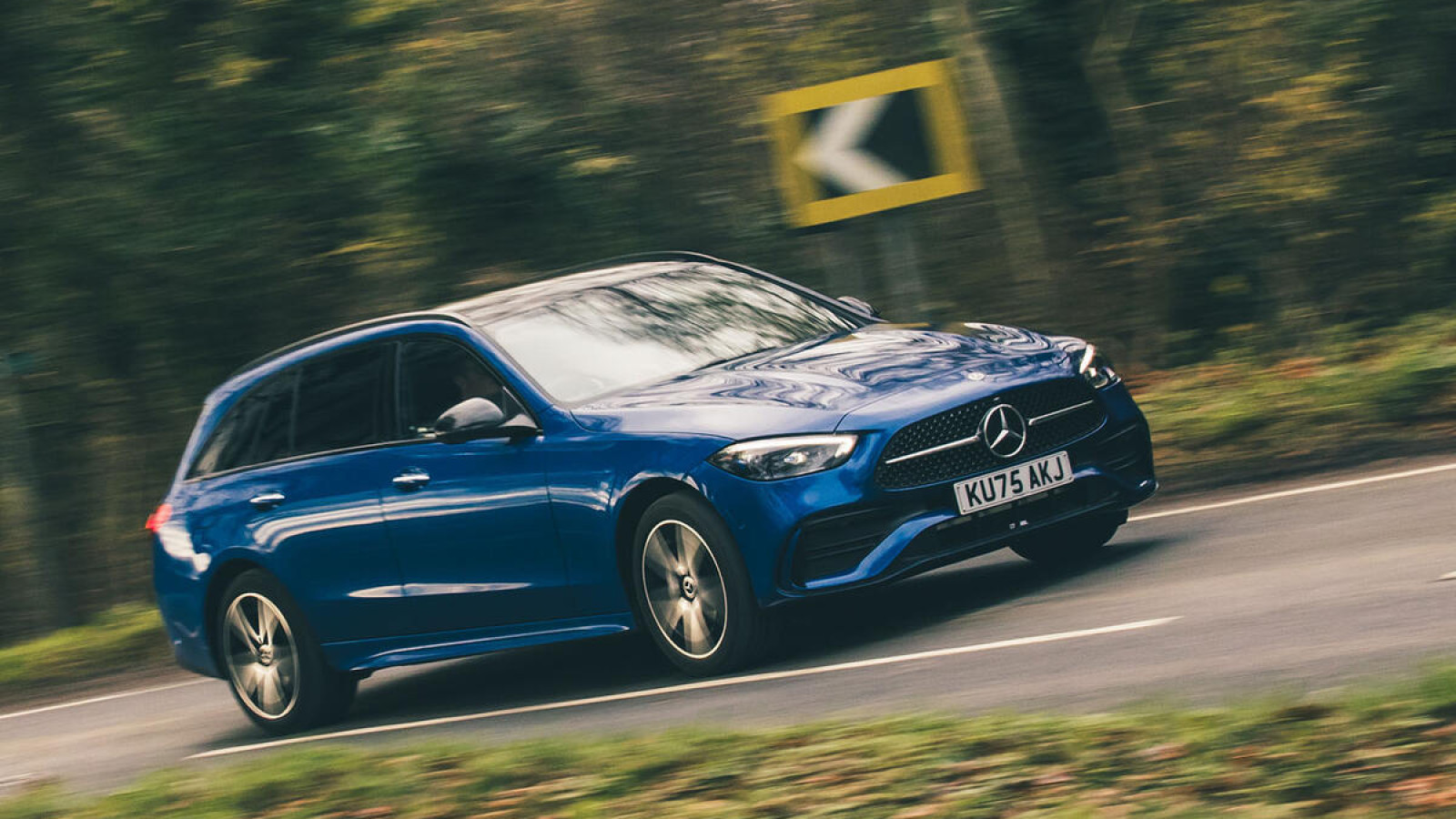
Mercedes-Benz C300e - 109km (68 miles)
The Mercedes C-Class comes with a choice of two plug-in hybrid powertrains.
If you’re looking for long range, the C300e gets a 25.4kWh battery - almost double the capacity of the entry-level car.
Mercedes claims a range of 109km (68 miles) on battery power alone, which is seriously competitive in the plug-in hybrid estate market.
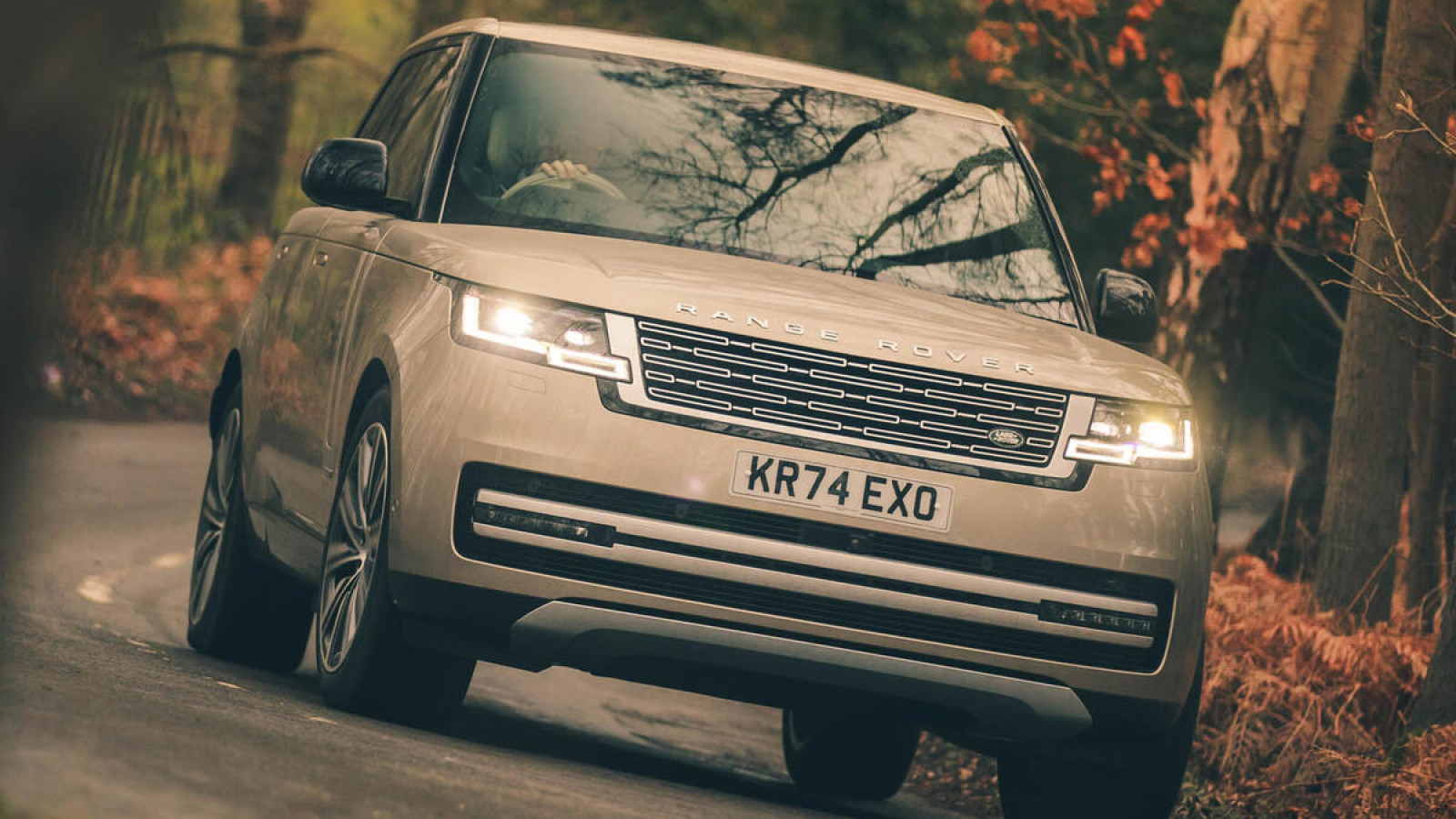
Range Rover/Range Rover Sport - 117km (73 miles)
How’s this for opulence? The Range Rover and its sportier counterpart, the Range Rover Sport, offer 117km (73 miles) of electric-only range.
There are two versions available, both combining a 3.0-litre straight-six turbocharged petrol engine with a 141bhp electric motor that’s fed by a 38.2kWh battery.
In the P440e model, this combination produces 434bhp and 620Nm of torque, while the P510e version gets a more powerful petrol engine, offering drivers 503bhp and 700Nm of torque.
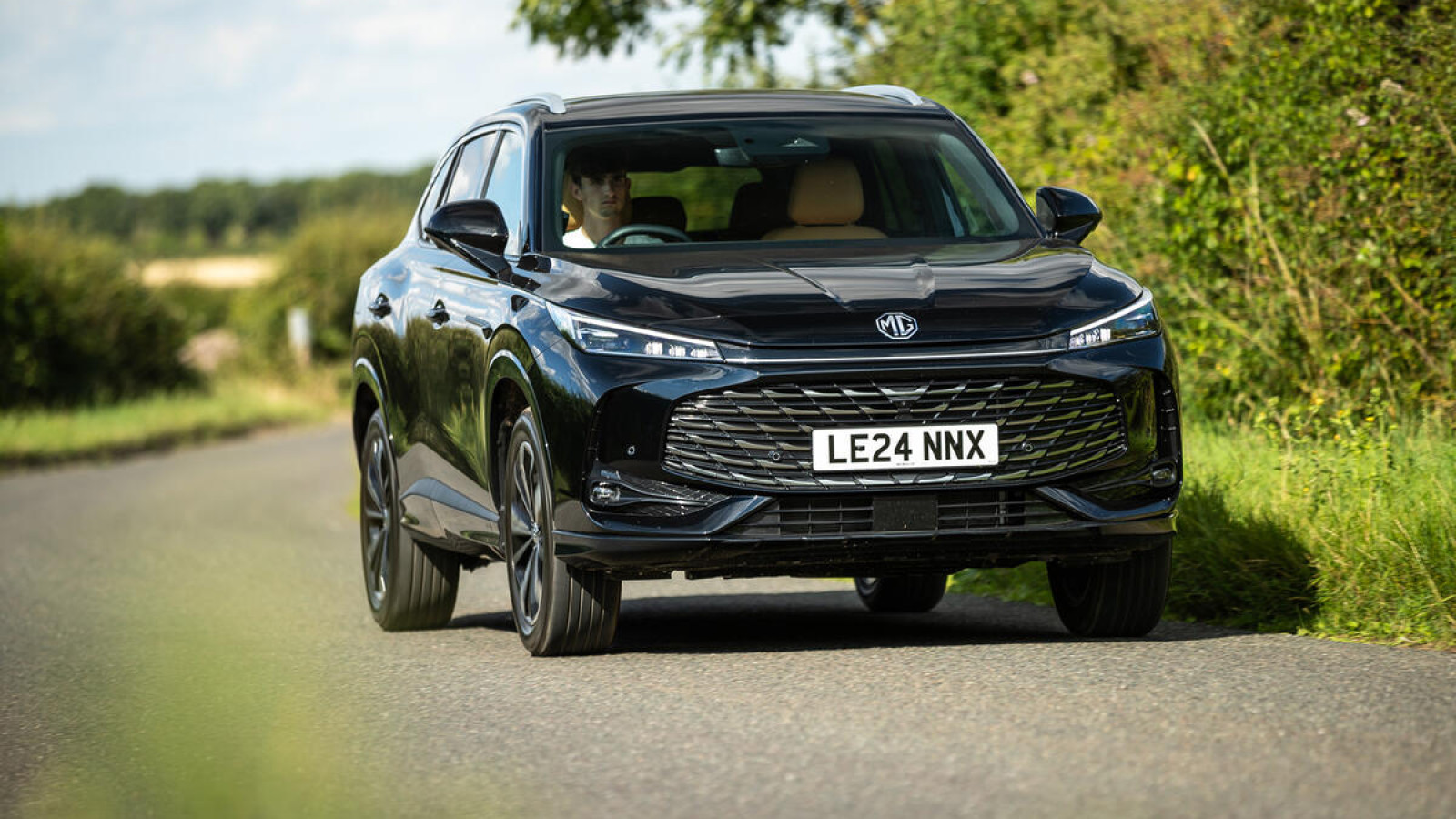
MG HS PHEV Trophy - 120km (75 miles)
The MG HS plug-in hybrid is one of the longest-range Chinese cars on sale, and one of the cheapest PHEVs.
A large 25kWh battery produces an impressive 75 miles of electric range, which makes it one of the longest range plug-in hybrid SUVs.
The battery is combined with a 1.5-litre turbocharged petrol engine, a 207bhp primary electric drive motor and a second starter-generator, for total system outputs of 295bhp and 258lb ft.
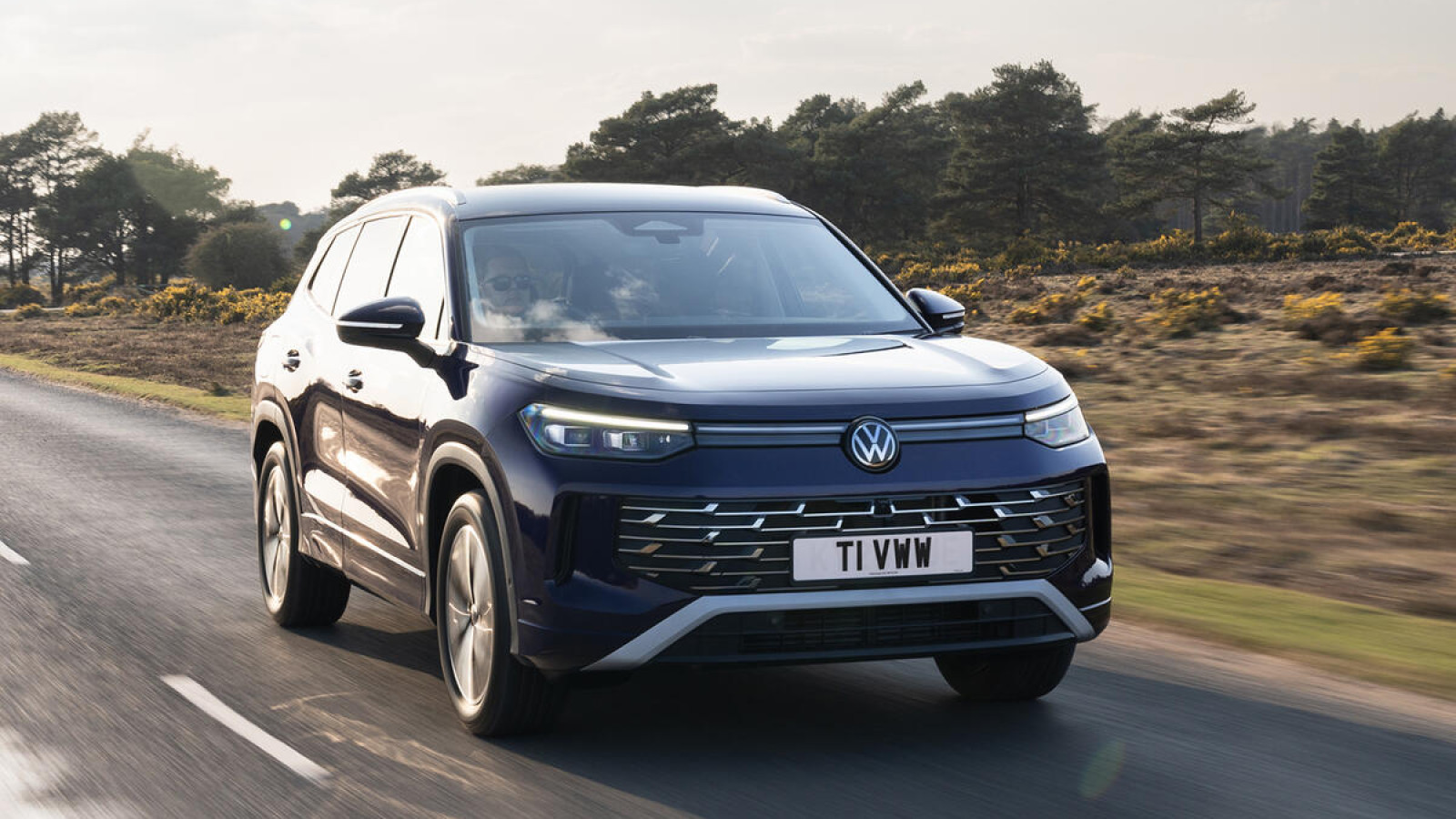
Volkswagen Tayron - 120km (75 miles)
The Tayron is yet another option from the Volkswagen Group, which comes with a 19.7kWh battery. Volkswagen claims a range of 120km (75 miles).
Usually available with seven seats, the plug-in hybrid Tayron loses that option due to the position of the battery.
Boot space capacity varies by model: petrol and diesel five-seaters offer 885 litres, seven-seaters provide 850 litres (or 345 litres with the third row raised), and the five-seat-only PHEVs have 705 litres.
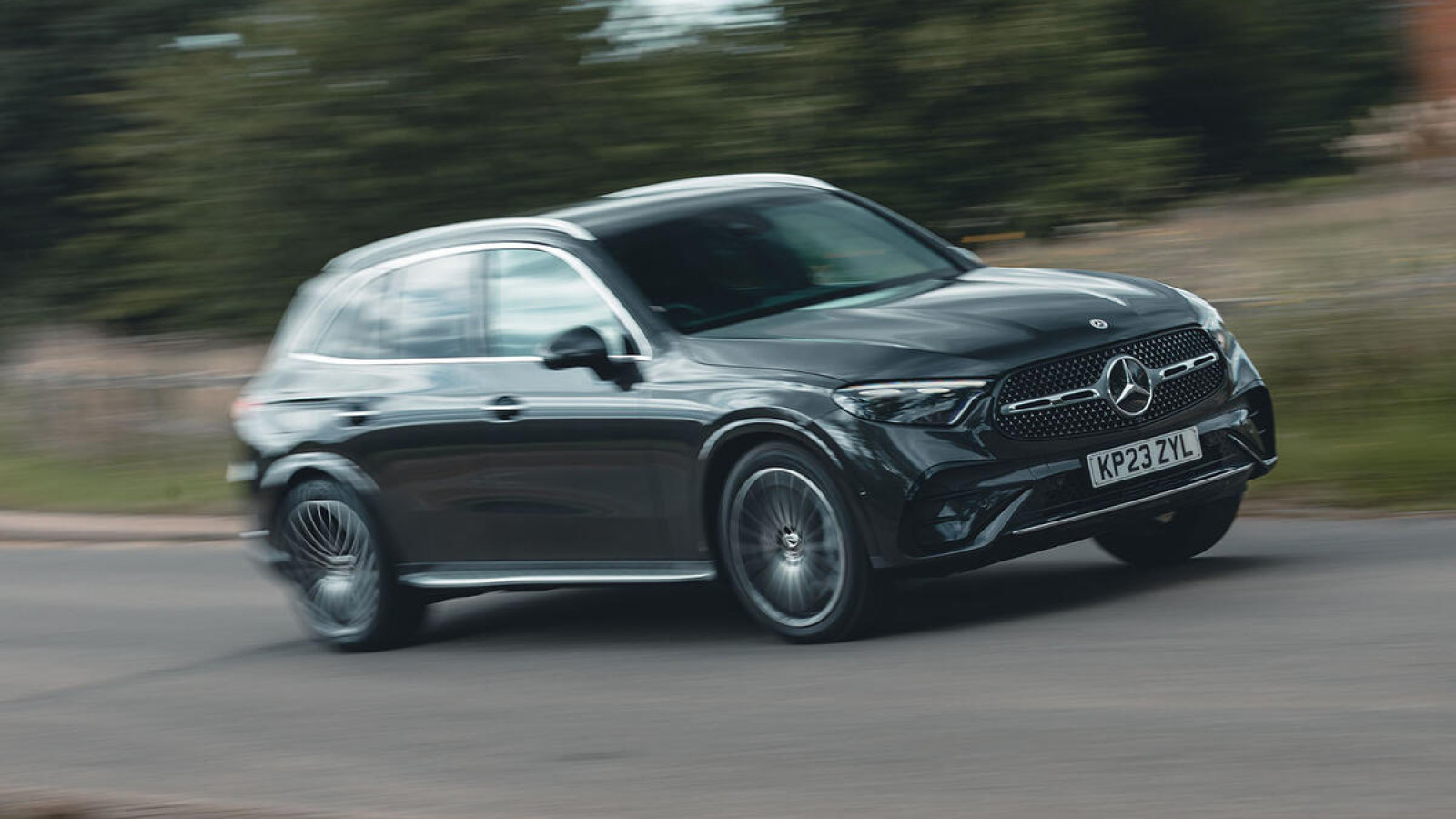
Mercedes-Benz GLC - 120km (75 miles)
The Mercedes-Benz GLC is one of the most premium models on this list, offering a blend of driving refinement, a quiet drive and a comfortable ride.
A huge 31kWh battery produces 120km (75 miles) of electric range, and Mercedes claims a driving economy figure of 565mpg.
The GLC is one of the most practical cars on the list too, with lots of passenger space plus a boot measuring 395 litres with the rear seats up or 1,445 litres when folded flat.
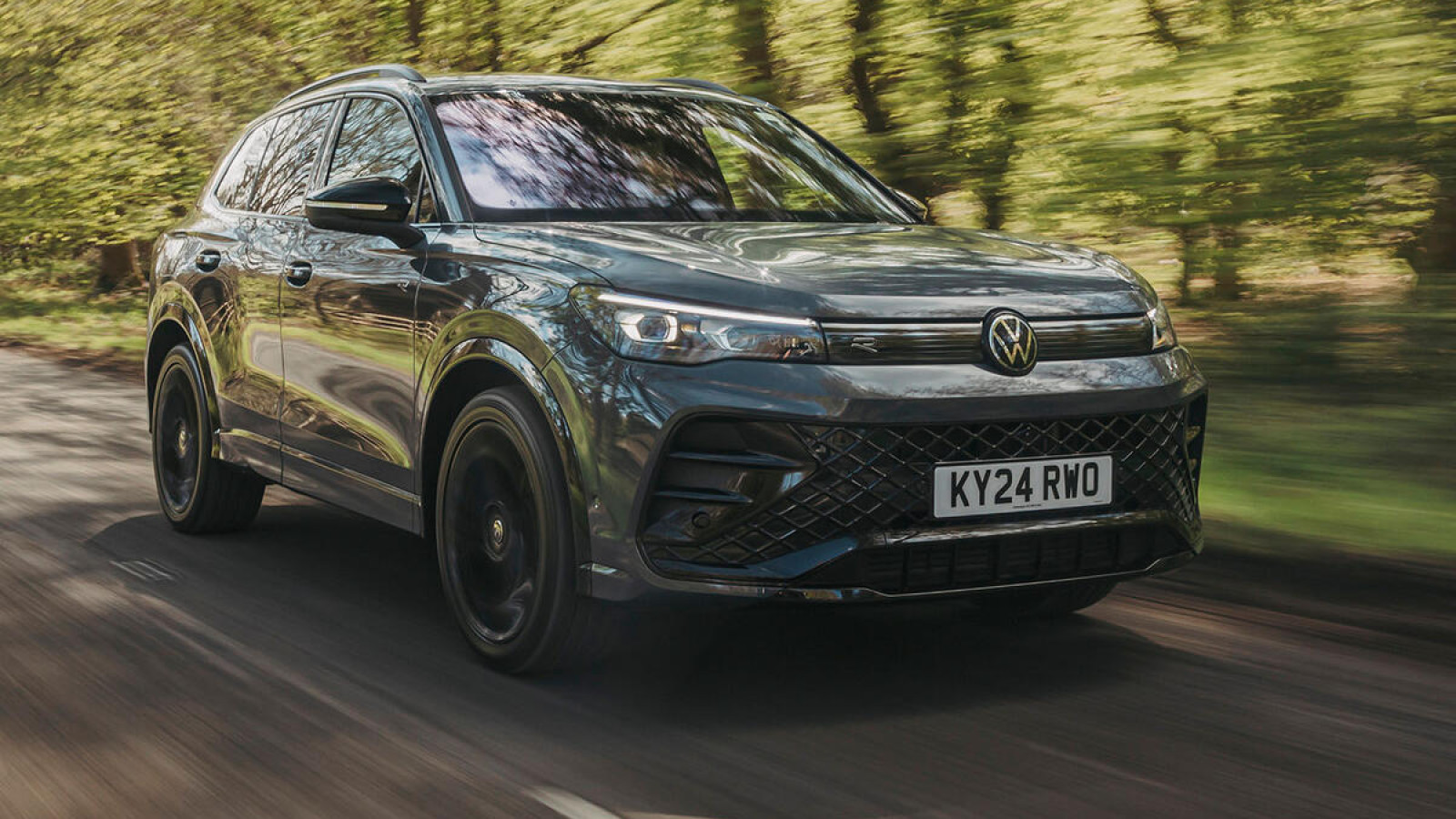
Volkswagen Tiguan, Skoda Kodiaq - 123km (77 miles)
Like the Formentor, the Volkswagen Tiguan and Skoda Kodiaq use a 19.7kWh battery.
It produces 123km (77 miles) of electric range in both models, which are mechanically identical, with the only real differences coming in the form of exterior and interior styling differences.
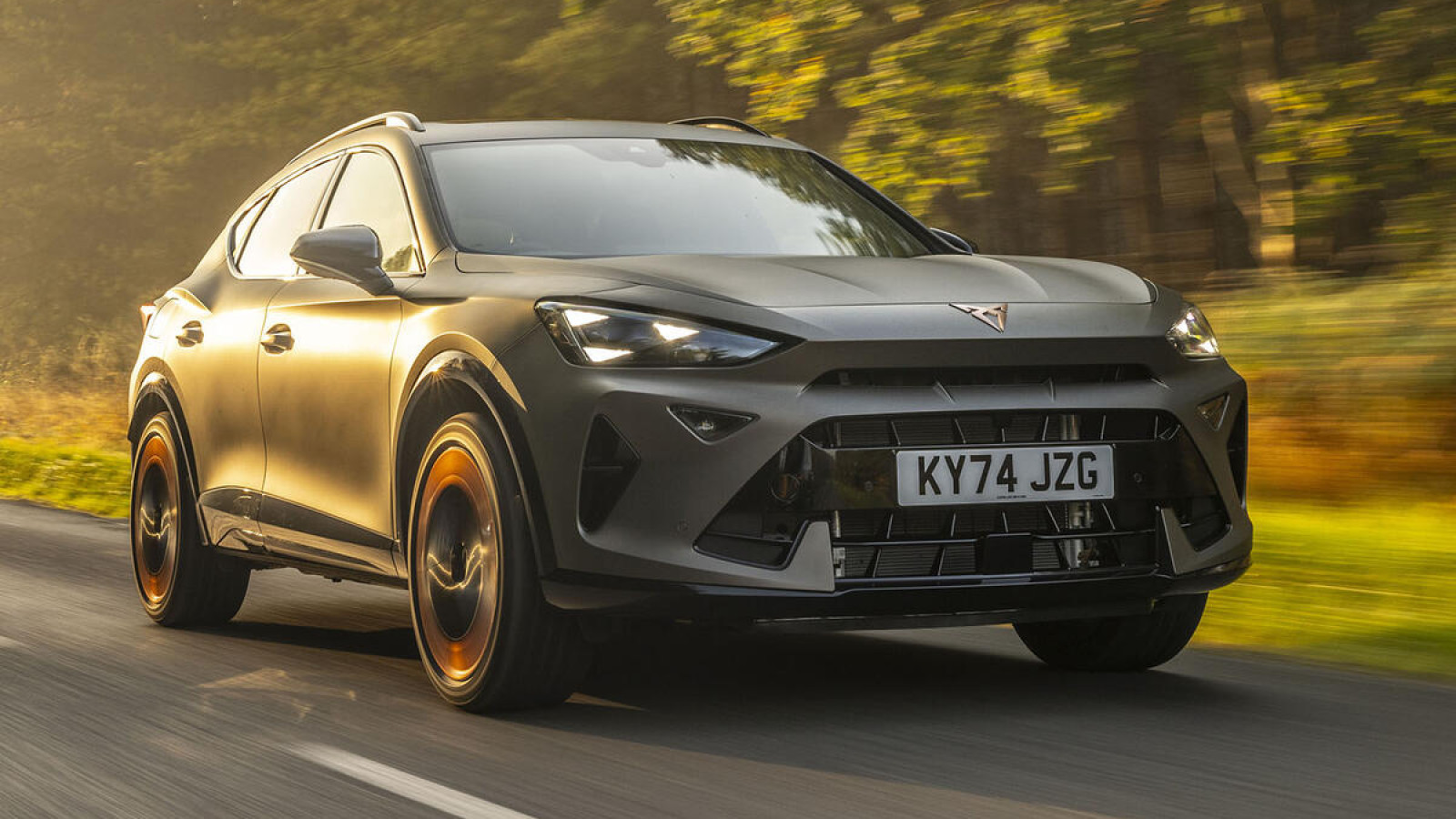
Cupra Formentor - 125km (78 miles)
The Cupra Formentor is another car to come from the Volkswagen Group. It shares much of its underpinning with the Volkswagen Tiguan and Skoda Kodiaq.
It uses a 19.7kWh battery, which produces up to 125km (78 miles) of electric range. It can be selected with a choice of two powertrains, producing up to 328bhp.
The Formentor is certainly the most stylish of its Volkswagen Group counterparts.
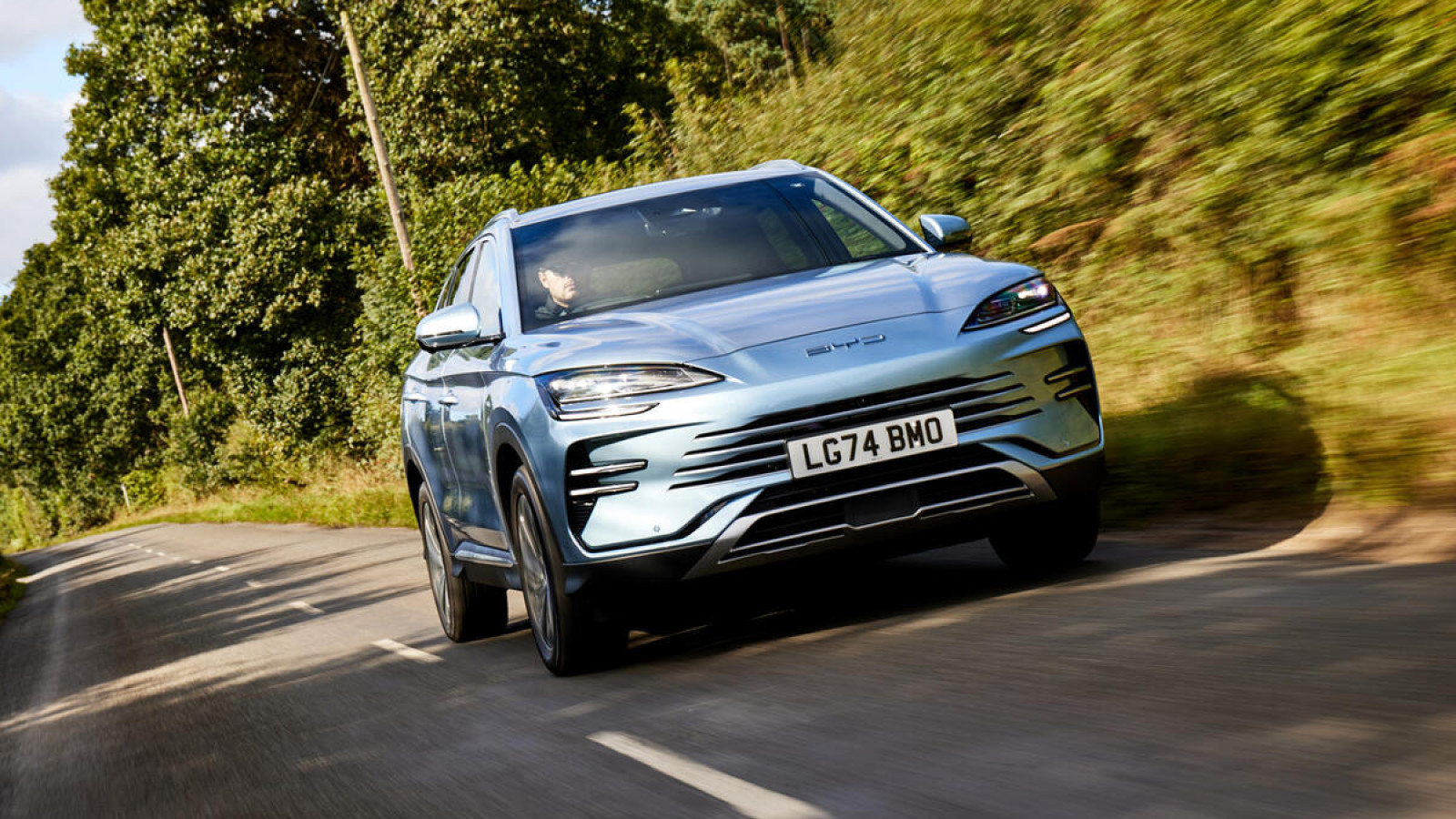
BYD Seal U DM-i - 125km (78 miles)
China’s BYD is growing into one of the world leaders of vehicle electrification, and the Seal u DM-i SUV is the firm’s flagship plug-in hybrid.
Its 26.6kWh battery is claimed to produce up to 125km (78 miles) of electric range, which makes the SUV one of the best-in-class for driving range.
BYD says it will do up to 1124km (699 miles) without the need to charge or refuel, which is enough to get you from Paris to Prague with some range to spare.
Plug-in hybrids are becoming increasingly popular for drivers who aren’t quite ready to make the switch to all-electric power.
Combining an engine with a battery, plug-in hybrids are different to standard hybrid cars because they can travel on electric-only power for long distances.
When plug-in hybrids first entered the mass market in the mid-2000s, they mostly offered an electric range of around 30km, but things have drastically improved since then.
The longest range plug-in hybrids will produce well over 80km (50 miles) today, making them a fascinating alternative to electric cars.
But which plug-in hybrids have the longest all-electric range? We’ve compiled a list of all of the longest-legged models so you don’t have to. Read on to find out more…
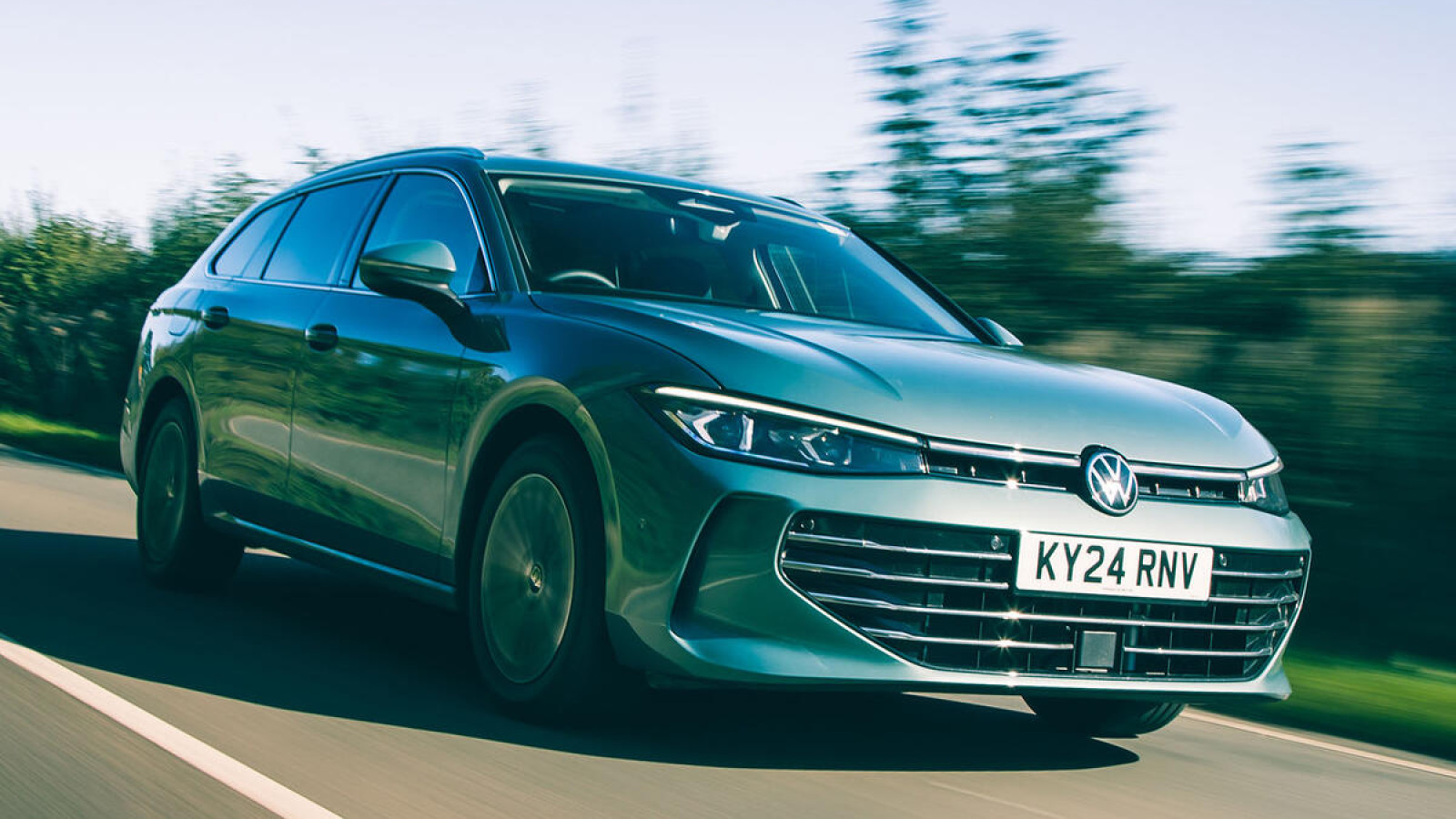
Volkswagen Passat - 131 km (82 miles)
The Volkswagen Passat is equipped with the same 25.7kWh battery as the Skoda Superb.
It offers a minimally lower range of 131 (82 miles), but that’s still remarkably impressive compared to other plug-in hybrid rivals.
The best part is the battery’s improved placement means boot space is still impressive. Volkswagen says there’s 590 litres of cargo space on offer.
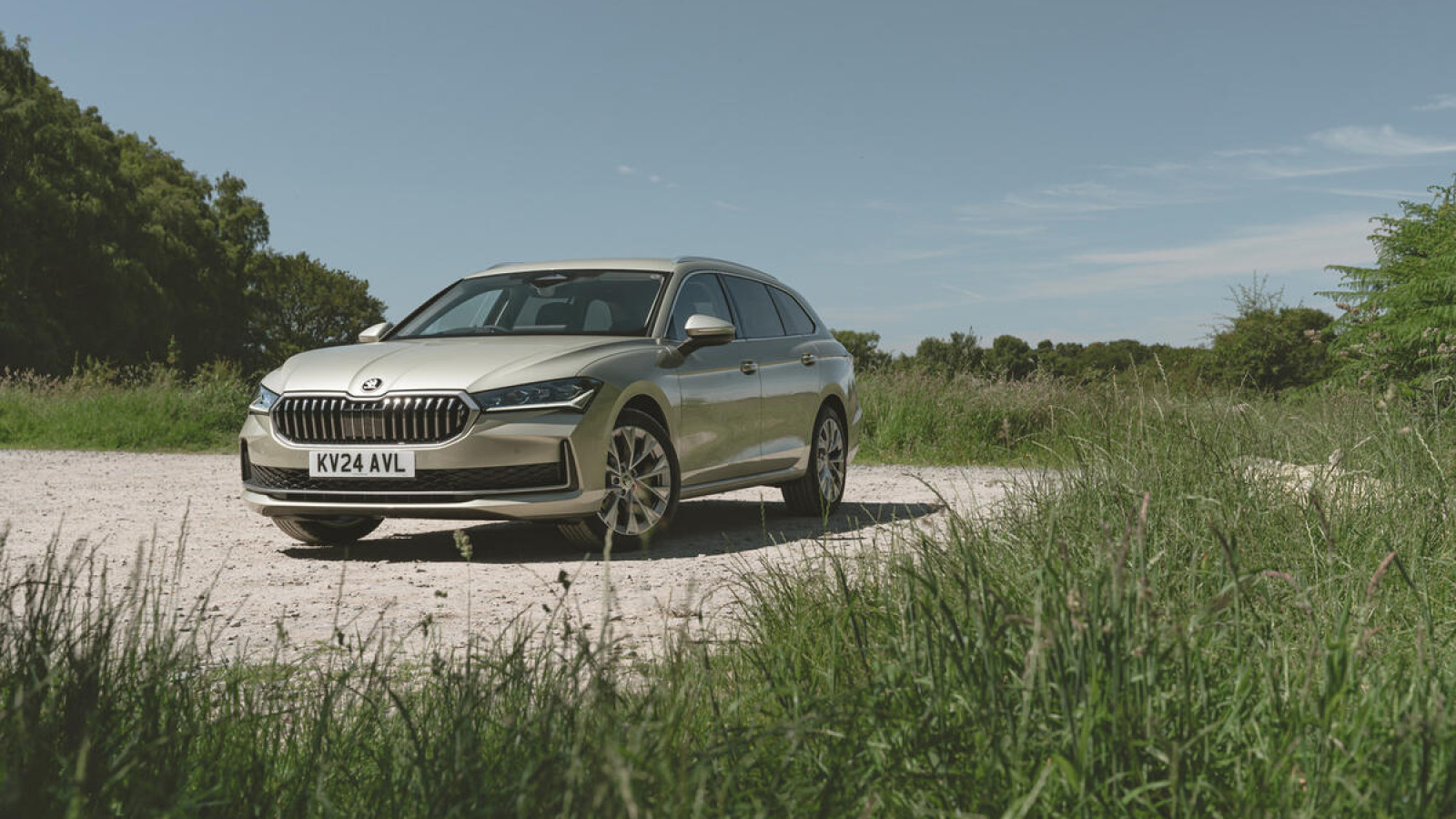
Skoda Superb Estate - 133km (84 miles)
The Skoda Superb Estate’s longer body style means it can accommodate a huge 25.7kWh battery.
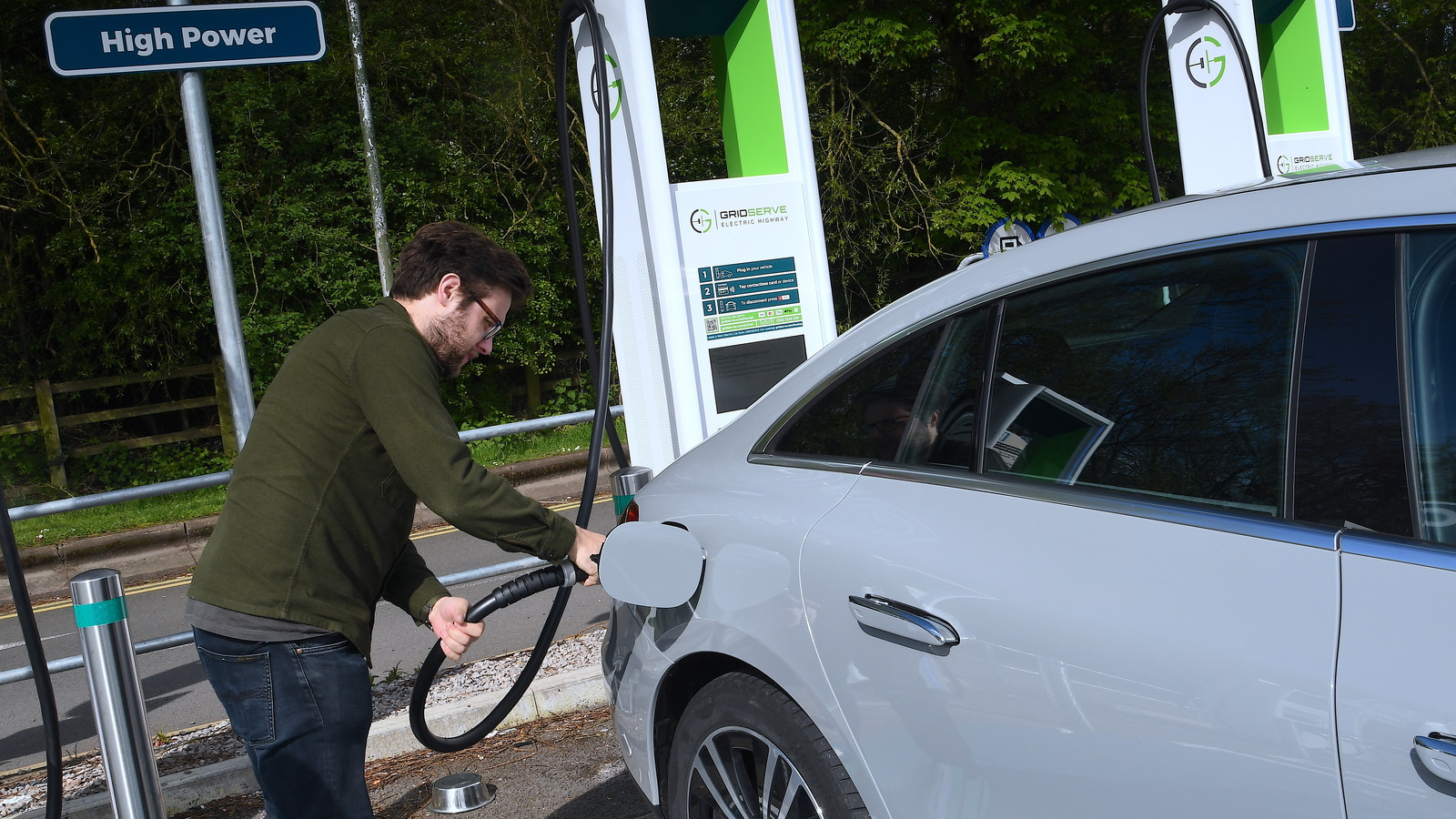
Skoda says the Superb Estate can travel up to 133km (84 miles) on a charge. It also benefits from a peak charging speed of 50kW.
Charging from 10% to 80% takes approximately 26 minutes using a fast charger, or around 2 hours and 30 minutes for the same battery top-up at a home charging point.
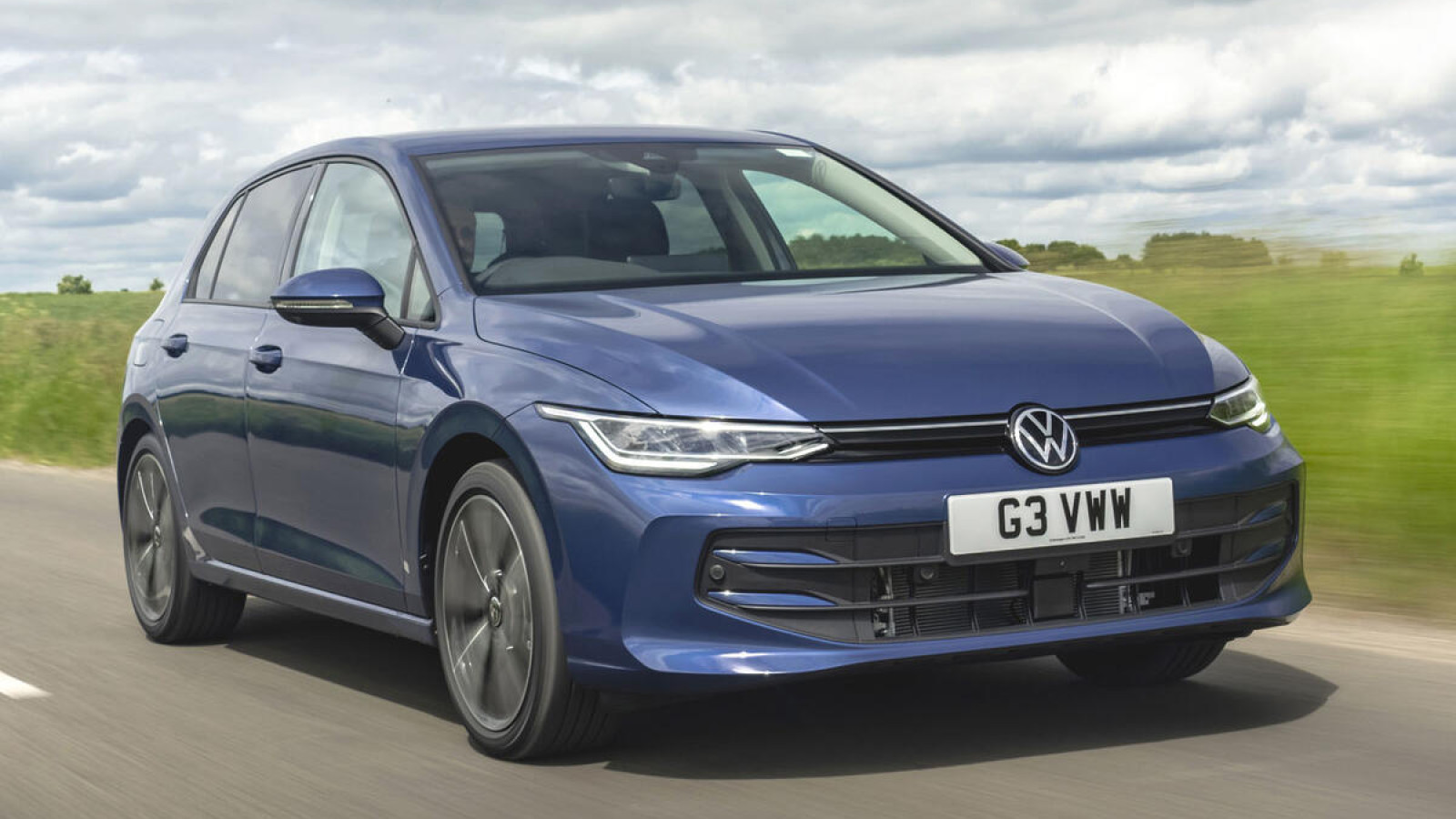
Volkswagen Golf - 141km (88 miles)
The Volkswagen Golf’s underpinnings are shared with the Audi A3, including the 19.7kWh battery offered on plug-in hybrid variants.
That means drivers will get the same 141km (88 miles) of electric range on a charge, which makes the Golf a superbly high-value proposition.
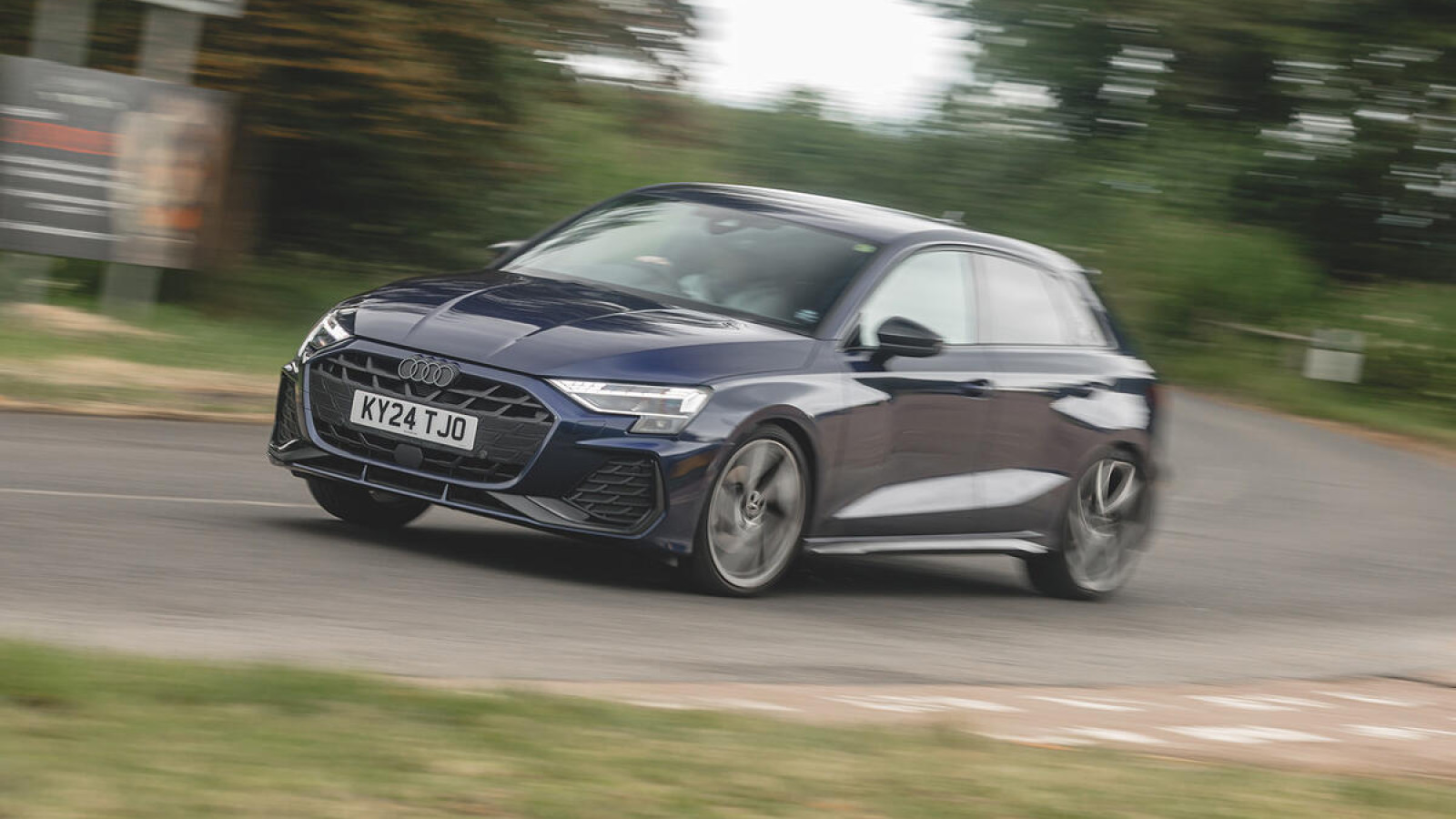
Audi A3 - 141km (88 miles)
Despite being a hatchback and not a large SUV, the Audi A3 offers one of the longest plug-in hybrid ranges of all cars on sale.
It’s fitted with a 19.7kWh battery, which is a big increase on the 13kWh unit previously fitted. The A3 plug-in hybrid will produce 141km (88 miles) of electric range on a charge.
The new setup includes an electric motor, now integrated into the gearbox, that delivers 114bhp and can propel the car independently at speeds up to 87mph. The battery is also now capable of fast-charging at speeds of up to 50kW.
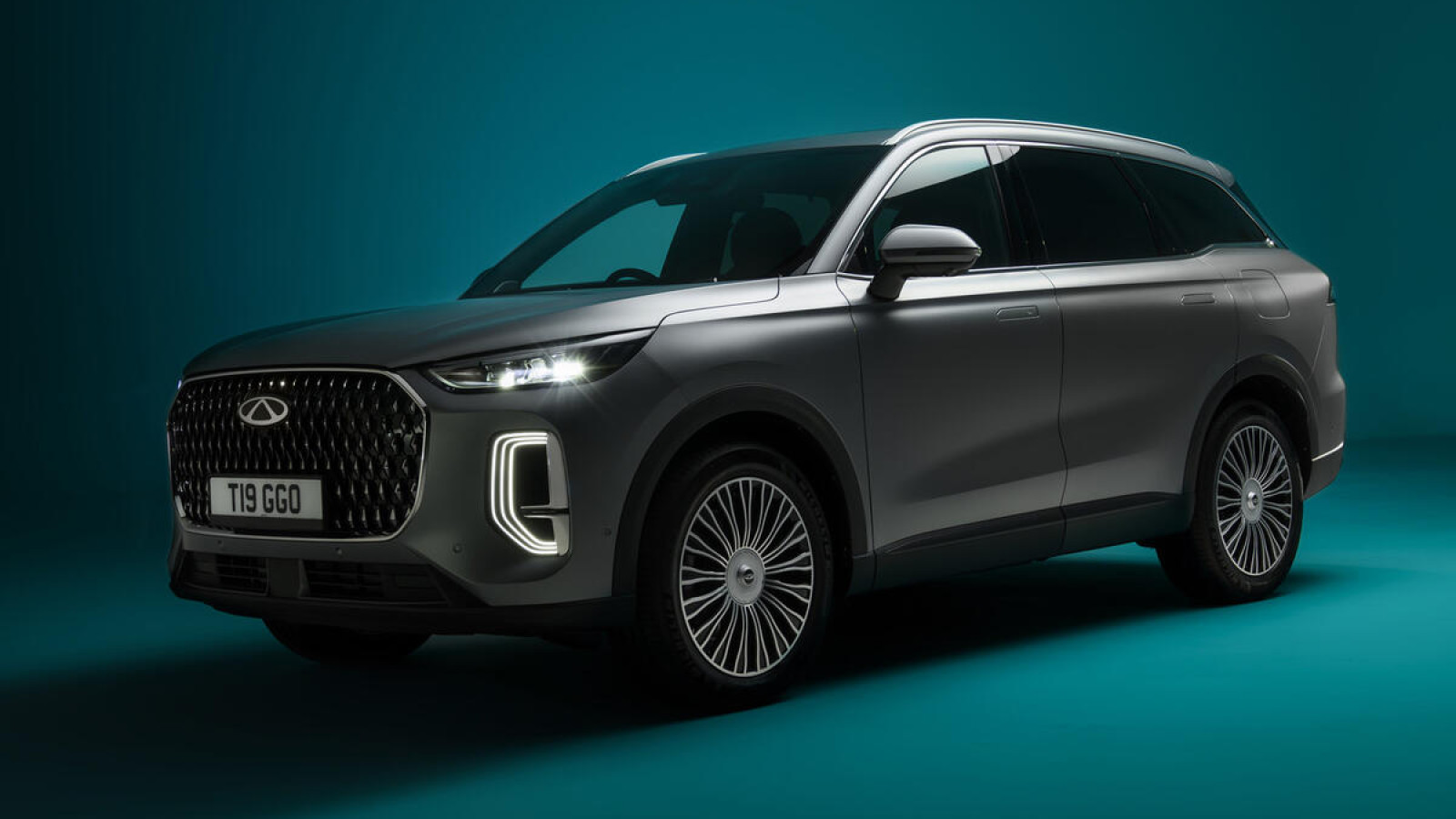
Chery Tigo 9 - 148km (92 miles)
The Chery Tigo 9, another competitor from China, boasts an impressive 148km (92 miles) of electric range.
In fact, it uses the same 34.5kWh battery as the Omoda 9. Furthermore, its 71kW maximum DC charging speed is nearly as fast as some pure electric vehicles, allowing a 30-80% charge to be completed in just 18 minutes.
Despite its huge battery weighing it down, the Tigo 9 is still suitably rapid. It produces 422bhp and 428lb ft, which lets it hit 0-100km (0-62mph) in 5.4 seconds.
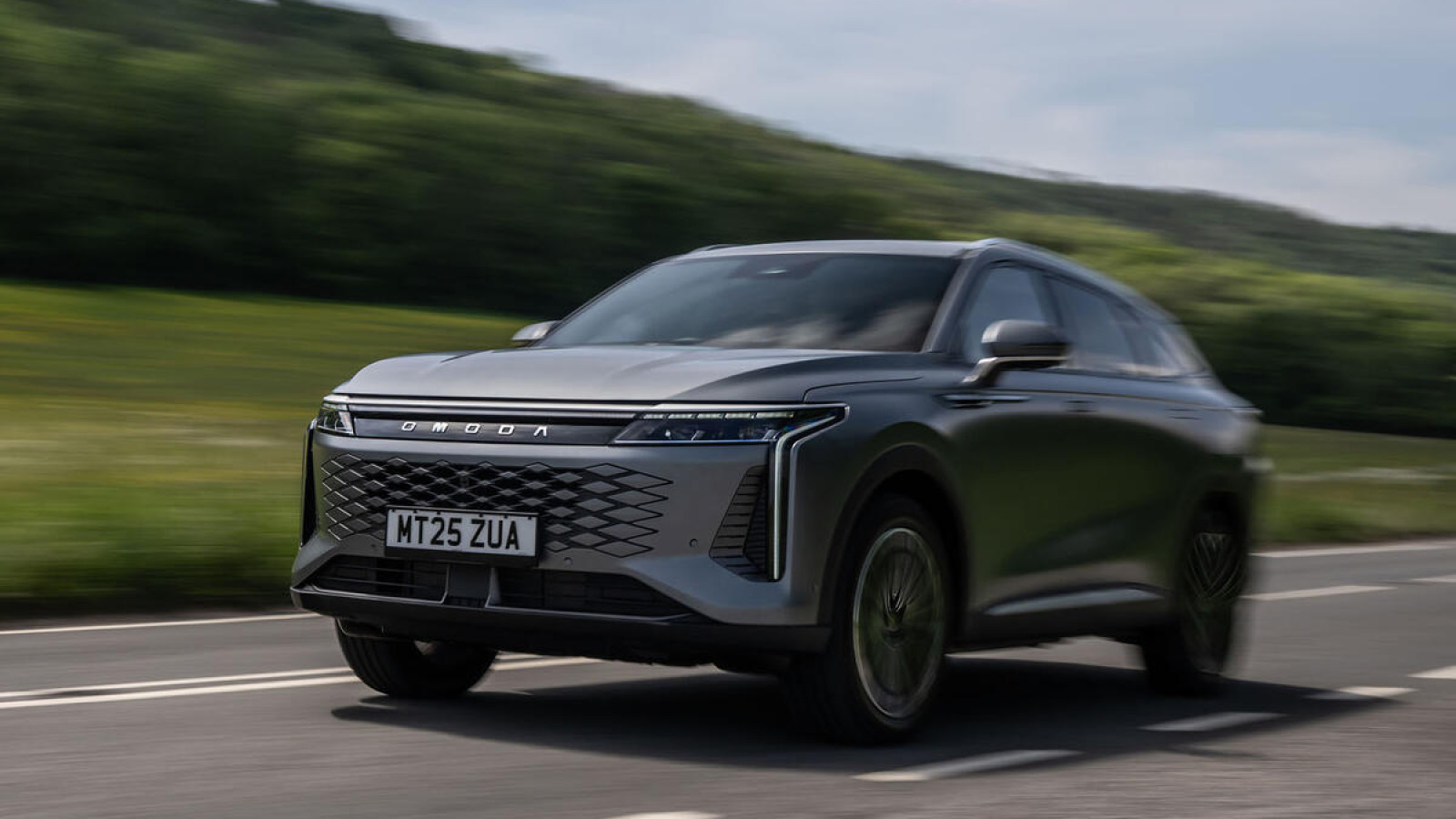
Omoda 9 - 149km (93 miles)
The Omoda 9 is the Chinese car brand’s most premium model, offering significant space, lots of equipment as standard and a huge plug-in hybrid battery.
Its 34.5kWh battery offers an electric range of 149km (93 miles). Mated to a 1.5-litre, turbocharged petrol engine, Omoda says it will travel over 1126km (700 miles) without needing to be refuelled or recharged.
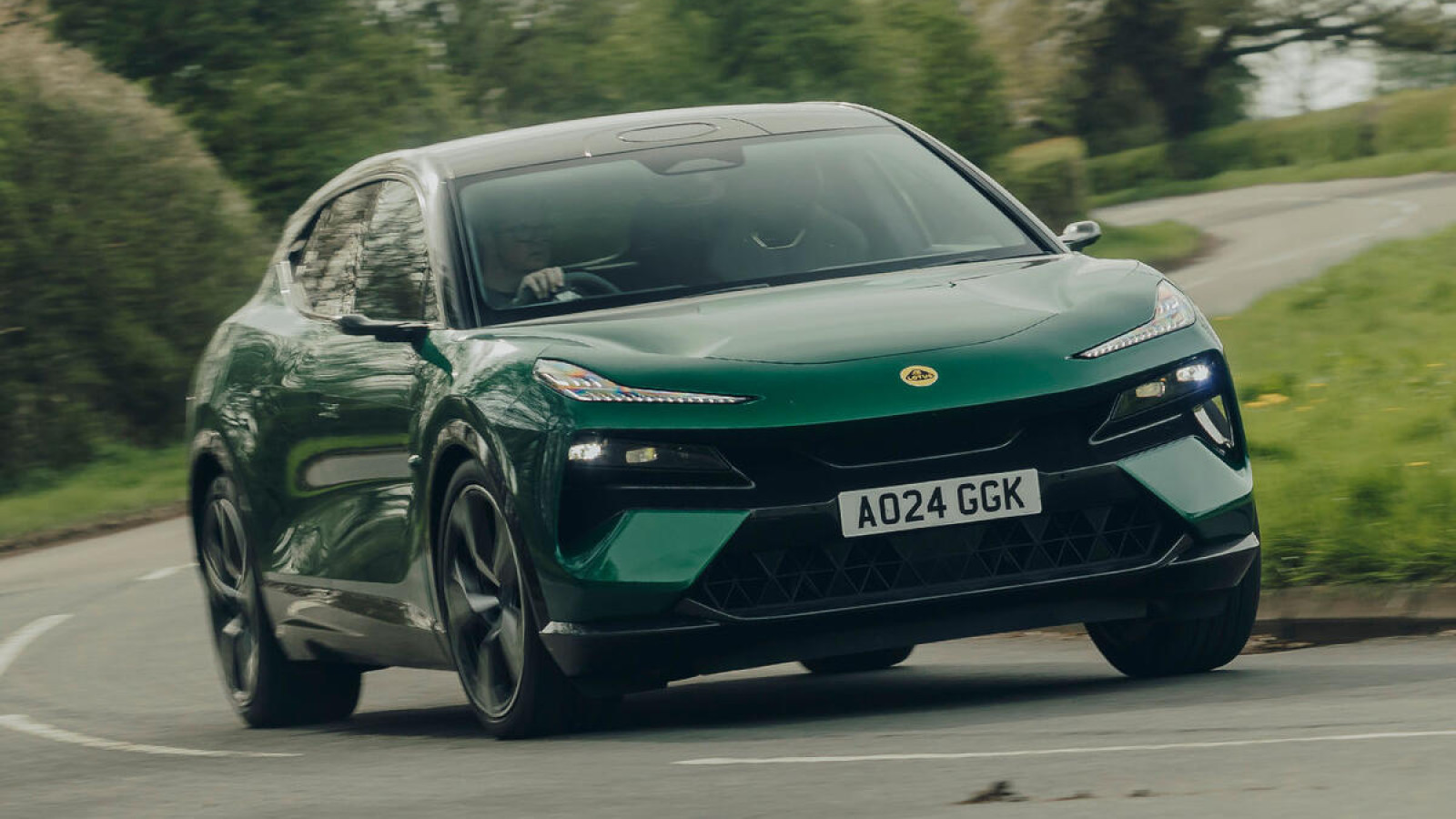
Lotus Eletre - 345km (220 miles, claimed)
The Lotus Eletre was initially only offered as an electric car, but details have now emerged of a plug-in hybrid version on the way.
The electric SUV swaps its 108kWh battery for the smaller 70kWh unit from Geely sibling brand Zeekr’s 9X luxury SUV.
That’s a huge battery, one that is larger than some long-range electric cars offer. The electric-only range can reach up to 345km (220 miles) between charges.
However, this figure is based on China's CLTC test cycle, which is known to be more generous than the WLTP standard used in Europe.