
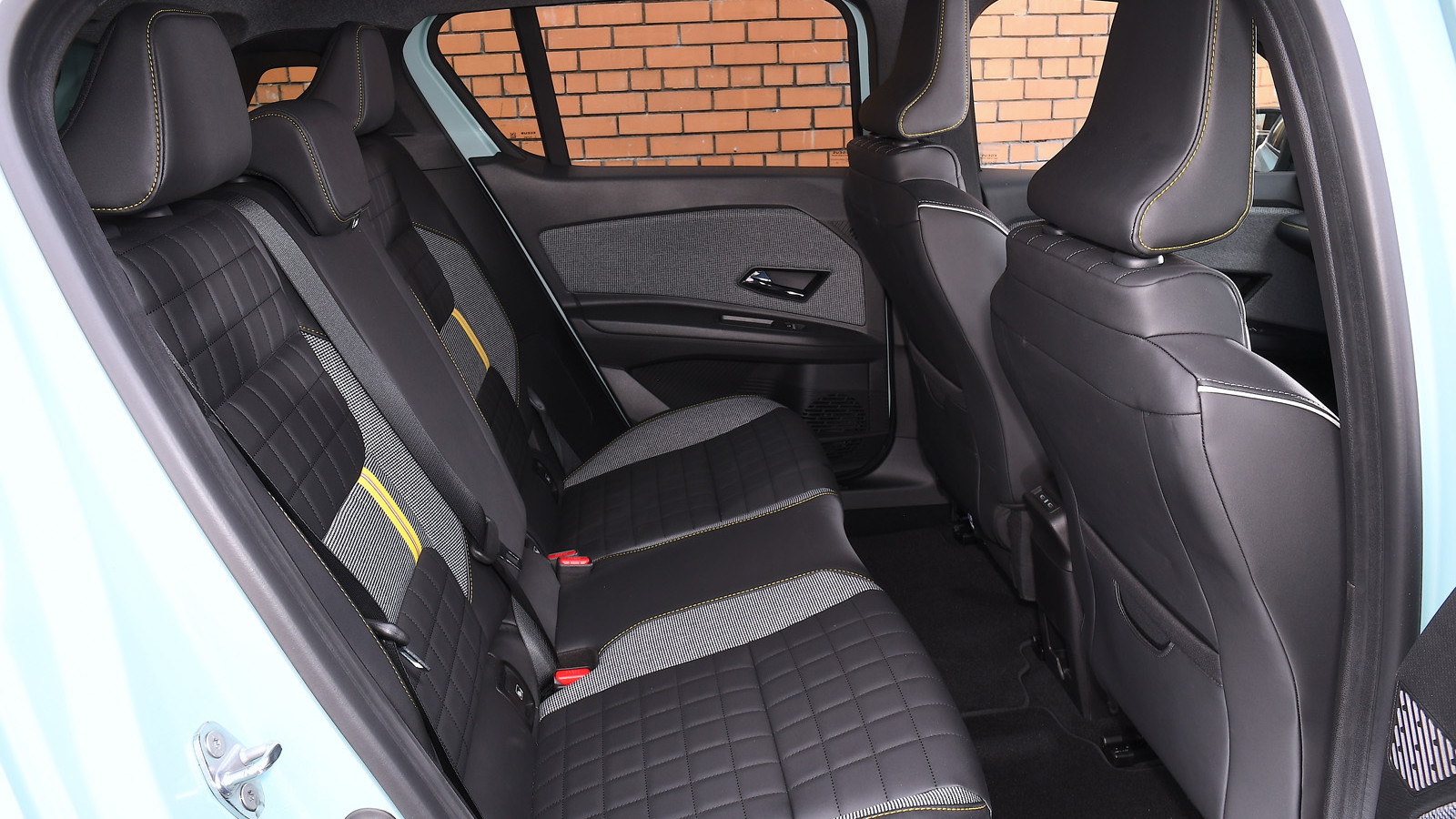

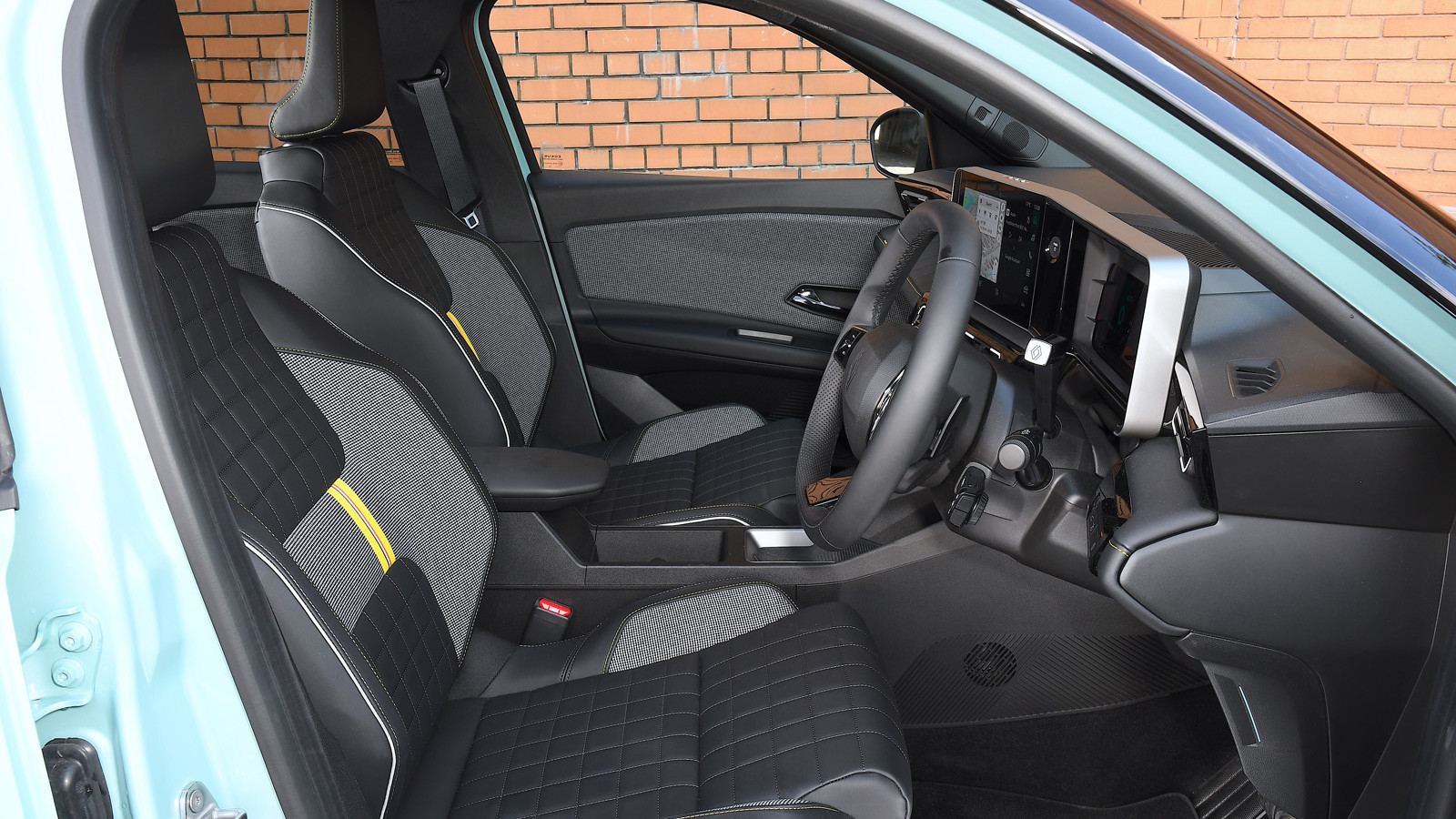
Passenger space is likely to be the main reason you choice a Renault 4 over a Renault 5. While there isn’t an abundance of legroom, there’s enough for most adults to sit comfortaby over most journies. Headroom is good too, and more plentiful than the Ford Puma.
This new 4 is expected to make a significant impact in the affordable EV market. It balances a portion of the 5's vibrancy with useful passenger and luggage space, all while keeping the smaller car's imaginative and fun character.
These are powerful qualities that the 4 combines with excellent everyday efficiency, a slick digital interface, and the easygoing drivability that French cars are known for. While higher-spec versions do challenge larger, more capable competitors, the 4 remains a very tempting choice at its price point—even more so following its recent price reduction.
The revival of the quiet, ultra-utilitarian, and somewhat forgotten Renault 4 from the 1960s as a bubbly electric crossover for 2025 initially seemed improbable. However, the decision became a clear choice once the Renault 5's reincarnation was underway, providing an opportunity for a more practical sibling.
As previously mentioned, the Renault 4 is powered by a 52kWh battery. In the 4, it produces a range of 249 miles. Real-world economy returned closer to 170 miles, and it was strongly impacted by faster roads draining its power more quickly. The battery will charge at speeds of up to 100kWh, which is competitive for the class - but not class leading.
Despite this, the 4 is a composed and satisfying car to drive in diverse conditions. The independent rear axle contributes to its maturity, and it offers precise steering and is easy to position on the road. While it lacks the ultimate agility of the 5, it boasts excellent natural balance. This allows it to achieve surprisingly high cornering speeds on its touring tyres with minimal fuss. As a daily driver, the well-rounded 4 is highly commendable.
No, not quite. The 4 lacks the sharp turn-in, inherent adjustability, and playful balance that make the 5 so enjoyable. This sense of fun is also present in the newer Puma Gen-E, which expertly combines steering angle and body roll, demonstrating that typical Ford delight in quick direction changes.
The 4's suspension is softer than the 5's, and we found its steering to be slightly less eager just off-centre. These are subtle changes, but when combined with the 4's greater wheelbase, higher centre of gravity, and overall bulk, they create a distinct character. This begs the question: does it still deliver the fun factor?
Beyond performance, the car's drivability is exceptional. Acceleration is sharp, yet smoothly delivered, and jarring, artificial powertrain noise is absent — in fact, the car is remarkably quiet. While a mode select button on the steering wheel allows the driver to vary the powertrain's response, this isn't a car that encourages such tinkering; most drivers will likely find themselves leaving it in Comfort mode.
On the road, the Renault 4 is intuitive and easy to drive. Performance is accessible and ideal for most drivers. You’ll hit 0-100kph (0-62mph) in 8.6 seconds thanks to a 148bhp electric motor.
Renault’s daring decision to revive some storied car names for the electric era seems to have been a masterstroke.
First arrived the Renault 5, a retro-inspired hatchback which quickly climbed to the top of its class, proving to be comfortable, affordable and great to drive.
Then, today’s test subject spawned: the Renault 4. Formerly an oddly-shaped family car produced from 1961 to 1994, the model is now a small crossover, based on the same platform as the 5 small car.
More than eight million 4s were sold between 1961 and 1994, with production in places ranging from Wexford in Ireland to Antananarivo in Madagascar. Unlike the 5, the 4 majored in utility, offering comfort and practicality.
Given the success of the 5, the Renault 4 has a lot to live up to. Can it stand out in a segment which is becoming more crowded with each passing month? Let’s find out.
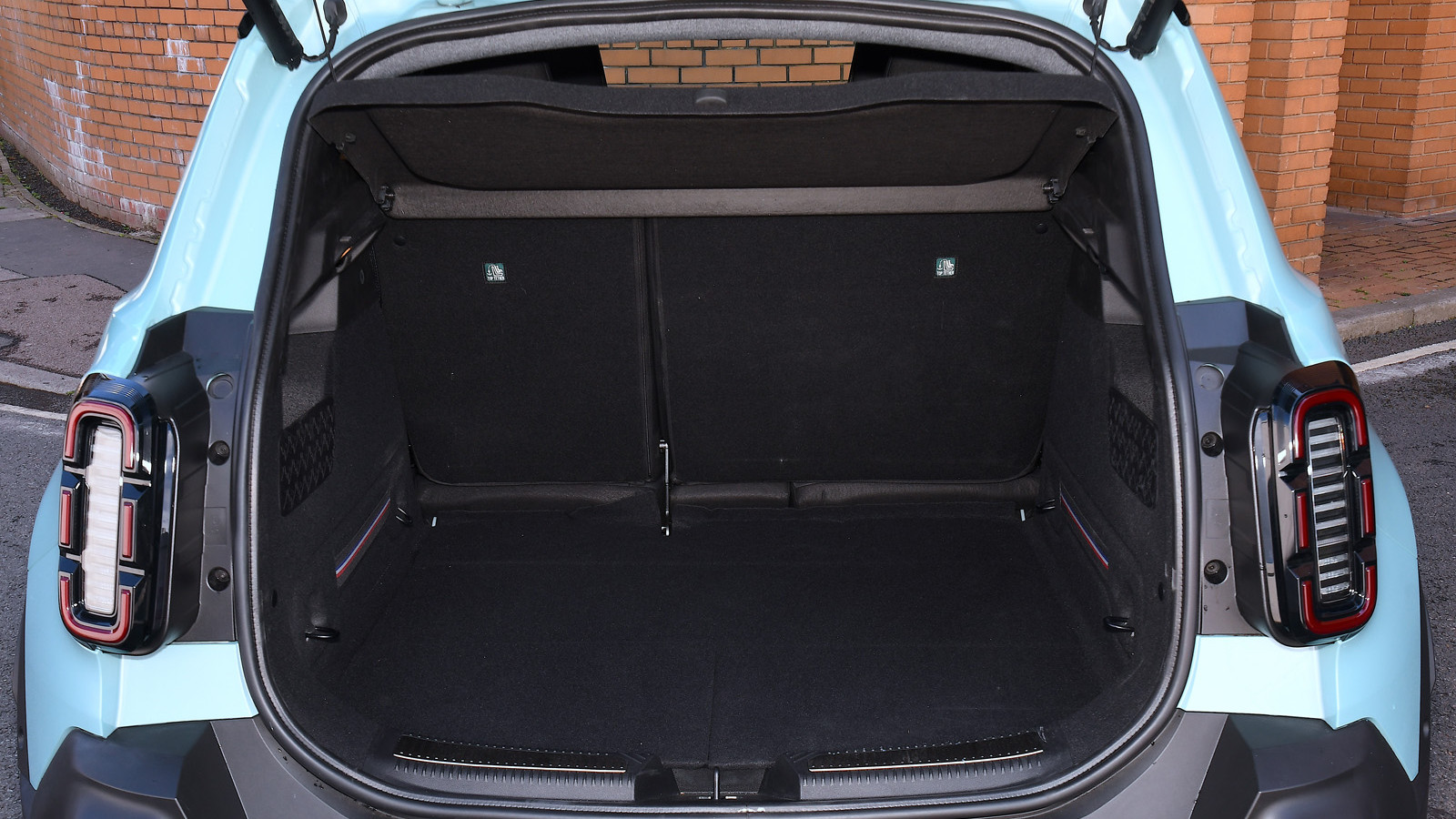
As for practicality, the Renault 4 trumps the smaller 5. It gets a 375-litre boot, which is 35% larger than the 5. That said, it is easily outmeasured by the Kia EV3, which has 460 litres. The 4 also has plenty of storage areas, including a 36-litre bin under the floor.
Crucially, the driving position is immediately relaxing and mature, ensuring good driving ergonomics from the start. Although the striking floating bolsters of the seats may suggest a racier feel, they don't offer as much support as their look implies. Despite the floor-mounted battery, you don't feel unduly perched once you've slid aboard.
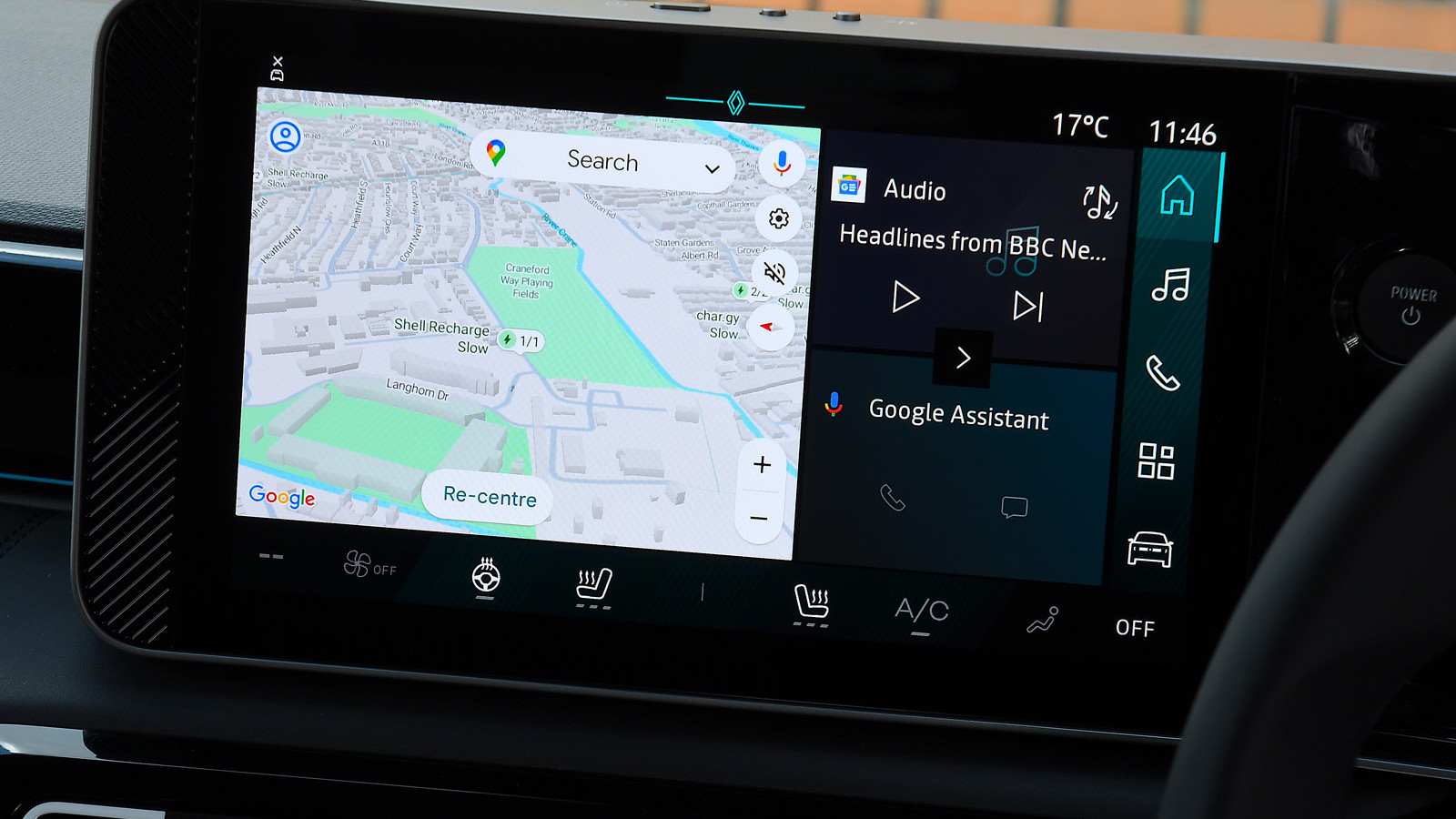
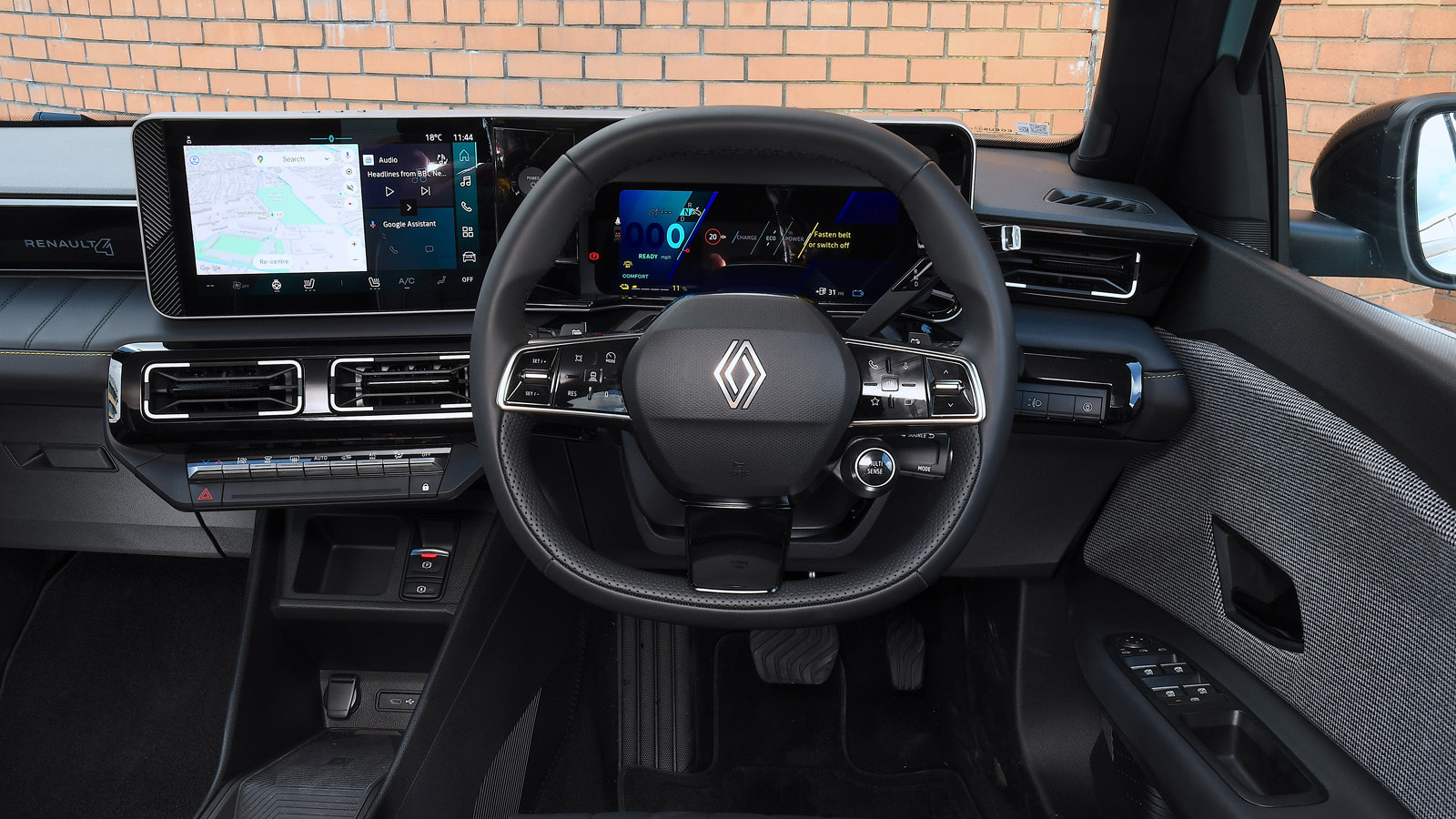
On higher-specification models, there’s a large, crisp digital instrument binnacle that blends into the central touchscreen. This is among the more intuitive cabins in the class when it comes to simple commands – skipping a track or turning up the fan speed, for instance.
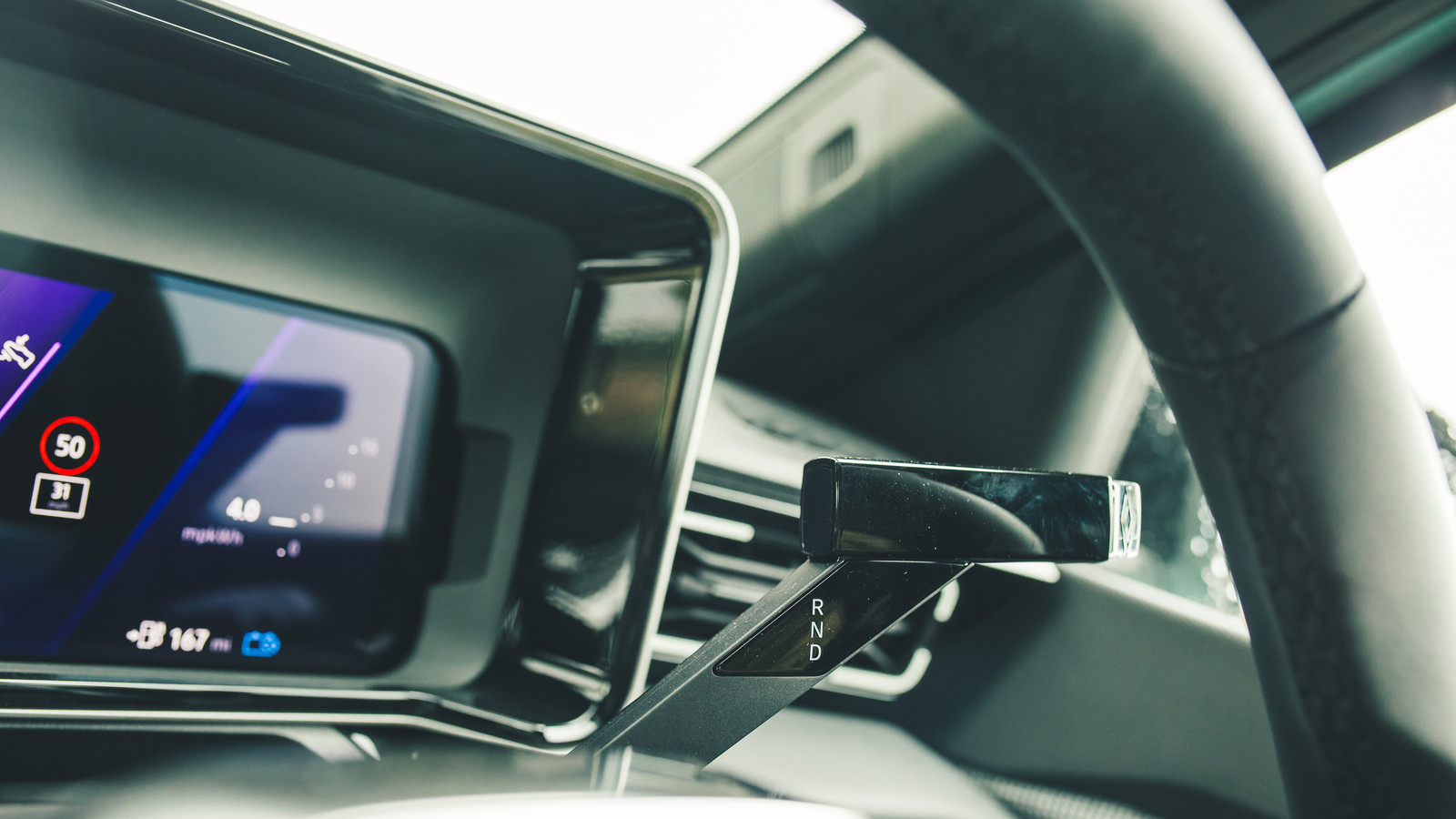
The Mercedes-style gear selector is also finished with a crystal-like tip that has the Renault logo etched into it. It’s a bit of jewellery you might typically expect to find in a high-spec Volvo. It doesn’t really serve any function other than a bit of visual luxury.
Inside, the Renault 4 is a substantial upgrade over the unbelievably basic interior offered in the 1960s car. The cockpit is almost identical to the Renault 5, with premium-feeling materials, playful design features and lots of colour throughout.
The underlying chassis is shared with the 5 and the upcoming Twingo. The battery, meanwhile, measures 52kWh and accounts for 20% of the car’s overall kerb weight (1493kg). That’s actually quite light for an electric car of the 4’s size, and about as light as it gets for the segment.
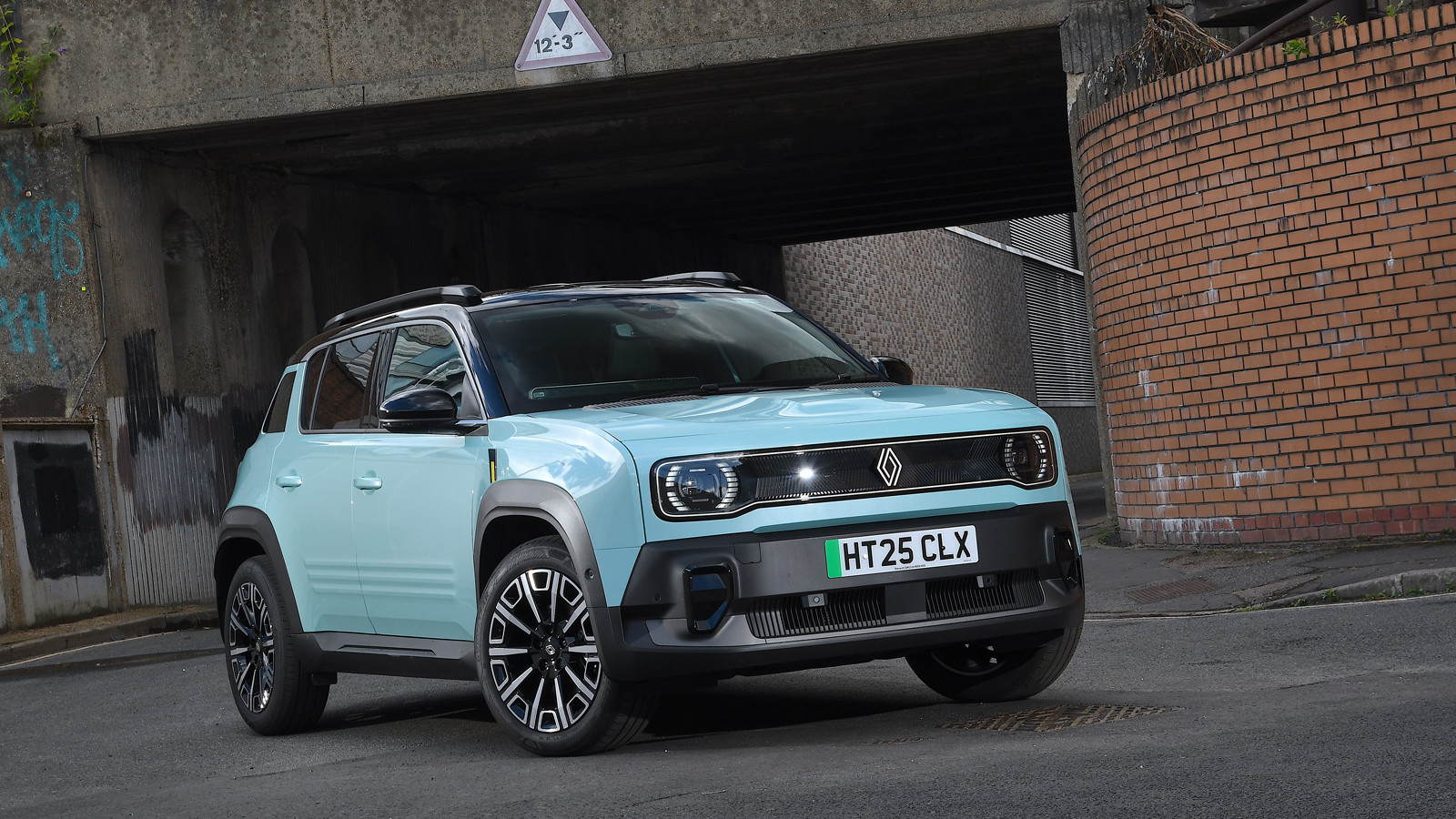
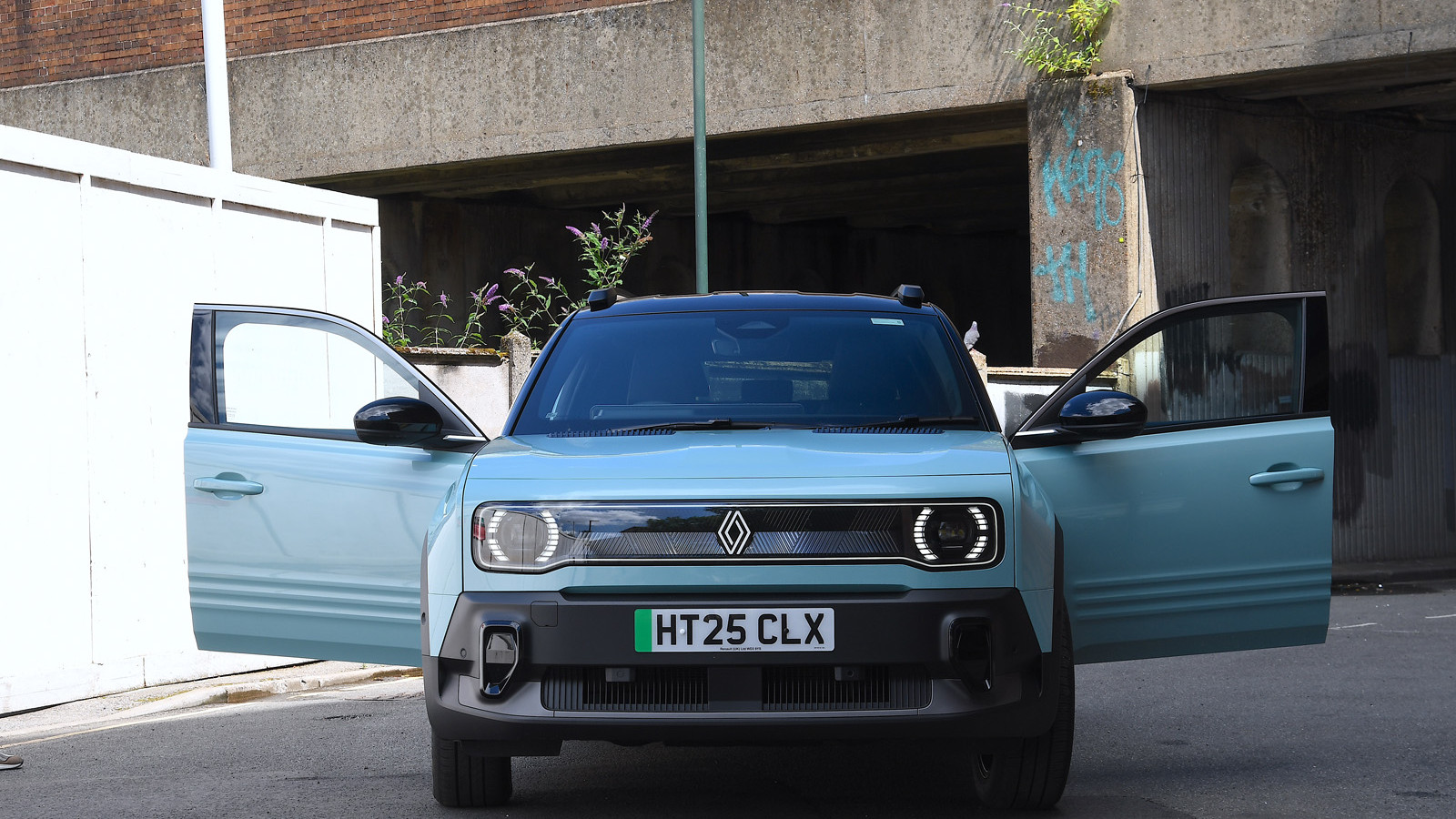
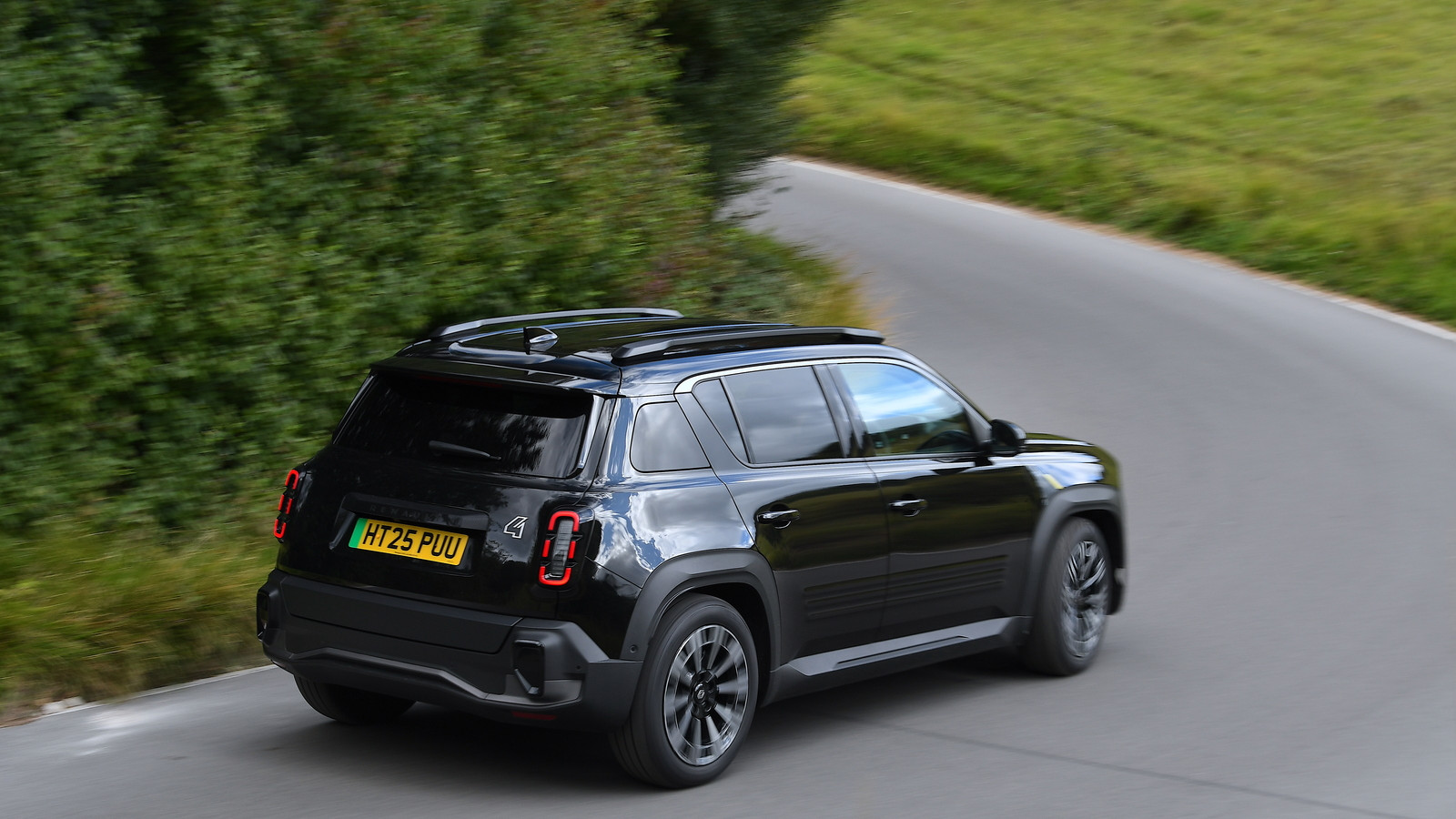
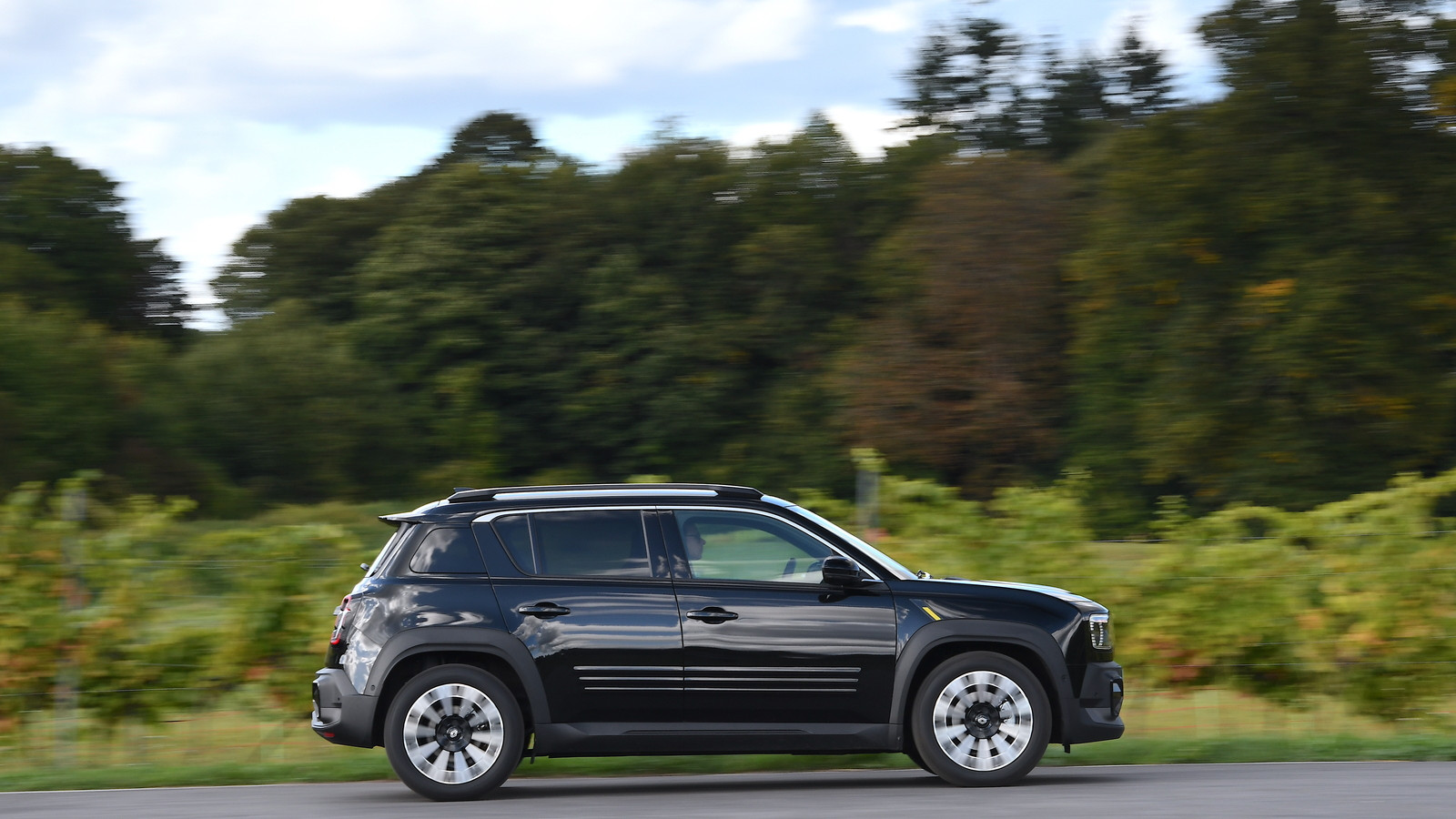
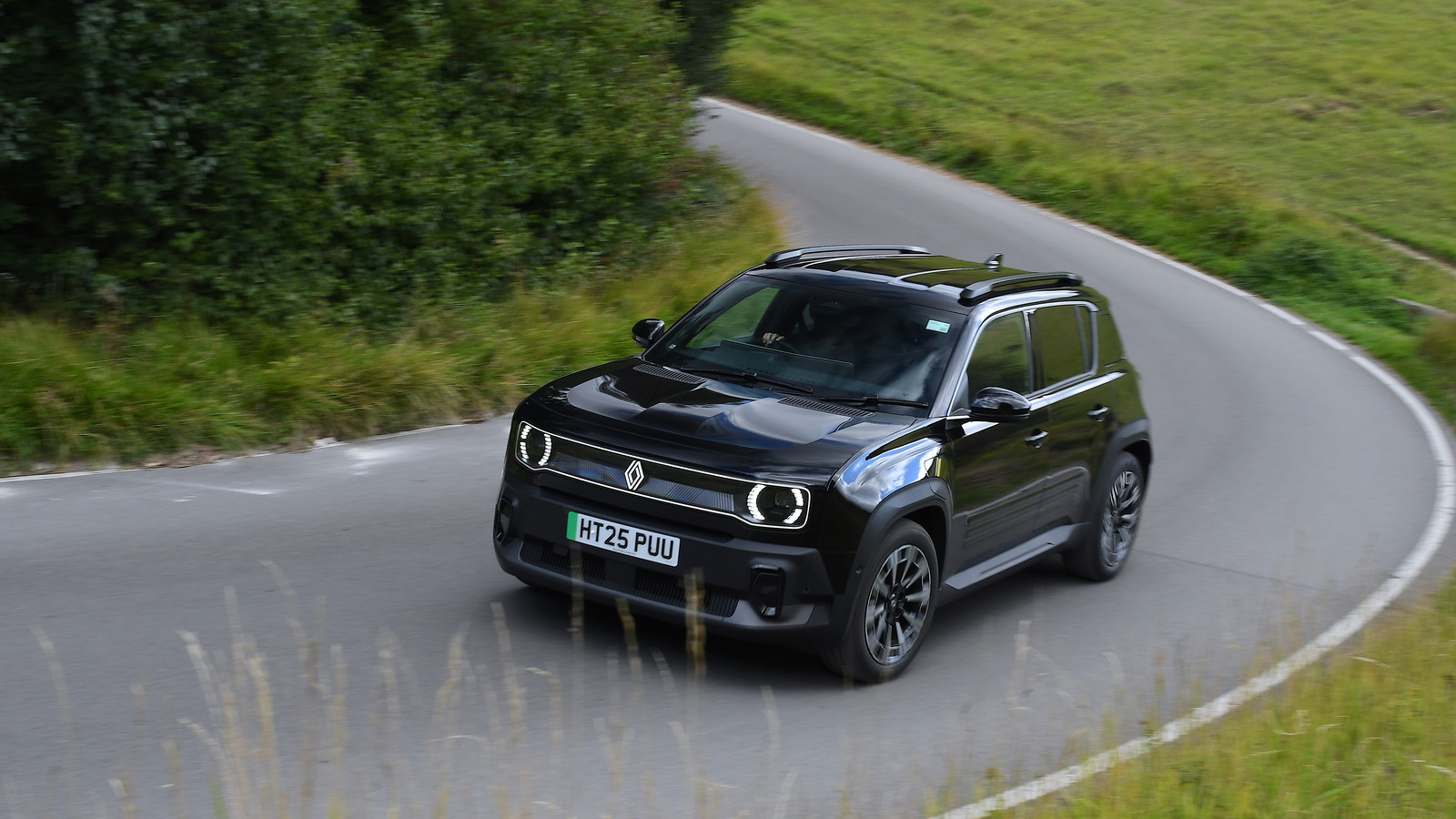
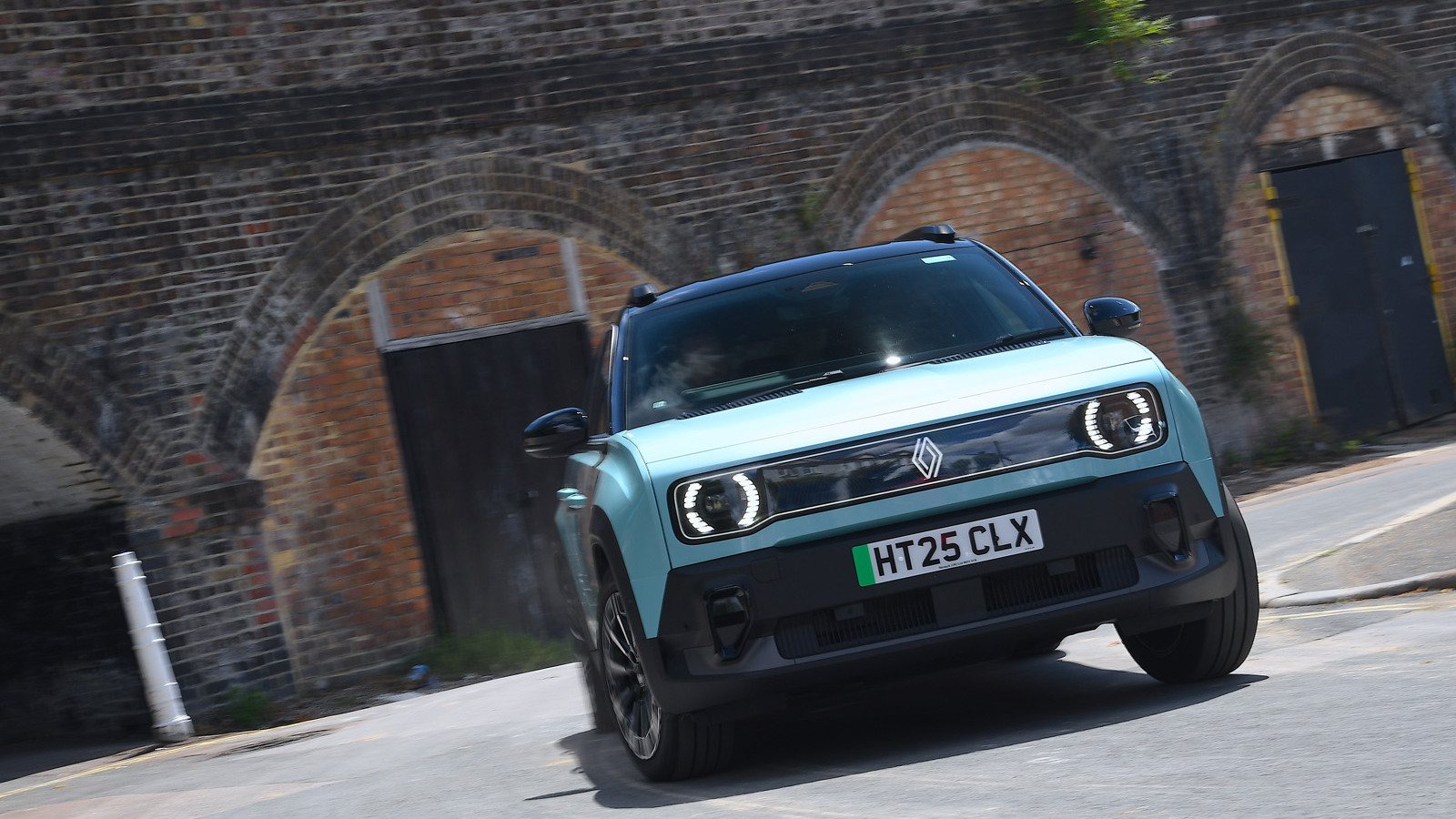
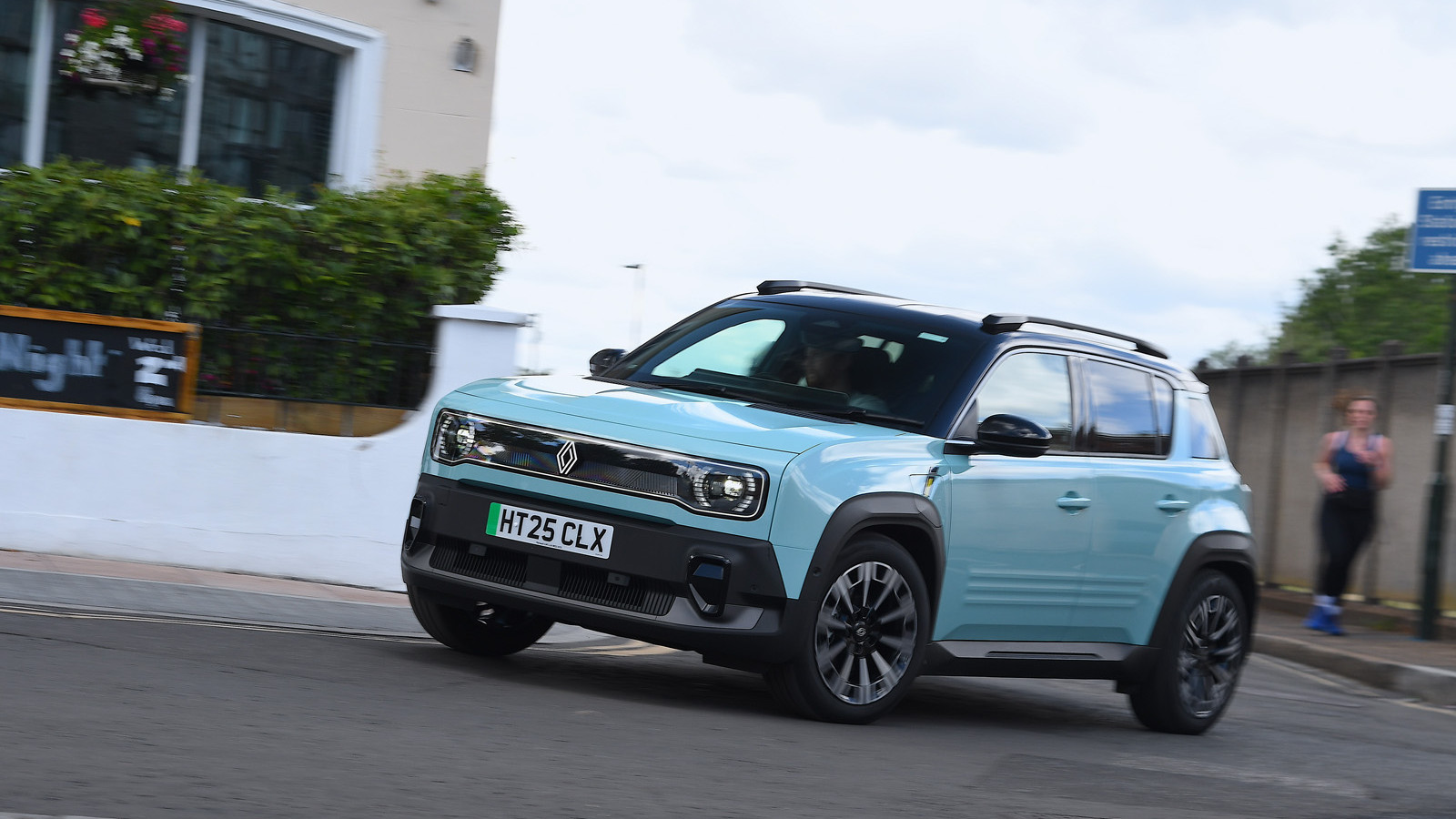
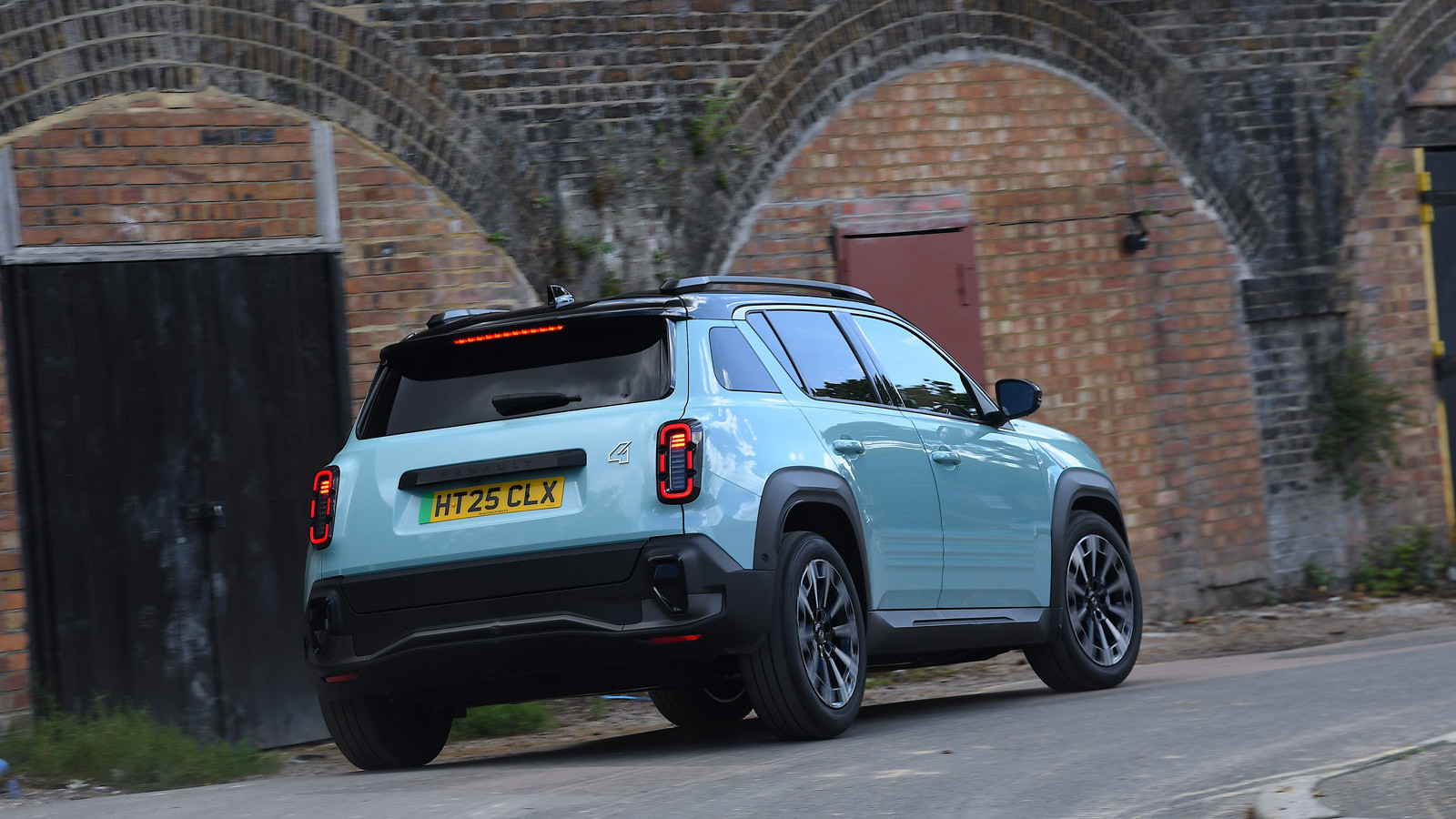
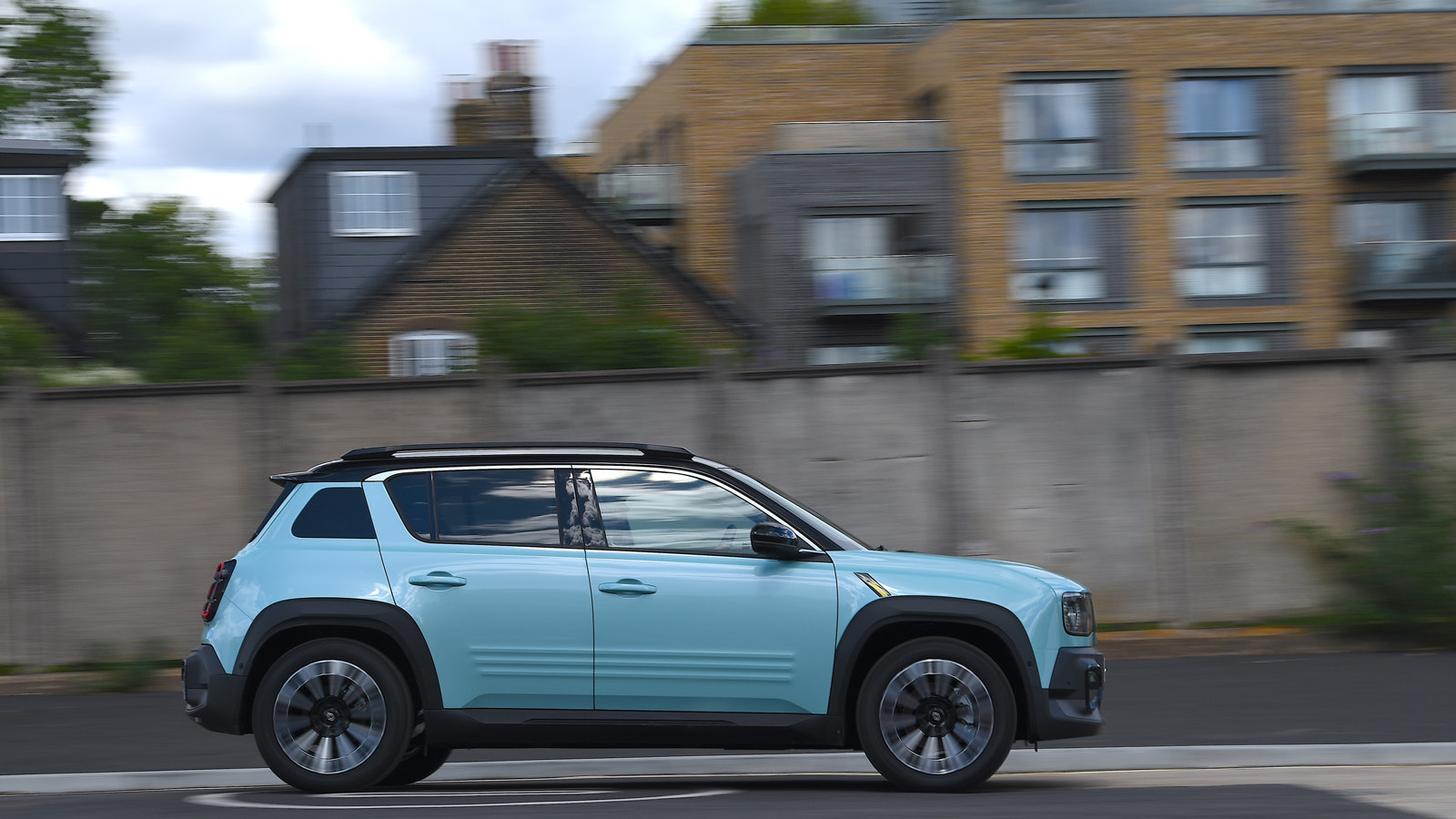
In its positioning, the 4 is to the 5 what the Renault Captur is to the Clio. At 4144mm, the newer car is 222mm longer than the 5, but both are the same width. The 4 rides slightly higher, and gains its own retro design cues to the original car, with circular headlights, a one-piece grille and a rear quarterlight window.