
The Toyota BZ4X has faced a few challenging years since it arrived in 2023.
Problems appeared almost immediately after its launch, resulting in a critical safety recall for faulty wheel hubs, and there were also battery issues, which significantly underestimated the car’s driving range.
Cabin heater problems affected other drivers, with the system actually compromising the available electric range until a new 'radiant' cabin heater could be installed. This was followed by owner complaints regarding the car's performance and rapid charging speed in cold weather.
Toyota has now given the BZ4X a midlife facelift, which updates the car so heavily that it feels like a completely new generation. But what’s changed, and does it make this Toyota a better ownership proposition? We’ve driven it to find out.
The BZ4X has been heavily updated. Almost every important aspect of the car has been upgraded, including the battery pack, motors, inverters, suspension, chassis and steering.
It should leave the car in a more competitive position than it was previously, in what is one of the most hotly contested segments in the new electric car market.
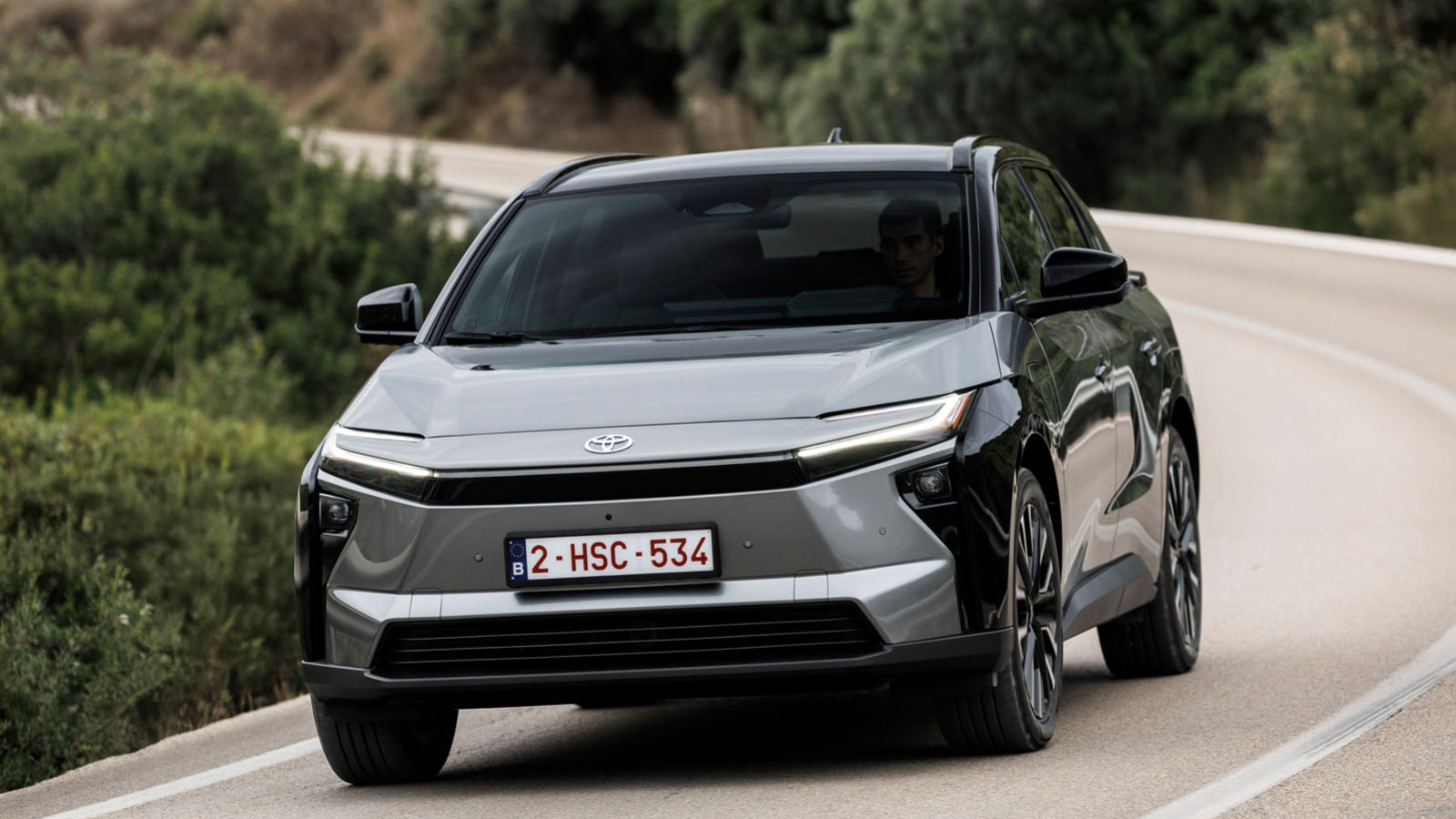
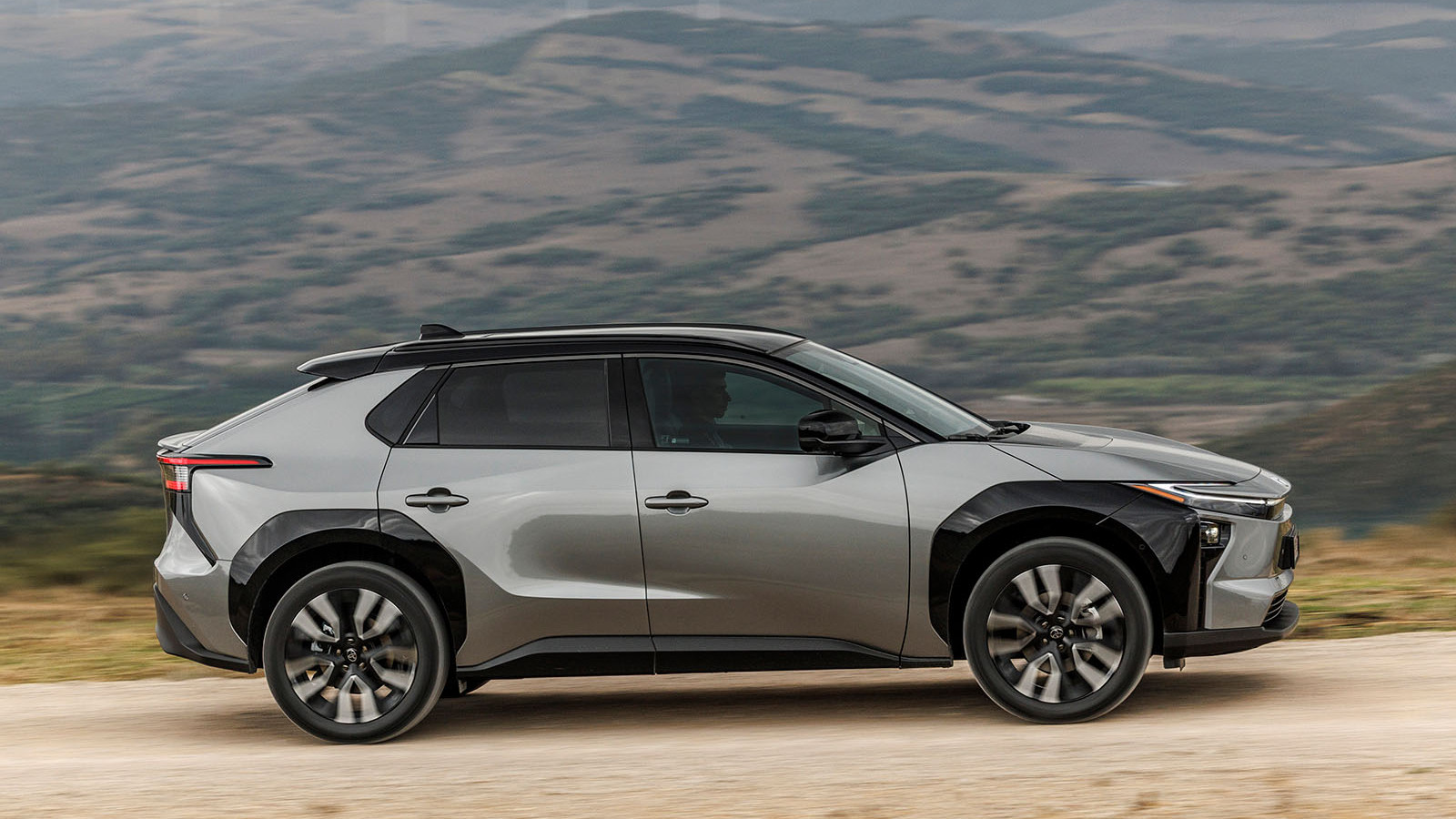
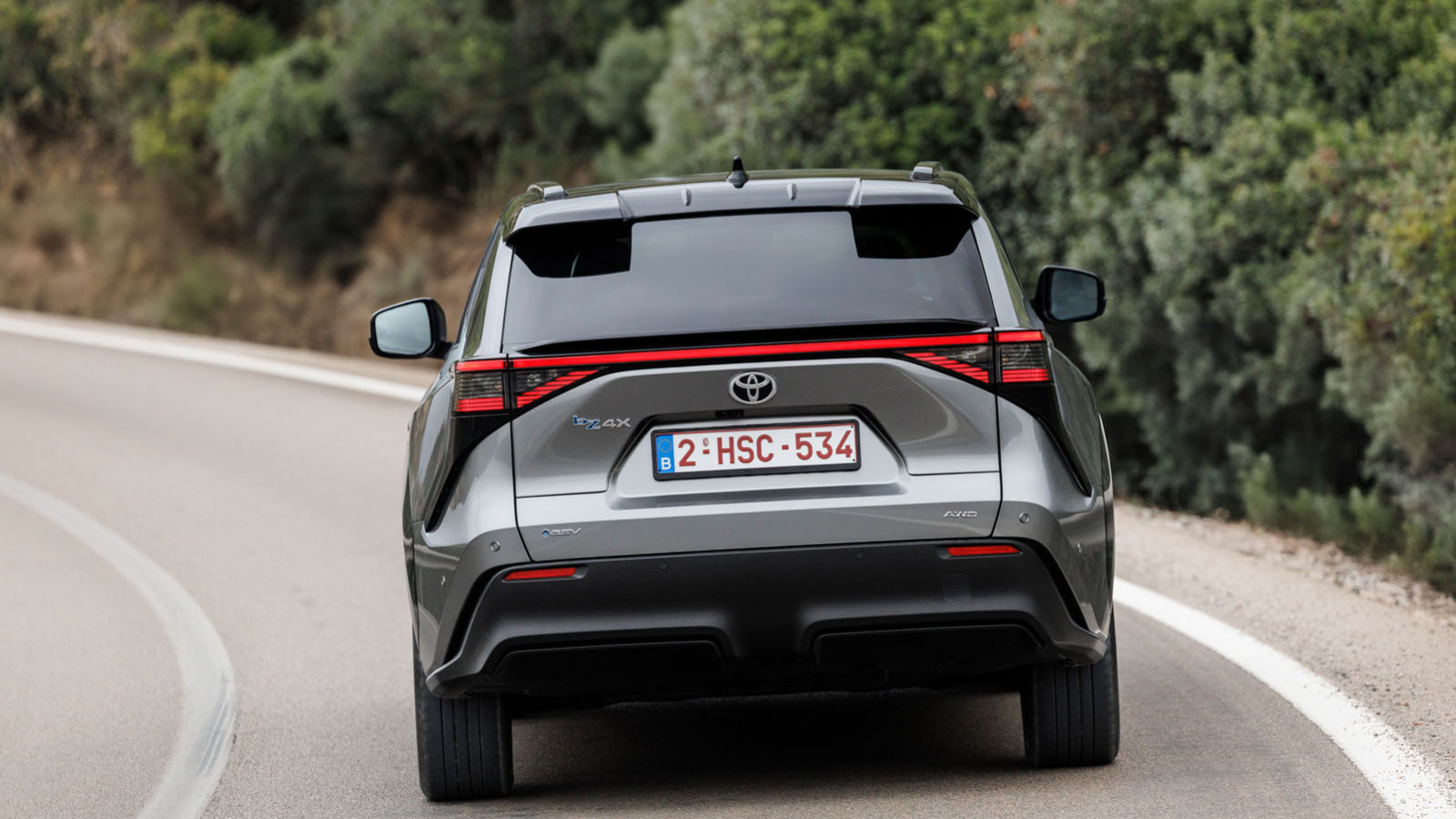
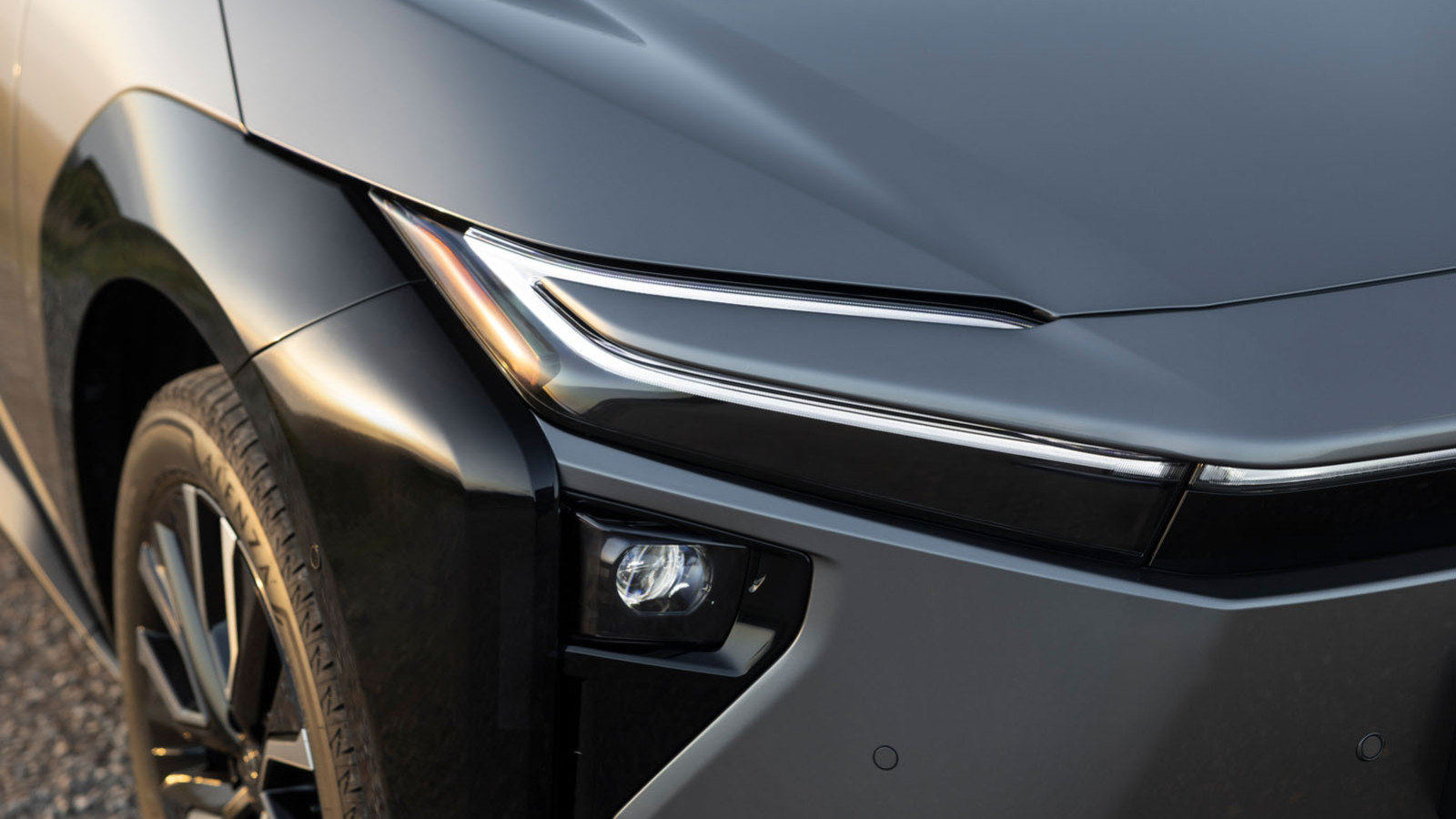
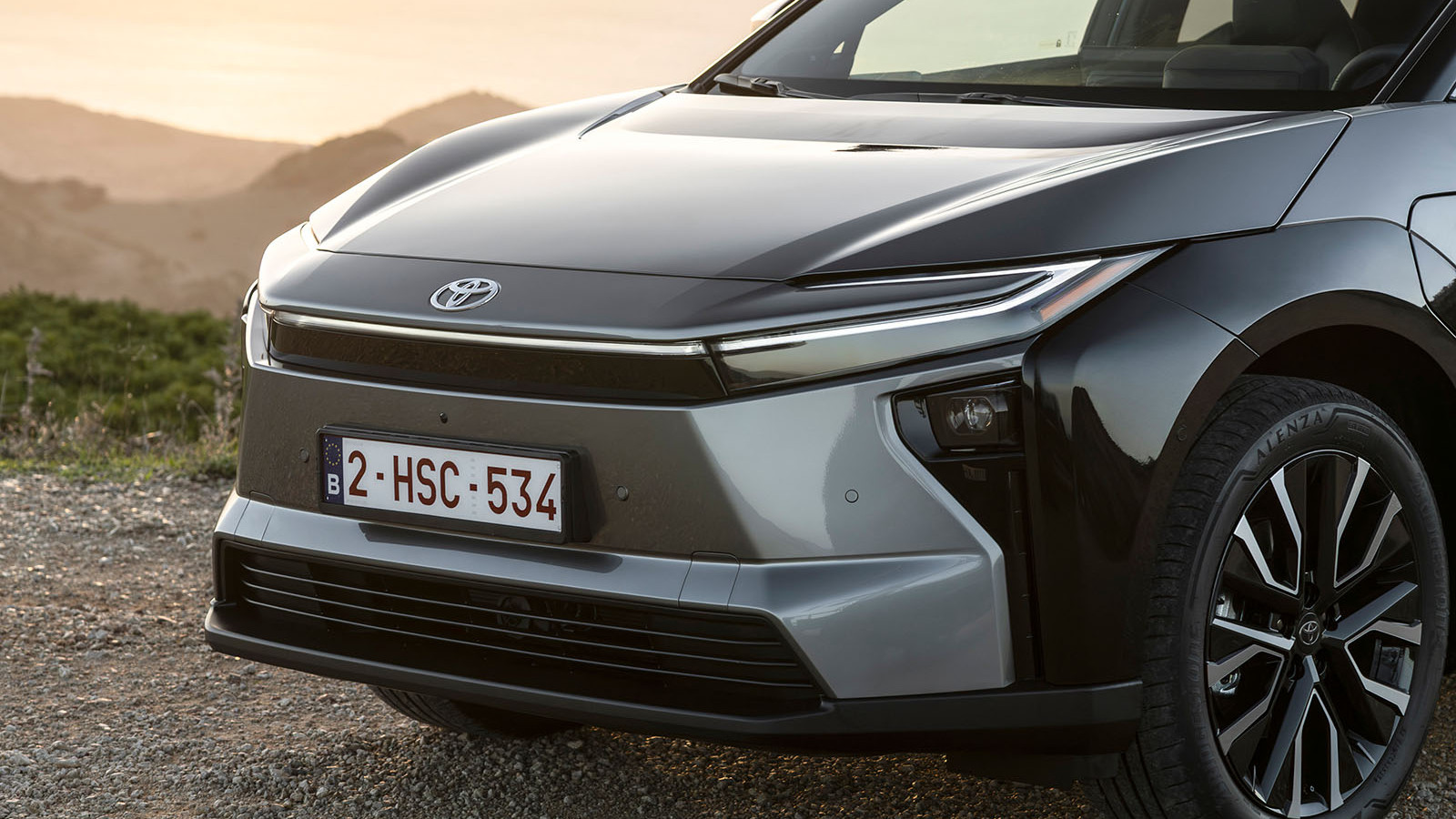
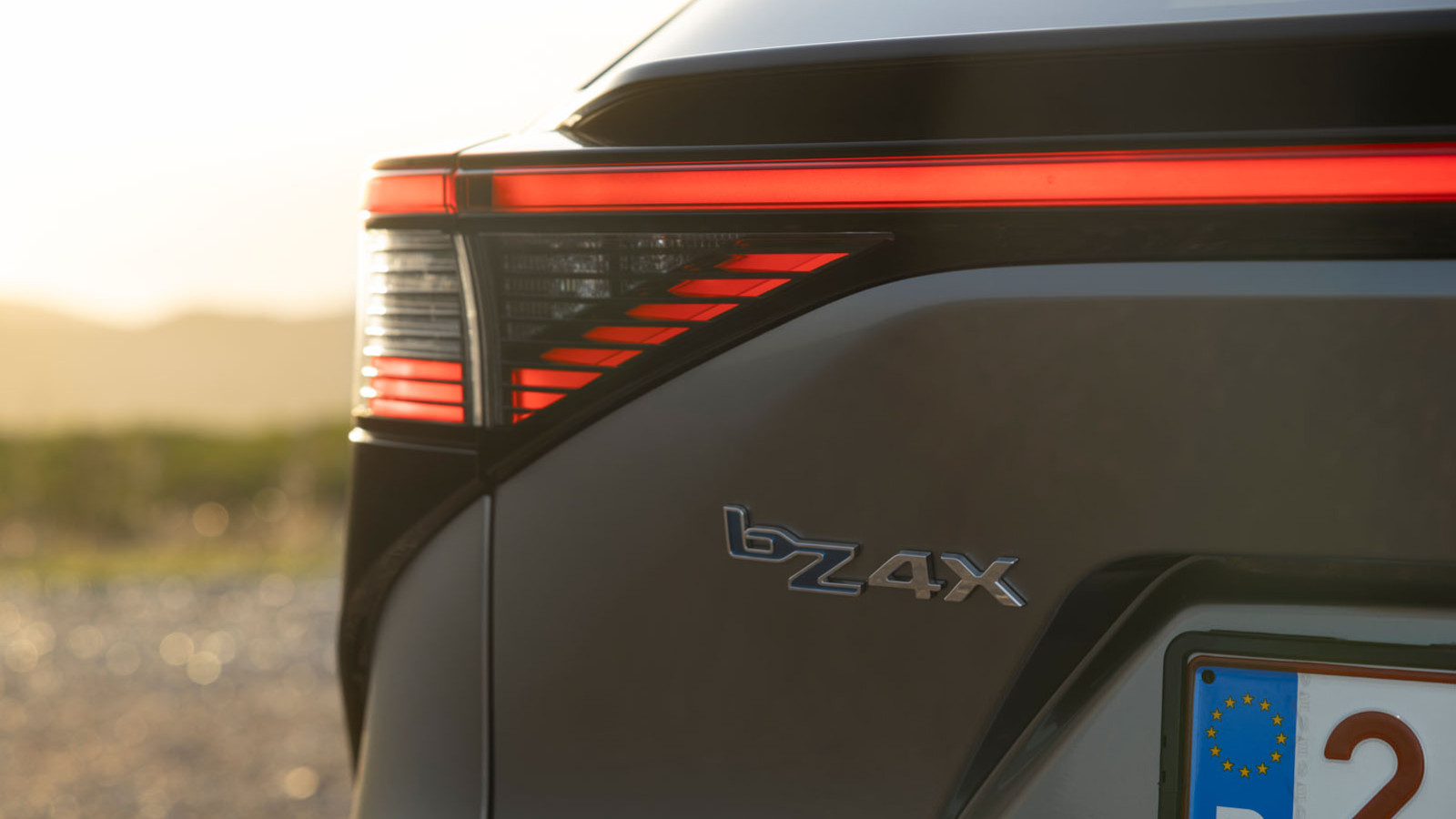
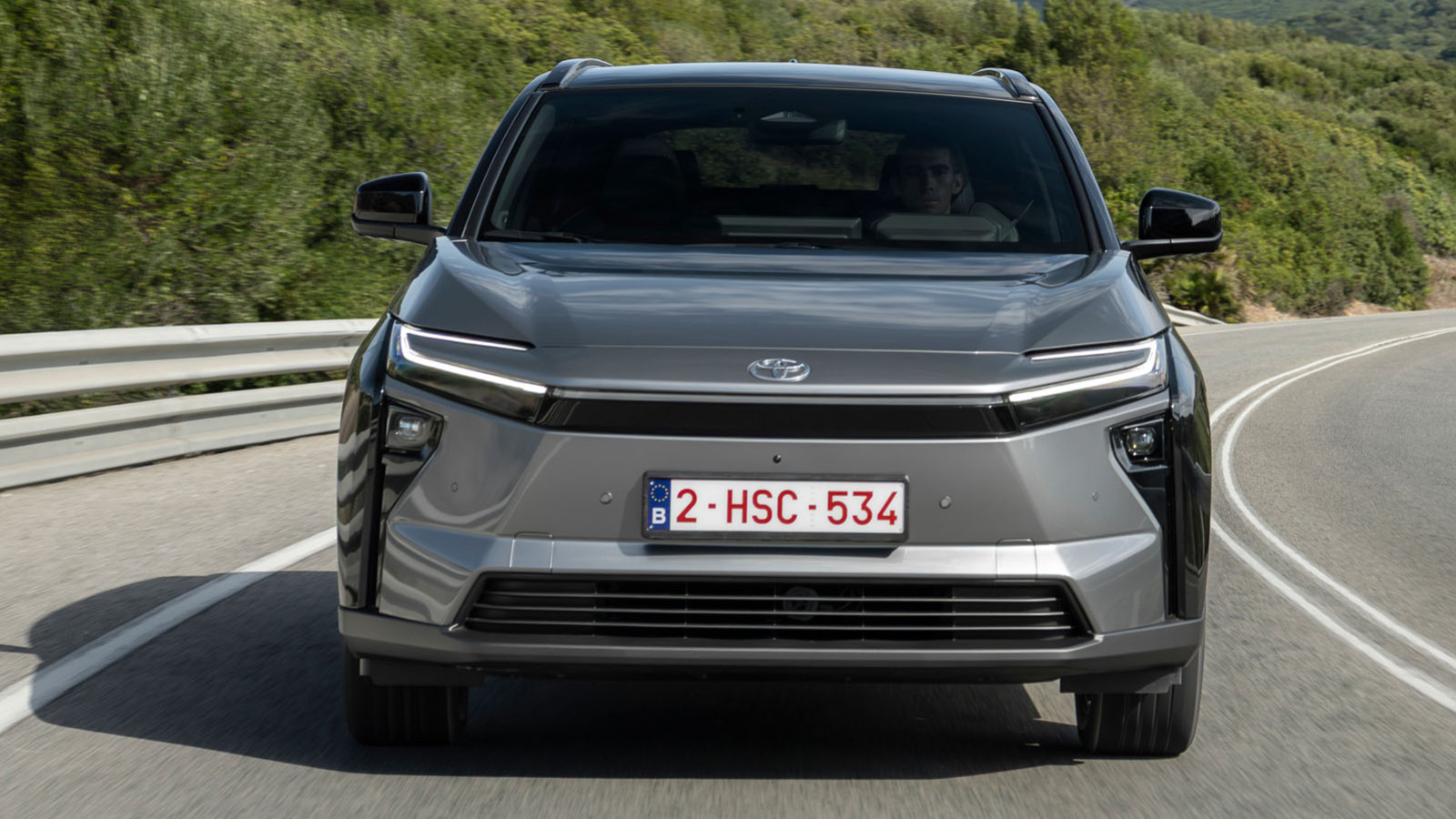
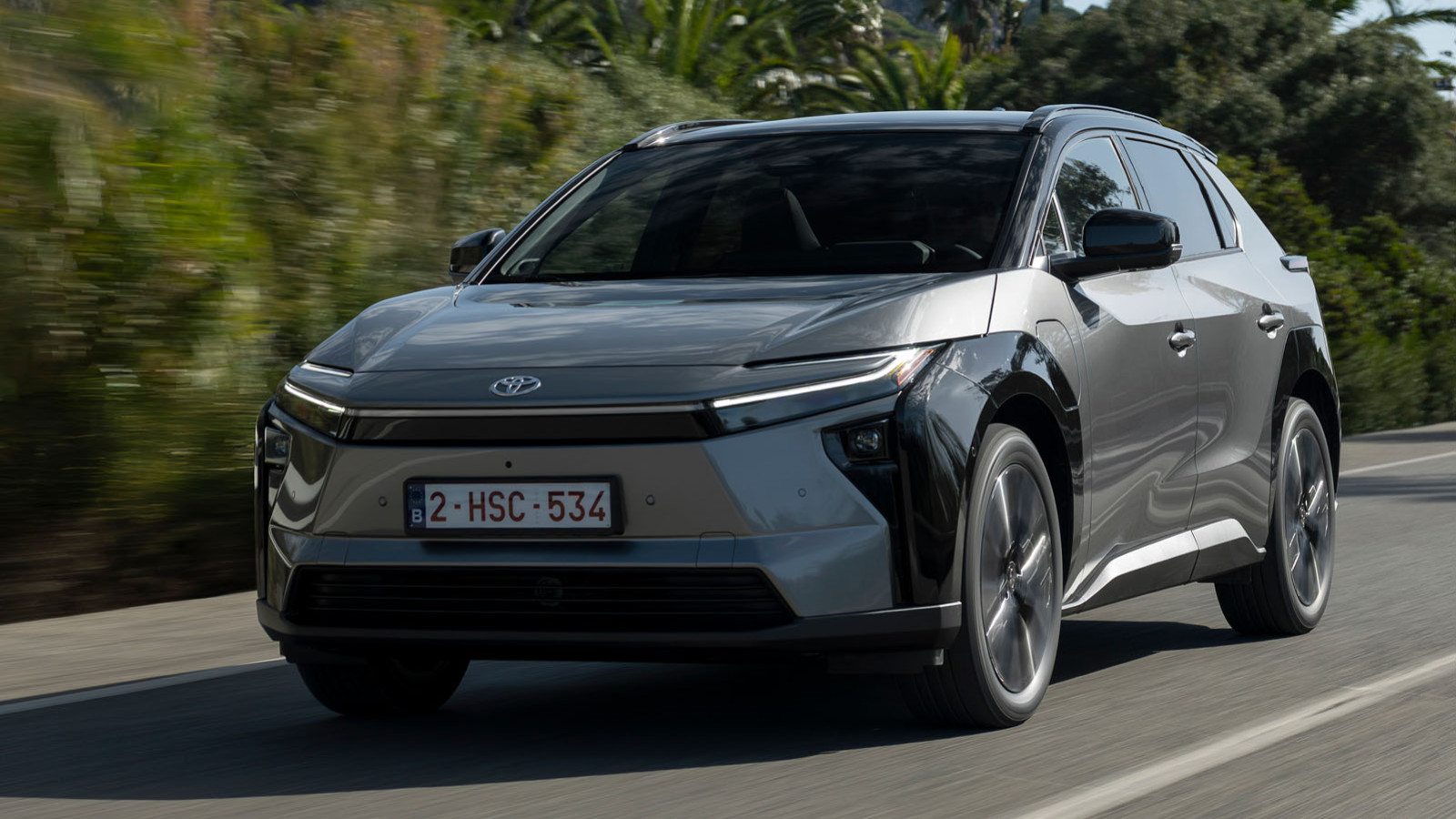
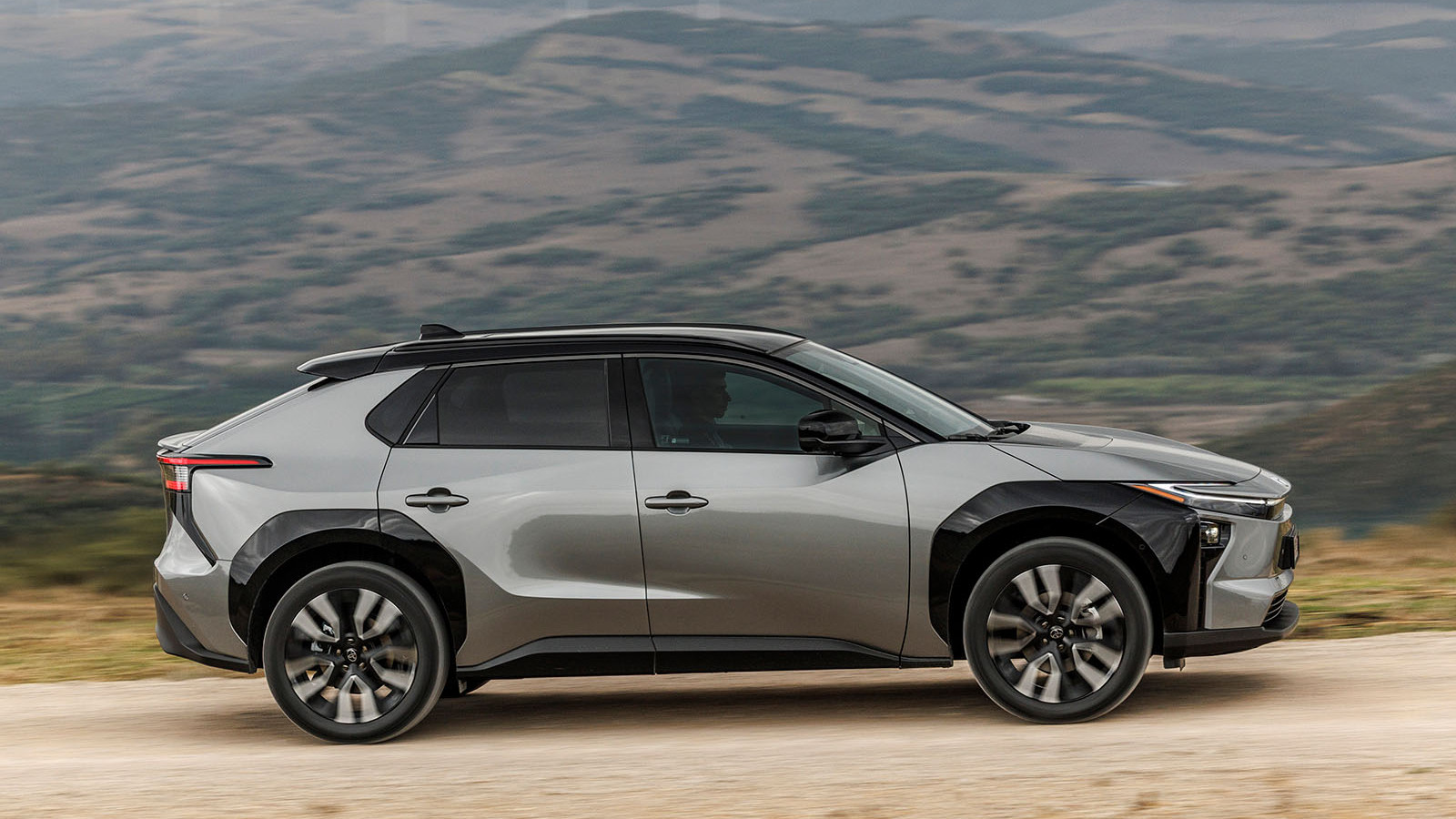
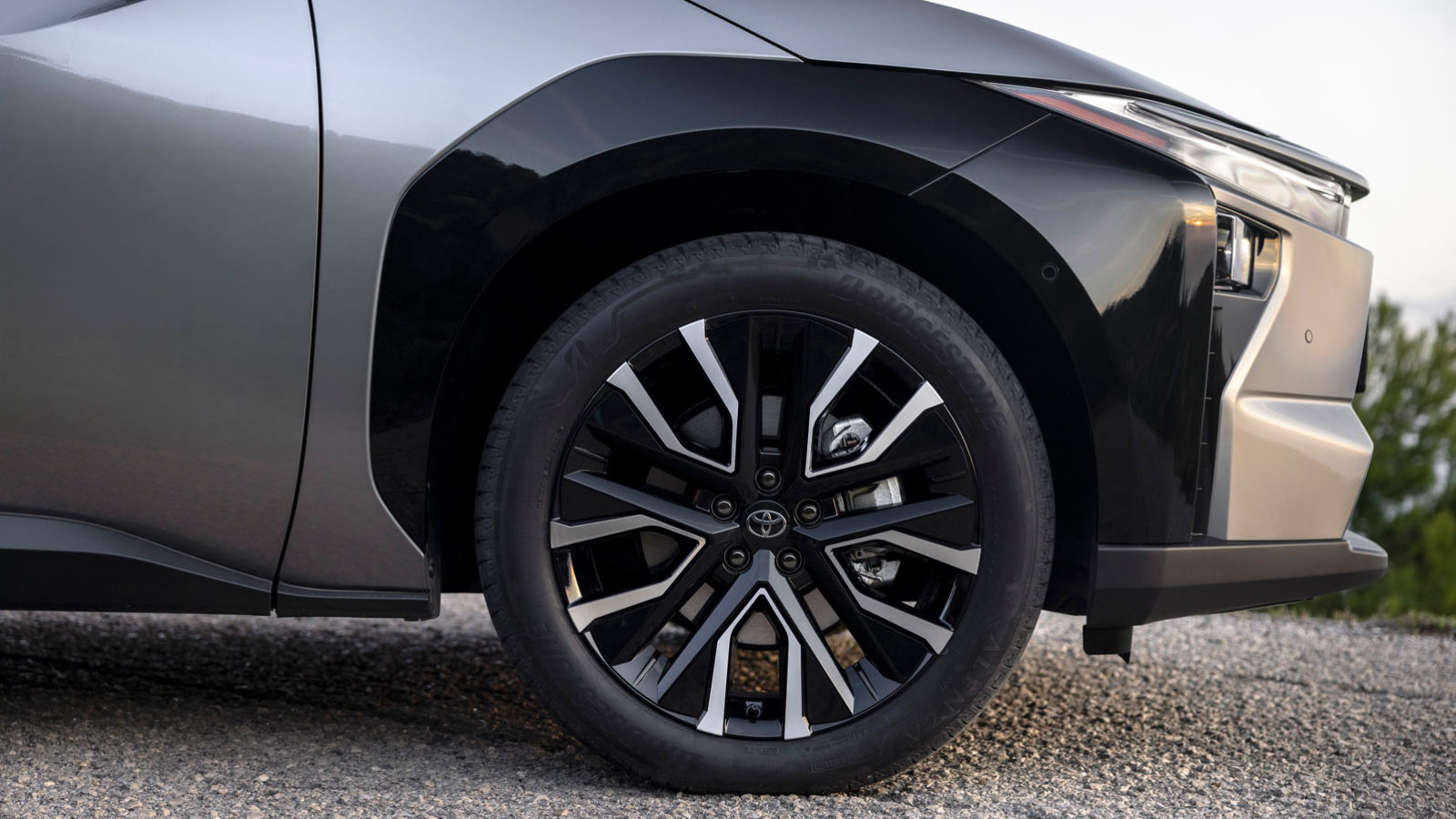
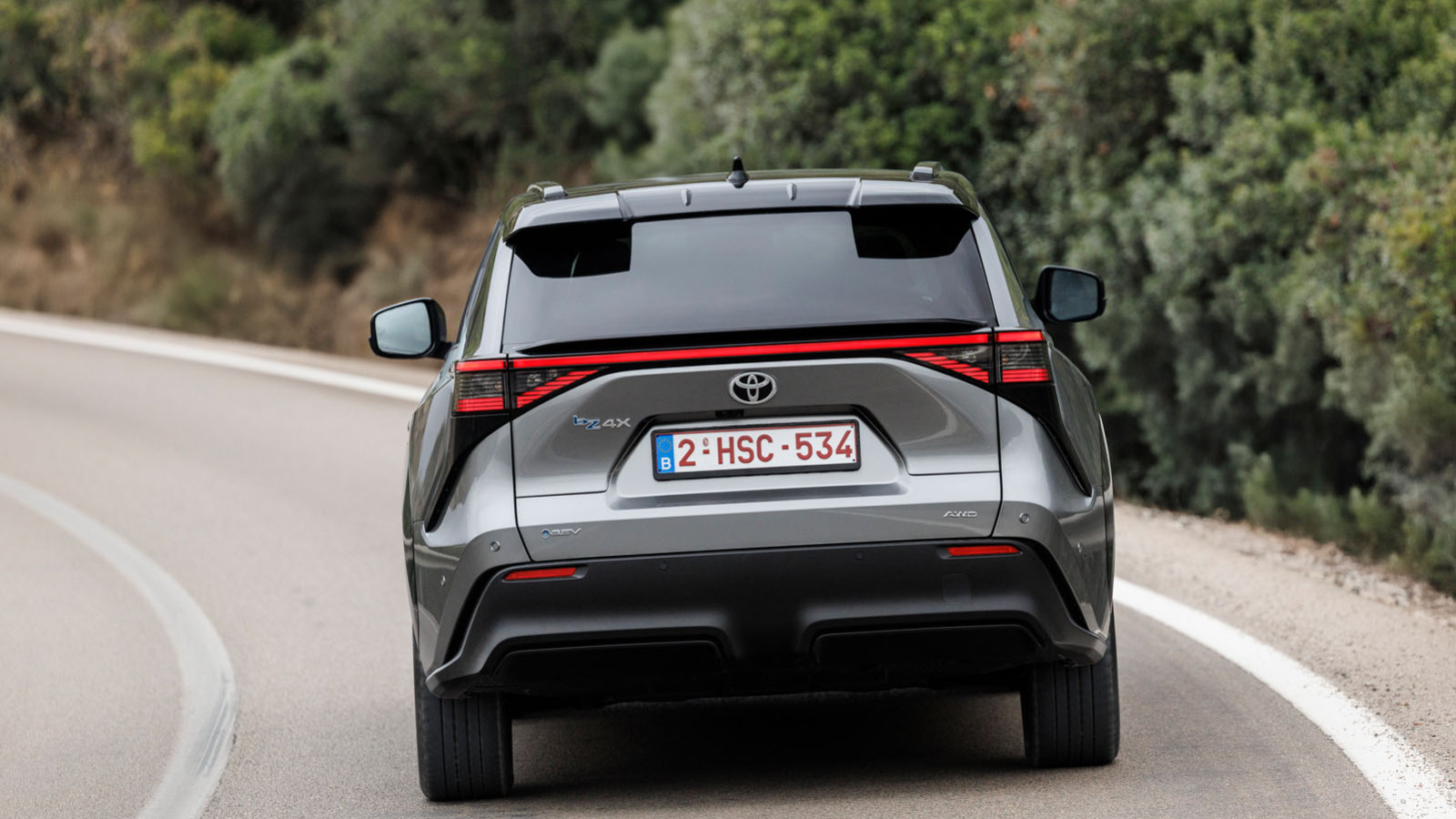
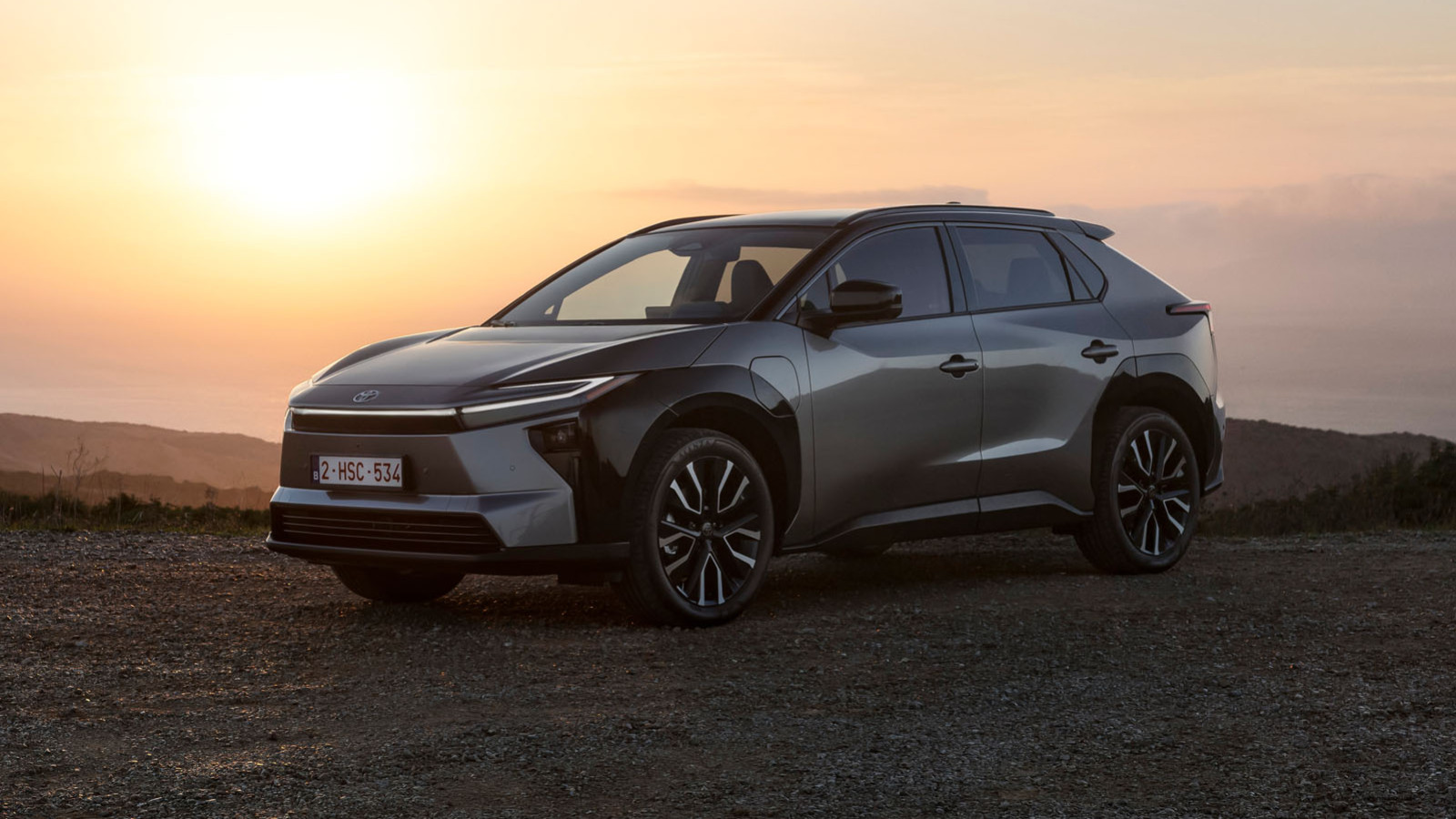
On the outside, the BZ4X gains new glossy black wheel arches, with a new daytime running light design. Its front and rear bumpers have also been slightly redesigned, and the rear spoiler is more pronounced than before.
Two battery packs are available. The entry-level BZ4X gets a 56kWh battery, while the range is topped by a 69kWh battery. That may not sound transformative in a class where rivals offer 90kWh and more, but it’s accompanied by a hefty improvement on energy efficiency.
The BZ4X retains a front-mounted drive motor. Power stands at 221bhp (up from 201bhp), with efficiency improved by around 25%.
The dual-motor, all-wheel drive version also gets a power boost, up from 214bhp to 338bhp. It will hit 0-100kph (0-62mph) in 5.1sec, which makes it more of a match for the Tesla Model Y.
The BZ4X is positioned in the middle of the mid-sized electric SUV segment in terms of space and practicality.
Measuring just under 4.7m long, it's not the largest car available in this category for the price, and, as we'll discuss, it has some limitations regarding passenger comfort.
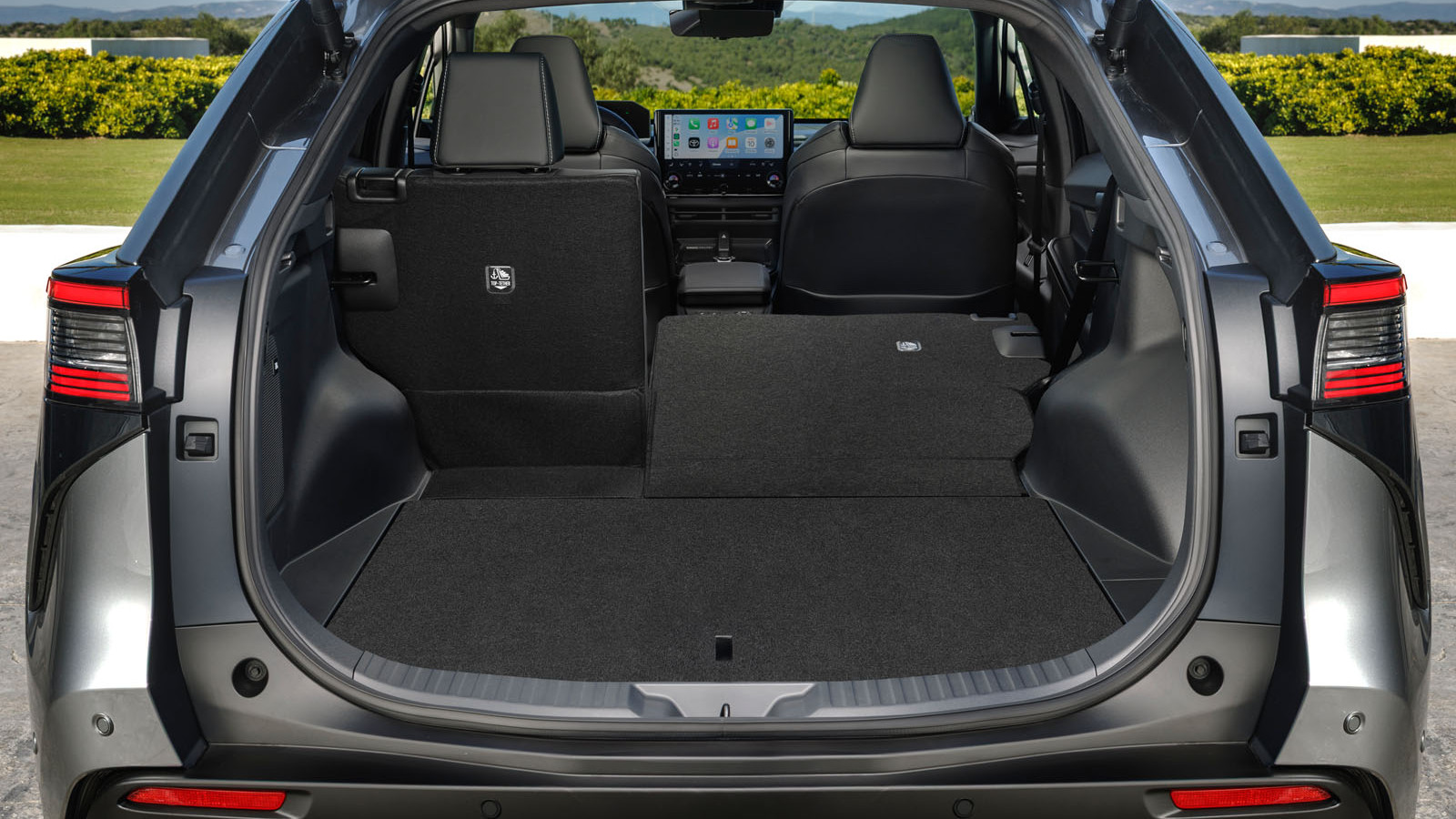
However, it still offers more room than some of its competitors, along with a respectable boot size of 452 litres.
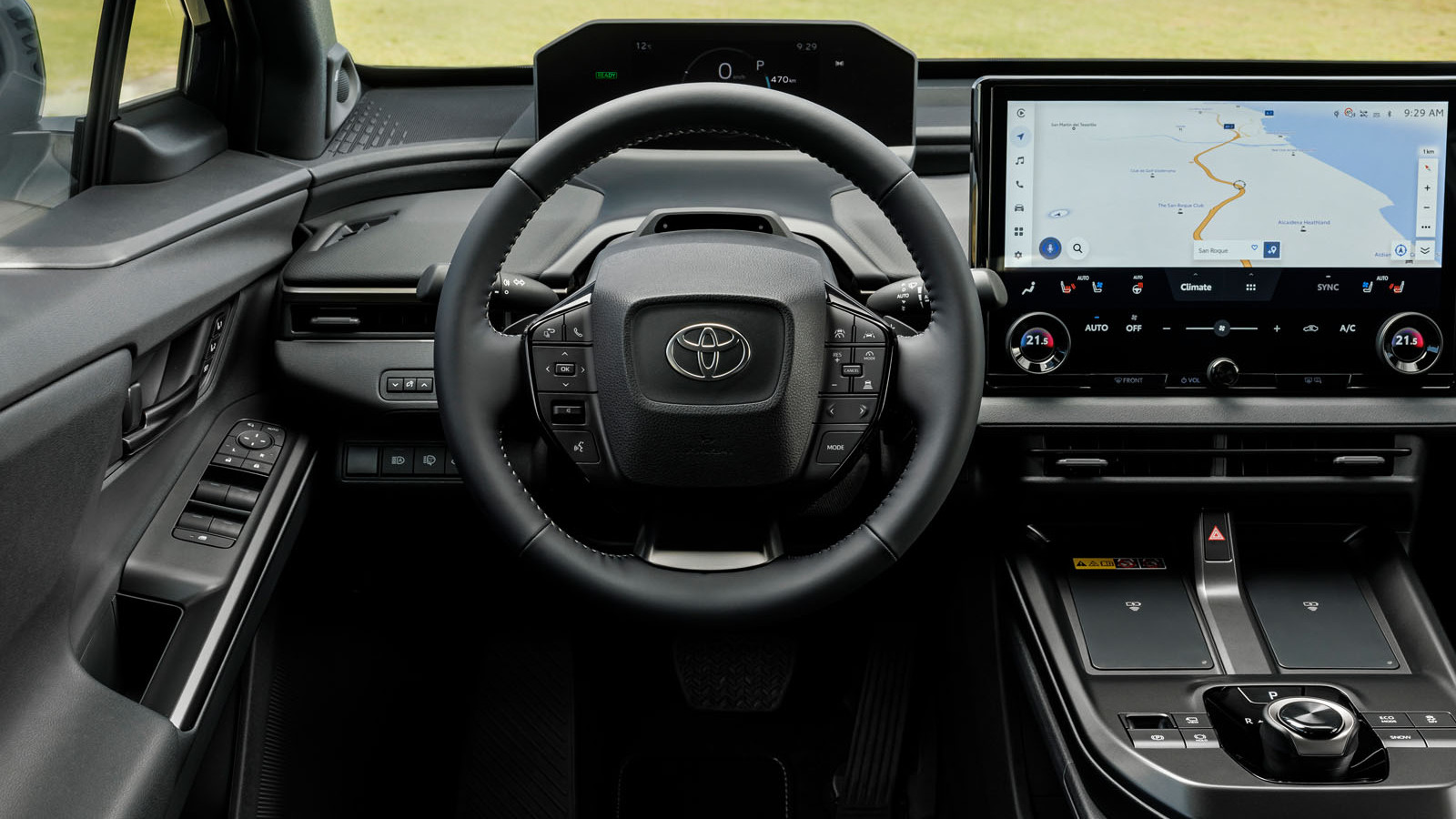
The car's distinctive raised driving position, paired with a small, low-mounted steering wheel, was a notable feature when we first encountered it in 2022, and it remains a key idiosyncrasy.
This design necessitates viewing a digital instrument pod, positioned close to the base of the windscreen, over the top of the steering rim.
Consequently, the steering wheel diameter is restricted, and the column is set at a notably raked angle.
Toyota has notably improved the BZ4X's perceived quality and usability.
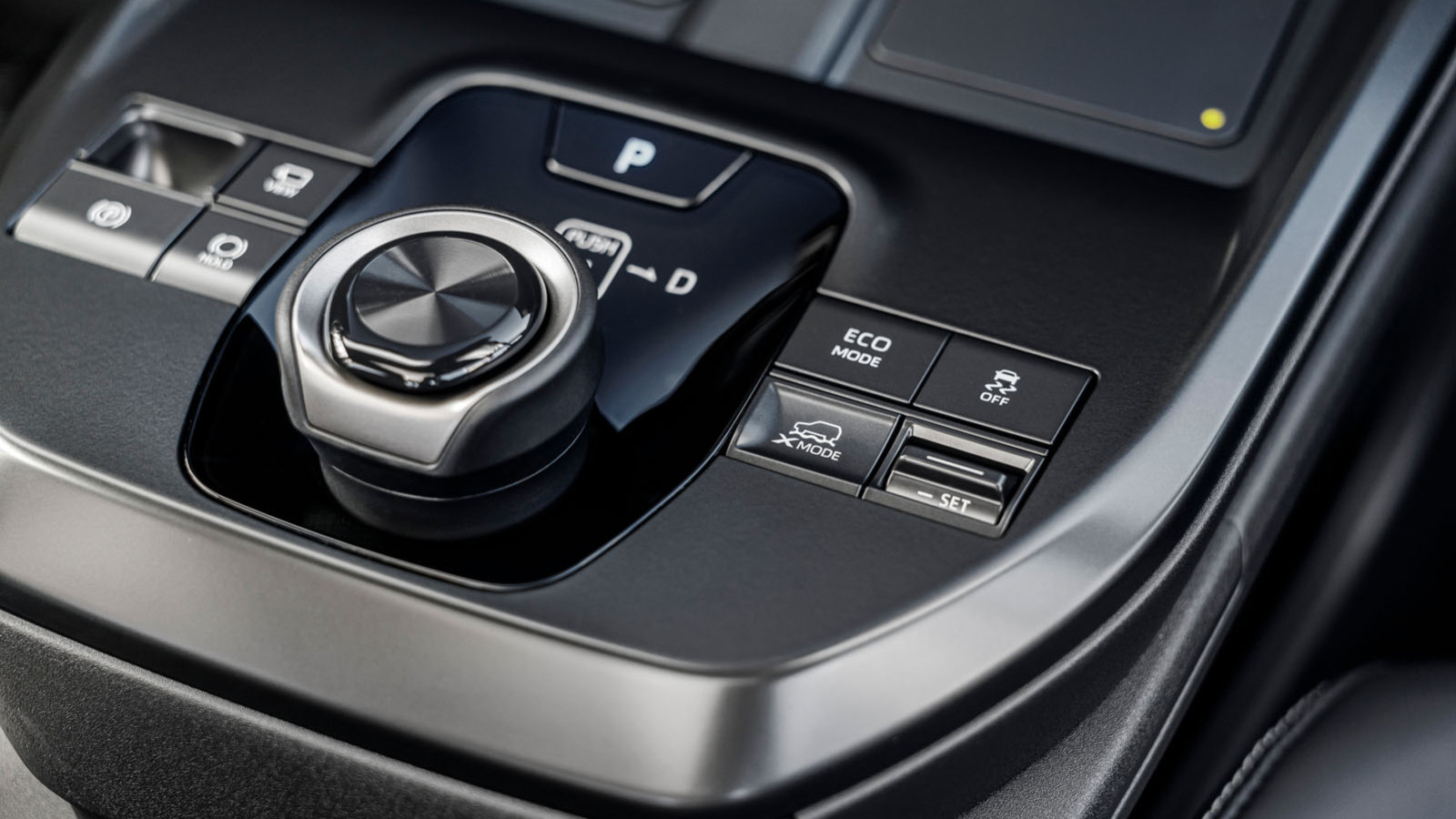
A key change is the removal of the abundant 'piano black' glossy plastic from the centre console and doors, replacing it with a less reflective and smudgy grey trim. This simple alteration has delivered a clear and positive impact.
The cabin receives several upgrades, starting with the fascia, where the original cloth trim has been replaced by a smarter, soft-touch moulded dashpad.
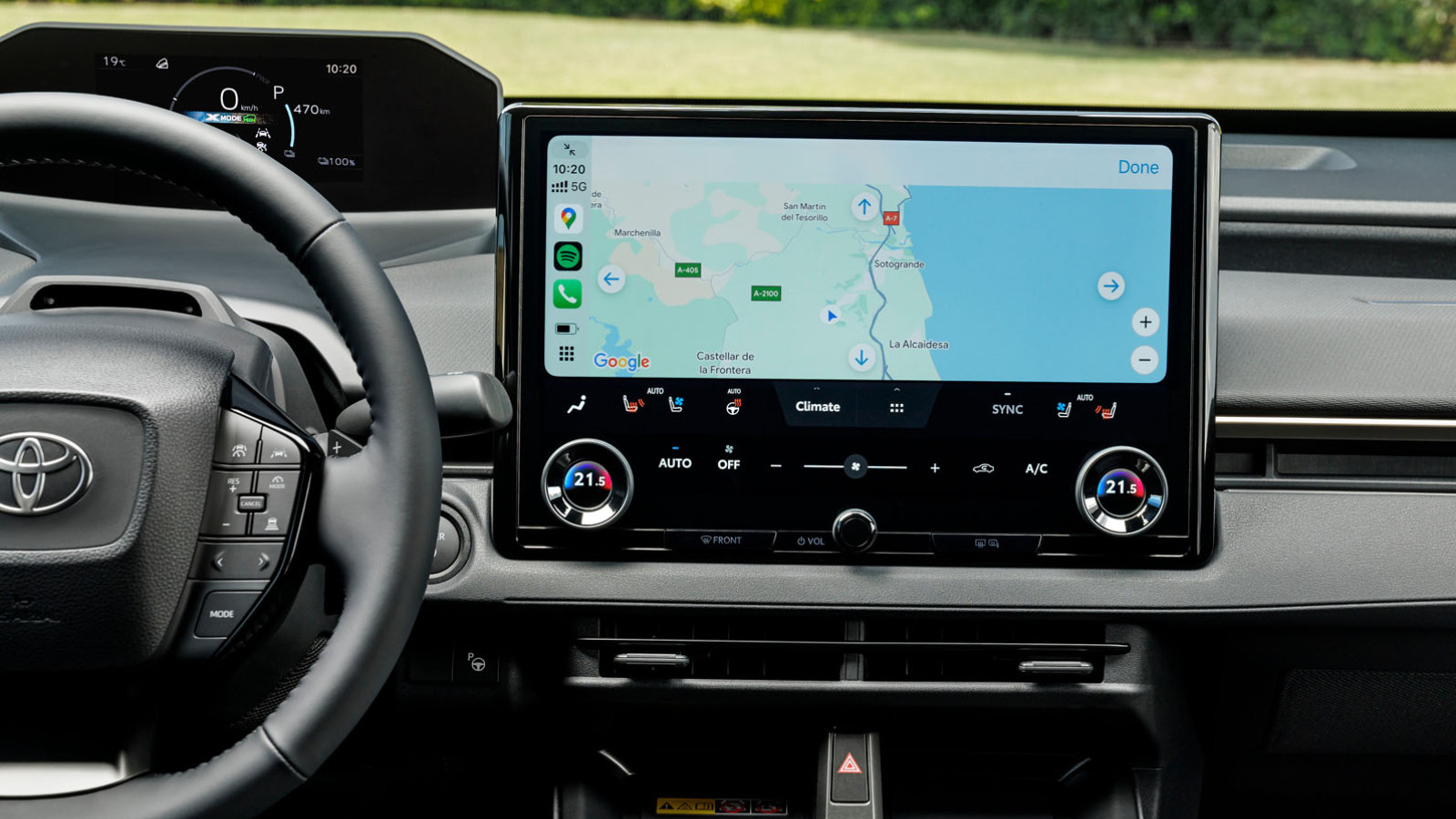
This is complemented by a larger multimedia system and slightly more premium-looking heating and ventilation controls. The new touchscreen is markedly more user-friendly than its predecessor, offering swift access to ADAS functions and making it easy to engage and disengage smartphone mirroring.
The revised centre console - dubbed 'the digital island' by Toyota, perhaps a little pretentiously - now incorporates two new wireless smartphone charging pads and provides ample hidden storage space throughout the area.
Even with the newly potent AWD system, the BZ4X does not aim to wow with raw power or performance.
Toyota continues its established product strategy: offering power and speed that meet the typical driver's needs, and prioritising accessible, predictable performance - an area the car has notably improved in. New regen paddles are also a welcome addition.
The single-motor Front-Wheel Drive (FWD) version accelerates with a strong initial burst of torque, which feels substantial until reaching motorway speeds, after which it begins to diminish.
The All-Wheel Drive (AWD) model offers significantly quicker performance. However, its accelerator pedal features a slightly unusual calibration, delivering a sudden, non-linear surge of torque around three-quarters depression.
The BZ4X rides and handles reasonably well for the class. On challenging roads, its body control is more composed than many rivals, and its handling and manoeuvrability successfully mask any feeling of excessive size or weight.
While the dual-motor cars have a slightly quicker steering rack, neither offers a particularly sporty feel. However, both are sufficiently neat and agile when cornering, with decent resistance to body roll.
Both models prioritise stability, and pushing the single-motor version too hard will reveal a determined tendency towards understeer at the limit of grip. Nonetheless, both cars are competent, tracking accurately and holding the road keenly enough to maintain speed when necessary.
The BZ4X offers a much higher range than before. With the larger 69kWh battery, drivers can expect up to 566km (352 miles).
Our tests returned 4.4mpkWh, which is equal to around 482km (300 miles) in the real world. The shorter range car, meanwhile, produced 3.4mpkWh, which is equal to 378km (235 miles) of real-world driving.
Improvements to DC rapid charging performance for the BZ4X, up to 150kW, are claimed by Toyota, thanks to a new battery preconditioning system and battery pack design. However, this could not be verified during the European test drive. Note that 22kW three-phase AC charging is only available on Excel-grade cars.
Toyota advertises a manufacturer warranty “up to 10 years” and 160,934km (100,000 miles). In reality, though, it gives just three years and 96,560km (60,000 miles) as standard, and adds a year and 16,093km (10,000 miles) every time it is serviced at a Toyota dealer.
The Toyota BZ4X, with its newly added gloss black wheel arches, is characteristic of many Toyotas: a competent, versatile, and essentially unremarkable mid-market family EV. Its objective is not to excel in any specific area, but rather to avoid significant drawbacks or vices.
Following a series of revisions, the BZ4X is now much more successful in achieving this goal. It boasts marked improvements in efficiency, drivability, and refinement. While the interior has been upgraded, it still has some limitations in terms of comfort and practicality.
Nevertheless, it offers adequate performance and handles and rides reasonably well. It's not a car that offers qualities such as size, speed, desirability, dynamism, lavish luxury, or quirky distinctiveness. Instead, it offers a functional, unpretentious feel, performing a little bit of everything.
Much like a Corolla, RAV4, or Yaris, it occupies a respectable middle ground in its segment. While rivals might offer more in certain aspects, they typically do so at a higher cost or by introducing other compromises. Ultimately, the BZ4X can now be seen as a quintessential Toyota: a sound, sensible, and rational choice, even if it lacks inspiration or daring.