
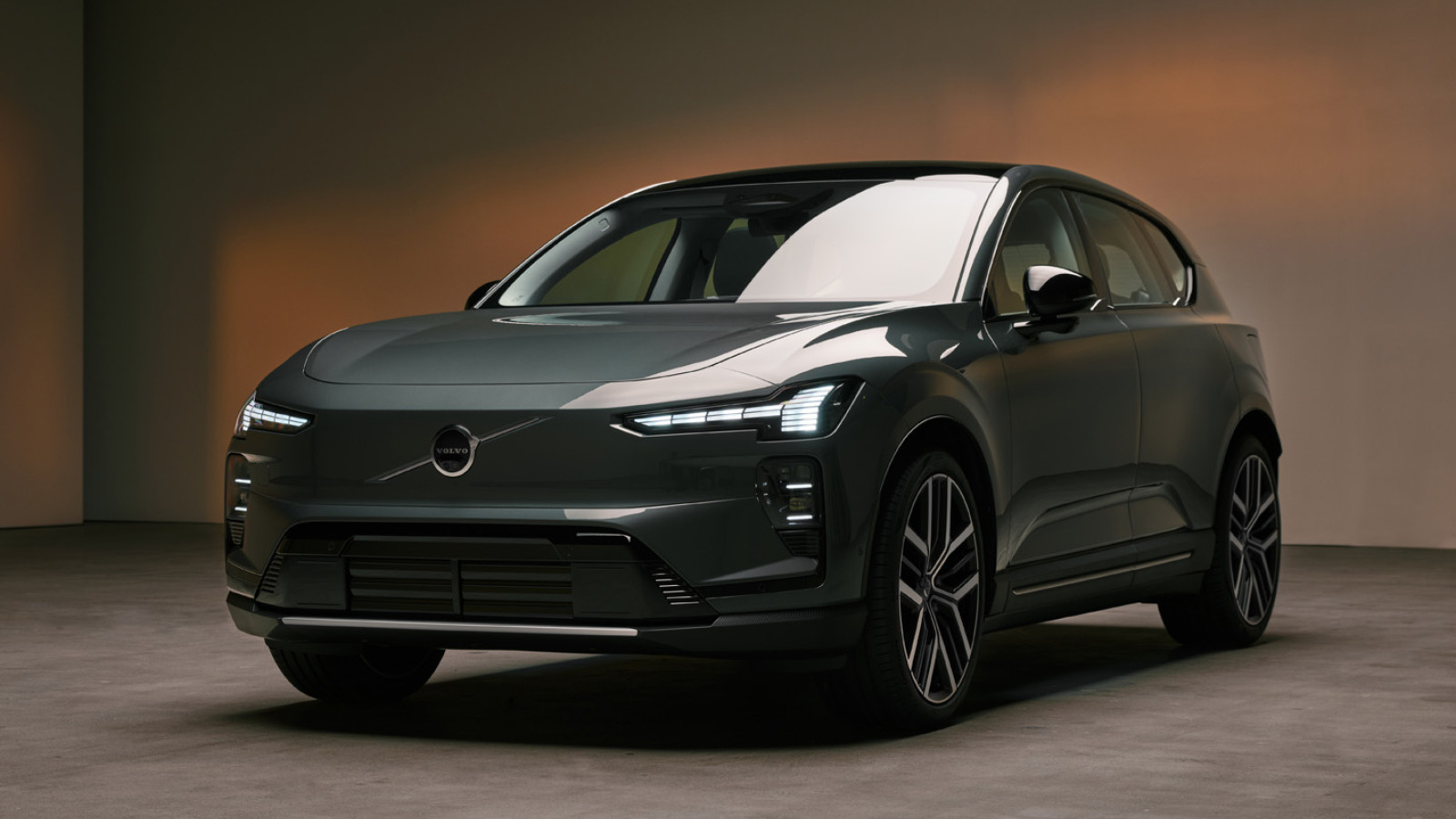
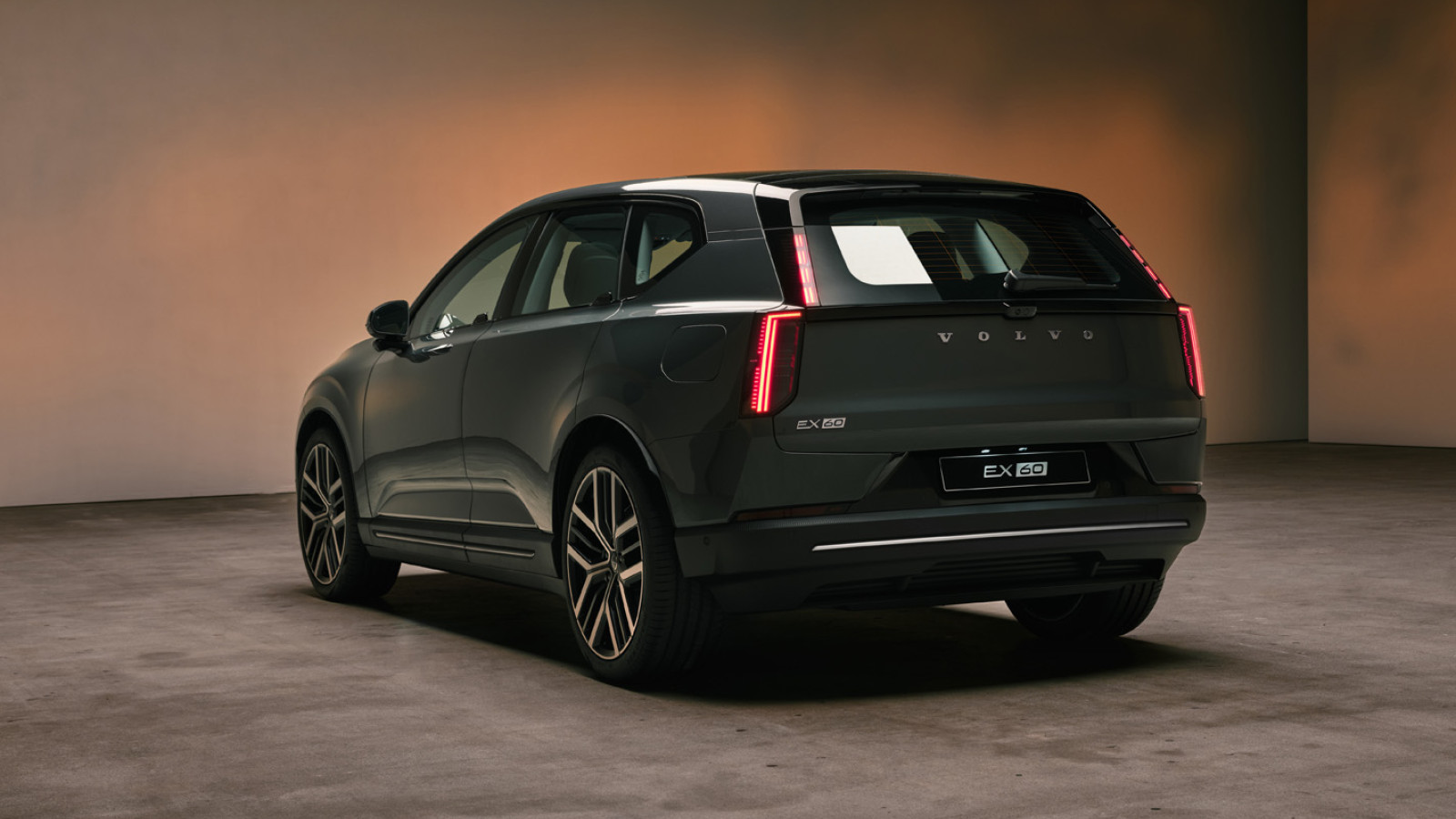
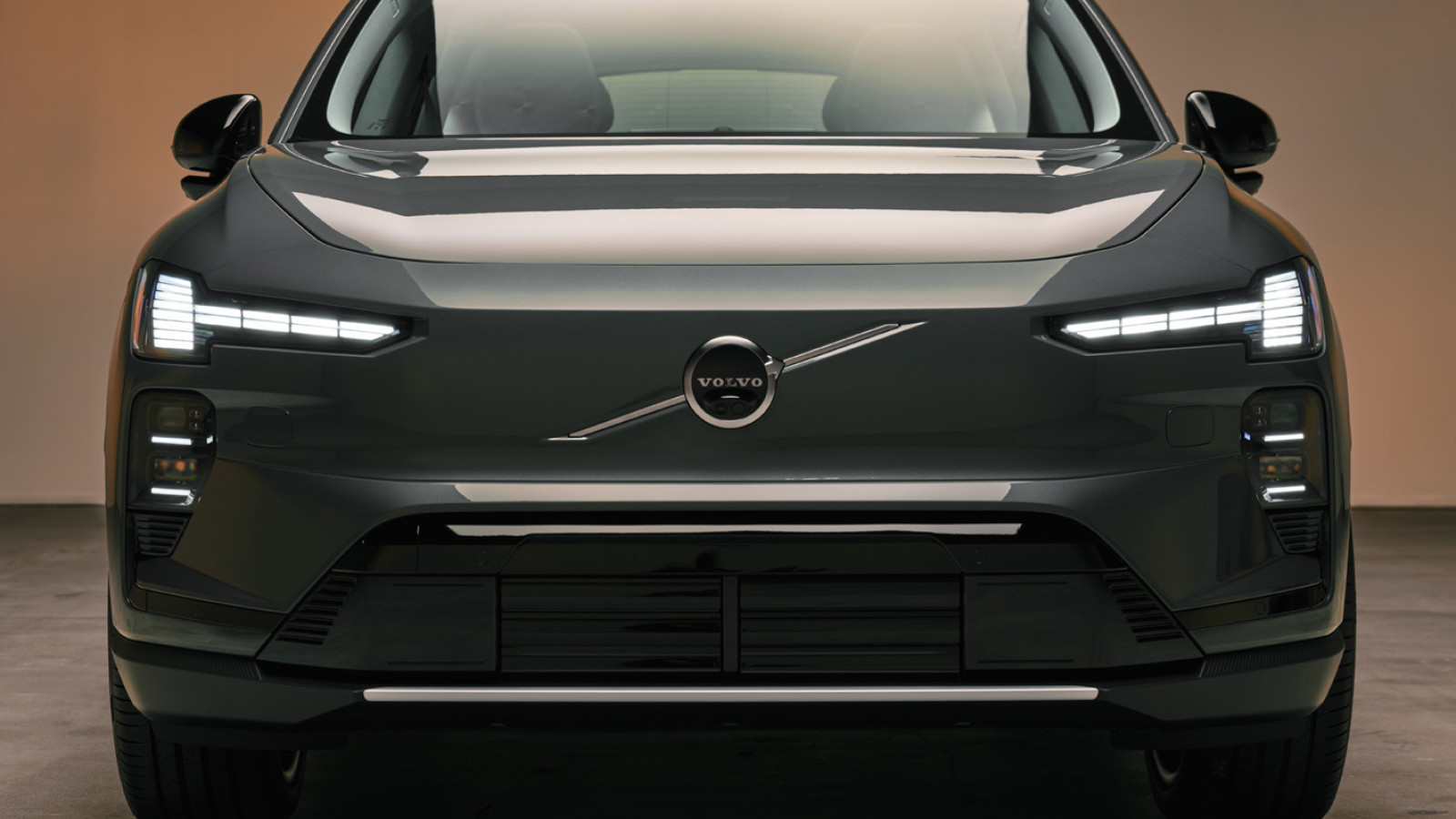
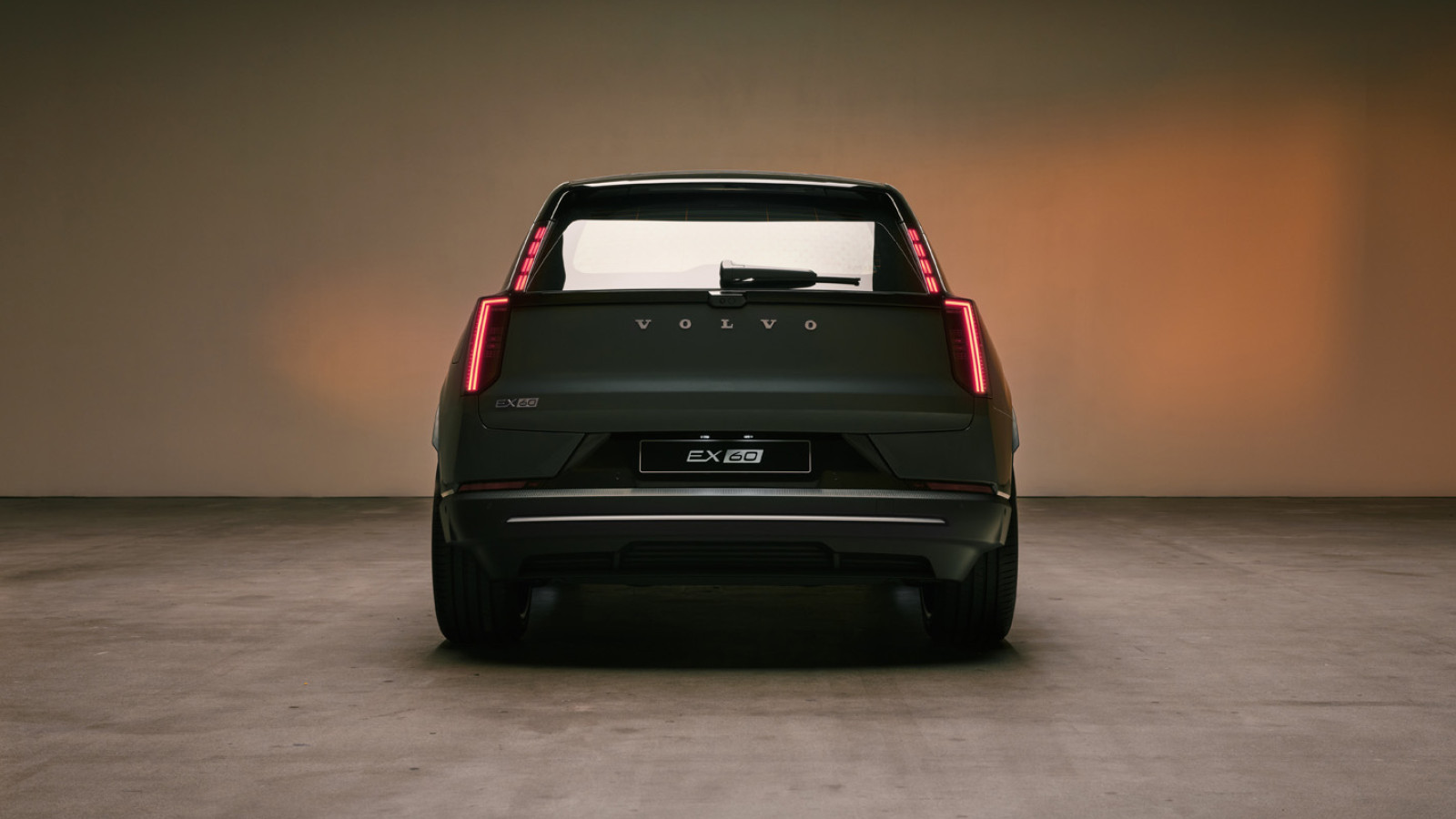
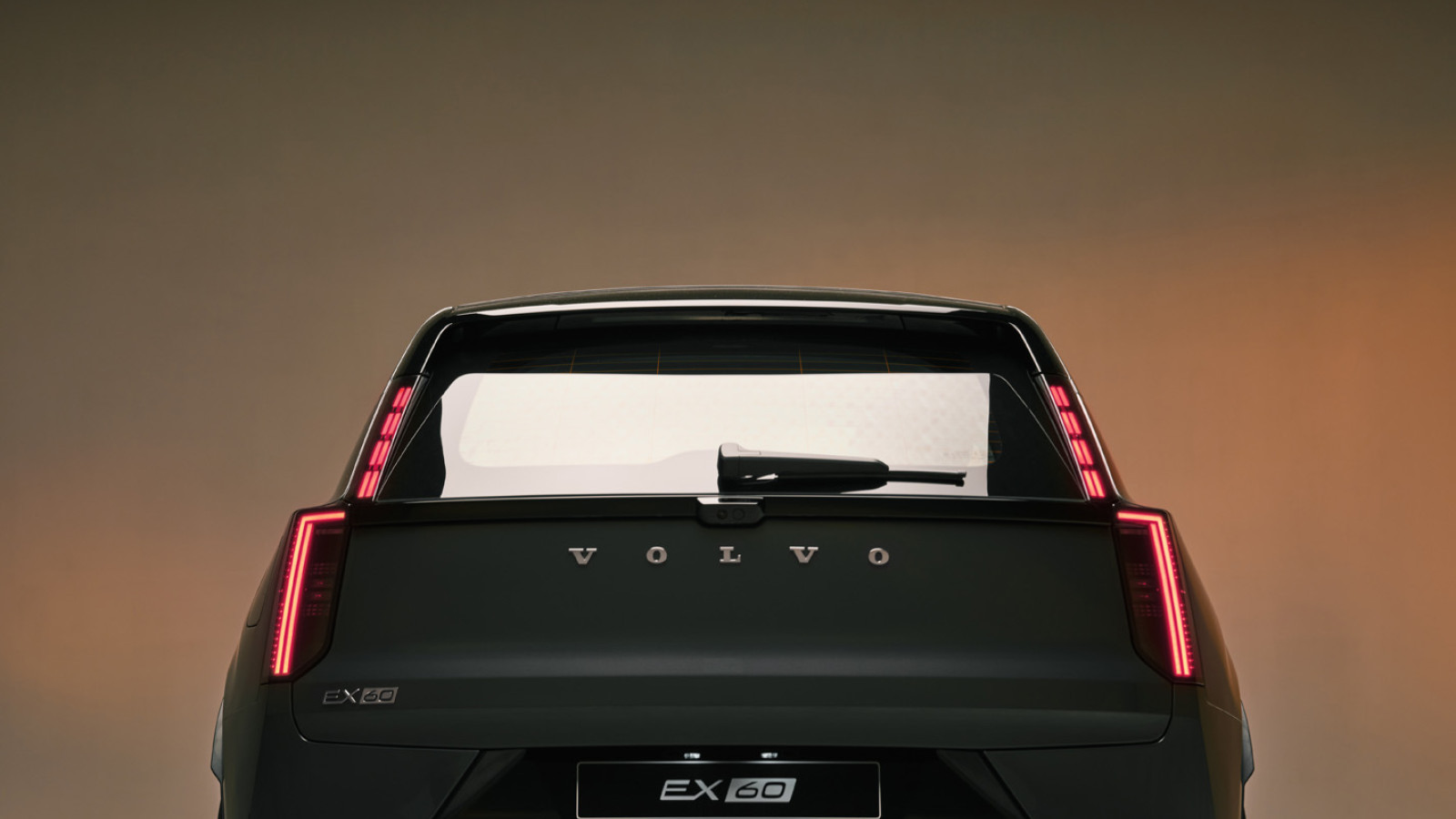
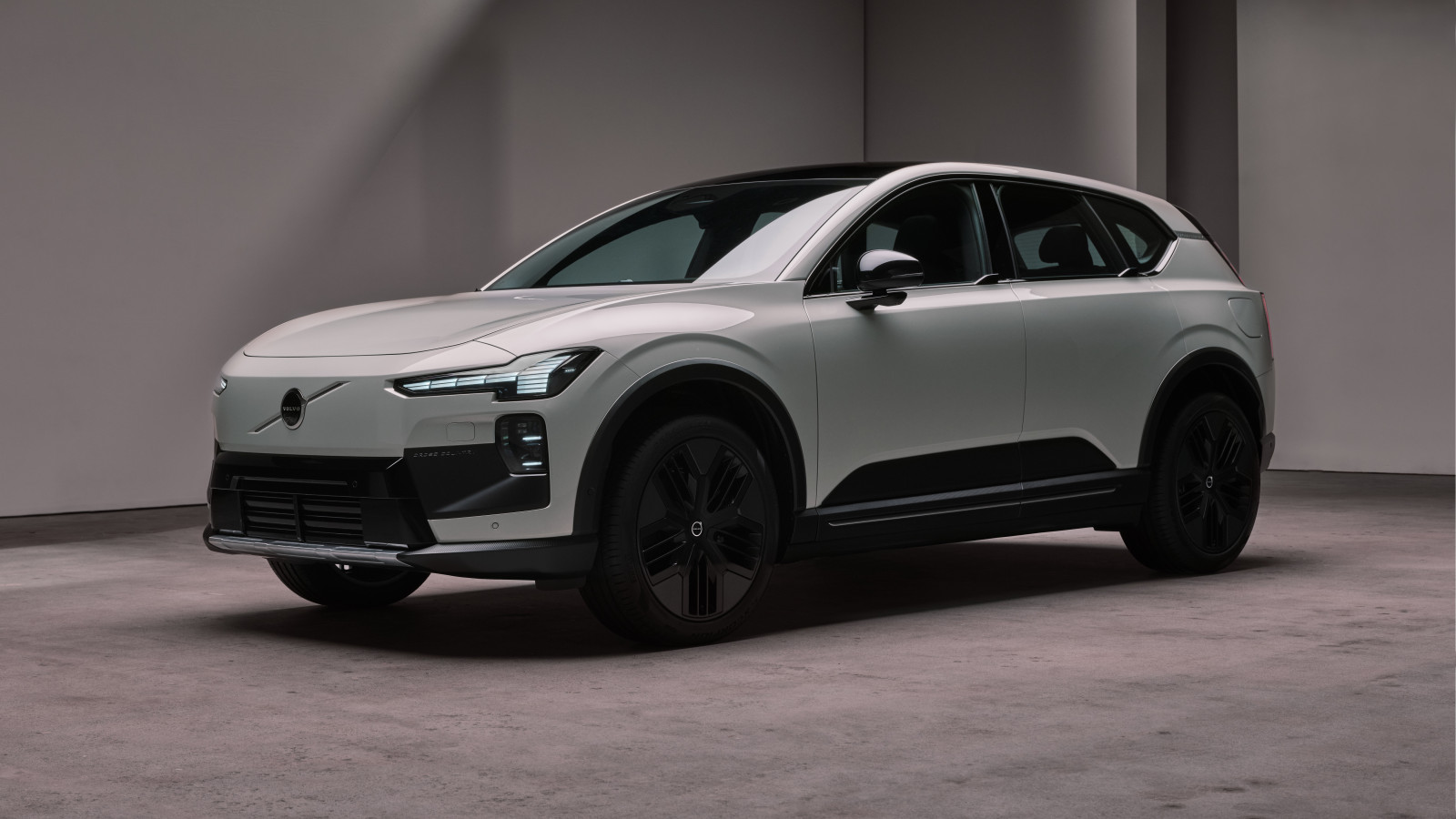
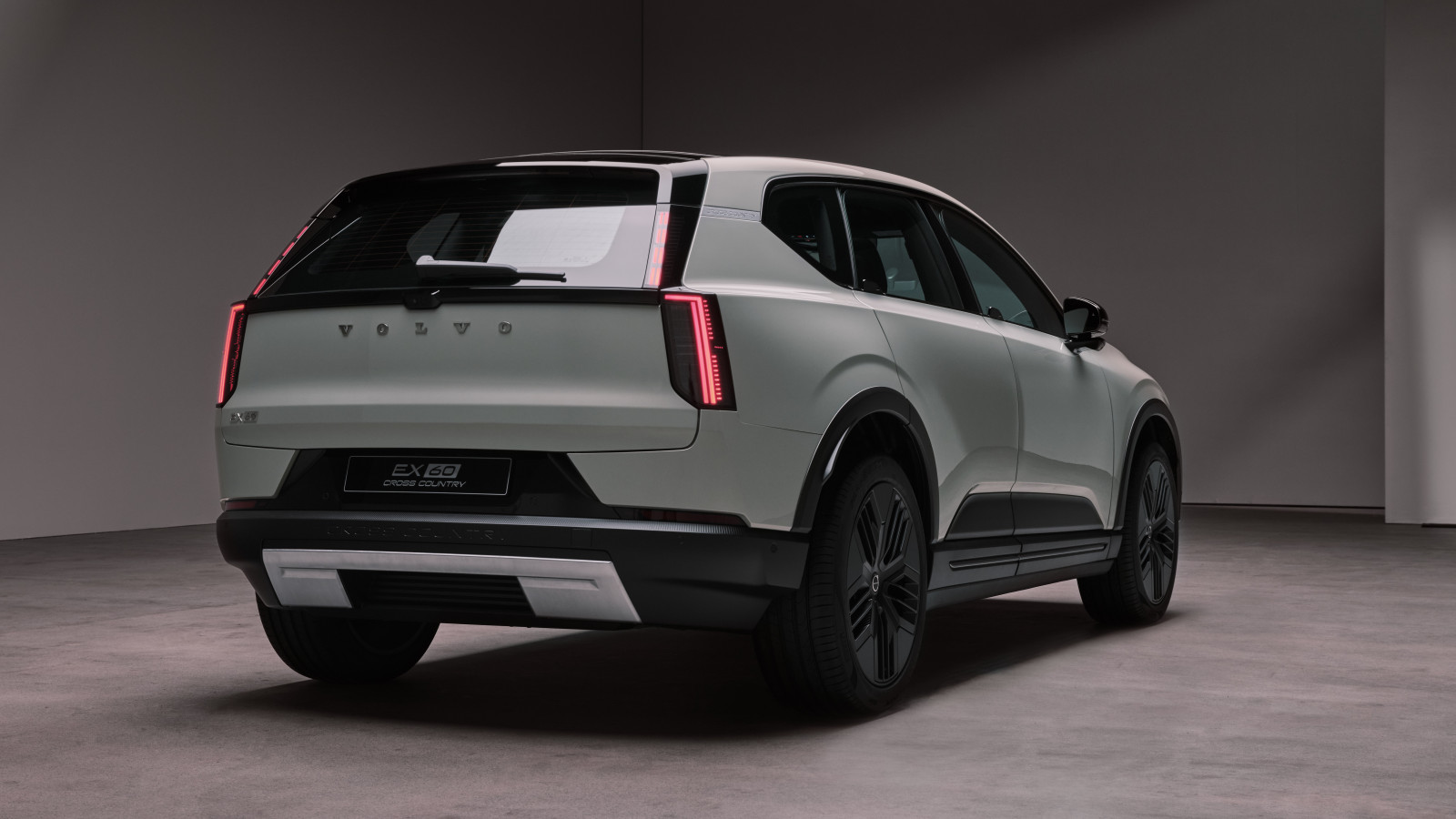
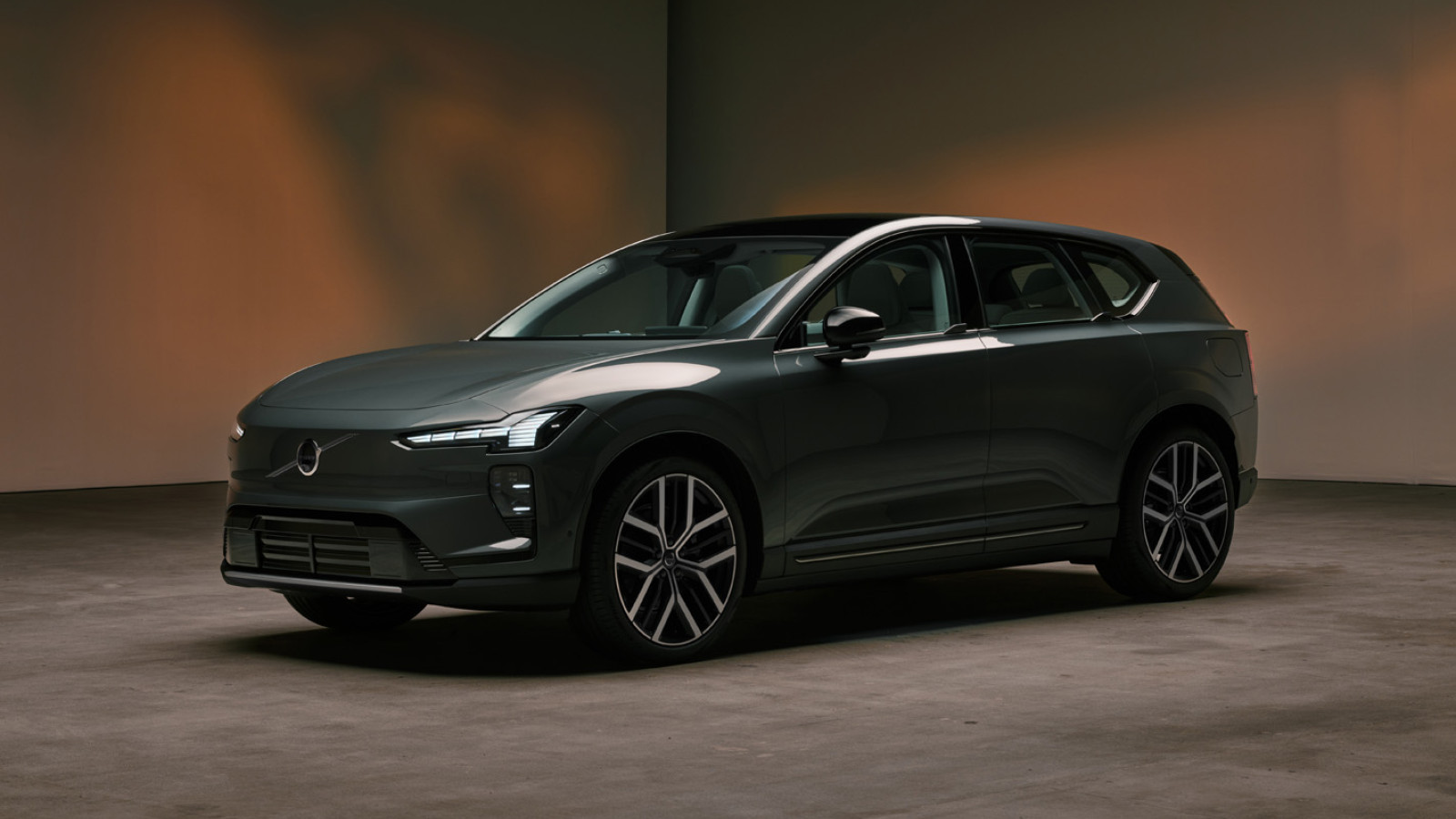
The new Volvo EX60 has been revealed as the Swedish firm's most important model in years, introducing a new platform, high-end technology and a colossal driving range.
Set to rival the BMW iX3 and the Mercedes-Benz GLC EQ, the EX60 arrives as Volvo’s fourth bespoke electric car. It also represents the brand’s entry into the increasingly important premium electric SUV segment.
Expected in markets across the world from September 2026, the EX60 is the first car to use Volvo’s new SPA3 platform, which has vital implications for how the company produces its cars and their technological capabilities.
The EX60 will act as the electric alternative to the internal combustion XC60, which has long stood as the company’s best-selling car. If electric cars aren’t quite for you, don’t panic: the XC60 will remain on sale with a choice of hybrid and plug-in hybrid powertrains.
Let’s get into the figures. The EX60 will goon sale with a choice of single or dual-motor powertrains. Single motor models produce 369bhp, while all-wheel drive variants pump out as much as 671bhp. In its fastest guise, the EX60 is capable of travelling from 0-100kph in just 3.9sec - as fast as an Audi RS3.
The EX60’s driving range is just as impressive as its supercar performance figures. Entry-level cars use an 80kWh battery with 620km of range (385 miles), while mid-range models get a slightly larger 91kWh battery with 659km (410 miles).
The headline figure comes from the EX60’s largest battery - a huge 112kWh unit with 809km (503 miles) available. Not only does that mean the EX60 has one of the largest batteries equipped to a European production car, but it also beats the hotly anticipated BMW iX3 as the continent’s longest range electric car.
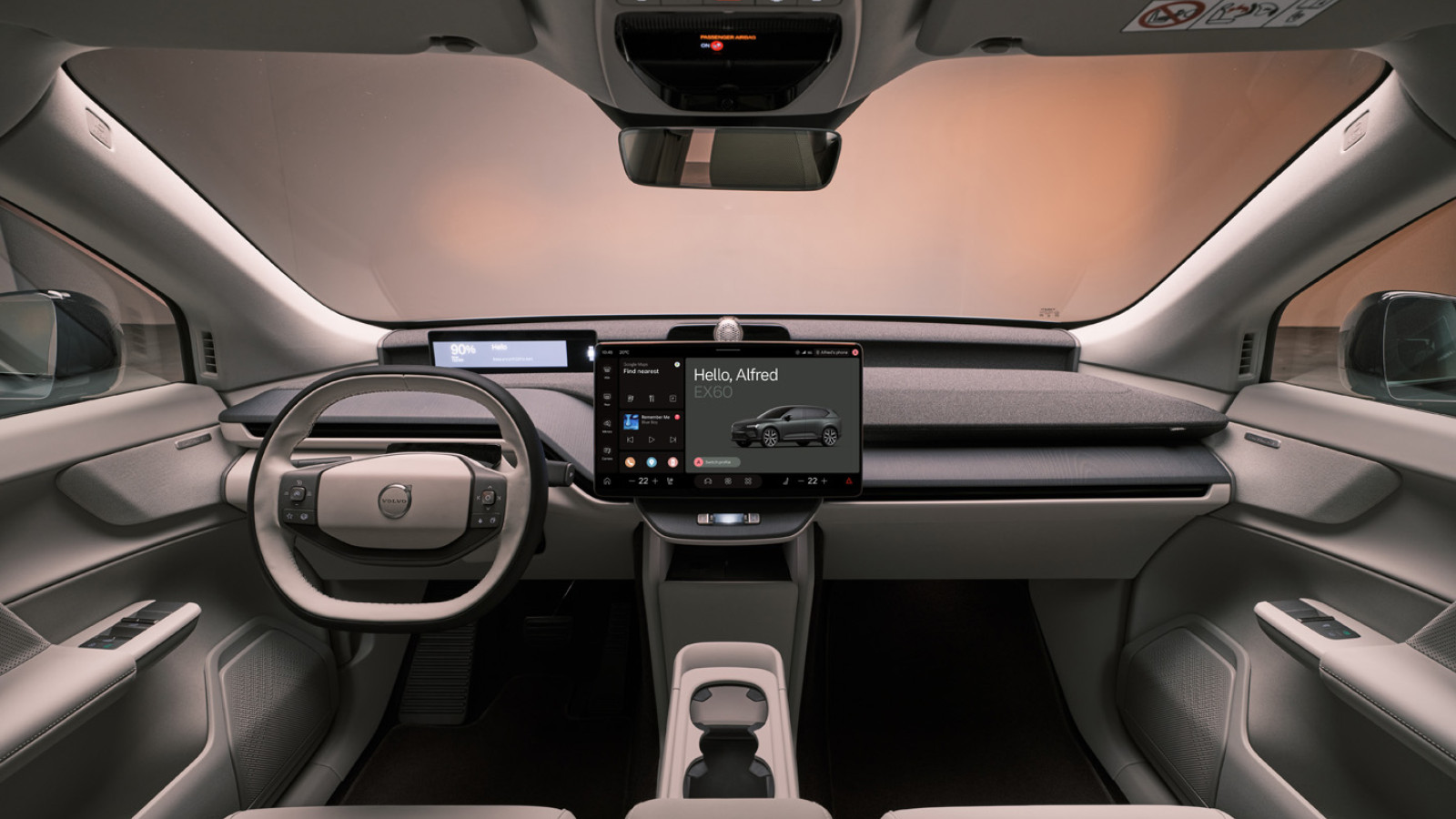
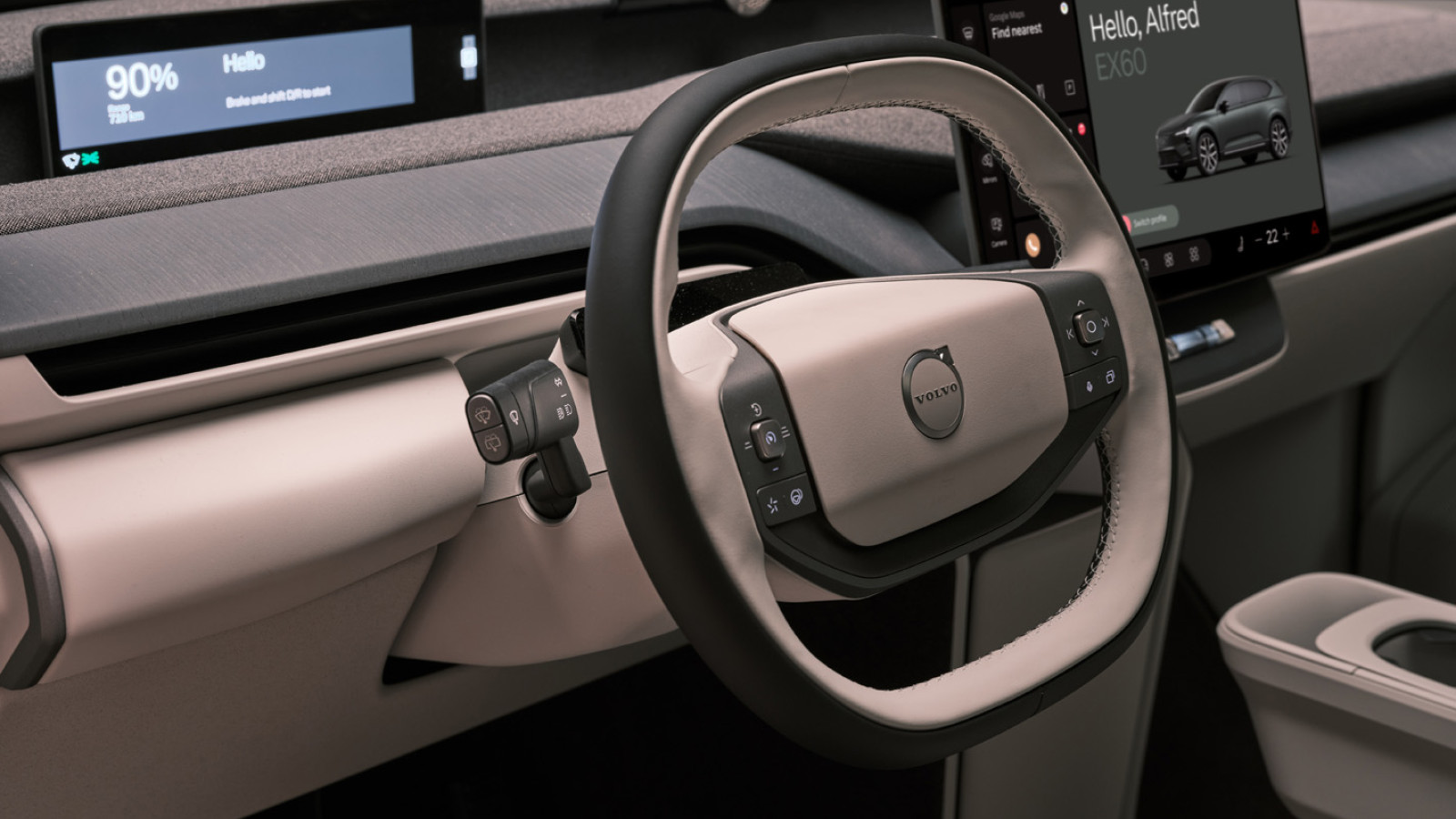
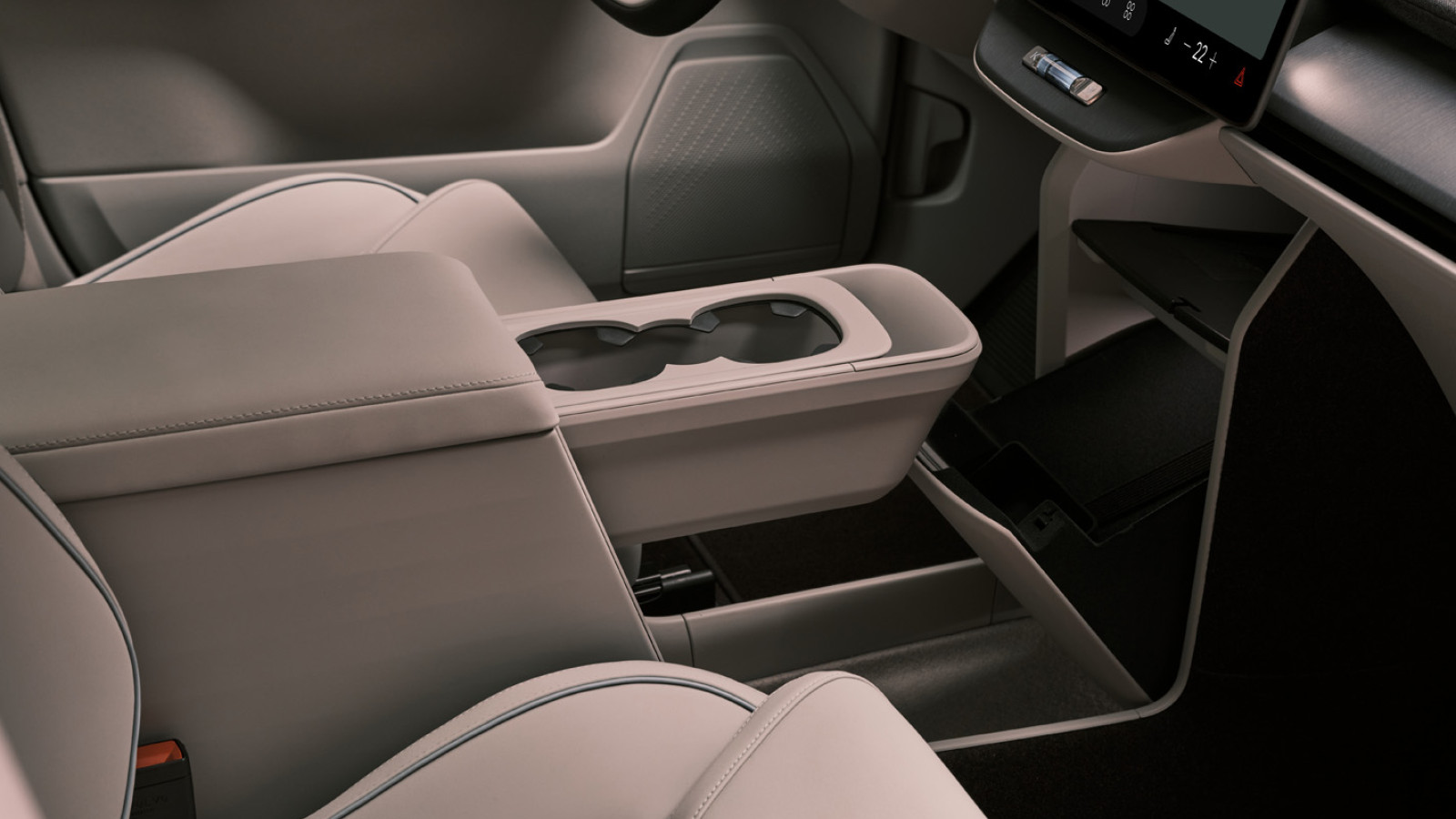
Inside, the EX60 follows the other electric cars in the Volvo range by taking on a minimalist, digital-first cockpit. A layered dashboard hosts a digital driver display and a large touchscreen infotainment system, while physical controls are limited to the steering wheel and column stalks.
That means there’s no mirror toggle switch, which has been relegated to the touchscreen. However, Volvo’s Chief Product and Strategy Officer, Michael Fleiss, says the car will offer a suitable balance of physical and digital controls. He added that touchscreens and voice control functions can actually be safer to use on the move than buttons and switches.
Speaking of which, the EX60 introduces a new computing system called HuginCore, which is capable of 50 million operations per second. What that means for drivers is more powerful infotainment, vehicle control and driver assistance systems, designed to be controlled through voice commands. Google Gemini AI is also integrated into the system.
Despite standing as the electric equivalent of the XC60, the EX60 is completely unrelated to its petrol counterpart beneath the metal. It also sports a different design to help it stand out.
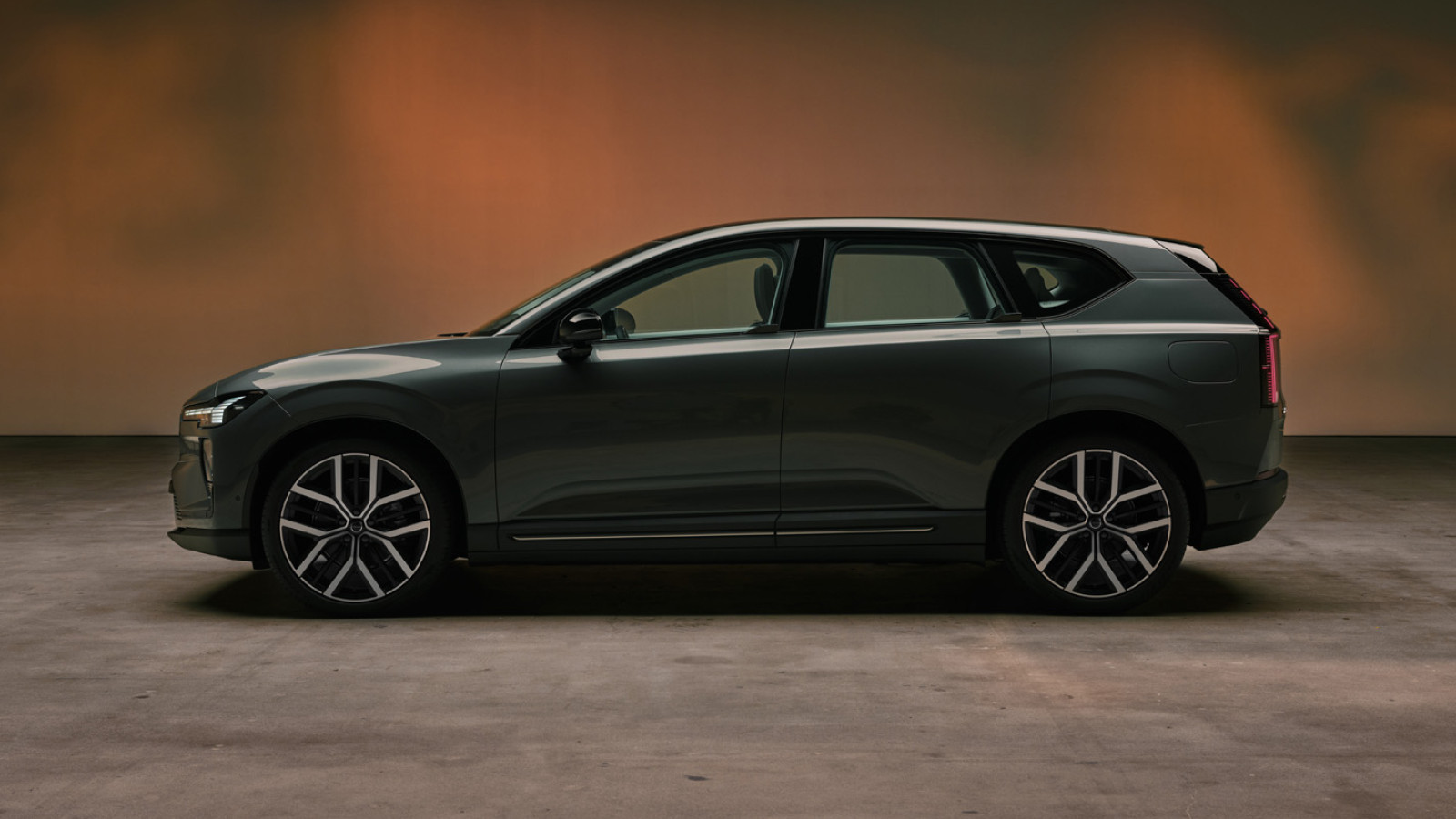
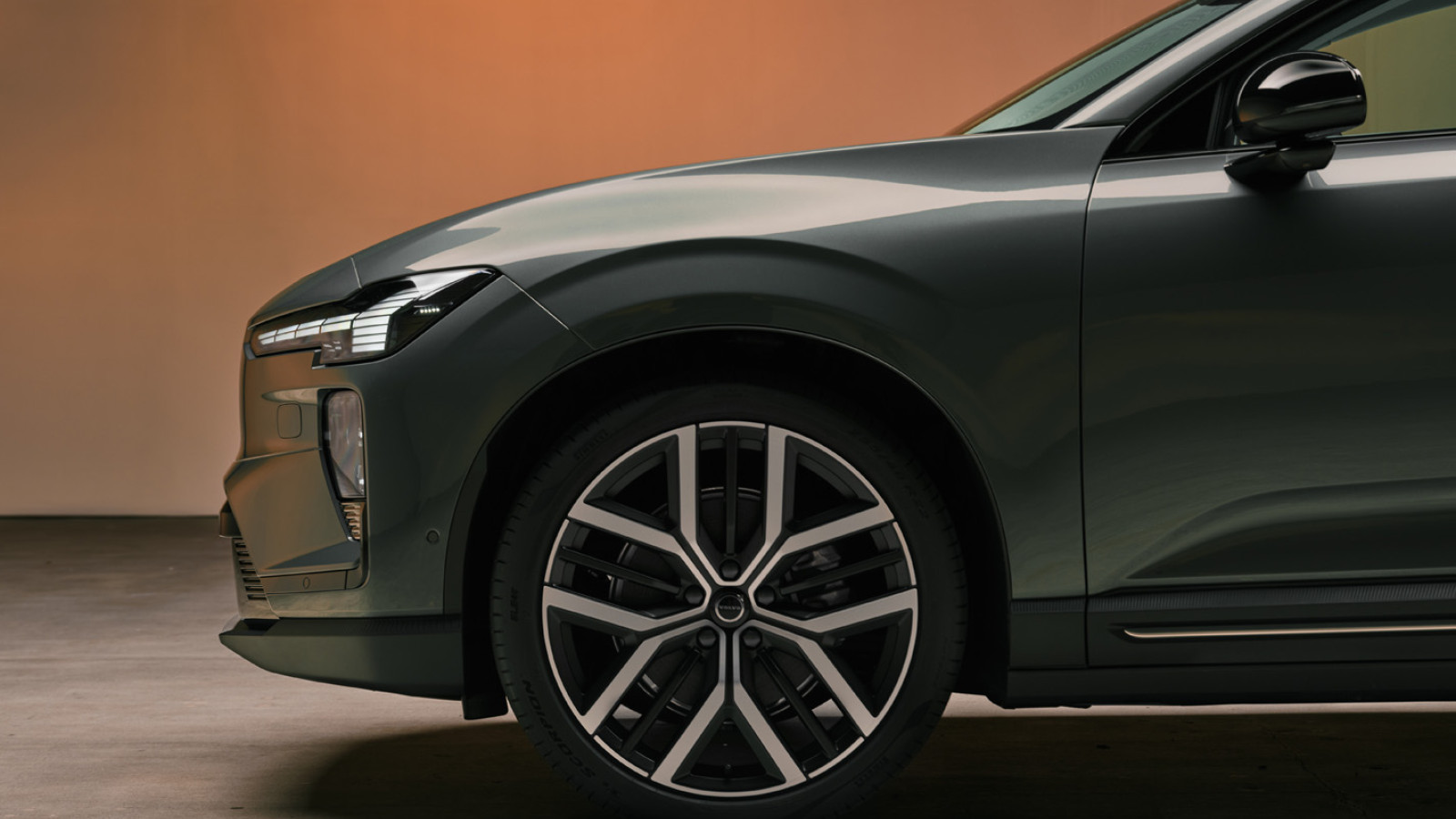
Volvo claims the car “takes the company’s Scandinavian design principles further into an all-electric era”, with its sleek aerodynamic silhouette and minimalist surfaces a particular highlight.
Volvo also says the car “slides through the air” thanks to its roofline, low bonnet and tapered wheel arches, which contribute to a drag coefficient of just 0.26, which is far lower than other SUVs of its size. In fact, it’s more comparable to an estate or saloon car. That should help it achieve its high range figures.
A rugged EX60 Cross Country will also arrive later, with four-wheel drive and between 503bhp and 671bhp. Like the EX30, the EX60 Cross Country will be offered with a raised ride height, bespoke wheels, widened wheel arches and skid plates, plus a 20mm suspension lift.
The EX60's lineup will be simplified to three trims - Core, Plus, and Ultra - a strategy designed to both reduce production costs and streamline the customer purchasing experience.
The EX60’s platform is vital for Volvo’s future electric cars. It’s basically the company’s version of the new Neue Klasse and MEA platforms that underpin its BMW and Mercedes rivals, respectively. The new system incorporates advanced battery technologies, a new family of motors, and innovative construction methods to enhance range, cost-efficiency, dynamics, and safety.
The SPA3 platform is highly adaptable, designed to accommodate a wide range of electric vehicles, from the compact EX30 (4.2m) up to the large EX90 (5.0m). This modular architecture will form the basis for all future dedicated Volvo EVs, as well as certain models from other brands within the Geely group, such as the Polestar 7 crossover scheduled for 2028.