
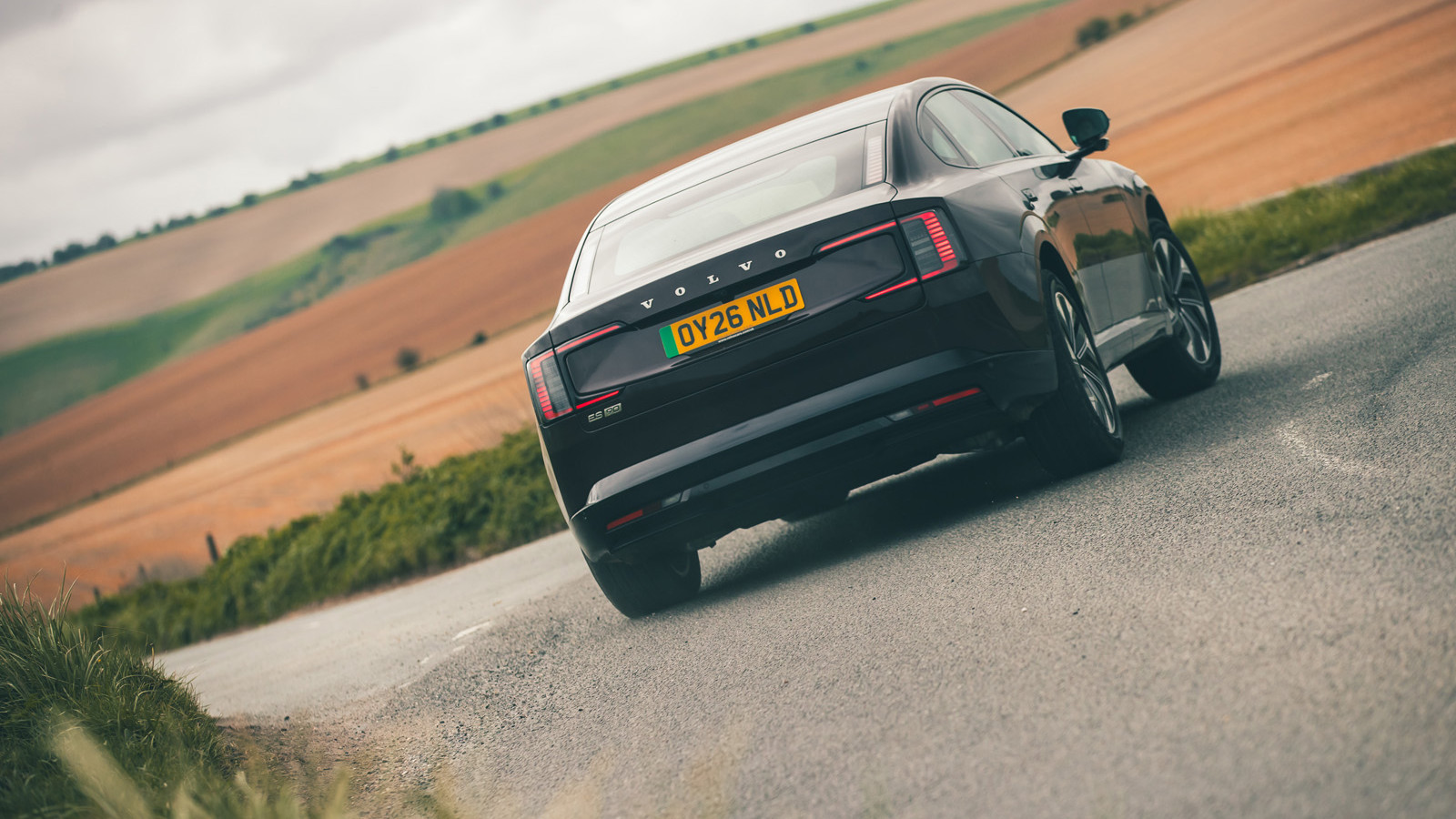
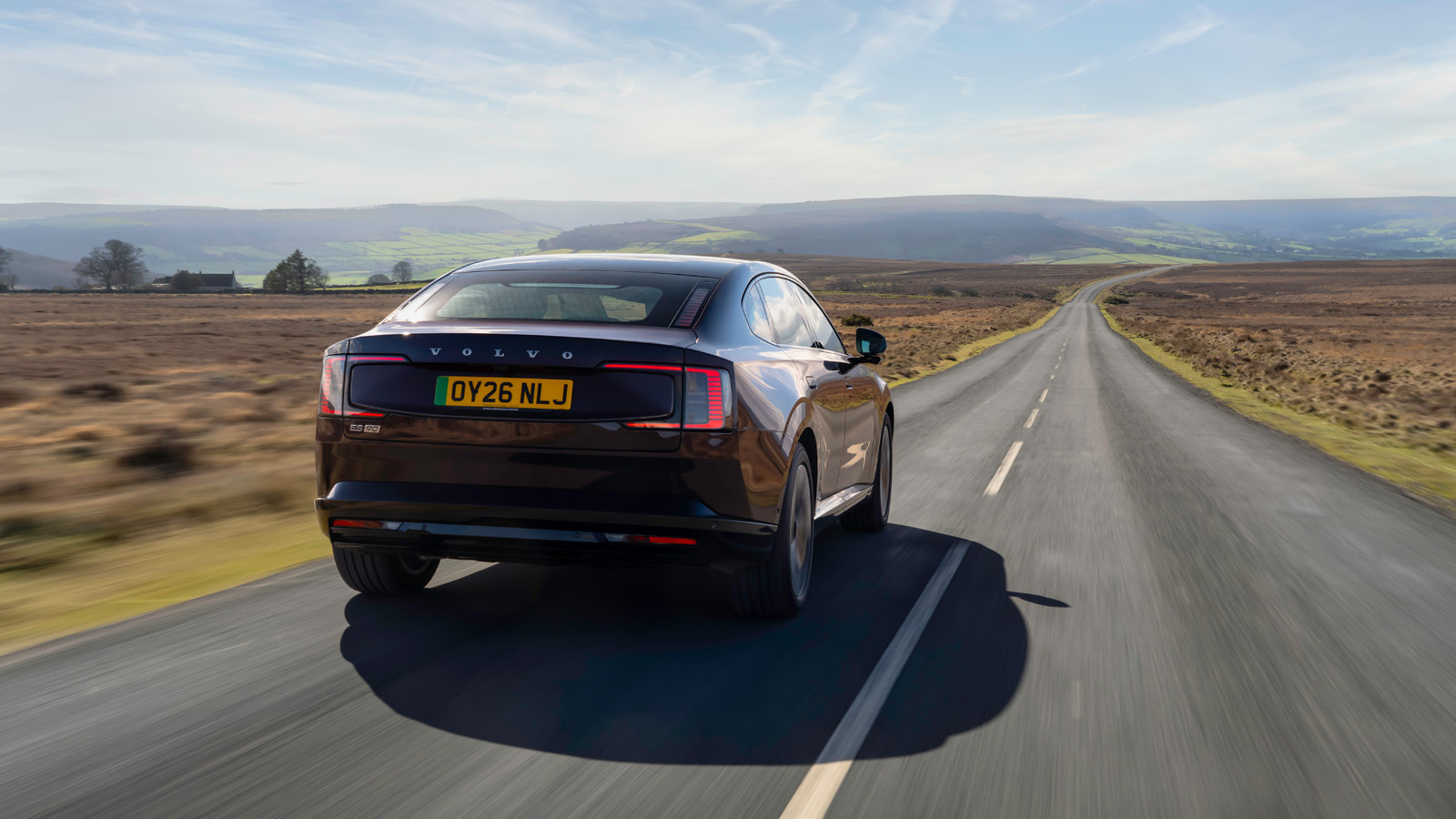
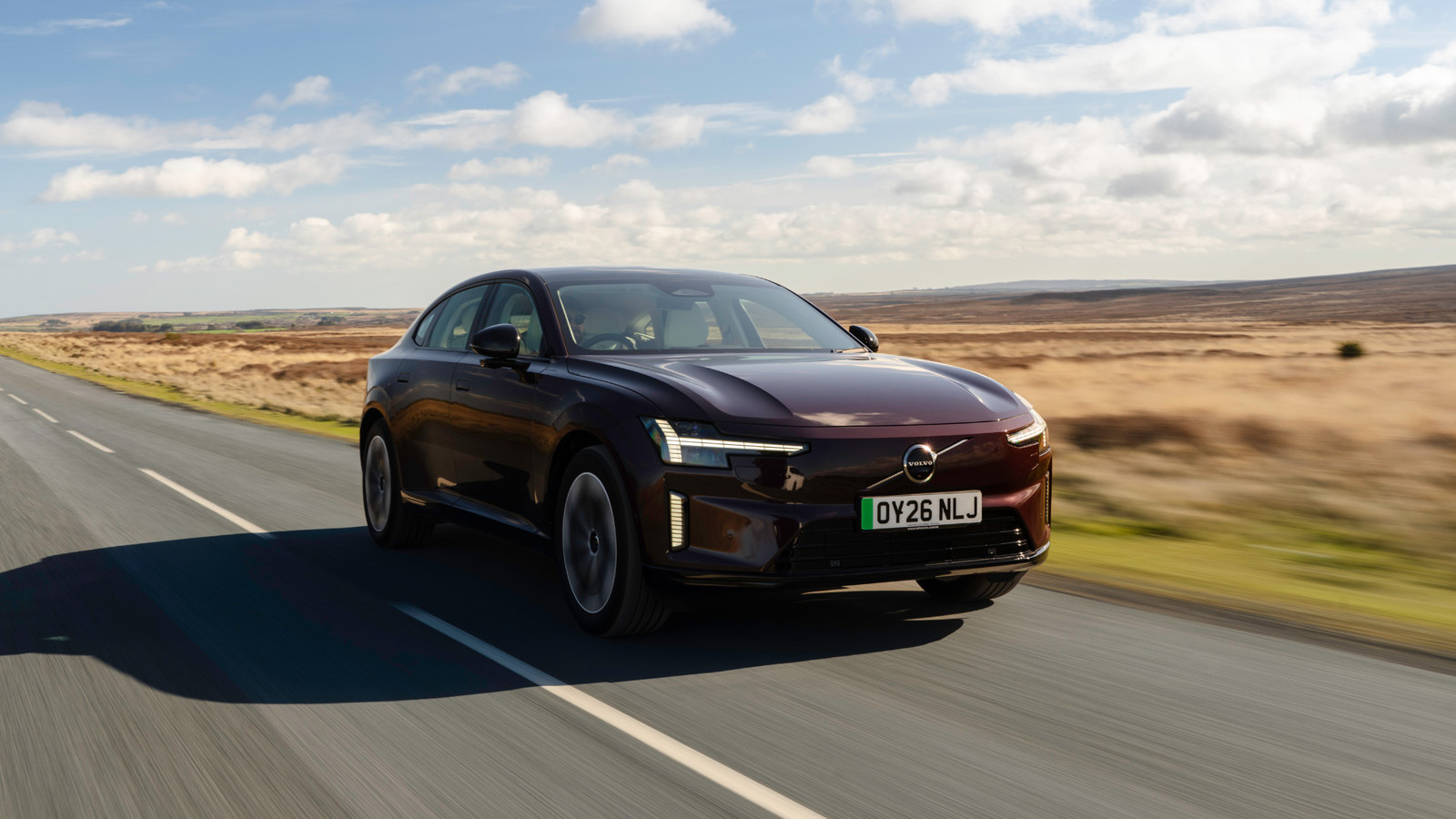
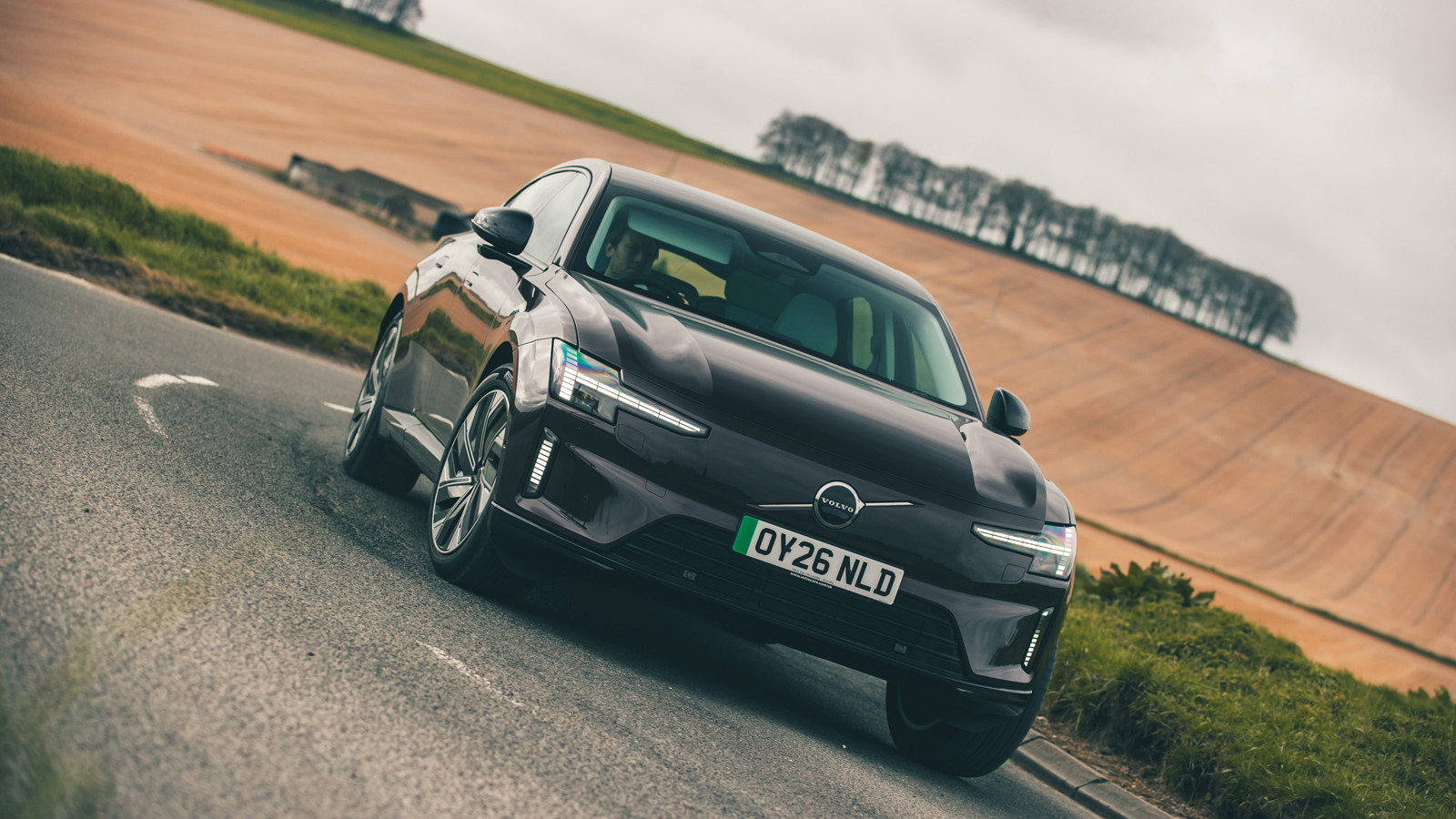
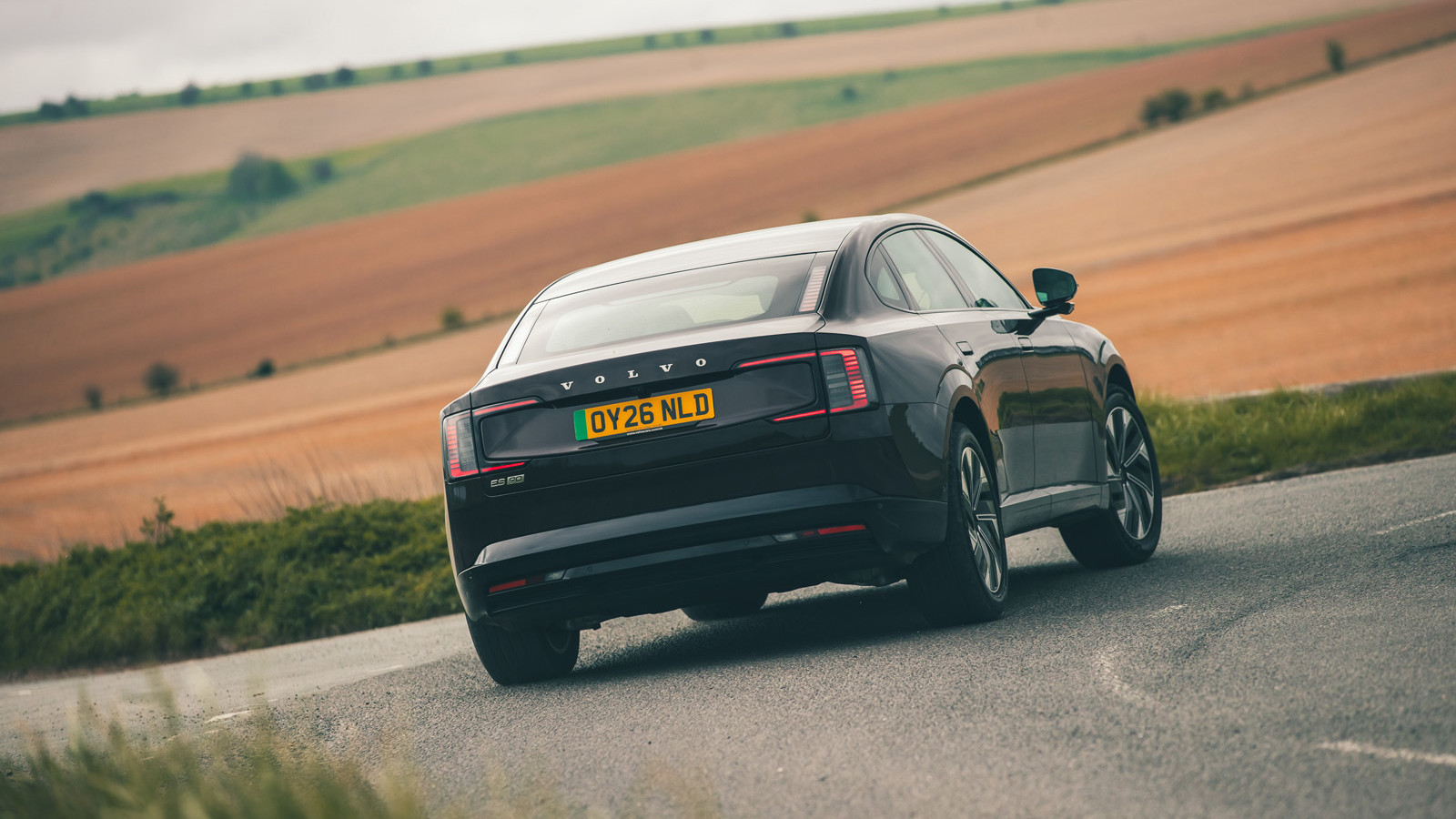
Our test car’s 6.3-second dash from 0-100km/h (0-62mph) beat the claimed time by three-tenths and represents more than adequate performance for a model at the base of the range in terms of output. In the context of rear-driven, premium EV saloons, the ES90 is where it needs to be. Also impressive was the way it retained low- to medium-range performance even on a very low battery charge.
The Volvo ES90 is an electric saloon in the mould of the once-pioneering Tesla Model S: capacious, undemanding, technologically advanced for its time, and all about the ambience. Funnily enough, it also has the same Achilles heel as the American car.
The often jittery ride doesn’t tally with the remit of a lavish exec, and there are digital frustrations that dog most new Volvos. Our qualms with the ride quality could be ameliorated with the addition of air springs, though we’ll only know for sure once we drive an ES90 Ultra.
And the digital quirks? They are surely an easy fix if Volvo has the will. And we hope they get on with it, because the ES90 otherwise has serious potential. Front-seat comfort and back-row space are class-leading, charging times are especially rapid, and economy is, as we have seen, very good.
Or its equipment, because all ES90s are well-specced. However, for the kind of ride quality that completes the package and really takes the fight to the Germans, we suspect you need Ultra trim and the air springs, which raises the starting price to £77,260 (€90,390/$96,252).
Granted, you get other goodies (such as a dimmable, electrochromic glass roof panel and the Bowers & Wilkins audio), but next to a nicely optioned – and fine-riding – Volkswagen ID 7, the ES90 begins to look very expensive. Interestingly, the 671bhp Twin Motor Performance in Ultra trim, with its Porsche Taycan-taunting speed and huge spec, looks better value at £86,000 (€100,560/$107,200).
Our basic ES90 nailed our ‘everyday’ efficiency test, recording 5.0mpkWh for a range of 708km (440 miles), which beats the bigger-battery, much-lauded BMW iX3 50 xDrive we tested recently. Touring economy is also class-competitive at 3.2mpkWh, for a motorway range of 454km (282 miles), and our test car held 296kW while rapid-charging from 10-40%, temporarily maxxing out our 300kW station. It was still pulling more than 80kW at 90% charge, which is good going. So we have no qualms with the car’s EV-related usability.
The ES90 doesn’t attempt to maintain a perfectly level attitude, as BMW or Mercedes often prefers to, and it has its own likeable, laid-back character in this sense. The problem is the secondary ride: the way the suspension absorbs rutted road surfaces and short, sharp inputs.
It simply isn’t elegant enough – not when an i5 M Sport manages to move simultaneously with more grace and agility. This is made all the more disappointing by the fact that, given the existence of Polestar, Volvo needs to focus only on comfort.
Volvo makes much of the ES90’s prowess as an ultra-isolating luxury experience, but several aspects of our test car cast doubt on this assertion. Some wind rustling near the driver-side B-pillar felt incongruous enough for us to chalk it up as an imperfect seal on an early example of the line in Chengdu, but our ride quality concerns go a bit deeper. As usual for top-tier Volvos, there’s little wrong with the primary ride. The car’s springs permit a good degree of long-wave vertical body travel but the damping keeps things tidy.
In a car like the ES90, that balance manifests less as poise and more as stability, and with 275-section rear Pirellis providing more traction than you’re ever likely to need, security underwheel is a given. Curiously, given its 3.1 turns between locks, the steering doesn’t feel unduly sluggish, either.
If you get into the ES90 expecting alacrity, you’ll be disappointed, but with a response rate in keeping with the body roll and general demeanour of the car, it’s rather a nice helm. In a word? Undemanding, yet again.
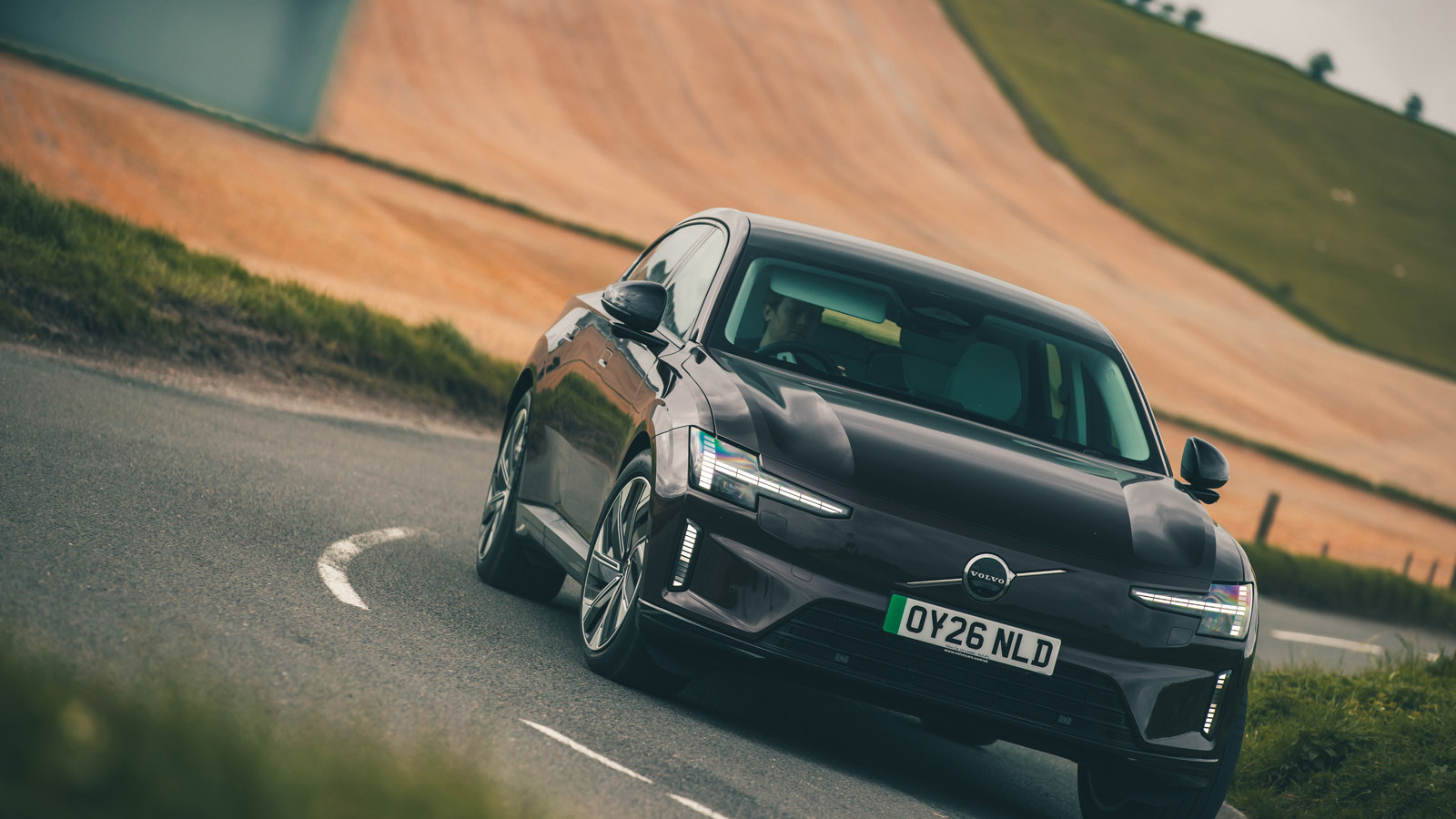
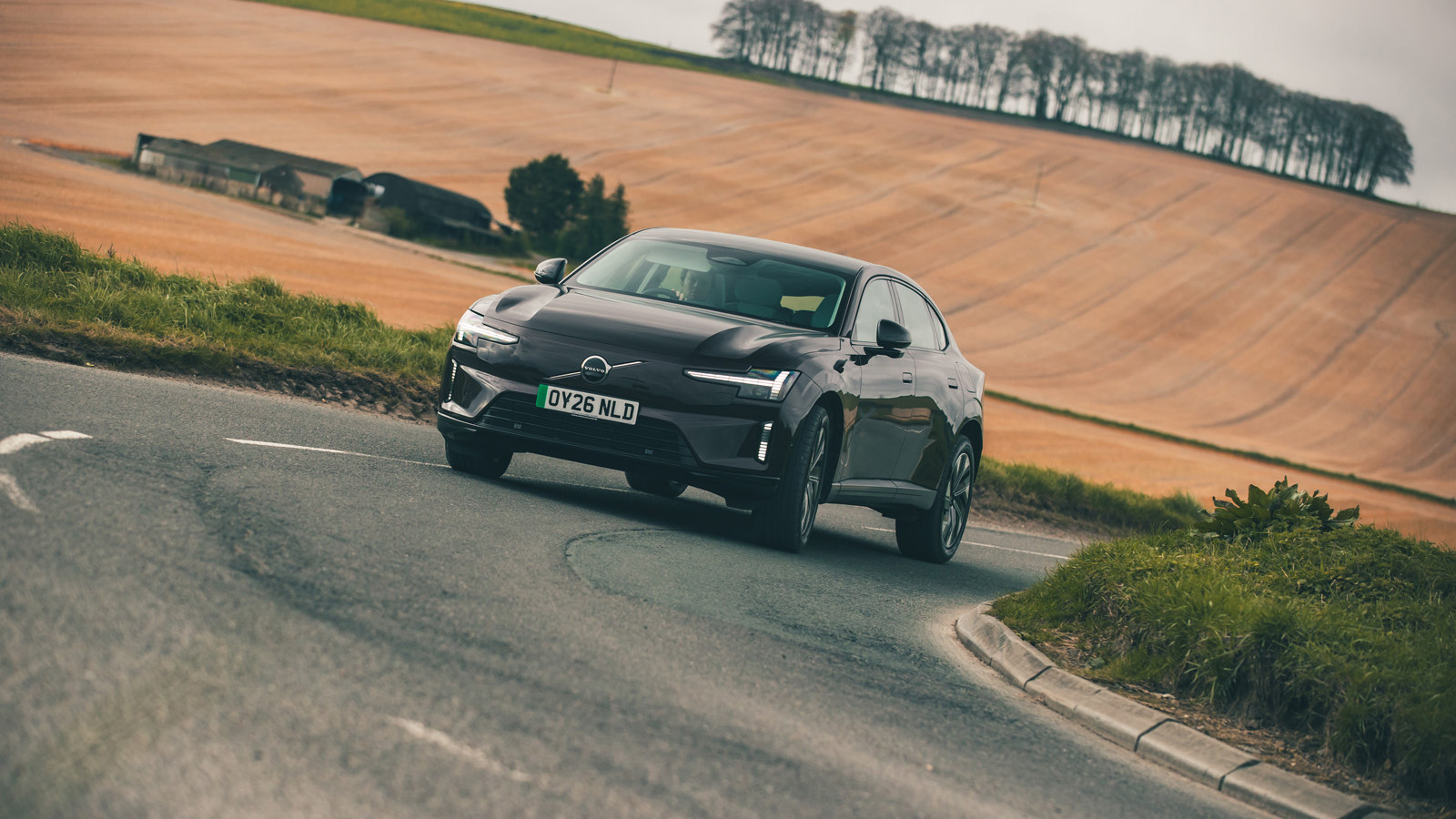
We’ll keep this short and sweet because engaging handling isn’t what Volvo has ever been about, and that hasn’t changed with the ES90. Mind you, for our test car, the cornering balance was perfectly inoffensive and some degree of rear-driven pedigree was evident when on the accelerator mid-bend.
More broadly, the way this powertrain delivers the goods is nicely judged and in keeping with the laid-back remit. Roll-on thrust is delivered intuitively, with a steady ramp-up rather than a jolt, and the brake pedal is equally untaxing, if also devoid of meaningful resistance.
You will, of course, slow the car down almost uniquely with regenerative force rather than the physical brakes. Here, the ES90 offers a one-pedal mode, an adaptive setting that accounts for whatever is coming up ahead of you and a freewheeling mode. They all work well, though the Volvo’s adaptive system can’t match the Mercedes’ for the natural ebb and flow of road speed. A midway setting between one-pedal and freewheel modes wouldn’t go amiss.
When Volvo presented its first electric saloon to the world in March last year, it chose the Artipelag modern art museum in Stockholm.
It was a strong statement, if any were still needed, that the 99-year-old company now sees itself as an aspirational brand that can sit wheel to wheel with Mercedes, BMW and Audi, rather than a purveyor of the sort of trusty family plodders you grew up in.
Volvo’s ascent has been mostly but not entirely convincing. It boils down to the fact that the company’s approach to exterior and interior has, for about a decade, been writing cheques; the underlying technology hasn’t always been able to cash.
Performance and handling have been fine, but efficiency and ride quality have often been short of the mark. Any shortfalls relative to the Germans have been small in outright terms, but small margins make a big difference at the sharp end of the premium class, and Volvo’s products have too rarely been truly convincing.
The new Volvo ES90 is an interesting car because it represents a reset for Volvo’s most luxurious offering. It’s an opportunity that might see the Swedes catapult themselves above rivals in the saloon car rankings for the first time.
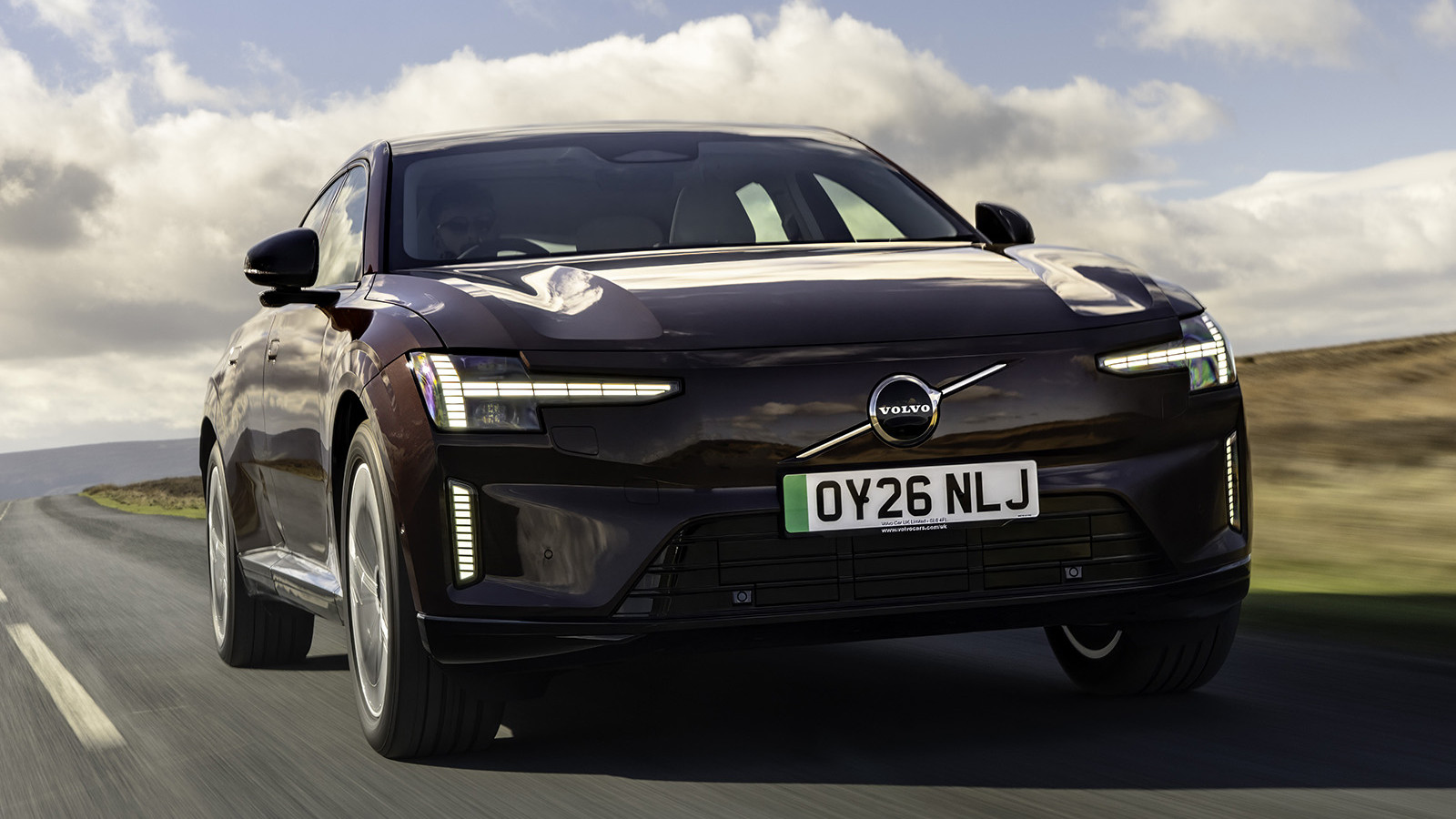
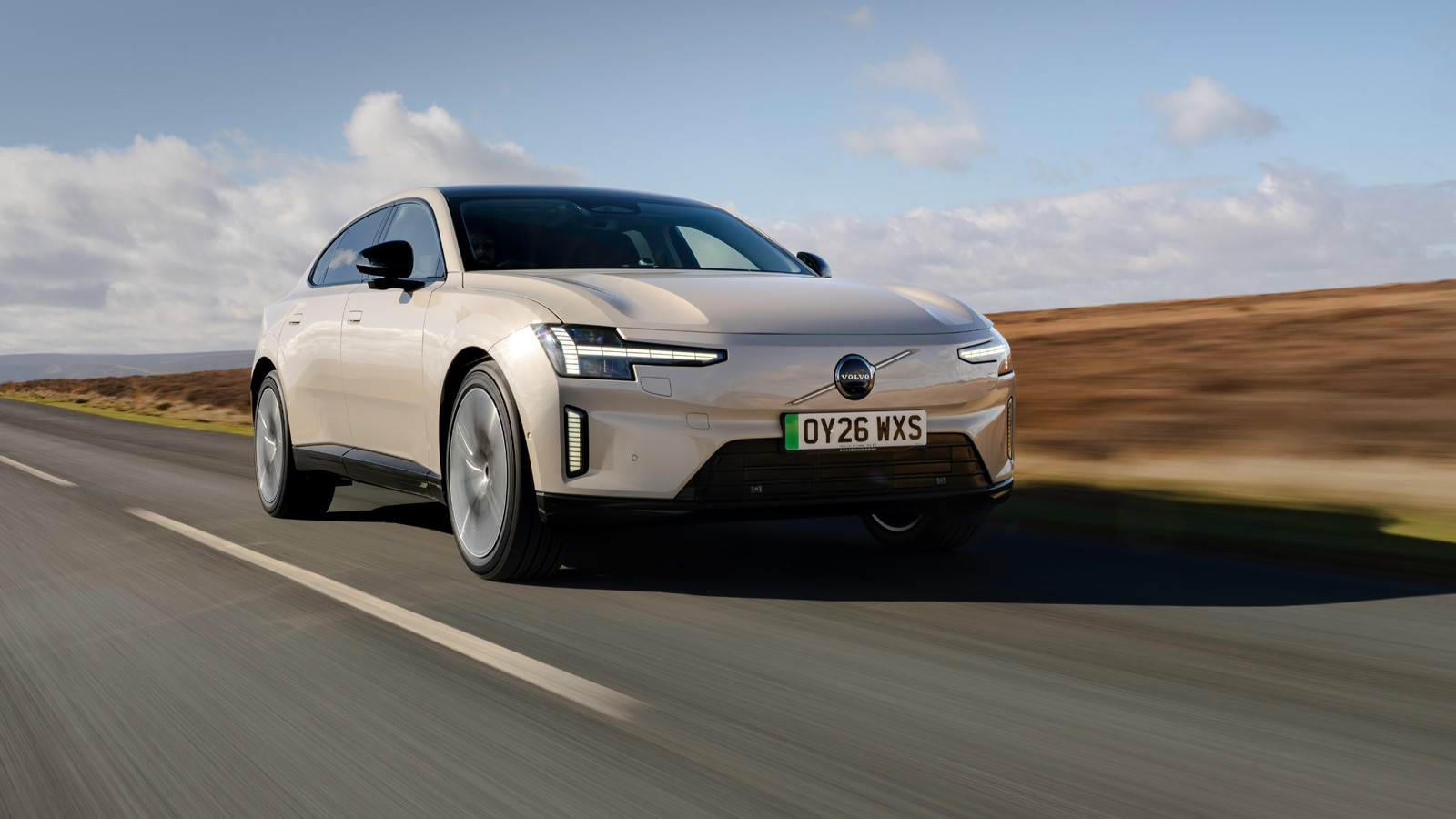
The BMW i5, Mercedes EQE and Audi A6 E-tron are all good, but none is spectacular, and the ES90 arrives with a cutting-edge 800V platform, an extremely long wheelbase and some very promising on-paper credentials. Plus, of course, that smart design, which follows in the footsteps of the EX90 SUV introduced last year.
Might the ES90 be the lavish, undemanding, long-ranged, ultra-practical and keenly priced electric saloon the class has been waiting for? Let’s find out.
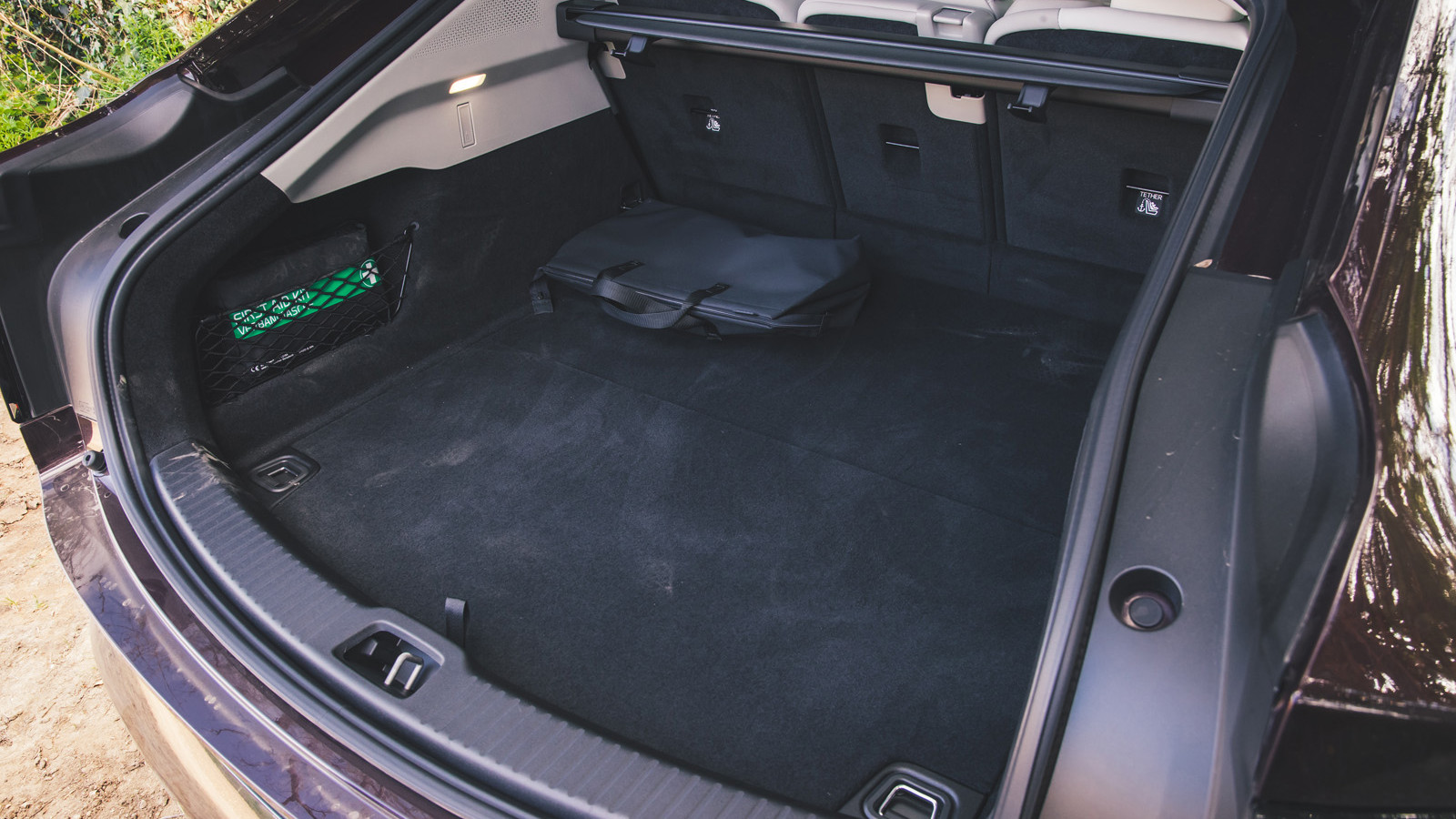
As for boot space, at 424 litres it is only average, though the hatchback design does mean the ES90 will swallow more than perhaps the official figure accounts for (BMW i5: 520 litres). You also get a small but useful tray in the funk.
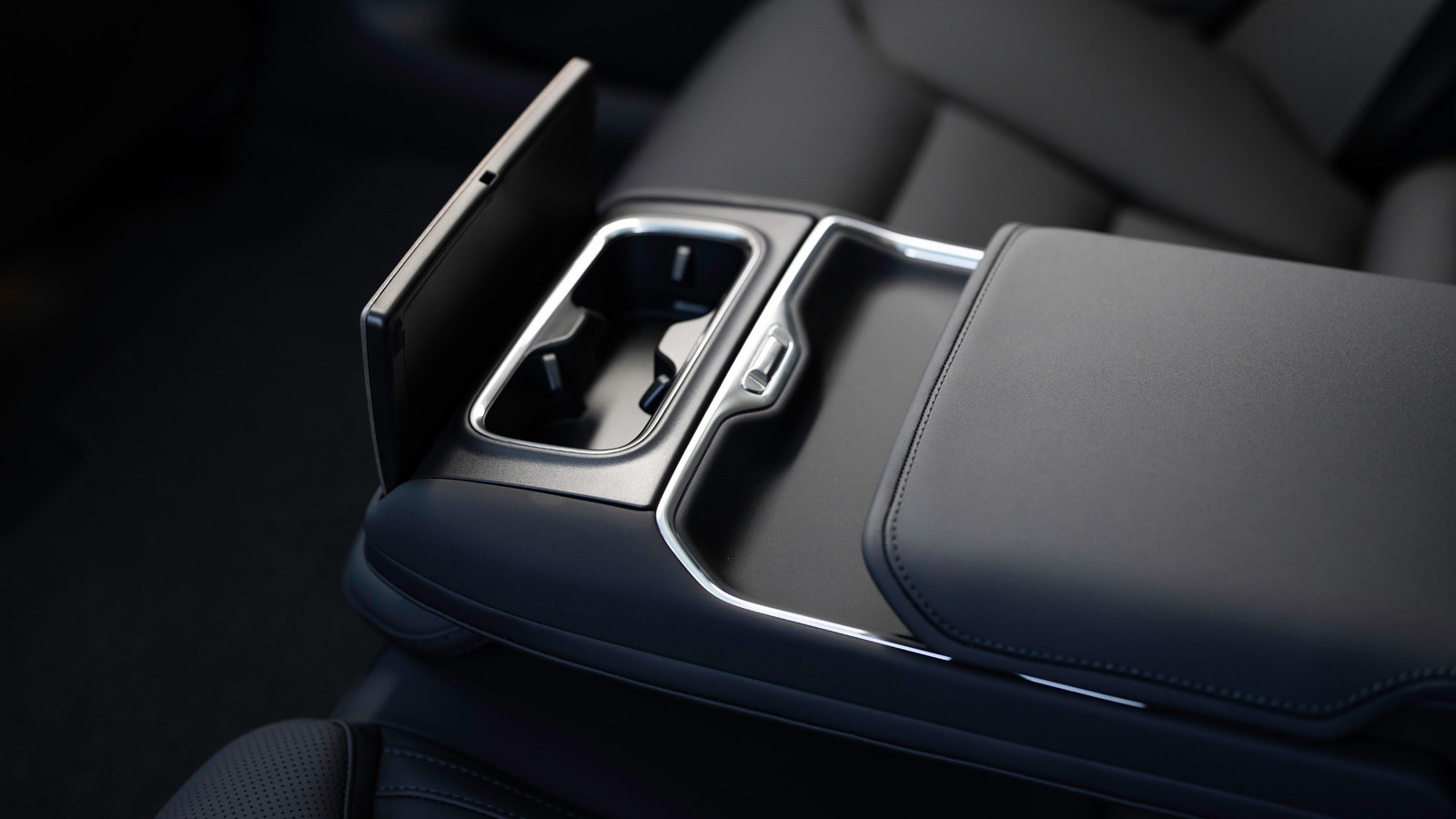
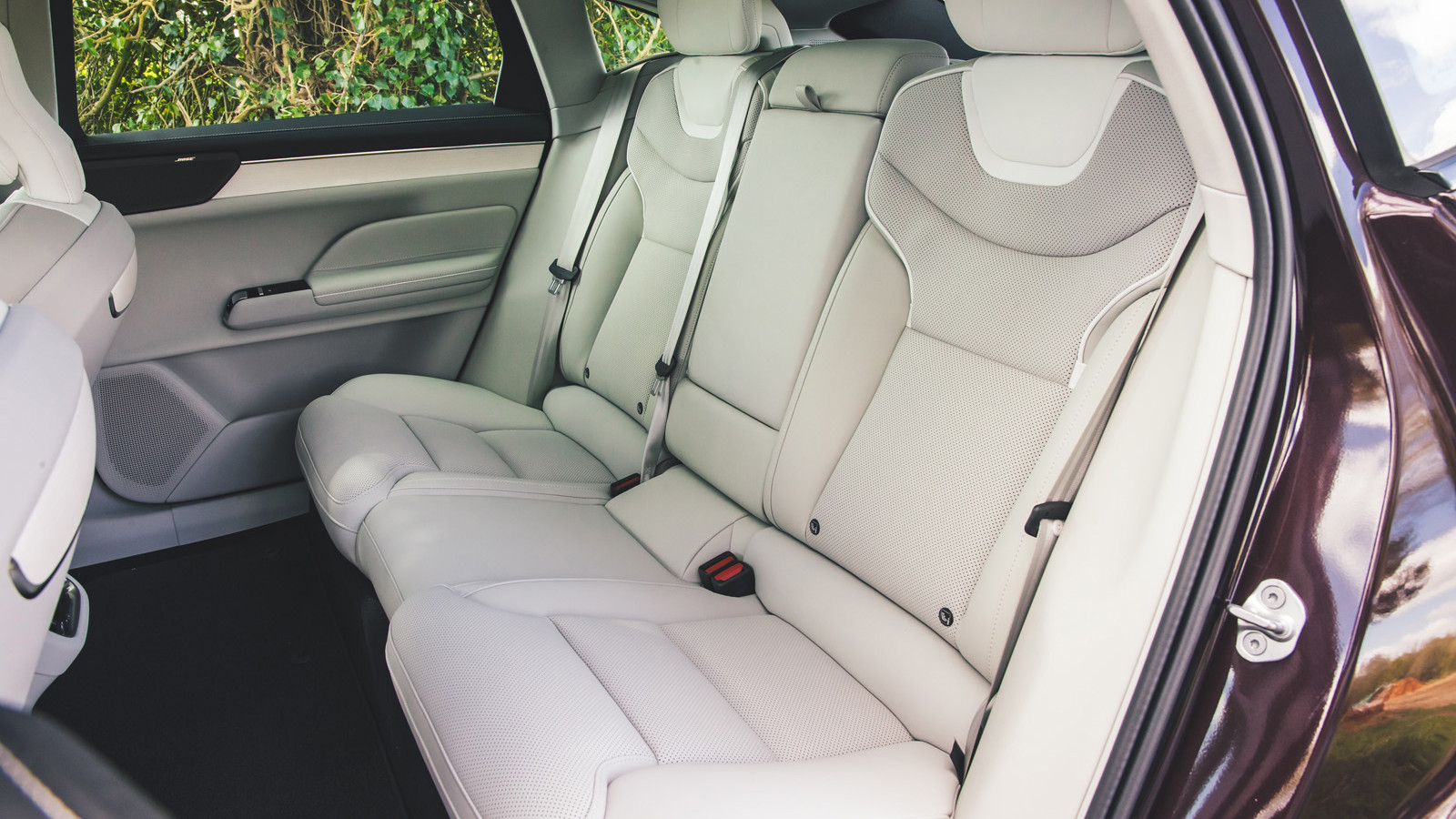
The ES90 gets things back on track with ergonomics. The driving position strikes an excellent balance of being lifted yet planted. Space is also generous, particularly the rear knee room, which is class-leading. If Volvo had sought to engineer cutouts into the battery, into which back-seat passengers could park their feet and not have their knees quite so high, the ES90 would offer a bona fide limousine experience, especially with the natural light that floods in from the panoramic roof (just as well given the rear screen is supercar-tiny).
In terms of perceived build quality, it is good but not universally BMW-good. The column stalks have a touch of play in them, for example, and some harder plastics are carefully colour-matched to the soft materials, but when you do come into contact with them, they give off a whiff of an airline cabin.
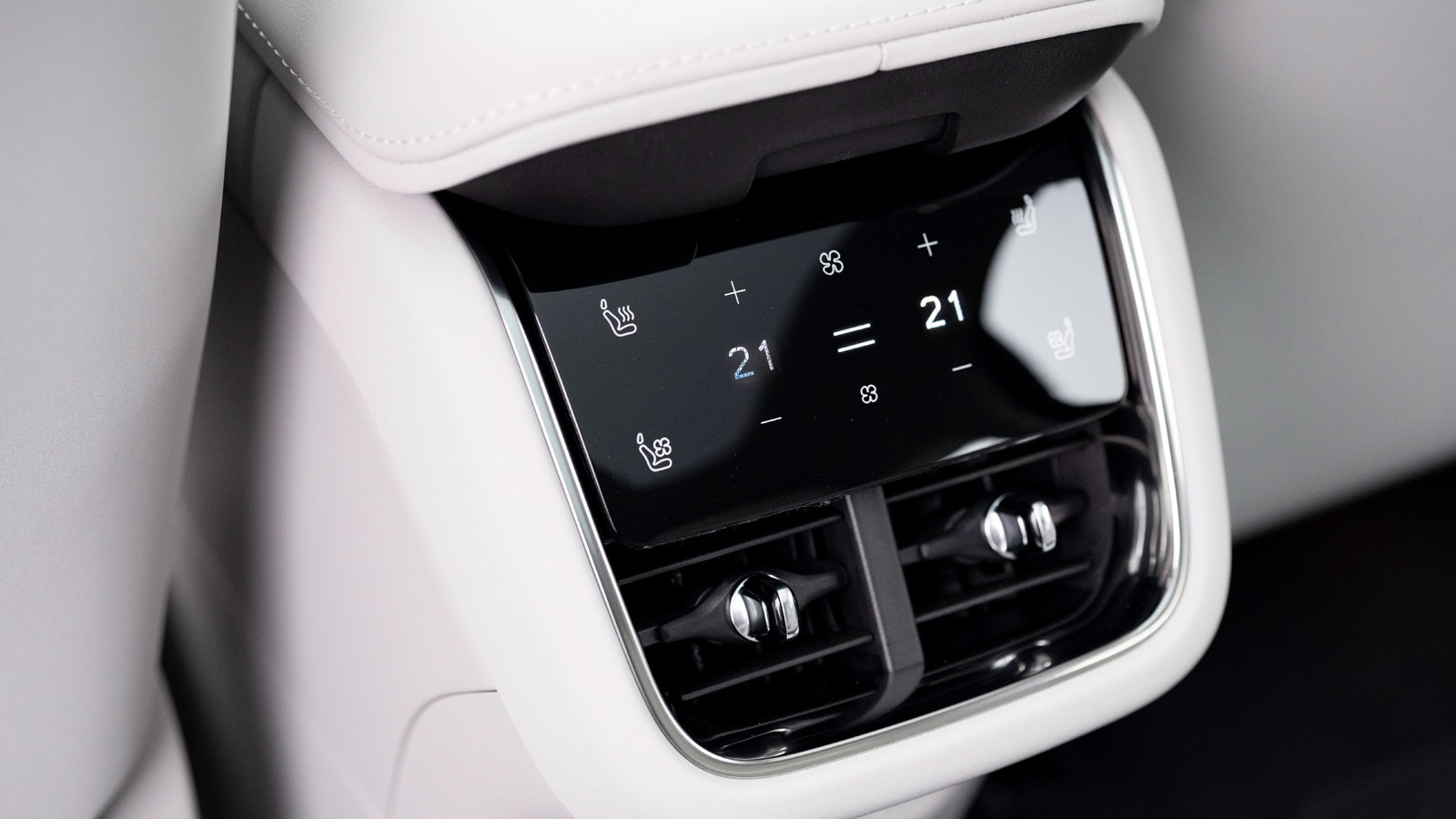
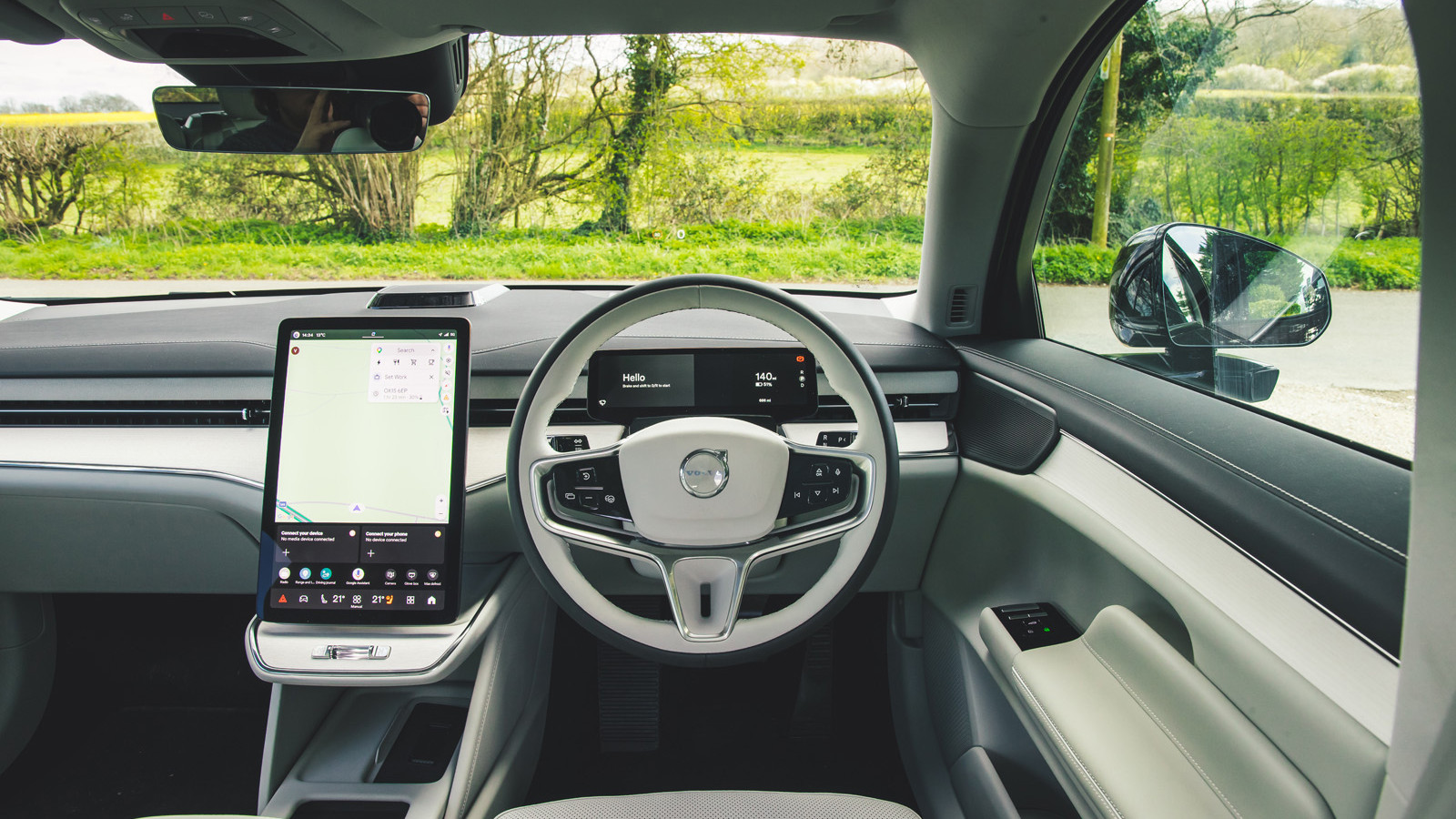
It’s a minor qualm, because in general, this is arguably the nicest cabin in the class. More switchgear would elevate it even further. For example, we would rather not have to select the rear portion of the cabin to control the window, or have to use the touchscreen when we rapidly need to control the mirrors. Or indeed alter the lights. A foglight needs a physical button, surely.
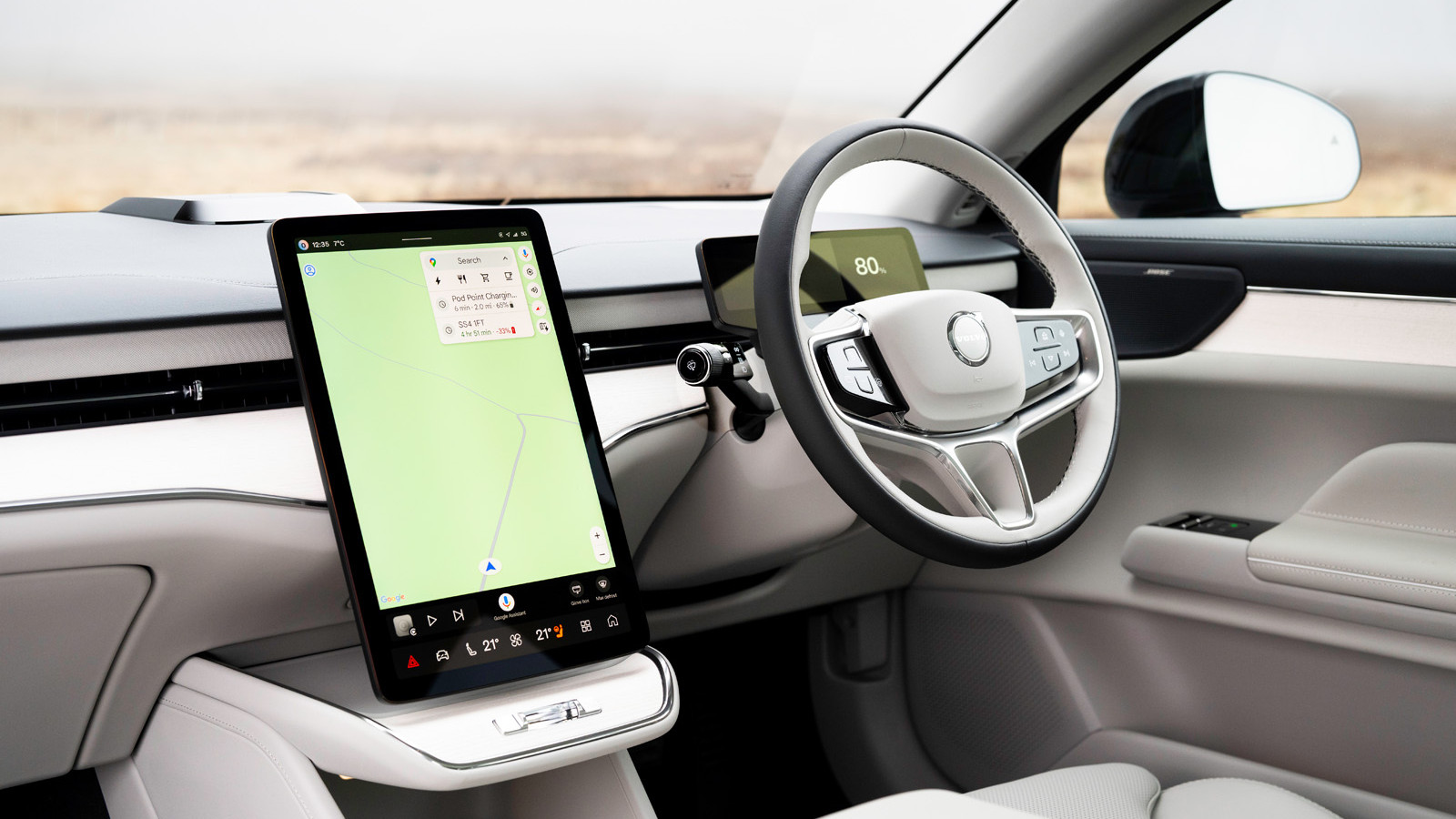
There’s a fair chance anyone coming from the plasticky confines of an i5, or the cluttered cockpit of an EQE, will be blown away by the ambience of the ES90 – especially one with the lighter ‘Dawn’ colourway.
It’s a stunningly pleasant place to be, and we say this despite the bolt-on presence of Volvo’s latest 14.5in central infotainment tablet. The material mix comprises Nordico – Volvo’s soft, proprietary leather-free upholstery made from recycled PET bottles mixed with pine resin (for real) – along with various natural fibres, FSC-certified birch and recycled magnesium. It is plush but fresh-feeling, and the use of gloss black plastic is sparing enough to have a nice impact.
Every ES90 is made with 29% recycled aluminium and 18% recycled steel at Volvo’s Chengdu climate-neutral plant in China, where the 800V chassis is married to the high-riding three-box body.
That architecture allows for rapid charging far in excess of what lesser Volvo EVs offer, at 350kW, as well as vehicle-to-load charging, a huge array of ADAS and, says Volvo, newfound efficiency – a key concern with the early EX90s that were still being built on a 400V platform (but have now migrated to 800V).
So it’s at the larger end of the class and would seem to make good use of its length in terms of cabin space, more on which soon. In hardware terms, the ES90 then takes a familiar approach in this class. There’s an entry-level RWD version (the 329bhp Single Motor Extended Range) and two 4WD options (the 443bhp Twin Motor and the 671bhp Twin Motor Performance).
Beyond this, a key differentiator is whether or not your ES90 is fitted with Volvo’s Active Four-C Chassis – dual-chamber air suspension, in short. It comes as standard on Ultra, the upper of the two trims, but is a cost option on Plus derivatives, which use a passive spring and damper set-up to control the car’s double-wishbone front suspension and its integral-link rear. As a Single Motor Extended Range in Plus trim, our test car is at the bottom of the pile in terms of specification, but it’s also the only one that costs less than £70,000 (€81,175, $86,419).
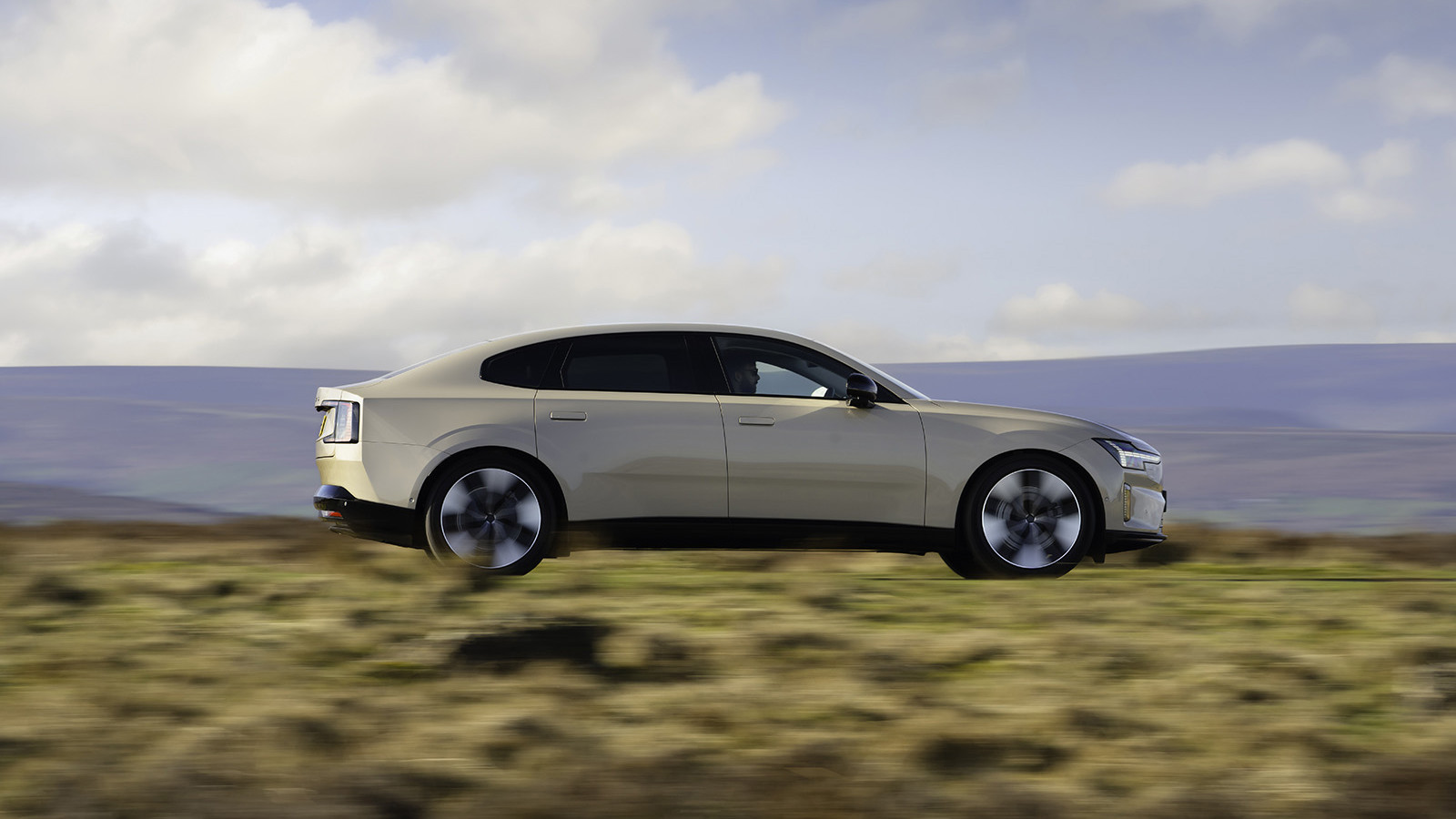
The ES90 arrives on the EV-specific SPA2 platform, which also underpins the taller EX90. And, as with the EX90 relative to its XC90 combustion sibling, the ES90 is also longer than the ICE car it replaces – the lesser-spotted S90.
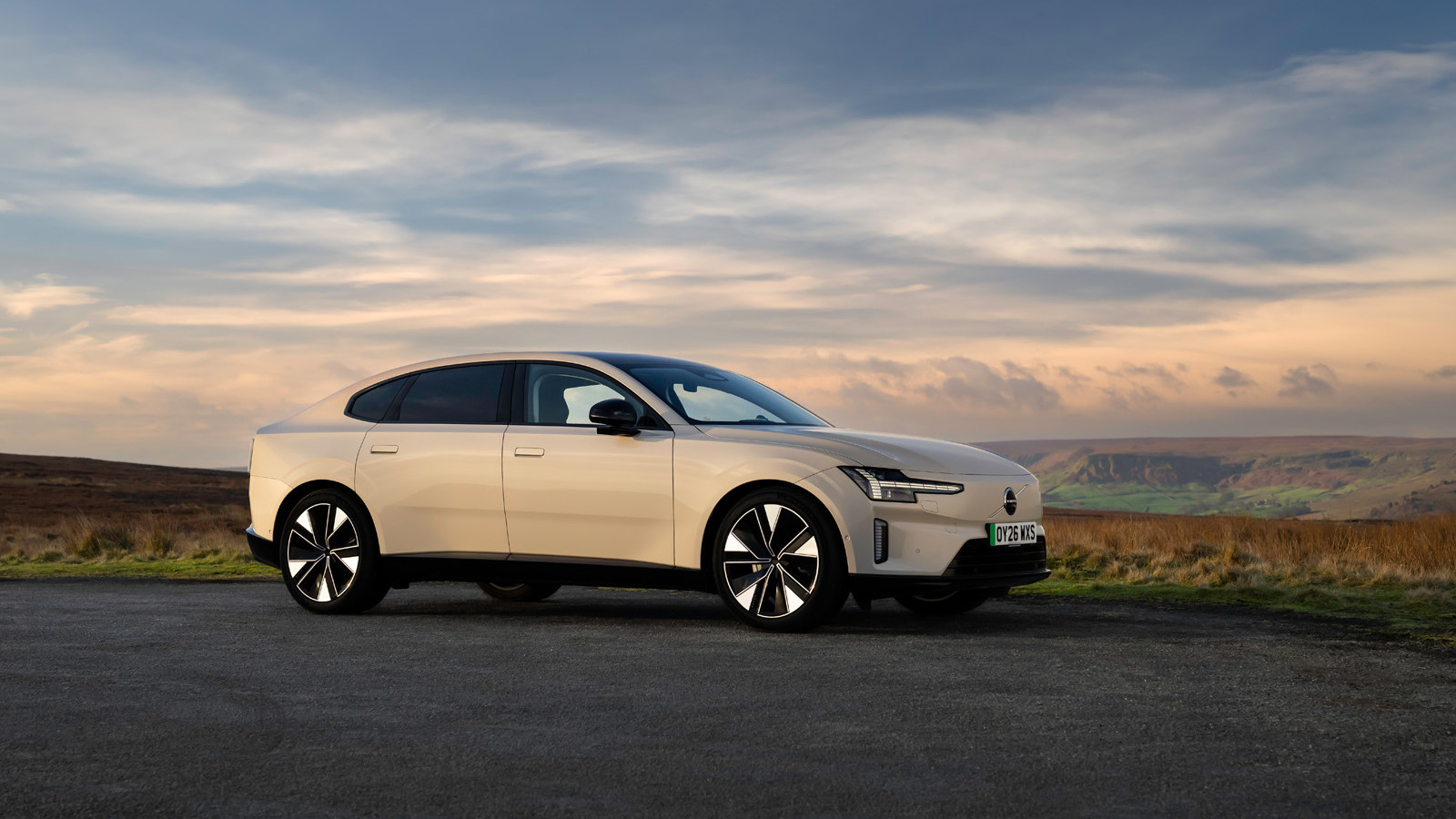
At five metres to the millimetre, in terms of outright length, the ES90 is bested only by the i5 in this class. Its wheelbase is also generous, at 3102mm, easily outgunning the i5 (on its EV/ICE platform) and the A6 E-tron, and trailing that of the EQE only by a bit.