
Rimac
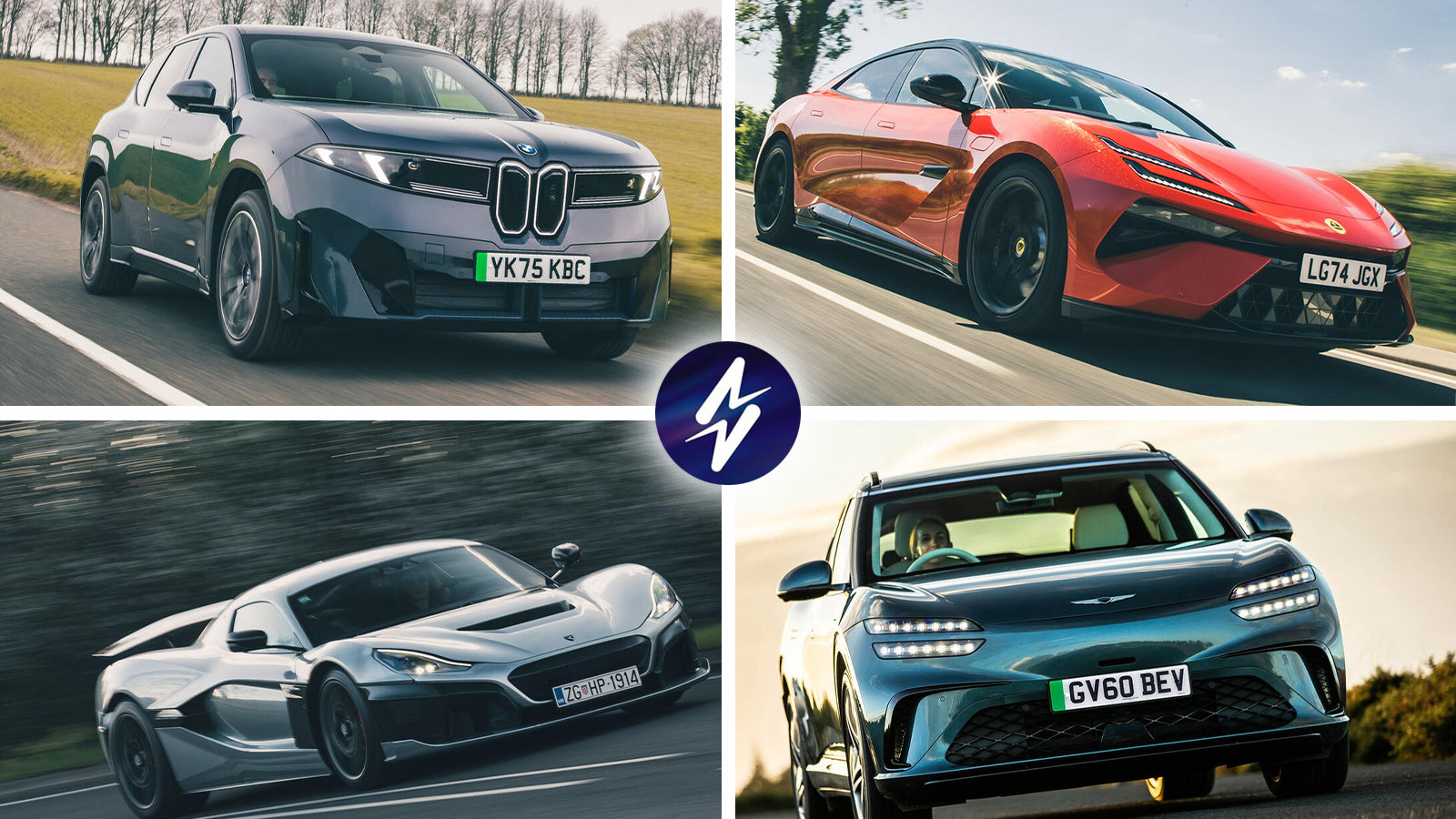
Rimac Nevera
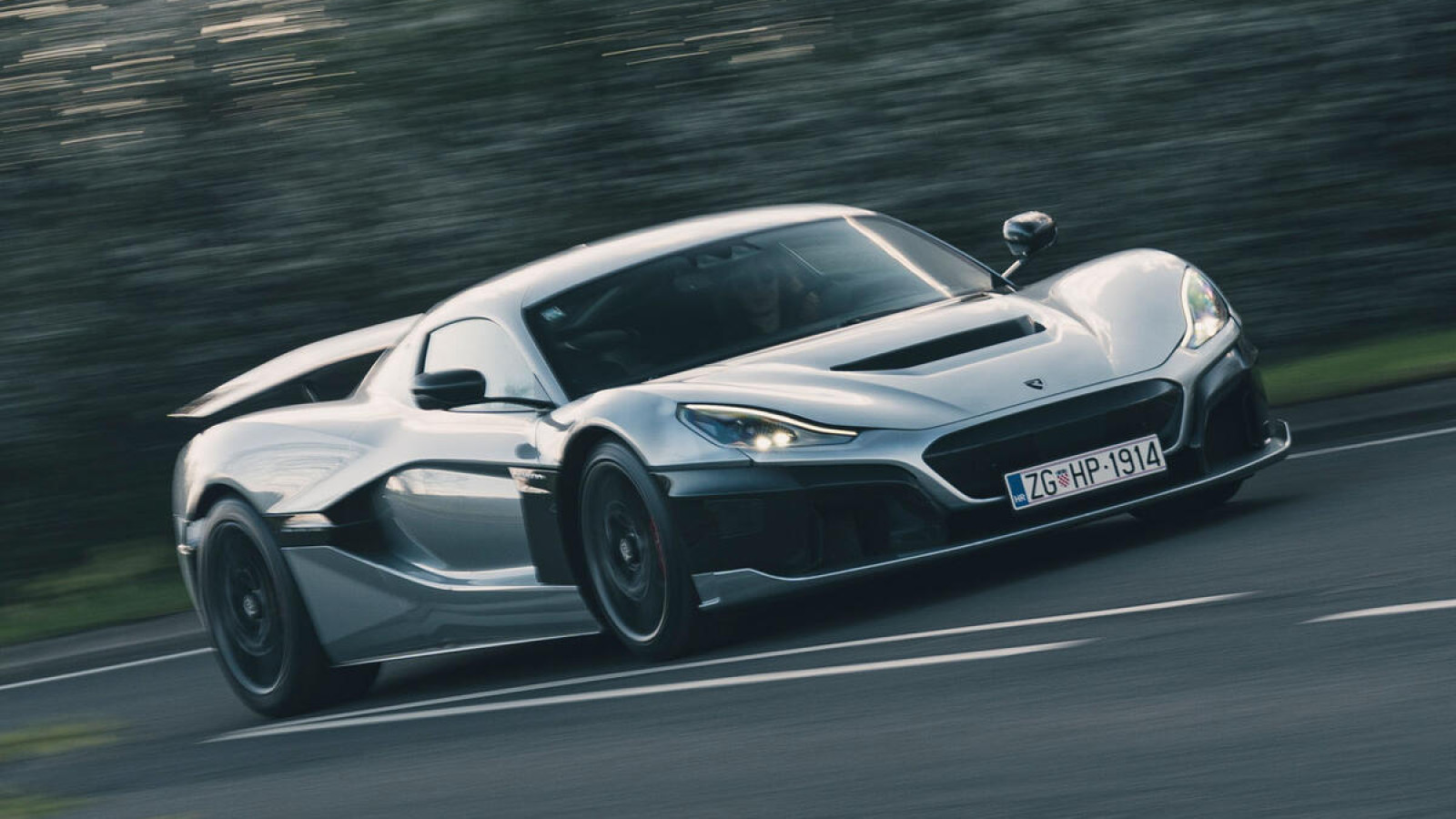
Few car makers have made such a big impression in such a short space of time as Rimac. In little more than a decade, the Croatian firm has grown into a company that's partly owned by Porsche and directing Bugatti.
Its Nevera hypercar is built around a composite tub, and there's an electric motor for each wheel, with independent single-speed gearboxes at the front and two two-speed dual-clutch 'boxes for the back axle.
All this means it boasts 1888bhp and a mountainous 1696lb ft of torque, which allows it to hit 0-62mph in just 1.95sec. Its 120kWh battery also allows for up to 340 miles of range.
With double-wishbone suspension, torque vectoring and the potential for level-four autonomous driving, the Nevera has the works - and an eye-watering £2.4 million price to match.
Lotus
Lotus Emeya
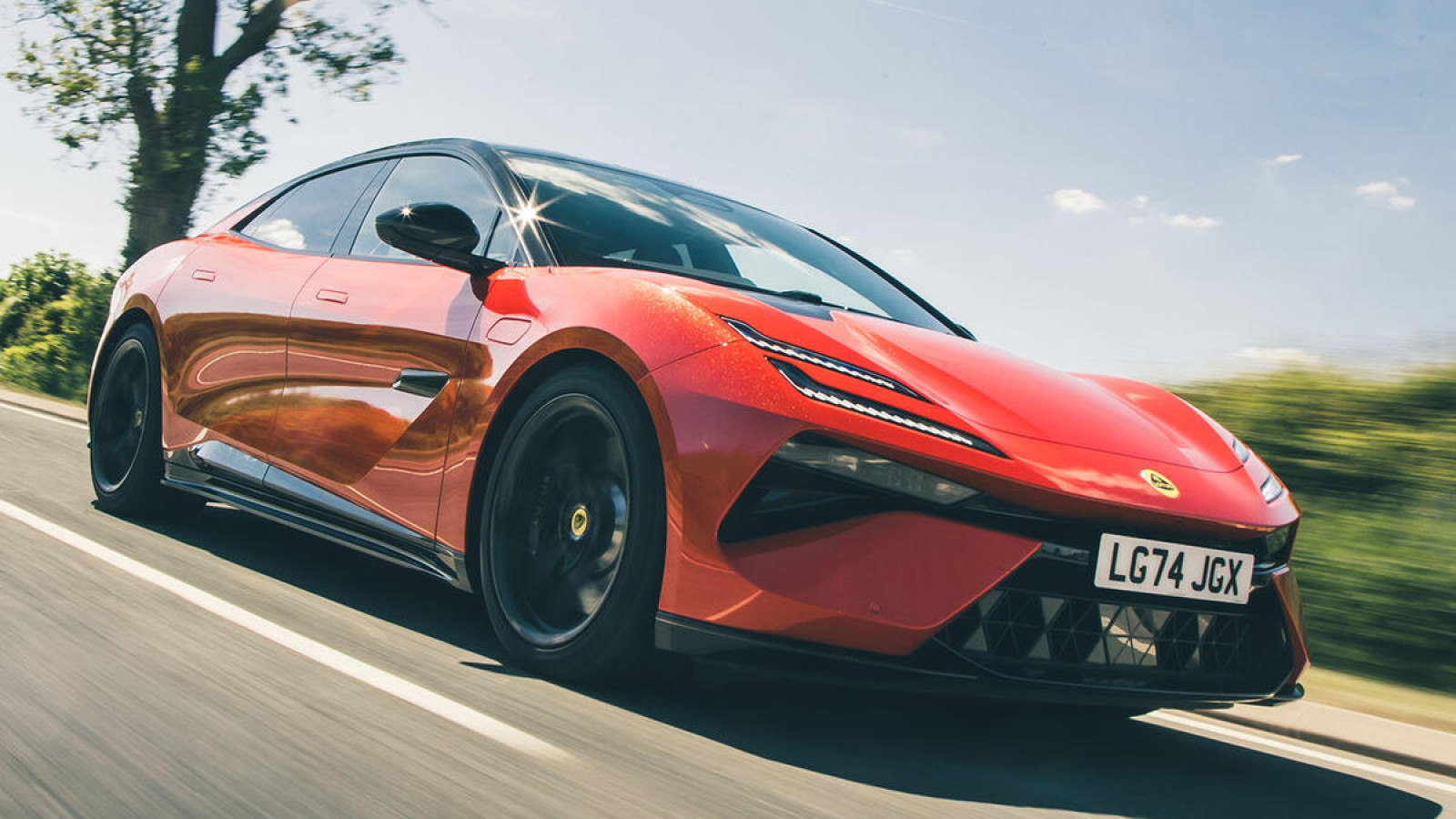
The Lotus Emeya is an electric sedan that goes toe-to-toe with the Porsche Taycan.
The Emeya is a very big car. At 5.1m, it’s only slightly shorter than a Mercedes EQS and a fair bit longer than a Porsche Taycan. In Fireglow Orange, our test car certainly garnered plenty of looks.
The Emeya uses the same batteries and motors as the larger Eletre SUV. That means it uses a dual 302bhp permanent magnet synchronous motor set-up, while the Emeya 900 replaces the rear motor with a 604bhp unit and a two-speed gearbox, for a total of 906bhp.
Lucid Motors
Lucid Air
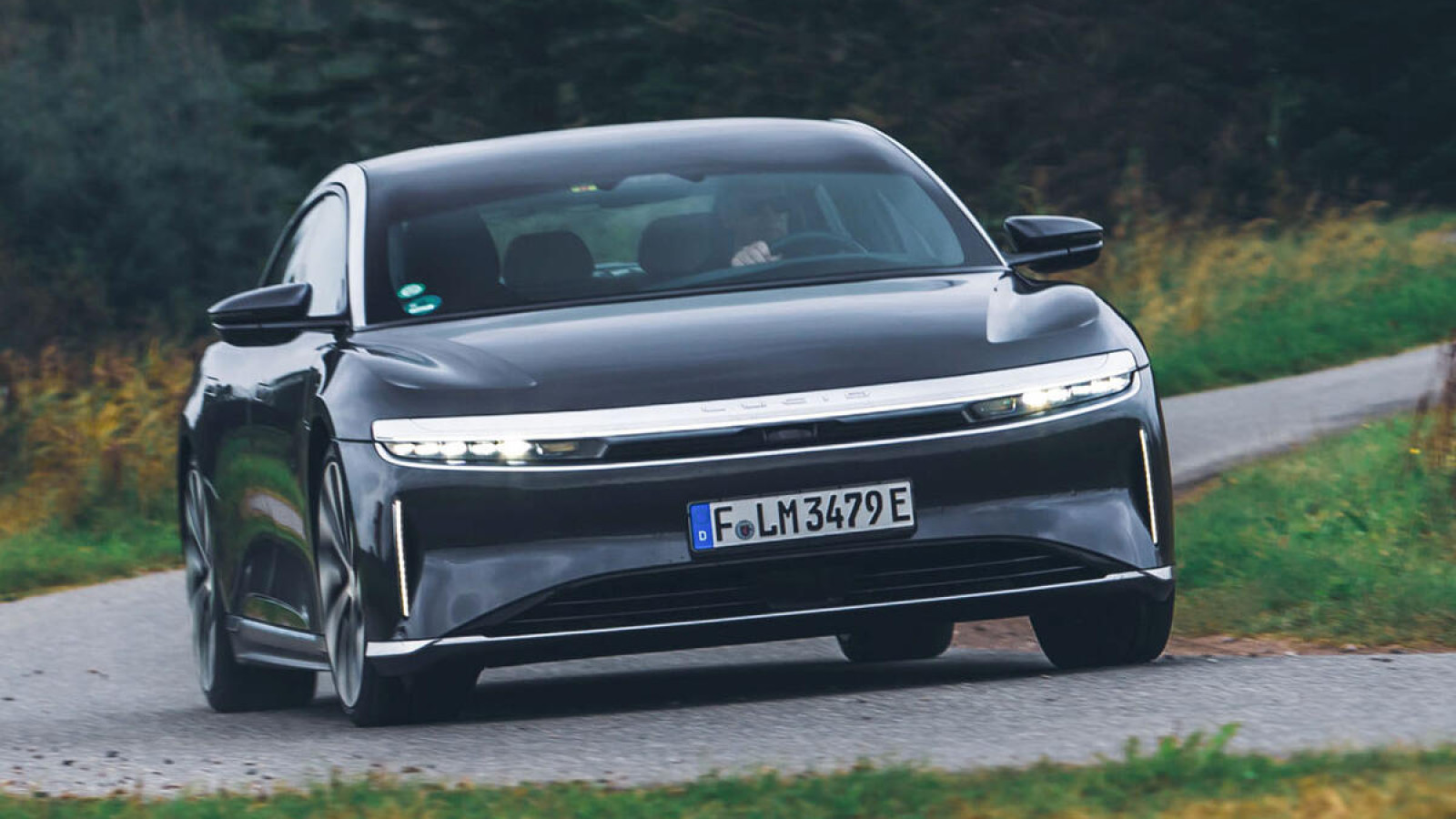
The Lucid Air is a large, four-door saloon with a focus on luxury. In addition to a spacious interior that accommodates up to five people, it features premium materials and is well-built.
It boasts one of the longest electric ranges of any car on sale, capable of travelling 830km (516 miles) on a single charge.
Powered by a 112kWh battery, the Air is also one of the fastest charging EVs in the world. It’ll charge at speeds of up to 300kW.
That’s not all. The Air is ludicrously powerful in the right specification. Dual motors produce 808bhp and 885lb ft of torque, which is enough to propel the car from 0-62mph in just 2.6 seconds.
Maserati
Maserati Granturismo Folgore
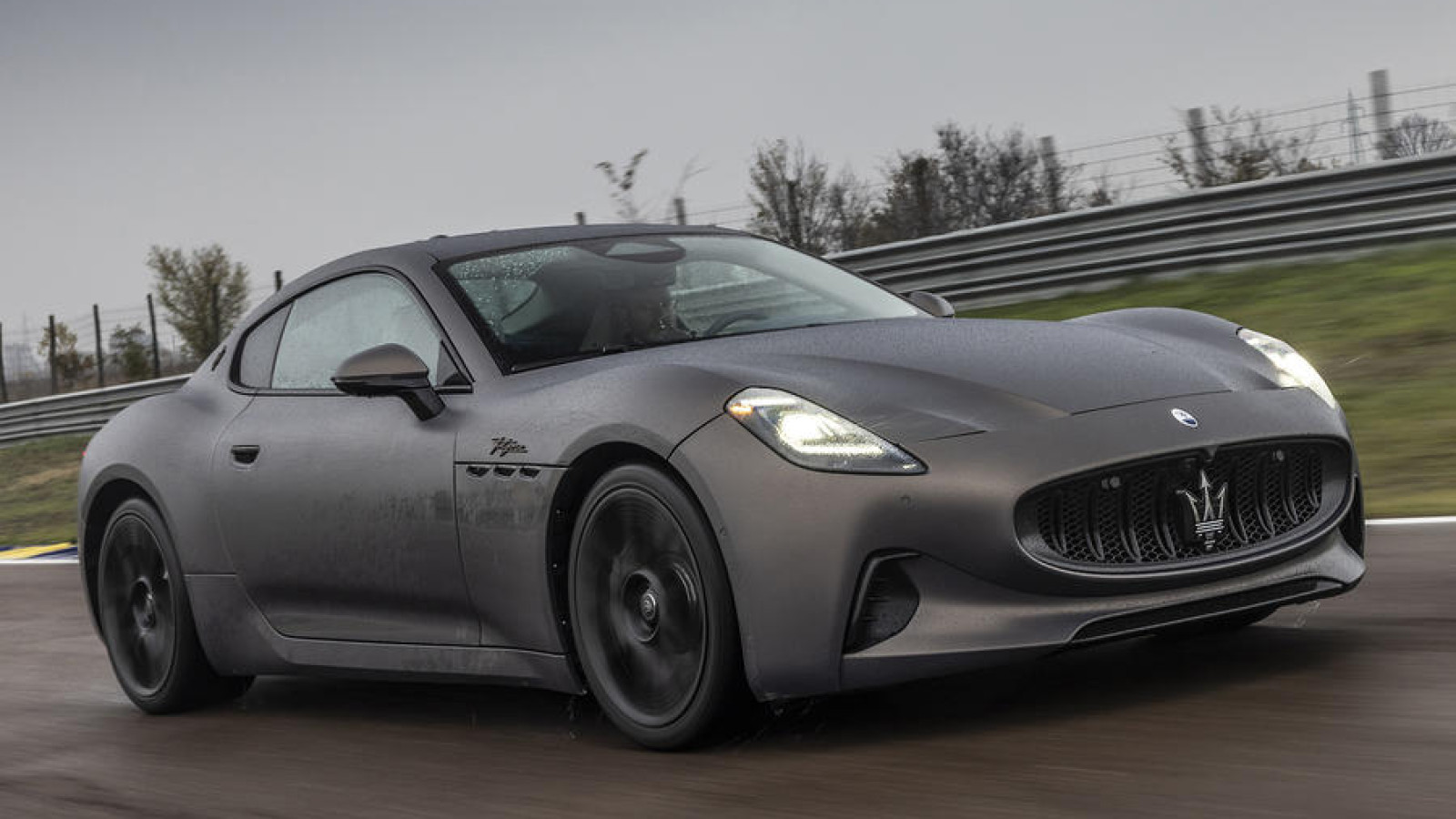
The Maserati GranTurismo Folgore gets a hefty 92.5kWh battery and 750bhp.
It offers a 279-mile (449km) range and max DC charging comes in at 270kW.
When plugged into a quick charger, it will charge from 10-80% in just 20 minutes and add 62 miles (100km) in just five minutes. Folgore buyers will receive a Maserati-branded wallbox charger, which can offer charging speeds up to 22kW.
Mercedes-Benz
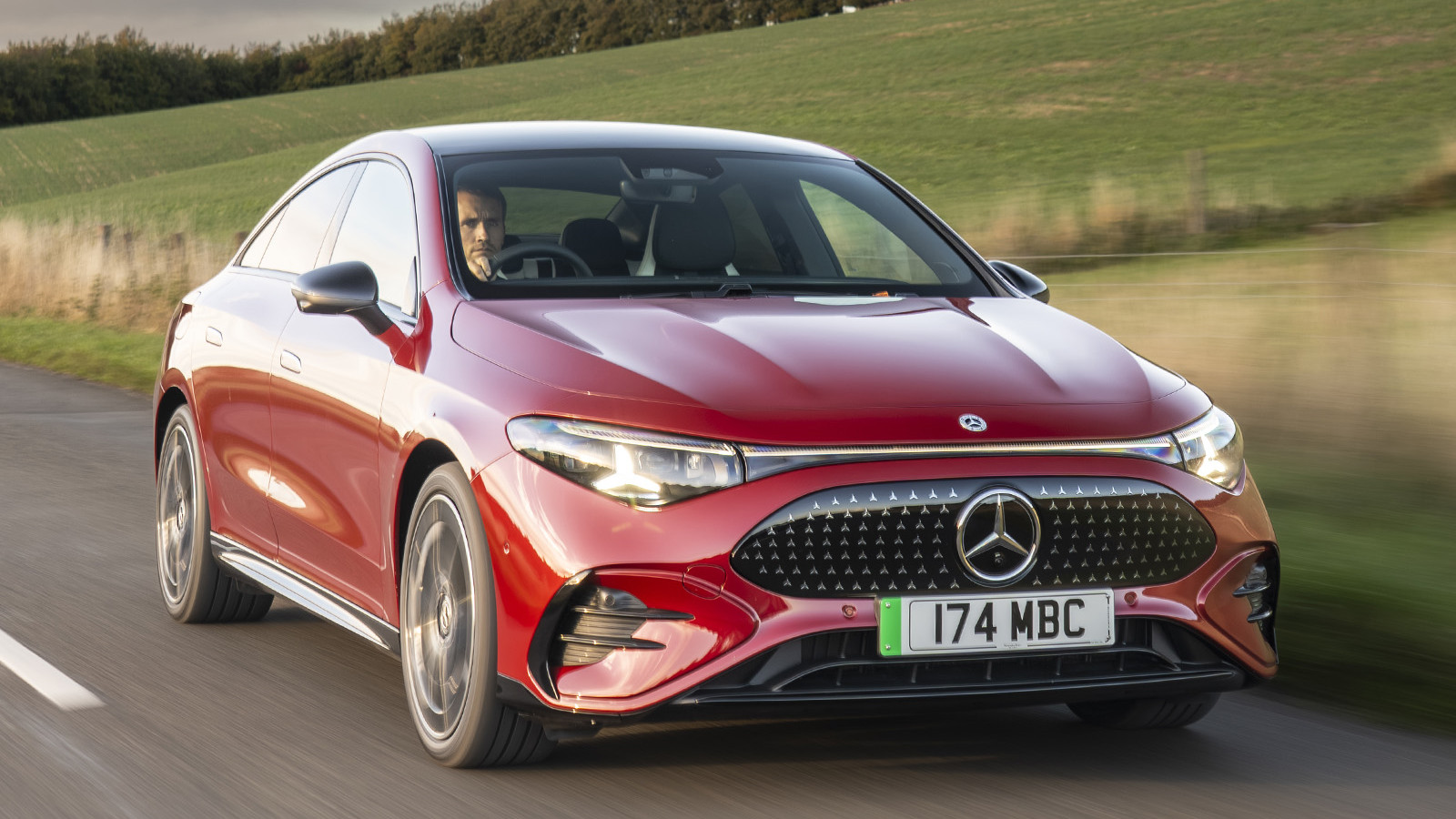
Mercedes-Benz CLA
The Mercedes-Benz CLA is one of the longest range electric cars on sale, using a 90kWh battery to travel as far as 462 miles on a charge.
It’s good to drive and comfortable, with impressive range, charging speed and plenty of premium-brand polish, even if the practicality and cabin quality take the edge off.
This new CLA is a step rather than a leap forward for European EVs. It’s a very appealing car but will need continuous development if it’s not to be left behind in the coming years.
Mercedes-Maybach
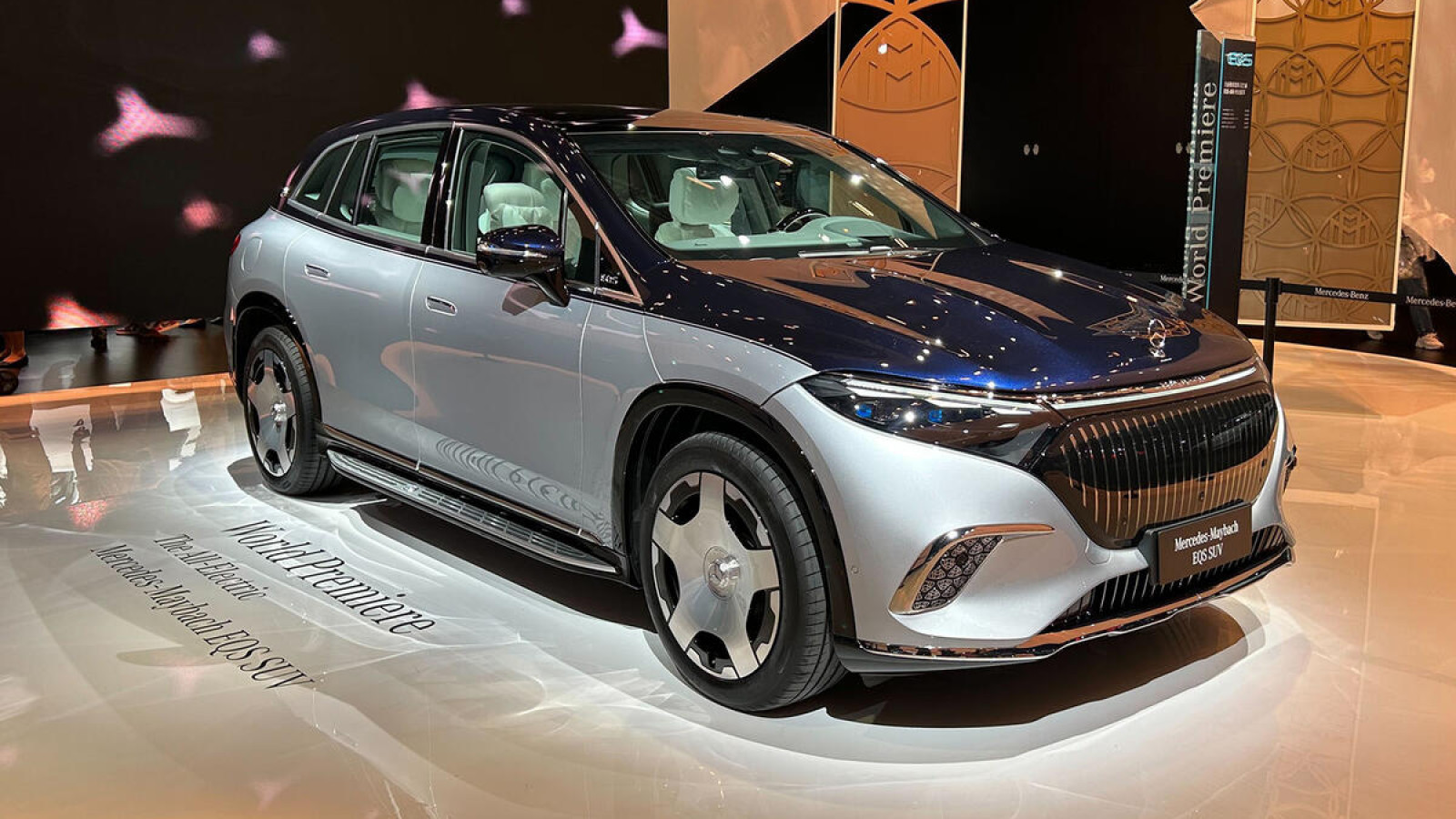
Mercedes-Maybach EQS SUV
After the most luxurious electric car money can buy? You should check out the Mercedes-Maybach EQS.
Key specs include a 659bhp, 701lb ft twin-motor powertrain and a 600km (373-mile) range 4Matic four-wheel-drive is standard.
Inside, it gets Mercedes’ MBUX Hyperscreen – with vegetable-tanned Nappa leather ‘executive’ seats all round, Burmester 4D surround sound system, and typical Maybach chrome touches across the dash and doors.
Additional luxuries have been added in the rear, including 11.6-inch displays on the backrests of the front seats, wood trimmed seat divider, and a built-in fridge with accompanying silver-plated goblets. The rear seats also come equipped with ventilation, massage function and neck and shoulder heating.
Mini
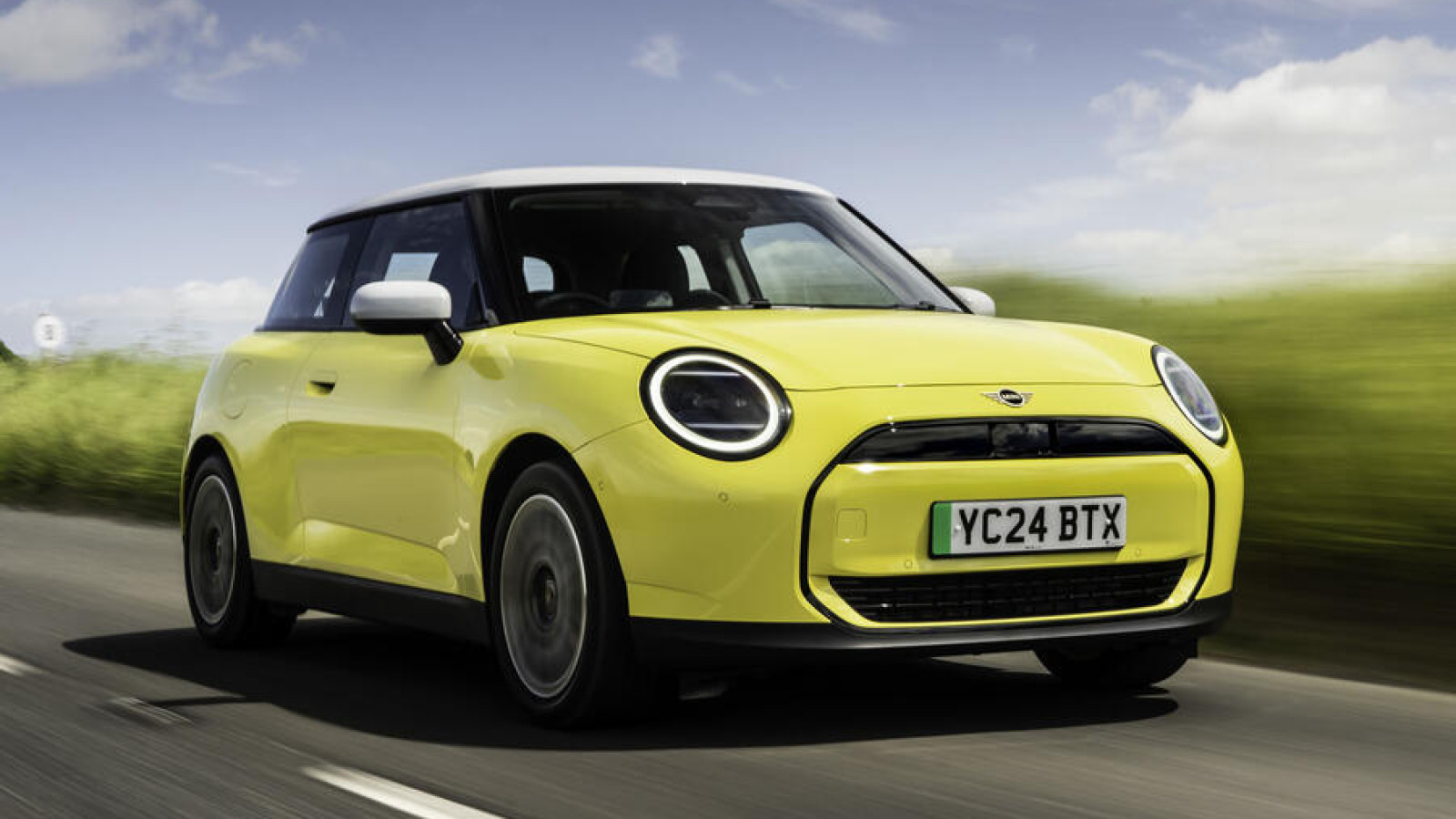
Mini Cooper E
The sleek new Cooper E is more powerful, has a broad choice of batteries and is packed full of usable digital technology from parent company BMW.
A 181bhp electric motor powers the Cooper E and uses a 40.7kWh battery that offers up to 306 km (190 miles) of range, while the Cooper SE gets a 215bhp motor and a 54.2kWh battery for up to 402 km (250 miles) of range.
It’s heavier than before, which means it has lost a bit of driver appeal. That said, it has a better range, a premium feeling interior and it's well priced.
The infotainment touchscreen is a bit fiddly but, despite the odd minor qualm, the Cooper E is up there with the best in the segment.
Nio
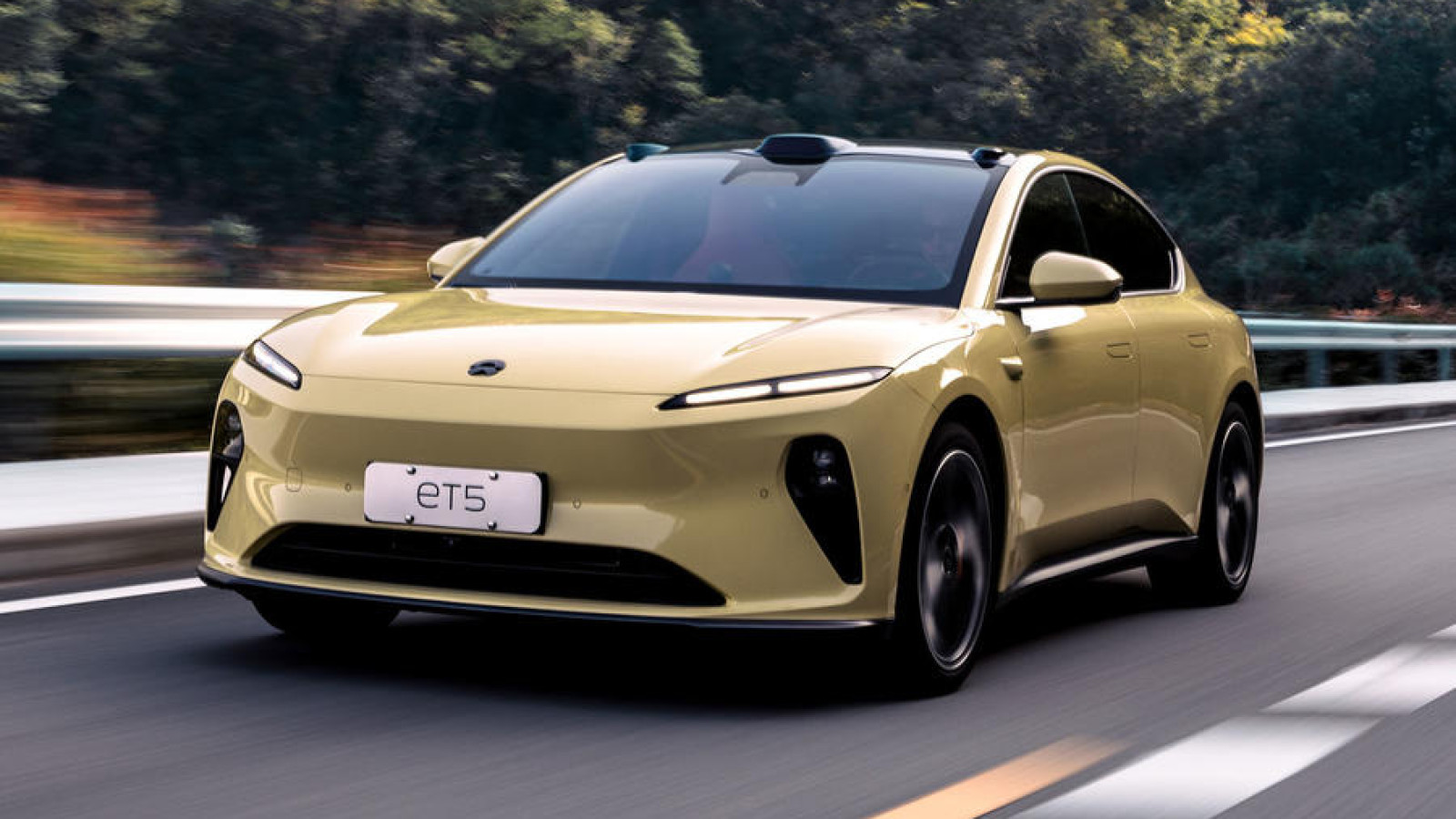
Nio ET5
Like any good executive car, the ET5 is available with a saloon or estate bodystyle, the latter of which Nio claims is a first in the premium segment. In truth, there’s unlikely to be much cross-shopping here between the ET5 and Vauxhall Astra Sports Tourer Electric or MG 5 SW EV.
The ET5 is four-wheel-drive as standard, being powered by two electric motors: a 201bhp induction motor at the front and a 282bhp permanent magnet motor at the rear.
Two different batteries are offered: a standard 75kWh pack and a larger 100kWh one. The range of the 100kWh version is a claimed 560km (348 miles).
Nissan
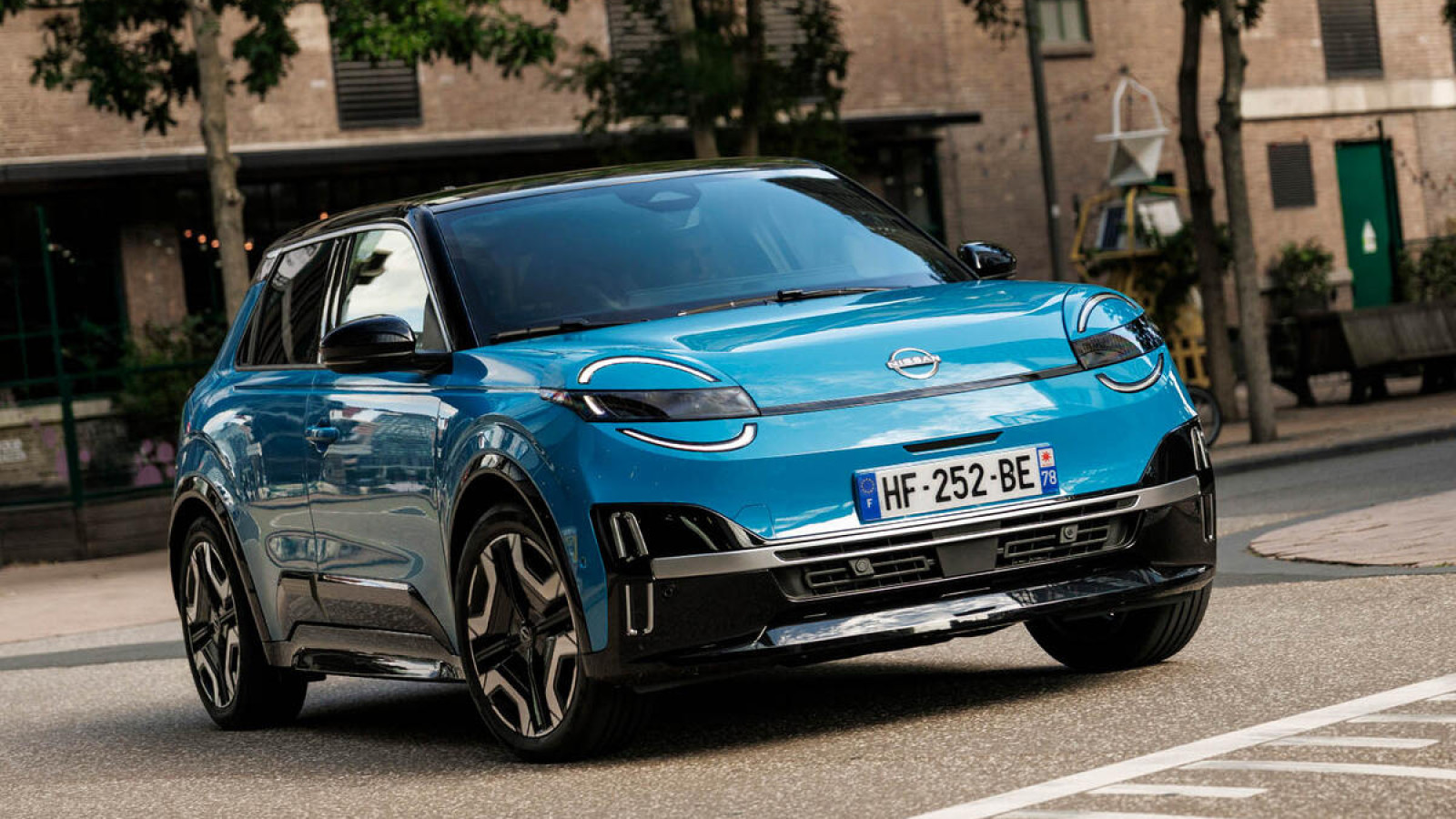
Nissan Micra
The Nissan Micra is based on the lauded Renault 5, which means it's great to drive, comfortable and well priced.
Nissan’s efforts to distinguish the Micra visually aren’t limited to only headlights and bumpers.
Most of the Nissan’s bodywork is clearly its own, and it does create a slightly more angular, pumped-up, street-tough look for the car than the sleeker and more effete Renault has.
A 52kWh battery produces a range of around 402km (250 miles).
Omoda
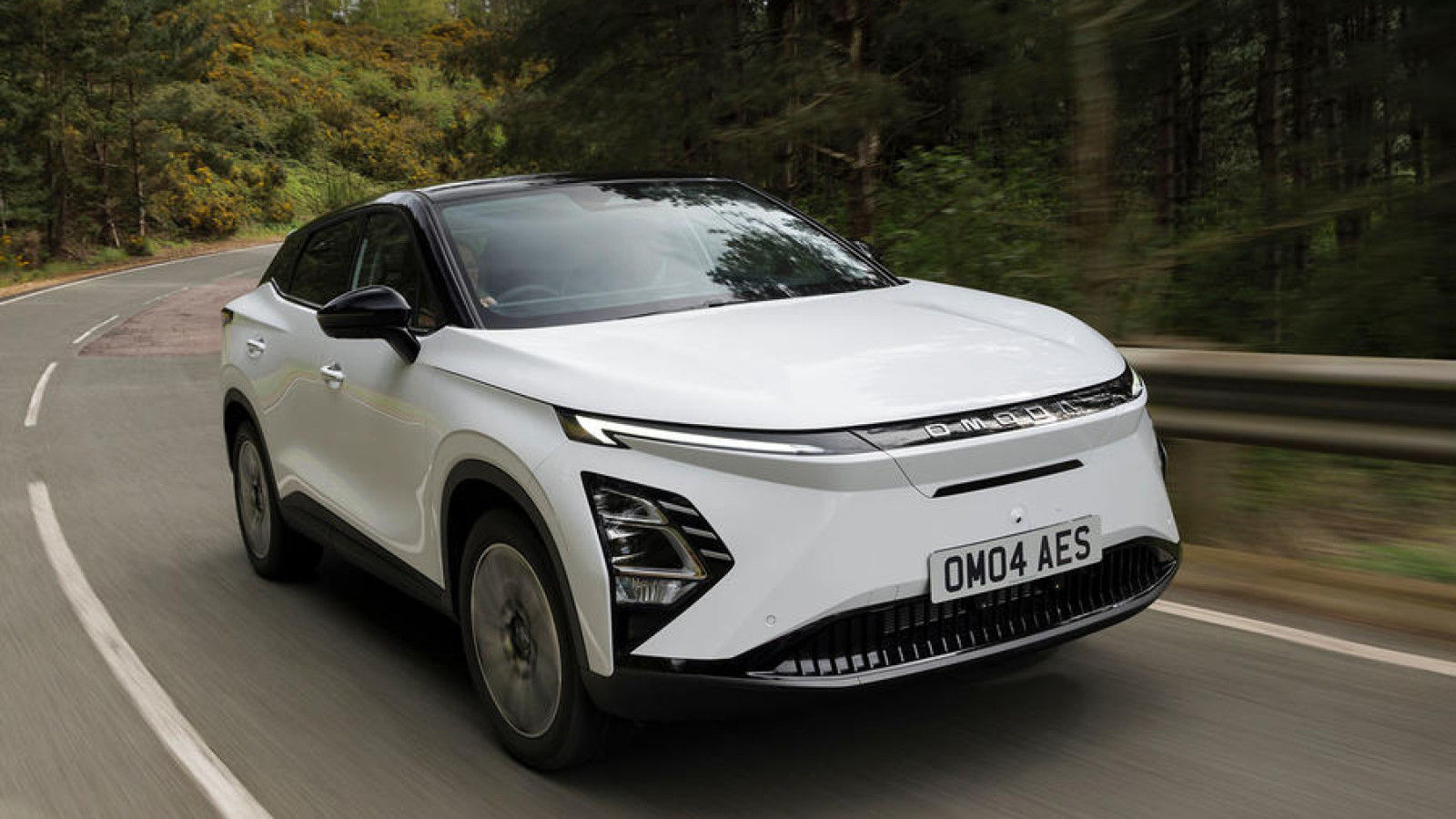
Omoda E5
The Omoda 5 comes in three flavours: the electric Omoda E5, a pure-petrol version and a full hybrid.
The E5 uses a BYD Blade lithium-iron phosphate (LFP) battery, measuring 61.4kWh, while usable is 60.4kWh.
Complete with the 201bhp electric motor powering the front wheels, that makes for a WLTP range of 413km (257 miles).
Opel
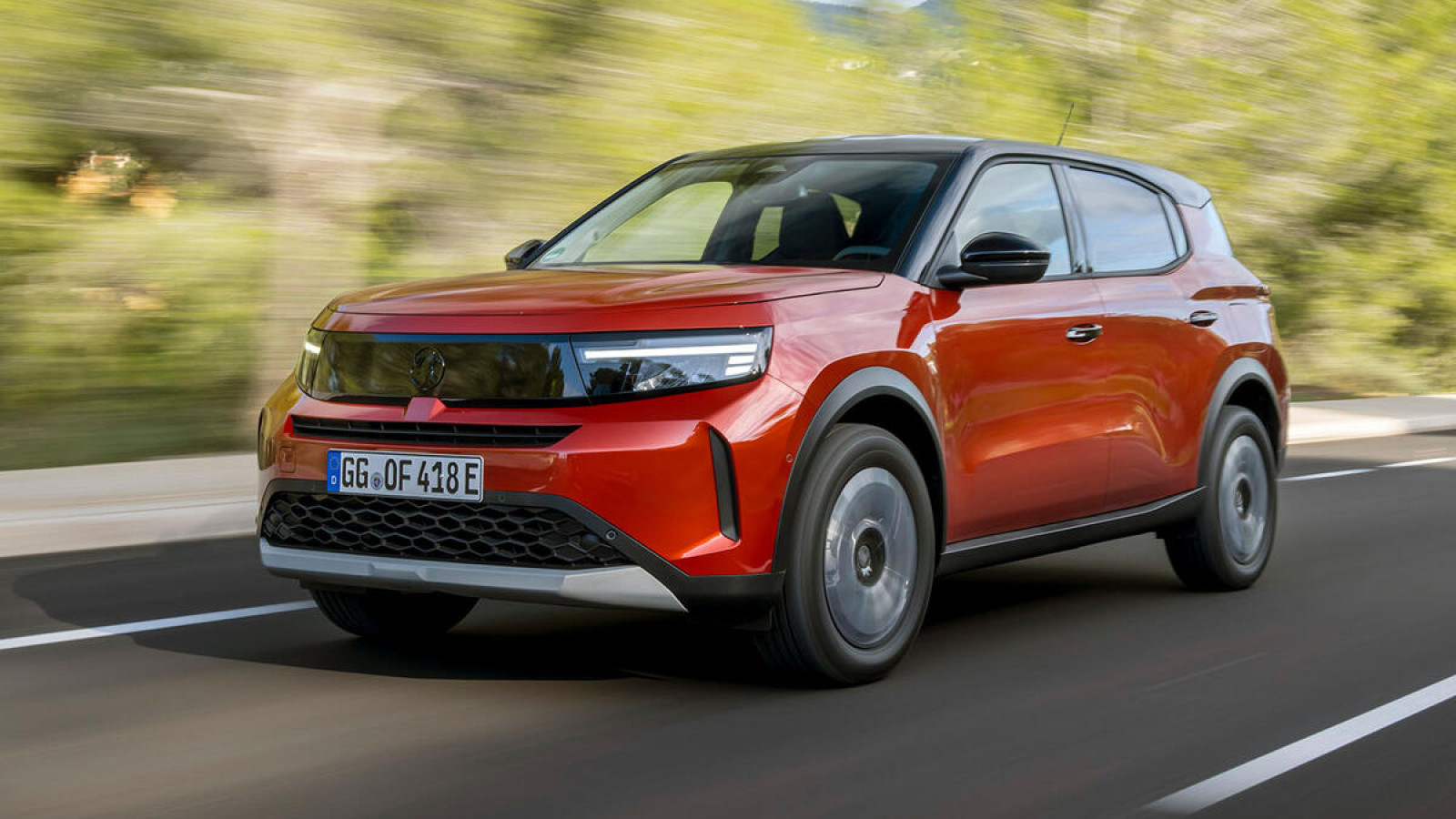
Opel Frontera
The Frontera was a model that was popular in the 1990s, back when SUVs still had to look all rugged to make you believe they could credibly go off-road, even if they couldn’t.
Sure, that’s mostly marketing semantics, but it’s a mark of Vauxhall’s hopes for this car: it joins the larger and plusher new Grandland SUV in a two-pronged assault on the UK’s biggest car-market segment.
Stellantis’s 'M2' synchronous electric motor gives the front wheels 111bhp and 192lb ft of torque, while energy comes from a 44kWh battery. Official consumption is 3.4mpkWh, giving a range of 304km (189 miles), but you can also opt for a 54kWh battery offering 407km (253 miles).
Peugeot
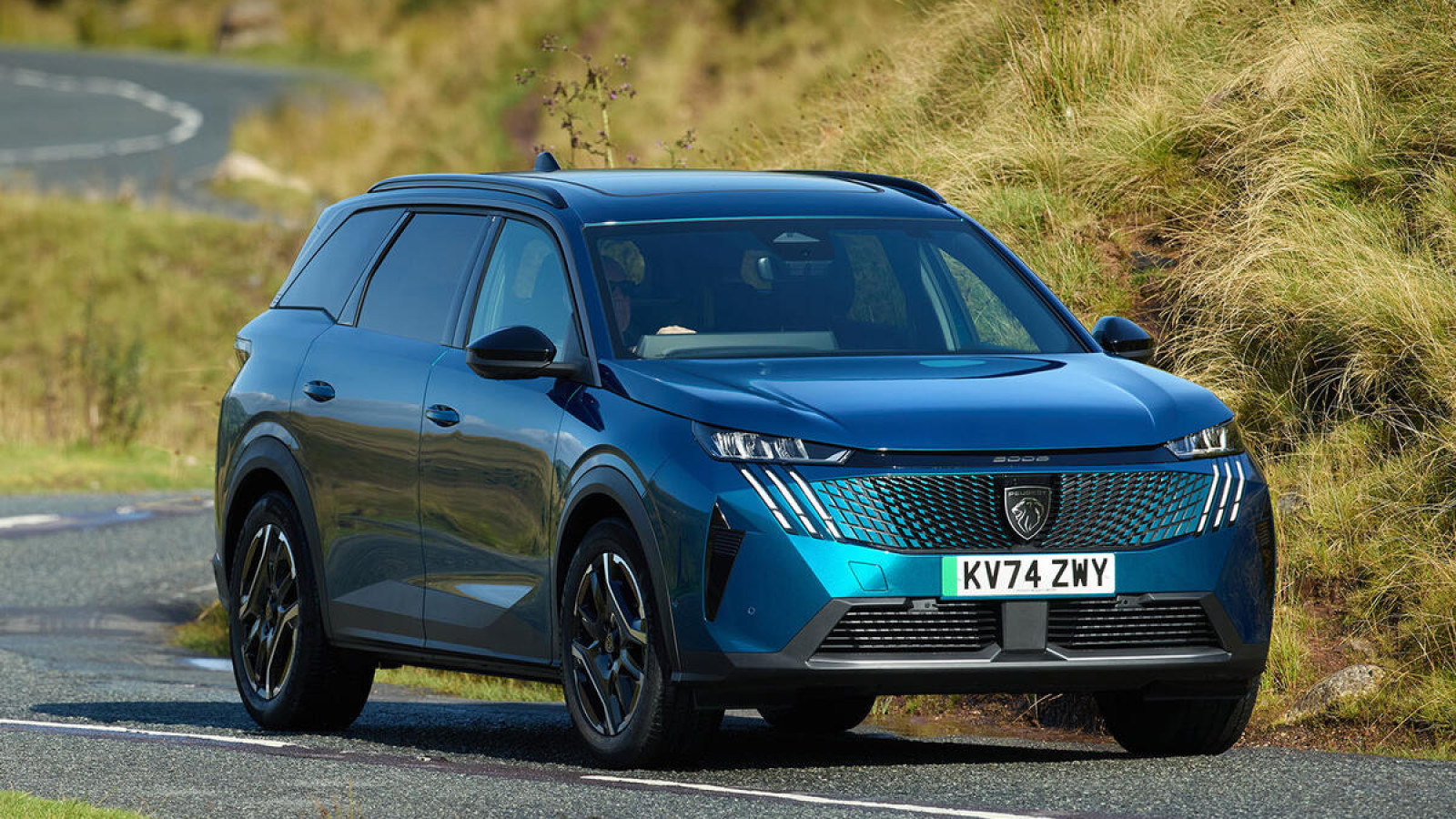
Peugeot e-5008
The e-5008 isn’t what you would call lovable or characterful, but it is absolutely spot on for what it needs to be and what the average buyer in this class wants.
It’s smart, it feels classy inside and out, and it’s not so big as to be obnoxious yet it's big enough inside to seat four tall adults and a couple of older kids with ease or seven people with a bit of elbow-bashing.
It’s tidy and satisfying to drive and entirely fit for purpose. The all-wheel-drive twin-motor version adds a bit more punch, but much like the e-3008 dual-motor model, it lacks the pace and range to warrant its expected premium over the standard car.
In single-motor form, it makes more sense, and for big electric seven-seaters, it's really all that you need or want.
Polestar
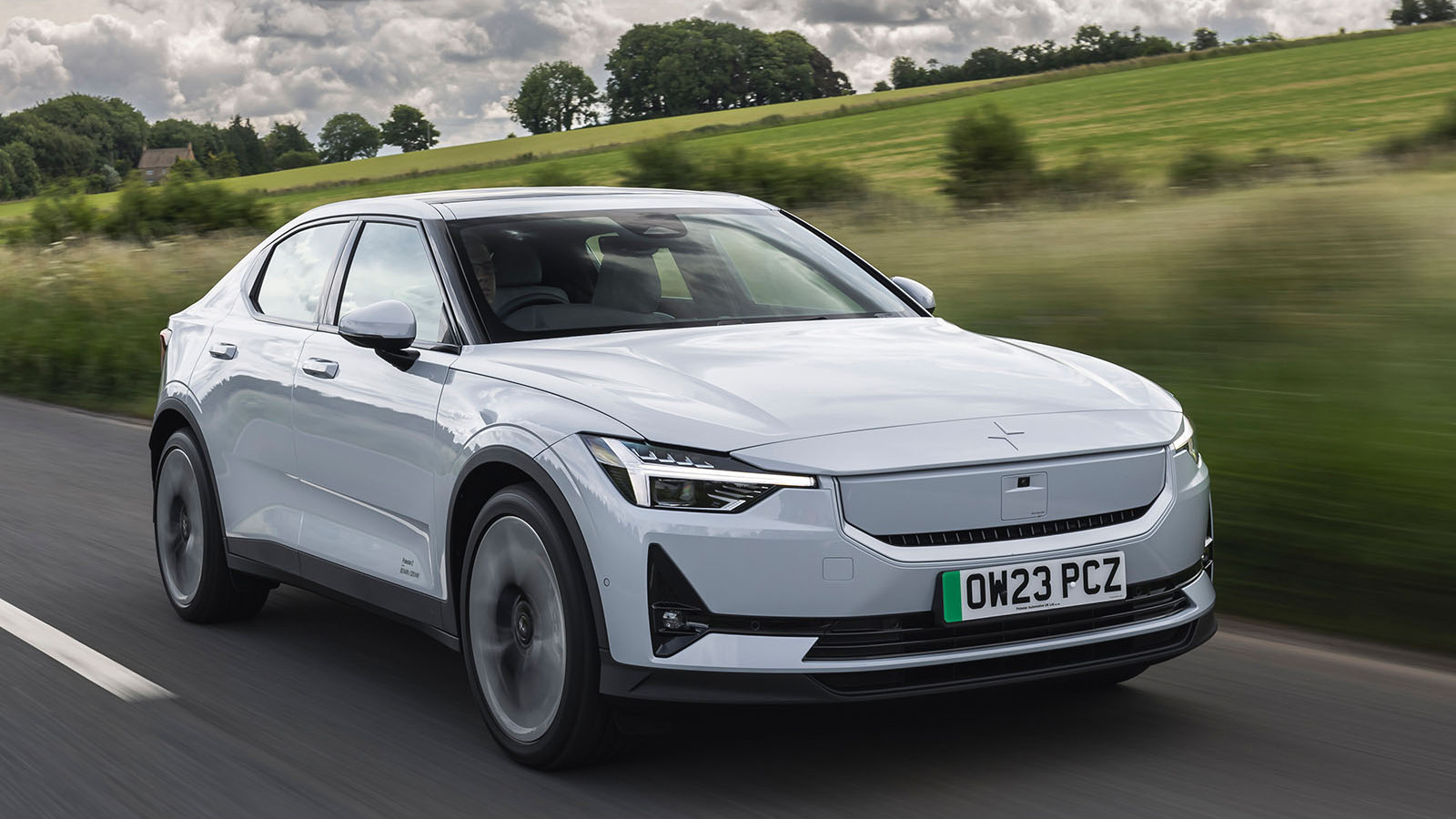
Polestar 3
The body profile of the Polestar 3 is unusual among luxury SUVs. The car measures within an inch or two of a Range Rover Sport for outright length (4900mm) and wheelbase (2985mm), but its roofline runs lower than that of an Audi Q3 (1614mm).
A single drive battery is offered at present: a nickel-manganese-cobalt, sandwich-style installation with 107kWh of usable capacity. Range stands at 390 miles.
Buyers can choose between single- and dual-motor models, both using liquid-cooled, permanent magnet synchronous motors. The former model’s motor is carried over the rear axle and develops 295bhp, while the latter model has a 242bhp version of the same motor per axle.
The Long Range Dual Motor’s total output of 483bhp and 620lb ft can be boosted with Polestar’s Performance Pack (to 510bhp and 671lb ft), which also bundles 22in forged alloy wheels and dedicated performance tuning for the suspension.
Porsche
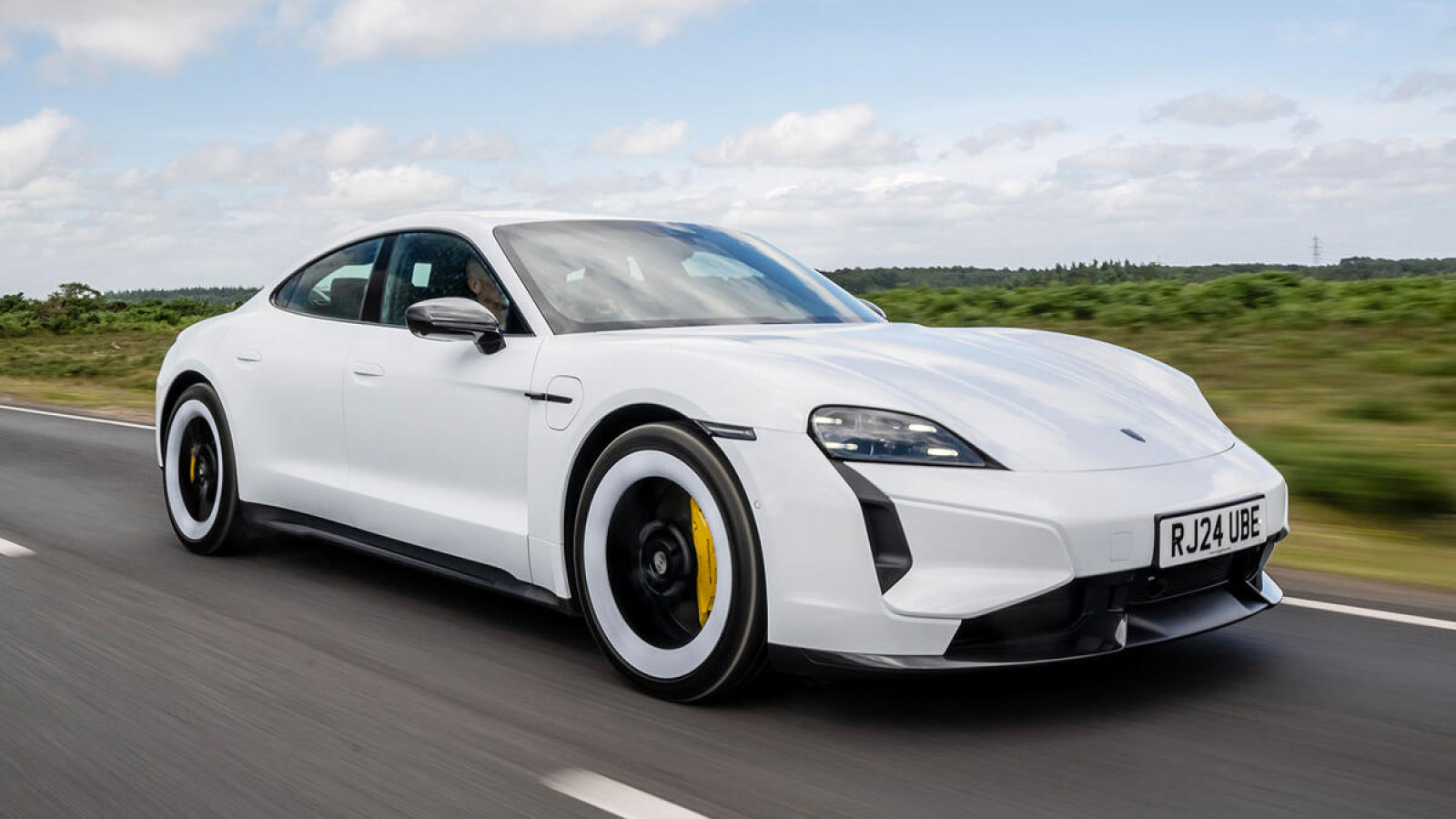
Porsche Taycan
The Taycan, despite being an EV, still feels every bit a Porsche product.
It deftly delivers close body control along with the perfect balance of communication in cornering forces, building up and abating in such neat, linear fashion.
It’s also devastatingly fast in a straight line. In full-fat Turbo S form, it will officially do the standard 0-62mph sprint in 2.4 seconds.
Range depends largely on which model you choose, but the biggest-battery option gives the Taycan an outstanding 679km (422 miles) on the WLTP combined test.
Our own testing of this model resulted in 3.7mpkWh, making for a real-world range of around 579km (360 miles), which is very impressive for such a car with so much performance on offer.
Renault
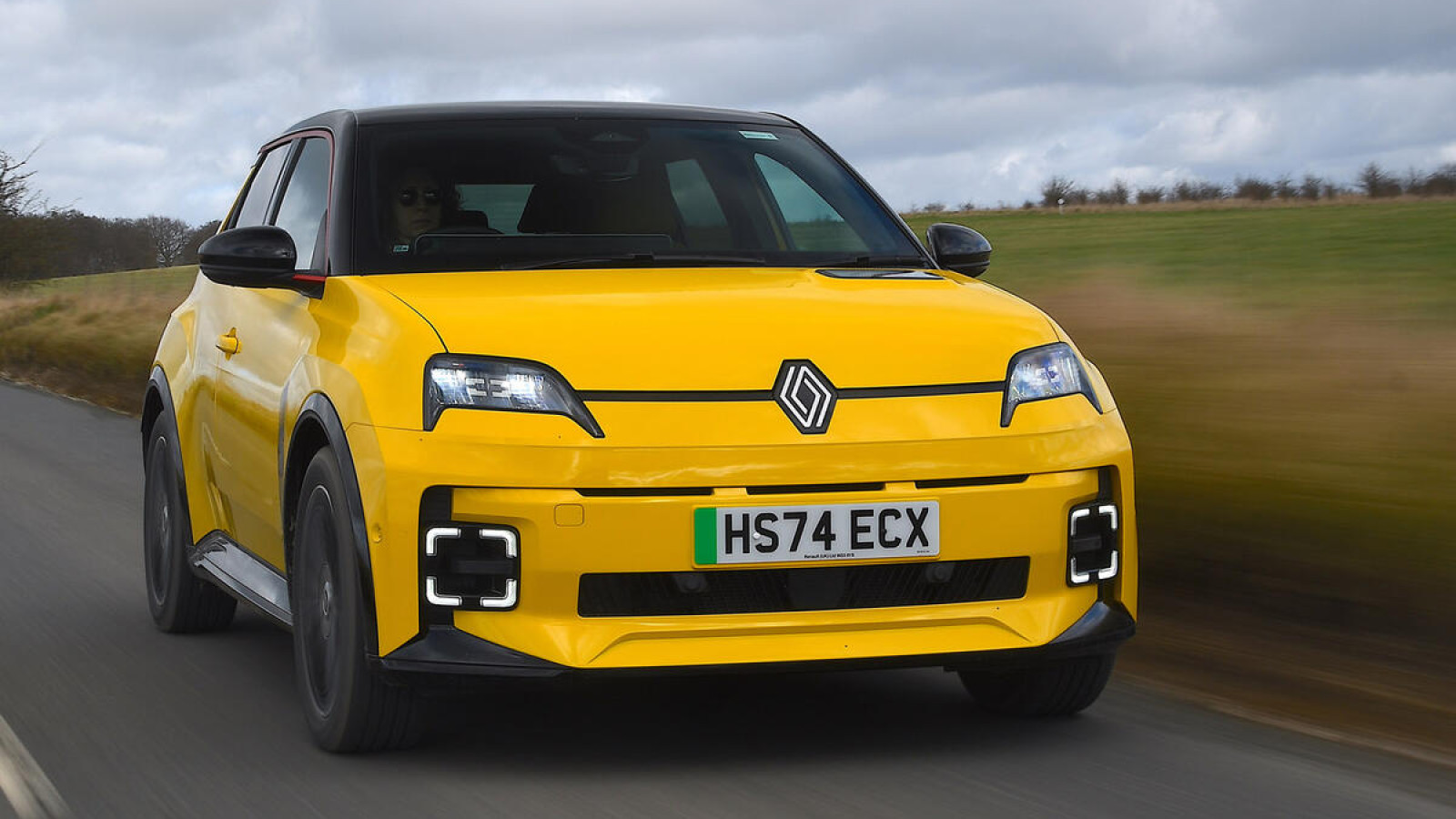
Renault 5
What we have here is the standout electric supermini. The Renault 5 effortlessly blends retro design with modern technology and does it all at an affordable price.
Inside, Renault has deployed colours and materials usually found in more expensive models, and it has all the latest tech, including Apple CarPlay and Android Auto.
It’s available with two different powertrains. The cheapest has a 120bhp motor and a 40kWh battery, while the more expensive has a 150bhp motor and a 50kWh battery. So more money equals more power and more range - in its longest range specification, you’ll get 403km (253 miles) of range.
Lexus
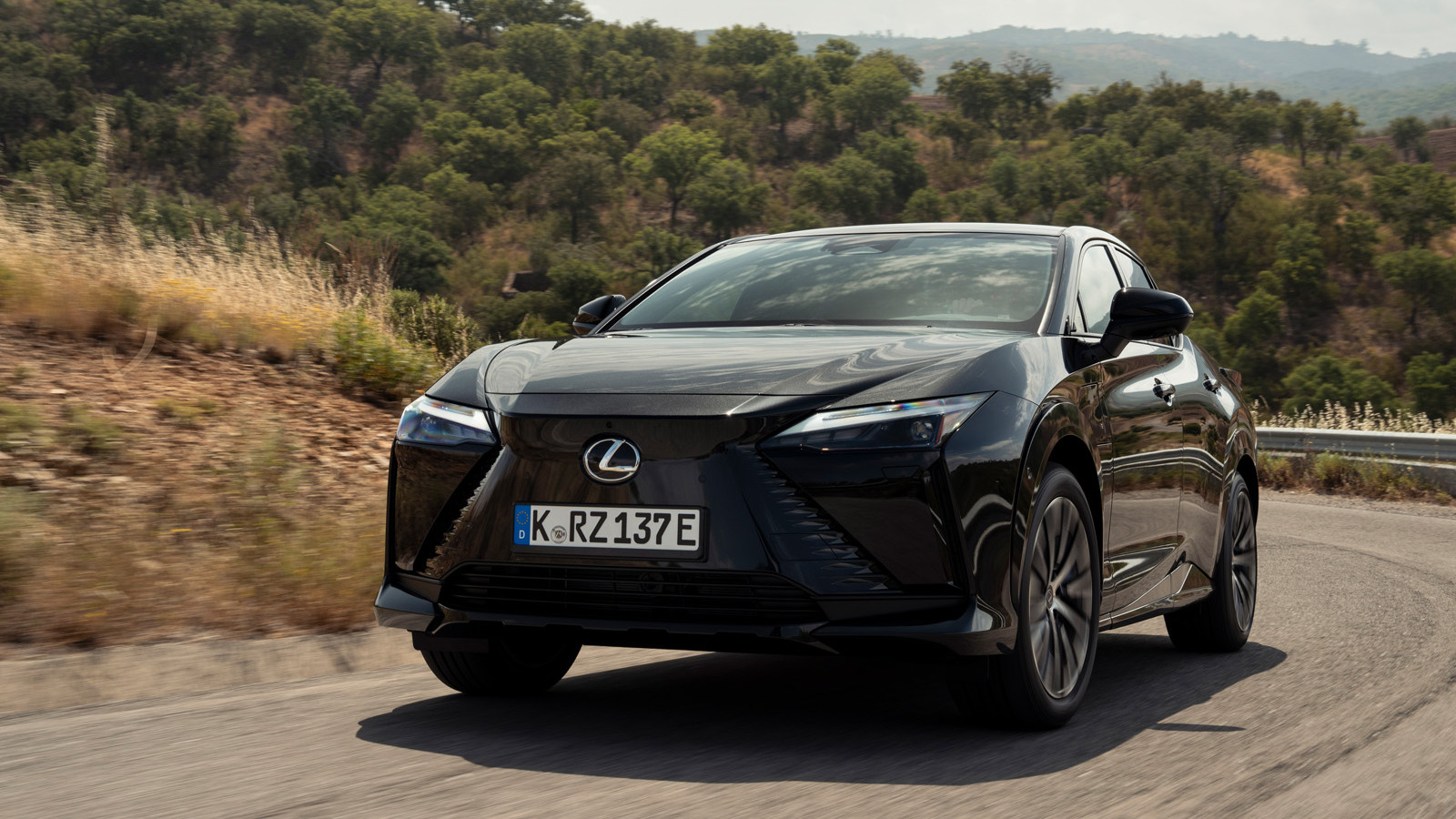
Lexus RZ
Lexus is known for its luxury hybrid cars, but its foray into electric cars has proven successful, with the RZ leading the way.
First sold in 2023, the RZ was updated last year. It now has up to 402bhp, improved handling and, most importantly, a much longer range than before.
The RZ is still the flagship Lexus EV. The firm has also had the UX 300e for a while, but that was never quite a heavy hitter, whereas this car is and goes toe to toe with the likes of the Tesla Model Y, Nissan Ariya and Hyundai Ioniq 5.
Its practicality and interior quality are still the prime reasons for being drawn to it. The front-wheel-drive 300e is our pick of the RZ range simply because it goes farther on a charge.
Rivian
Rivian R1T
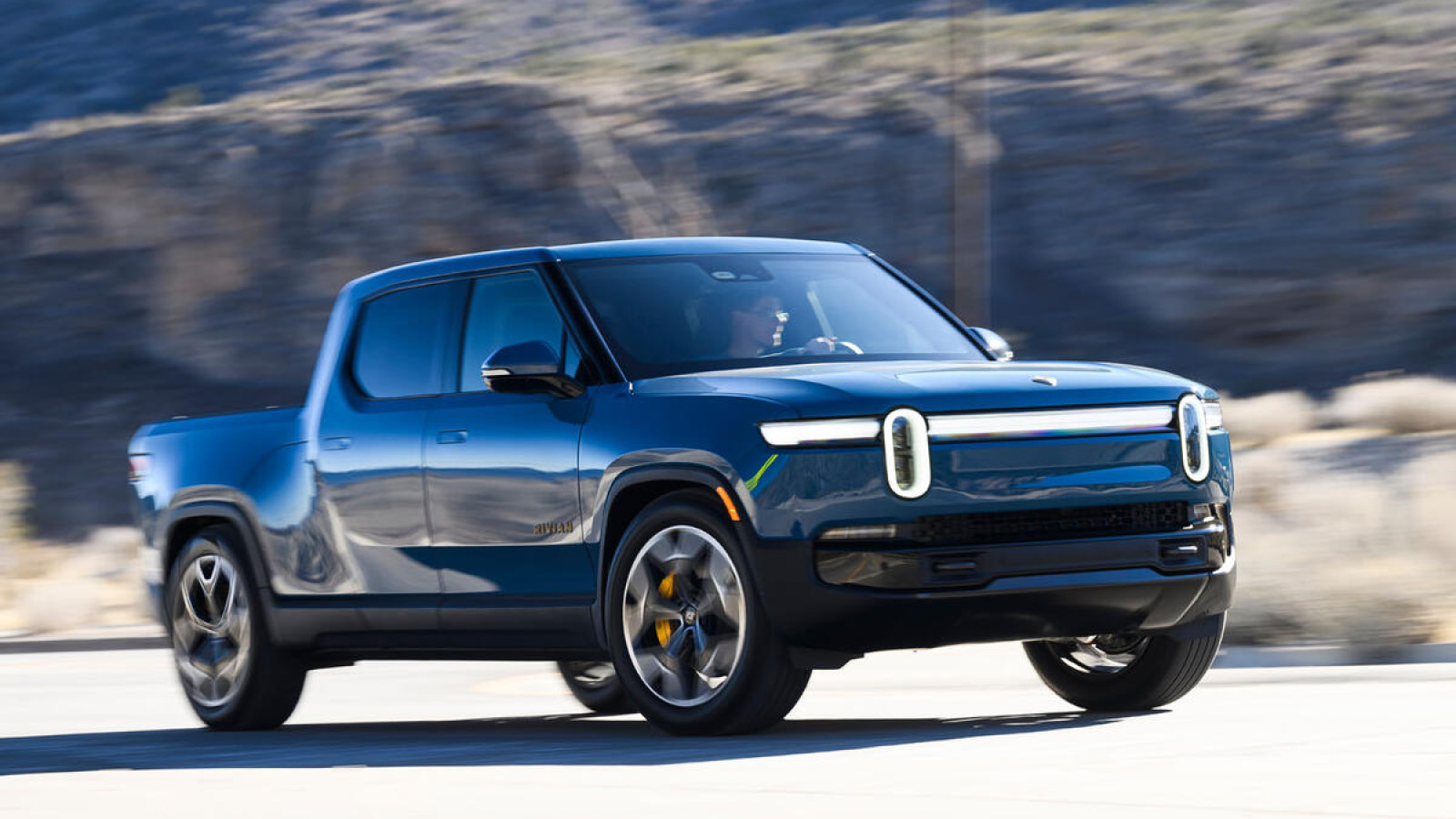
The R1T is far more conventional than other electric pick-up trucks, and is infused with genuine warmth and charm.
The R1T can be classed as a full-size US pick-up: it’s 5514mm long, 1986mm high and 2082mm wide (with the mirrors folded in). It has a 3449mm wheelbase and, for off-road types, a departure angle of 29.9deg.
The R1T is offered with two, three or four motors, each option bringing four-wheel drive.
Dual-motor models offer 526bhp, while the quad-motor models produce a frankly bonkers 1011bhp. That’s enough to give a three-tonne pick-up a Porsche 911 GT3-beating claimed 0-60mph time of less than 2.5 seconds.
Rolls-Royce
Rolls-Royce Spectre
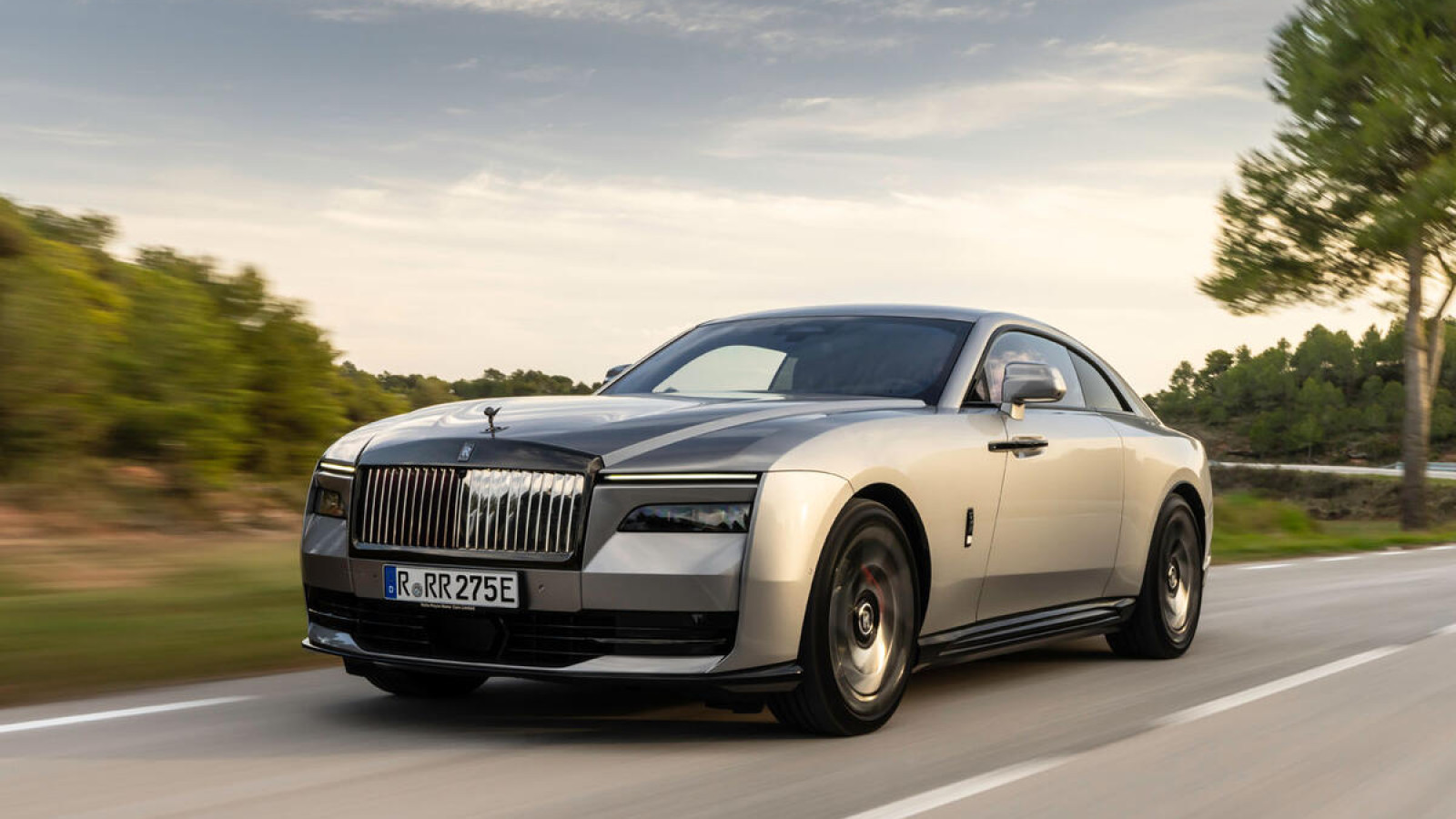
Charles Rolls noted the potential of electric motors for adoption in luxury cars right at the beginning of the 20th century, but it took the car company he co-founded 120 years to catch up with his embryonic vision.
Now that it has, though, and the super-luxury EV class has its first-ranking member, there can be no debate about which electric car comes first for luxury appeal.
We've particularly praised its ride isolation and cushioned body control, even on its huge (23-inch) alloy wheels, the uncommon smoothness of its ‘one-pedal’ driving, its supreme, cocooning quietness and its unexpectedly rewarding steering and handling.
The Mercedes-Benz EQS limousine set a pretty high bar for low noise levels and lavish on-board feel, but for the best of the best where luxury is concerned and the ultimate sense of occasion, Goodwood’s experts still set themselves apart.
Skoda
Skoda Elroq
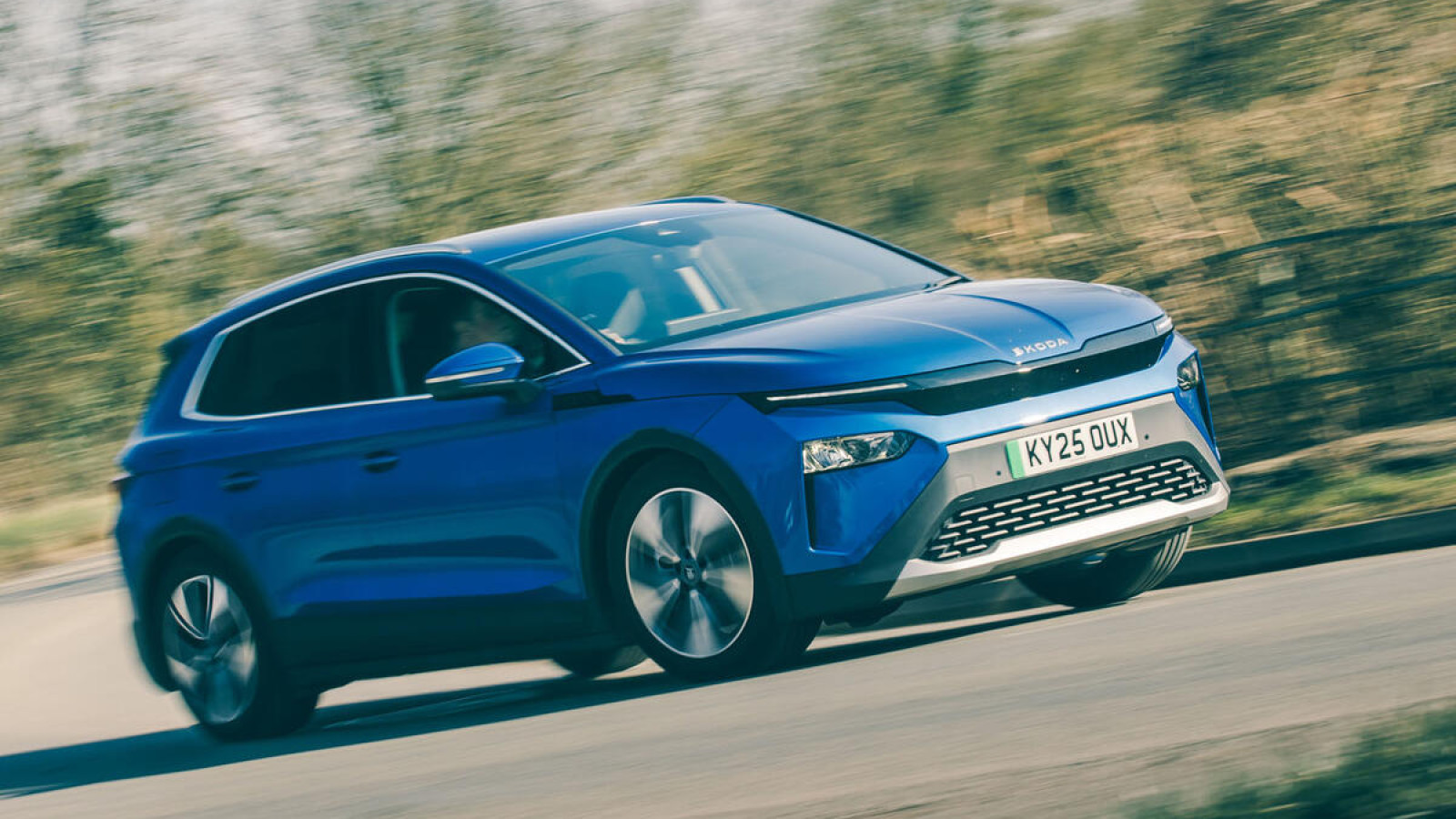
Four years ago, the Skoda Enyaq emerged as a comfortable, reasonably priced, well-conceived mid-size electric SUV.
Ostensibly the Skoda Elroq takes that formula and reworks it into a smaller, cheaper model. Yet it also represents a shift in design philosophy, all while being assertively strong in all areas.
Inside, it’s massive. The boot is particularly useful and among the largest in class (although that of the Renault Scenic is bigger) and the storage is on point. For instance, you can keep the charging cables in an underboot cubby or the storage net in the boot and the parcel shelf has multiple heights.
Adaptability also is high up on the list of reasons to buy. Top-spec models have a WLTP range of 579km (360 miles).
Smart
Smart #3
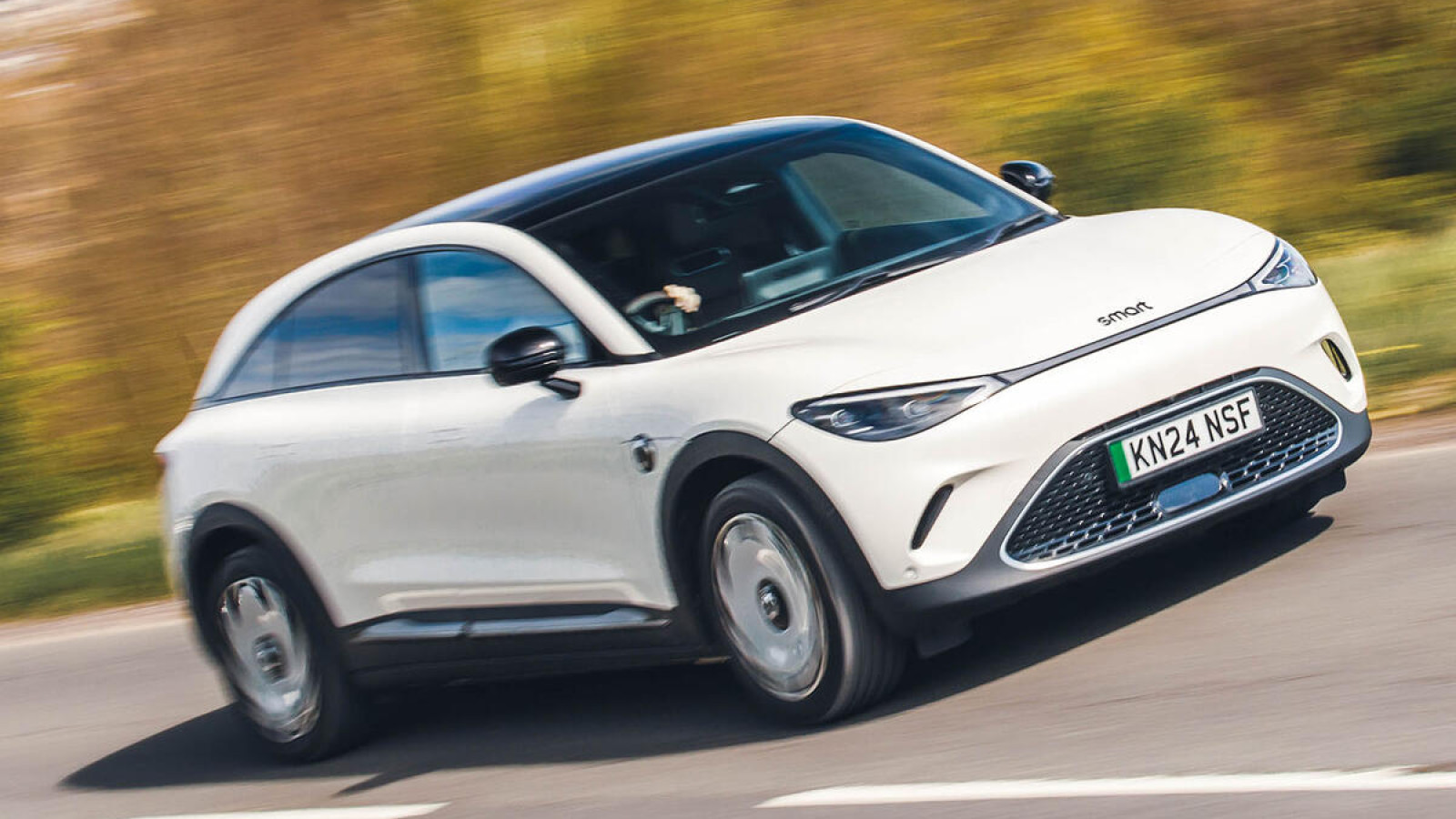
While it shares plenty of exterior features with its boxier sibling, the #3 isn’t simply a #1 with a swoopier roofline. Built alongside the #1 by Geely in Xi’an, China, it is wider, and longer both in wheelbase and overall, than its range-mate, with a slightly lower driver’s hip point.
Smart offers a choice of drive batteries, motor configurations and associated number of driven wheels. You might well be impressed with the value for money offered by the entry-grade Pro model, which delivers 268bhp, single-motor rear-wheel drive and a sub-6.0-second 0-100km/h (0-62mph). Using an LFP battery of 47kWh (usable capacity), its claimed range is just over 312km (200 miles).
Above that sit four further model grades, all using an NMC battery with a usable capacity of 62kWh, and all capable of rapid charging at 150kW rather than the 130kW of LFP cars. All stick with the same, rear-mounted permanent magnet synchronous drive motor, although the range-topping Brabus model (uprated brakes, stiffened suspension, recalibrated traction and stability controls) adds a second, front-axle motor for 423bhp.
Subaru
Subaru e-Outback
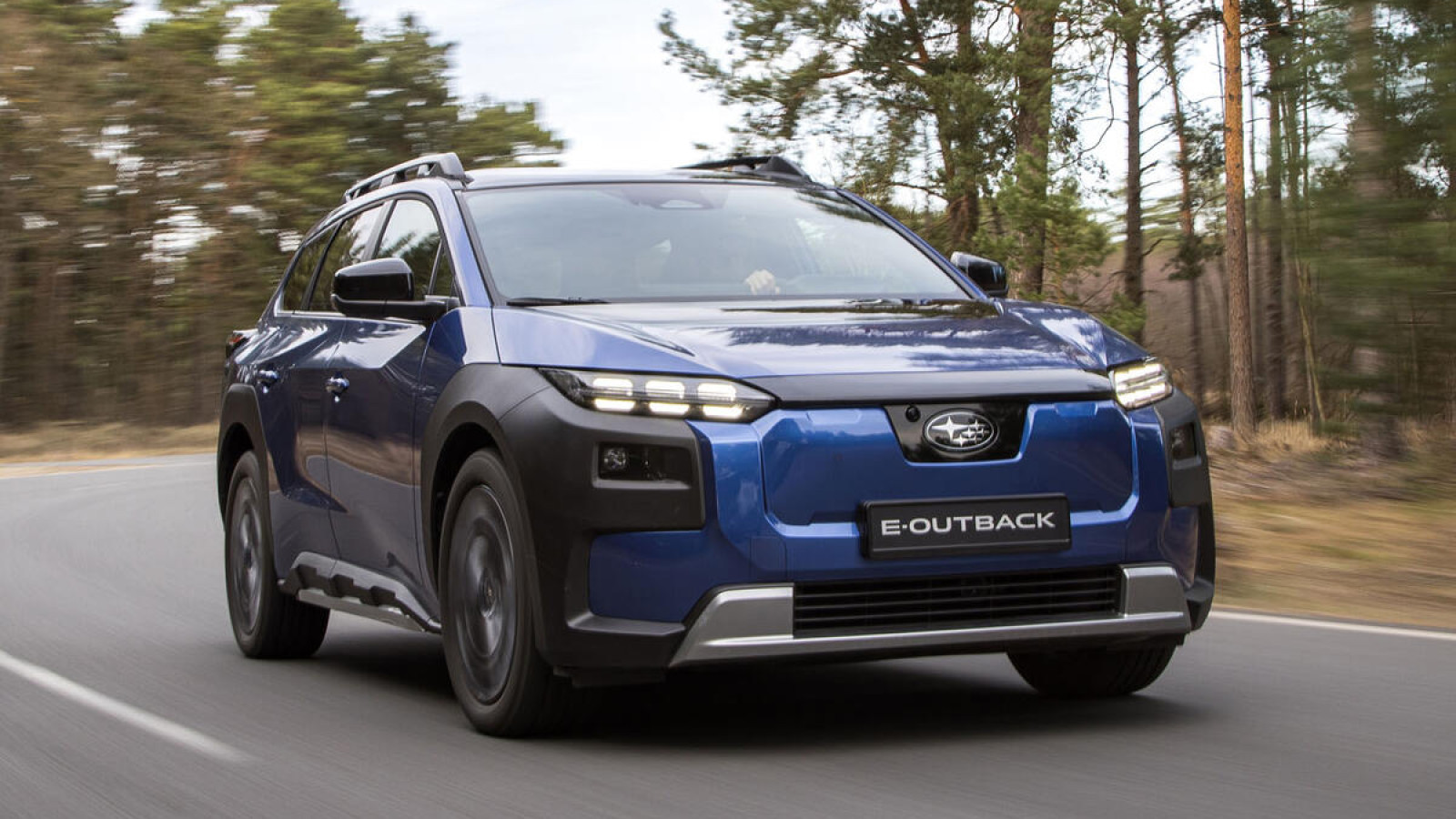
The E-Outback is based on the Subaru Solterra and Toyota bZ4X twins. Indeed, it will get its own Toyota twin in the form of the bZ4X Touring.
The bZ4X and Solterra feel like SUVs, or crossovers if you will, because they’re taller and chunkier than a traditional hatchback; but add 155mm to the length and straighten out the roofline and suddenly it looks like a lifted estate and is marketed as such.
Equally, energy efficiency remains a question mark. Subaru quotes 3.7-4.0mpkWh on the WLTP test cycle, which is fine for a dual-motor SUV but not outstanding. Real-world range around 402km would be likely.
Suzuki
Suzuki e-Vitara
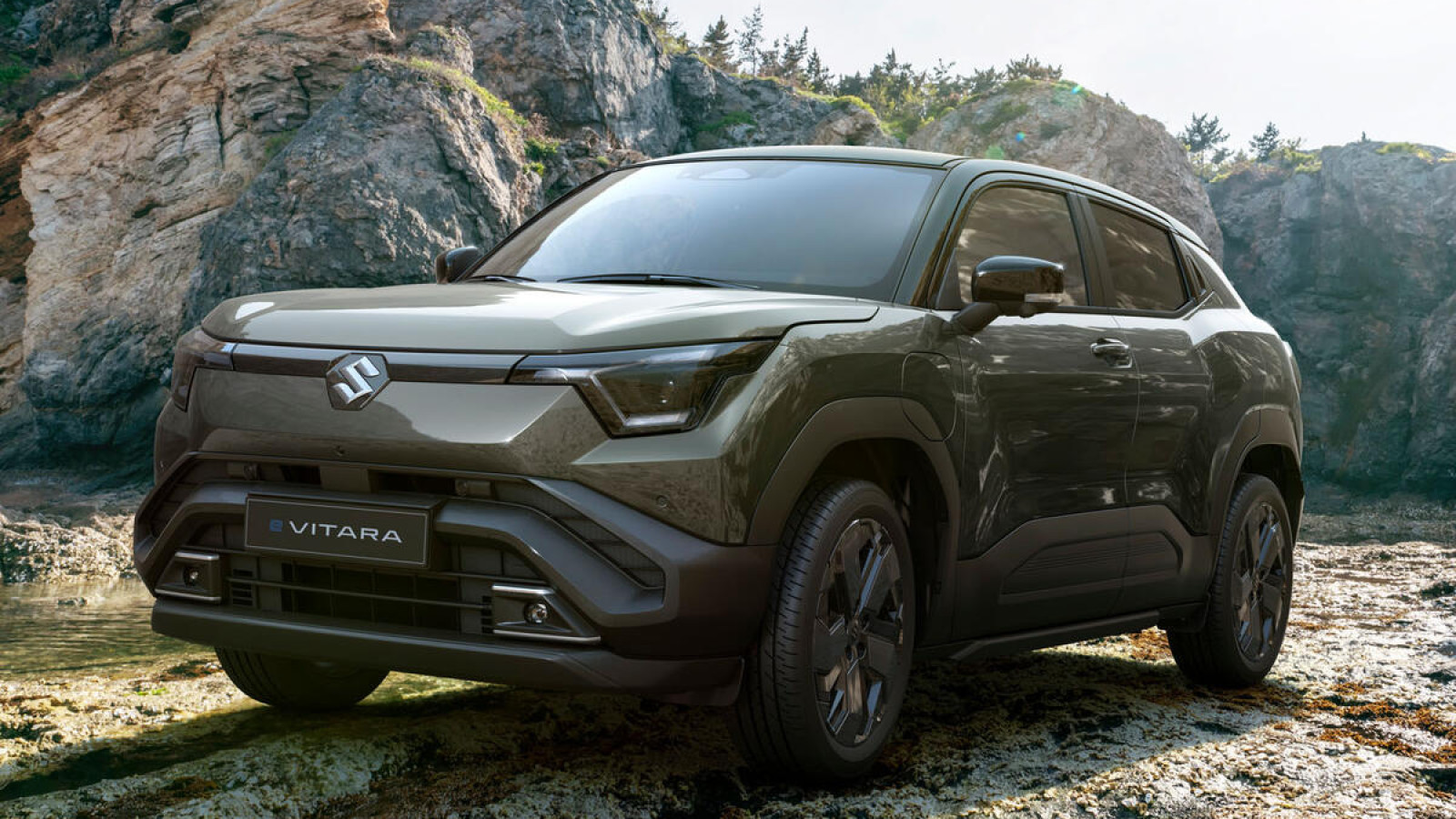
Toyota and Suzuki have an agreement to share models and engineering, which has previously produced Suzuki-badged Toyotas such as the Swace (a Corolla) and the Across (a RAV4). Now Suzuki has led the project to develop a joint small electric SUV, with the e-Vitara.
The technical run-down is pretty standard: it’s the usual skateboard platform deal with a choice of two battery sizes: 49kWh or 61kWh. Suzuki hasn’t released figures for the usable capacities, but given that it’s using LFP cells, the safety buffer ought to be minimal. The small battery comes with a 142bhp front motor, the 61kWh battery with a 172bhp motor.
The entry-level eVitara has 344 km (214 miles) of range, but Suzuki expects most people to go for the single-motor 61kWh model, which musters 428 km (266 miles). Those range figures straddle the Puma Gen-E and Renault 4, but the eVitara uses a bigger battery than those cars to achieve similar range, which doesn't bode well for efficiency, which is traditionally a strength of Suzuki's ICE cars.
Tesla
Tesla Model 3
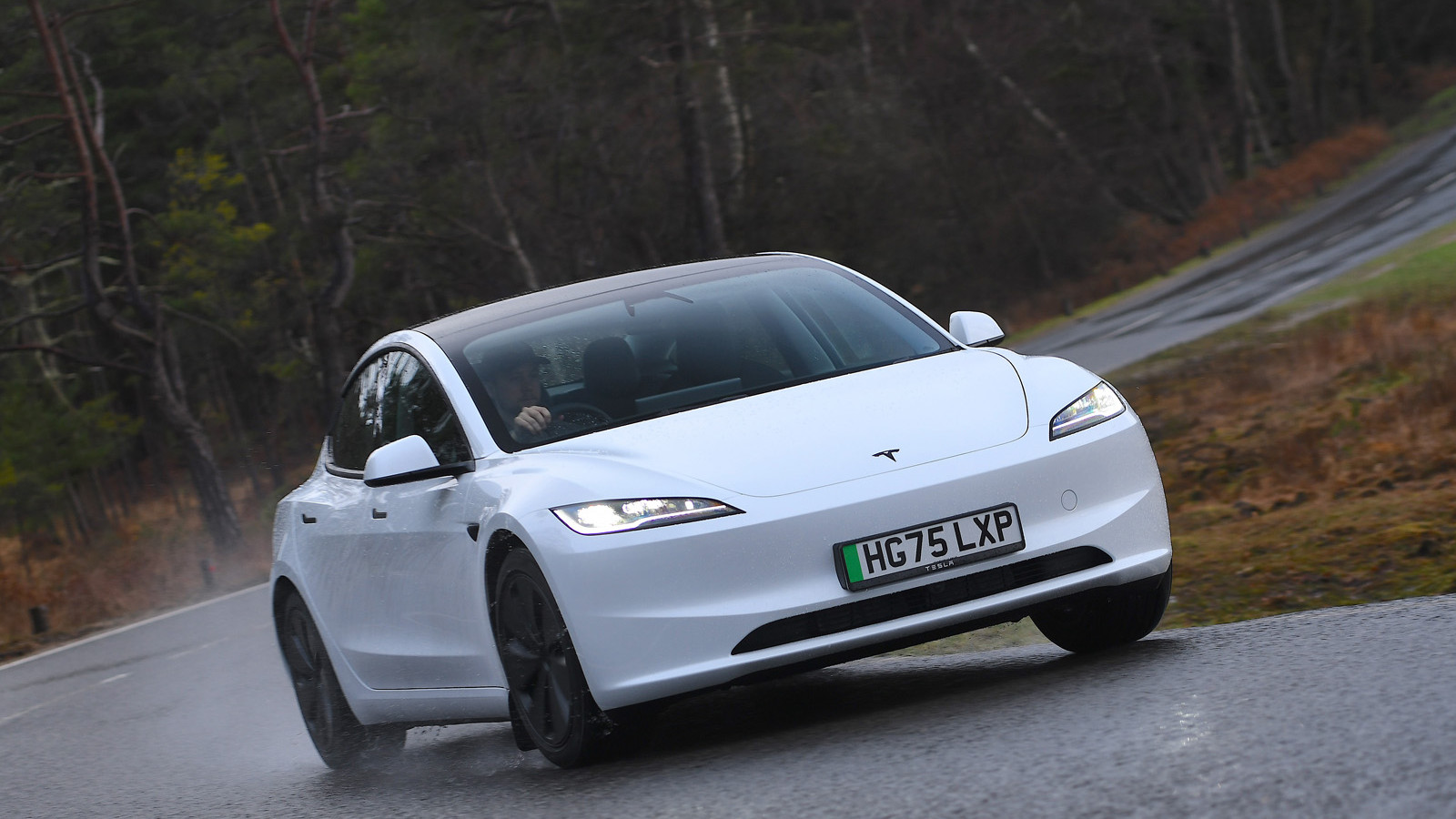
The Tesla Model 3 is still as hugely significant for the American EV brand as it has ever been, helping to spearhead its continued charge in Europe.
Sensitive, direct steering is a huge draw for the Model 3, and it's fun and engaging in most driving situations. A 0-100km/h (0-60mph) sprint of 4.4 seconds is rapid, and few EVs will match it for the same price.
Refinement and ride were weak points in the old Model 3, but this one improves things slightly. It's still not as comfortable as it should be, but it's far quieter than before.
Range has increased too. While the old Model 3 offered 409km (254 miles) in its entry-level specification, the latest car manages 520km (323 miles). And the Long Range Rear Drive version does 750km (466 miles), which is far ahead of several rivals.
Toyota
Toyota bZ4X
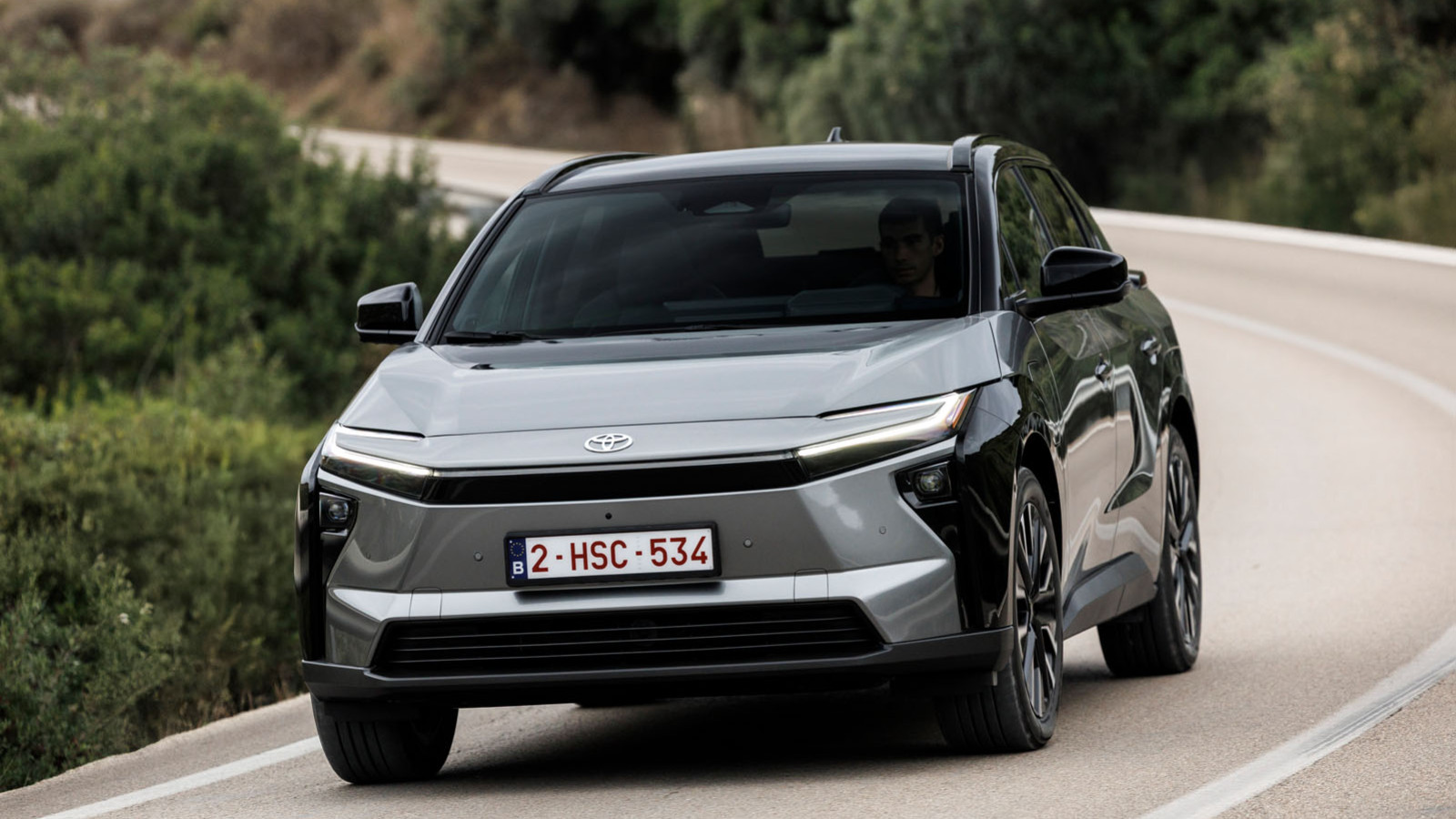
The bZ4X isn’t the kind of family EV that stands out, glossy new wheel arches aside. Like so many Toyotas, it aims to be a versatile, competent, inoffensive, unremarkable mid-market sort of car; to avoid vices and weaknesses rather than cultivating particular specialisms.
And thanks to the raft of revisions that it has received, the bZ4X now manages that much better than it did originally. It is notably more efficient than it used to be; has better drivability and refinement; has an improved interior, albeit one with some comfort and practicality limitations; rides and handles moderately well; and performs more than adequately.
It isn’t big, fast, desirable, dynamic, lavish and luxurious or weird and wonderful; it does a bit of everything and has a functional, unpretentious vibe about it. Like the Corolla, RAV4 or Yaris, it sits more or less in the middle of its class and represents a sort of line of respectability, showing that while rivals can give you more of one or other thing, they typically can’t do it without either costing more or compromising on this or that.
Volkswagen
Volkswagen ID 7
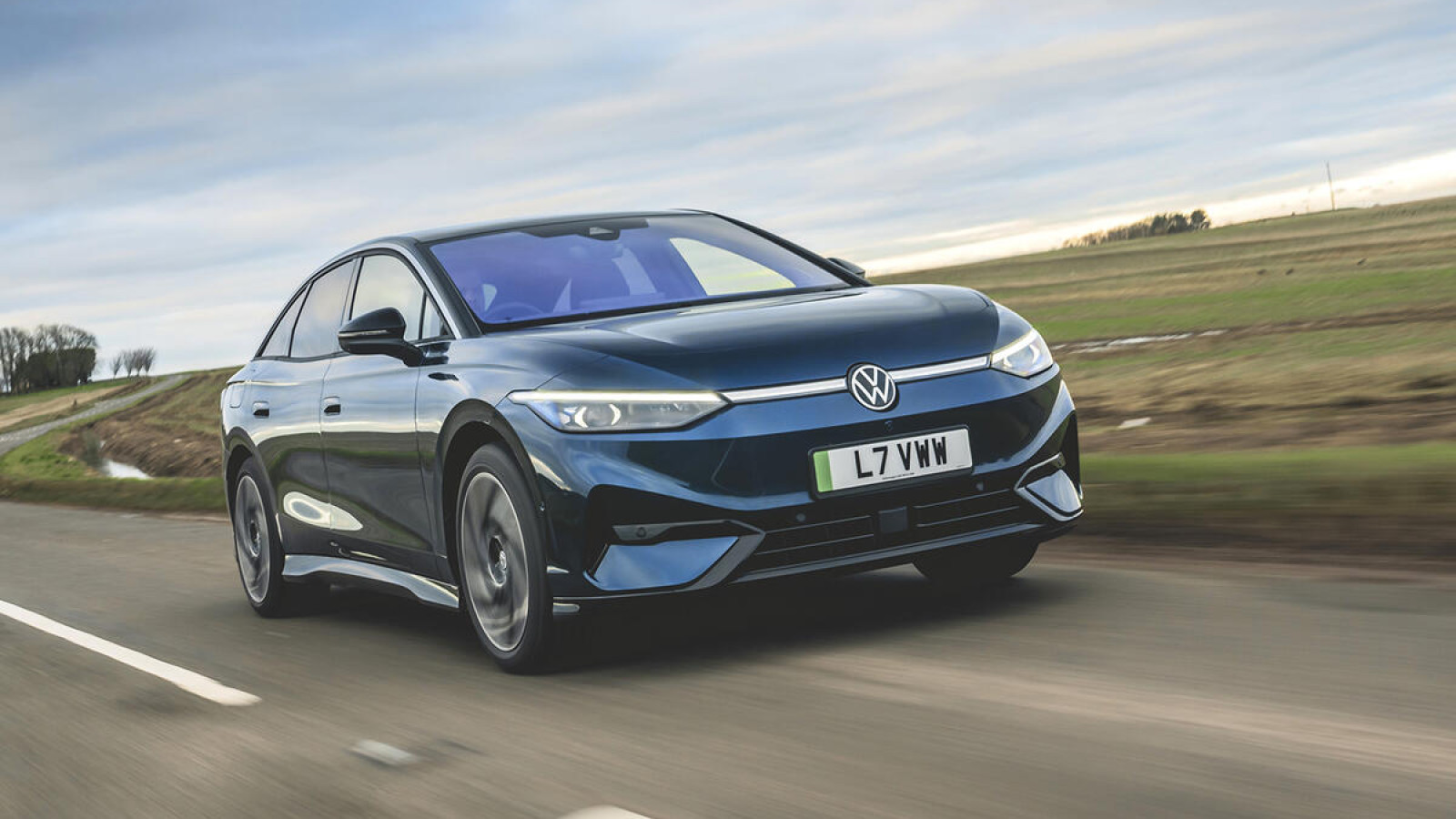
There's a lot to like about the Volkswagen ID 7, the German firm's first electric saloon (and indeed the ID 7 Tourer, its first electric estate).
A good choice for drivers looking to drive longer distances, the ID 7 comes as standard with a single-motor set-up, producing 282bhp and 402lb ft. Longer-range cars are equipped with an 86kWh battery that offers a range surpassing 643km (400 miles), with maximum charging speeds of 200kW.
The ID 7 drives brilliantly for such a large, heavy car. It's not quite as sporty as a Tesla Model 3 or a BMW i4 but is very well rounded. It feels agile, offers more than enough poke and grips well in the corners.
Many of Volkswagen's EVs have previously come under fire for poor material quality, but the ID 7 comes close to addressing most of these concerns, although the infotainment system is still frustrating to use and there's still a distinct lack of the material richness possessed by other premium options.
Volvo
Volvo ES90
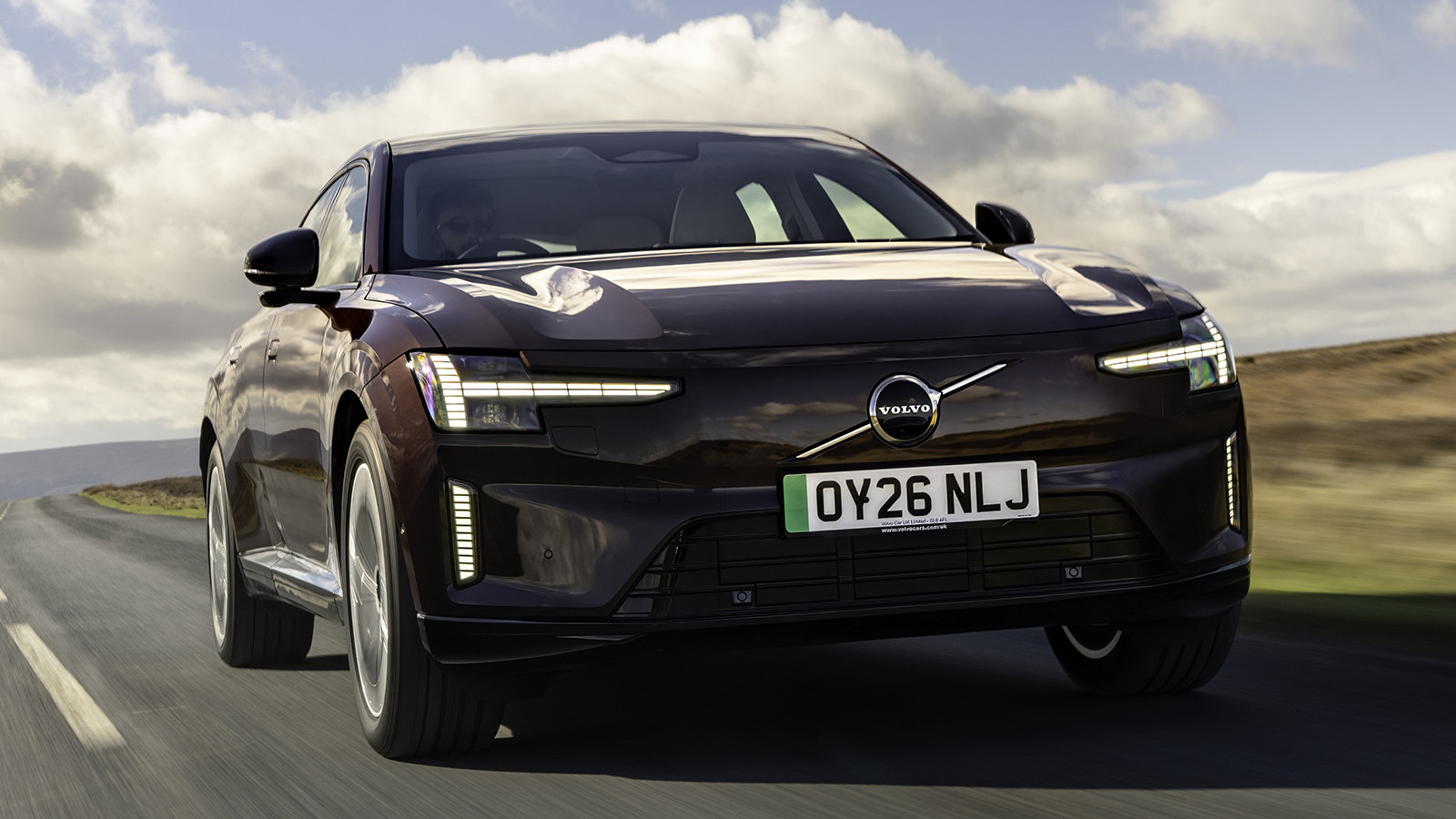
The Volvo ES90 is an electric saloon in the mould of the once-pioneering Tesla Model S: capacious, undemanding, technologically advanced for its time, and all about the ambience.
Funnily enough, it also has the same Achilles heels as the American car. The often jittery ride doesn’t tally with the remit of a lavish exec, and there are digital frustrations that dog most new Volvos.
Our basic ES90 nailed our ‘everyday’ efficiency test, recording 5.0mpkWh for a range of 708km (440 miles), which beats the bigger-battery, much-lauded BMW iX3 50 xDrive we tested recently.
Touring economy is also class-competitive at 3.2mpkWh, for a motorway range of 454km (282 miles), and our test car held 296kW while rapid-charging from 10-40%, temporarily maxxing out our 300kW station. It was still pulling more than 80kW at 90% charge, which is good going.
Xiaomi
Xiaomi SU7
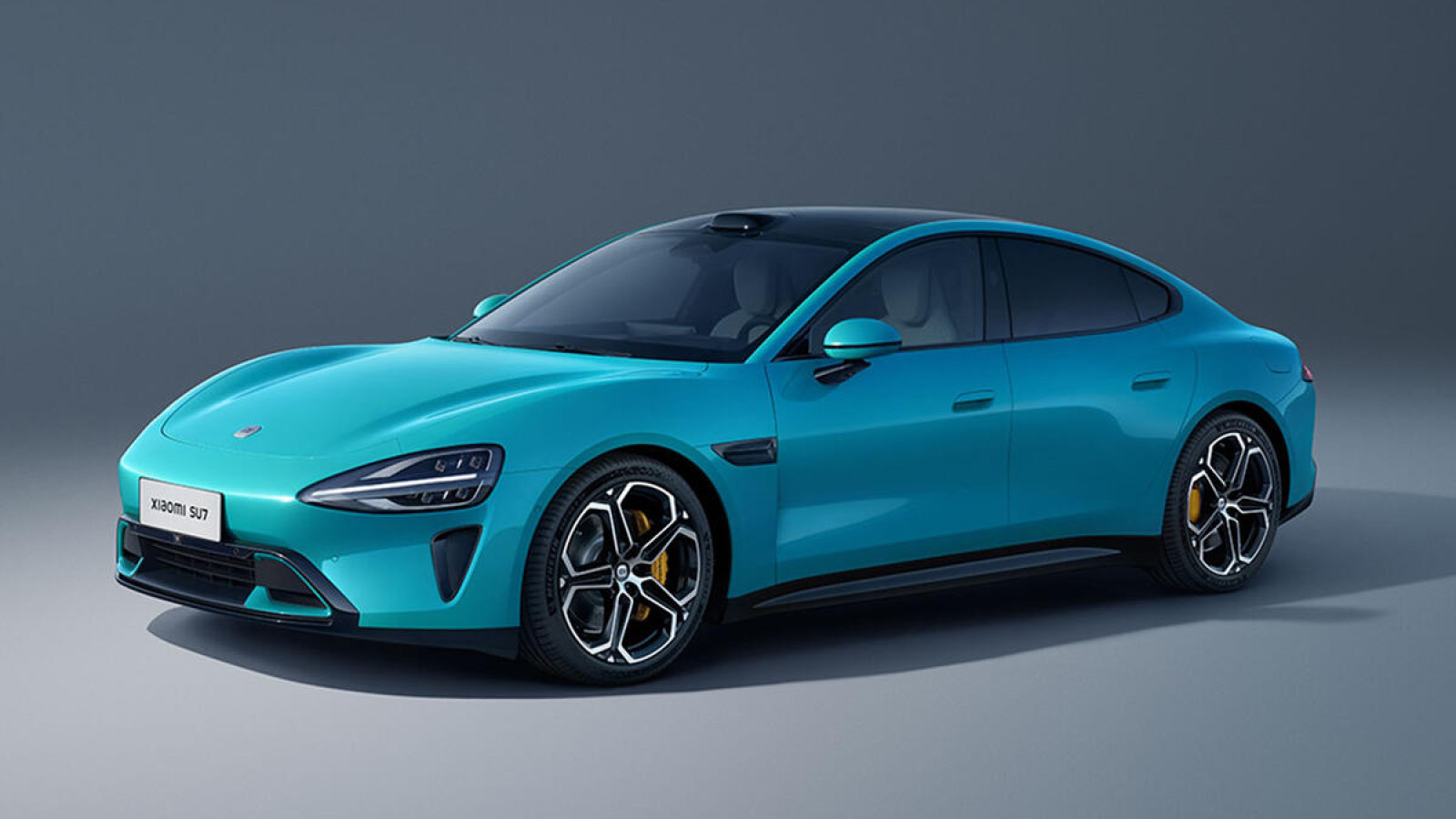
Historically best known as a manufacturer of consumer electronics (primarily its hugely popular smartphones), Xiaomi launched the SU7 saloon as its first EV in 2023 and announced plans to become one of the world's five biggest car makers.
The SU7 saloon – benchmarked against the Porsche Taycan and Tesla Model S – comes with up to 664bhp in standard form and has a claimed maximum range of nearly 805 km (500 miles).
The YU7 touts a similarly lofty output in top-rung guise and is said to be capable of 835 km (519 miles) per charge - though that is according to China's generous CLTC cycle.
Xpeng
Xpeng G9
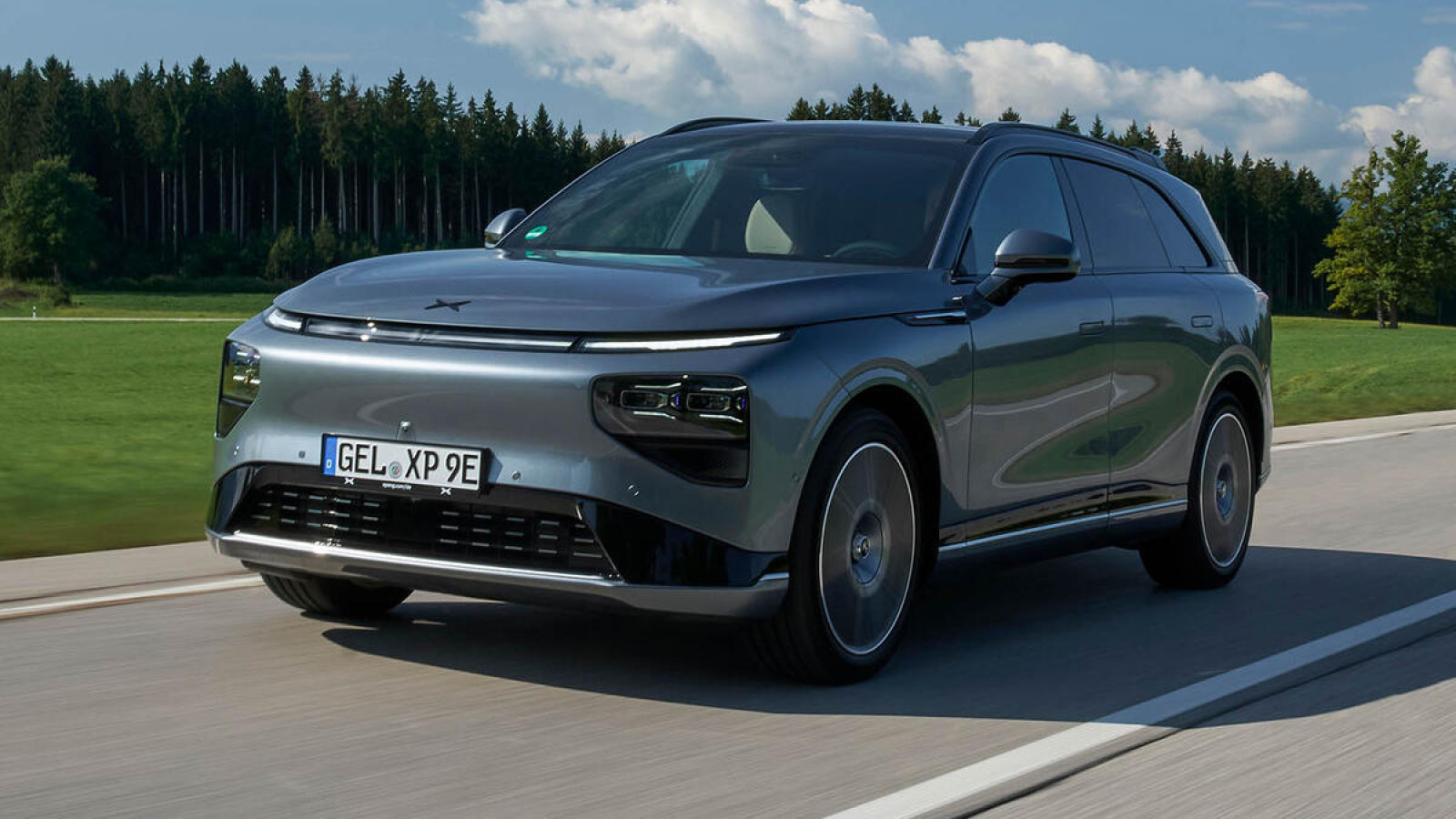
The Xpeng G9 is a large SUV with some impressive figures.
The G9’s 540km (336-mile) WLTP range is pretty strong. But its charging speed of 525kW is industry-leading (and faster than any charger you will currently find in many countries around the world).
The car we have here is 4891mm long and 1937mm wide. It is big, but it remains a five-seater, so more of a BMW iX competitor than a Kia EV9 rival.
Inside it’s vast. The infotainment is split into twin 15-inch screens. Essentially one for the driver and one for the passenger, much like what you would find in an Audi or Mercedes.
Yangwang
Yangwang U9
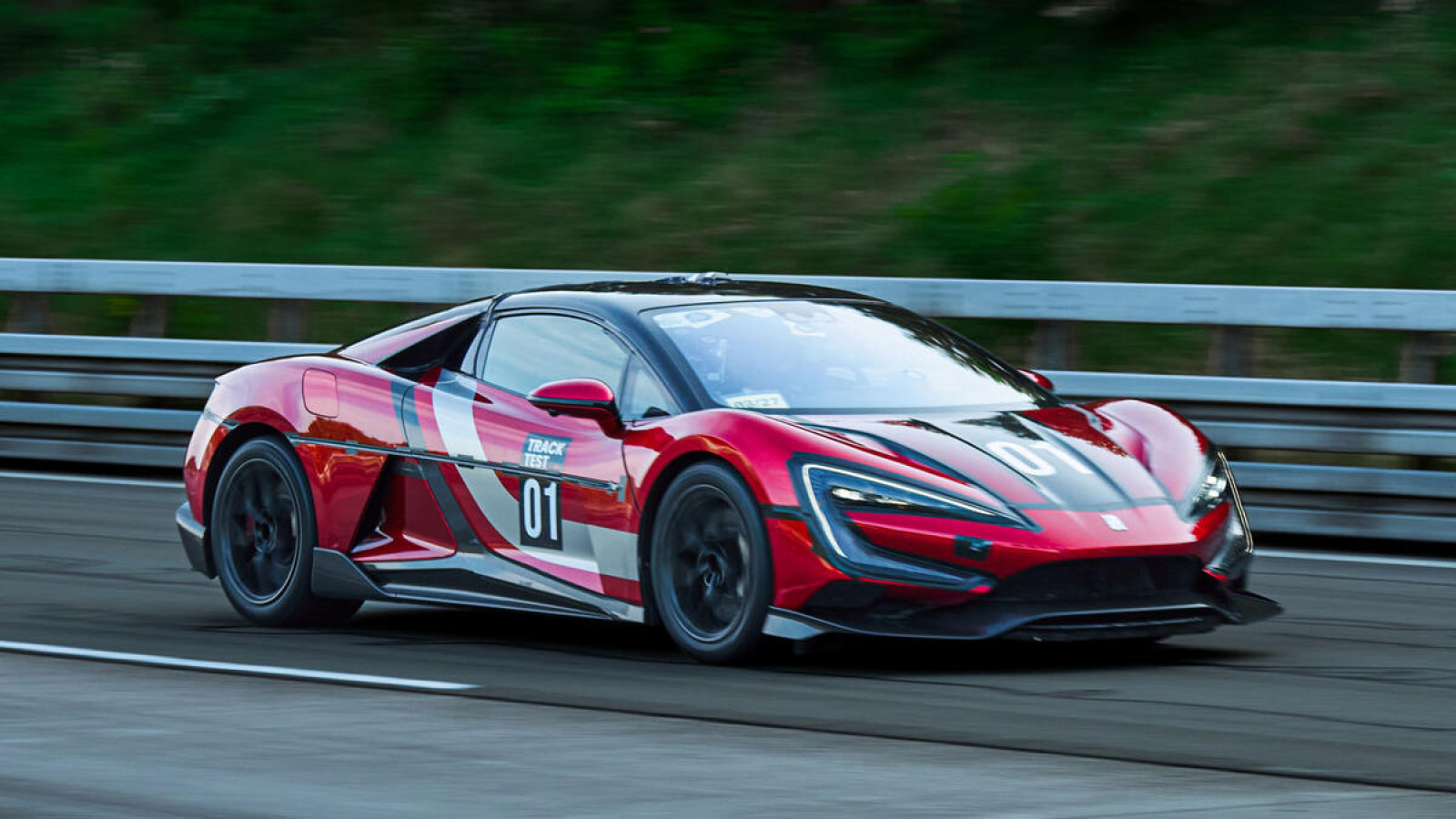
The Yangwang U9 is a extremely powerful electric supercar which recently became the fastest EV in the world.
With 2977bhp, the U9 has hit almost 4800km (3000 miles) and 480km/h (300mph), smashing the top speed record for an electric car. The official speed of 472.43km/h (293.54mph) was achieved at the ATP test track in Germany. It surpasses the 438.74km/h (272.61mph) set by the Aspark Owl.
Key to the record was the car’s independent torque-vectoring system, said Yangwang. Controlled by road-monitoring sensors, each motor is adjusted up to 100 times per second to maximise grip and performance.
Zeekr
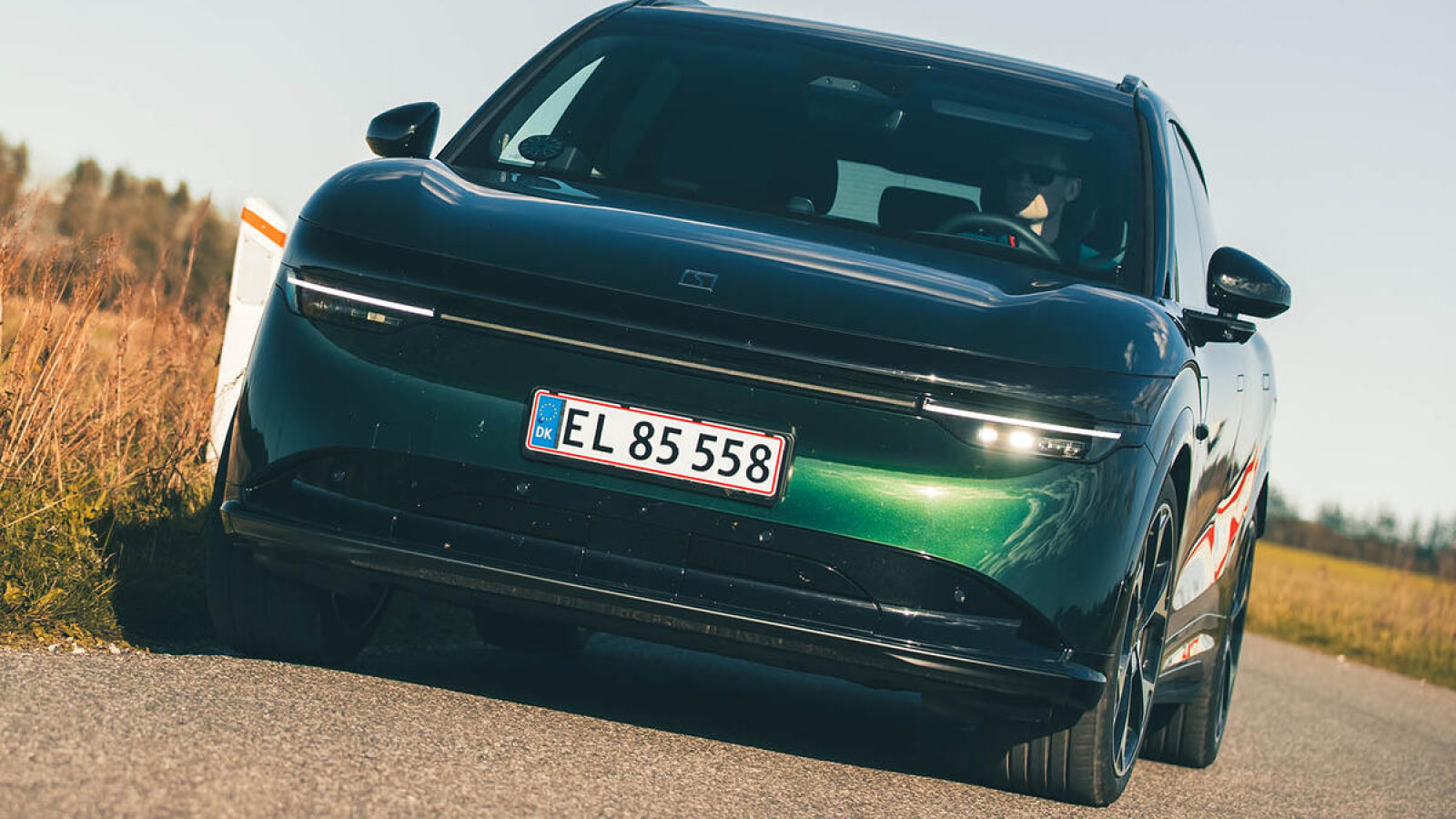
Zeekr 7X
The 7X is a large electric SUV that sits on a version of the SEA platform that underpins the Polestar 4 and Smart #5. At just under 4.8 metres long, it’s spot on for rivals like the Skoda Enyaq and Tesla Model Y.
The entry-level model features a 71kWh battery, offering a range of 480 km (298 miles). Opting for the Long Range version keeps the rear-mounted 421bhp electric motor but upgrades the power source to a 94kWh nickel-manganese-cobalt (NMC) battery, extending the range to 615 km (382 miles). Topping the line-up is the Privilege model. While it uses the same larger battery, it boasts a dual-motor configuration that delivers a staggering 637bhp, though its WLTP range is 542 km (337 miles).
The charging stuff is also impressive. With 800V architecture, the 7X can charge at up to 360kW, making it one of the fastest-charging EVs on sale and capable of a 10-80% top-up in as little as 16 minutes. A heat pump and vehicle-to-load (V2L) charging are also thrown in, as is 22kW AC charging.
DS
DS No8
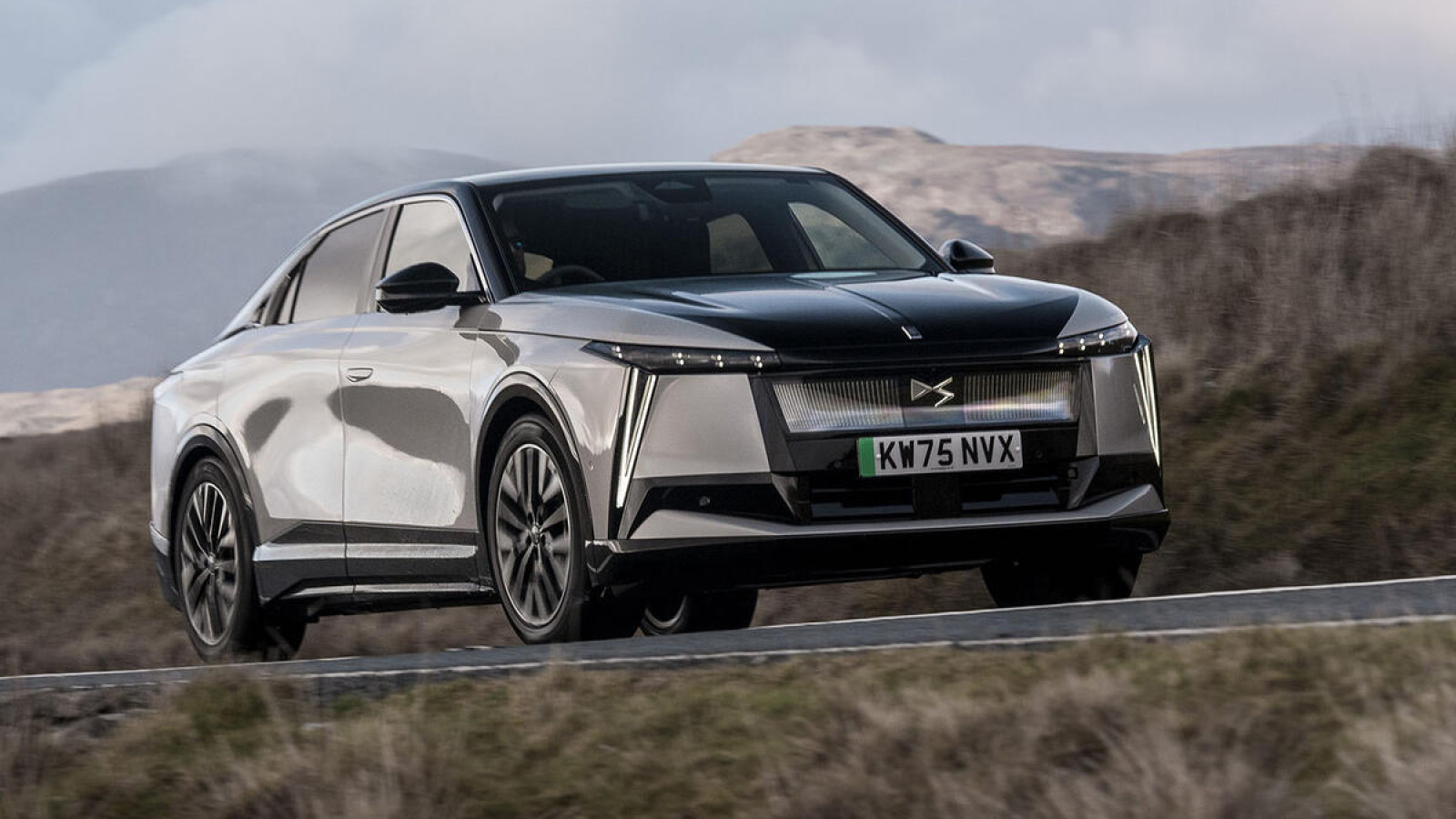
The DS No8 is the French brand's segment-bending flagship, which goes after Audi and BMW with a plush cabin and strong refinement.
The No8 carries a large 97.8kWh battery with 749km (466 miles) of range, making it one of Europe’s longest range EVs on sale today.
Its handling and parts-bin interior elements do let it down slightly, but the No8 is by far the brand’s most desirable model. This is a car that will slip easily into your life and whose focus on sybaritic comfort and refinement comes as a refreshing tonic in a class that, over the years, has slowly forgotten to prioritise those qualities.
Abarth
Abarth 500e
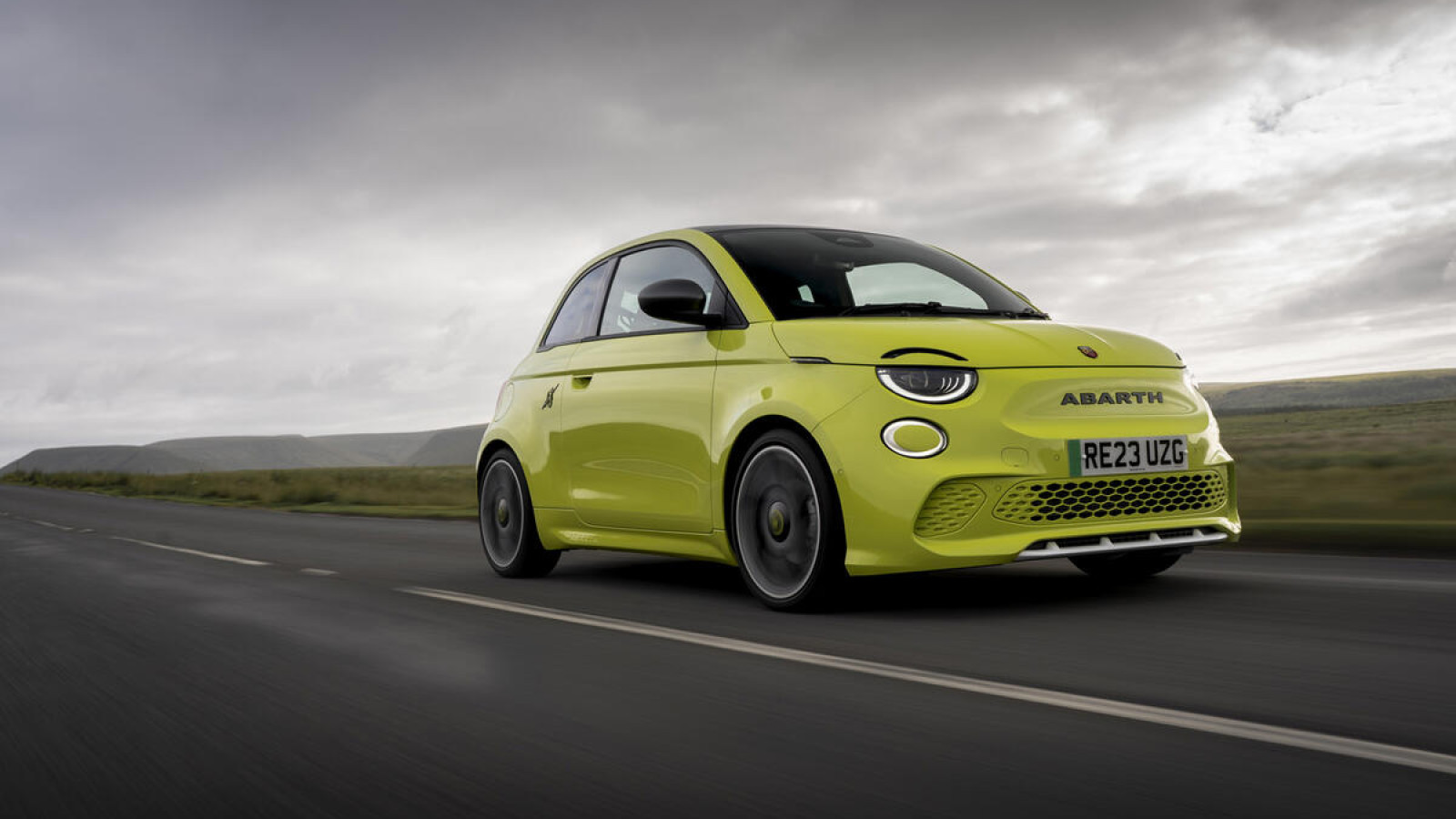
The Abarth 500e is a light electric hatchback in the world of heavy electric SUVs.
Abarth injected a dose of venom into the Fiat 500e, boosting performance and making motor adjustments for a more frantic power delivery.
A 42.2kWh battery offers a range of 254km (153 miles), but ultimately, it’s dripping with style, and has the sensible stuff licked, such as multimedia, usability and economy. And it’s just as great a city car as the Fiat it’s based on.
Aion
Aion V
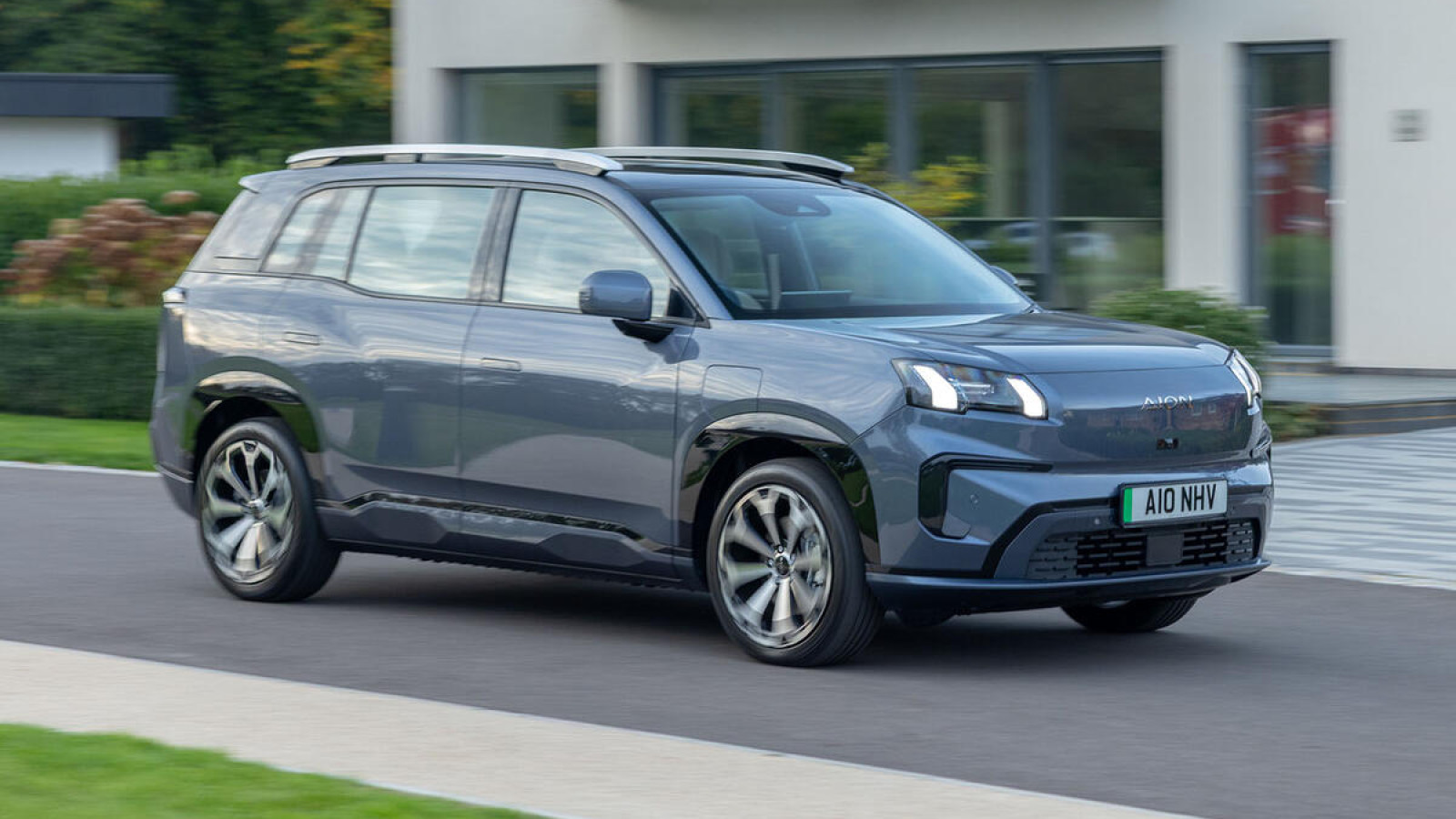
The Aion V is a small electric crossover that we thought was reasonably good to drive, particularly when compared to other rivals out of China.
A battery measuring 75.3kWh produces a range of 510km (317 miles), and performance is strong too, with the Aion V capable of quick manoeuvres. Interior quality is also strong and embarrasses some European car makers.
It's not all the way there – the flawed ride, lack of proper buttons, and overcomplicated touchscreen preclude it from that – but it is an impressive car from Aion.
Alfa Romeo
Alfa Romeo Junior
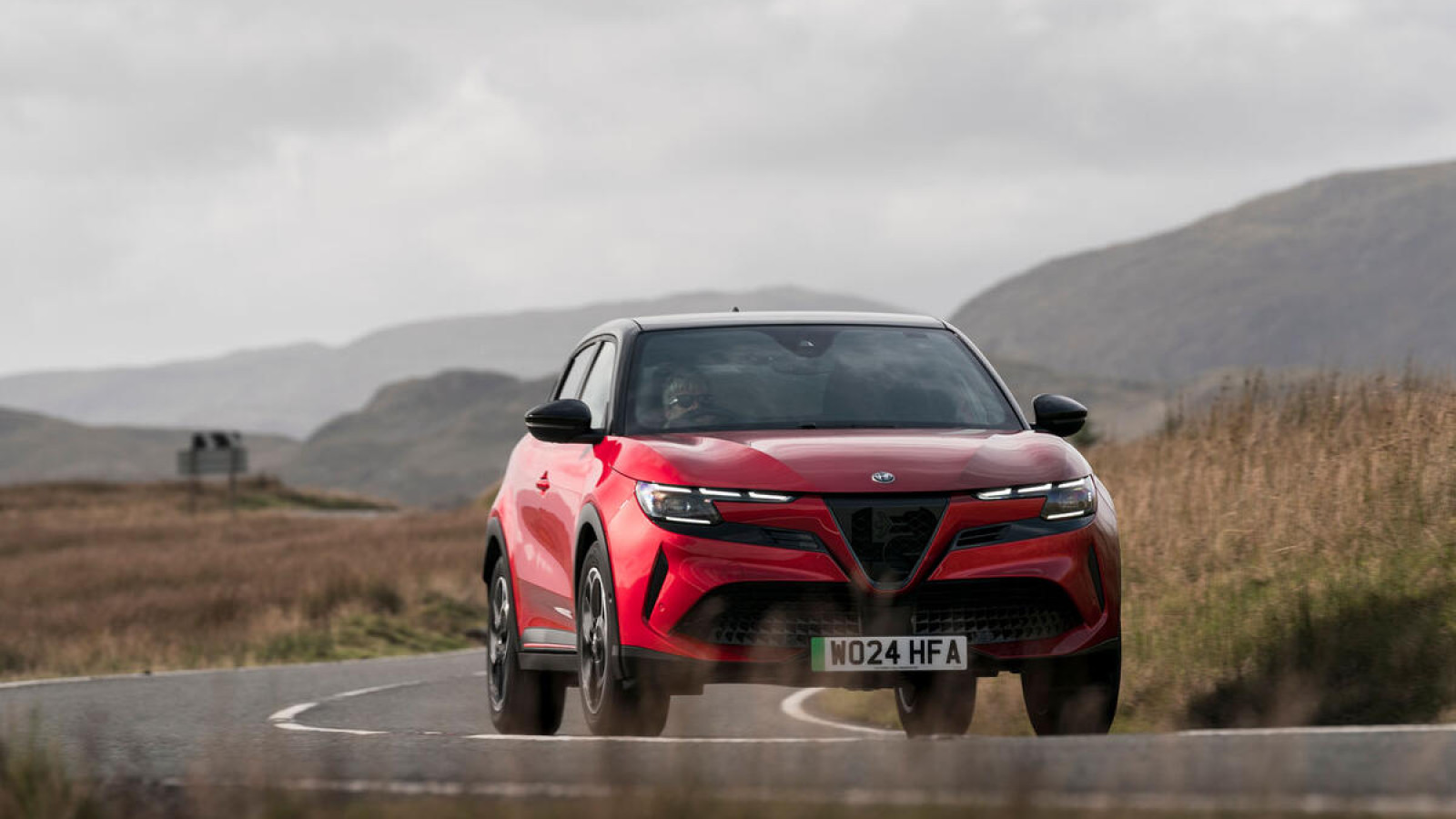
Alfa Romeo only produces one electric car, and it comes in the form of a compact SUV.
Based on the same platform as the Vauxhall Mokka, Citroën ë-C3 and Jeep Avenger, the Alfa Romeo Junior is the best looking of the bunch, and also the most enjoyable to drive.
That’s largely down to some key changes beneath the metal, including the addition of a mechanical, limited-slip differential to improve handling.
A 50.8kWh battery produces a range of around 402km (250 miles),
Alpine
Alpine A290
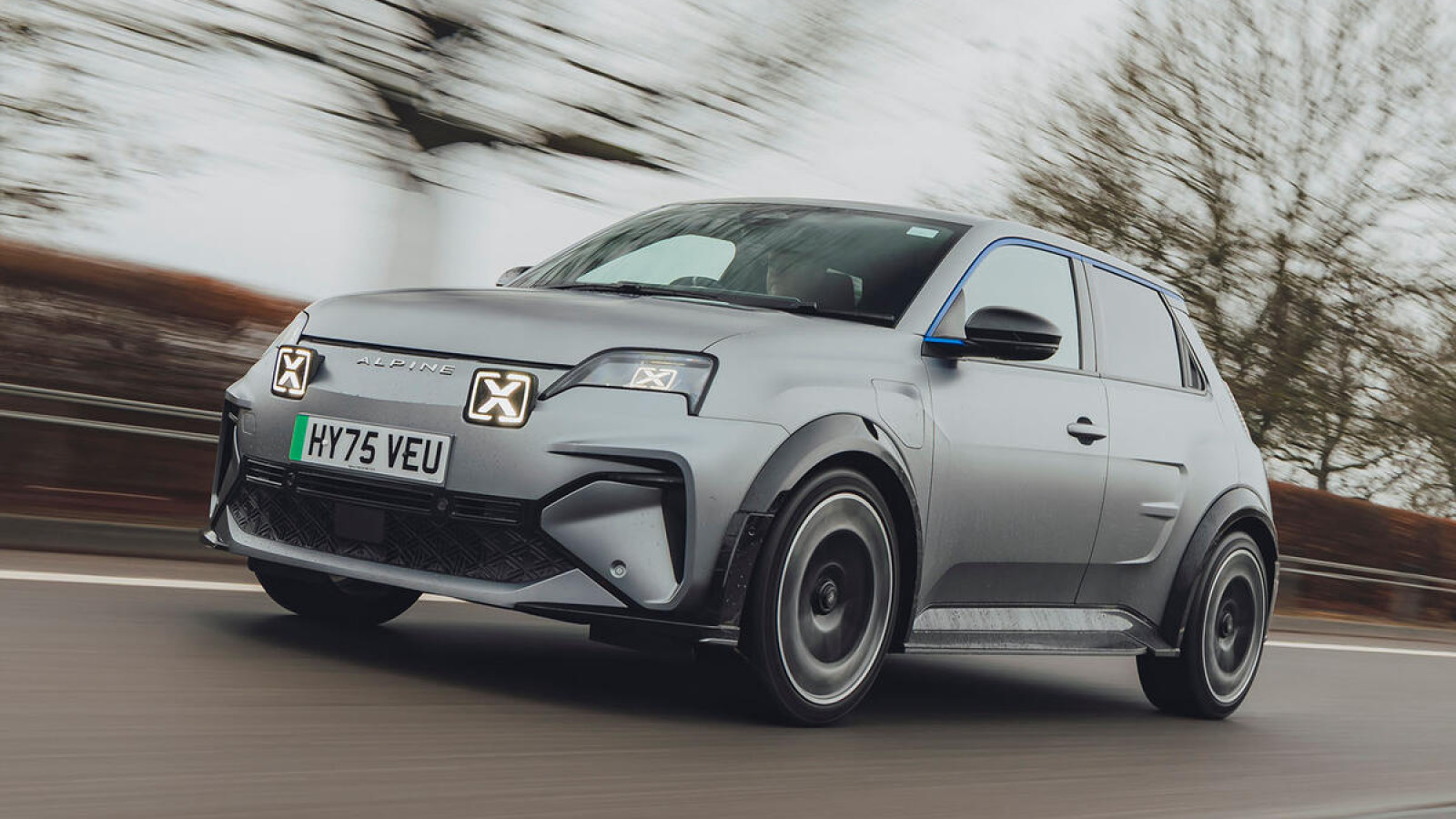
Small electric hot hatchbacks are all the rage, and the Alpine A290 sits close to the top of the class.
The Alpine A290 is one of the most engaging and fun-to-drive electric cars on sale today.
Far more than just a Renault 5 in spangly blue paint, it features Alpine-specific mechanical updates, including new springs and dampers, anti-roll bars, hydraulic bump stops and a lighter, aluminium front subframe.
Aside from its impressive and expensive-feeling interior, the A290 possesses a remarkable ride, accurate steering and a genuinely engaging throttle.
Audi
Audi E-tron GT
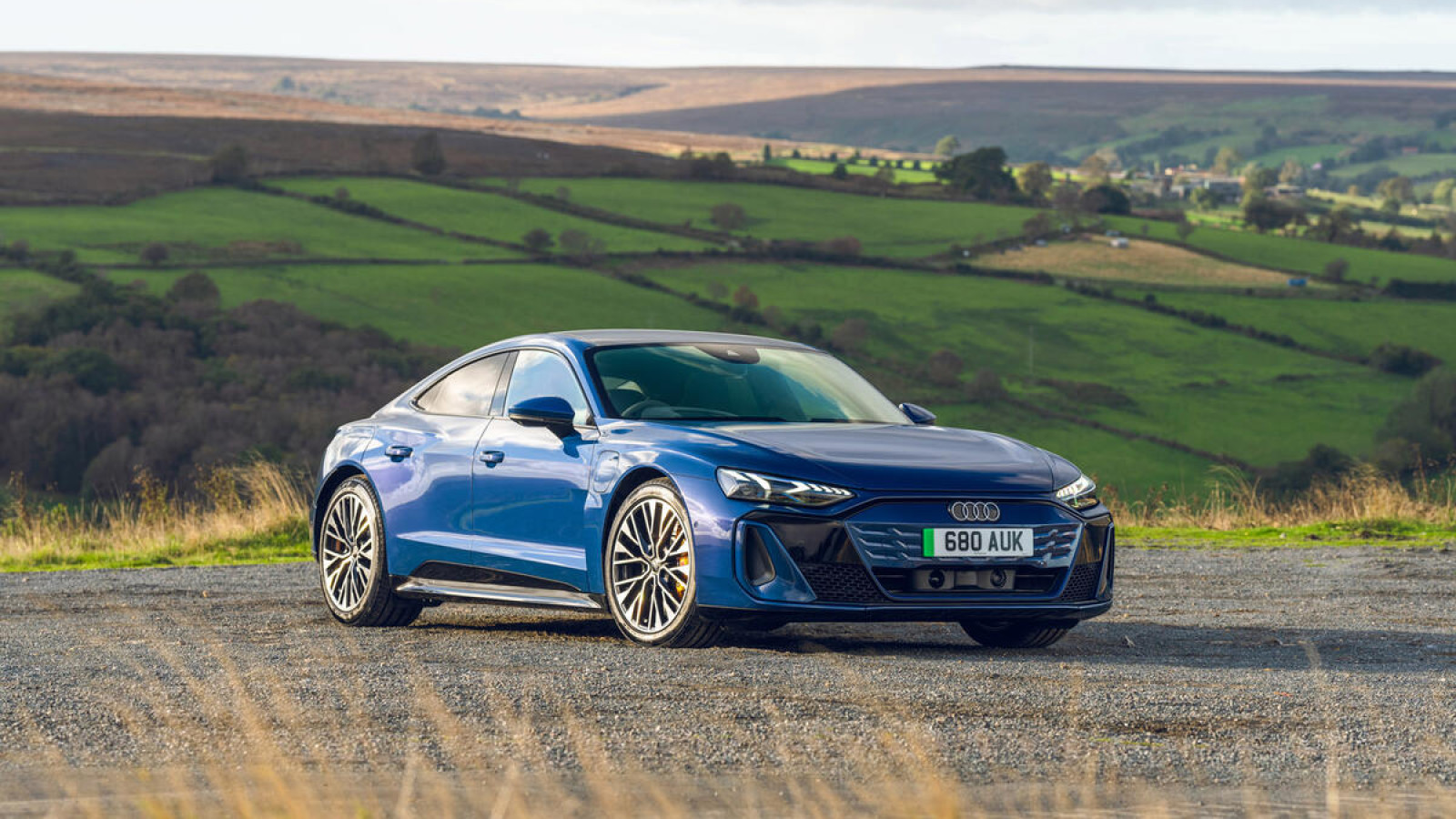
In our view, the Audi E-tron GT is the best electric car the German car maker currently produces.
Colossally capable on both motorway and country roads alike, the E-tron GT offers staggering point-to-point pace for a large, luxurious car.
Thanks to optional active suspension, it's also extremely comfortable and superbly refined. Interior technology is also mightily impressive.
A 105kWh battery produces a range of 601km (374 miles), which also makes this Audi a competitive proposition for long journeys.
BMW
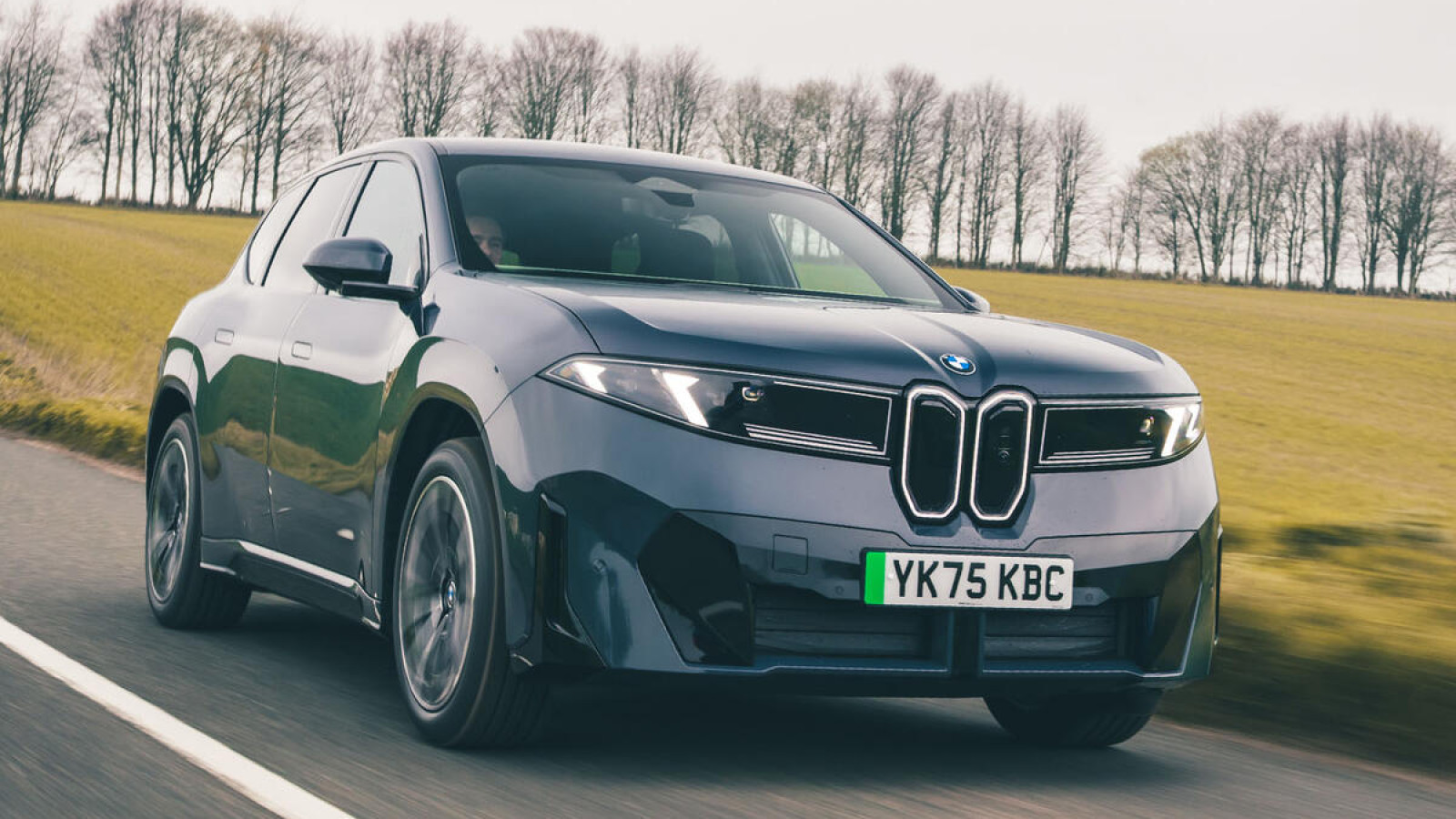
BMW iX3
The iX3 kicks off the next generation of BMW’s electric vehicles, introducing a new design ethos and class-leading technology.
Thanks to a huge 113.4kWh battery, the iX3 is capable of a staggering 800km (497 miles) of range on a single charge.
At the wheel, the iX3 offers first-rate grip, poise and adjustability, and some of the smoothest, least intrusive and most helpful ADAS in any car on sale.
Developing an all-new car on an all-new platform requires a gargantuan investment, and for BMW, it looks to have paid off, because the iX3 makes its rivals from Audi, Porsche and Polestar look a bit silly
BYD
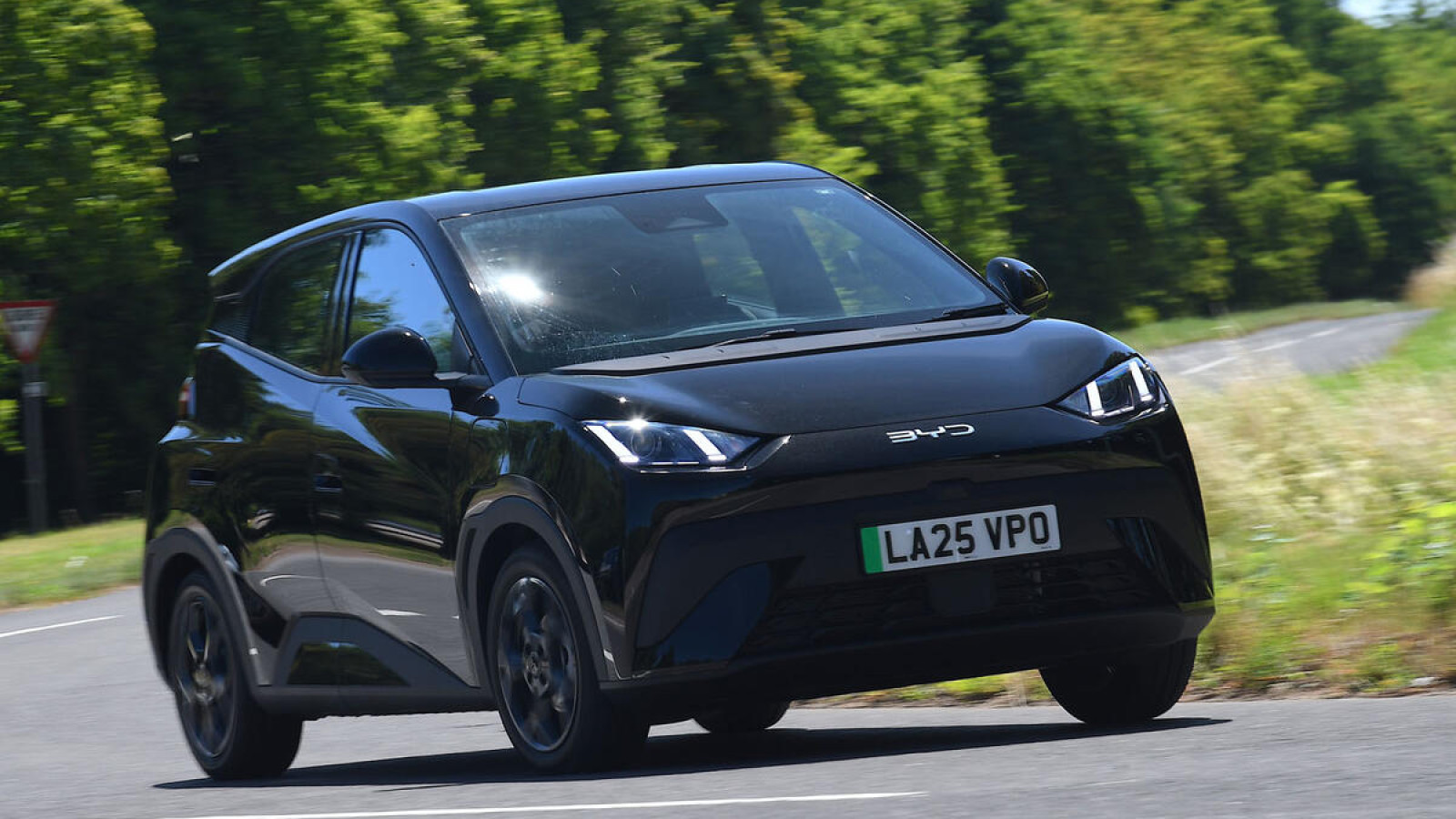
BYD Dolphin Surf
Price parity with petrol counterparts has long been an issue for small electric cars, but that’s no longer the case, as proven by the BYD Dolphin Surf.
It’s not only one of the cheapest electric superminis but one of the most affordable EVs full stop, undercutting many European rivals like the Citroën ë-C3 and Renault 5.
And yet a low price isn’t the Dolphin Surf’s only calling card. Inside, it’s spacious, well-equipped and has a sense of quality that surpasses its prices.
To drive it's pleasant and easy-going, but don’t expect much engagement or excitement. It can’t match the 5 for kerb appeal and character, but it has a good range of up to 321km (200 miles).
Cadillac
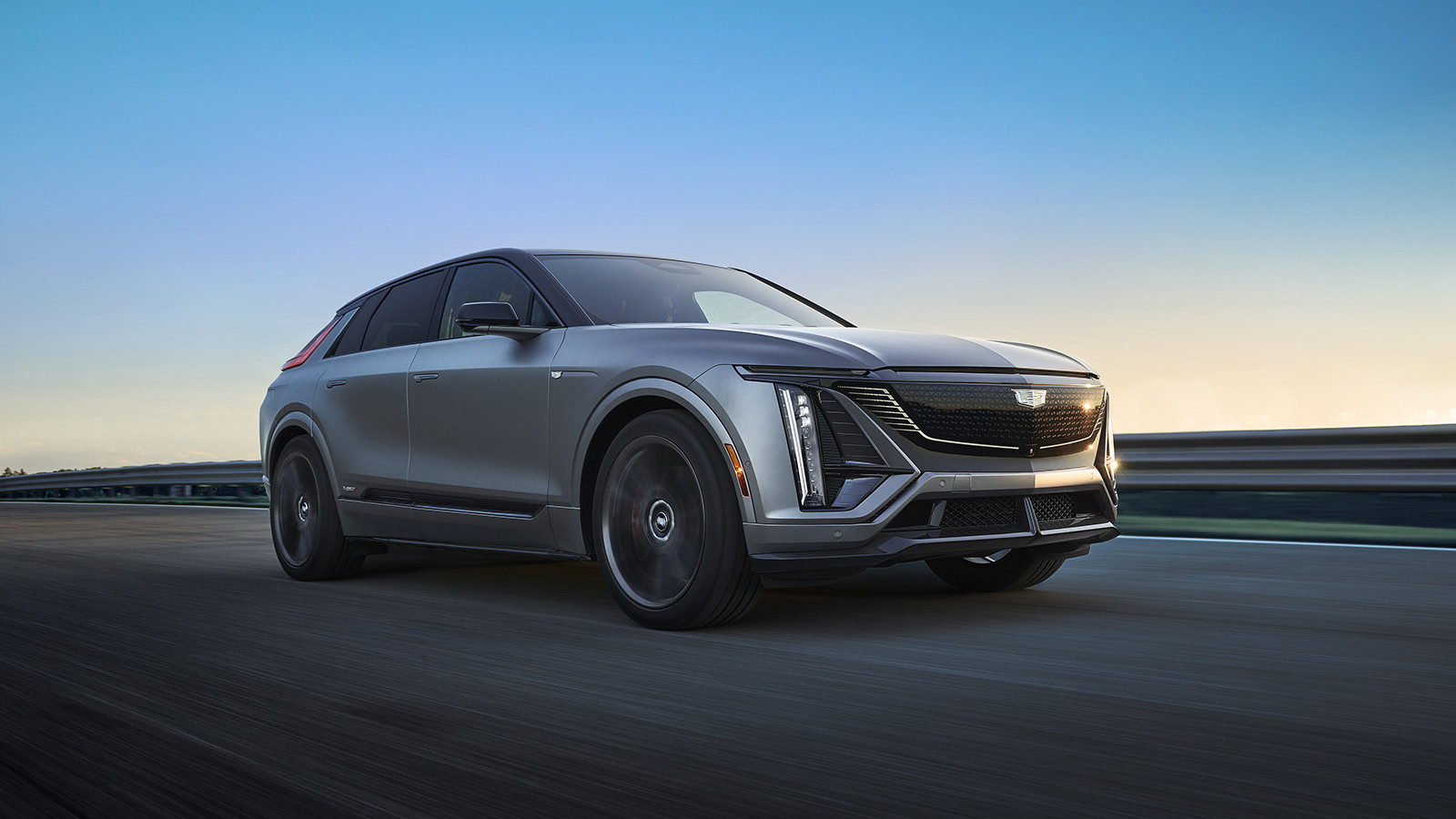
Cadillac Lyric
The Lyriq is one of the most convincing Cadillac models to arrive in some time, and a compelling proposition that presents an intriguing alternative to the leading premium brands.
Power is drawn from a substantial 106kWh (102kWh usable) underfloor battery, which gives an official US range of 312 miles for the RWD version.
Entry-level models feature a single-motor rear-drive powertrain with 335bhp and 325lb ft. A twin-motor all-wheel-drive version offers 493bhp.
The Lyriq's powertrain is smooth and responsive even with the car's substantial kerb weight of 2585kg. That said, it’s clear the intent here is to offer a smooth, premium feel rather than performance. It's a notably quiet ride – even by EV standards – aided by active noise-cancelling technology.
Chevrolet
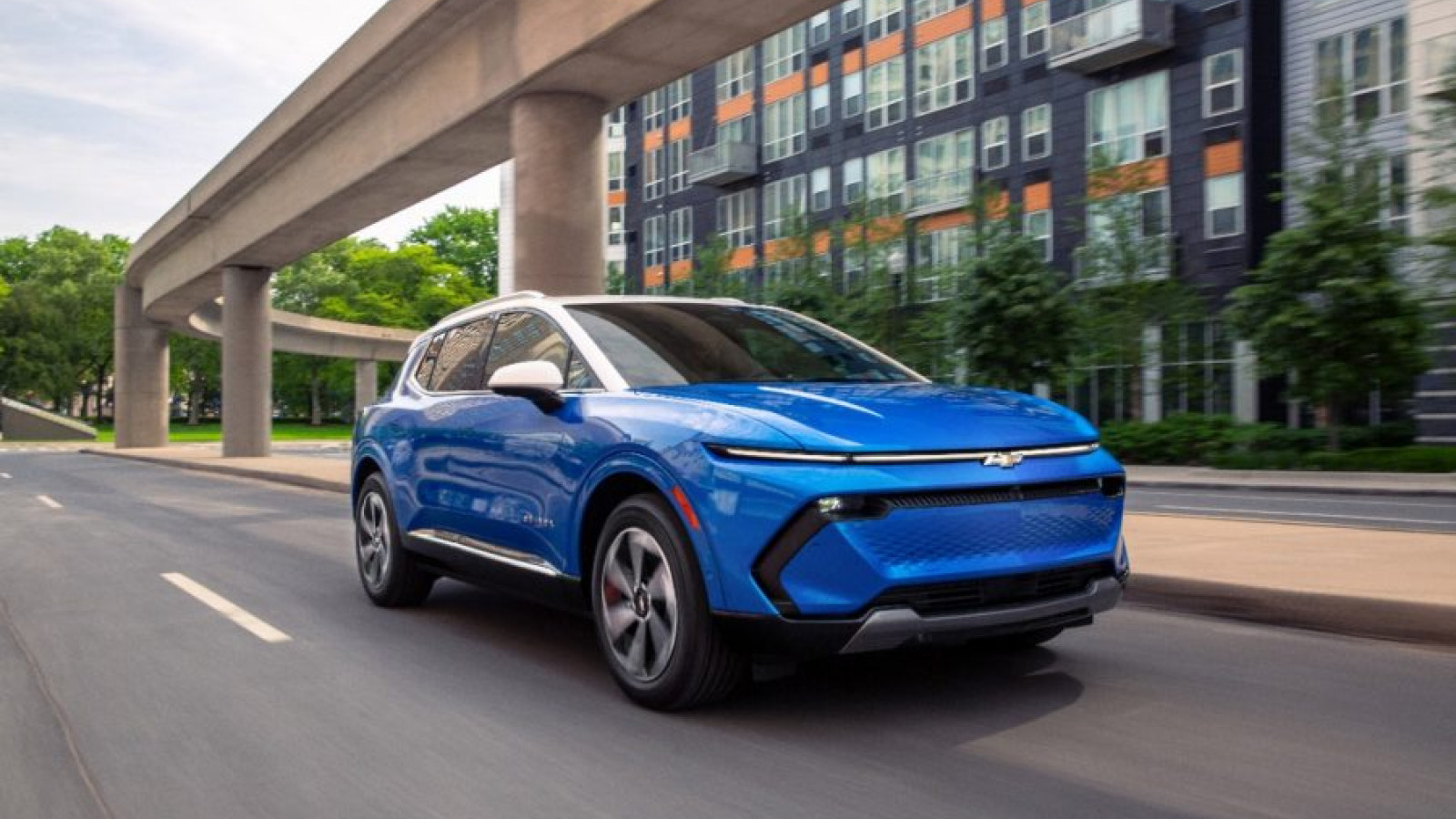
Chevrolet Equinox
The Chevrolet Equinox has some compelling rivals in the US, including the Kia EV6, Hyundai Ioniq 5 and Ford Mustang Mach-E.
Based on similar underpinnings to the Buick Electra, which means a range of around 513km (319 miles) on entry-level cars.
The Equinox offers a technology-filled interior with some huge digital screens. There’s a lot of space here, too.
Citroën
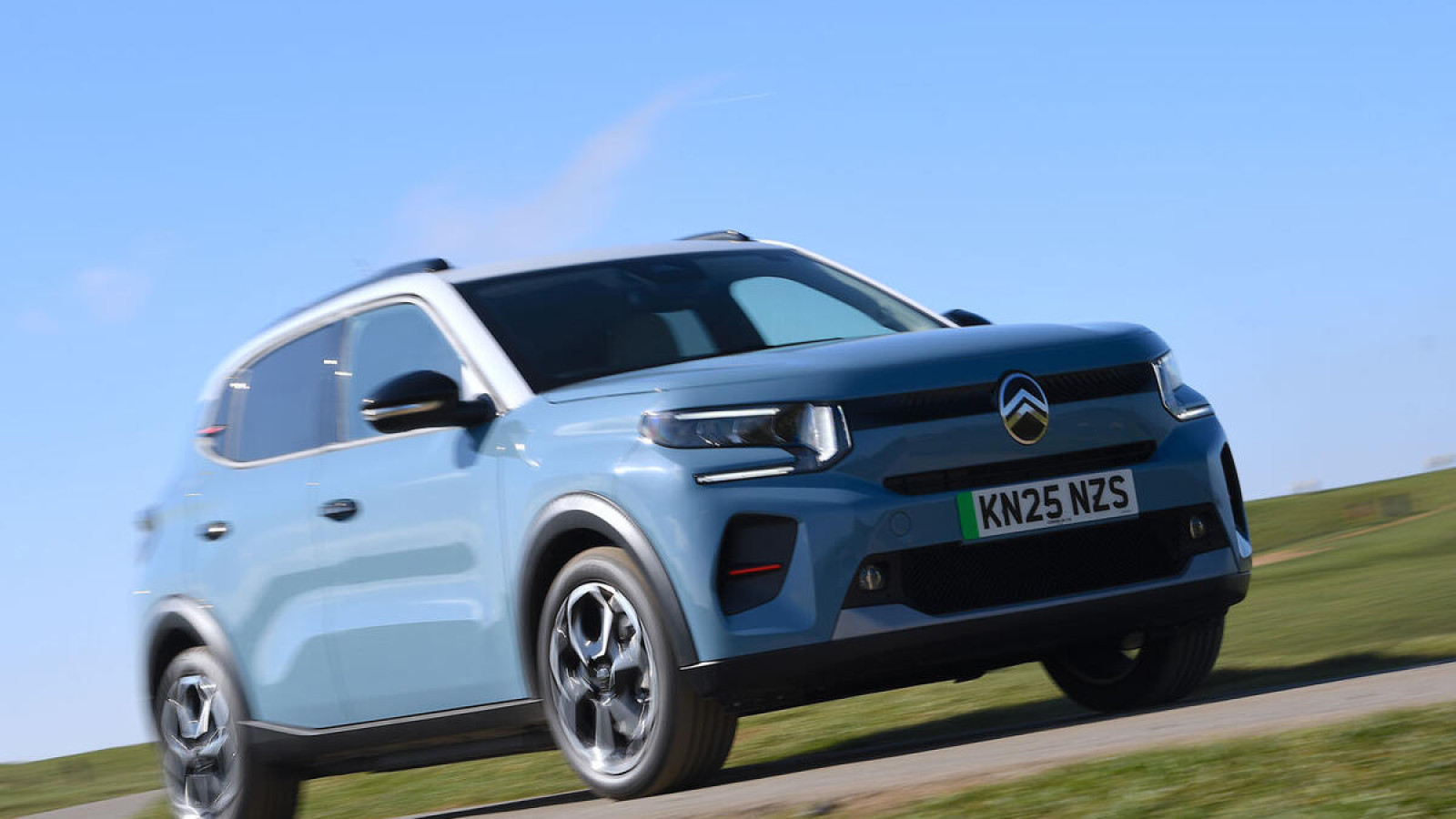
Citroën ë-C3
Comfortable, well-equipped and practical, the Citroën ë-C3 is another affordable option helping to bring price parity with petrol cars.
The electric version of the C3 is one of the cheapest EVs on sale in the UK.
Energy comes from a 44kWh battery, which offers a claimed range of 320km (199 miles). It powers a front-mounted 111bhp electric motor that allows the ë-C3 to hit 0-100km/h (0-62mph) in around 11 seconds and a top speed of 135km (84mph).
The ë-C3 could hardly be easier to drive and is packed full of usable standard kit. Downsides? Its range of 320km (199 miles) might not be quite enough for some drivers, while it's fairly comfortable, it's not the most dynamic car to drive.
Cupra
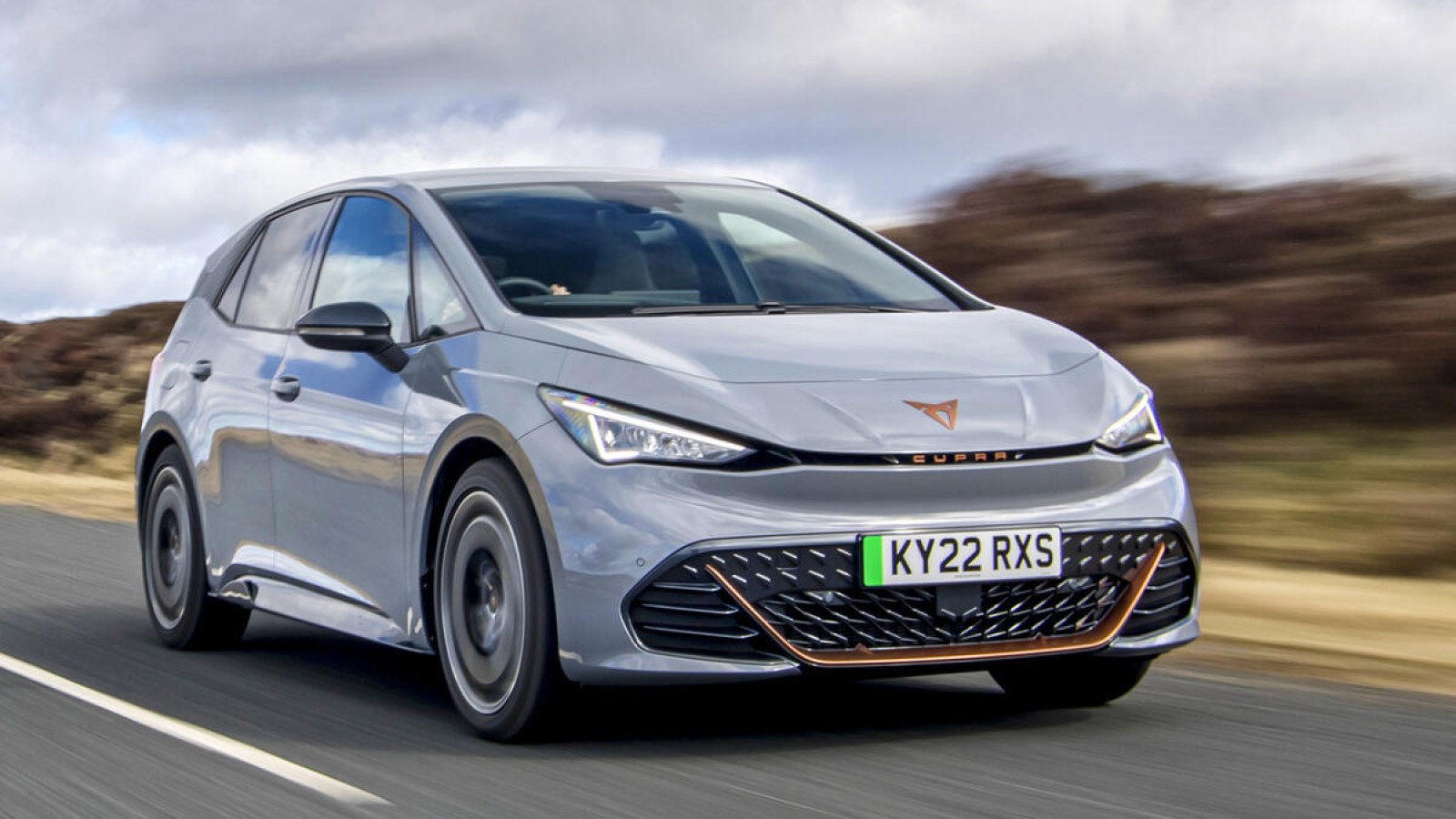
Cupra Born
The Born sits at a compelling nexus of size and usability, weight and power, real-world range and price.
It has enough power to keep you interested but doesn't seem excessive for the road or to compromise its efficiency in quicker motoring. It has an engaging, balanced, rear-driven chassis and some precision and purpose to its body control, but it also includes four usable seats and a decent boot.
There’s a completeness to the Born as a package that makes it the ideal affordable EV for interested drivers to take their first steps into zero-emissions motoring. Perhaps not by chance, it feels more like a Volkswagen Golf GTI for the electric age than anything that Volkswagen itself is making right now – and most derivatives benefit from the Electric Car Grant.
Plus, Cupra has also just introduced the Cupra Born VZ, a hot hatch version with 322bhp and 402lb ft. It will hit 0-62mph in 5.7 seconds, which is faster than the standard Born by more than a second.
Dacia
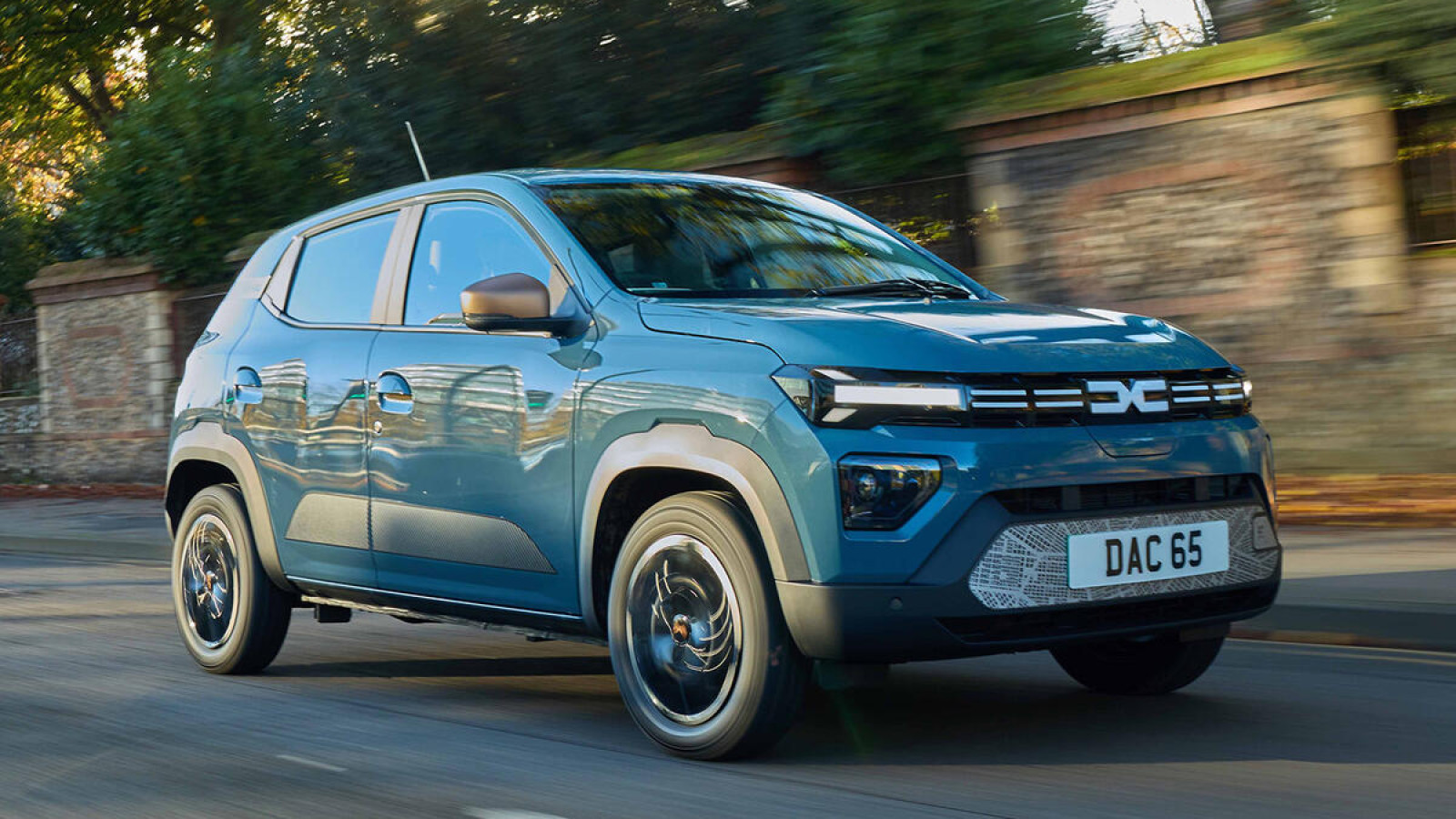
Dacia Spring
There’s just one electric Dacia currently on sale: the Spring city car.
This dinky EV, which initially went on sale in mainland Europe, has had a big overhaul inside and out, gaining a new face and significant improvements to interior quality and connectivity.
With a 26.8kWh battery and tipping the scales at just 984kg, the Spring offers a range of around 220km (137 miles) on a single charge.
Denza
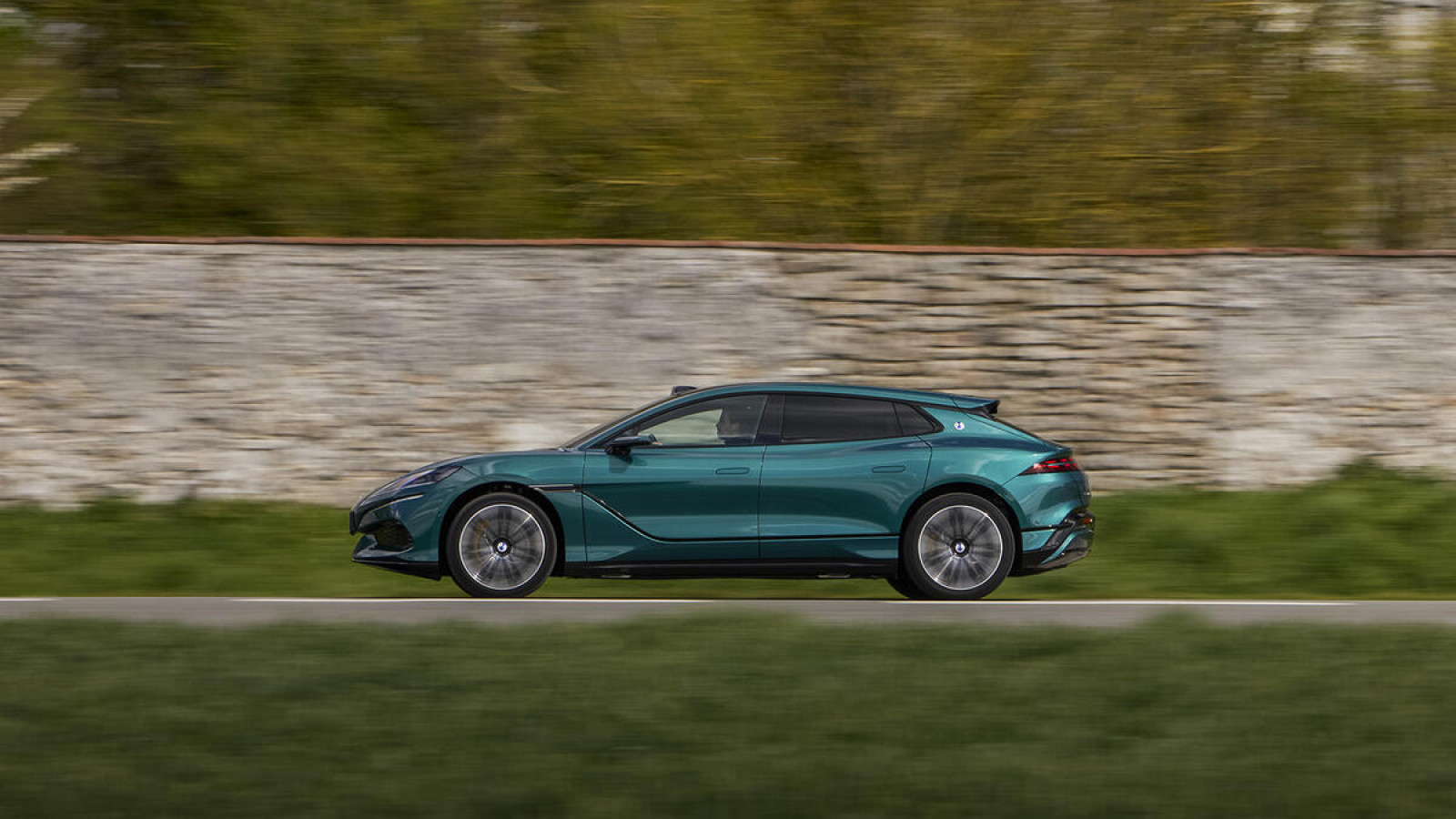
Denza Z9 GT
The Denza Z9 GT is an electric saloon car from BYD’s luxury subbrand.
The EV uses a 309bhp motor on the front axle and twin 416bhp motors on the rear, producing a combined output of 1140bhp.
At motorway speeds on roads in good condition, it is really pretty comfortable; you could do serious mileage comfortably. But at lower speeds, there’s the jittery pitter-patter of a car that has a lot going on underneath it.
Handling is pretty good. At low speeds, it’s artificially light, but it actually gets quite heavy when the speed increases. It feels natural at these faster speeds - and you can make it even heavier in the menus.
Dodge
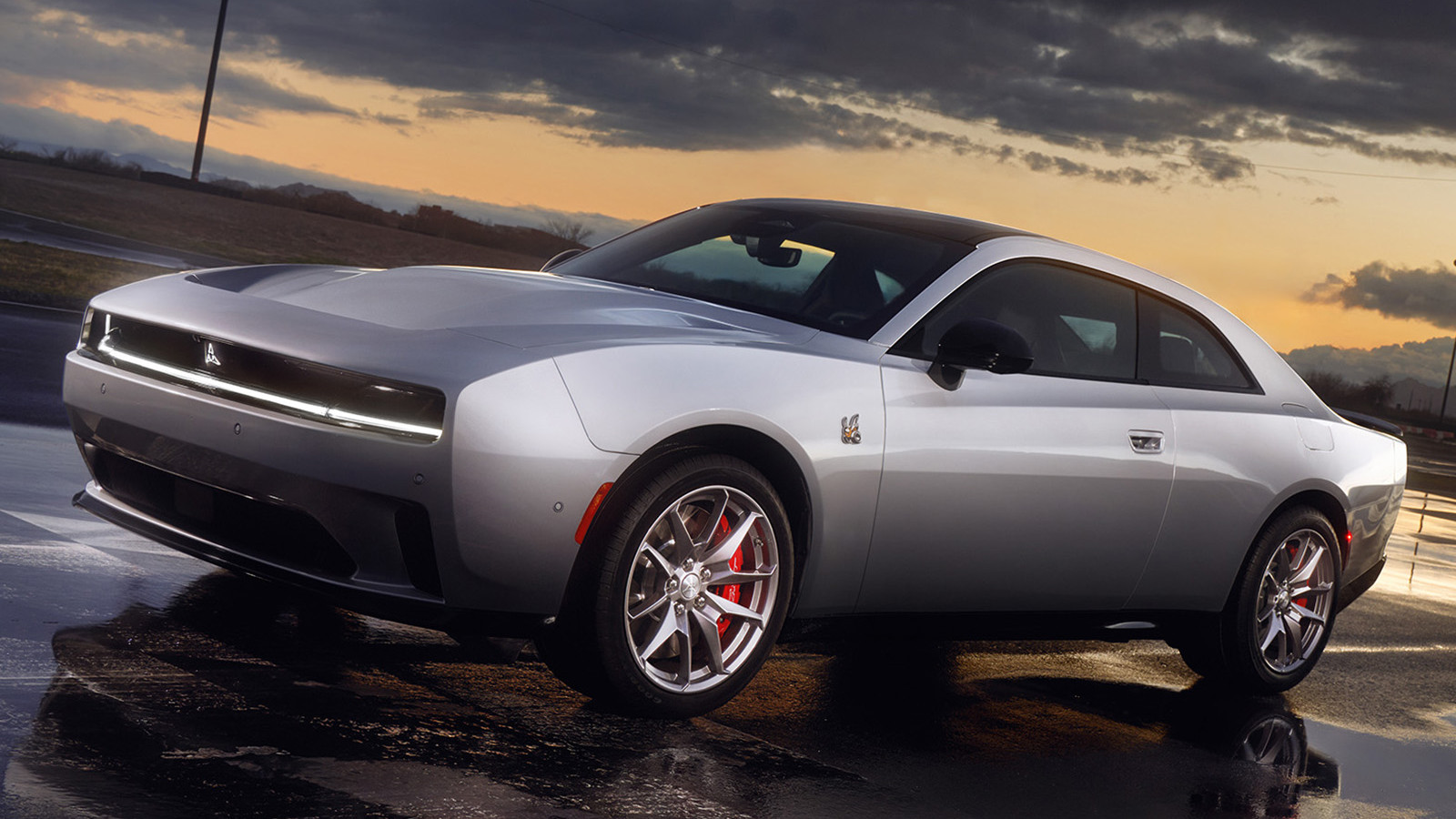
Dodge Charger Daytona R/T
In the entry-level Charger Daytona R/T, the dual-motor system produces 456bhp (496bhp using Powershot) and 404lb ft.
It hits 0-100km/h (0-60mph) from a standstill in 4.7 seconds and completes the quarter-mile sprint in 13.1 seconds. Its top speed is 220km/h (137mph) – slightly greater than that quoted for the shorter-geared Scat Pack
The R/T also receives slightly smaller brakes (354mm in diameter), softer springs, dampers tuned for comfort and 18in alloys, rather than the 20in wheels worn by the Scat Pack.
Electric variants of the Charger Daytona feature a 400V electrical architecture and a 100.5kWh (93.9kWh usable) battery pack. This provides a range of 510km (317 miles) between charges in the R/T, according to the US EPA test cycle.
Car buyers in 2026 have an unprecedented range of electric options to choose from.
Almost every car brand now offers an electric car, be it a small hatchback or a large SUV. Some even offer electric sports cars for a modern take on dynamic driving thrills.
That said, navigating the extensive model ranges across countless car manufacturers to find the right electric vehicle can be both stressful and time-consuming.
Therefore, we have compiled the ultimate resource you need: a comprehensive list featuring the best electric car from every single car maker.
Ranging from Abarth to Zeekr, our list covers everything from electric city cars to electric supercars. To save you even more time, we’ve only included brands that currently build and produce electric cars. Let’s get right into it.
Ferrari
Ferrari Luce
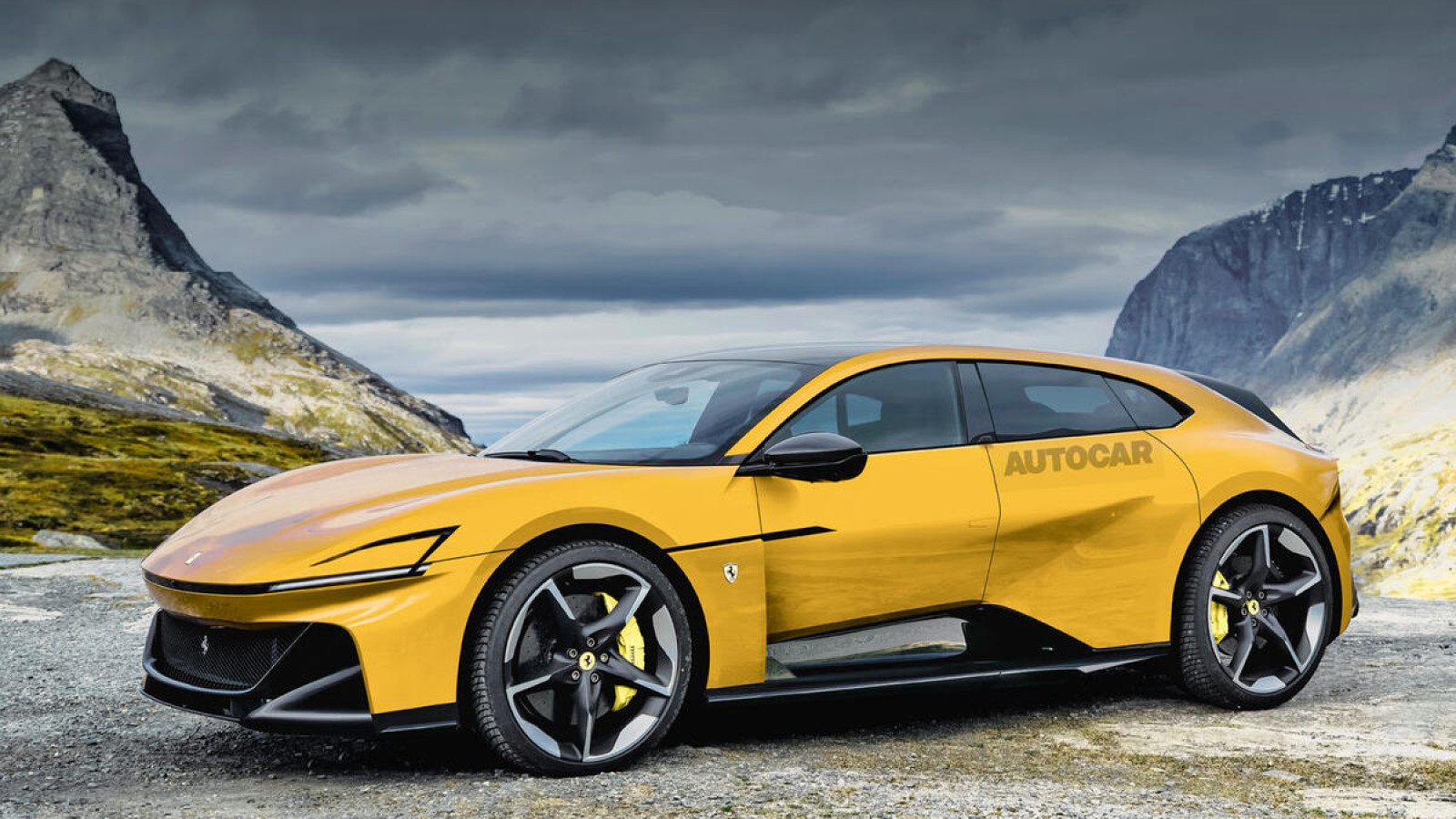
We’ve still got some time to wait before we see the Ferrari Luce, but here’s our artist’s impression of what the electric sports car could look like.
The four-door four-seater – which will be Maranello's seventh stand-alone model line – is described instead as more of a GT car, positioning it as an indirect successor to the likes of the old V12-engined FF and GTC4 Lusso.
We’ve already seen its interior, but other details are thin on the ground. We know it’ll use a bespoke chassis, radical quad-motor powertrain and huge 122kWh battery, with over 1000bhp.
Fiat
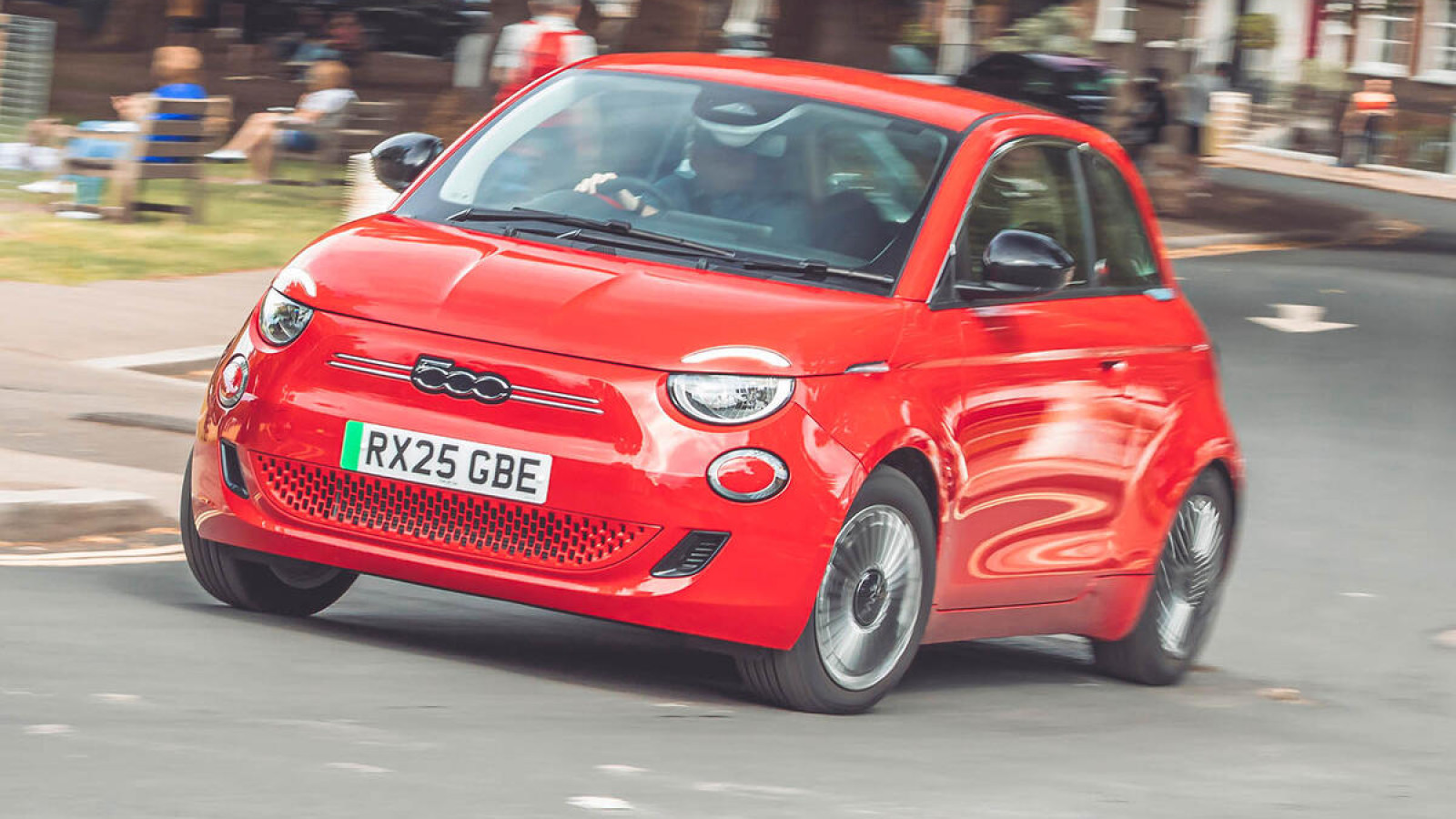
Fiat 500e
Fiat hasn’t changed much about its small electric 500e since it launched several years ago.
That’s not necessarily a bad thing, because the car is still great to drive around the city and its compact proportions mean efficiency stays frugal.
There are two battery options of 42kWh and 21.3kWh, with the larger option producing up to 320km (198 miles) of range.
It’s not perfect, but the 500e performs quite strongly, handles with more than enough charm to make up for its lack of settled cruising comfort and has static appeal in abundance.
Ford
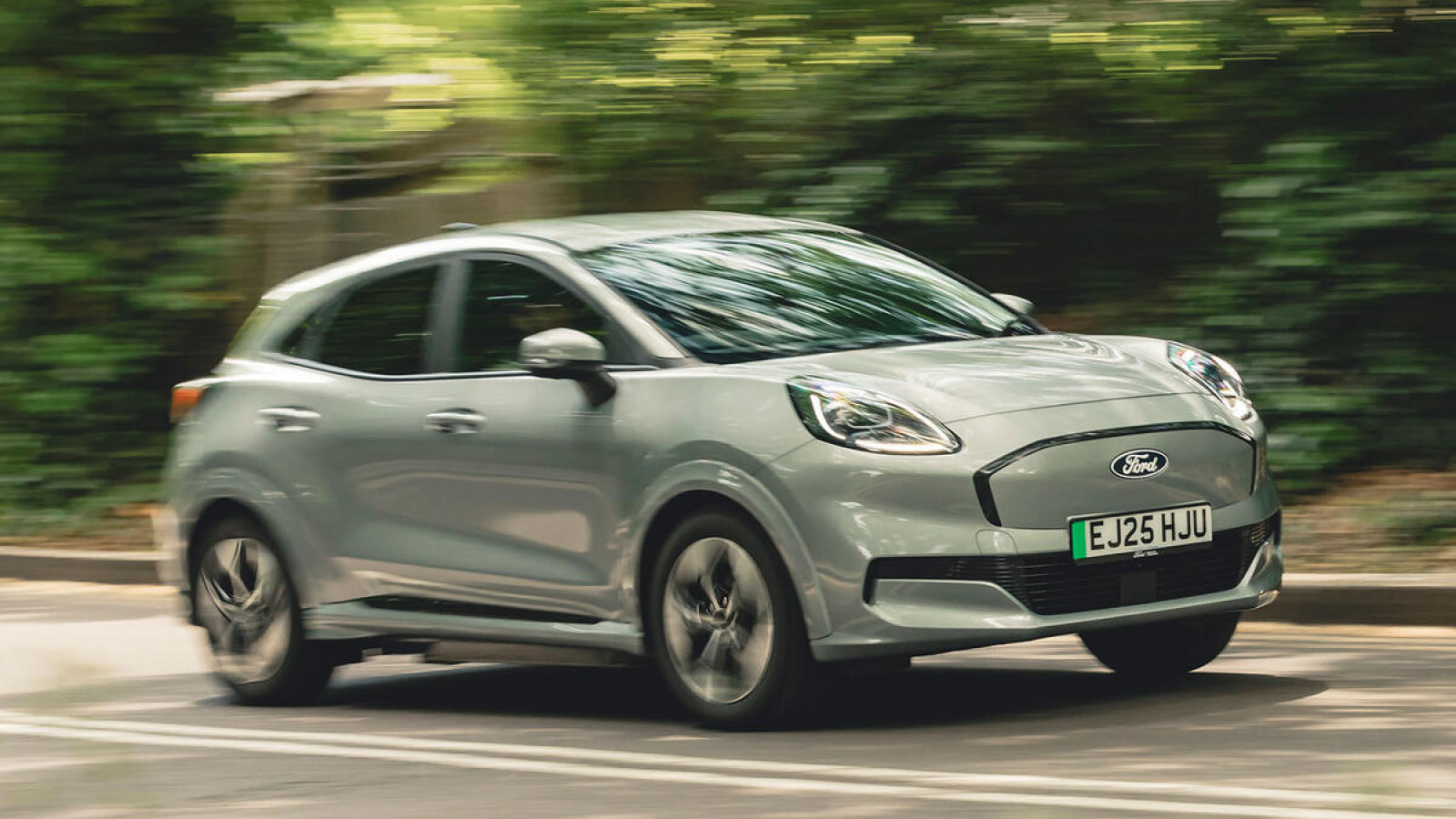
Ford Puma Gen-E
The Ford Puma Gen-E might just be the most important electric Ford so far, not least because it brings some genuine driver engagement to the class.
This is an electric version of the UK's best-selling car, and it's Ford's second crack at an EV that has been developed fully in-house, following the Mustang Mach-E (the Explorer and Capri were co-developed with Volkswagen).
Energy comes from a 43.6kWh battery, which drives a 166bhp, front-mounted electric motor. According to Ford, you will get around 373km (233 miles) of range on a charge.
Genesis
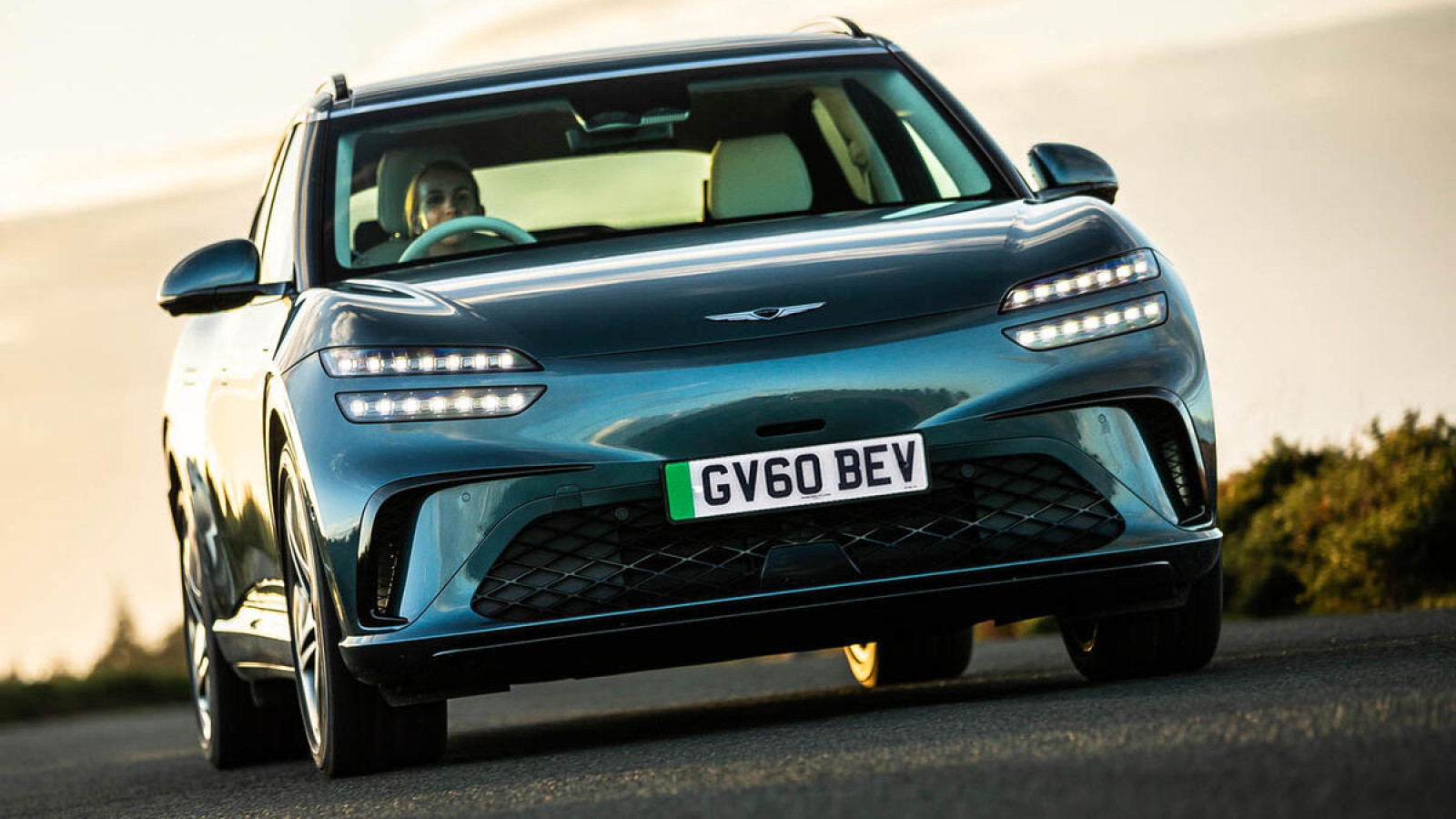
Genesis GV60
The Genesis GV60 was the third car to use Hyundai and Kia’s dedicated E-GMP electric car platform, after the Hyundai Ioniq 5 and the Kia EV6.
That bodes well, because in those cars the associated technology has already been proven to use energy efficiently and recharge rapidly, and the Kia in particular demonstrates that it can handle it pleasingly well.
It’s an excellent EV with good efficiency, rapid charging, accomplished chassis and manufacturing technology.
The GV60 has all of those things but adds a sumptuous interior, an even more intuitive infotainment system, exterior design that is original and distinctive and, in the Sport Plus, breathtaking performance.
GMC
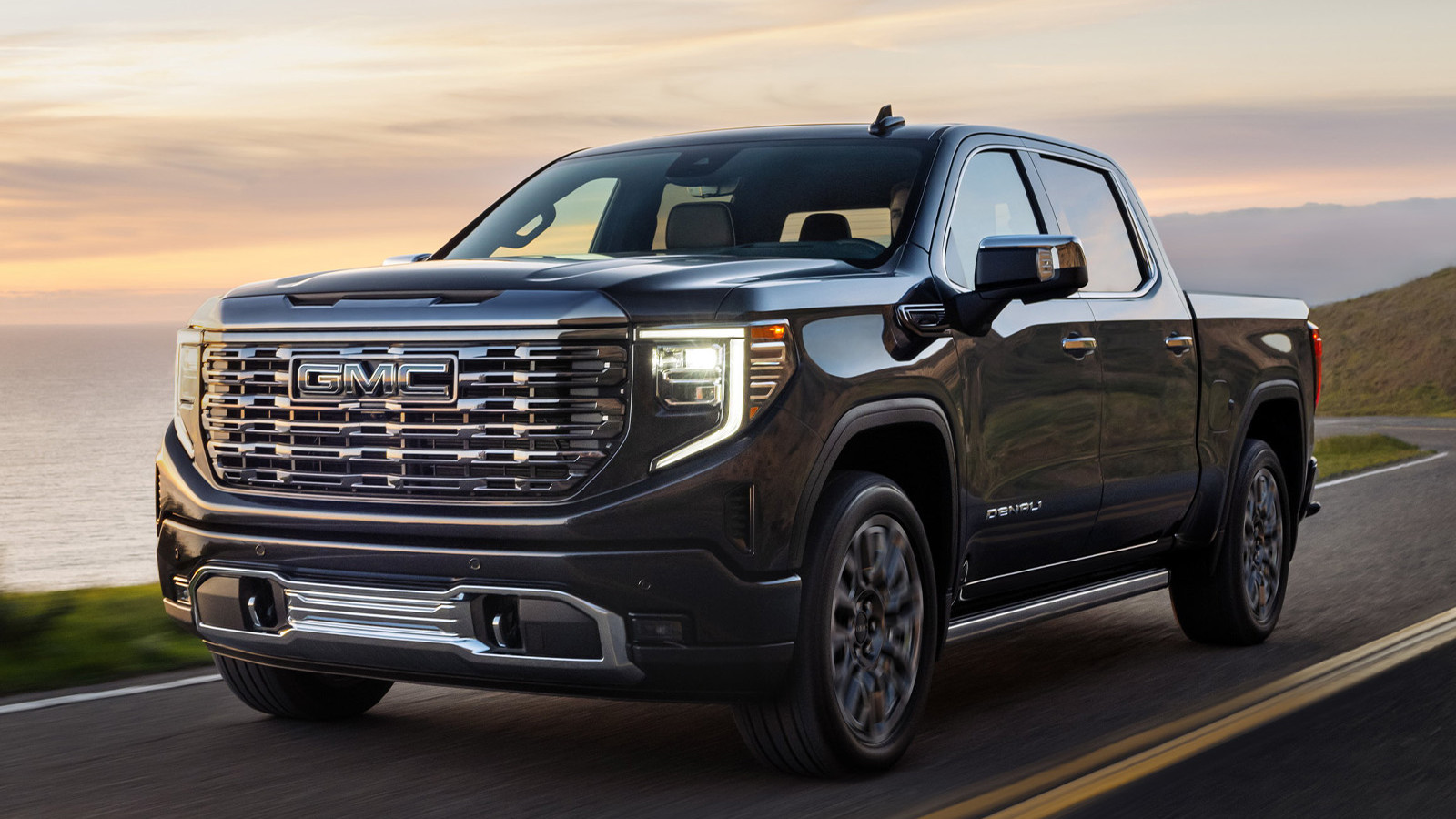
GMC Sierra
The Sierra EV rides on GM's Ultium platform and shares much of its underpinnings – and exterior design – with the Silverado EV and the electric Hummer.
It features a vast 200kWh battery that should yield a range of up to 643km (400 miles).
The firm's first electric pick-up develops 743bhp and 780lb ft of torque, allowing for a 0-100km/h (0-62mph) time of just 4.5 seconds.
It’s a proper usable pick-up truck too, with a towing capacity of 5579kg, and 800V fast charging means topping up that huge battery is a reasonably quick task.
Honda
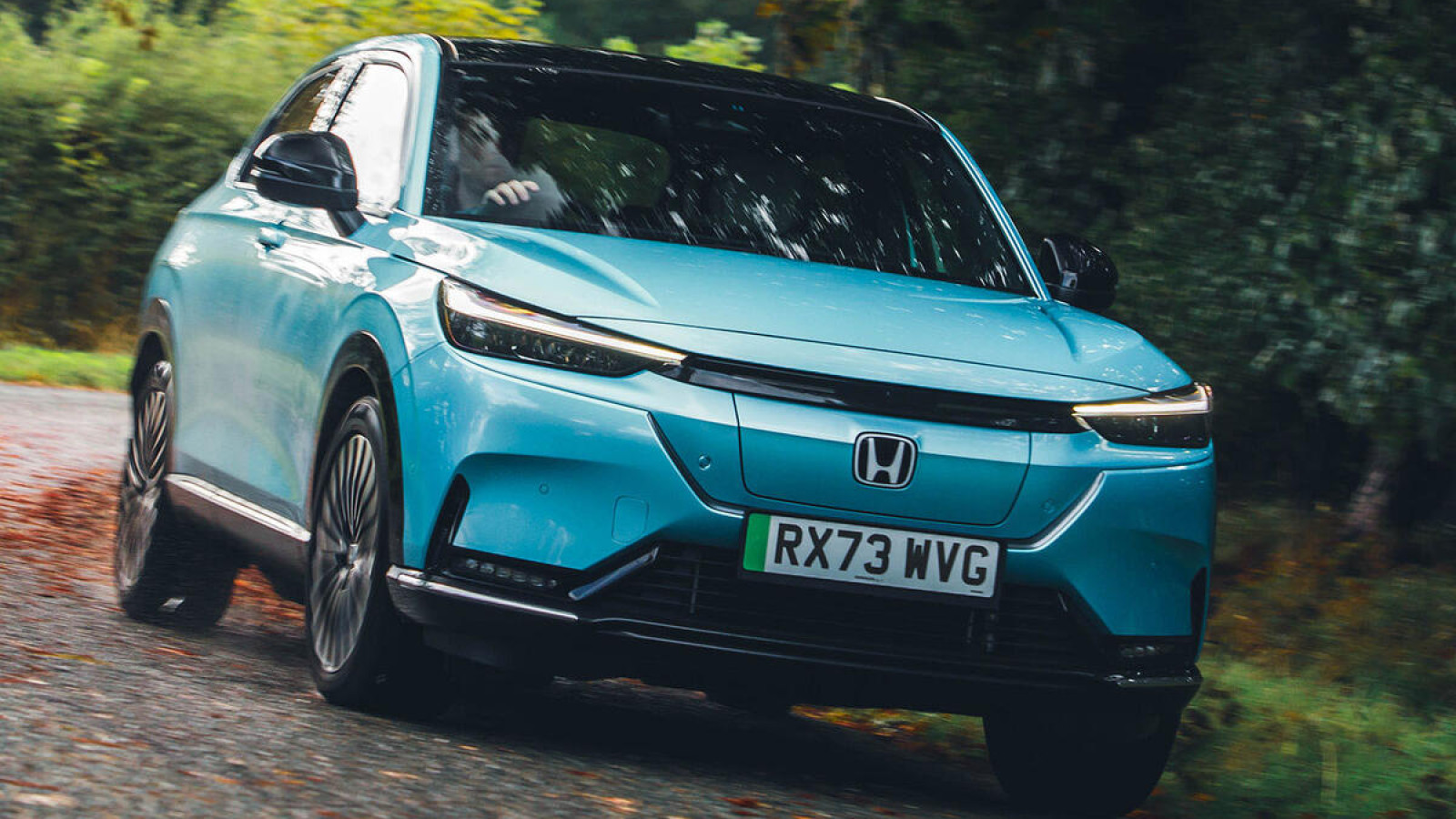
Honda ENY:1
Honda’s shift to electric has been quite slow, with the ENY:1 SUV the only available option in much of the world.
The all-electric Honda Super-N city car will follow this year, but for now, the SUV offers a 60kWh battery with a range of 411km (256 miles).
The ENY:1 is reasonably comfortable over bumps, but it’s not very composed in the corners. Its main qualities are accessible power and a plush, spacious interior.
Hyundai
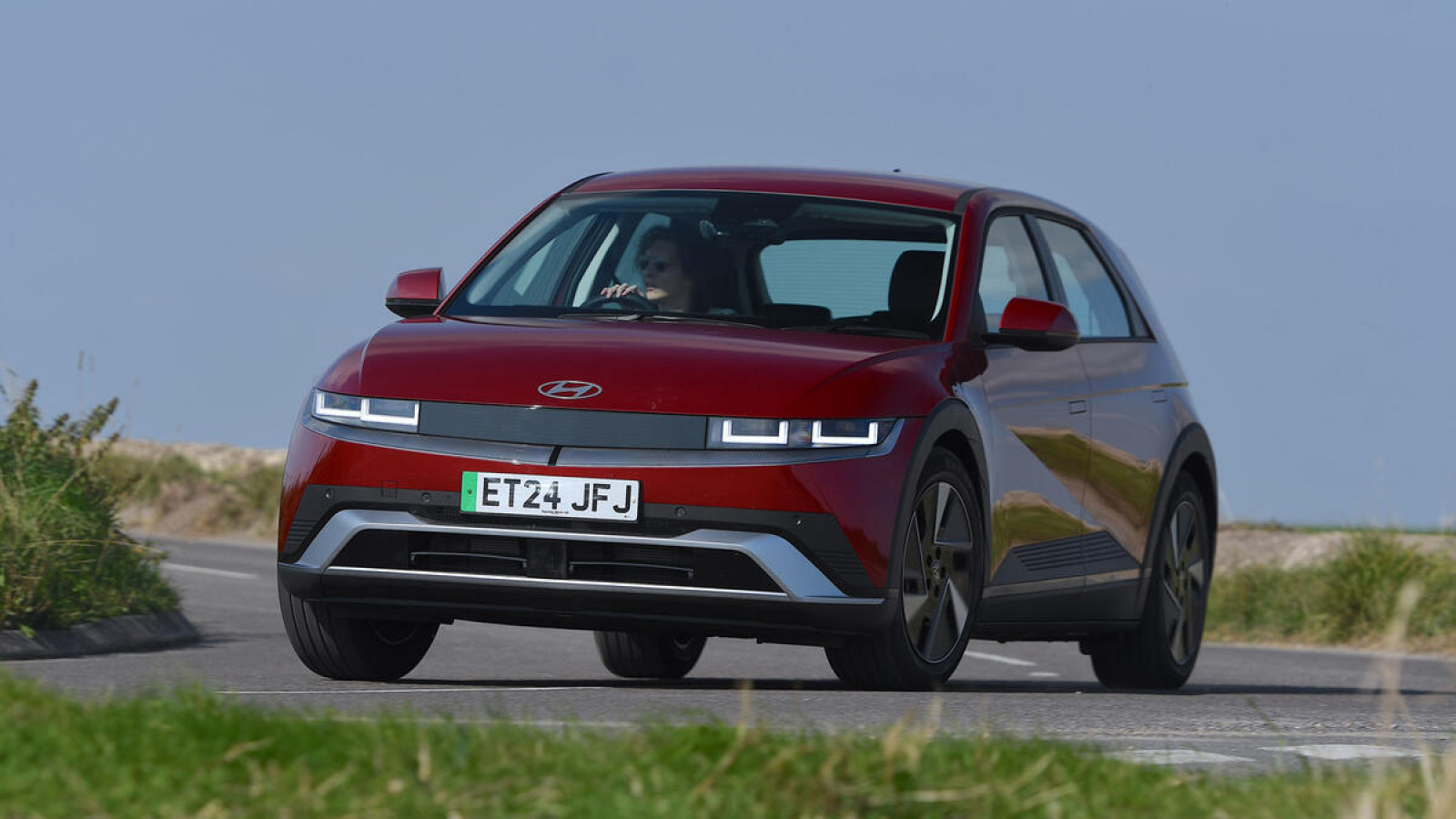
Hyundai Ioniq 5 N
It may not look like one, but the Hyundai Ioniq 5 N should be classed as an electric sports car, due to its sheer performance and handling dynamism.
The hot Ioniq 5 uses a dual-motor configuration, with 223bhp sent to the front wheels and 378bhp directed to the rear. With a maximum output of 641bhp, it can sprint from 0-100km/h (0-62mph) in just 3.4 seconds.
There are several drive modes to choose from, while the motor response, dampers and steering and stability control can all be adjusted to your own preference.
It also has a slightly gimmicky synthesised engine note and an engaging fake eight-speed gearbox called N-Shift.
It remains a usable family car, too, with its 84kWh battery offering around 450km (280 miles) of range on a charge and maximum charging speeds of 340kW.
IM Motors
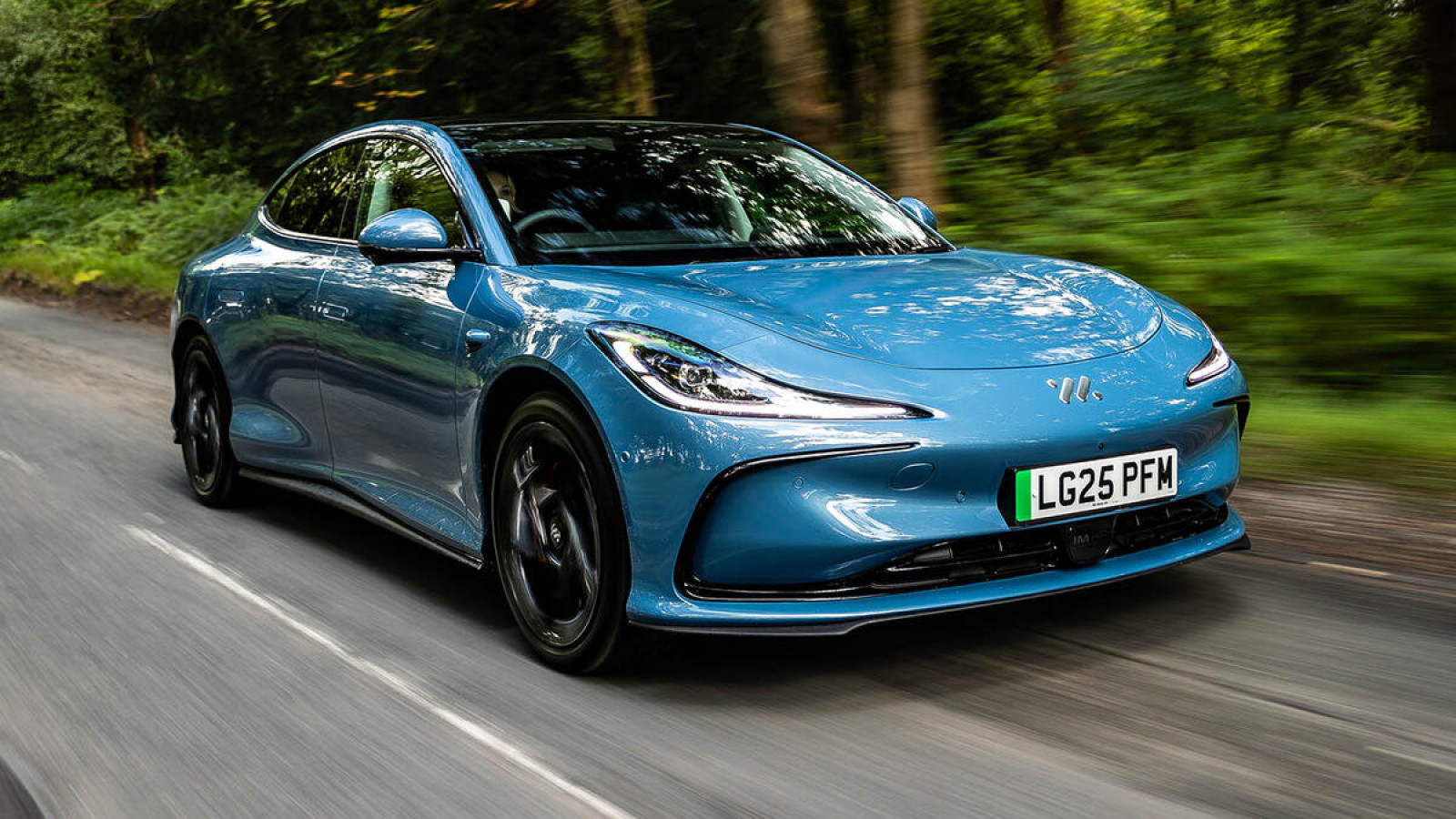
IM 5
IM is MG’s premium electric car subbrand. In Europe, it currently consists of two cars - an SUV and a sedan.
The IM 5 is the sedan and it’s very well equipped, coming with 400kW charging and a range of up to 441 miles.
With up to 742bhp, the IM 5 is unbelievably fast. Accurate steering and no-nonsense cornering balance make it easy to manoeuvre in the corners, too.
Jaecoo
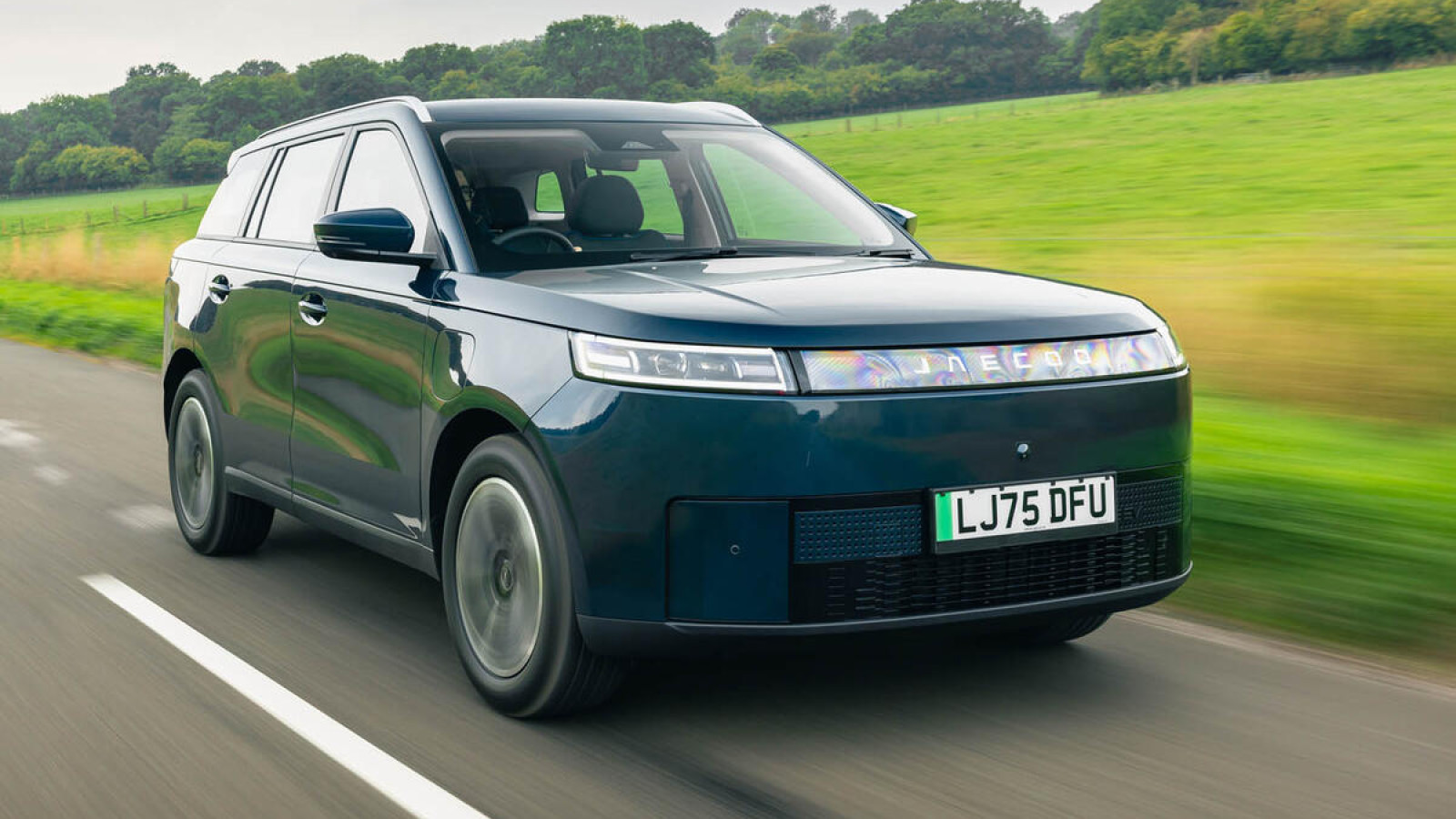
Jaecoo E5
The electric Jaecoo E5 (and a petrol variant called simply the Jaecoo 5) sits on the same platform as the larger Jaecoo 7, as well as various Omoda and Chery models.
The 5 is a 4.38m-long five-seater, which puts it at a similar length to the Range Rover Evoque or Hyundai Kona, a wee bit shorter than the Nissan Qashqai or Audi Q5.
The E5's electric motor makes 201bhp and 212lb ft of torque, which is said to be good for a 0-62mph time of 7.7sec.
The battery has a capacity of 61.1kWh, which gives a WLTP range of 248 miles.
Jeep
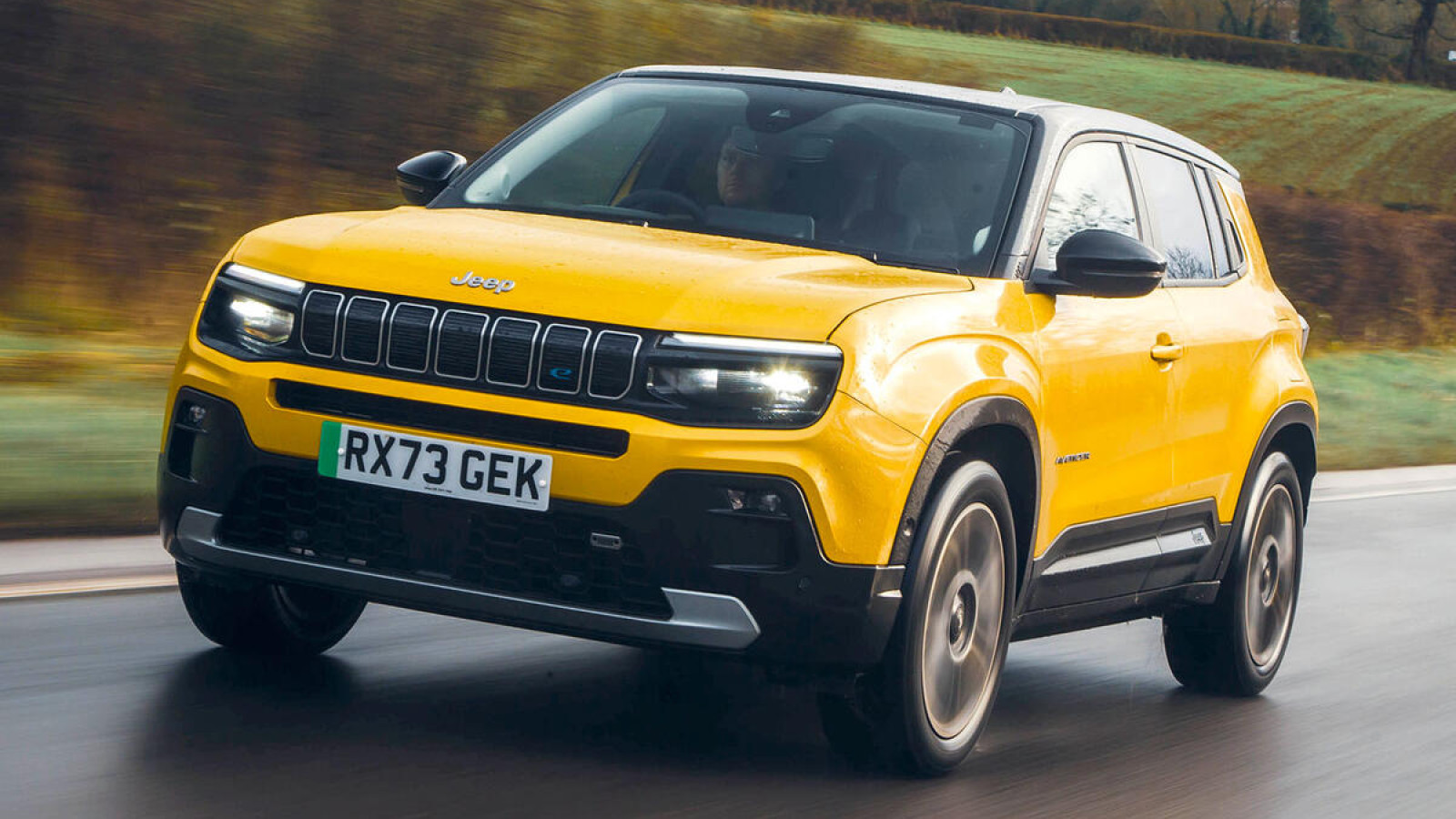
Jeep Avenger
While Jeep launched the Avenger EV for Europe, the Wagoneer S is more of a global proposition, and its first fully electric model for the premium market.
The Wagoneer S is Jeep’s flagship SUV. It’s the fastest Jeep in history, hitting 0-100km/h in just 3.4 seconds.
Underneath, it uses a 100kWh battery for a claimed range of more than 300 miles.
Kia
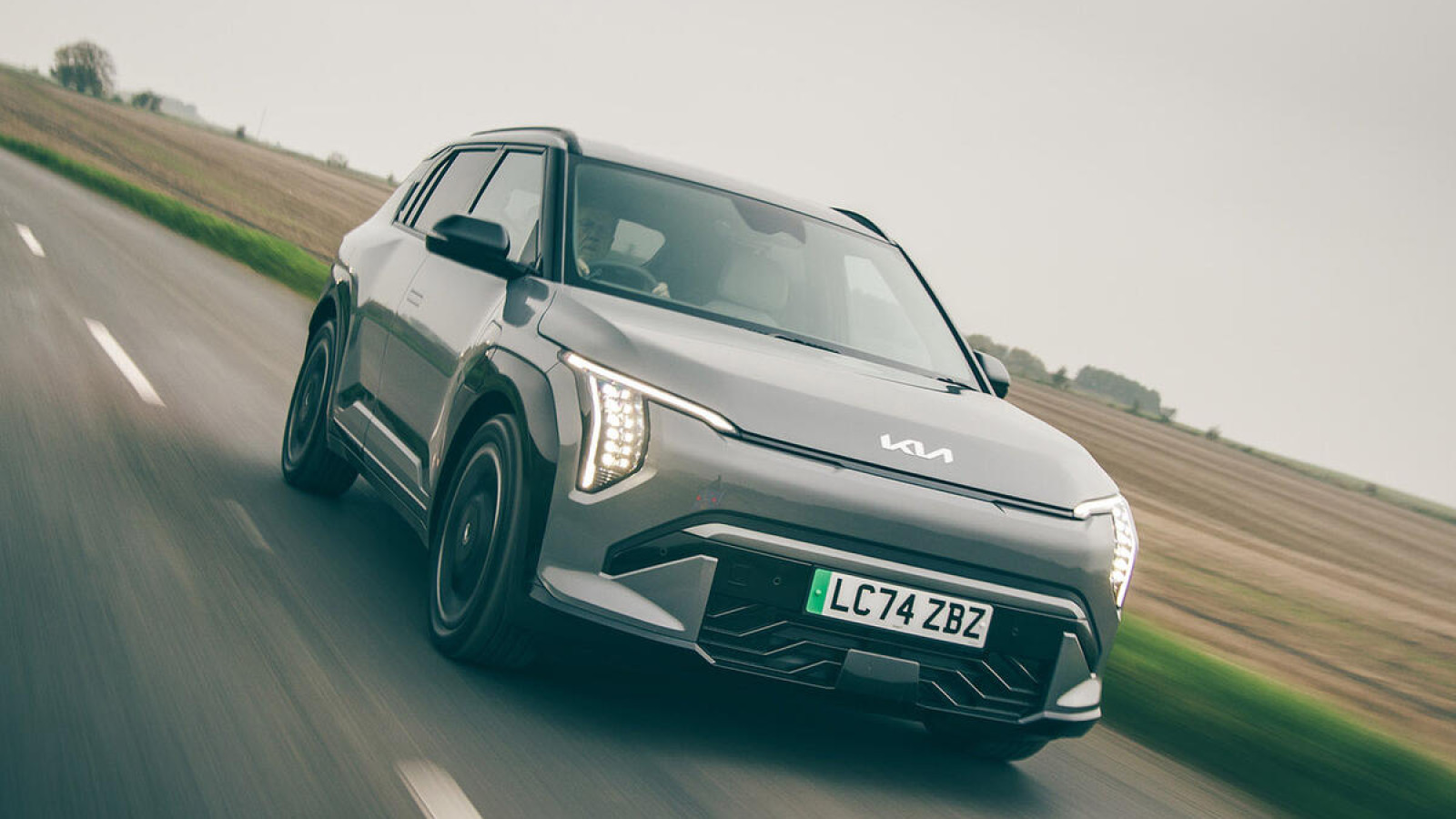
Kia EV3
The Kia EV3 is a well-priced electric SUV with huge amounts of space and a long range. It’s one of the best electric cars money can buy for day-to-day duties.
Measuring 4310mm in length, the EV3 is aimed squarely at the Volkswagen ID 3 and Cupra Born twins, with a similar stature that’s taller and stockier than a hatchback but not quite a proper SUV.
The EV3 comes with a choice of two packs: 58.3kWh and 81.4kWh. That’s pretty big, and only the VW Group cars offer something similar. The driving range is as high as 598km (372 miles) in cars with the larger battery.
Lancia
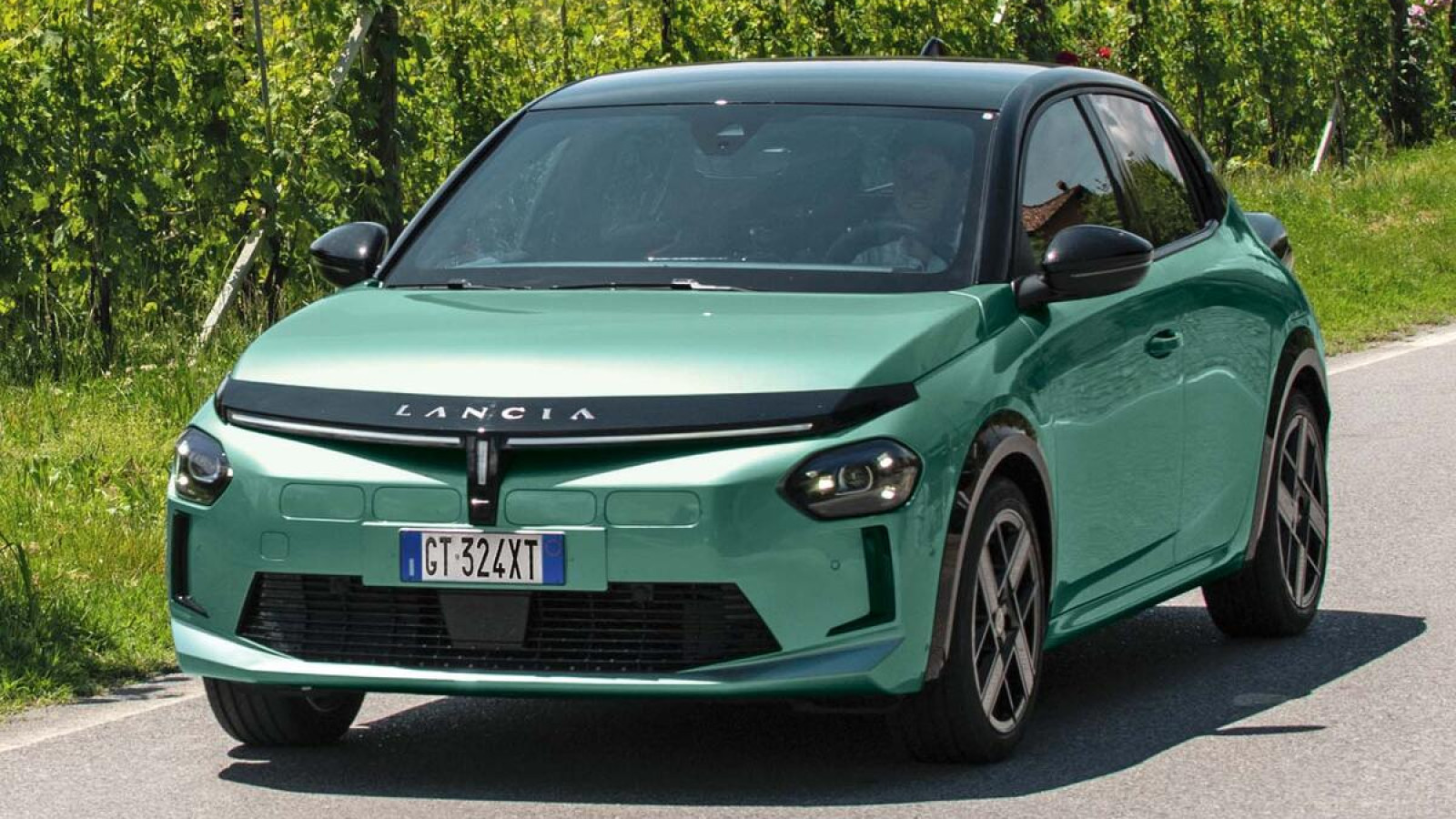
Lancia Ypsilon
Lancia’s first electric car was the Ypsilon, and it remains the Italian car maker’s only electric offering to this day.
It shares much of its underpinnings with the wider Stellantis group, including its batteries and motors.
It offers a range of 403km (250 miles). This means it uses the same 51kWh battery as the Peugeot e-208 and Vauxhall Corsa Electric, resulting in a 0-100km/h time of 8.2 seconds and a top speed of 149km (93mph). It also has the ability to charge from 20% to 80% in 24 minutes.
Leapmotor
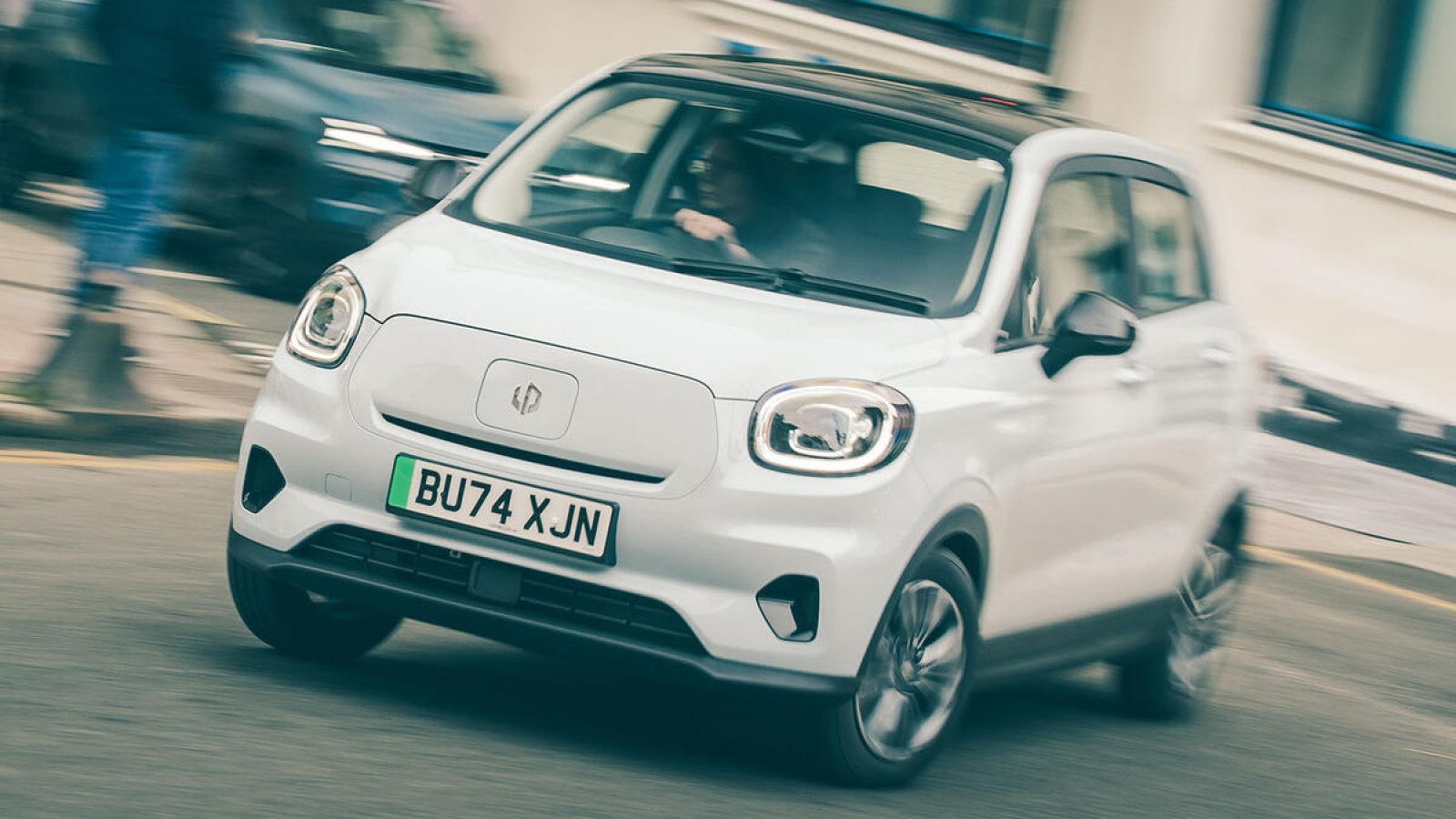
Leapmotor T03
The Leapmotor T03 is one of the cheapest electric cars on sale.
It’s considerably less money than a Citroën ë-C3, Hyundai Inster or Fiat 500 electric, and it's only slightly more expensive than a Dacia Spring.
Whereas the Dacia Spring offers a battery capacity of 26.8kWh, giving it a mere 225-kilometre (140-mile) range and a maximum charging rate of just 30kW, the T03 has a 37.3kWh battery for a 265-kilometre (165-mile) range, and it can be charged at 45kW.