
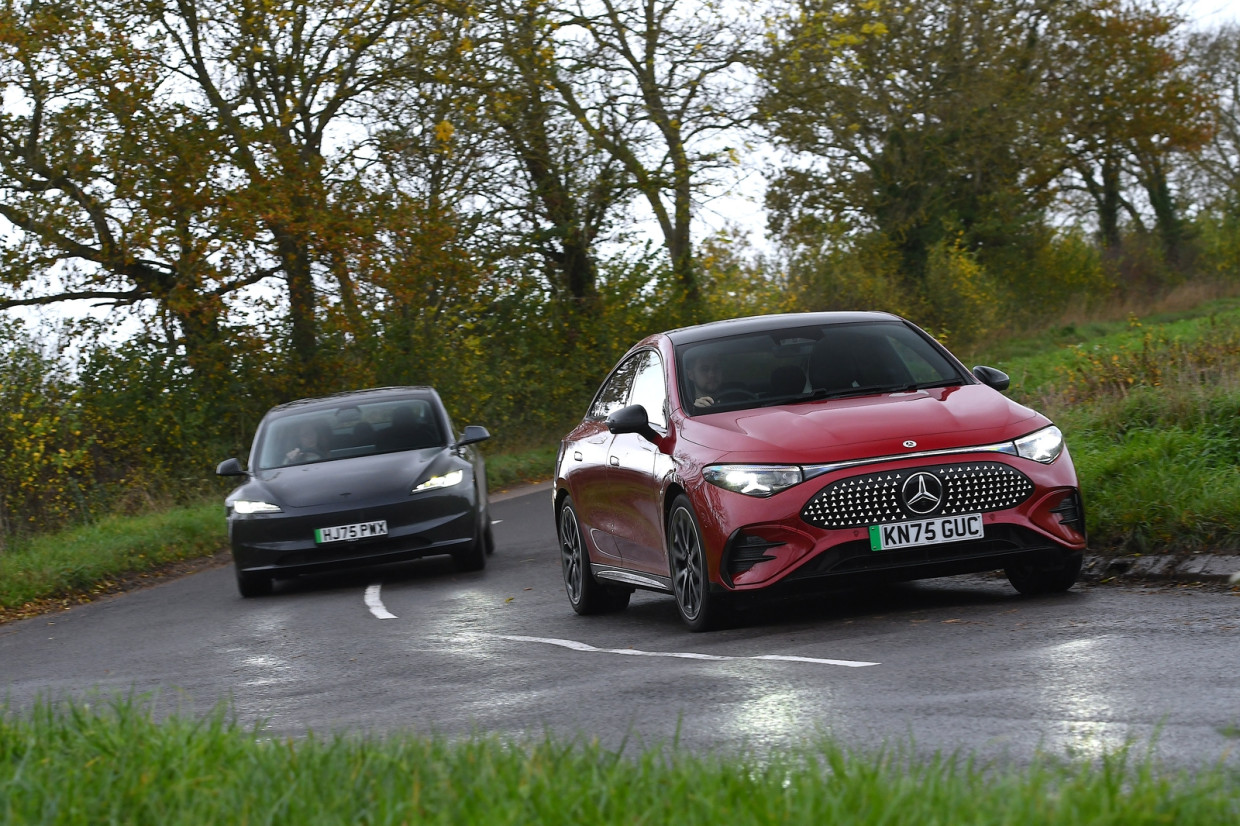
Modern electric cars will most likely cover your daily commute and errands – and most people making the switch to an EV will take their weekly mileage into account before buying an EV.
But if range is no longer an issue for buyers, what's holding them back? The real issue facing electric car lovers is charging.
While the range of EVs has improved, the number of electric charging points simply hasn't kept up with demand, meaning that some owners have had to queue to use a device, or been disappointed when they find the device is no longer working. It's normal then for an EV driver to worry about running out of charge when driving an electric car. If the owners of combustion cars were in the same position, they would likely worry too.
Running out of charge in an electric car isn't actually that dramatic. And forgive us for stating the obvious... the car no longer works. As you would expect, it's very similar to running out of fuel in a combustion-powered car – but if you were to run out, some differences are worth knowing about.
Here, we'll look at how different electric cars behave when they reach 0% charge and answer all of the important questions you might have. For example, can you tow an EV if you have run out of charge in an unsafe place? And how can you squeeze some extra miles from your car to avoid running out of charge?
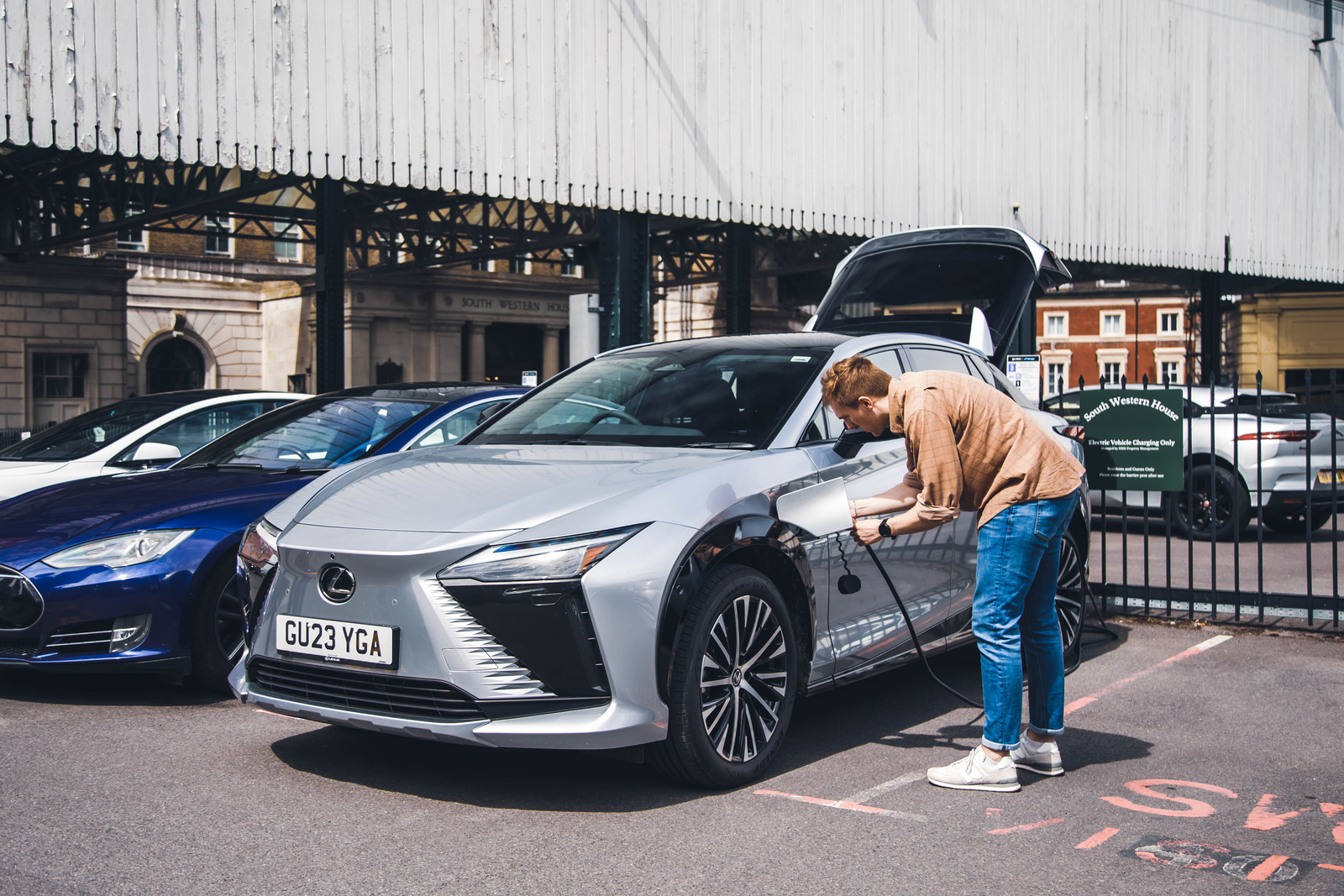
How an EV stops you from running out of charge
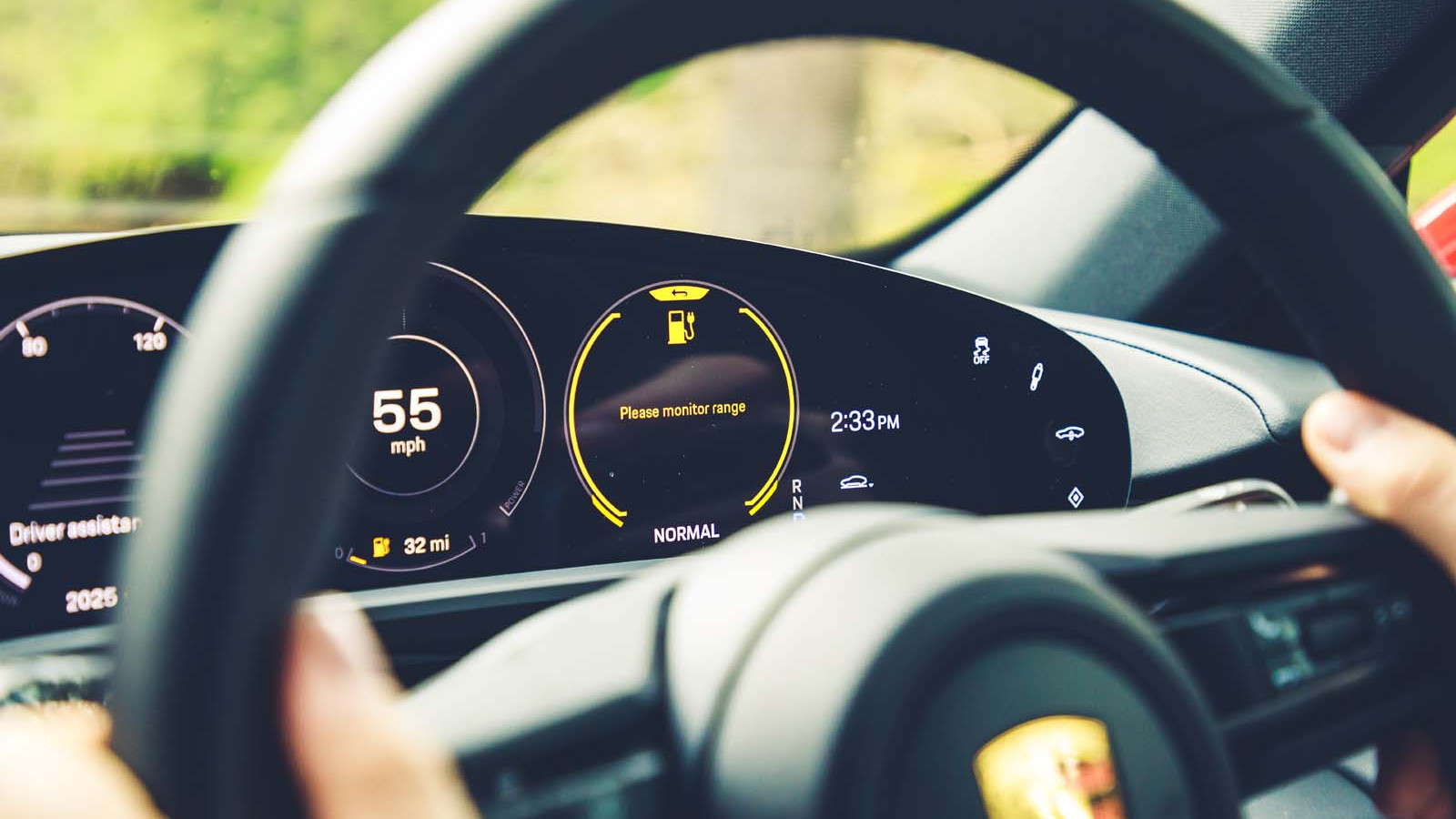
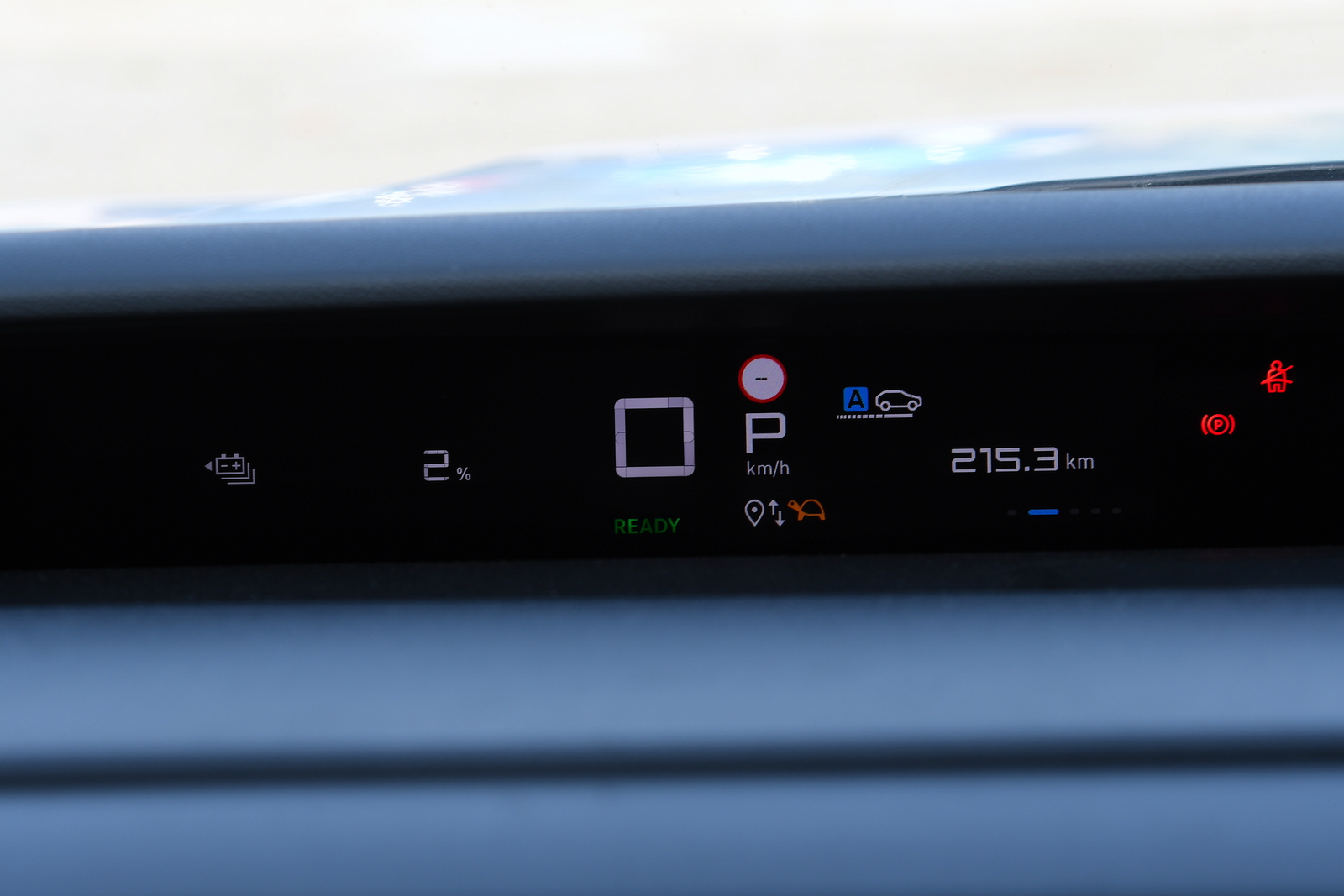
These days, an EV will do its best to warn you of any impending peril with several alerts popping up on the driver’s display stating that the battery level is low and that it's time to recharge.
Typically, the first warning will come in the form of a “Battery Level Low” message on the digital instrument cluster informing you of your limited mileage. As you will have guessed, you'll probably want to find a charger and top up at this point.
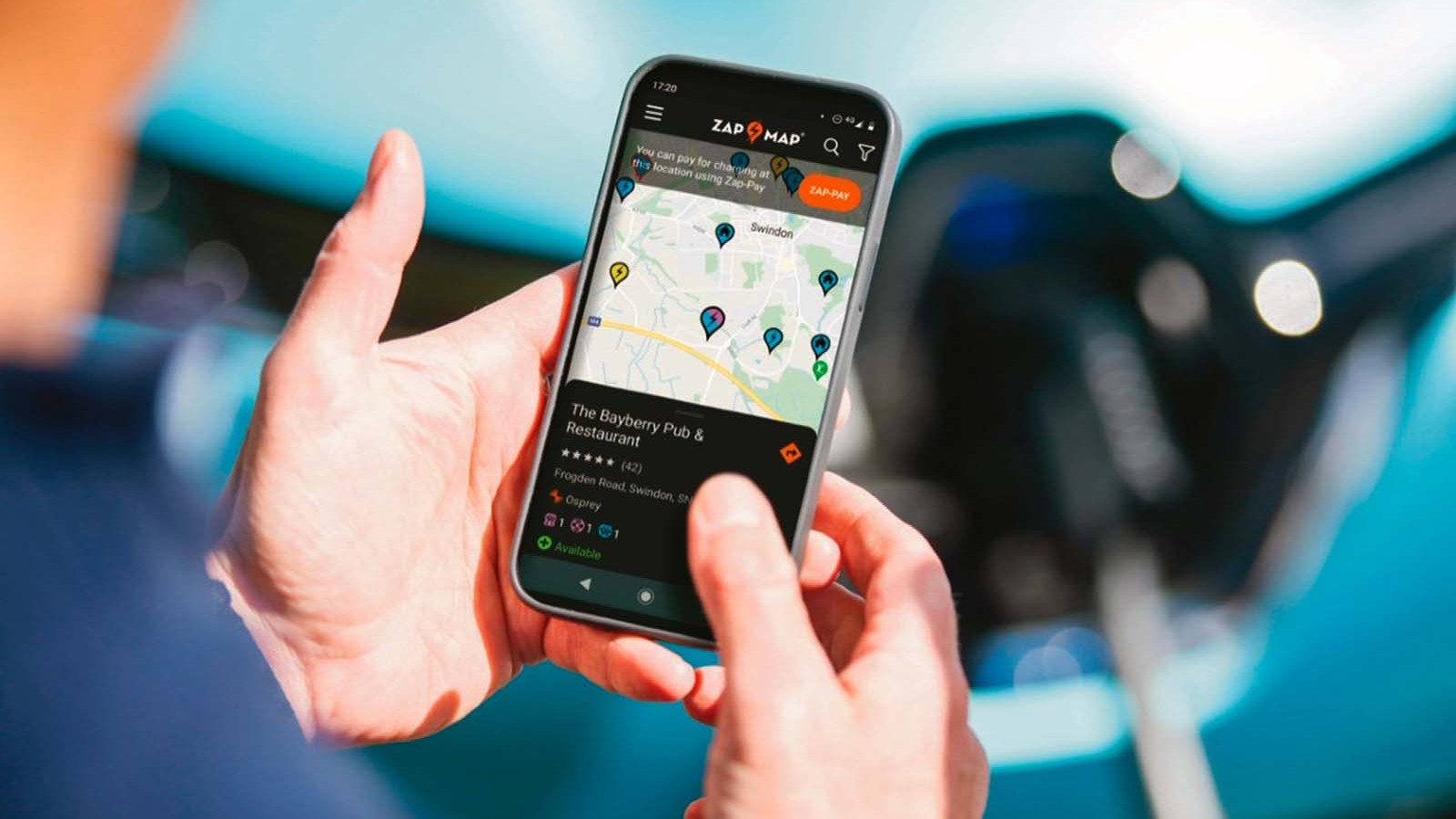
Electric cars have the capability of seeking out the charging points that are nearby and will re-route you to the device of your choosing.
Once the battery level gets below a certain level, a “Limited Performance” warning will come up on the dashboard, reducing the power of the car dramatically.
Manufacturers have fitted most electric cars with tortoise symbols to indicate a lack of performance. Wasteful systems, such as the air conditioning, will also shut off to allow more energy to be sent to the motor.
They’re not all the same
After all the warnings and reductions in power, no two electric cars will run out of battery in the same way. Some will slow down to a halt with plenty of warning, while others will come to a more abrupt halt and can be harder to manoeuvre once the battery is flat.
Once an electric car hits 0% battery, some will keep going a few more miles before coming to a halt. When tested, some models continued driving even when the display indicated 0% battery.
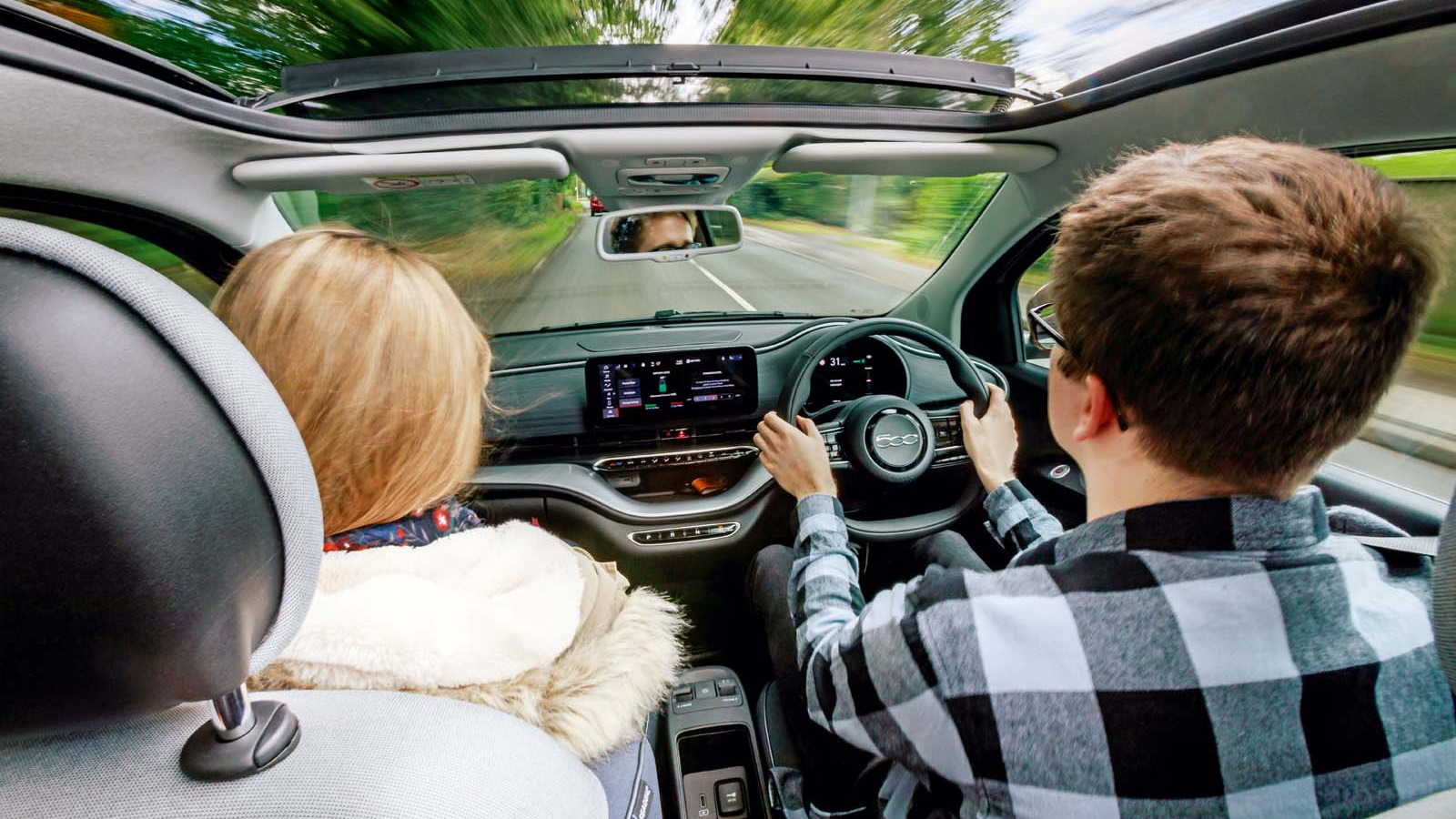
When the car finally stops, it may slowly bring itself to a halt. In some cases, power steering may stop working, making it harder to manoeuvre the vehicle.
Not all electric cars will keep power on for digital displays and power steering. Some will, and may even have enough power to crawl onto a recovery truck.
Can you tow an electric car?
You can’t tow an electric car in the same way as a petrol or diesel car because electric cars don’t have a traditional gearbox and therefore no neutral gear. Towing the car in gear can damage the electric motor and battery.
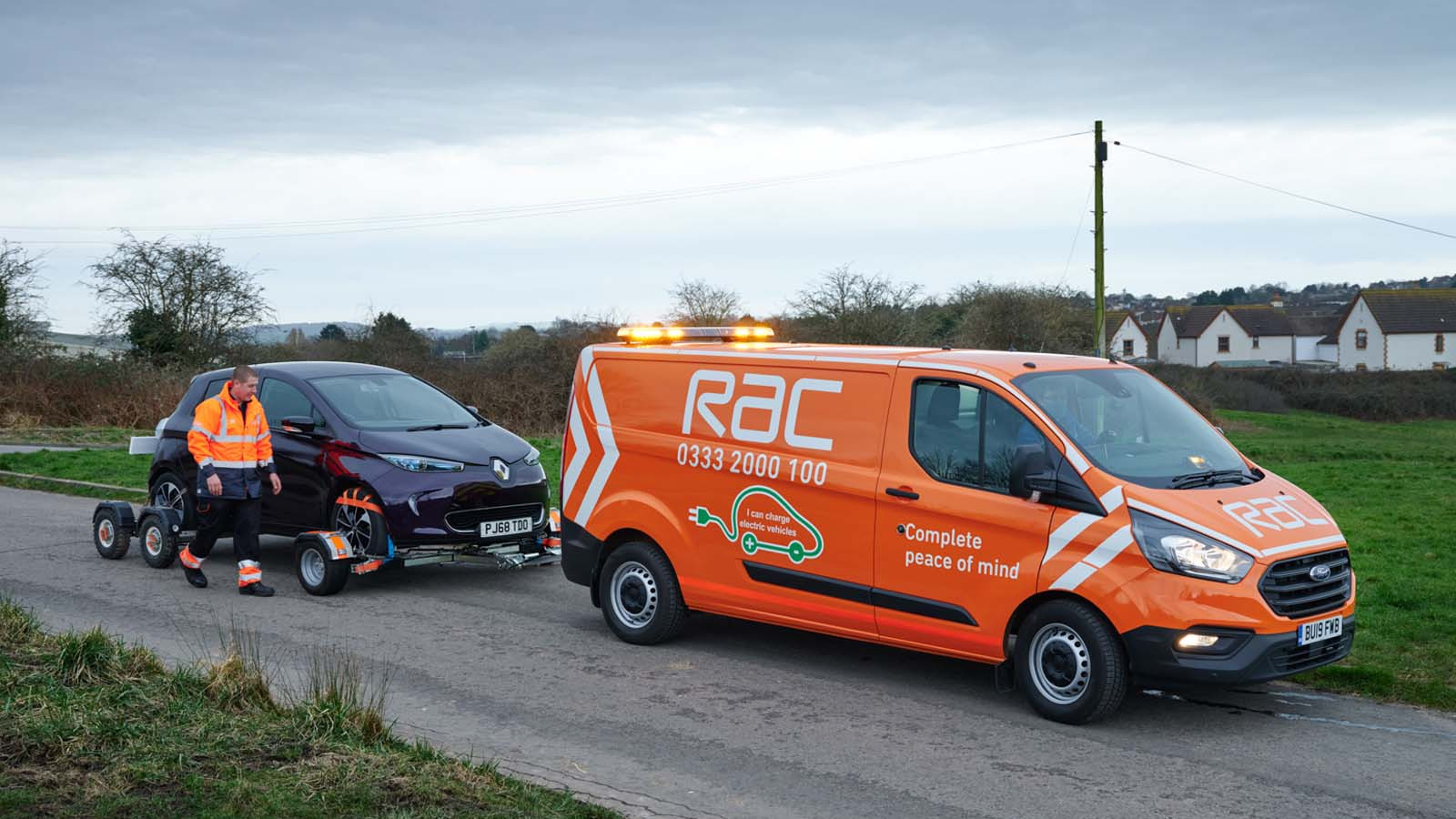
In the event of a breakdown, the best way for an electric car to be moved is on a flatbed truck. Some front-wheel-drive electric cars can be towed with the front wheels raised, while rear-wheel-drive electric cars can be towed with the rear wheels raised.
Some electric cars have towing modes that disengage the handbrake to make it easier to load the car onto a flatbed.
How to avoid running out of charge
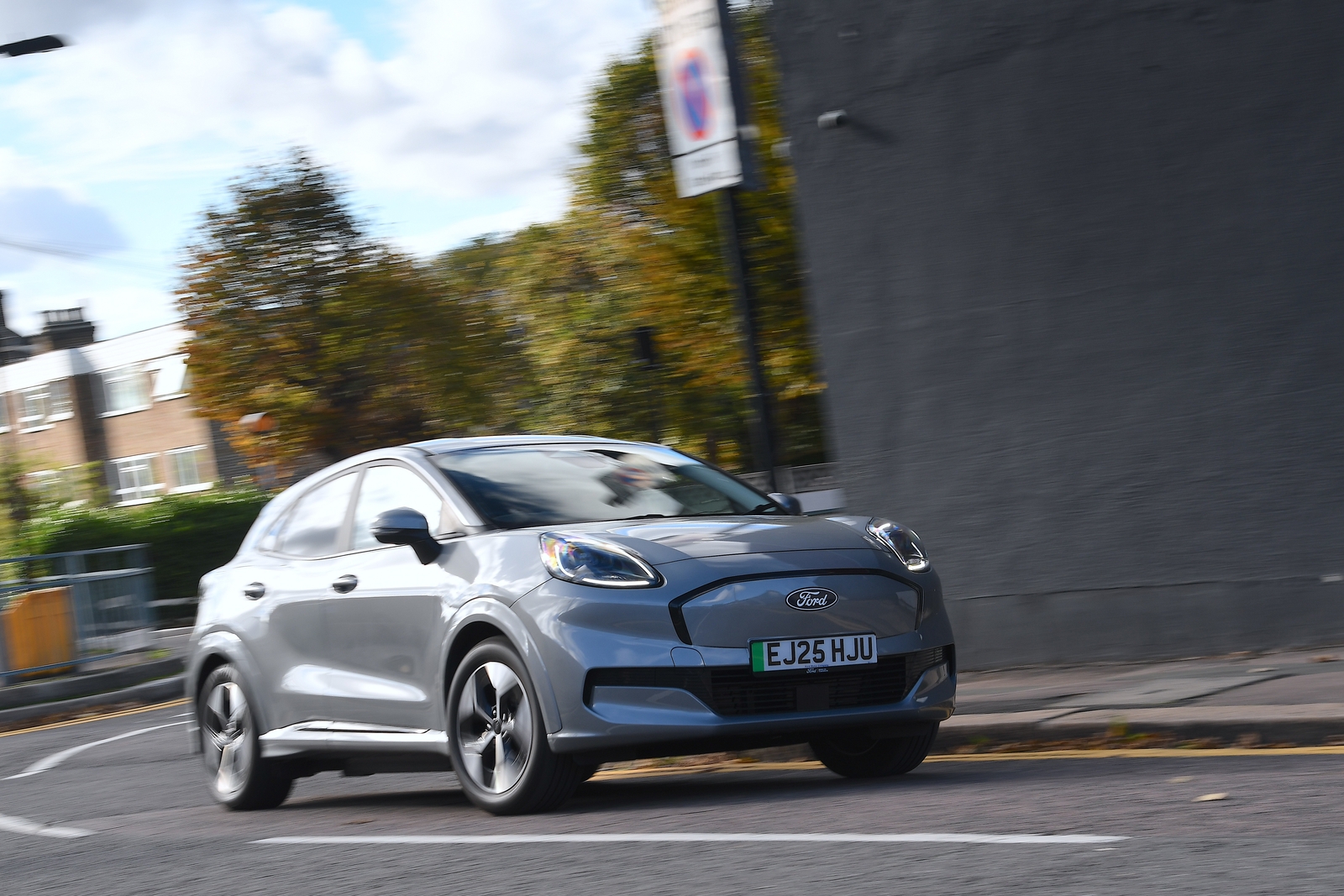
Electric cars give ample warnings that the battery level is low, providing enough opportunity to avoid running out completely.
When travelling long distances, it’s best to plan ahead and identify charging locations along the route. Using eco mode and maximising regenerative braking can help extend range.
There are apps available that show the location of charging points and help plan journeys.
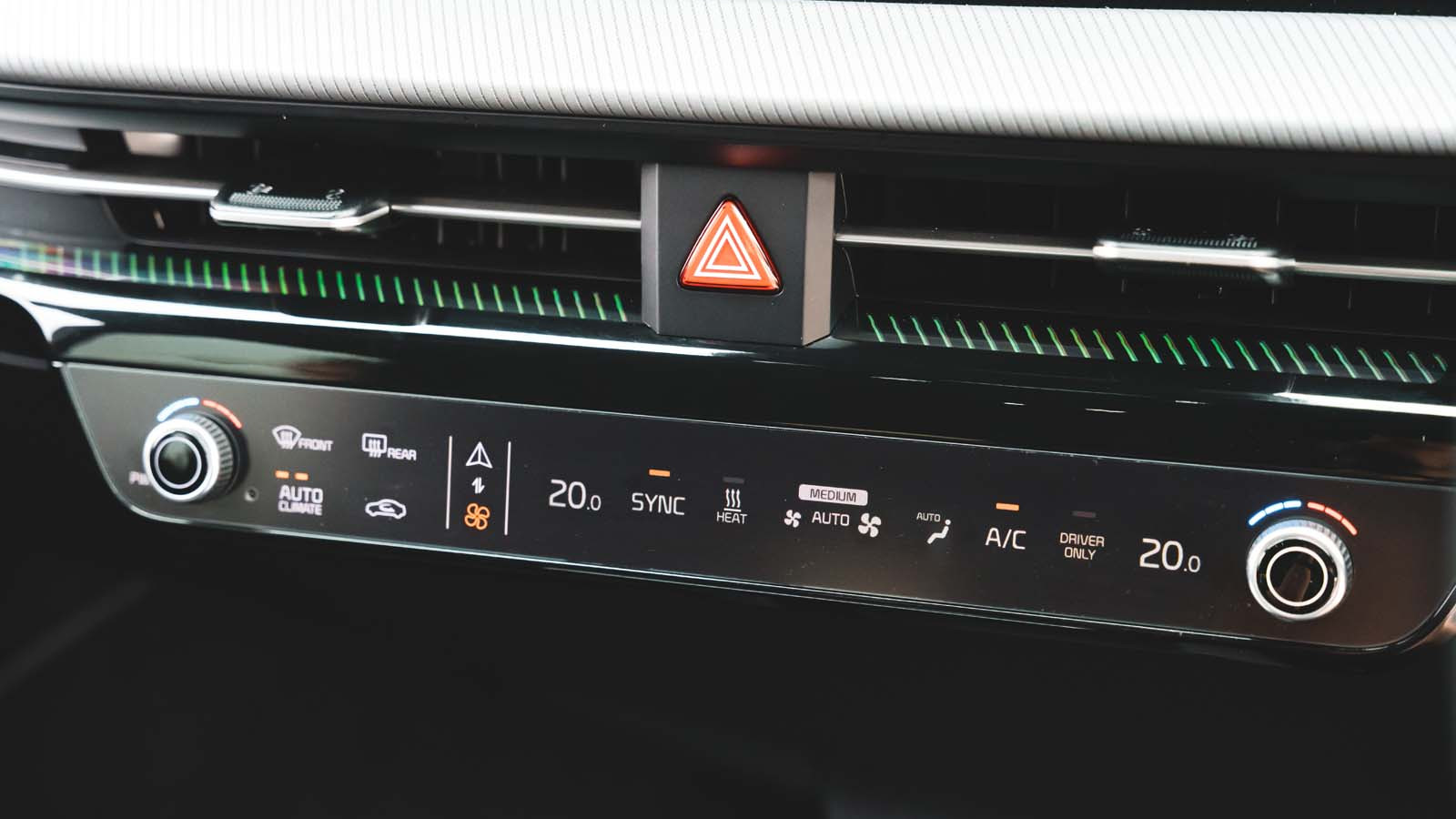
You can extend the remaining range by switching off systems like the radio and heater, although this may only add a small amount of extra distance.
Reducing unnecessary weight in the car can also help improve efficiency.
What to do if you run out of battery
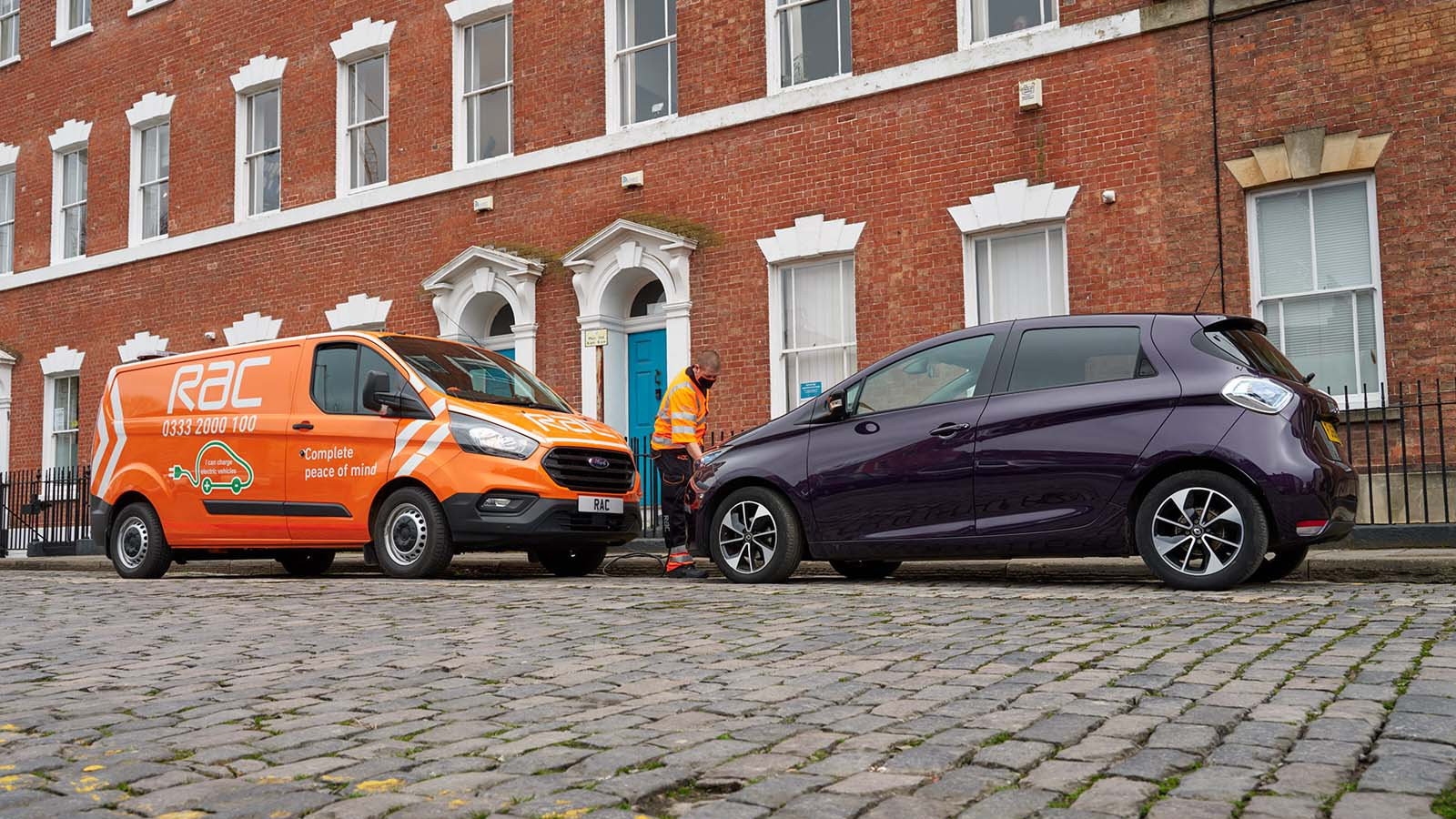
If you do run out of charge, contact your breakdown or recovery provider. Some now carry small charging units that can give you enough charge to continue driving.
If that isn’t possible, a flatbed truck may be needed to transport the vehicle.