
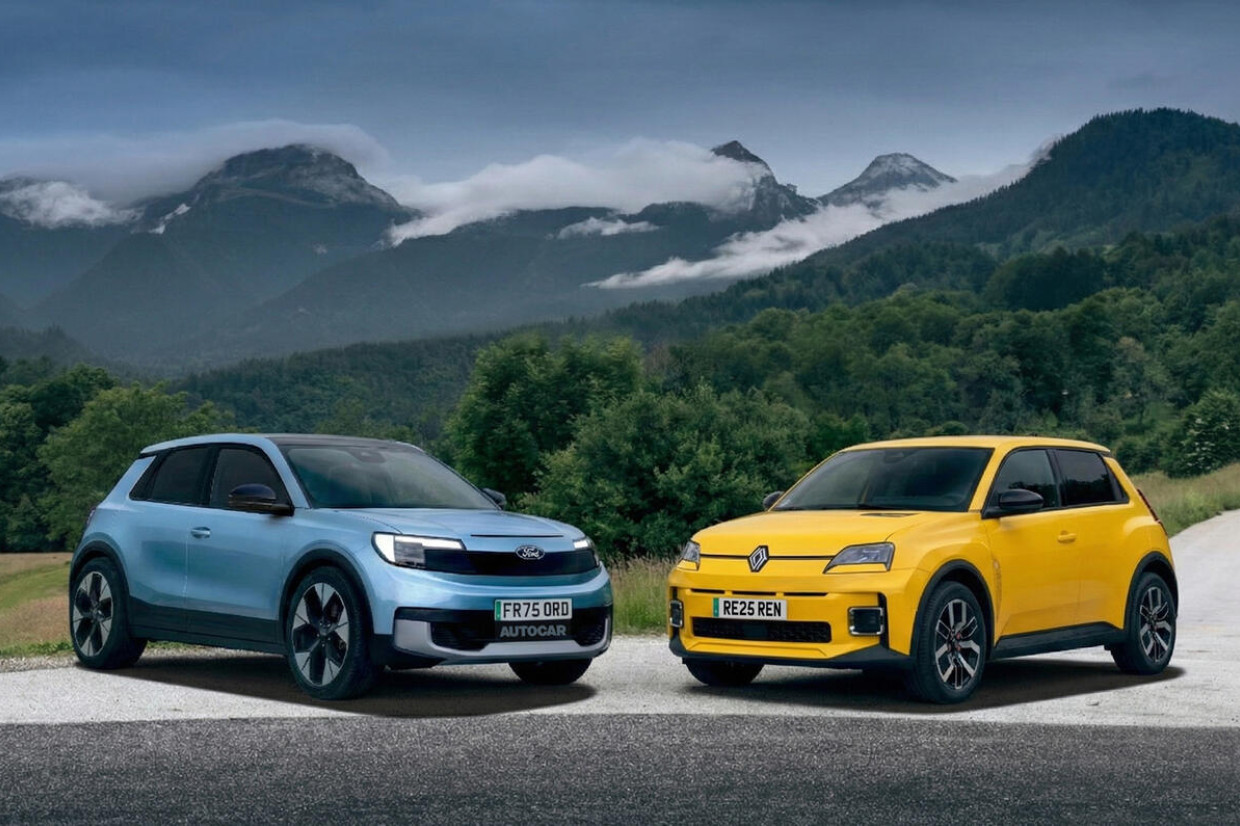
The car industry is no stranger to partnerships between large companies, but few could prove to be as important as the latest alliance between two of the world’s biggest car makers.
Ford and Renault have unveiled a major strategic collaboration to develop and launch two small electric vehicles soon, leveraging their combined automotive expertise.
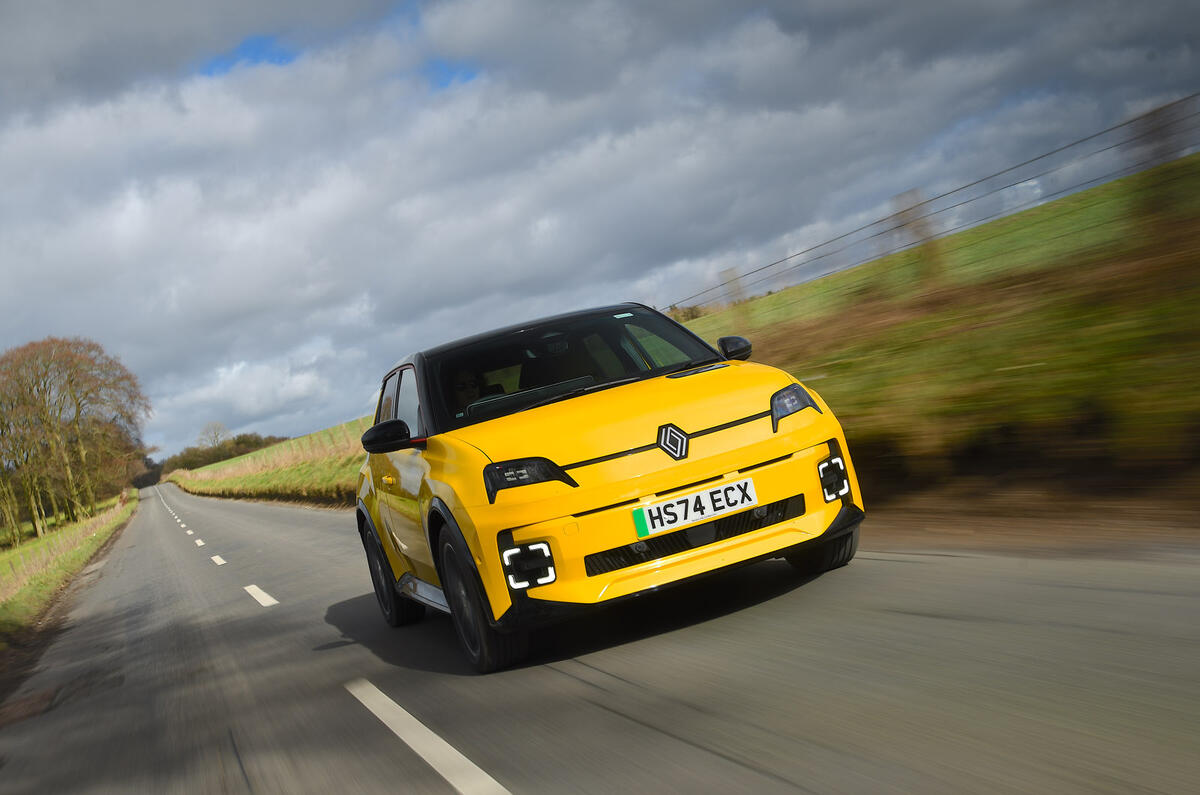
The partnership will focus on Renault’s Ampr platform, which is currently used by the Renault 5, Renault 4 and upcoming Renault Twingo. It tees up a return for the beloved Ford Fiesta, which was removed from sale in 2023.
The first of these new electric cars, which has been described as the partnership as ‘affordable’, will arrive in early 2028. As mentioned above, it’s expected to be a successor to the Fiesta and heavily related to the Renault 5. The car will also be built alongside it at the ElectriCity factory in Douai, France.
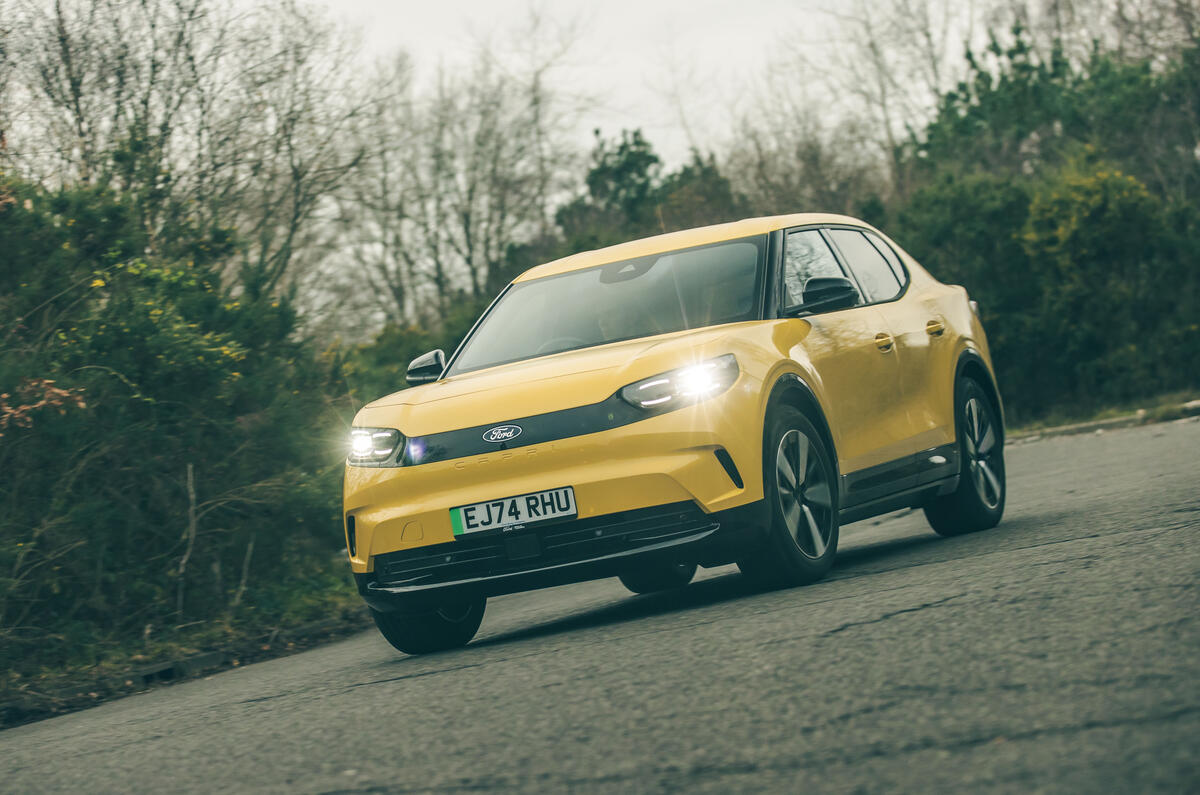
The second Ampere-based electric vehicle is anticipated to be a compact electric crossover. It will be derived from the Renault 4 and may serve as a replacement for the Puma Gen-E. However, specific details or a timeline for this car have not yet been disclosed.
Ford says the two small EVs will be highly bespoke, rather than badge-engineered duplicates, as the Nissan Micra is to the Renault 5. Ford added they would be “distinct Ford-branded electric vehicles’ that will be designed in-house.
The American company stated that these models will "feature distinctive driving dynamics" and offer "authentic Ford-brand DNA and intuitive experiences."
The new Ford EVs are largely expected to use the same hardware as the Renaults. This includes a front-axle motor, with power output ranging from 121bhp to 215bhp depending on the specification. Buyers will have a choice of a 40kWh or 52kWh battery. By 2028, the battery chemistry will transition from NMC to the more cost-effective LFP.
The supermini arriving first will launch Ford back into the segment from which it has been absent since 2023. The Fiesta was removed from sale in 2023 after eight generations and nearly 50 years of production. It made way for the production of the Capri and Explorer electric SUVs.
Ford has previously indicated that it may return to the supermini market in a bid to rebuild its market share in Europe. Previously, Ford possessed a record high market share of 12%, but it currently only holds 4%.
Demand for its electric models has been far lower than anticipated. Ford has been compelled to slash up to 1000 jobs at its Cologne plant and reduce it to a single-shift production schedule due to the poor sales performance of the Capri and Explorer models. This comes after the company had already reversed its plan to make its European lineup entirely electric by 2030, a decision prompted by EV adoption rates in the region falling significantly short of original projections.

Ford's European car range now consists almost entirely of SUVs and MPVs, often derivatives of the Transit van, following the cessation of Ford Focus production last month.
Ford's new partnership with Renault marks its second such collaboration in Europe. The company previously adopted Volkswagen's MEB architecture for the Capri and Explorer. While Volkswagen's smaller MEB Entry platform - used for the forthcoming ID Polo and ID Cross—was initially considered a likely foundation for a revived Fiesta, Renault's more cost-effective Ampr platform was ultimately chosen instead.
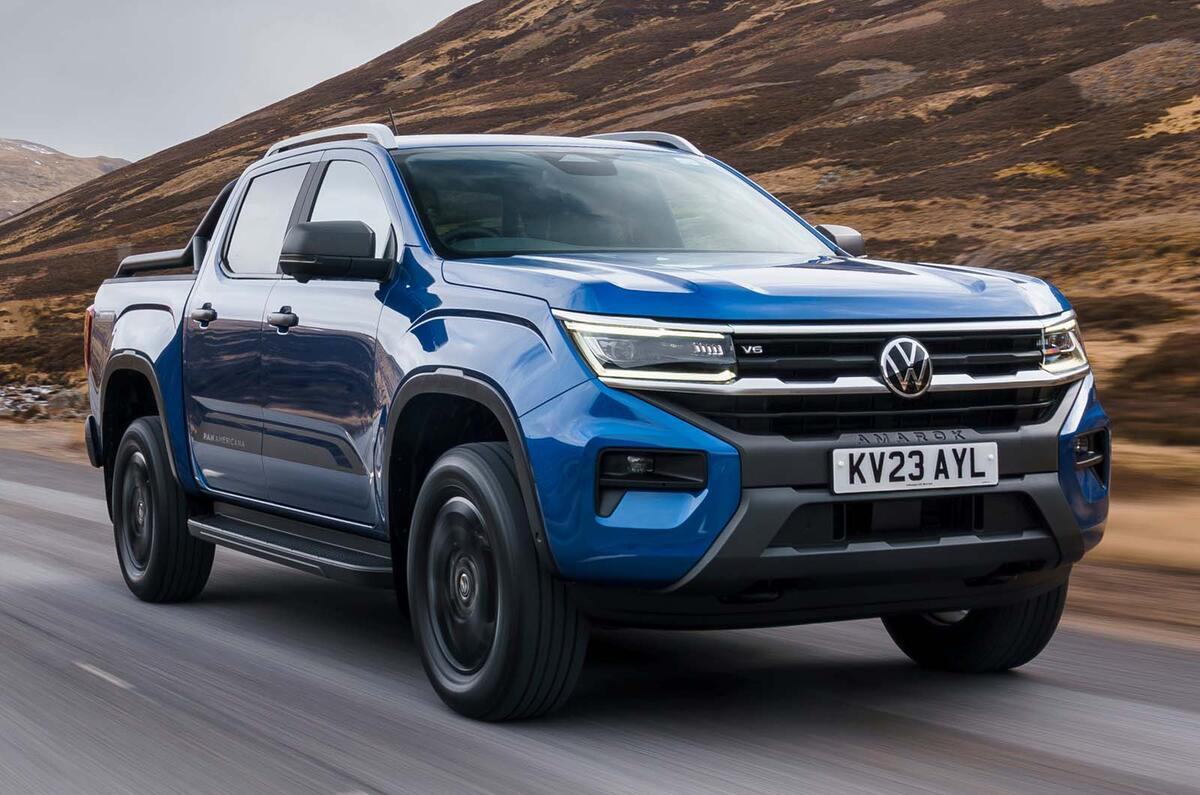
Ford is also strategically collaborating with other manufacturers on light commercial vehicles (LCVs); its partnership with Volkswagen involves Ford producing the Amarok pick-up and Transporter van, and a new arrangement with Renault also covers LCVs.
Ford CEO Jim Farley said, “The strategic partnership with Renault Group marks an important step for Ford and supports our strategy to build a highly efficient and fit-for-the-future business in Europe.
“We will combine Renault Group’s industrial scale and EV assets with Ford’s iconic design and driving dynamics to create vehicles that are fun, capable and distinctly Ford in spirit.”
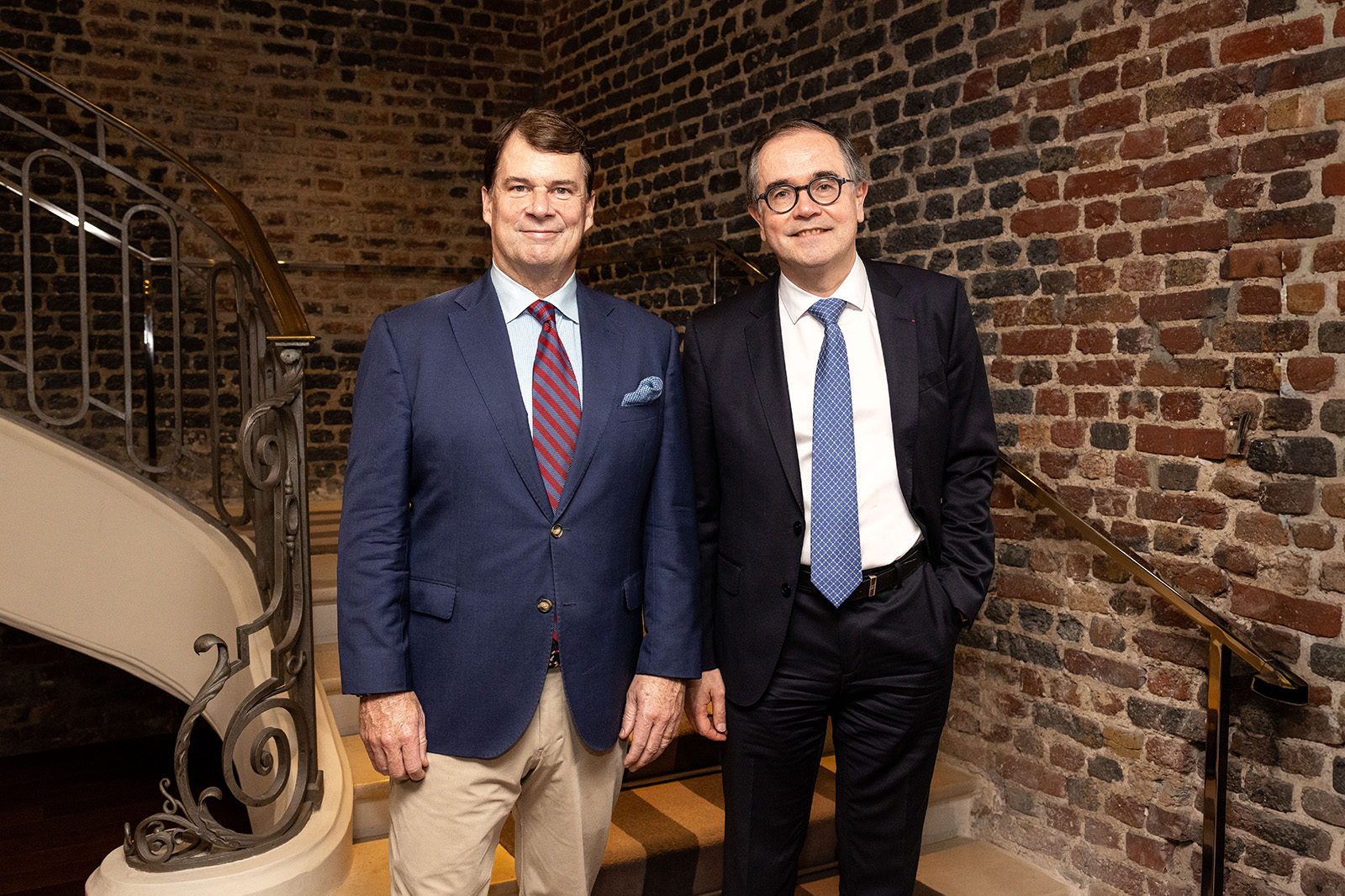
His counterpart at the Renault Group, François Provost, hailed the agreement as a demonstration of “the strength of our partnership know-how and competitiveness in Europe”.
The potential delay of the EU's ban on new ICE car sales, shifting the deadline from 2035 to 2040, is currently under consideration by EU lawmakers. This adjustment aligns with updated EV adoption predictions and is a measure that Ford CEO Jim Farley has previously stated would be vital for the future viability of the European car industry.