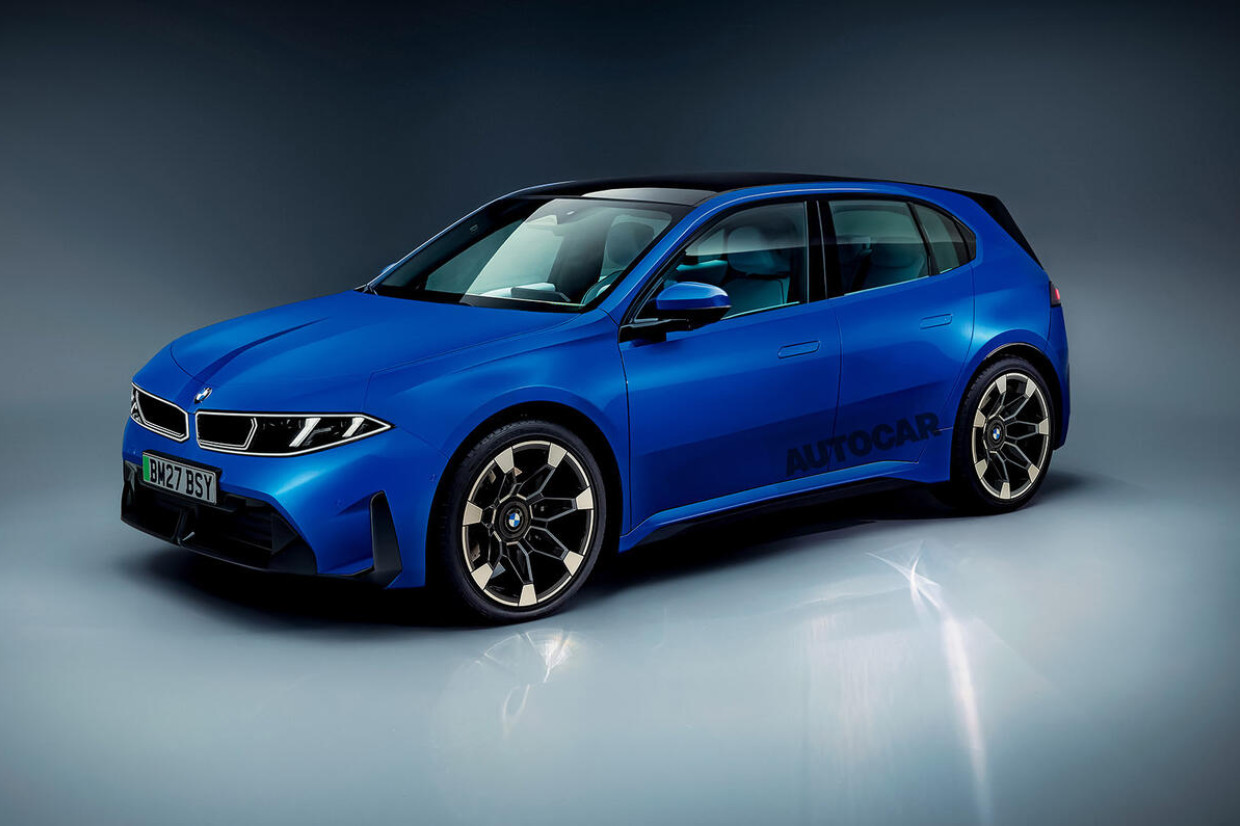
The next-generation BMW 1 Series will arrive in 2028 with both electric and hybrid powertrains and a focus on winning over younger buyers in key markets across Europe.
Described by BMW's compact-car design boss Oliver Heilmer as one of the "main pillars of the brand", the current entry-level hatchback is offered only with combustion engines.
But for the fourth generation, the addition of an electric version, which, as with the new 3 Series and 13, will sit on a bespoke platform but share styling and branding with the ICE variants, will give the firm a crucial rival to the likes of the forthcoming Mercedes A-Class and Audi A2 E-tron.
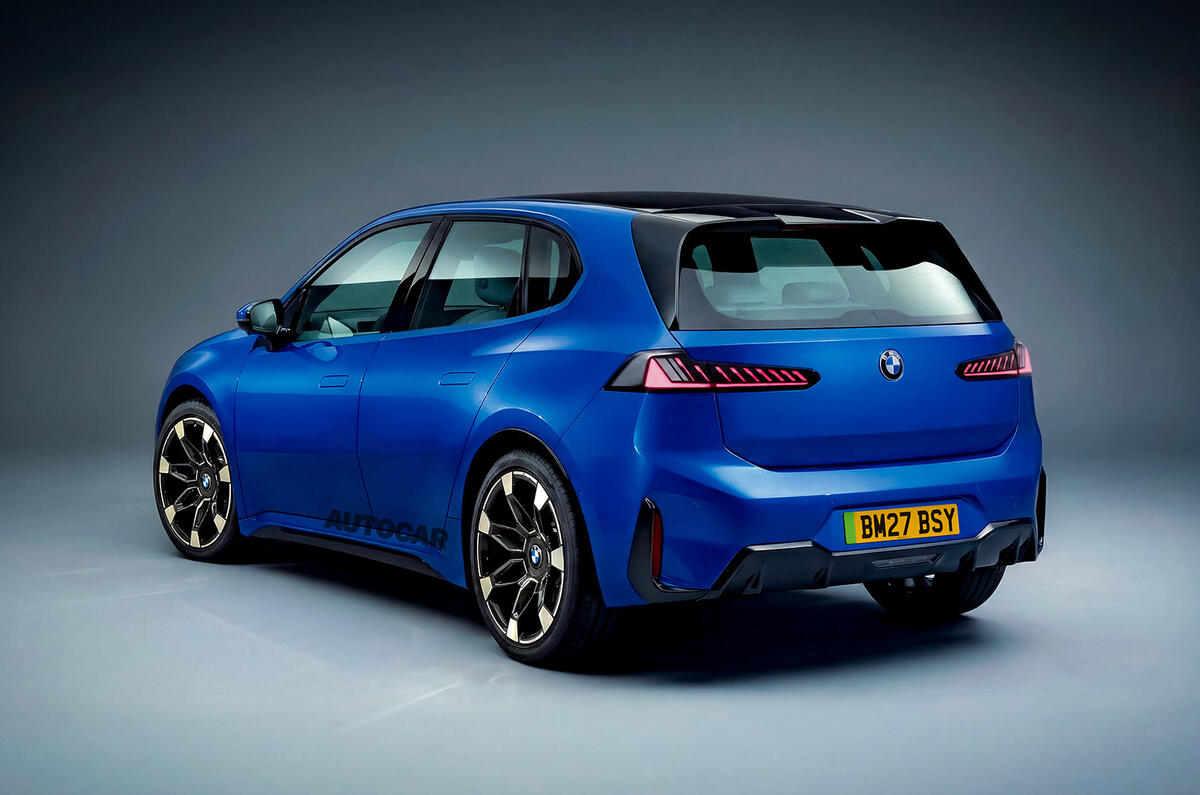
While the A-Class and A2 are set to adopt a mini-MPV look, the next-gen 1 Series will stay true to its hatchback form while taking on the cues of the Neue Klasse design language first seen on the iX3 SUV and i3 saloon.
The new model is due in 2028, four years after the current car's major update and in alignment with BMW's plan to complete its Neue Klasse rollout within the next two and a half years.
Many manufacturers have moved away from entry-level cars to focus on larger, more profitable models, but BMW views the 1 Series as an important part of its business, despite buyers pushing towards SUVs and crossovers.
It sold nearly 200,000 units globally last year, and product boss Bernd Körber has previously told Autocar that there is still a need for a 1 Series hatch in the line-up.
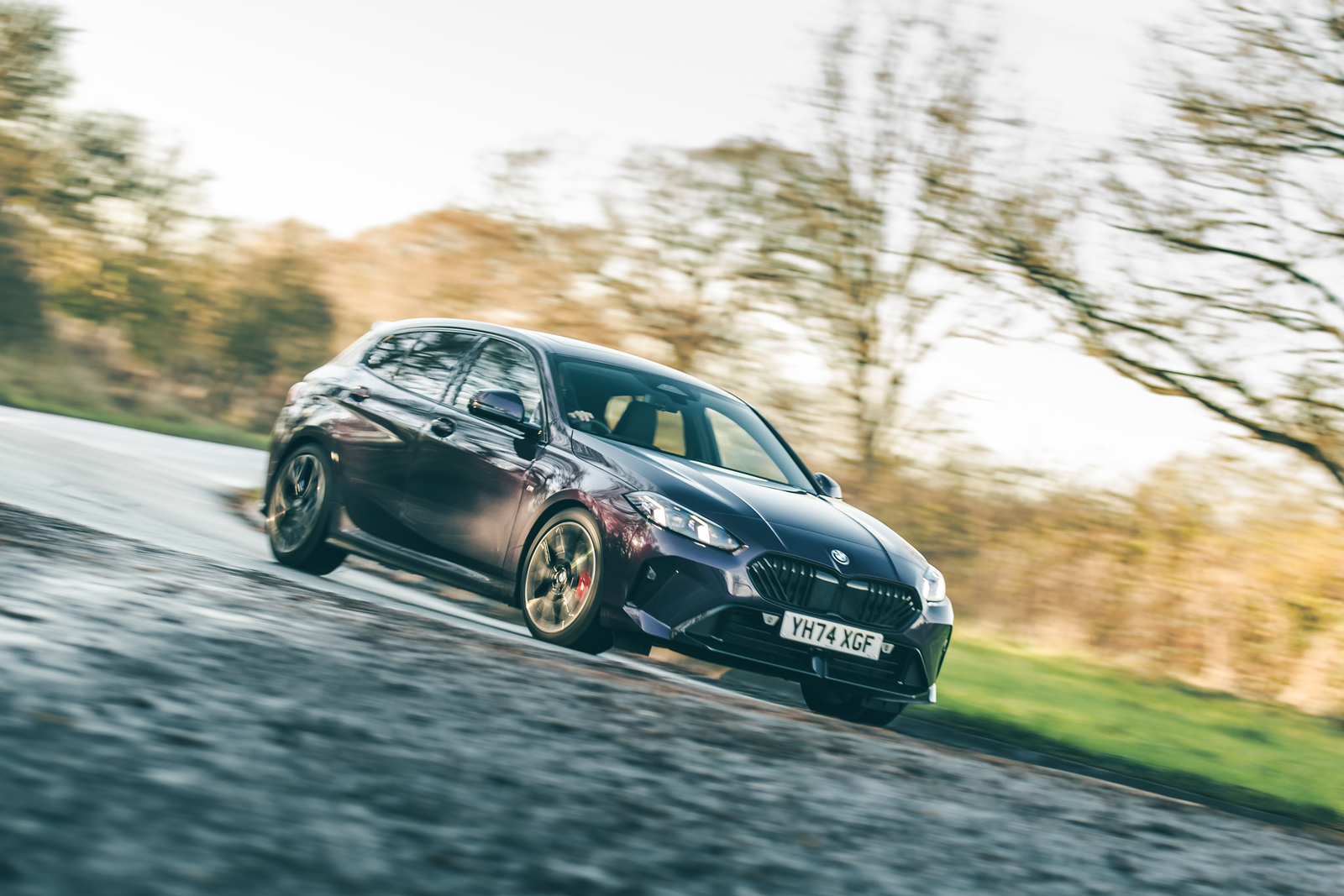
He said the 1 Series remained a big seller in key markets such as Italy and France, adding: "If you want to be a global player, you have to take care of markets where the share of 1 Series is extremely high."
Körber also said the model broadens the brand's target market, especially with younger buyers: "If you want to keep the brand young, if you want to develop customers within your portfolio, the 1 Series is very important."
Radical reinvention
The design of the 1 Series will be revised significantly for its fourth generation in line with the manufacturer's Neue Klasse reinvention. However, while featuring some overarching themes, the specific design of each Neue Klasse model will remain unique.
"The Neue Klasse form language doesn't set boundaries," explained Heilmer. "It doesn't mean just that curvature on a polyline; it's more a mindset rather than a design cookbook.
"One important aspect behind the Neue Klasse mindset is having strong different characters [for each model line], so you can expect something entirely different in other models based on the same [platform].
"Do you just replicate what you have in the IX3 and replicate them to other cars? The answer is no. Let's make them more emotional and create different characters."
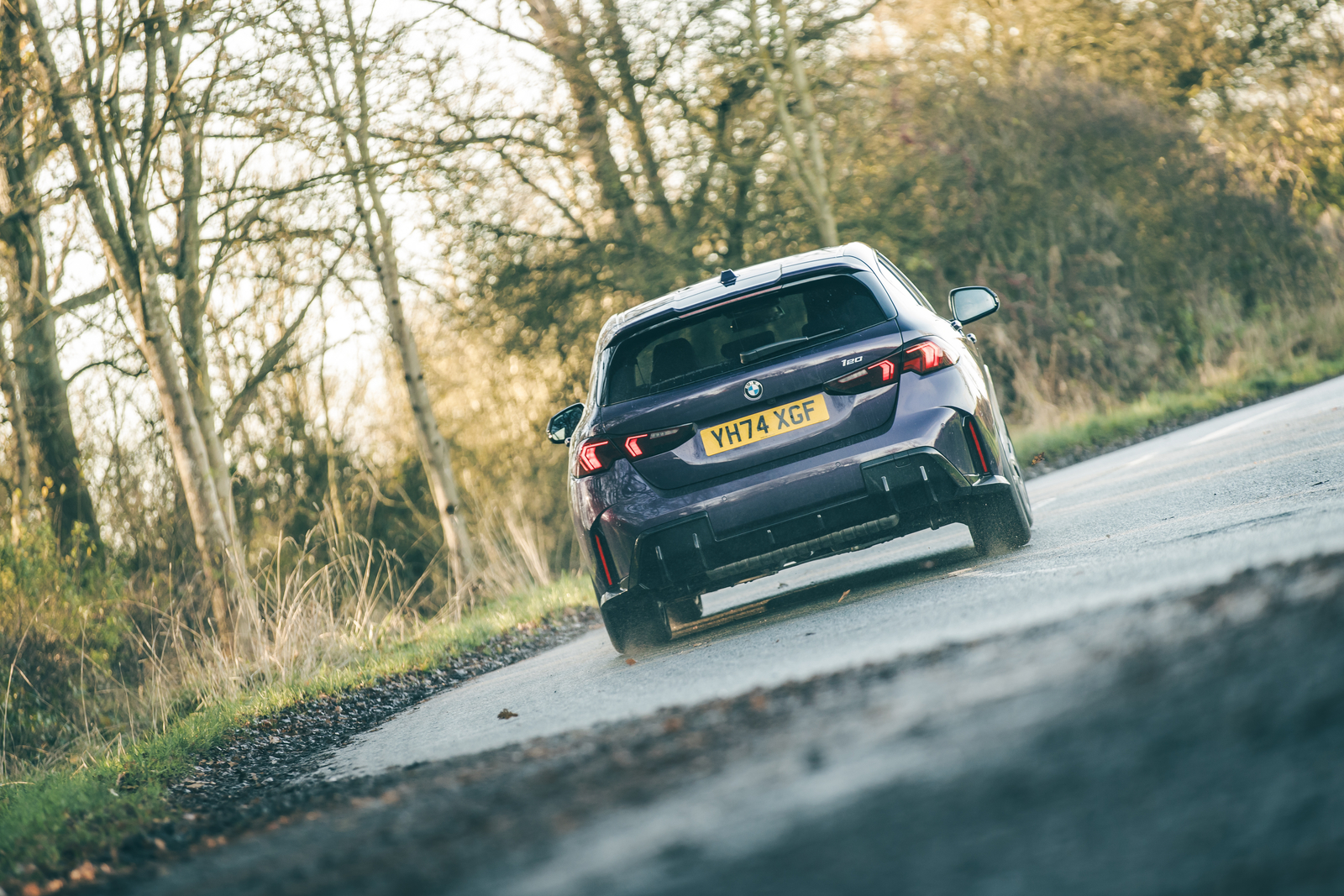
Asked if this meant the team had been able to work from a clean sheet for the new 1 Series, Heilmer said "not in that sense", but added "you always have to be open".
Instead, a "pretty important" differentiator between the model lines will be their respective kidney grilles, silhouettes, and surface treatments, said Heilmer.
"BMW always stood for that differentiation. We never did a small series that looked like a shrunken 7 Series. So this is the openness we want to keep in order really to enhance each specific character. And this is so exciting to me."
While the 1 Series has been five-door-only since the third generation arrived in 2020, development boss Joachim Post has suggested the move onto new underpinnings opens up the possibility of a return to a three-door option – but only for the EV that will sit on the highly scalable but electric-only Gen6 platform.
He said: "For a different size or proportion, you realise that's not the big issue it was in the past. [With the platform] you can make a two-door, a three-door - that's not an issue for a battery car."
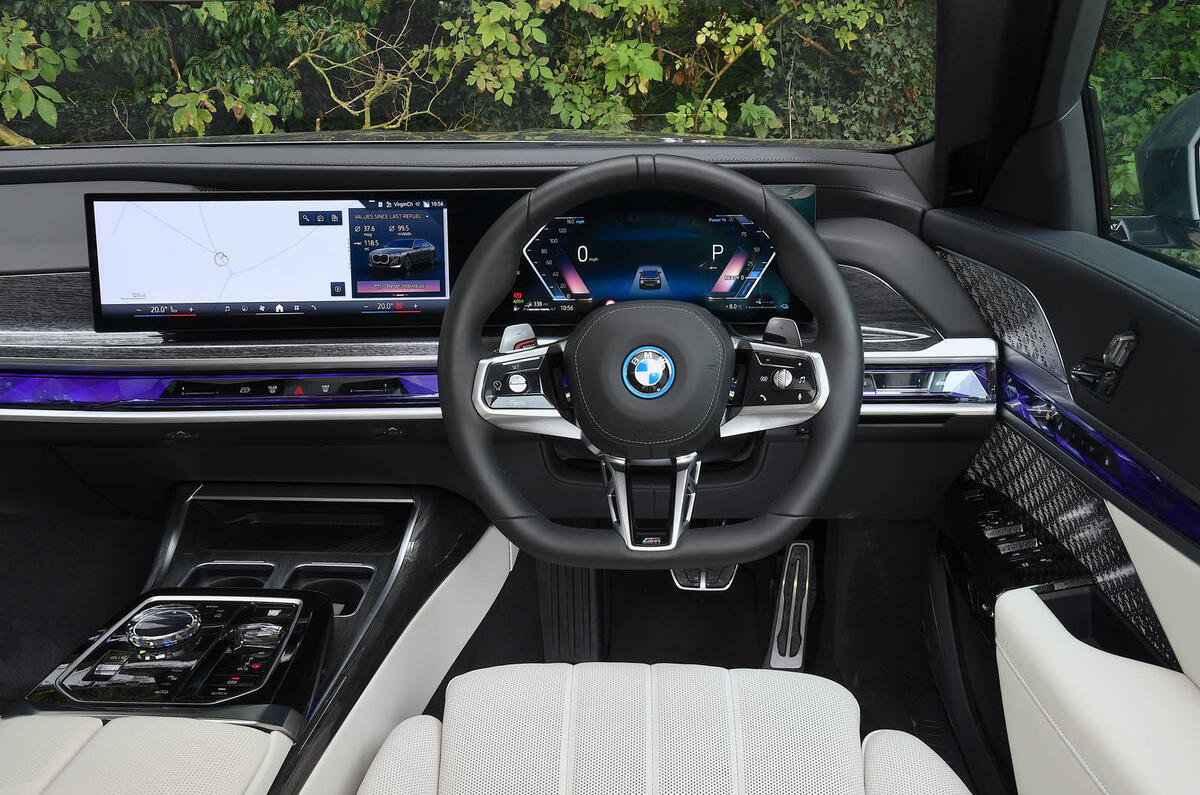
The 1 Series will also get a radical makeover inside, mirroring the interiors of the iX3, the i3 and the recently facelifted i7 and 7 Series.
Post added that the Neue Klasse cabin, which includes a 17.9-inch slanted central touchscreen and 43.3in-long 'Panoramic iDrive' in place of an instrument cluster, has been created to be highly flexible.
"You can easily bring that to every car," he said.
Breadth of powertrains
The new electric i1 will sit on a bespoke EV platform, but the combustion-engined version will continue to use the same CLAR architecture as today's 1 Series.
This will give the pair distinctive characteristics, because the Gen6 EV structure is a rear-biased architecture, while the ICE platform is natively front-drive.
For the combustion-engined 1 Series, powertrain options are expected to include the same 1.5-litre petrol three-cylinder and 2.0-litre petrol four-pot units as today, but with the addition of a plug-in hybrid option.
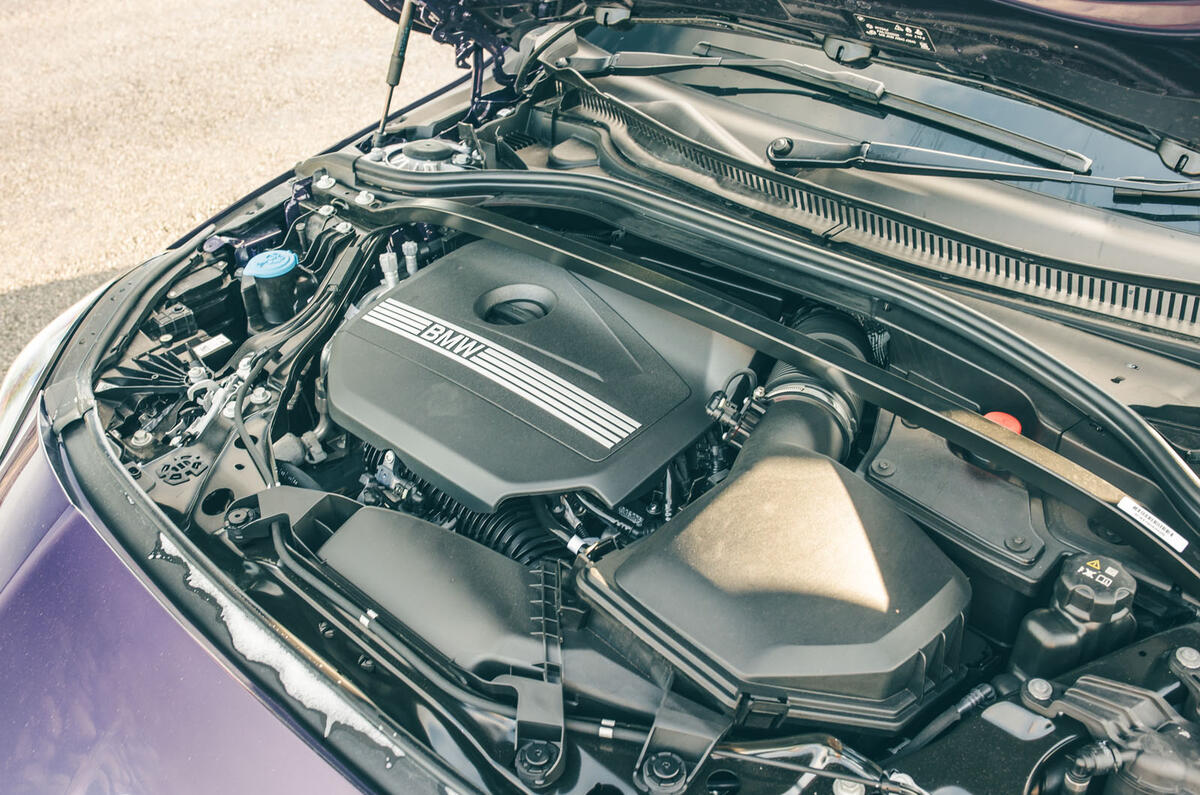
That powertrain is likely to be the same set-up used by the current 3 Series, which combines the 2.0-litre engine with a front-mounted electric motor and a 19.5kWh battery for around 96km (60 miles) of emission-free range.
The EV is likely to share almost all of its underpinnings with the incoming i3, but its spec will be dialled down in order to sit close to the same £30,000 (€34,472) price point as today's model - some £20,000 (€22,981) less than the i3.
As such, expect power to be offered via a single rear-mounted electric motor topping out at 322bhp in its most potent standard form.
The platform can be configured with a dual-motor set-up, which BMW could later adopt for a more powerful M-badged version. With outputs of around 463bhp (the same as the i3 50 xDrive), that would make it the most powerful 1 Series yet conceived.
Given the electric 1 Series hatchback's more compact proportions, it won't match the 900km (559-mile) range offered currently by the i3.
A key reason, explained Post, is that the 1 Series will draw its electricity from a smaller battery than the 108kWh nickel-manganese-cobalt pack used by the 13.
The new 1 Series will also be fitted with both the latest ADAS technology and BMW's new AI 'superbrains', regardless of which powertrain is picked, explained Post.
He added: "Technology openness means the customer can choose the powertrain, but in every car in the next two years you get the newest technologies. That's the real choice you have. In the new [EV] and the old world [ICE], we have the philosophy to bring all [drivers] together to the next level of technology, independent of the powertrain."