
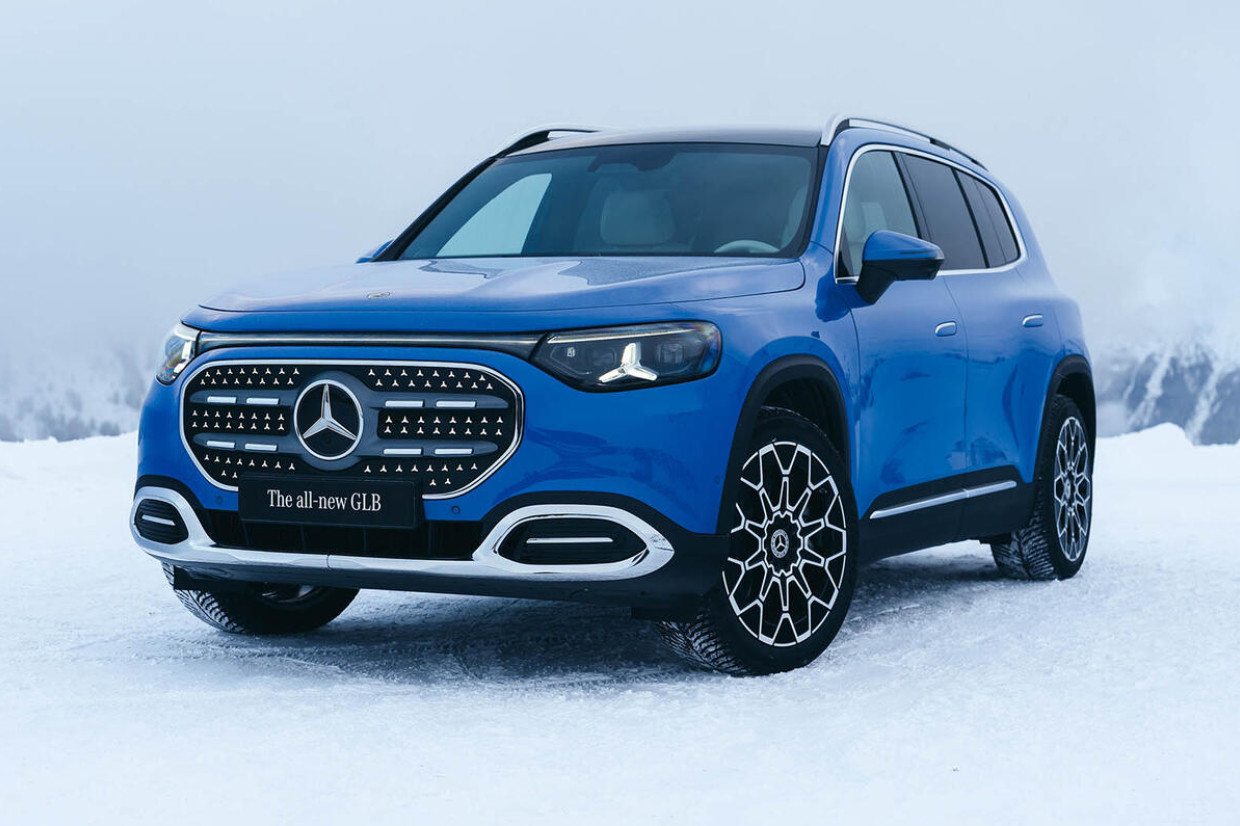
It’s been a big year for Mercedes-Benz. The German car maker has recently unveiled the new, electric GLC, and has launched its new flagship electric car: the Mercedes CLA.
It hasn’t stopped there. Now, Mercedes has revealed the new GLB, which returns for a second generation, with a long-range electric variant.
One of Mercedes’ best-selling models, the GLB is the seven-seat alternative to the CLA. Due to its premium positioning, it has few direct rivals.
The new GLB carries a similar design to the first-generation model, with some subtle cues to the firm’s flagship electric car, the G-Class. The main visual difference compared with the previous car is that the new version is 60mm longer than before.
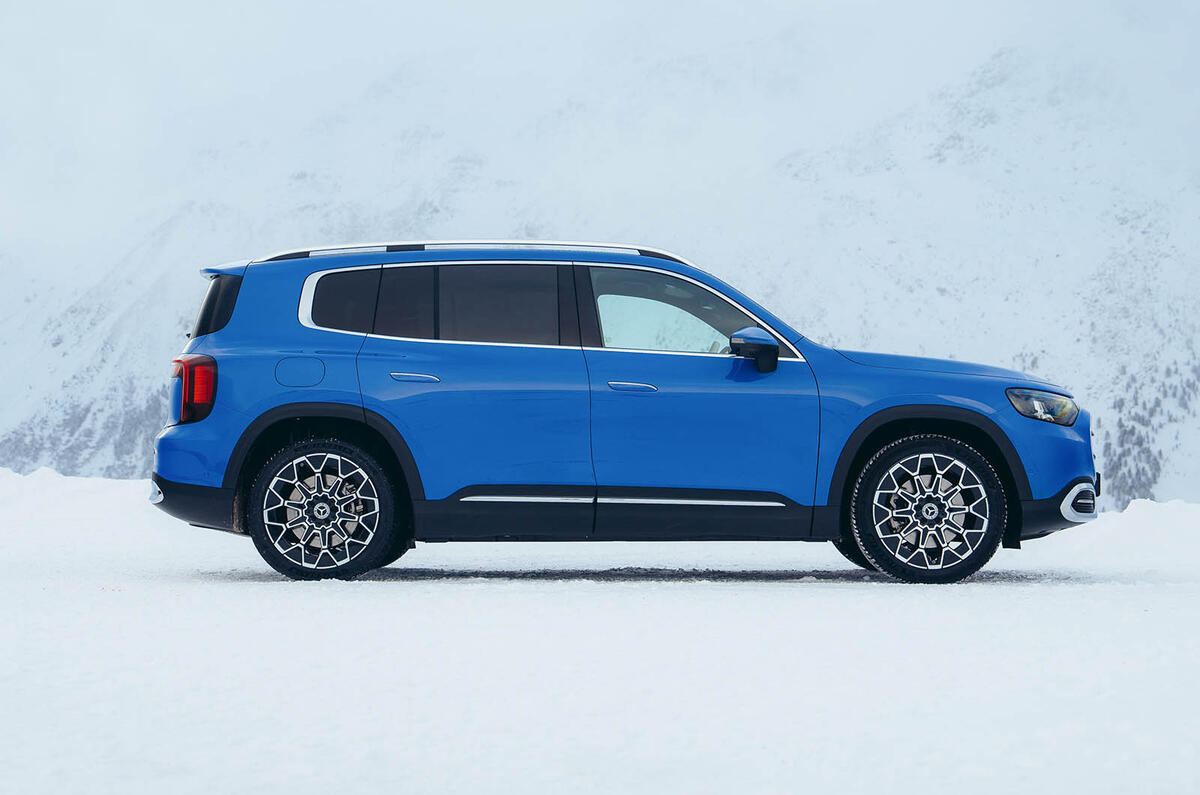
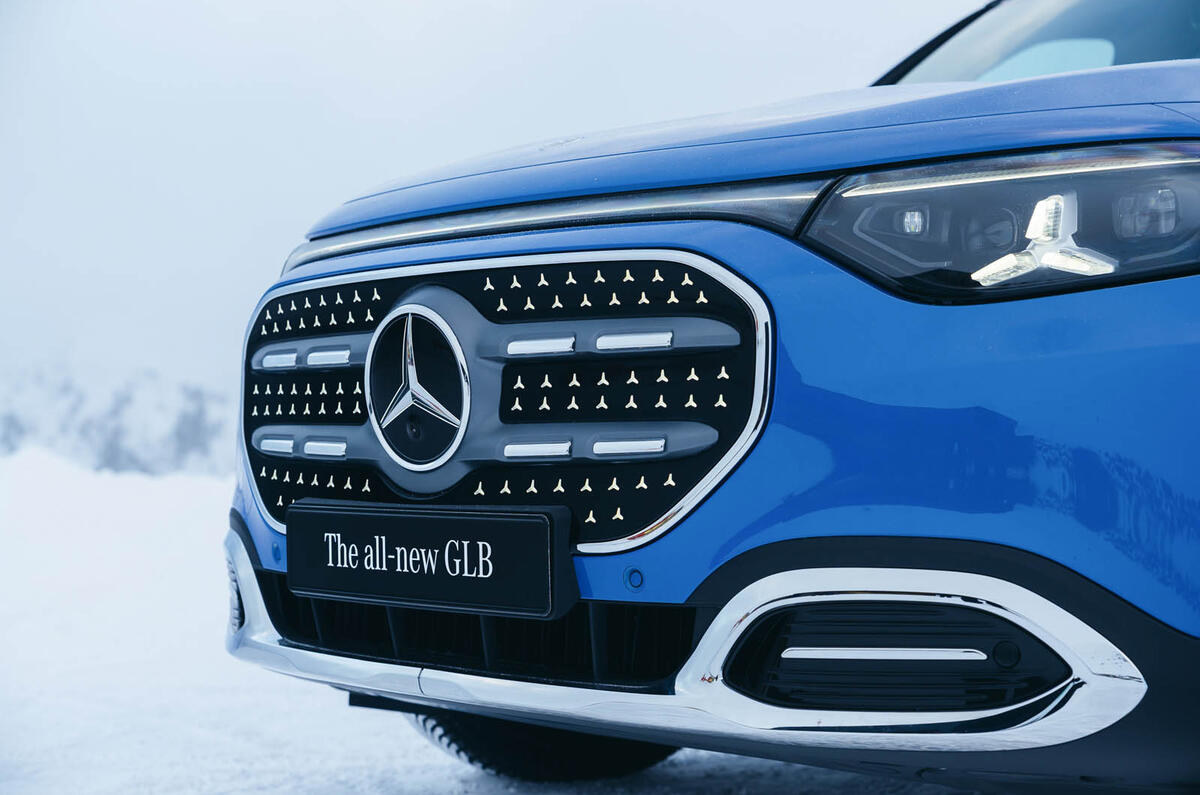
There are some small design differences between petrol and electric models. Internal combustion engine models feature a traditional front grille with a chrome star pattern, plus an illuminated grille surround.
The EV, meanwhile, covers off the front grille with a panel featuring 94 individual stars which light up when the driver approaches or departs the vehicle.
While the exterior is similar to before, almost everything is new beneath the metal. The GLB is the second model to utilise Mercedes' latest compact car architecture, the MMA platform, which is designed to support both hybrid and purely electric powertrains.
It’s the largest model to use the platform, and it will be joined by a smaller crossover in 2026, named the GLA.
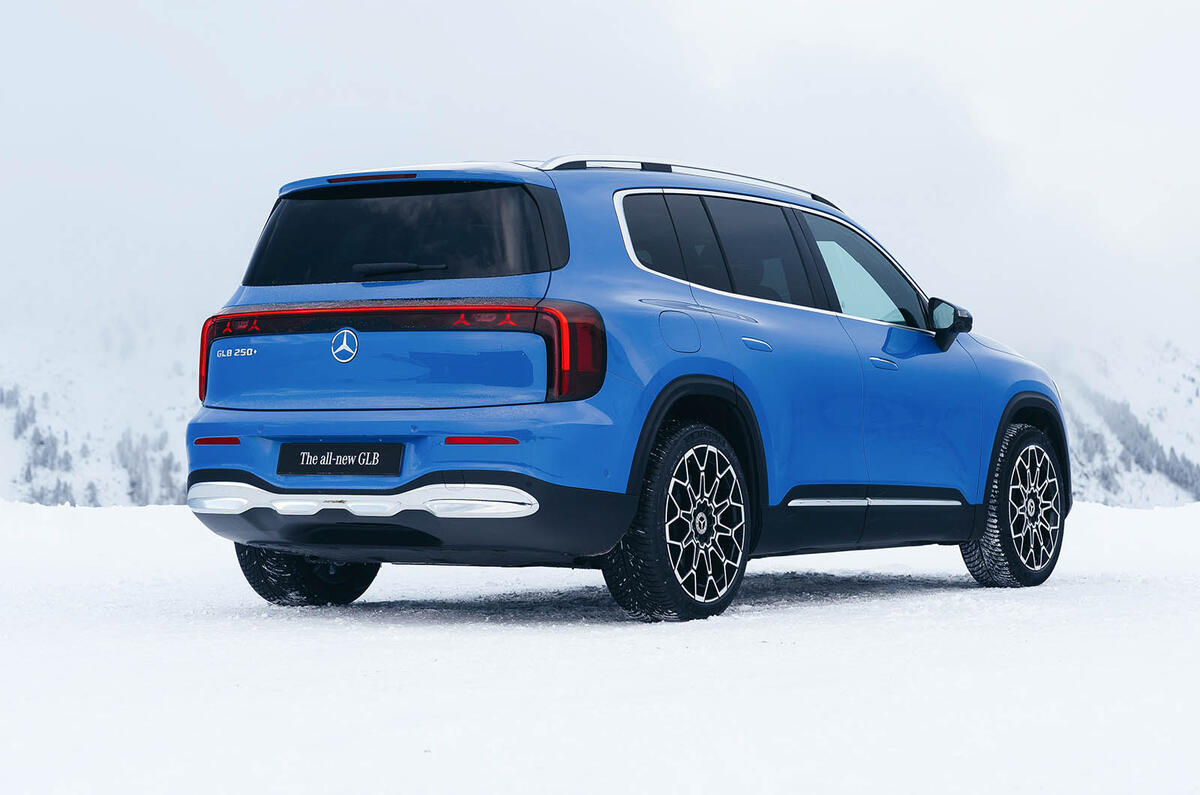
The GLB's wheelbase has been lengthened by 60mm to 2.9m, which makes it slightly longer than the GLC.
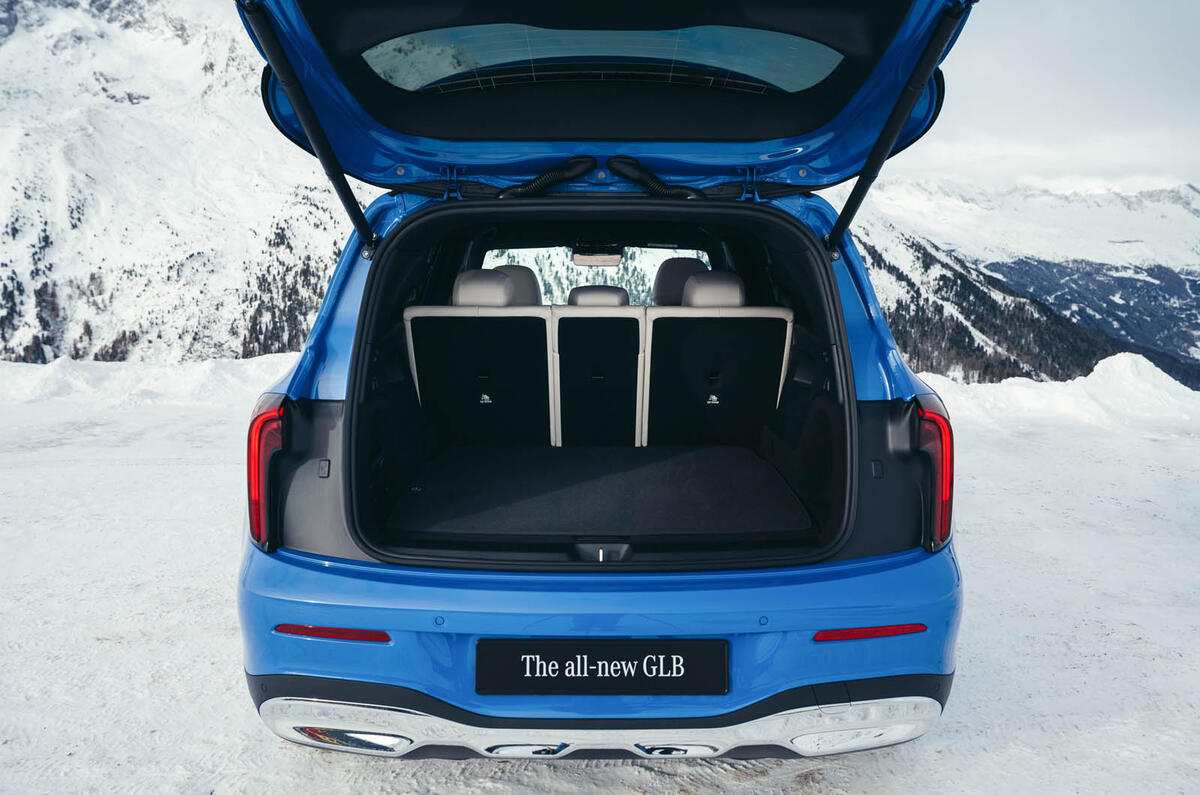
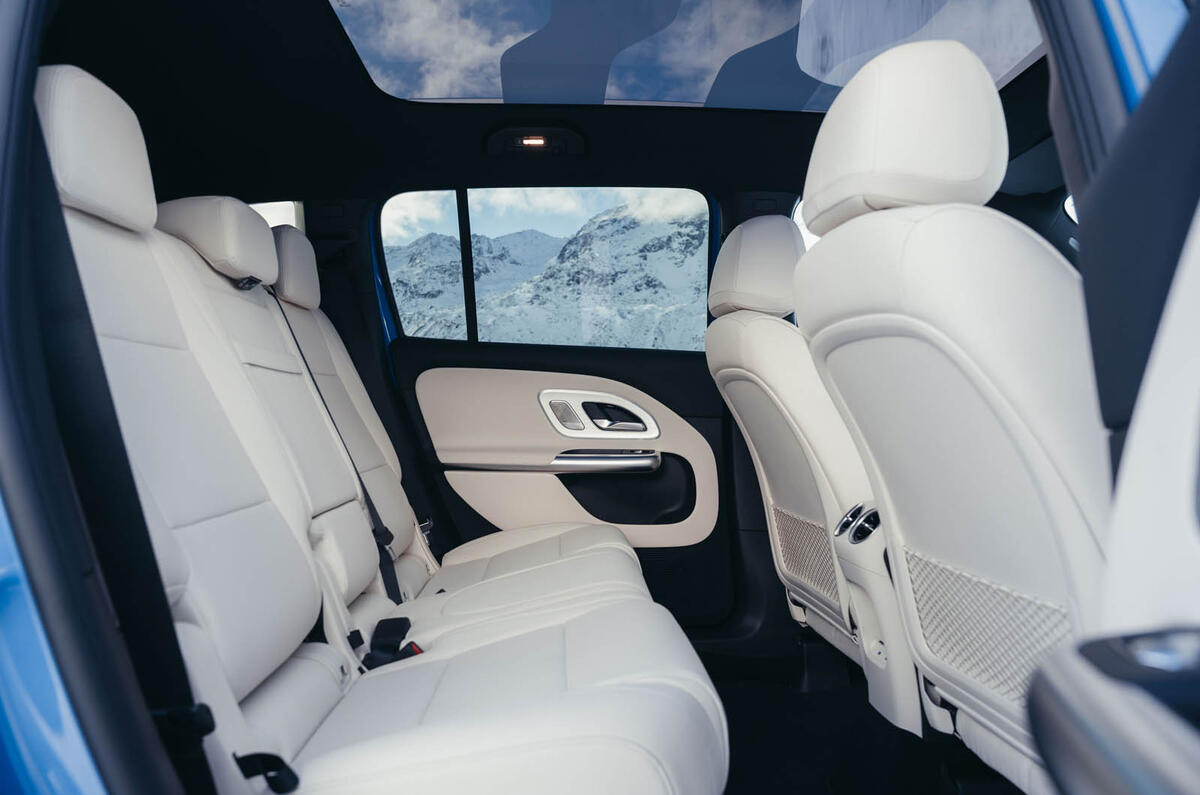
Thanks to its longer body, the GLB offers improved legroom for passengers. Mercedes says the third row of seats is now spacious enough to 'comfortably' accommodate passengers up to 5ft 6in tall. The previous GLB, meanwhile, had a third row only really suitable for children.
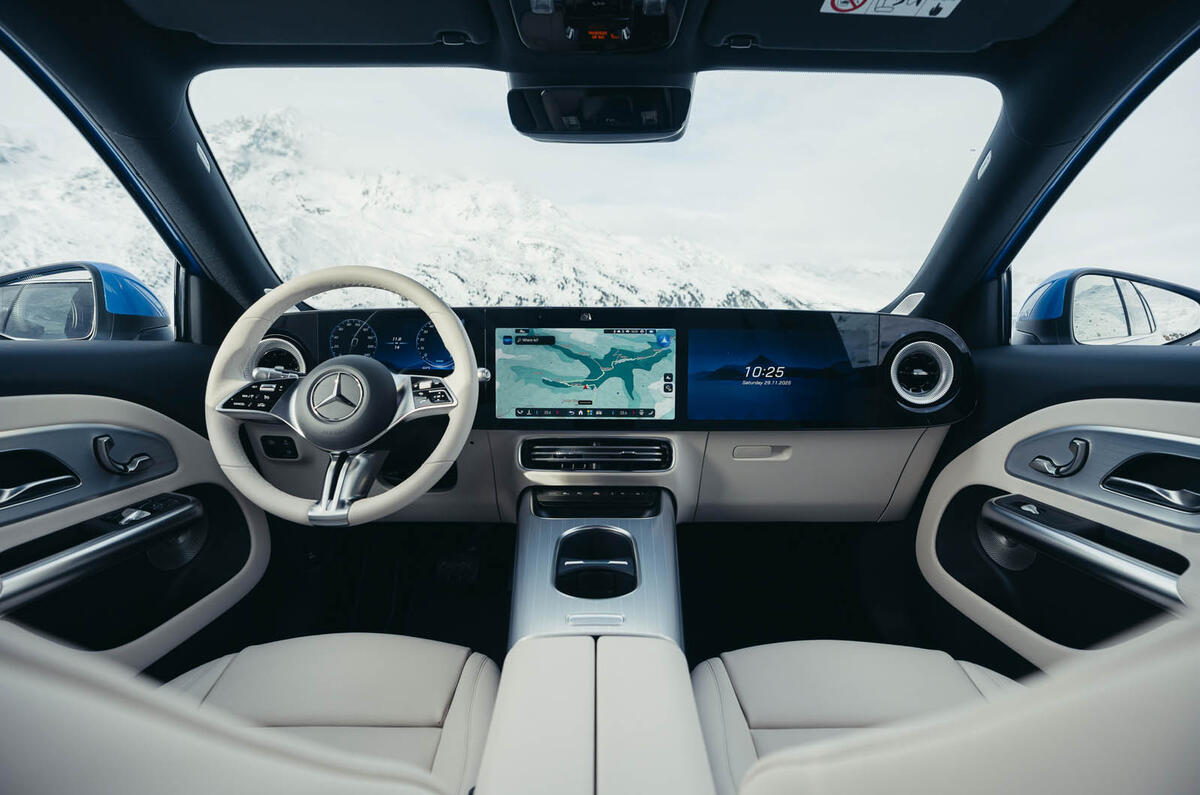
The driver now benefits from up to 35mm more headroom, too, while the middle-row passengers gain 64mm. Even the third row sees an increase of 10mm.
The most significant interior upgrade for the new GLB is the optional Superscreen, an expansive dashboard-spanning panel borrowed from the S-Class. This setup integrates a 10.25-inch driver display with two 14-inch touchscreens - one central and one for the passenger's infotainment - into a single, massive arrangement.
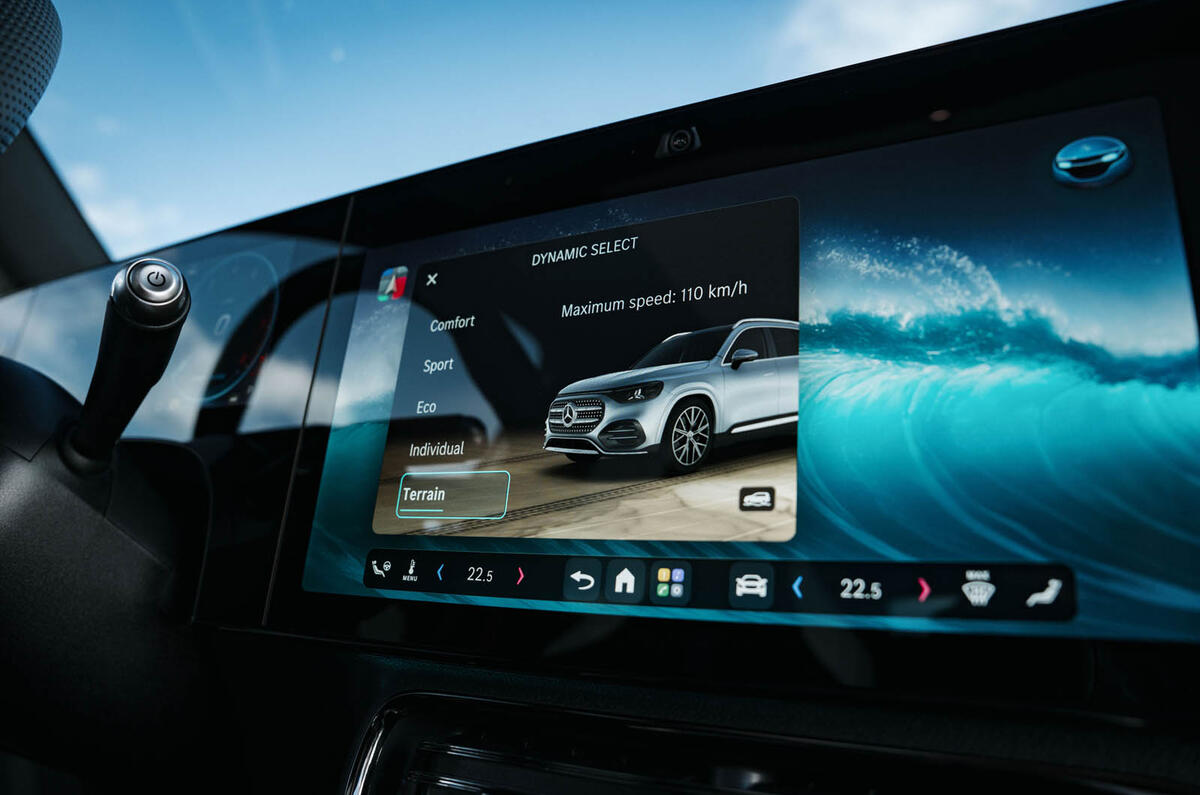
The system uses the latest version of Mercedes’ MBUX infotainment, which claims ‘supercomputer’ functionality. It also features AI functions from Microsoft and Google, plus ChatGPT integration.
The electric GLB EQ will be the first to go on sale. All models are powered by an 85kWh battery, which offers up to 630km (392 miles) of range on a charge. As a result, the GLB is one of the longest-range electric crossovers of its size.
Entry-level cars get a single, rear-mounted electric motor producing 260bhp, while range-topping, dual-motor models get all-wheel drive and 349bhp.
With a maximum charging speed of 320kW, this is one of the quickest-charging vehicles available. Mercedes states it can add 260km (162 miles) of range in just 10 minutes.
Following the initial launch, Mercedes plans to introduce the entry-level GLB 200. This rear-wheel-drive variant will feature a smaller 58kWh battery, offering an estimated range of around 450km (280 miles), and its power output will be reduced to 221bhp. However, full specifications for this model are unconfirmed.
The overhauled family crossover from Stuttgart is set to enter a segment with few direct competitors. It will be the only premium offering in its class available with a choice of electric (EV) or internal combustion engine (ICE) power, as well as an optional seven-seat configuration.
While direct rivals are scarce, logical alternatives for buyers include the Tesla Model Y, Audi Q4 E-tron, and Volkswagen ID 4. Other electric SUVs with three rows of seating tend to be positioned either significantly lower in price, such as the Peugeot e-5008, or considerably larger and more expensive, like the Volvo EX90 and Kia EV9.
The new GLB is slated to go on sale in early 2026.